Sovereign Media Profile picture
Global anti-imperialist stories through a sovereign lens. Independent journalism for the people, by the people.

Dec 27 9 tweets 4 min read
A Thread 🧵

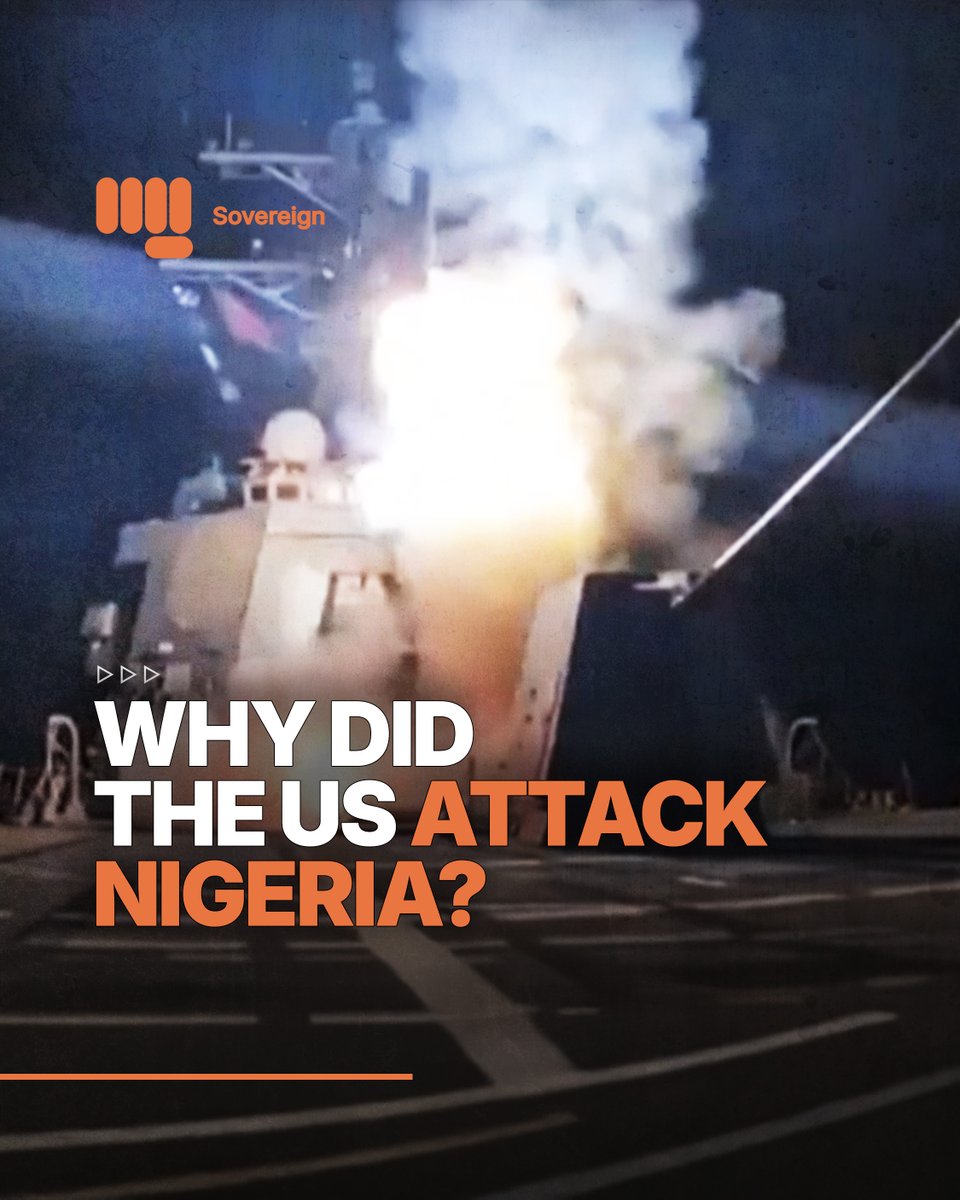
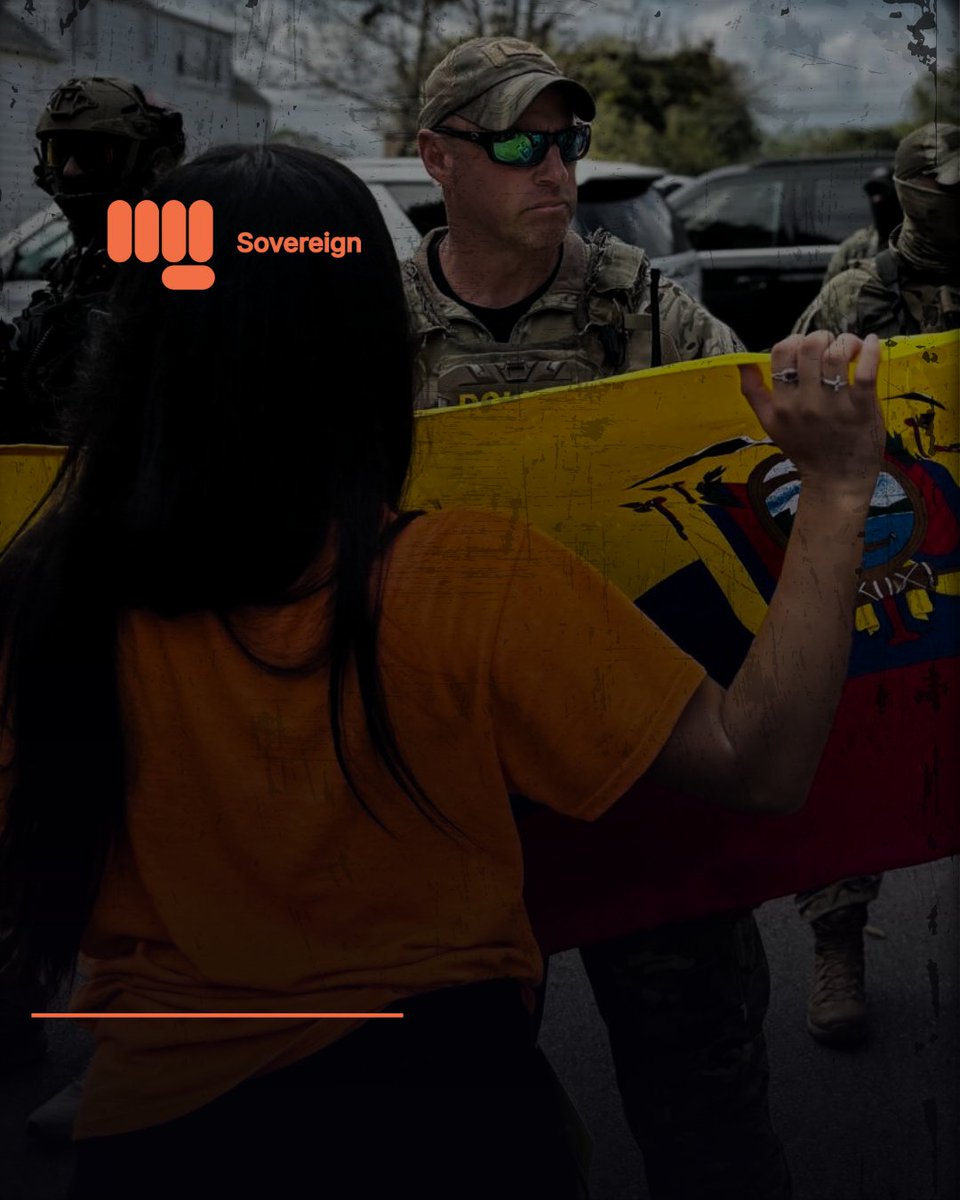
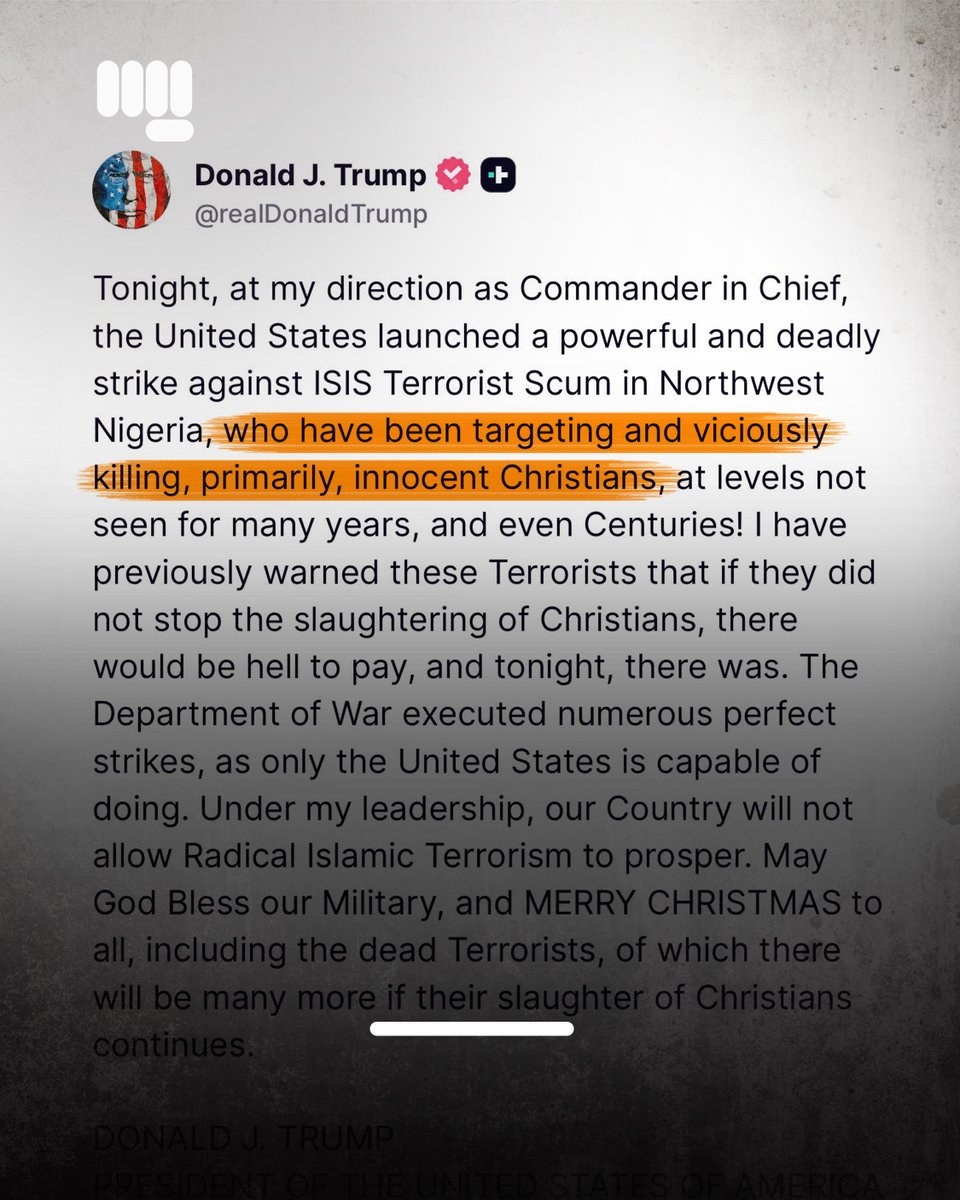
The US launched airstrikes in northwest Nigeria, claiming to target ISIS militants in a mission to protect Christians. But as the smoke clears, analysts and Pan-Africanists alike are questioning the true motives behind this intervention.

Critics suggest these strikes are less about Nigerian security and more about US domestic politics. By framing the bombing as a "crusade" for the evangelical Christian right, the Trump administration is using Africa as a stage to pander to one of its key voter bases.

Nor has the significance of oil been missed. Following attacks on Iran and Venezuela, Nigeria is now the third oil-rich nation the US has struck this year. History shows that whenever the US "exports democracy" or "protection" to resource-rich lands, the result is rarely stability. From Iraq to Libya, the pattern is clear: military intervention is the precursor to economic extraction.

While some Nigerians have cheered the strikes, Pan-Africanists are more sceptical. This mirrors the early days of the NATO intervention in Libya, which some locals initially viewed as promising until it spiralled into a decade of state collapse and militia rule.

The "protecting Christians" narrative falls apart when held up against US foreign policy elsewhere. While the US claims to be the guardian of the faith in Nigeria, it continues to provide unconditional support to Israel, which has systematically targeted and displaced some of the world's oldest P*lestinian Christian communities.

Ultimately, a Western power conducting unilateral strikes on African soil is a direct assault on Global South sovereignty. Real security cannot be granted by a foreign imperial power. When they enter your house to "clean" it, they rarely leave the keys behind.Image The US launched airstrikes in northwest Nigeria claiming that it is targeting IS militants who are killing Christians. Image
Dec 14 11 tweets 5 min read
A Thread 🧵

When you think about imperialism in Africa, what pops up in your mind? Most people would envision old-style European colonialists or their modern variants, especially the French. Many may think of the United States' sprawling network of AFRICOM military bases. And Western mainstream media is relentlessly conditioning us to lump in China and Russia as new "imperialist" powers as well.

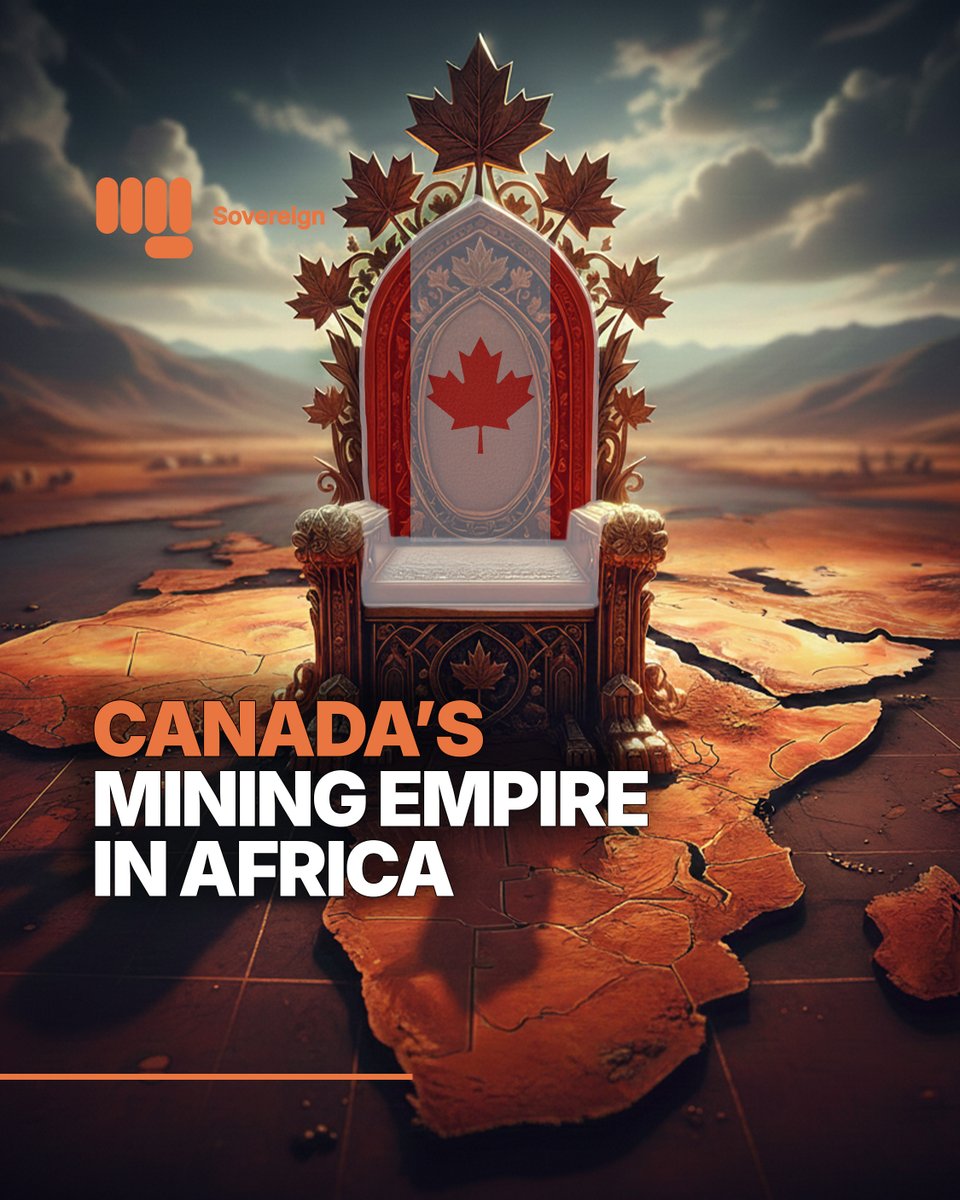
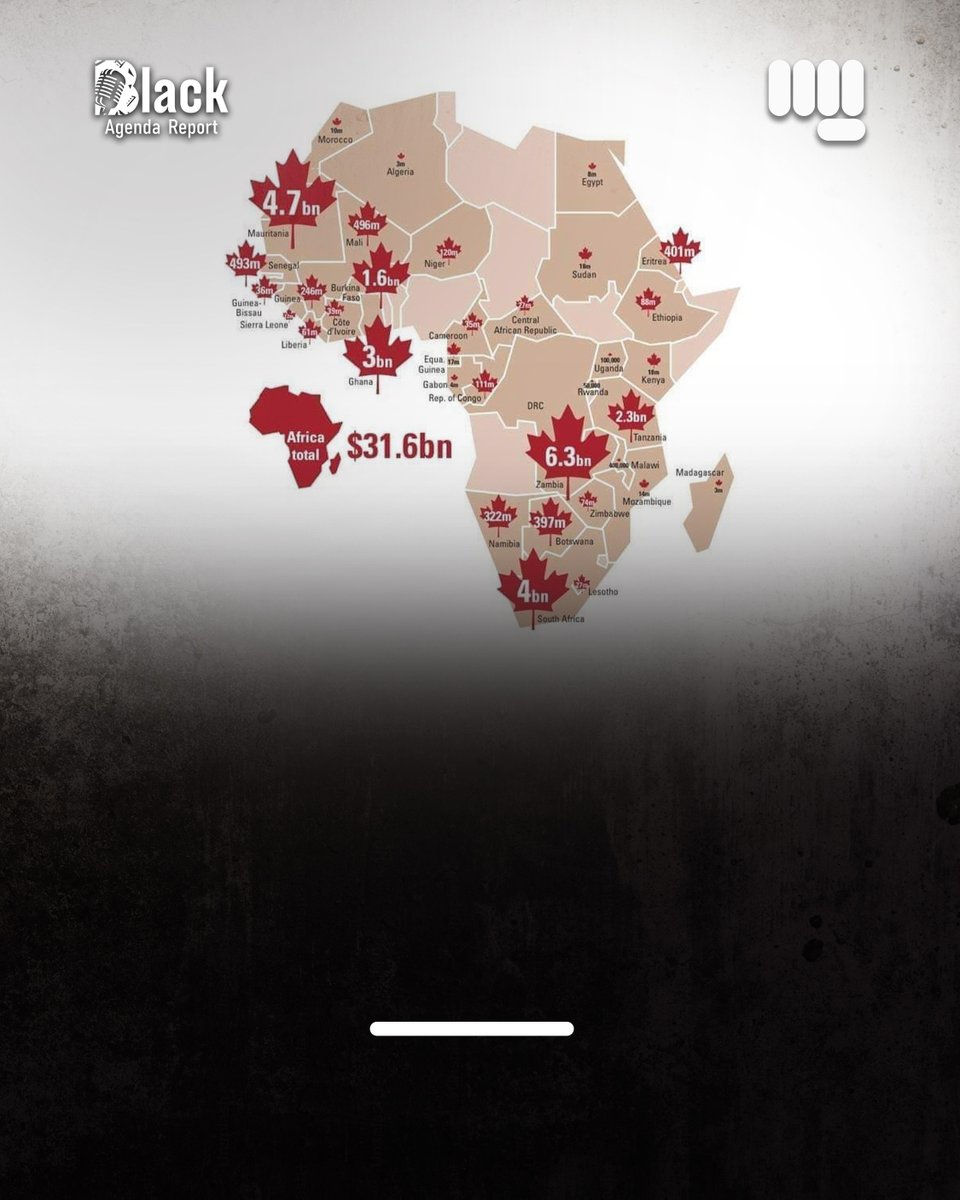
But at first glance few would think of Canada, which has managed to slip under the radar and coast on its inoffensive international reputation. But thanks to its huge mining industry, it punches far above its weight when it comes to the West's systematic looting of Africa's mineral wealth. Canadian companies own $39 billion in mining assets across the continent and have a presence in almost two-thirds of its countries.

And Canada is no less brazen than any other neocolonial power when it comes to defending its resource chokehold. An unbroken throughline of corruption, fraud, and skulduggery runs from apartheid South Africa to today's sprawling mining empire. The sordid history of one company in particular, Barrick Gold, paints a sordid picture of the whole. But it also points us to one of the most inspiring focal points of modern-day resistance: Mali, whose new government is recovering popular sovereignty by aggressively moving to nationalize Barrick's assets and bring its racist executives to justice.Image For decades, Canada has garnered an unearned reputation as a friendly alternative to its bullying imperialist southern neighbour. But the country shows its true neocolonial face in its vast $39 billion corporate mining empire in Africa. Image
Dec 3 11 tweets 5 min read
A Thread 🧵

For several weeks, Japan has been embroiled in a high-stakes diplomatic spat with China over the island of Taiwan. Formally recognized as part of China by all countries on earth (even the handful that recognize Taipei), the island has been led since 2016 by an increasingly hardline separatist party. Historically, they have romanticized Japan's brutal 1895-1945 colonial rule over Taiwan as the basis for their claim to independence from mainland China.

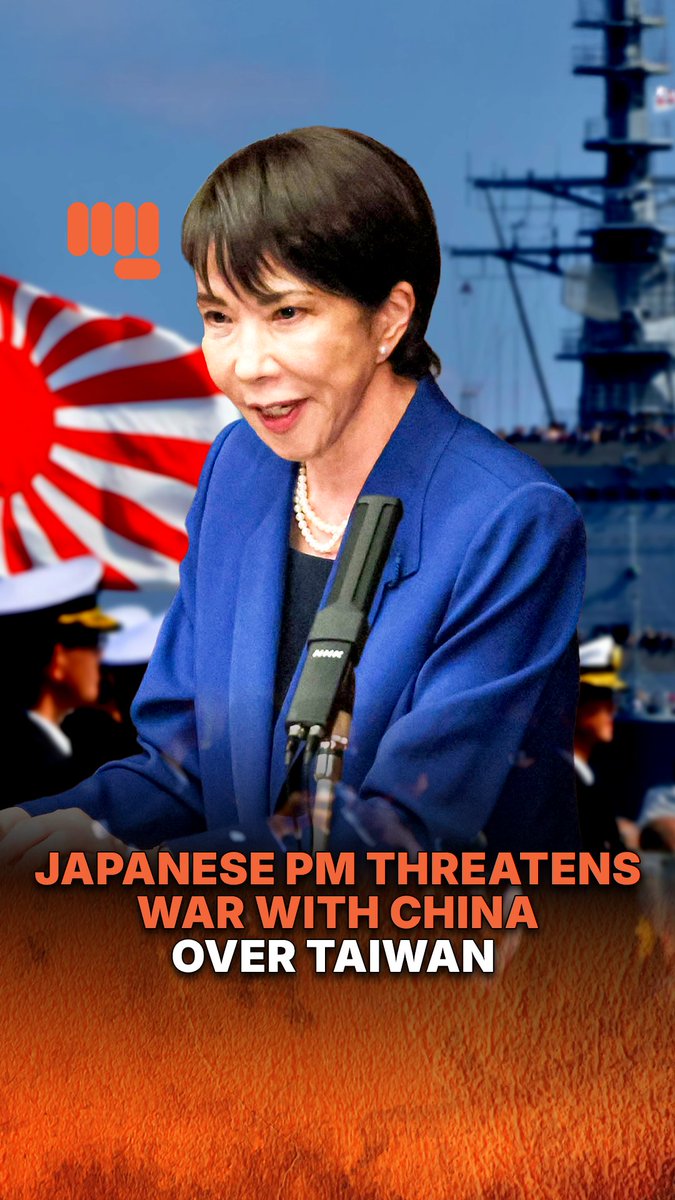
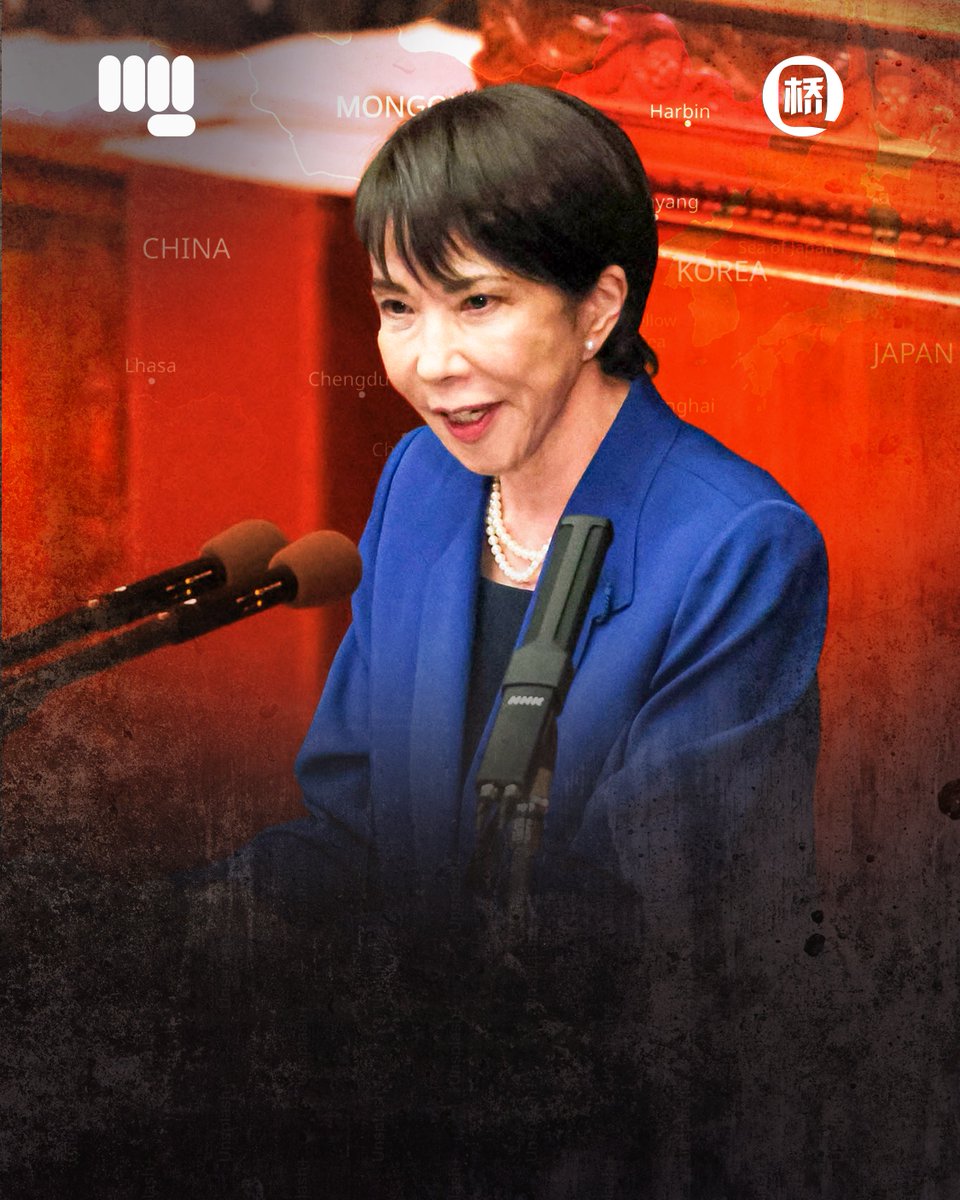
Into this combustible mix, Japan's new far-right prime minister Sanae Takaichi dropped a bombshell by stating that Chinese military action over Taiwan could constitute a "survival-threatening situation" for Japan. Under the terms of the post-WWII constitution that allows military force only in self-defense, this would manufacture a pretext for Japan itself to declare war on China.

Effectively she's doing an end-run around the Japanese right's long-stalled plan to revise the constitution to allow aggressive war. But her statement implicitly asserts a territorial claim to Taiwan itself. This is an even harder red line for China, which suffered around 35 million casualties in its War of Resistance against Japanese Aggression from 1931-45. To this day, Takaichi and her wing of Japan's ruling party systematically deny those wartime atrocities.

This is the crucial context that Western media systematically leave out in their historically illiterate scaremongering about China's supposed "threats" to Japan. Thus far they've amounted to targeted trade restrictions, travel advisories, and mean tweets. But for the Chinese people on both sides of the Taiwan Strait, over a century of unresolved historical injustice is at stake.Image On 7 November, Japan’s newly appointed far-right prime minister Sanae Takaichi provoked an ongoing diplomatic crisis by stating that military action by China over Taiwan could constitute a “situation threatening Japan’s survival” and result in Japanese military intervention. Image