Gracia Ventus Profile picture
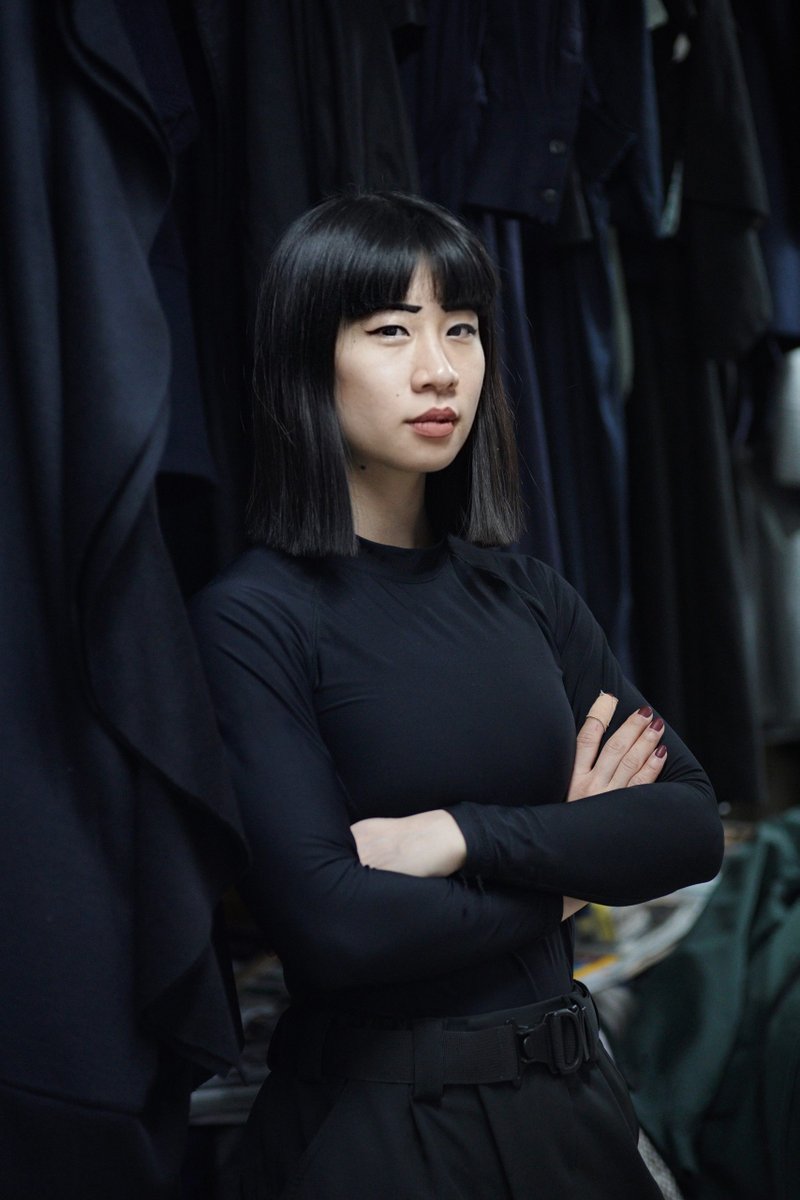
Designer of ROSEN and ROSEN-X. I run a fashion company in China.
May 1, 2025 12 tweets 9 min read
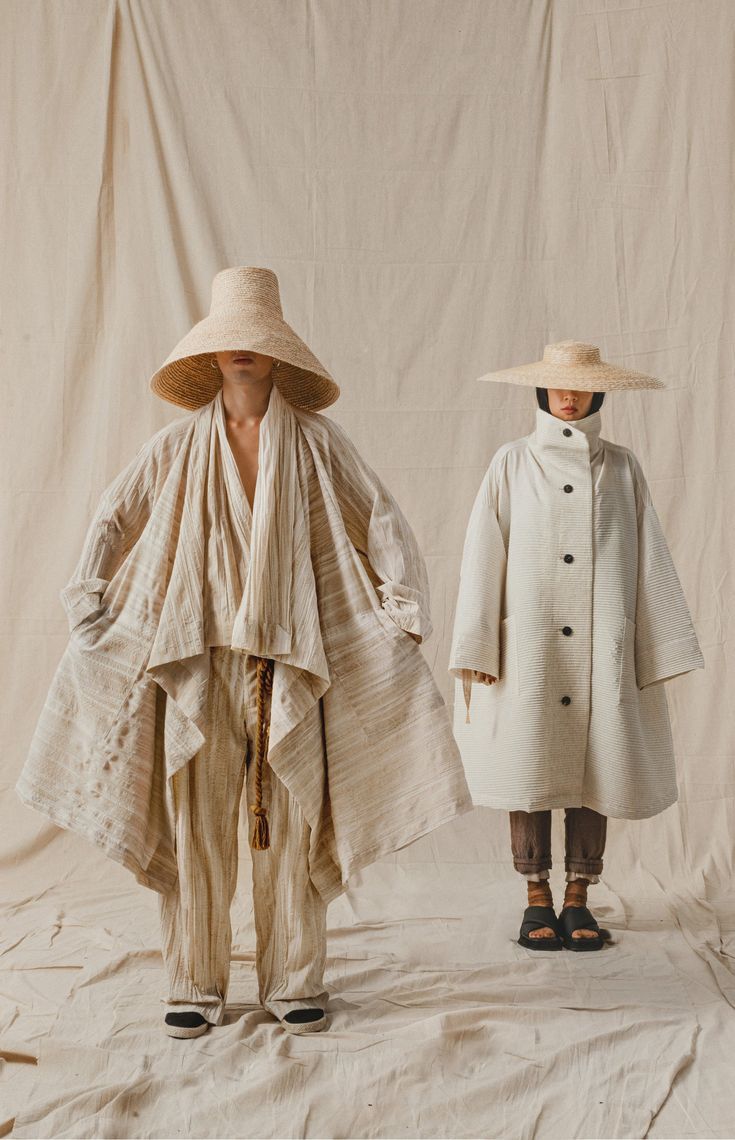
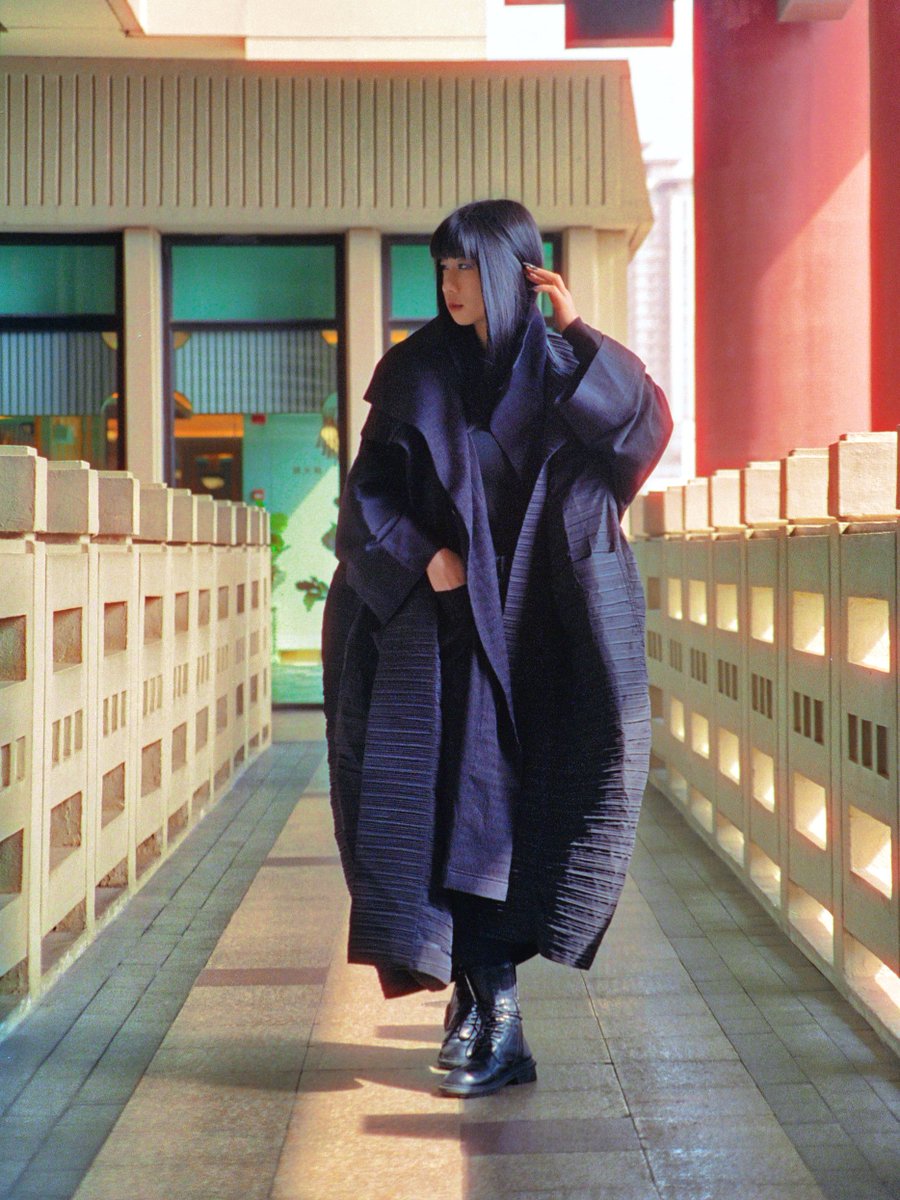
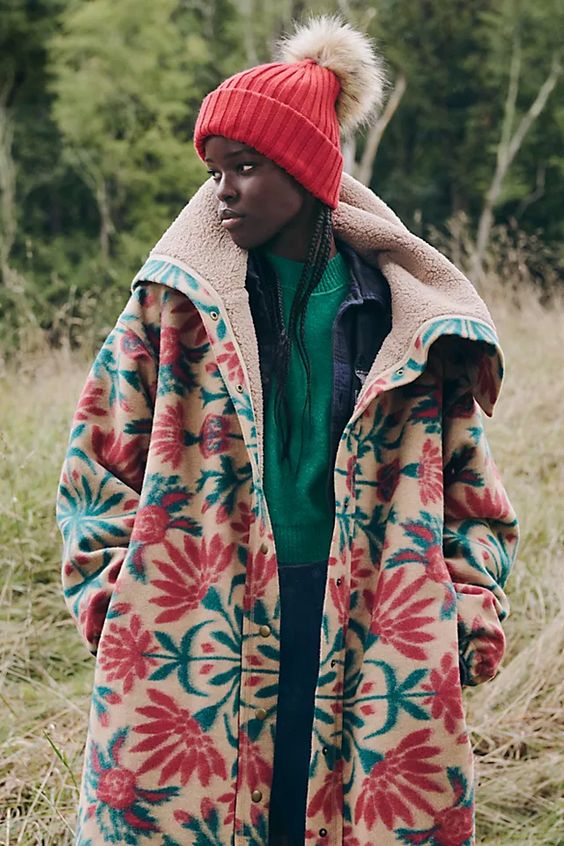
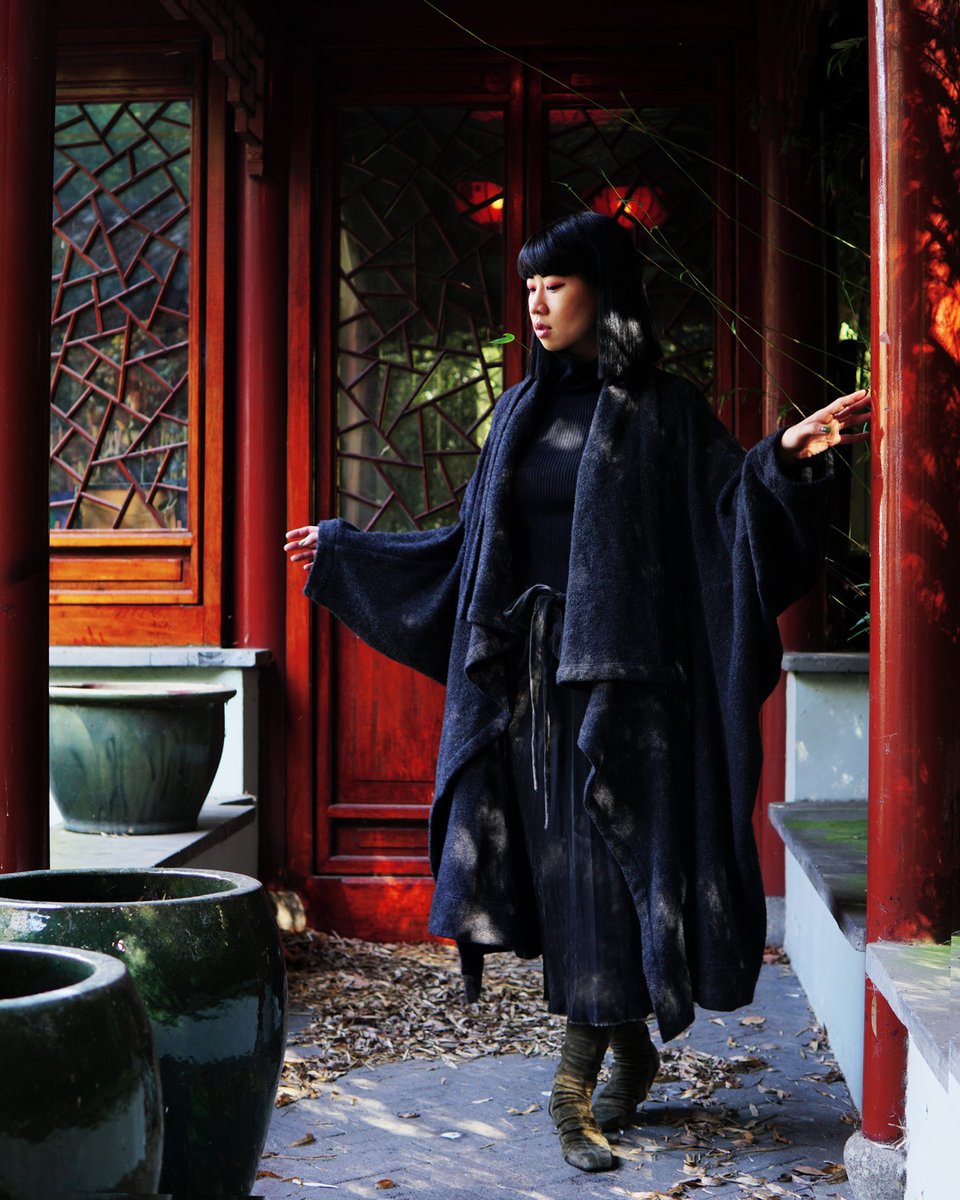
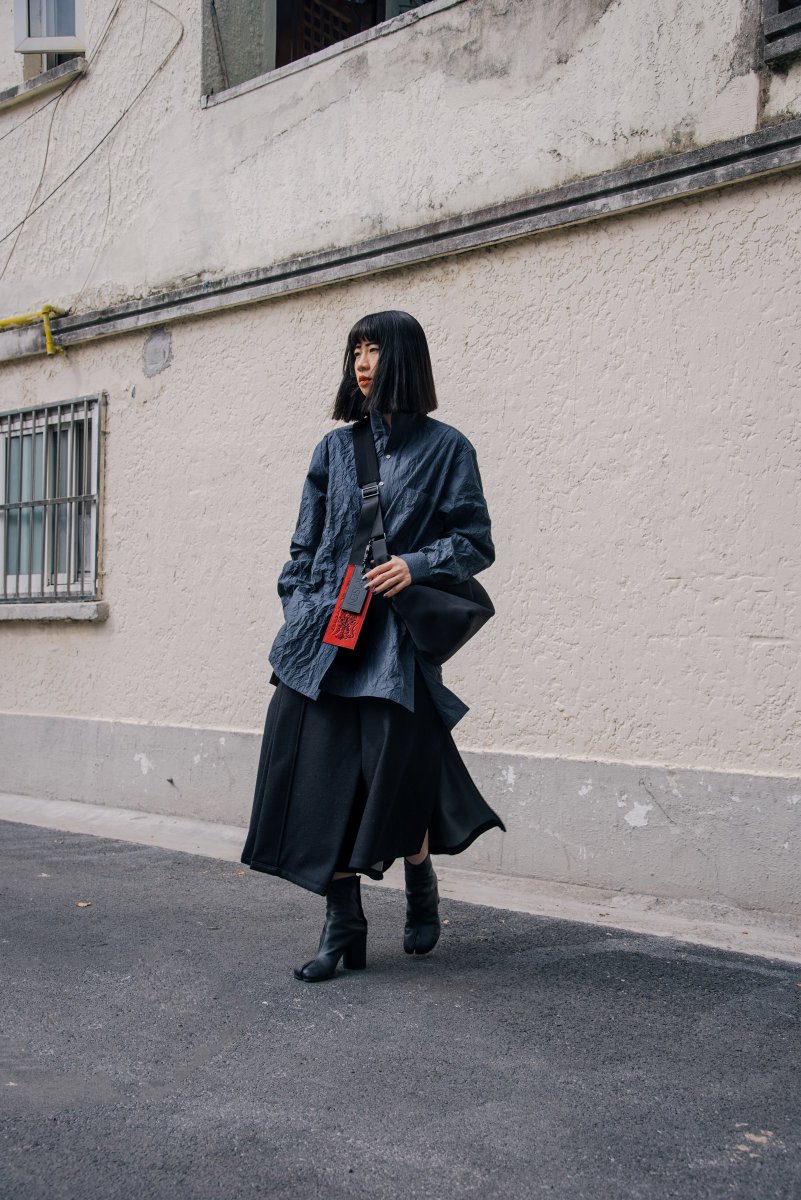
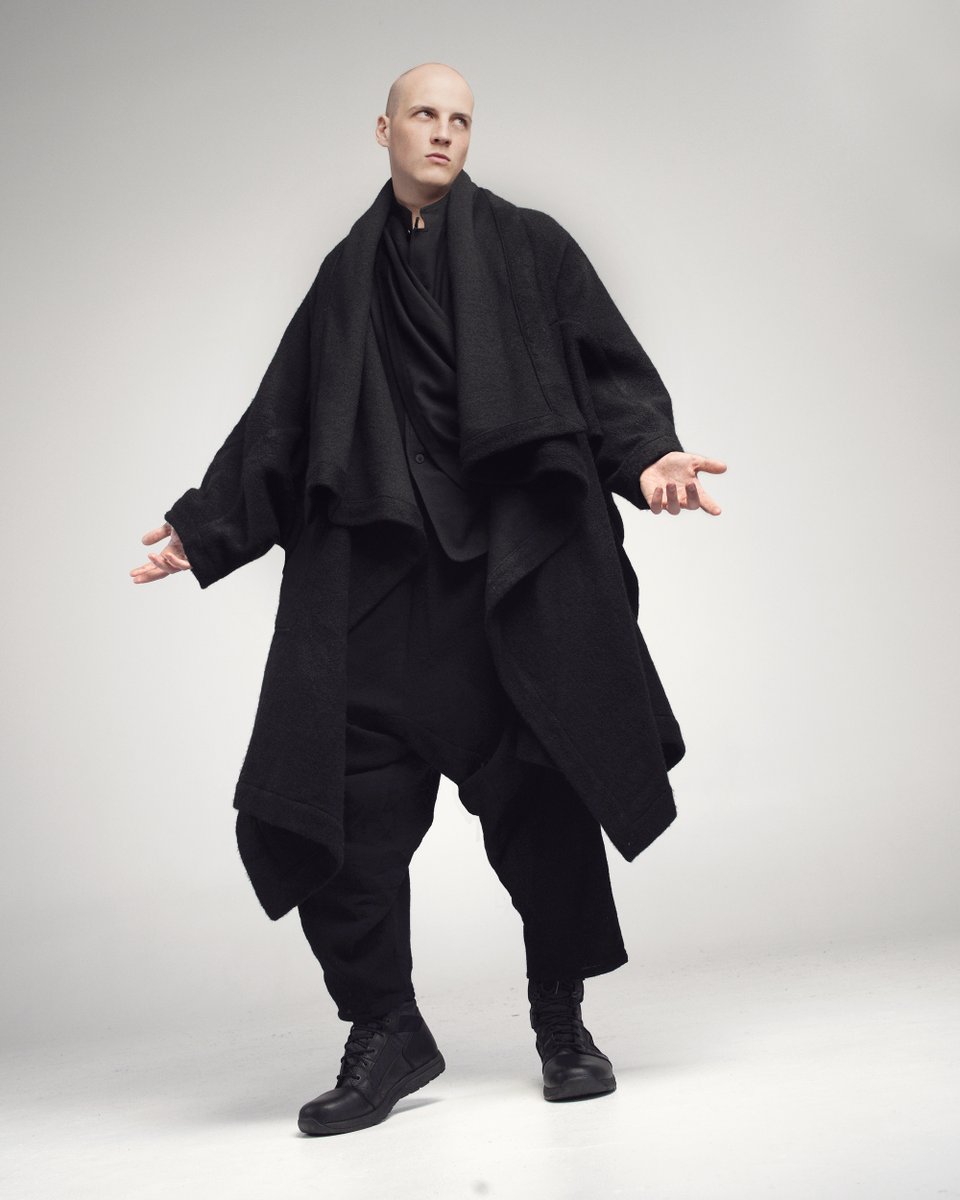
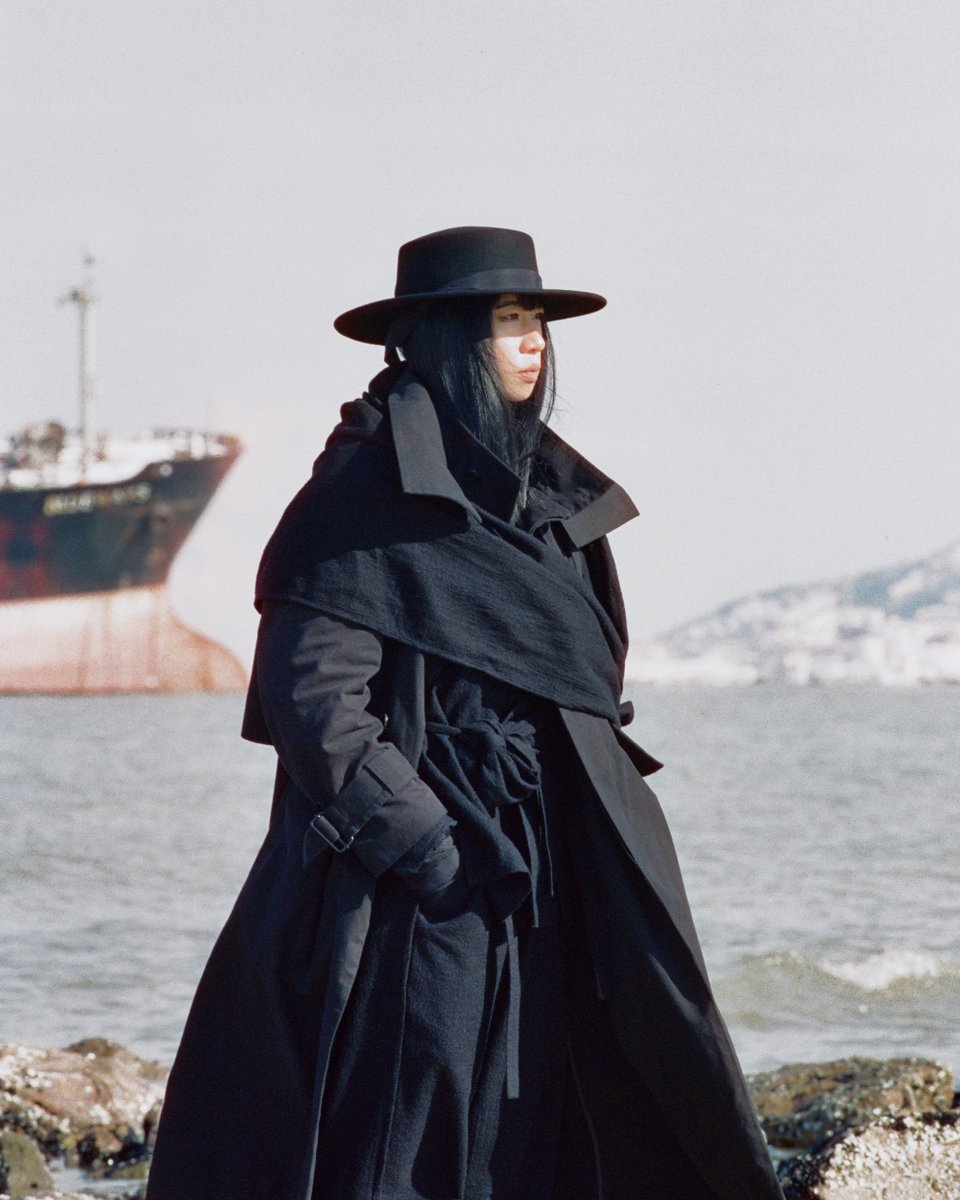
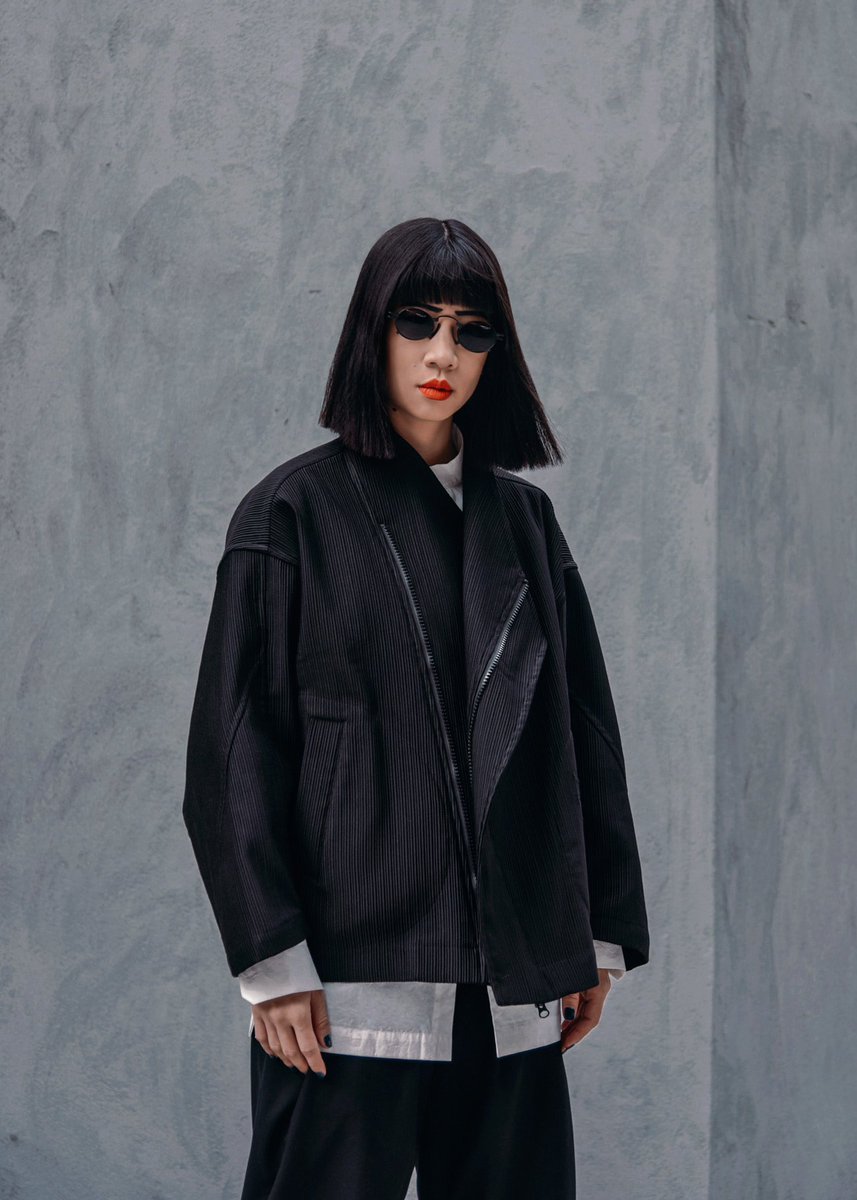
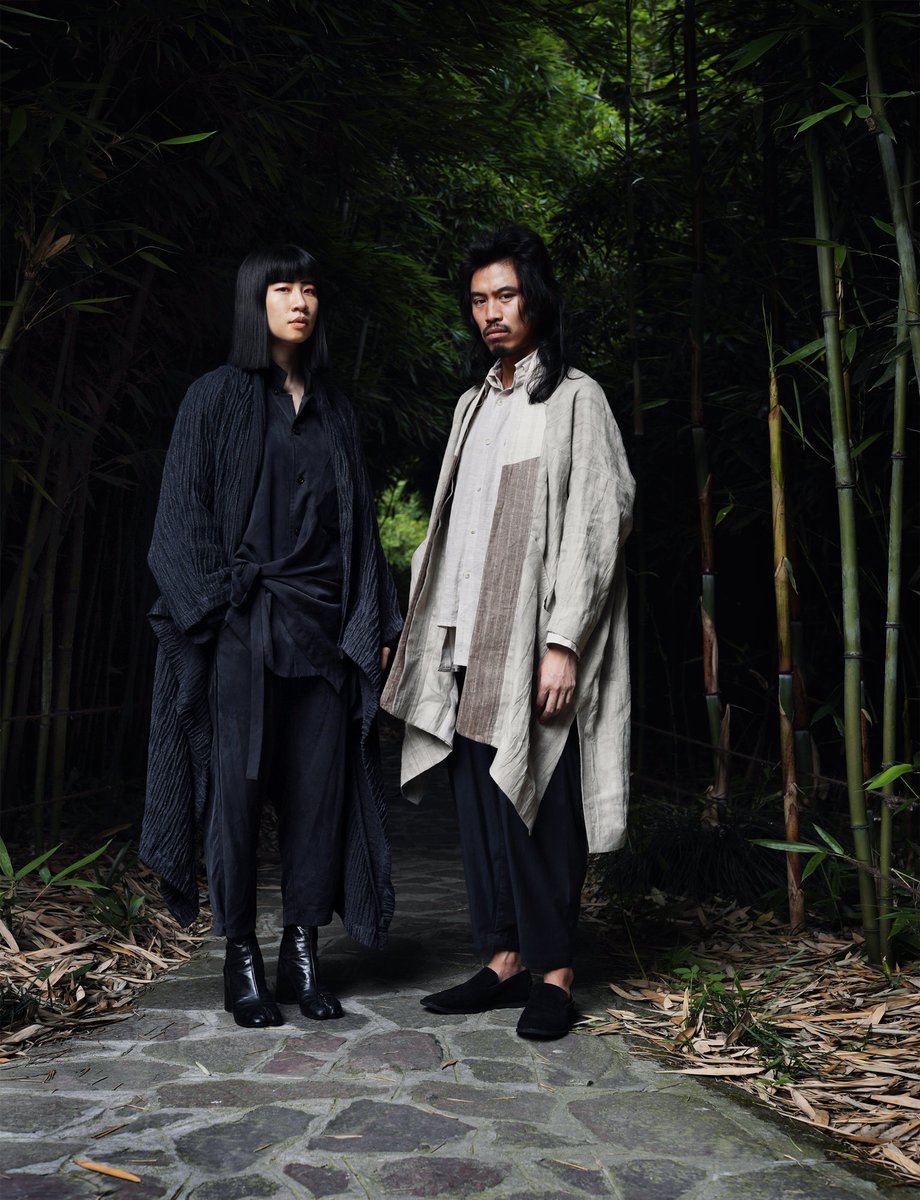
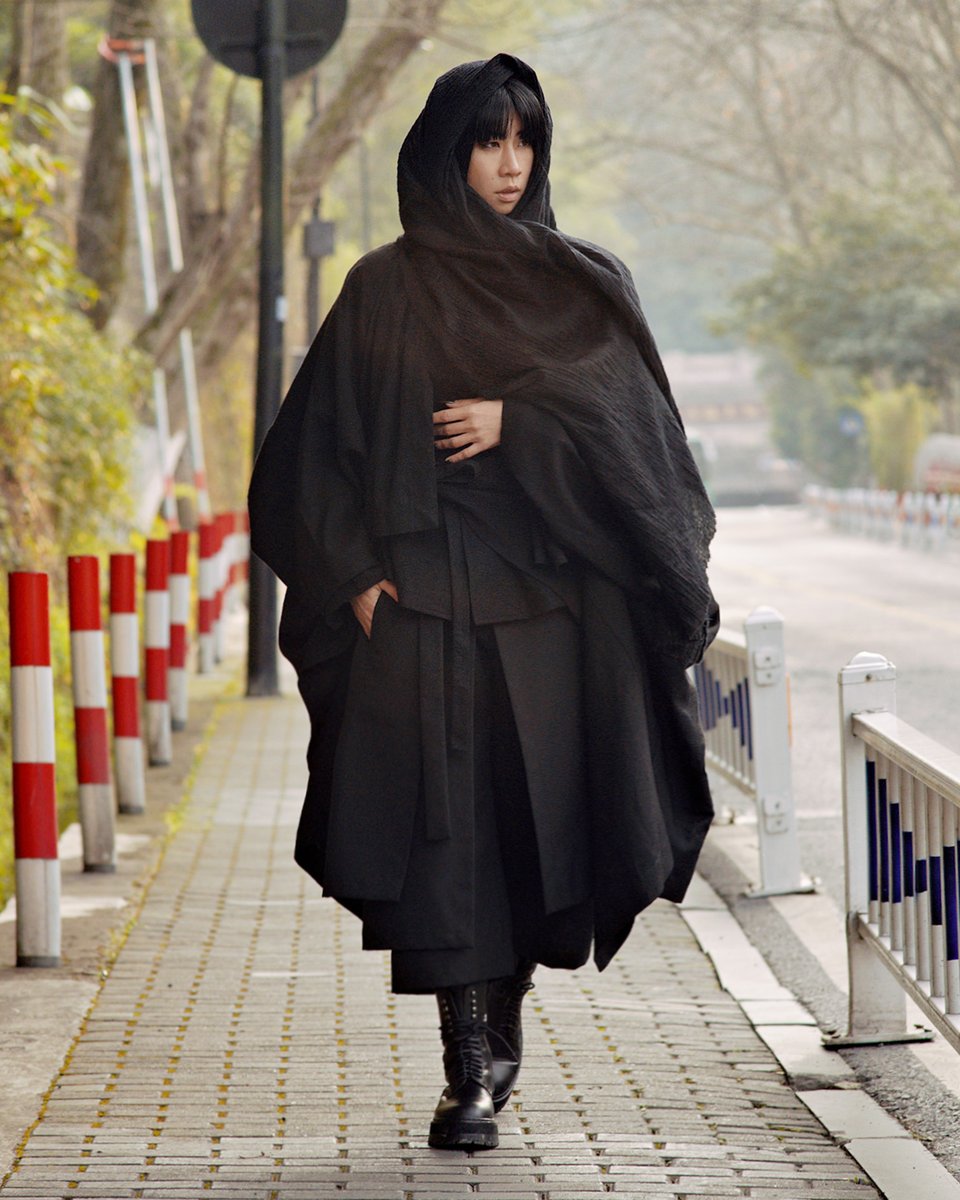
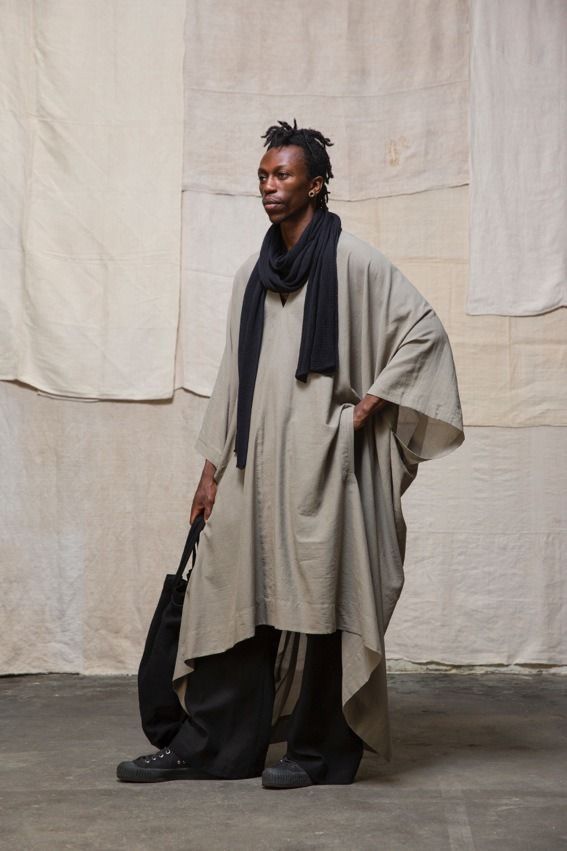
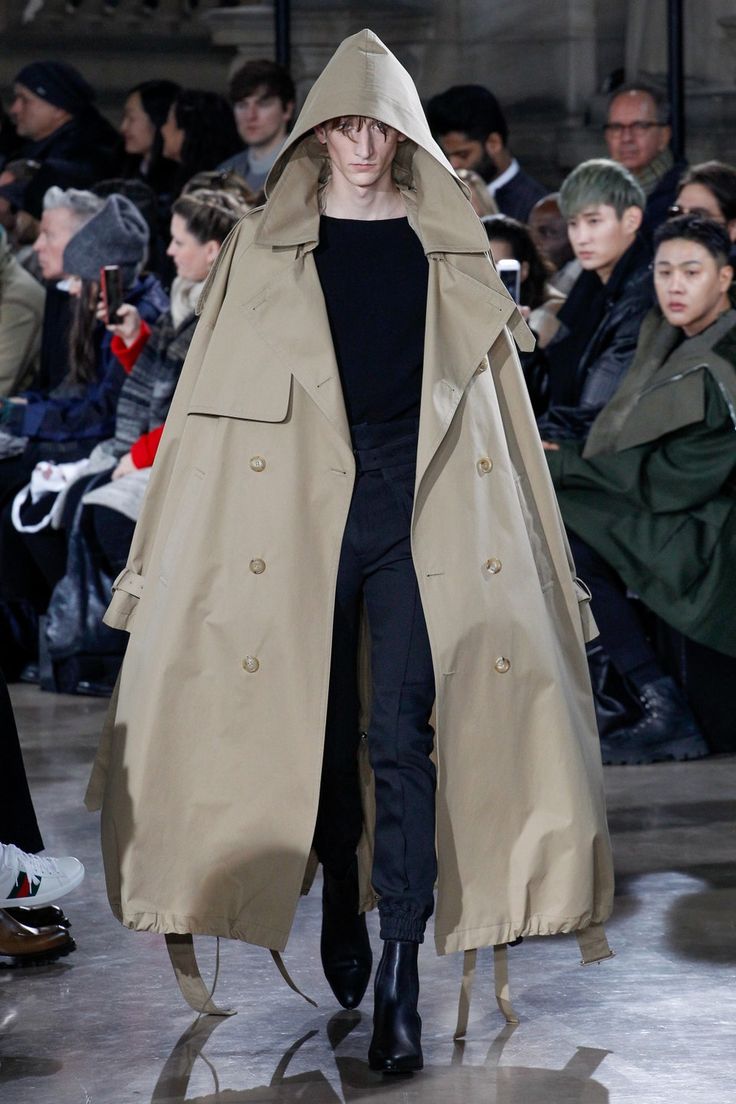
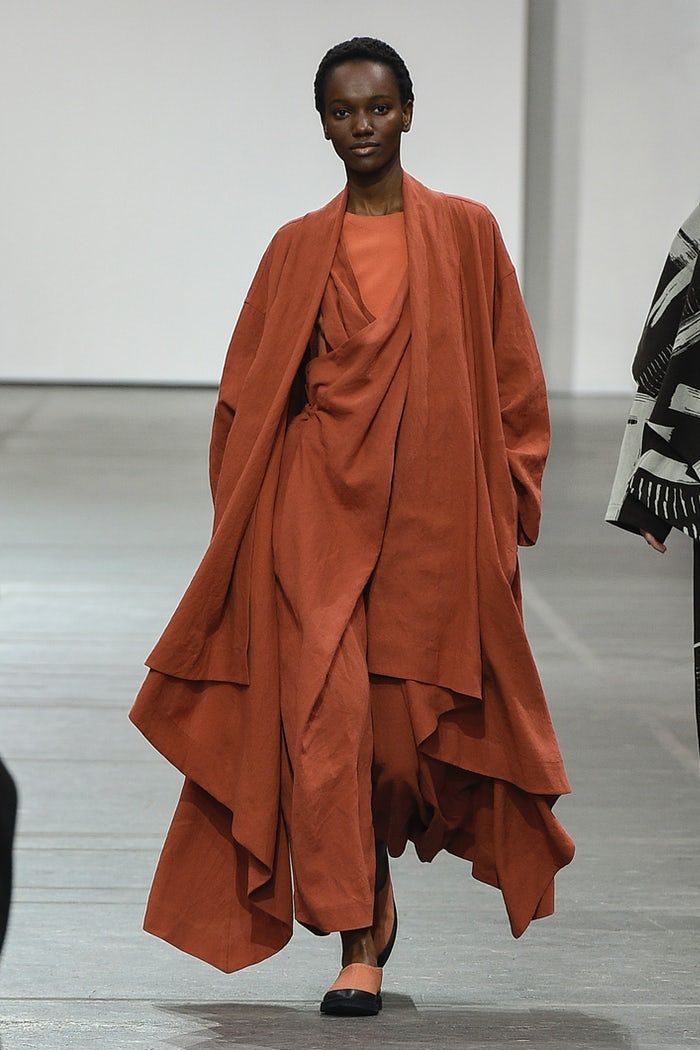
What makes a style recognisable as avant-garde? Some designers opt for exaggeration, others deconstruction. For many Asian designers, it’s non-corporealism, ie. The concealment of the body to produce sculptural silhouettes. My favourite example of this is the trapeze. 👇 Image
Image
Image
What is the trapeze silhouette? It is characterised by a triangular shape without a discernible waistline; the antithesis of conventional European dress sensibility. Image
Image
Feb 4, 2025 9 tweets 7 min read
If you are an ambitious fashion designer interested in making clothes beyond printed tees and hoodies, but have little capital and no industry connection, I have one advice for you. Consider setting up operations in China.

To pre-face: I came to Shanghai nine years ago. With no friends, family, work or local connections, the thought of starting a fashion brand had never crossed my mind. Within a few months I noticed the opportunity for an independent actor like me, with no funding, to make clothes from the ground up.

I set up my company in 2017 when I was in my late 20s. I did not need a local partner nor put down any investment. This opportunity arose due to the combination of factors that are unique to China.Image 1. Abundance of Jobbers, Textile Retailers and Textile Factories with Low or Zero MOQ
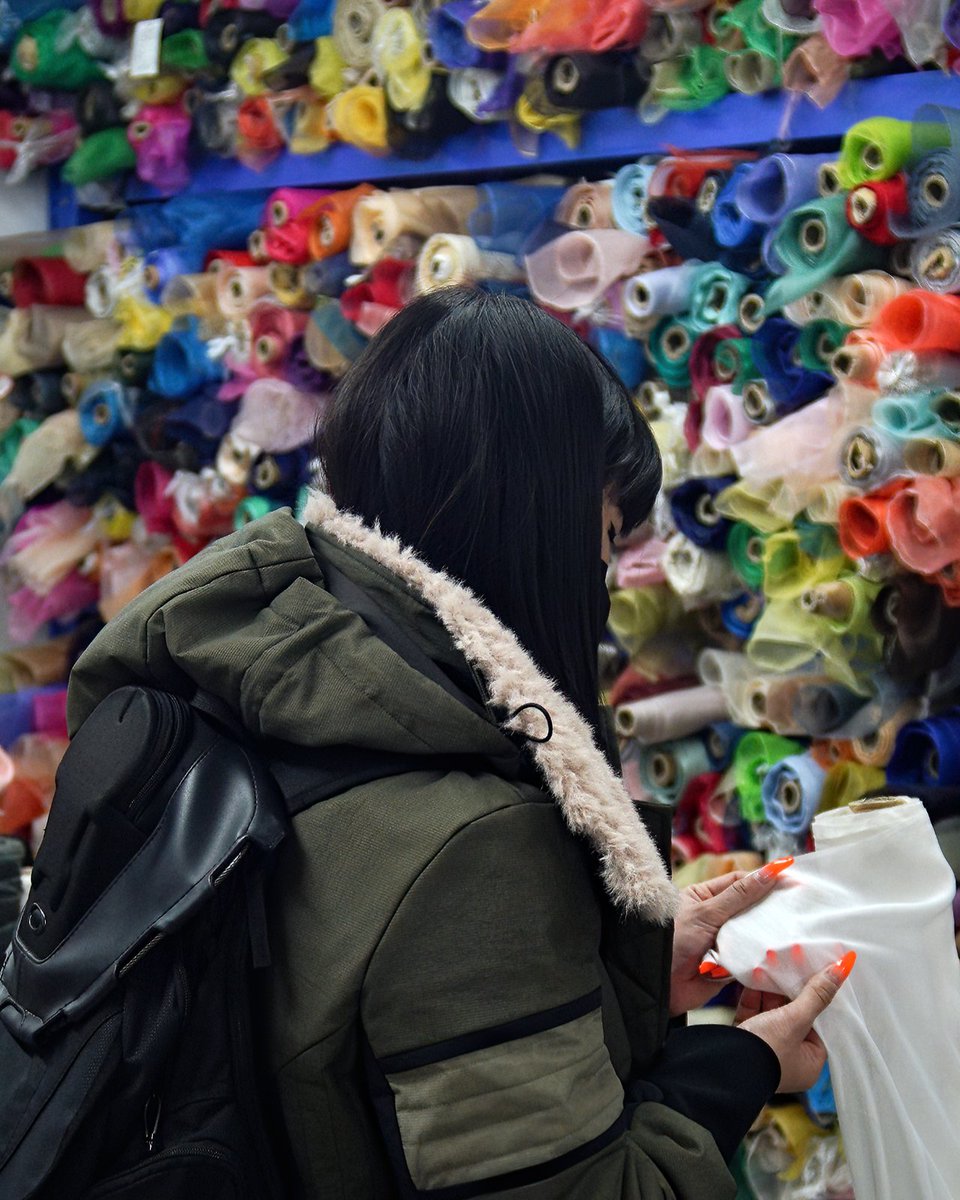
Fledgling designers can find endless supply of beautiful imported and local fabrics for sampling and production that can be cut by the yardage. Whether it’s Japanese wool, Italian cashmere, Chinese silks or quirky fast-fashion experiments from Korea, jobbers provide the solution for those who are just starting out, bypassing the need to order large MOQs from textile factories

In the last few years, textile retailers are also growing in numbers; offering beautiful fabrics from local factories - or their in-house designs - directly to the consumers with no minimum quantity.

Increasingly, there are now many textile factories that keep an inventory of their samples in order to cater to smaller orders. The same can be said for trims, hardware and accessories. Gone are the days when only large businesses can have access to the best materials.Image
Aug 27, 2024 7 tweets 7 min read
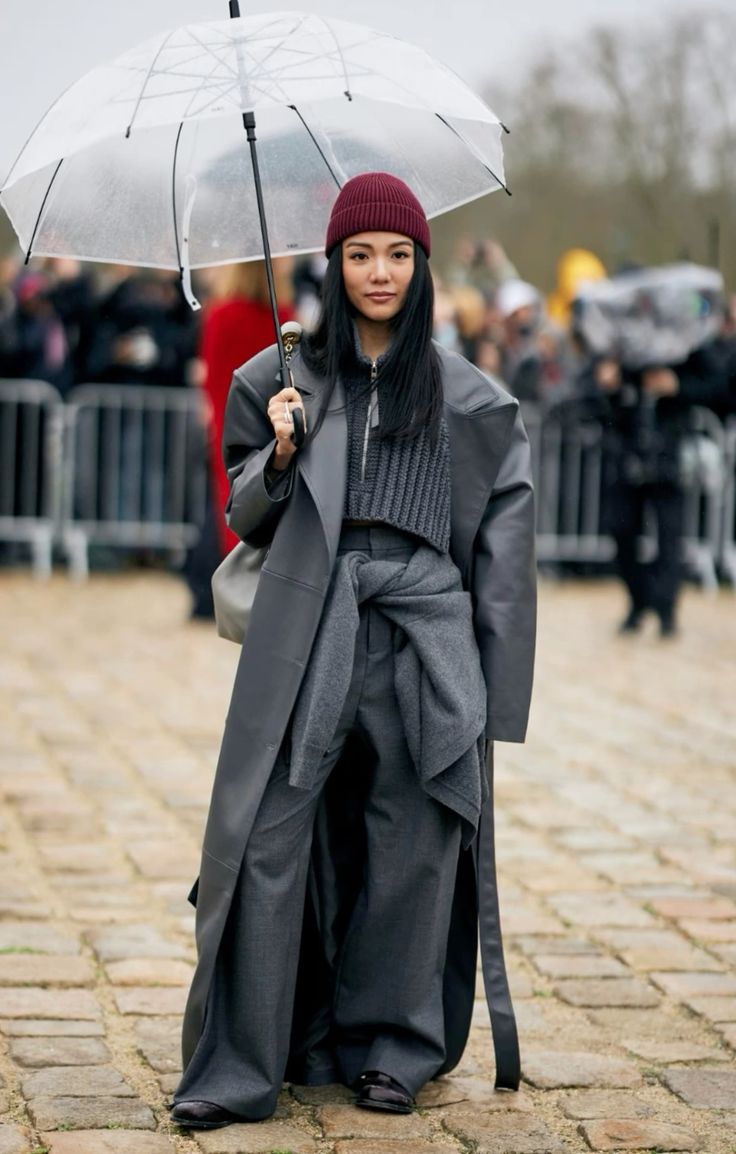
Fall is almost here; soon we may swath ourselves in layers of fabrics. If you are a woman under 5’5/165cm who is a fan of the experimental layered look but are afraid of looking like a walking bolt of cloth, I might have a few suggestions for you.

Image
Image
Image
Keep your jawline prominent. Your outermost layer should have a collar that either splays open or is large enough to stand upright. This way it'll draw the chunky fabric away from your neck towards the shoulders, chest, or back of the head.

Image
Image
Image
Image
Jun 25, 2024 11 tweets 9 min read
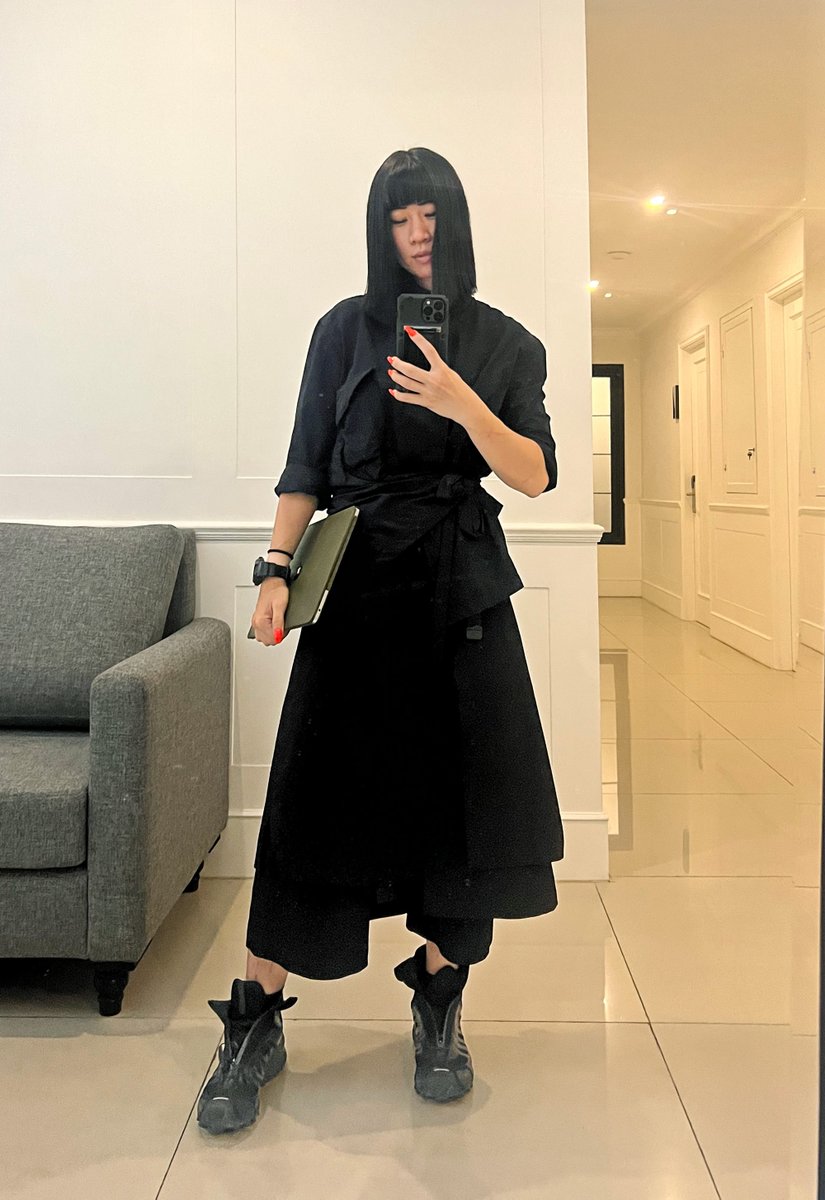
Living in a Chinese city that gets up to 40°C in summer, & often travelling to Southeast Asia, I do have some suggestions on non-conventional, androgynous-leaning summer wear.

I will list a few of them with details of cuts and fabrics, as well as locations to provide context.

Image
Image
Locations: Guangzhou, Jakarta, Shanghai
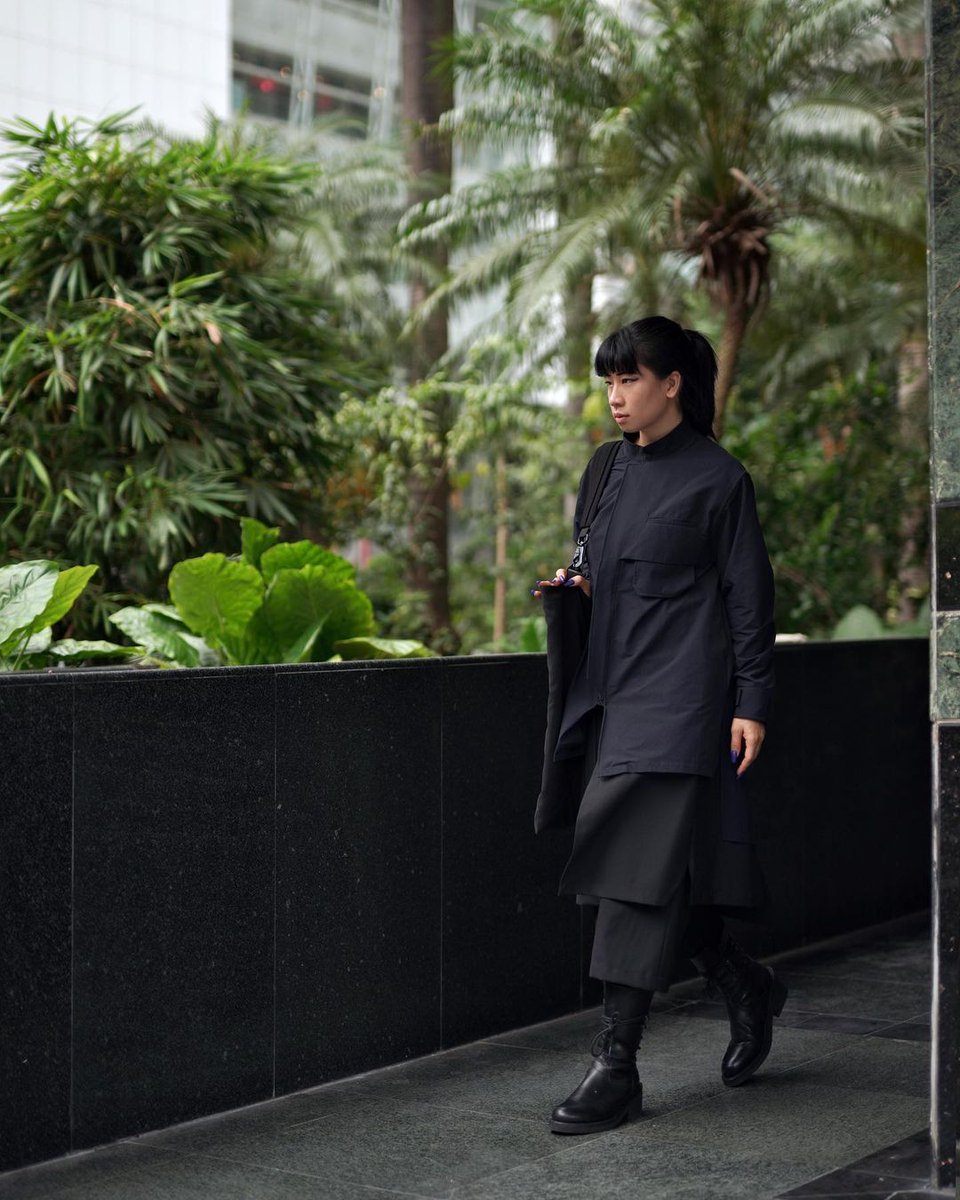
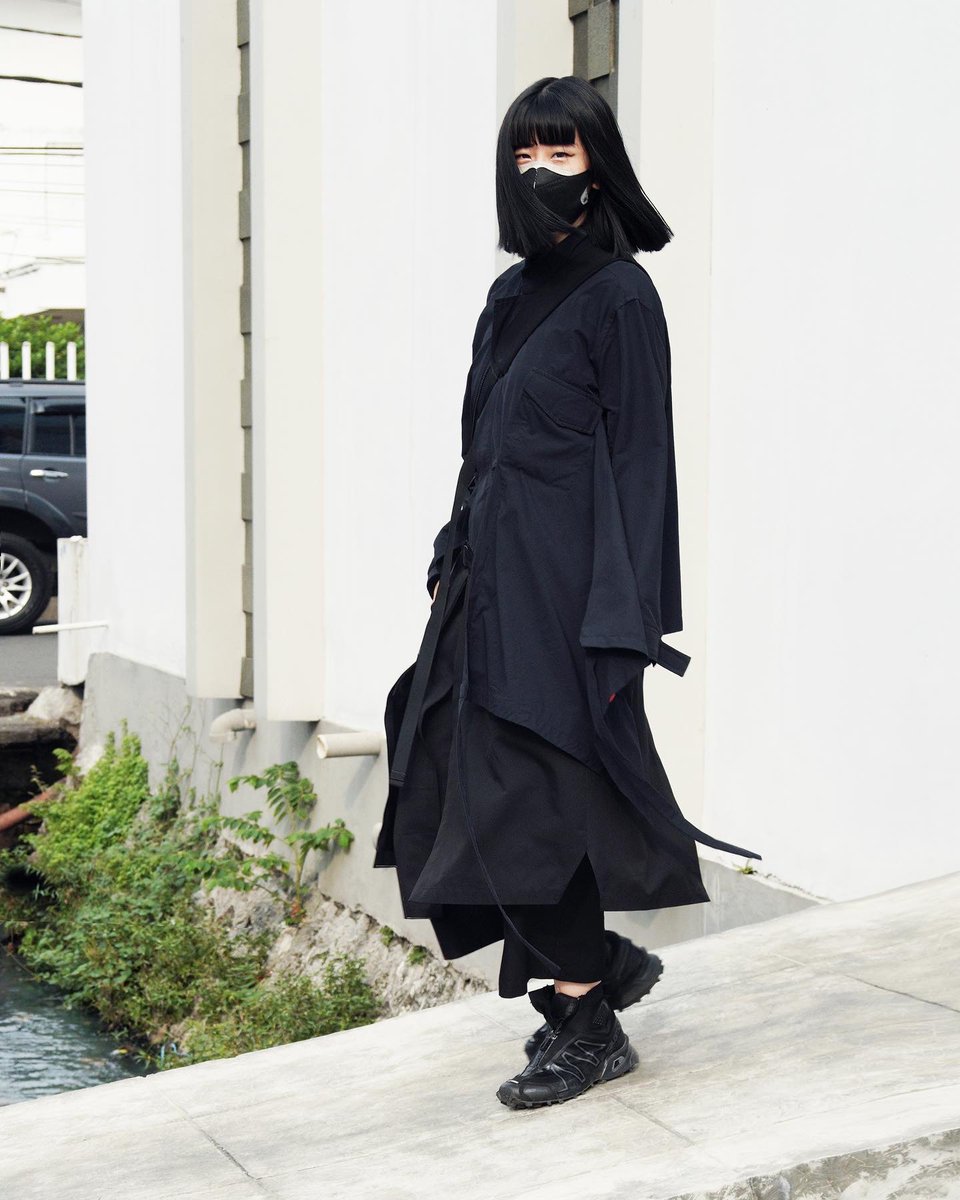
The hakama have been my go-to summer trousers for many years. The voluminous cut allows for air flow between the body and the garment while looking regal in motion.


Image
Image
Image
Image
May 21, 2024 7 tweets 6 min read
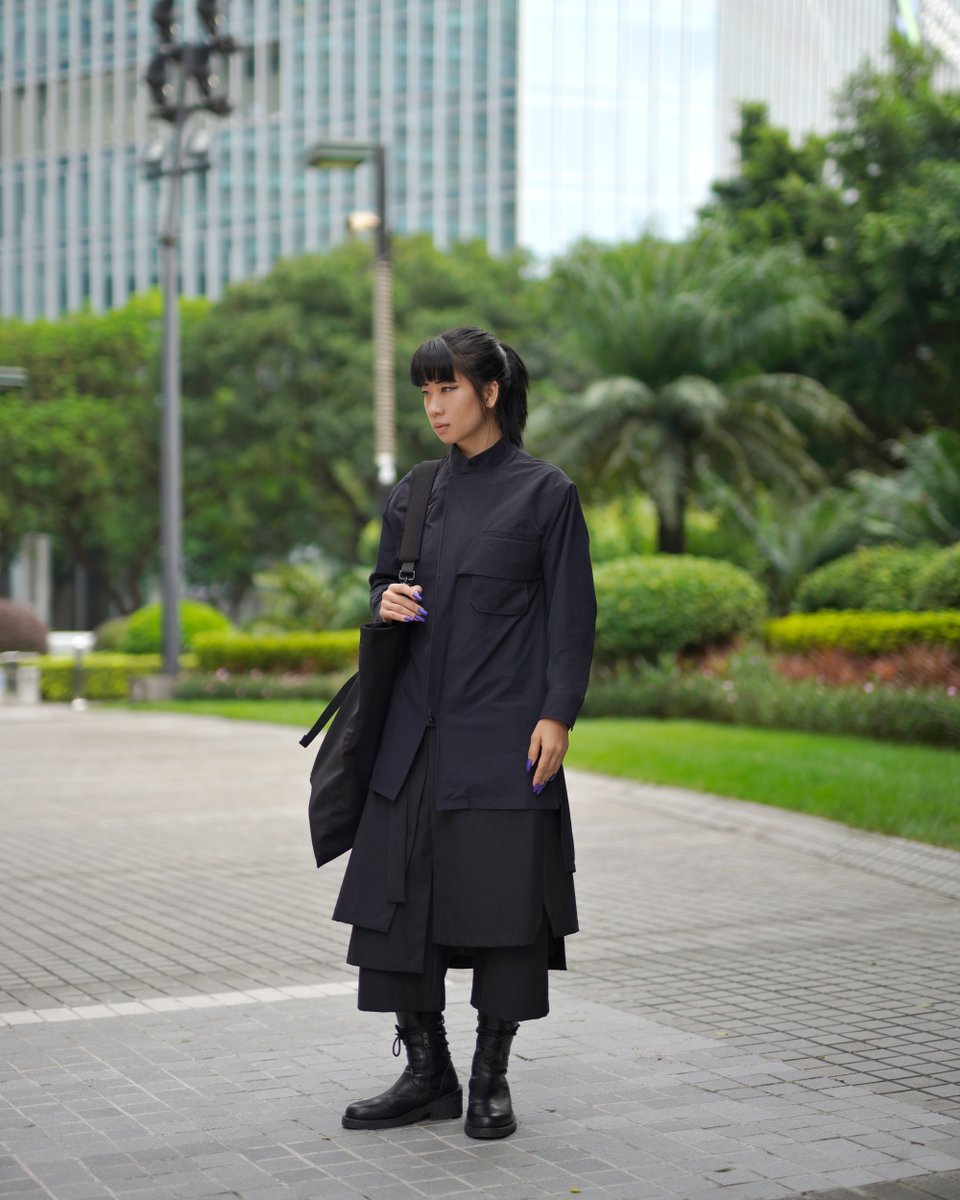
One of the key defining factors to my design approach is androgyny. My approach to androgyny isn't about wearing what is conventionally donned by the opposite sex.

My approach stems from significant reduction or elimination of aesthetic differences between genders via clothing.


Image
Image
Image
Image
Features such as shoulder definition, bust, rear, waist-to-hip ratio, waist position in relation to height are de-emphasised or hidden.
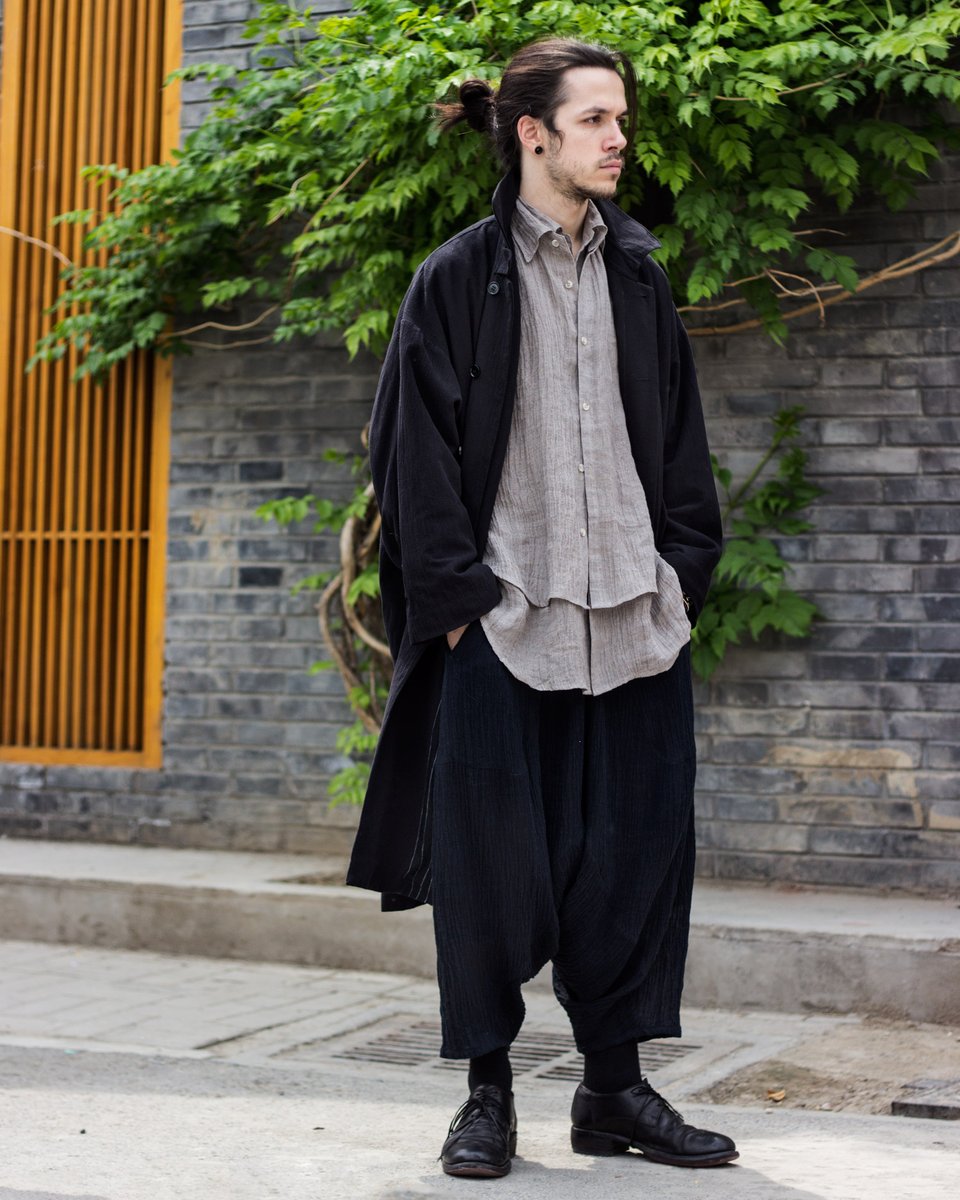
Instead, the focus falls on achieving sculptural silhouettes, or beautiful drapes, aided by visual elements such as textures and colours.


Image
Image
Image
Image