tiff ☕ Profile picture
your pop culture philosopher on c-ent ✨ dramas, variety shows, film, fashion, music, literature, history & more 📩 collabs/partnerships: info@tiffilosophy.com
Jul 19 15 tweets 16 min read
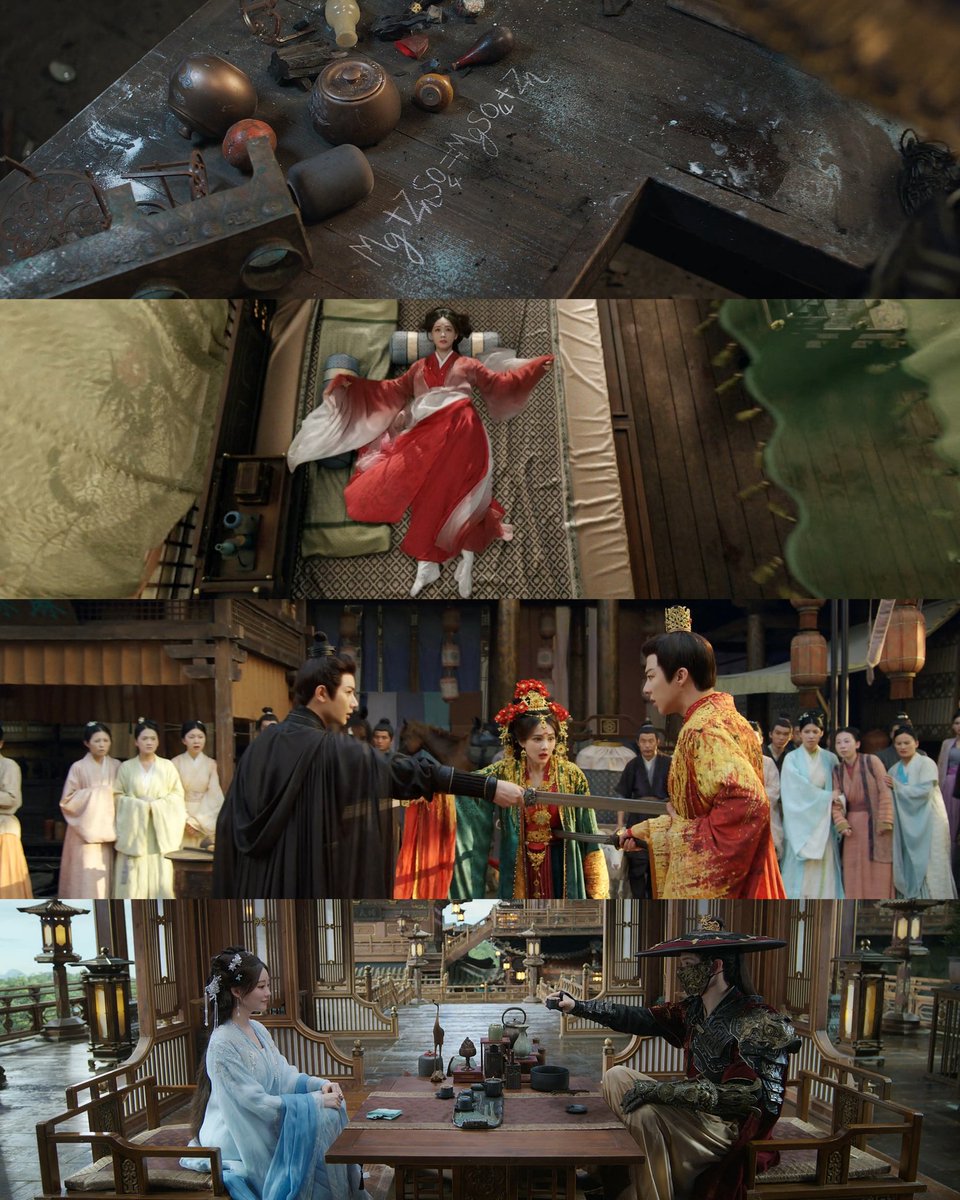
#ADreamWithinADream:

slang, puns, jokes, with mythology, poetry, chemistry & cinema for your scrolling pleasure 🎡

a highlights thread 🧵 Image
Image
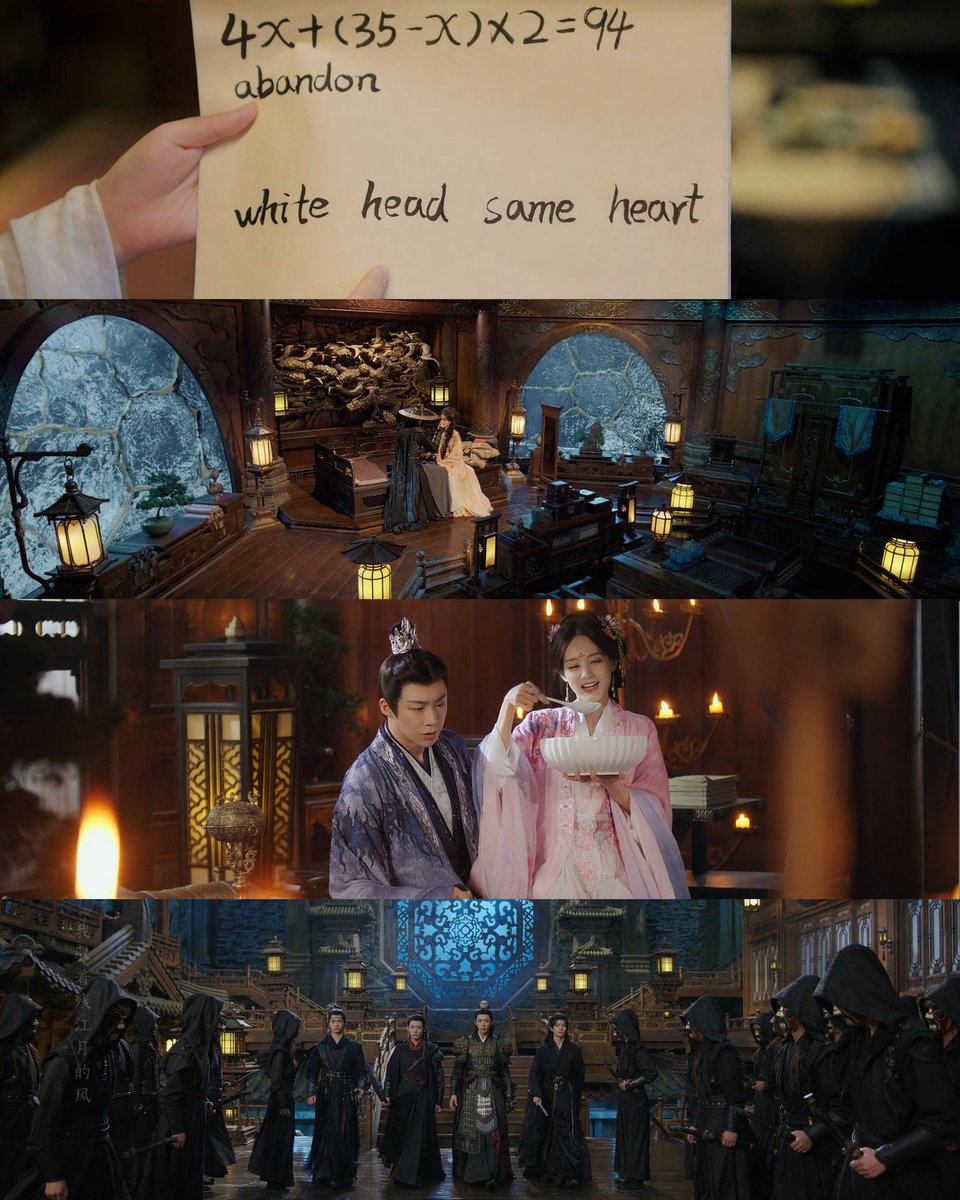
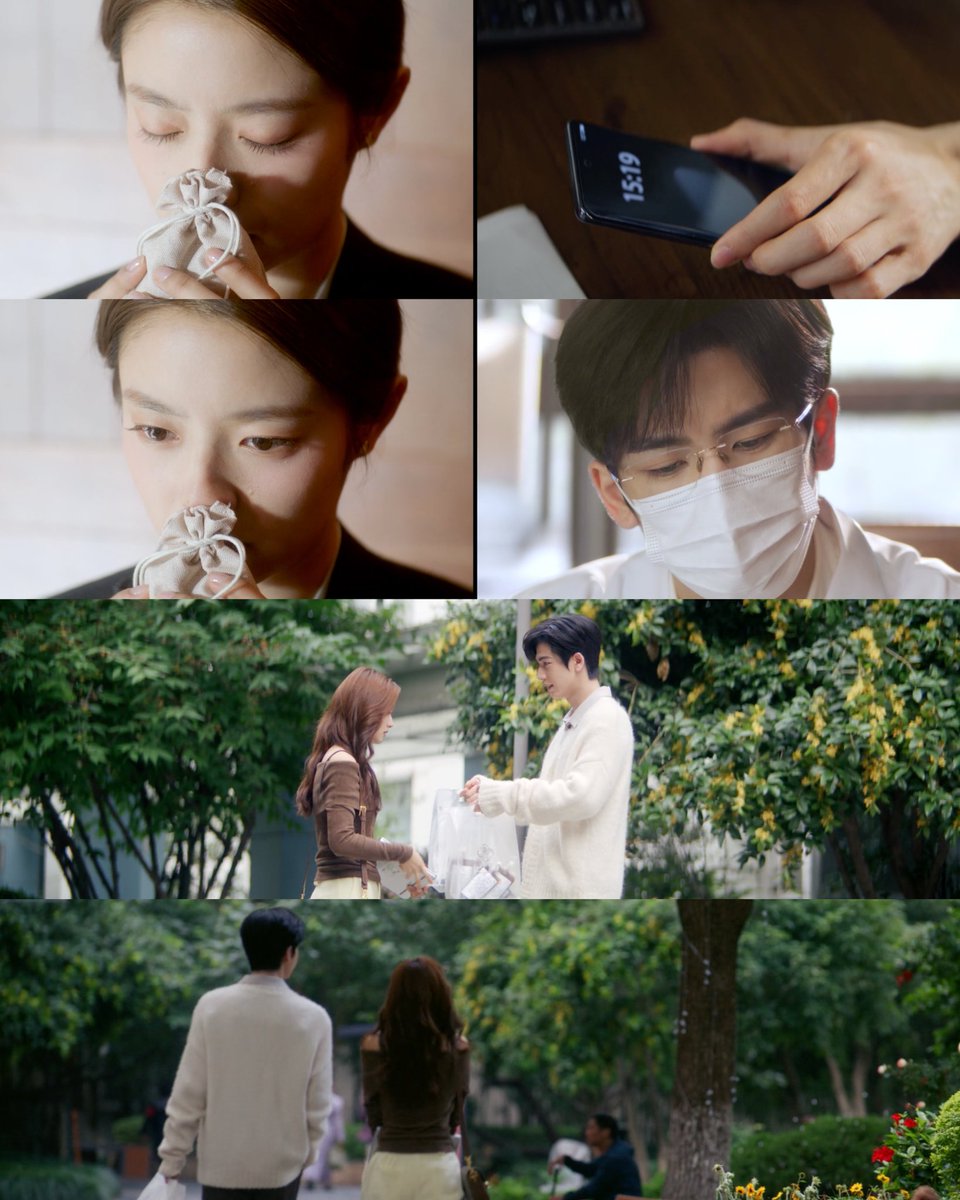
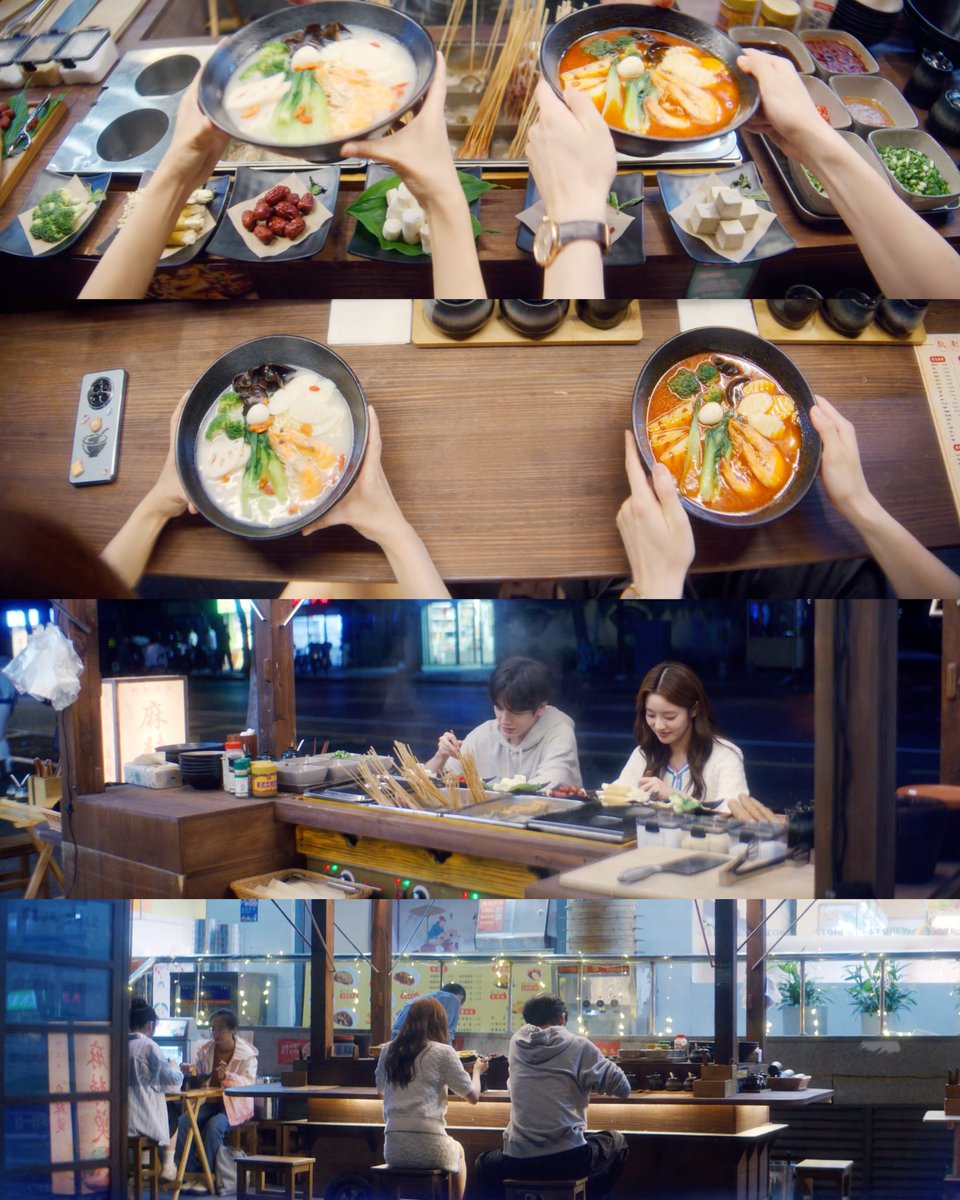
#ADreamWithinADream x life of a ‘salted fish’ 😴
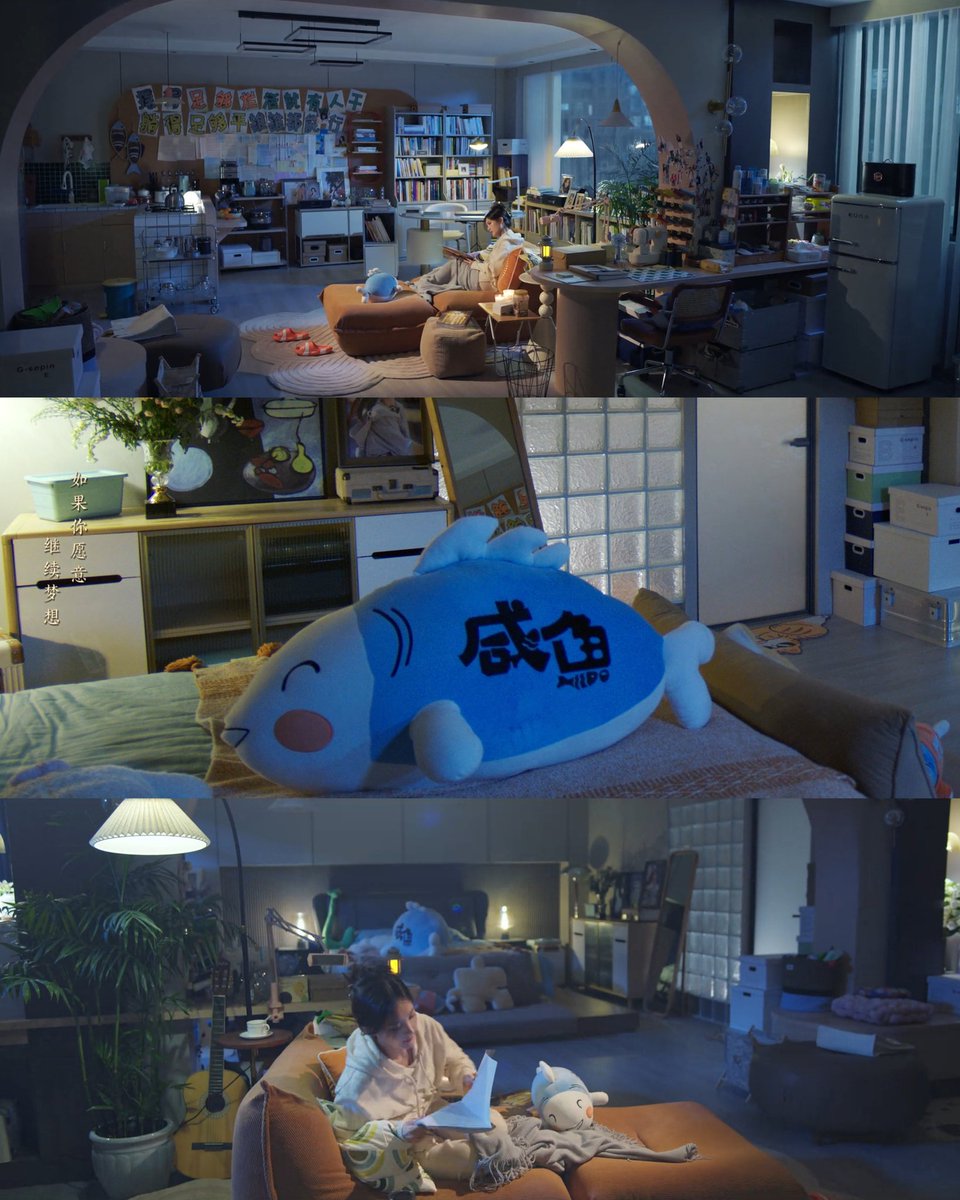
song xiaoyu (#LiYitong) self-deprecatingly calls herself a xianyu, meaning ‘salted fish,’ a slang term originating from a cantonese expression that evokes the image of a stiff, dried-up figure lying flat and lifeless.

in chinese internet culture, it’s used to describe someone stagnant and unmotivated, devoid of dreams or ambition, essentially resigned to their fate.

this term shot to fame thanks to stephen chow’s cult classic《shaolin soccer》, where he delivers the memorable line: “if a person has no dreams, what’s the difference between them and a salted fish?” 🤷‍♂️

in gaming circles, ‘salted fish’ refers to players who barely participate or try to improve, just lying there, waiting to be carried by their team.

we see fish-shaped plushies scattered around song xiaoyu's modern-day apartment, each one emblazoned with the words ‘salted fish.’

taped across the living room wall is her personal motto: “if you let it rot enough, someone else will do the work. if you lie flat enough, anyone can do it.”

bailan (‘let it rot’) is slang for an attitude of emotional detachment and passive surrender, giving up on self-improvement because it no longer feels worth the effort.

tangping (‘lie flat’) describes a conscious refusal to join the rat race, opting out of hustle culture and societal expectations in silent protest 🛌

song xiaoyu sees the world as inherently rigged and believes it’s pointless to try to change anything. yet, her beliefs begin to shift when she enters the world of song yimeng.

in name and spirit, she transforms from xiaoyu (‘little fish’) to yimeng (‘one dream’), and summons the courage to put herself out there to fight for a better ending.Image
Image
May 16 4 tweets 6 min read
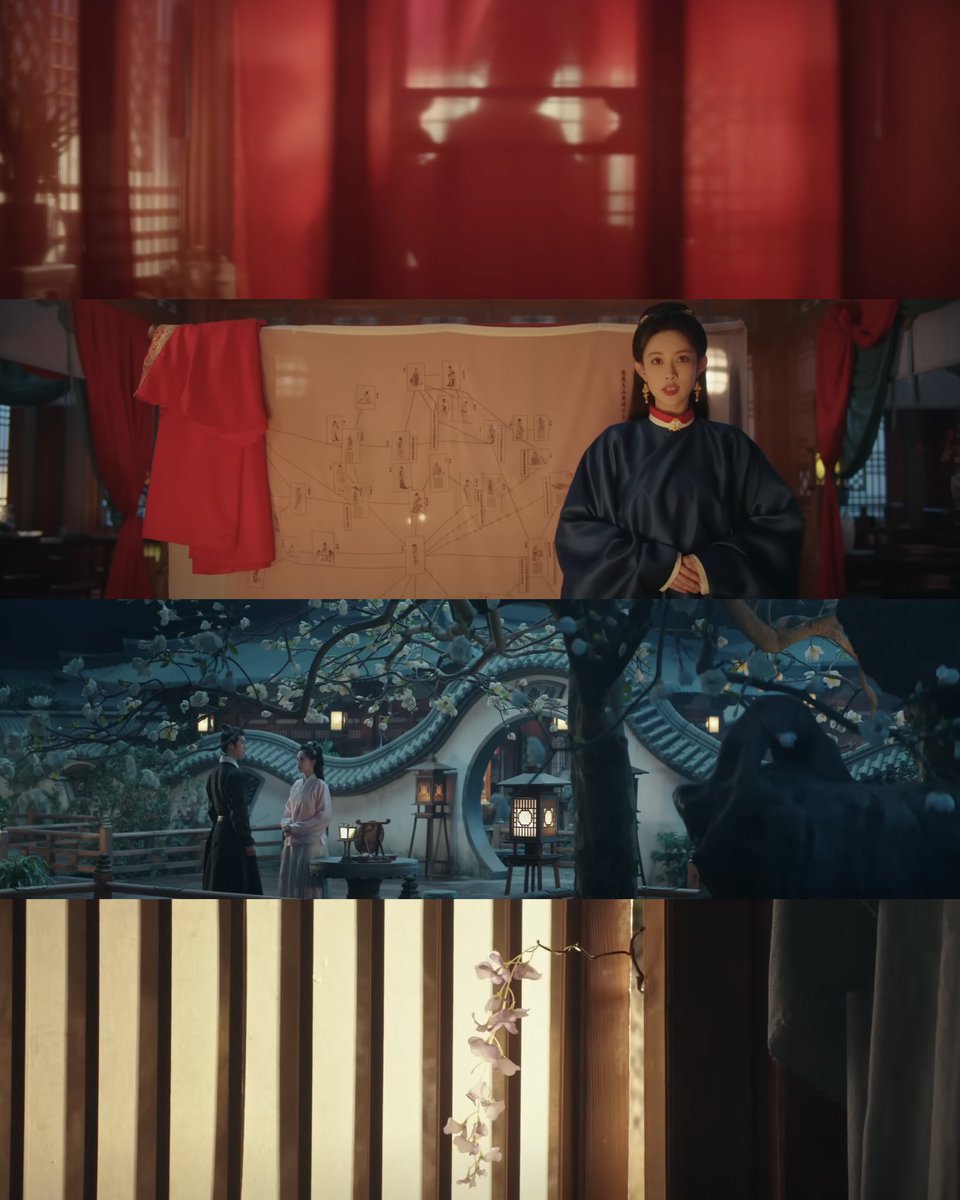
han dynasty weddings and traditional customs with #ThePrisonerOfBeauty🧵

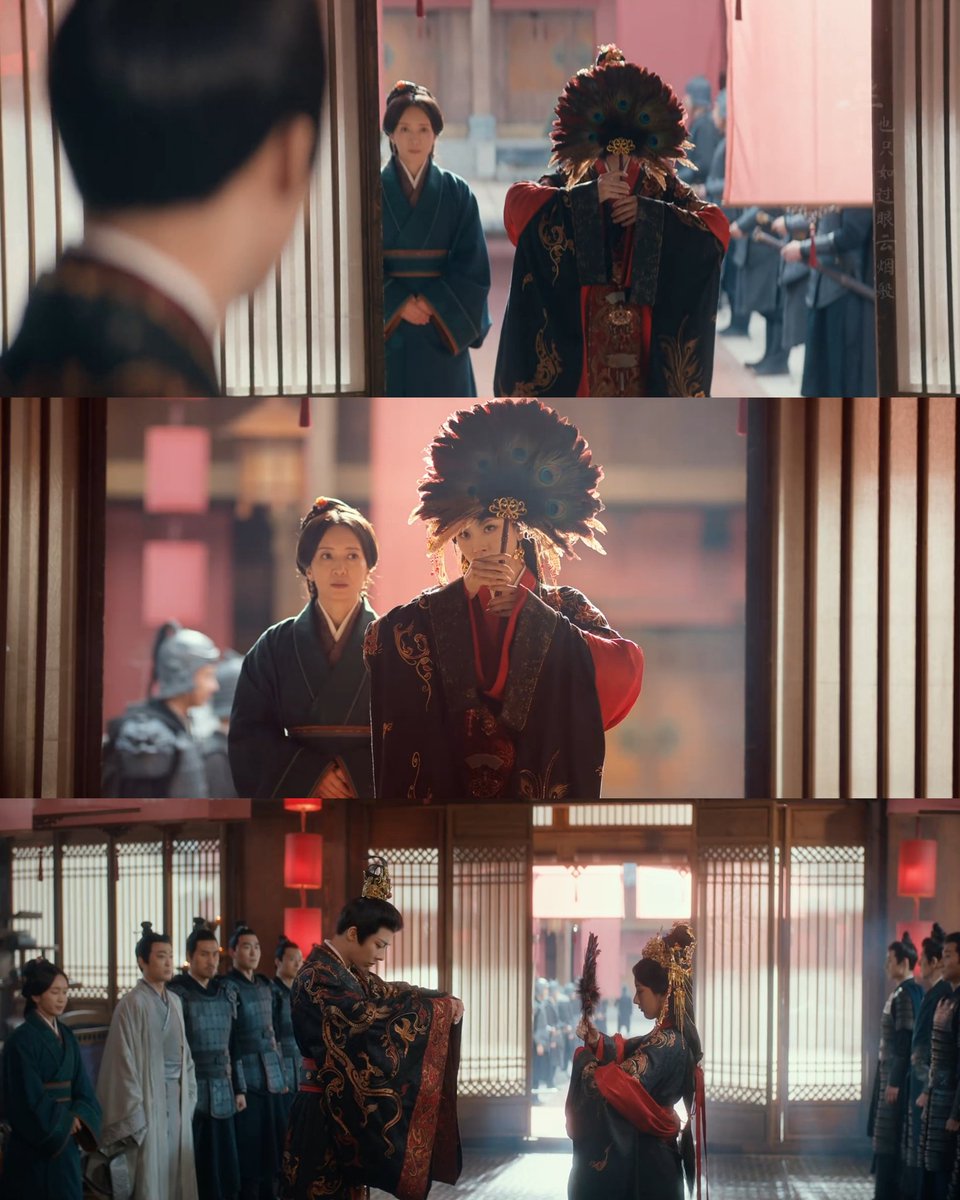
xiao qiao (#SongZuer) and wei shao (#LiuYuning) are dressed in colors of twilight befitting weddings of this era, honoring the cosmic forces of heaven and earth ✨

this drama is set in a fictional time period inspired by the late eastern han dynasty.

through the lens of the drama, let’s explore some interesting details of weddings from around this period — the intended meanings behind the rituals, the foundations they laid for traditional chinese weddings, and how they compare and contrast with practices in later dynasties.

#CDramaImage
Image
wedding colors in #ThePrisonerOfBeauty 🔴
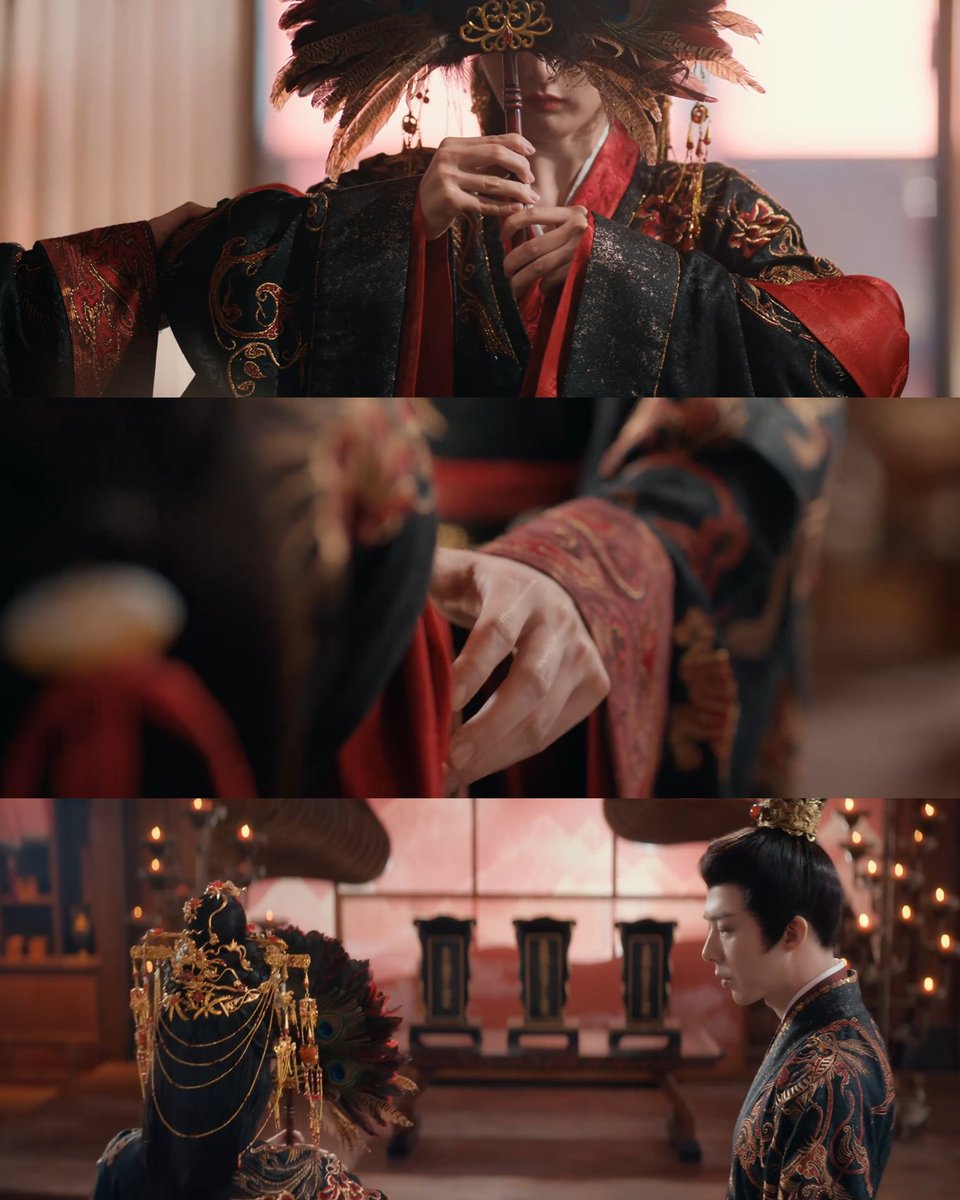
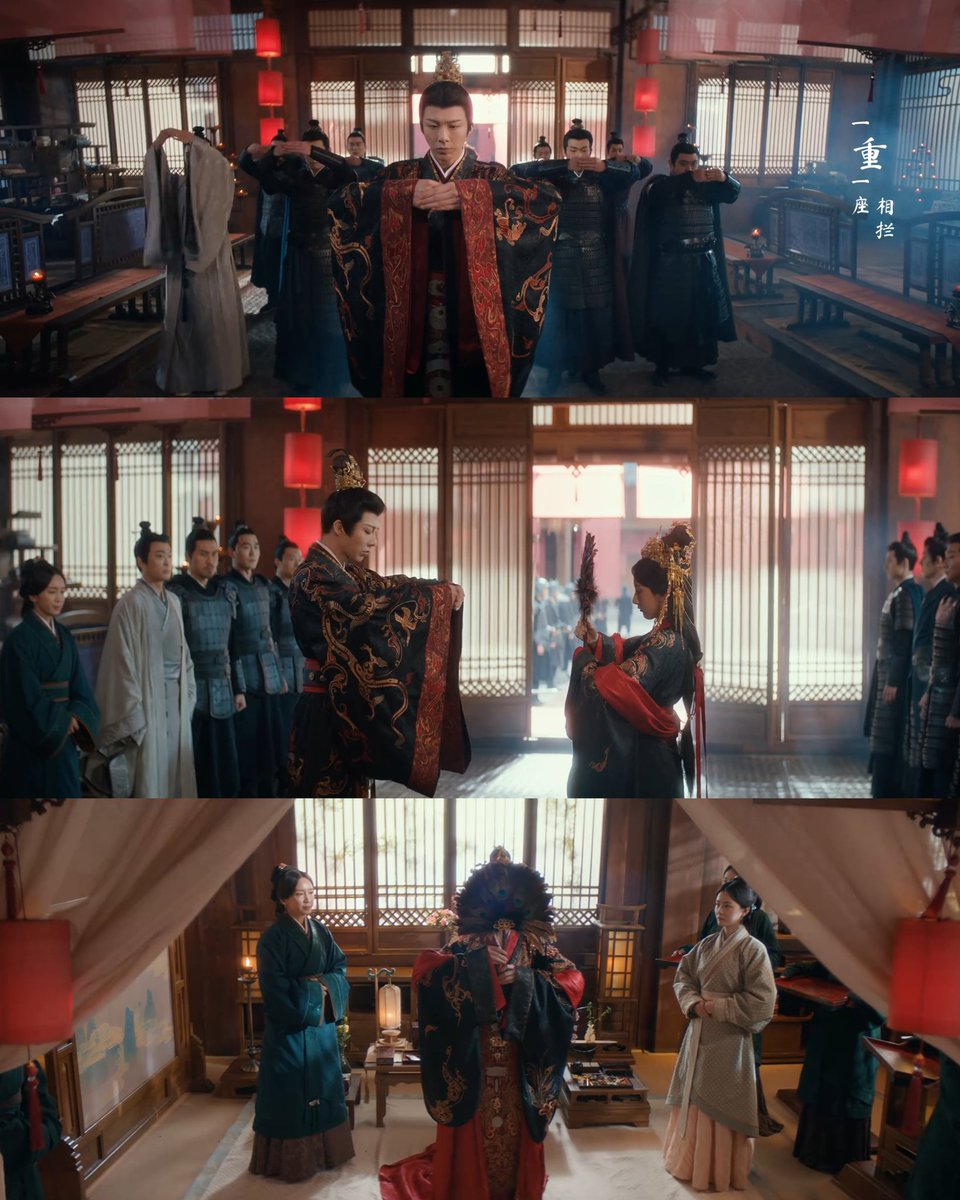
xiao qiao (#SongZuer) and wei shao (#LiuYuning) wear wedding robes of black, embroidered in reds, golds, and ochers, and accented with bold red at the collar and sleeves.

according to the《book of ritual》(yili), compiled during the western han dynasty, wedding attire followed the color system of black and red in the zhou dynasty, with xuan, meaning black or dark, symbolizing heaven, and xun, a light red derived from the yellow of earth and the red of fire, representing earth. these color choices in wedding attire expressed reverence for the cosmic order and the unity of heaven and earth.

in the qin dynasty, emperor qin shi huang adopted the theory of the five elements for his rule, which classified the qin under the element of water represented by black (xuan). consequently, qin-era wedding attire largely preserved the zhou dynasty’s traditions, with an even stronger emphasis on black.

the han dynasty inherited many of the qin’s rituals and continued to use black and red as dominant colors in wedding attire.

hunli, the chinese word for wedding — now written as 婚礼 (hūnlǐ) — was initially written as 昏礼 (hūnlǐ), with the same pronunciation, but with the character 昏 (hūn) meaning ‘twilight.’ a wedding, quite literally, meant ‘twilight rites.’

in the zhou dynasty, weddings were held at twilight, signifying solemnity and cosmic harmony, as the earth darkens and the sky glows red.

while it’s unclear exactly when weddings shifted to the daytime, some scholars suggest the change came after the han dynasty, the era in which this drama is set, when warfare and unrest made ceremonies after sunset unsafe. over time, weddings were moved to the morning, allowing celebrations to last the entire day.

#CDramaImage
Image
Mar 10 8 tweets 13 min read
tcm in a healing, modern romantic drama: your guide to the philosophy & principles of traditional chinese medicine via #TheBestThing with dr. he suye (#ZhangLinghe) & shen xifan (#XuRuohan) 💐 — 🧵

through the soothing lens of《the best thing》, as a love story unfolds that heals the heart while making it race at the same time, we begin to grasp a deeper understanding of health with the philosophy of traditional chinese medicine (tcm).

tcm is rooted in the pursuit of balance through the interdependent relationship of yin and yang, the zang-fu organs that sustain life, and the harmonious flow of qi, blood, and body fluids.

this practice recognizes that the body doesn’t exist in isolation but is deeply connected to nature, which is why tcm physicians consider both the body’s internal state and external conditions when diagnosing and treating illnesses.

illnesses are understood to arise from imbalances caused by stress associated with the seven emotions, as well as the body’s interaction with the environment and its six external pathogenic factors. i’ll be unpacking each of these in this thread 👇

he suye touches on the point that everybody’s constitution is different, which means the right herbs and medicinal materials, treatments, and dietary adjustments vary from person to person. what works for one individual may not work for another. some may even experience side effects or allergic reactions to certain herbs or medicinal ingredients.

that’s why it’s important to consult a licensed tcm professional before trying any remedies yourself — because healing is personal, and expert guidance is the way 🤝

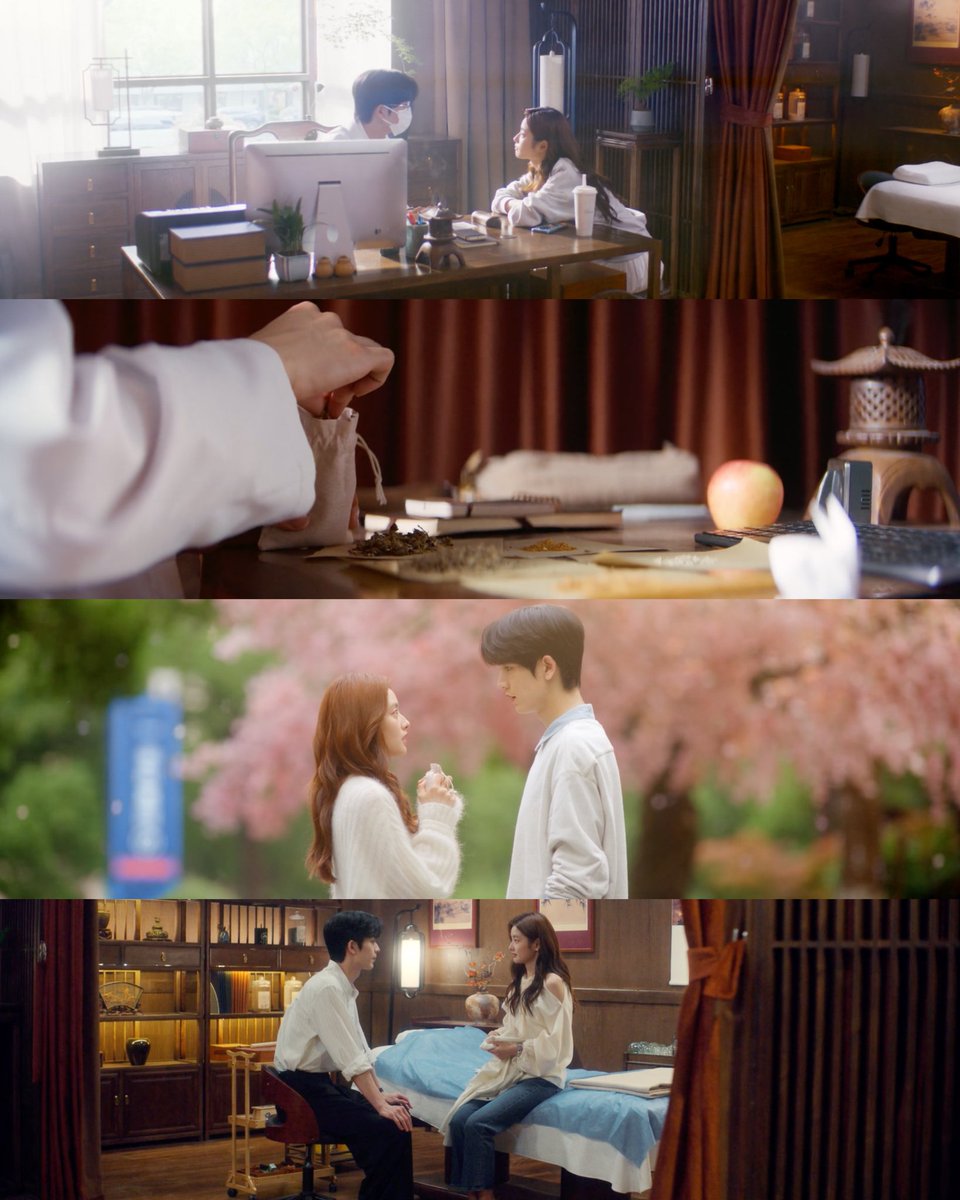
#CDramacollage: scenes from the 2025 chinese drama《the best thing》
collage: scenes from the 2025 chinese drama《the best thing》
☯️ yin-yang theory with #TheBestThing
suffering from stress at work and a painful breakup, shen xifan (#XuRuohan) seeks treatment from he suye (#ZhangLinghe), who identifies an imbalance of cold in her body and prescribes warming medicines and therapies to restore balance.

named after the warming perilla leaf, suye himself becomes a source of warmth and comfort in xifan’s life, contrasting with the coldness and ghosting she experienced in her past relationship.

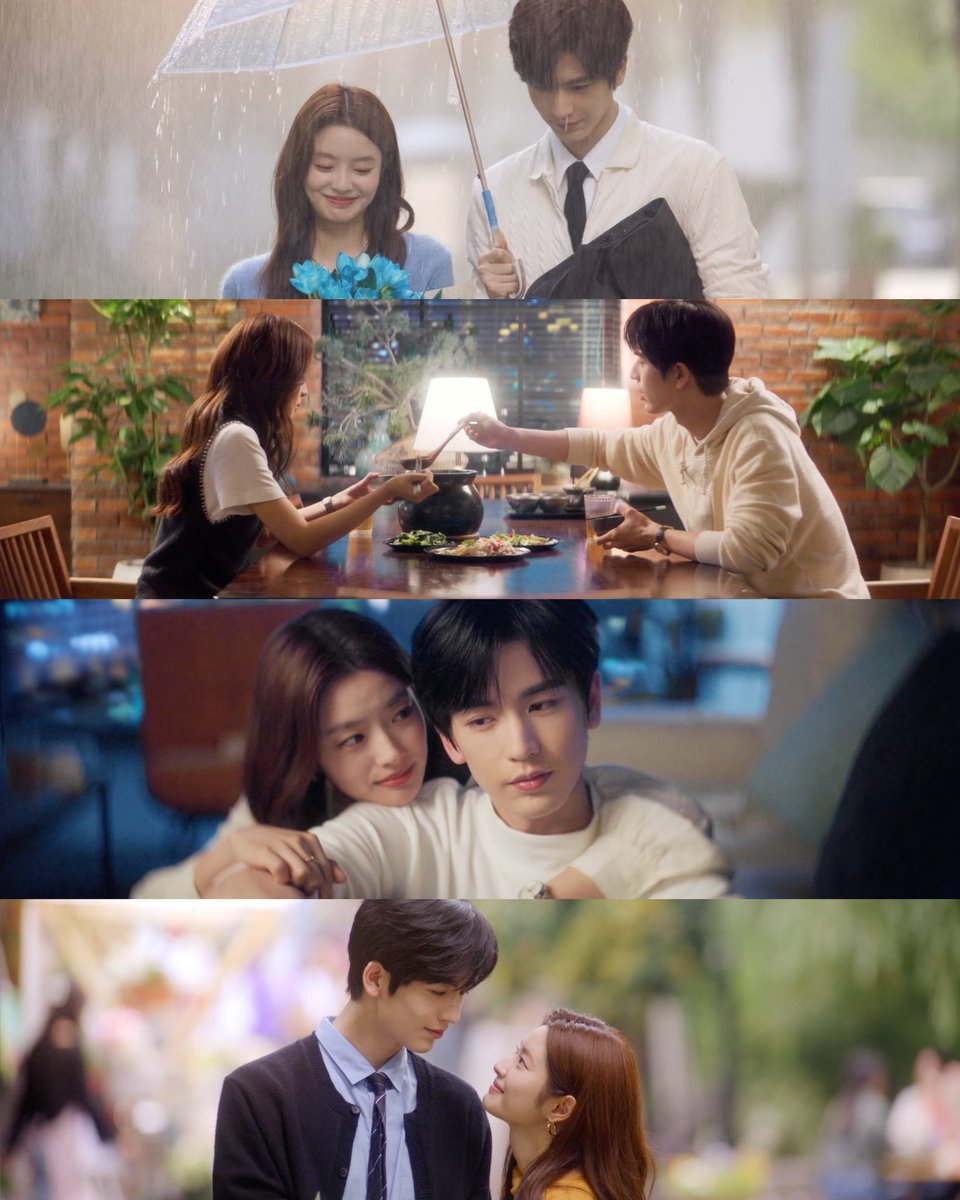
as they grow closer, suye encourages xifan to view her struggles from a new perspective — one that beautifully embodies the yin-yang theory underpinning the tcm treatment she is receiving.

“no matter what happened in the past, good or bad, it’s made you a part of who you are,” he says, relating to her anguish through his own heartbreak from a past relationship. “besides, thinking about it from another perspective, without him, you wouldn’t have come to the clinic because of insomnia.”

suye’s belief aligns with a chinese idiom traced back to the warring states period: “when something reaches an extreme, it will inevitably reverse” (wù jí bì fǎn).

just as good and bad aren’t absolutes and there can be no light without darkness, yin and yang constantly transform into and balance each other.

these opposing yet interdependent forces exist in all things.

⚫ yin represents:
- earth
- shade
- night
- cold
- interior
- etc.

⚪ yang represents:
- heaven
- sun
- day
- heat
- exterior
- etc.

in tcm, the balance of yin and yang is central to explaining physiological functions, diagnosing illnesses, and guiding treatments. when yin and yang fall out of harmony, physiological dysfunction and illness occur, making it essential to restore their balance to regain health.

#CDramacollage: scenes from the 2025 chinese drama《the best thing》
collage: scenes from the 2025 chinese drama《the best thing》
Feb 9 9 tweets 15 min read
dreams, flowers & intertwined fates: how the drama #Blossom found inspiration in one of the four great classic novels of chinese literature —《dream of the red chamber》🥀↔️🪻

loosely adapted from the web novel《jiu chong zi》(‘nine layers of purple’) by zhi zhi, 《blossom》— starring #MengZiyi and #LiYunrui, with #KongXueer, #XiaZhiguang, and more — builds on《dream of the red chamber》(‘hong lou meng’) by cao xueqin. this classic is one of the most beloved and widely read novels in chinese literature, also translated into english under its alternative title《the story of the stone》(‘shi tou ji’), by david hawkes and john minford.

as shared by《blossom》’s scriptwriter jia binbin and producer zhang yingying, the drama’s writing and production teams intentionally incorporated references and parallels to《dream of the red chamber》into《blossom》while reinterpreting themes from the influential classic for modern audiences. they crafted an empowering story that centers on a female protagonist who takes control of her narrative and forges her own path.

zhi zhi, the author of《jiu chong zi》, has also commented on how rereading《dream of the red chamber》as an adult gave her a newfound appreciation for the classic novel, especially from a writer’s perspective:

“the book doesn’t just contain a love story — it also depicts ancient food culture, social customs, workplace dynamics, and family power struggles. using the four seasons as a narrative thread, it weaves together countless vivid scenes, tracing the rise and fall of a once-prosperous family. the writing techniques are incredibly sophisticated and masterful, allowing me to gain invaluable insights. i suddenly understood why some people dedicate their lives to reading and studying《dream of the red chamber》.”

to enhance《blossom》’s elegant, meditative tone and atmospheric period setting, the writing team researched various classical texts and wove intertextual references throughout the drama, notably drawing from tang poetry — but more on that another time.

this is a thread unpacking the most fascinating parallels between《blossom》and《dream of the red chamber》🧵

#CDramacollage: scenes from the 2024 chinese drama《blossom》
collage: scenes from the 2024 chinese drama《blossom》
📜 records and verdicts

screenwriter jia binbin drew parallels between《dream of the red chamber》and #Blossom while crafting the drama’s script, envisioning dou zhao (#MengZiyi), the heroine in《blossom》, as a reimagined jia baoyu, the soft-boy protagonist of《dream of the red chamber》.

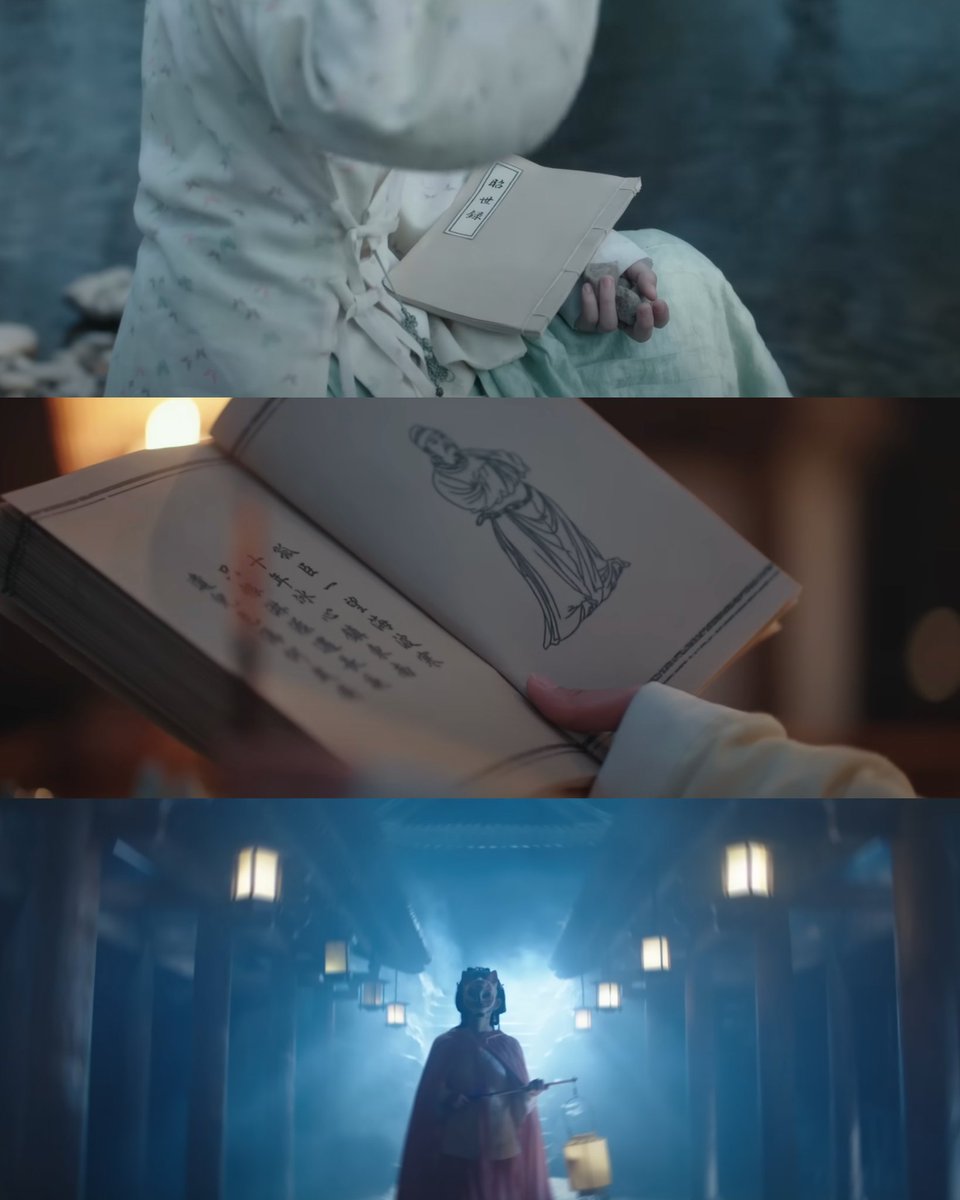
in the classic novel, jia baoyu enters the land of illusion (taixu huanjing) in a dream during his afternoon nap in the middle of a garden party. he wanders into the department of the ill-fated fair (boming si), a celestial administrative bureau where the verdicts of the twelve beauties of jinling are catalogued, detailing the past, present, and future of the young ladies connected to jia baoyu and his household.

these verdicts are presented as enigmatic poems with elusive illustrations, foreshadowing the tragic fates awaiting these women — abuse, social ruin, death.

though jia baoyu feels inexplicably drawn to these records and reads the book to its end, he does not fully grasp their “true meaning” and remains a passive observer.

in writing the script for《blossom》, jia binbin posed an interesting question. in her own words: “if dou zhao were like jia baoyu and accidentally entered the land of illusion but actually understood the verdicts, would she try to change the fates of her family and everyone around her?”

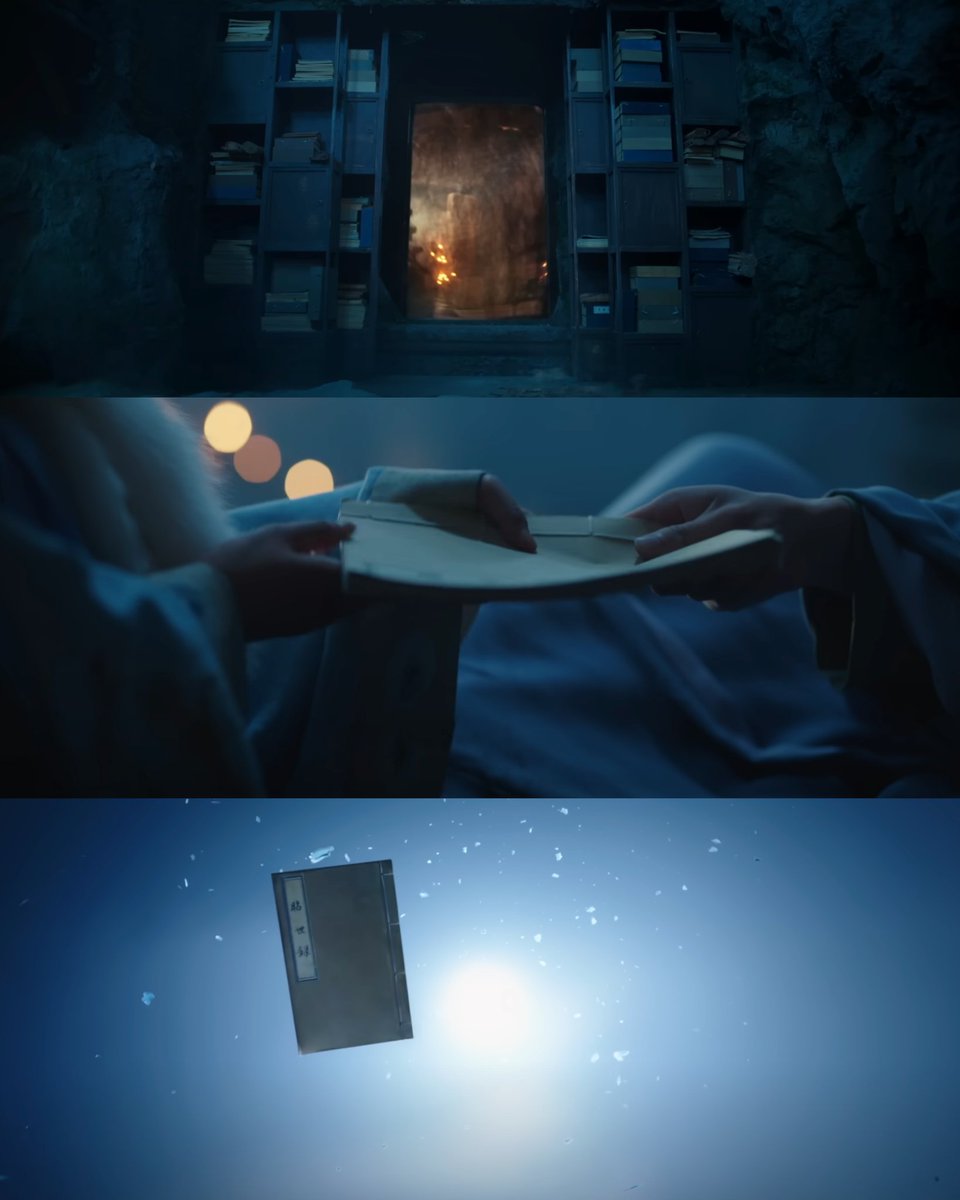
on this note, dou zhao is sent off, falling through a dream of her tragic life into the next one, armed with the《veritable records of zhao》(‘zhao shilu’), also translated as《records of the enlightened age》— a book revealing the fates of both men and women in her social sphere.

poignantly, dou zhao reflects, “this entire life, not even for a moment, has ever been mine to choose” and recites these lines from tang dynasty poet bai juyi’s《the road to mount taihang》(‘taihang lu’):

“in life, one should not be born a woman,

a hundred years of suffering and joy dictated by others.” 🥀

next, let’s explore how《blossom》reclaims and subverts these verdicts from dou zhao’s perspective.

#CDramacollage: scenes from the 2024 chinese drama《blossom》
collage: scenes from the 2024 chinese drama《blossom》
Nov 22, 2024 19 tweets 27 min read
chinese mythology deep dive 🫧

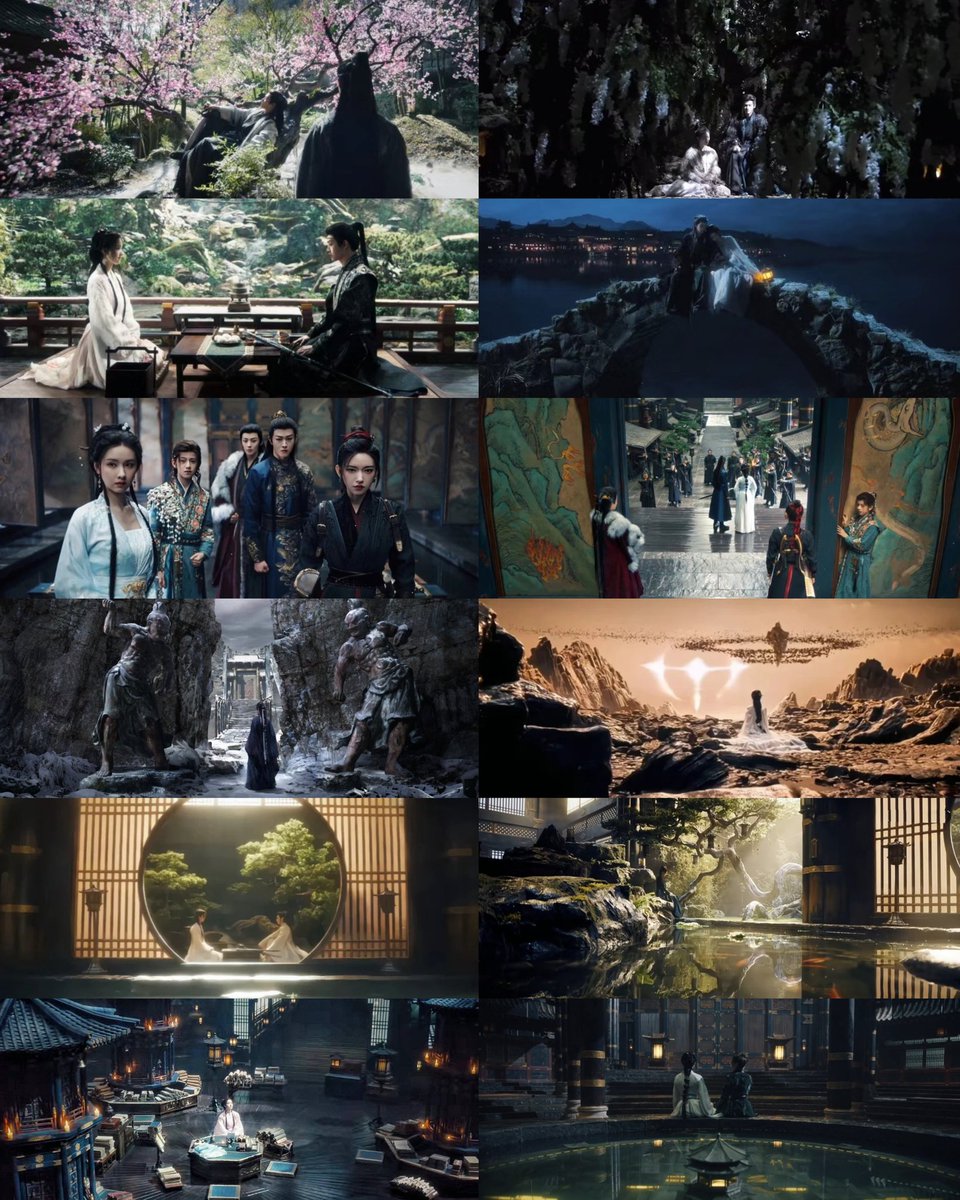
a more comprehensive look at the historical texts, artworks, myths & legends that inspired #FangsofFortune

fantasy drama《fangs of fortune》is part of a long line of films, television series, novels, and literary works inspired by《the classic of mountains and seas》(‘shanhai jing’) — a tome packed with descriptions of fantastical beings and natural wonders that i will talk about in more detail in this thread. it’s a cornerstone of chinese cultural identity, providing insight into how chinese people have perceived the world and inspiring generations to interpret and reinterpret its stories and descriptions through the ages 📜

earlier this year, #LostYouForever (season 2) gave us another take on《the classic of mountains and seas》, drawing on different deities, mythological figures, and realms across both seasons of the drama series. you can check out my thread about that on my page.

in this thread, let's explore chinese mythology and art from《the classic of mountains and seas》and other ancient works to gain a deeper understanding of《fangs of fortune》, #CDrama, and the values and ideas surrounding your fave chinese actors, idols, and the broader cultural sphere that we all share today 🤍collage of scenes and stills from chinese fantasy drama《fangs of fortune》(2024)
《the classic of mountains and seas》(‘shanhai jing’)
write down little verses 🌱 a big, big legend 🌳
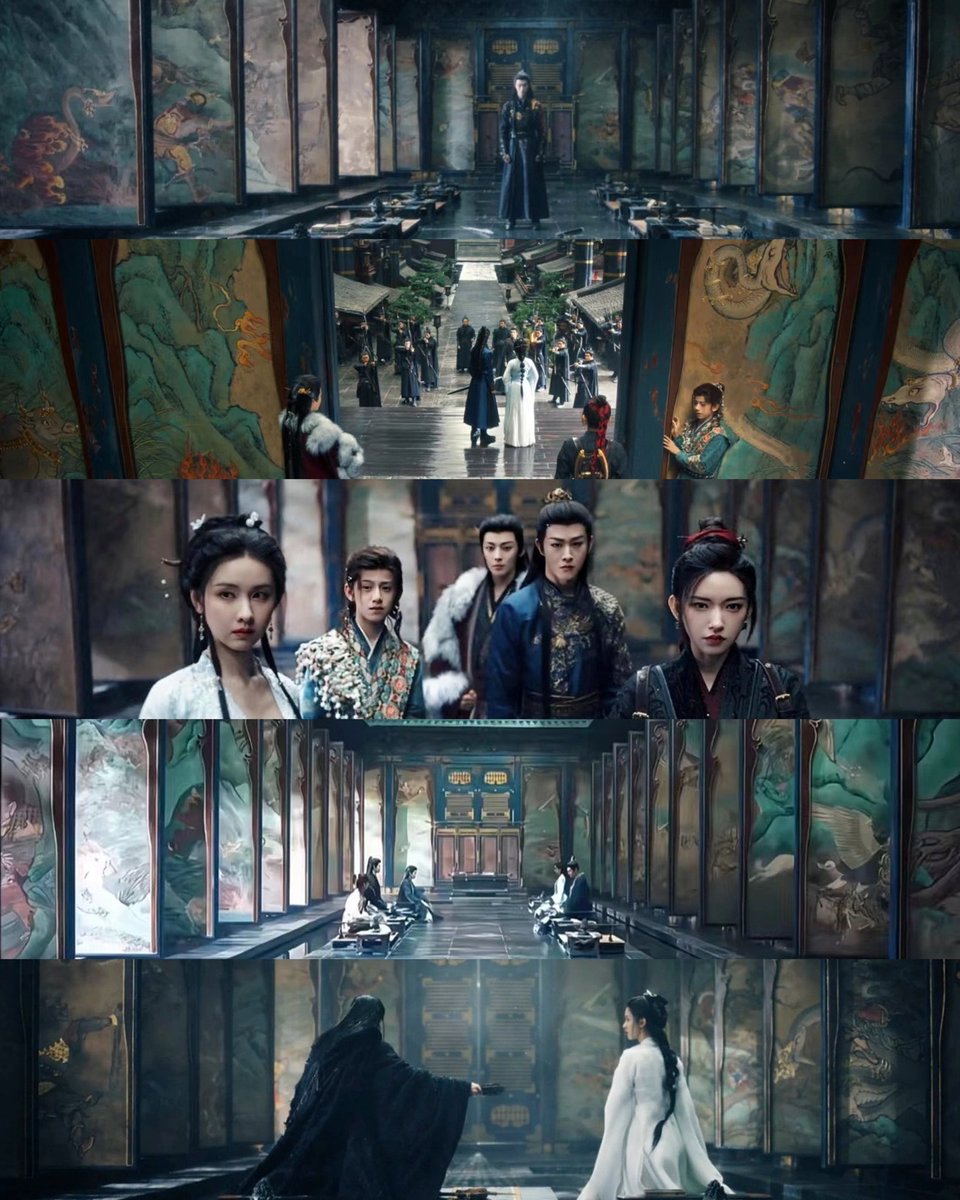
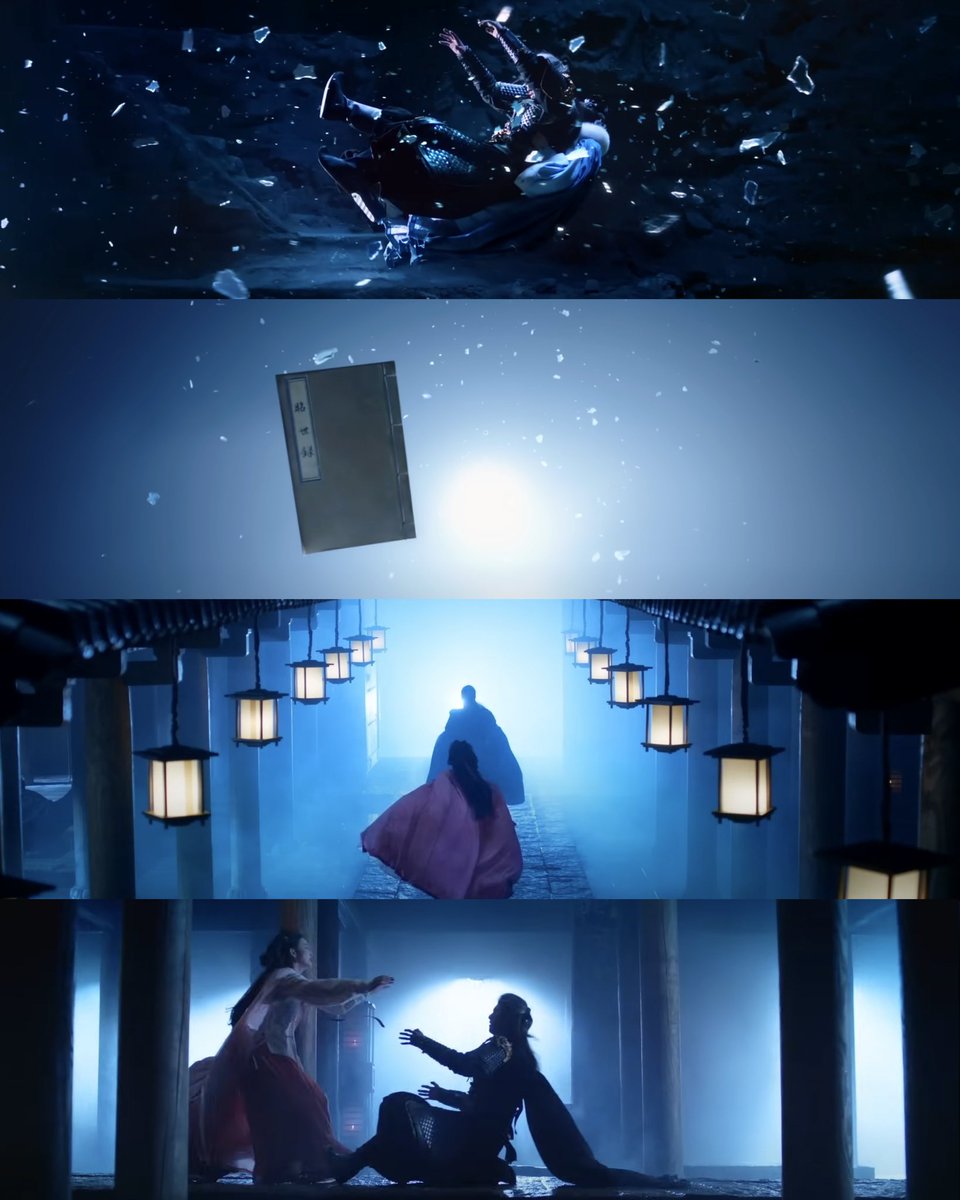
— 《little verses》(‘xiao shiju’) end credits theme song from #FangsofFortune ost

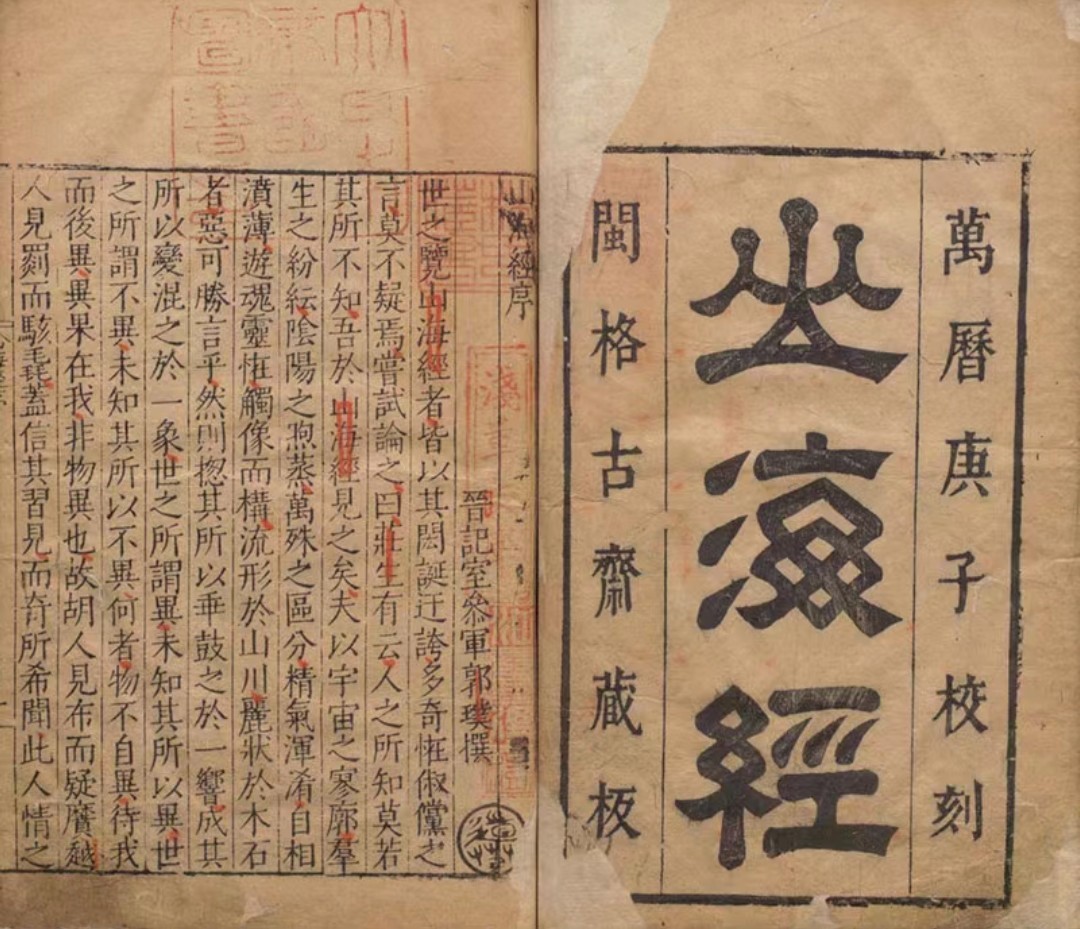
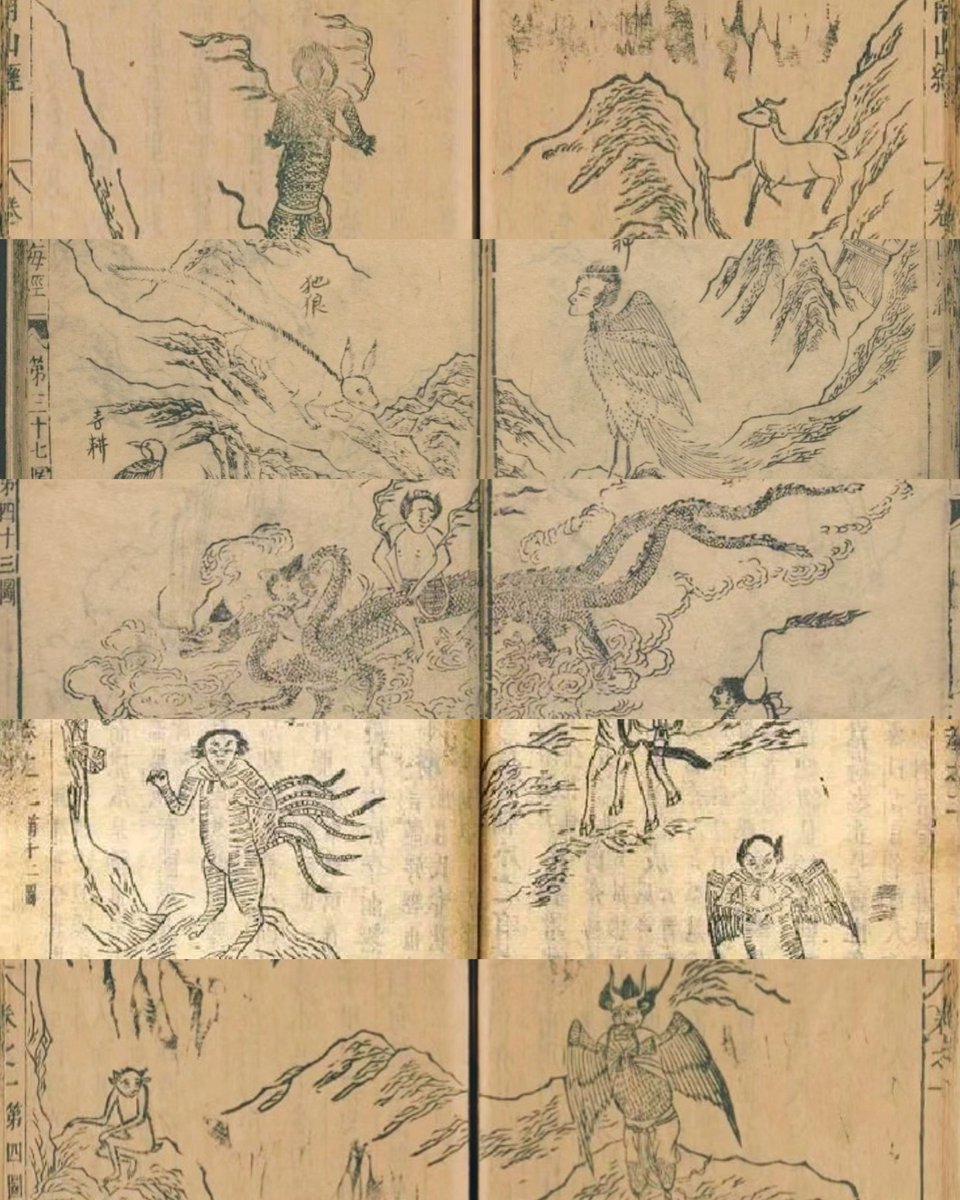
《the classic of mountains and seas》(‘shanhai jing’) can be understood as a compendium of accounts on the natural and spiritual worlds surrounding the chinese people, believed to have been compiled by multiple authors between the pre-qin period (specifically the warring states period) and the han dynasty, dated around somewhere between 4th century bce to the 1st century ce.

documented within its pages are many hundreds of geographical and cosmological features, natural phenomena, deities, fantastical creatures, and plants. eighteen sections, or scrolls (juàn) , have survived into the modern day and are generally categorized into parts on the ‘mountains’ (‘shān’), ‘seas’ (‘hǎi’), ‘great wilderness’ (‘dà huāng’), ‘lands contained by the seas’ (‘hǎi nèi’), and ‘lands beyond the seas’ (hǎiwài). different editions have categorized the text into different parts.

some researchers, including foreign researchers, have even looked into whether places described in《the classic of mountains and seas》correspond to locations overseas, potentially indicating ancient chinese exploration — an interesting topic for another time💡

from its contents, people over the years have extracted many well-known chinese myths, insights into taoist philosophy, ancient tribes and ethnicities, shamanistic practices, rituals, and traditional medicine.

over time, this expansive collection of records has achieved legendary status, serving as a rich source of inspiration for research, art, storytelling, ideas — cultivating generations of fresh perspectives on the beings and elements it describes.

《fangs of fortune》draws upon many of the deities, creatures, and plants mentioned in《the classic of mountains and seas》, many of which are human-animal hybrids, reflecting the interconnected and diverse nature of living beings, and the reverence that the ancient people had for the environment.

keeping with the tradition of xianxia fantasy dramas,《fangs of fortune》portrays creatures from 《the classic of mountains and seas》as ‘yāo’, translated as ‘demons’ , who have taken human form after many years of cultivation, exploring themes of identity, belonging, and fate 💫

#CDramacollage of scenes from chinese fantasy drama《fangs of fortune》(2024)
collage of pages from various editions of《the classic of mountains and seas》(‘shanhai jing’)
Jul 18, 2024 8 tweets 12 min read
historical influences & details in the aesthetics of #ThePrincessRoyal —🧵

set in a fictional era based on the wei, jin, southern and northern dynasties, essentially sharing a period setting with #NirvanaInFire and the ballad of #Mulan ⚔️

the wei, jin, southern and northern dynasties were turbulent times in ancient china, marked by division and instability. dynasties and rulers were constantly getting overthrown by rivals. while non-han nomadic groups seized control in the north, former imperial houses fled south and sought to reinstate their power there, with political infighting adding to the fray.

but amid great turmoil, the collision and exchange of different cultures, ideas and beliefs took place between northerners, southerners, han chinese, ethnic minorities, central asians, and other silk road cultures.

yes, despite the chaos, the silk road — established during the western han dynasty — stayed open. influences from persian, greek, and indian cultures flowed in, contributing to artistic, cultural, and technological developments in china. buddhism, in particular, was welcomed during this time of suffering and hardship among the people.

this period was chosen for the drama after research into what would best fit the original novel’s setting. art director wang zuokun describes the aesthetic quality of《the princess royal》as embodying “the elegant and strong character of the wei and jin periods” and “the expression of spirit through form.”

《the princess royal》(‘du hua nian’) is an ancient costume chinese drama starring #ZhaoJinmai and #ZhangLinghe, adapted from the web novel《the grand princess》by mo shu bai.

#CDramaImage 🌿 flowering tree & deer antler head ornaments
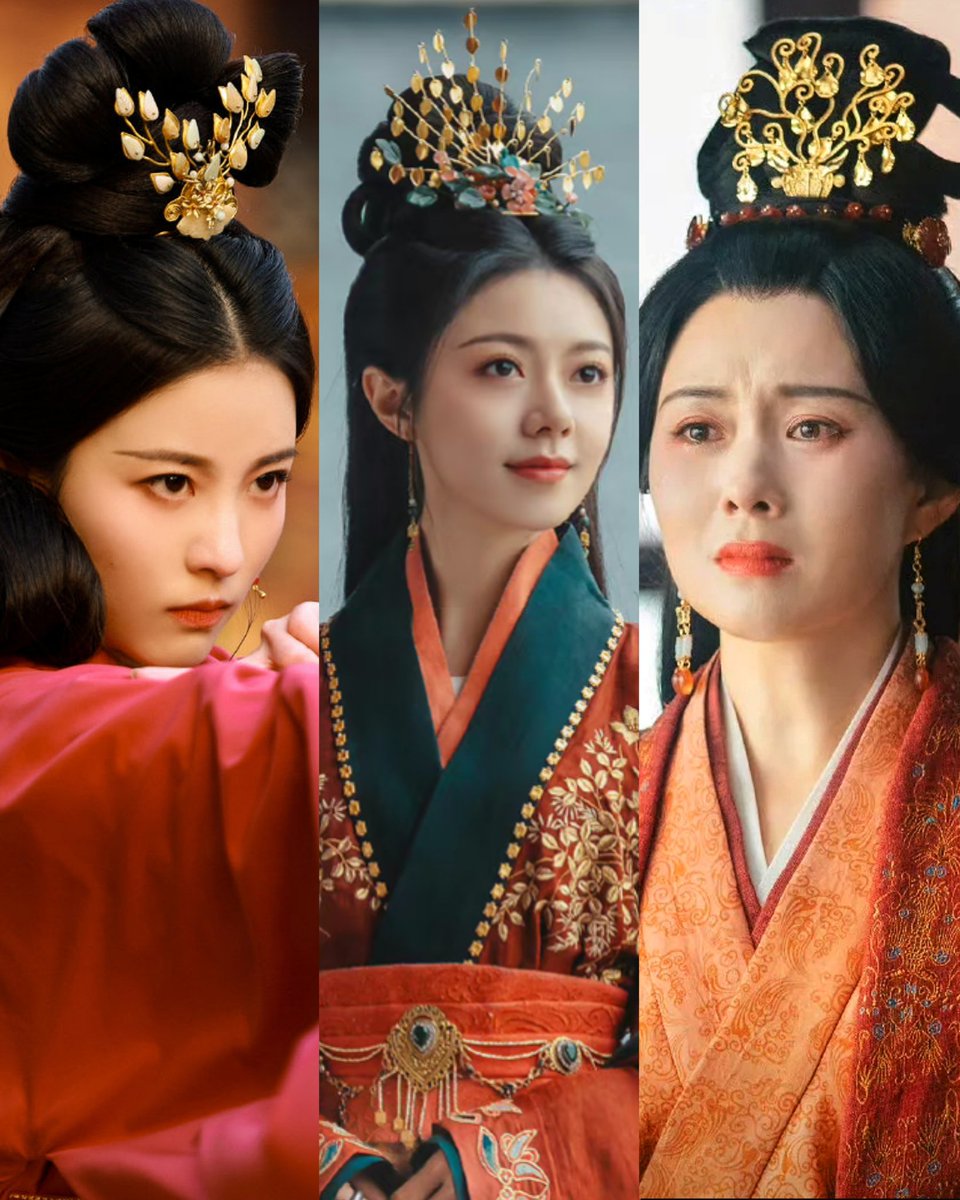
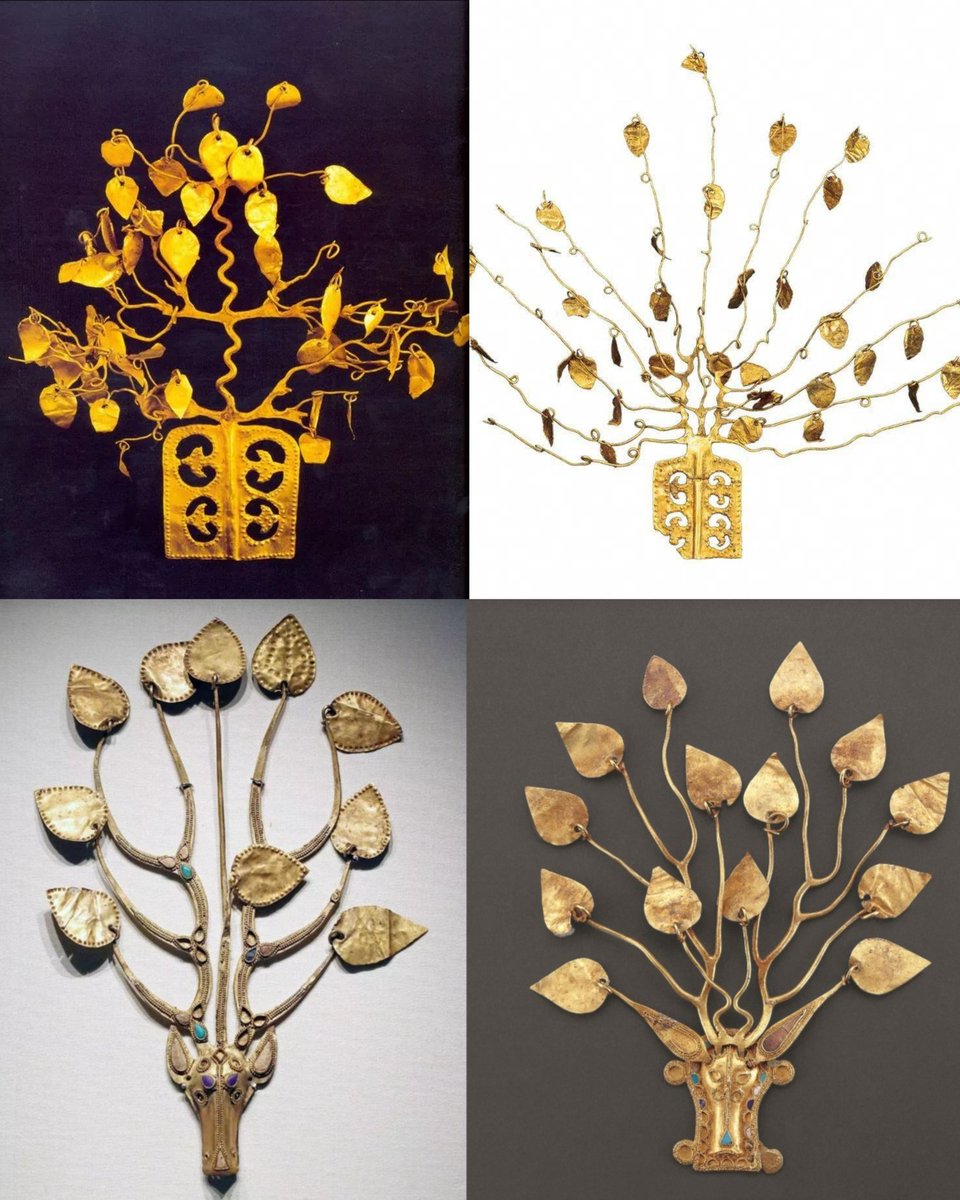
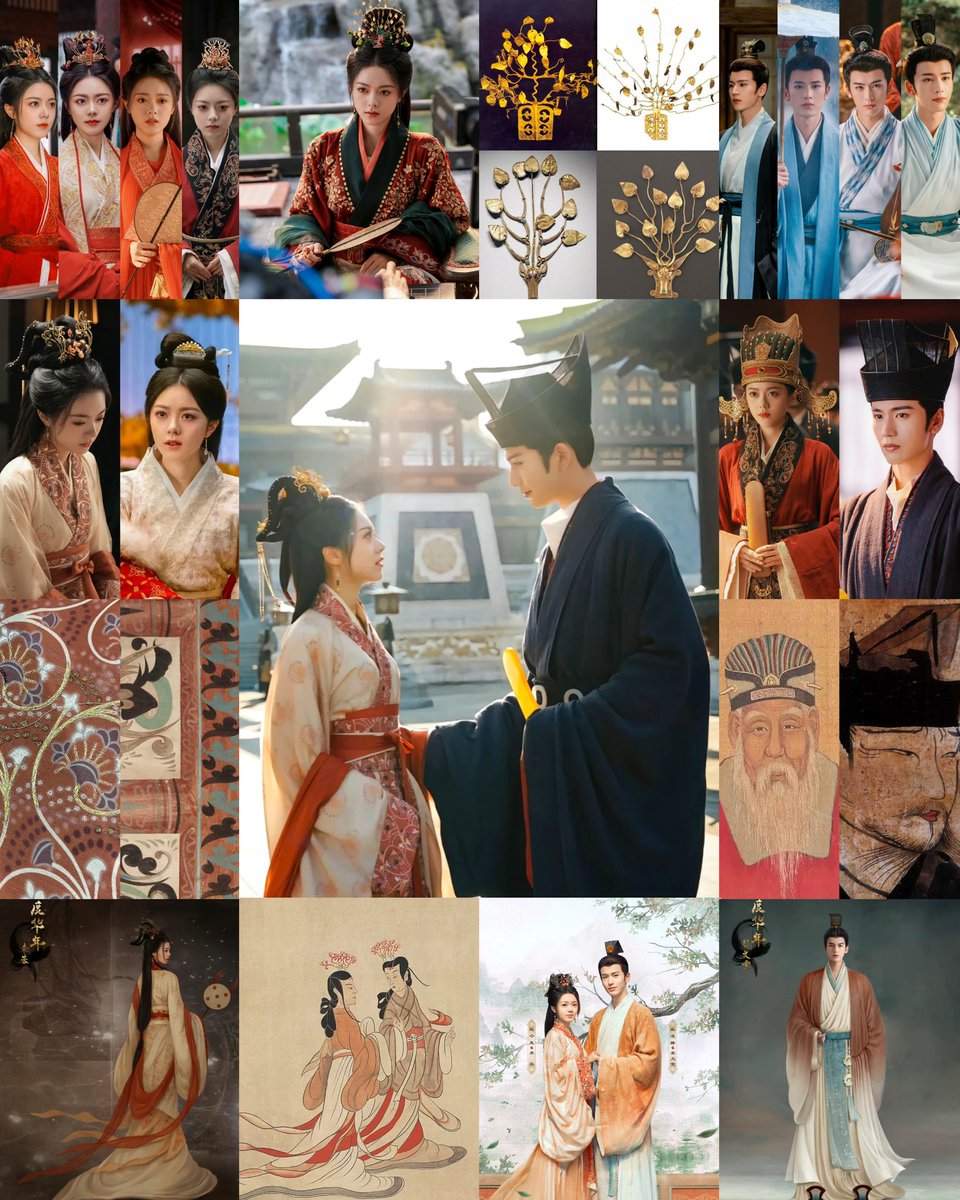
li rong (#ZhaoJinmai), the empress (#ZhaoPeilin), and consort ning (#SunRui) wear nature-themed head ornaments in #ThePrincessRoyal, modeled after those worn by xianbei noblewomen — aka the original mulan’s people ❤️

hailing from the eastern eurasian steppes, the xianbei (särpi) were an ancient mongolic pastoral nomadic people who rose to prominence and power in the jin and northern dynasties. for example, the tuoba xianbei clan established the northern wei dynasty, the northern qi was founded by an emperor of mixed xianbei-han chinese heritage, and a descendent of the yuwen xianbei tribe ruled the northern zhou.

the xianbei people practiced tree totem worship and favored these flowering tree-shaped head ornaments with gilded leaves hanging from branches that would sway as the wearer moved. this type of ornament is called the ‘buyao,’ meaning ‘step-swayer’ 🍃

shrub and tree types of this xianbei buyao have been identified among historical artifacts. consort ning’s buyao resembles a flowering tree shrub, while princess li rong’s is like a large, fan-shaped tree in bloom on a mountaintop to represent her strength, power, and influence 🌳

meanwhile, the empress wears a golden deer antler tree buyao. the tuoba xianbei regarded the deer as sacred and a symbol of the mother goddess. the base of the ornament is shaped like a deer’s head with antlers extending out like branches that have gilded leaves hanging from them.

it would have been lovely to see mulan wearing these head ornaments in hollywood adaptations 🫶

#CDramaconsort ning (#SunRui), li rong (#ZhaoJinmai), and the empress (#ZhaoPeilin) wearing golden tree buyao head ornaments in ancient costume chinese drama #ThePrincessRoyal (2024)
collage of artifacts: • golden flowering tree buyao with bird motifs on base from the former yan (liaoning provincial museum) • golden flowering tree buyao with cloud patterns on base from the former yan (liaoning provincial museum) • pair of bejeweled golden heavenly deer head buyao from the northern qi (inner mongolia museum)
Jun 23, 2024 5 tweets 4 min read
historical inspiration behind the nails in #TheDouble 💅 —🧵

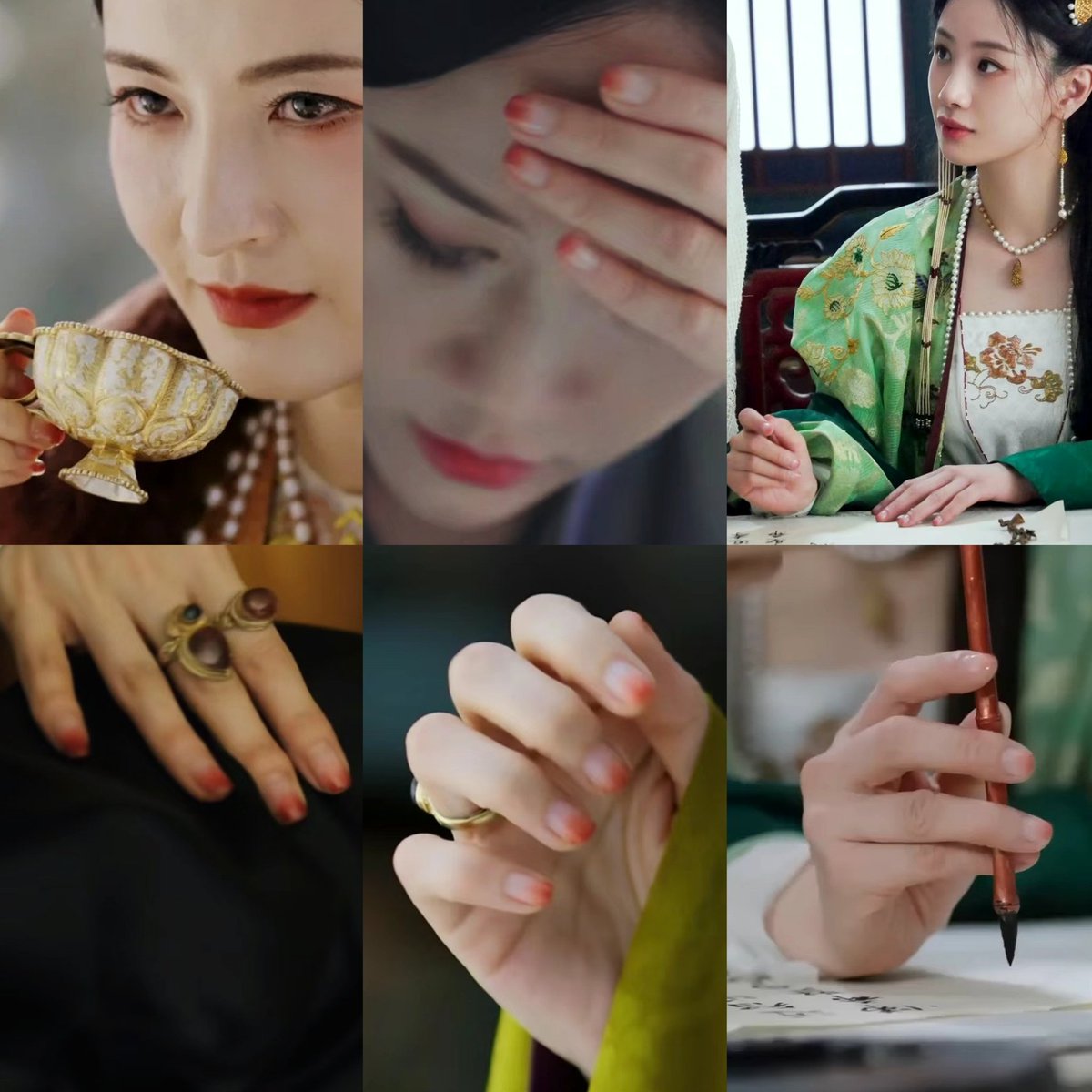
the red-tipped nails on ladies including ji shuran (#JoeChen), princess wanning (#LiMeng), and li fei (#SunJingjing) are inspired by balsam flower-dyed nails, which became popular during the tang and song dynasties.

the reddish tint on the nails gradually fades over time as the nails grow out, giving that red-tipped, ombre effect seen on the ladies in the drama ❣️

here’s how to get balsam-dyed nails, based on zhou mi’s account in the《guixin zashi》(miscellaneous records of guixin street) from the southern song dynasty:

1️⃣ collect petals of the garden balsam flower.
2️⃣ crush into a paste and add a little alum (to help the dye bind to the nails).
3️⃣ apply the paste onto clean nails.
4️⃣ wrap fingers in leaves and tie with string to cover the nails while they dry.
5️⃣ leave for a few hours (ideally overnight) to let the dye seep into the nails.
6️⃣ unwrap the leaves from fingers.
7️⃣ wash hands to remove the dried paste, revealing lovely tinted nails 💖
8️⃣ the color will be quite light at first — repeat the above steps, around 3-5 times for a stronger red.

the tang poem《song of the palace ladies》by li he describes: “candles hanging high shine through the gauze, palace ladies pound vermilion paste in the flower chamber deep into the night.”

this trend of balsam-dyed nails continued on through the song, yuan, and qing dynasties, and the garden balsam flower became known as the ‘fingernail flower’ (‘zhijiahua’) 🌺

#CDramaji shuran (#JoeChen), li fei (#SunJingjing) & princess wanning (#LiMeng) with their red-tipped nails in chinese ancient costume drama #TheDouble (2024) both of these bloggers on xiaohongshu shared what their balsam flower-dyed nails looked like after three months of growing out and trimming them.
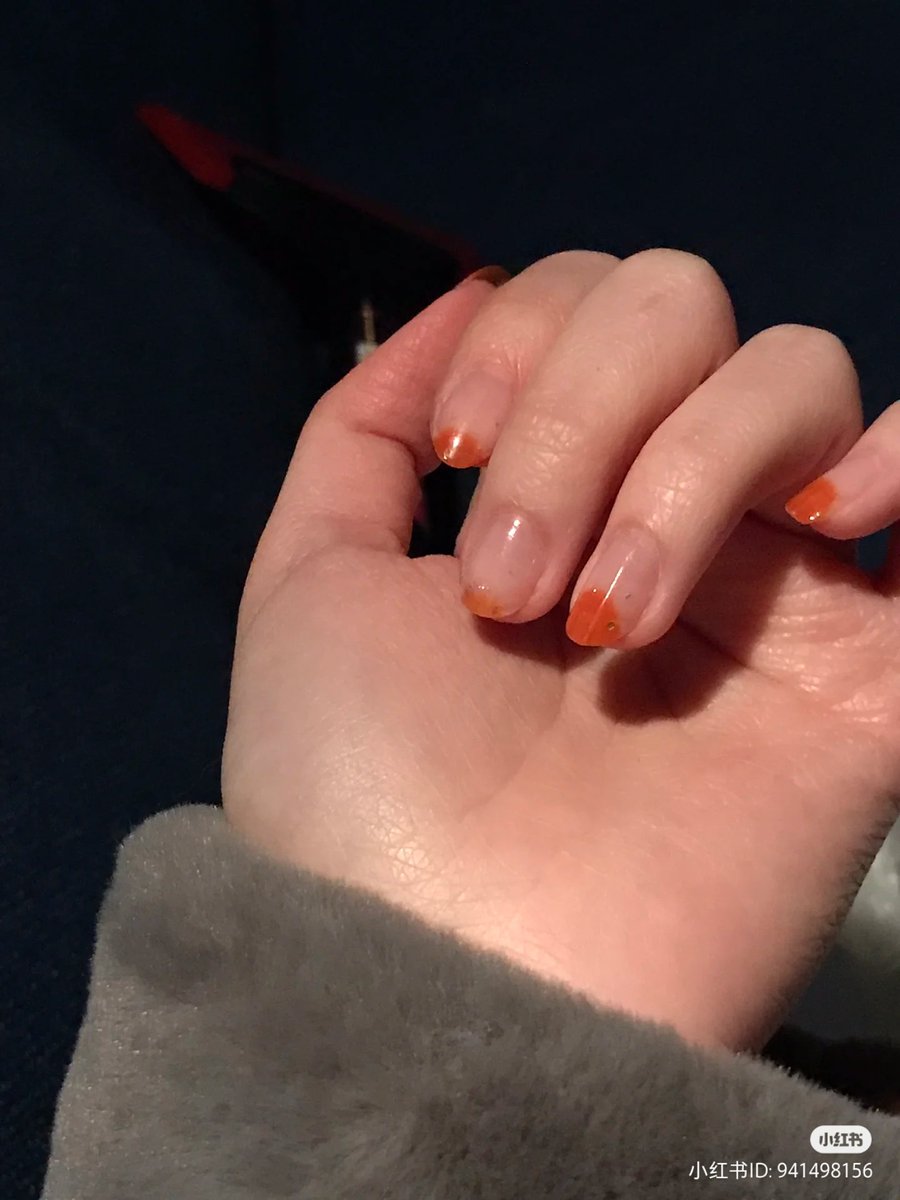
the nail designs on the ladies in #TheDouble appear to resemble these results ❤️

cr. 张小栖 & 阿苏菜叶 on xiaohongshu

#CDrama
张小栖 on xiaohongshu
阿苏菜叶 on xiaohongshu
Jun 19, 2024 7 tweets 8 min read
🪭 historical costuming, art & cultural influences in #TheDouble —🧵

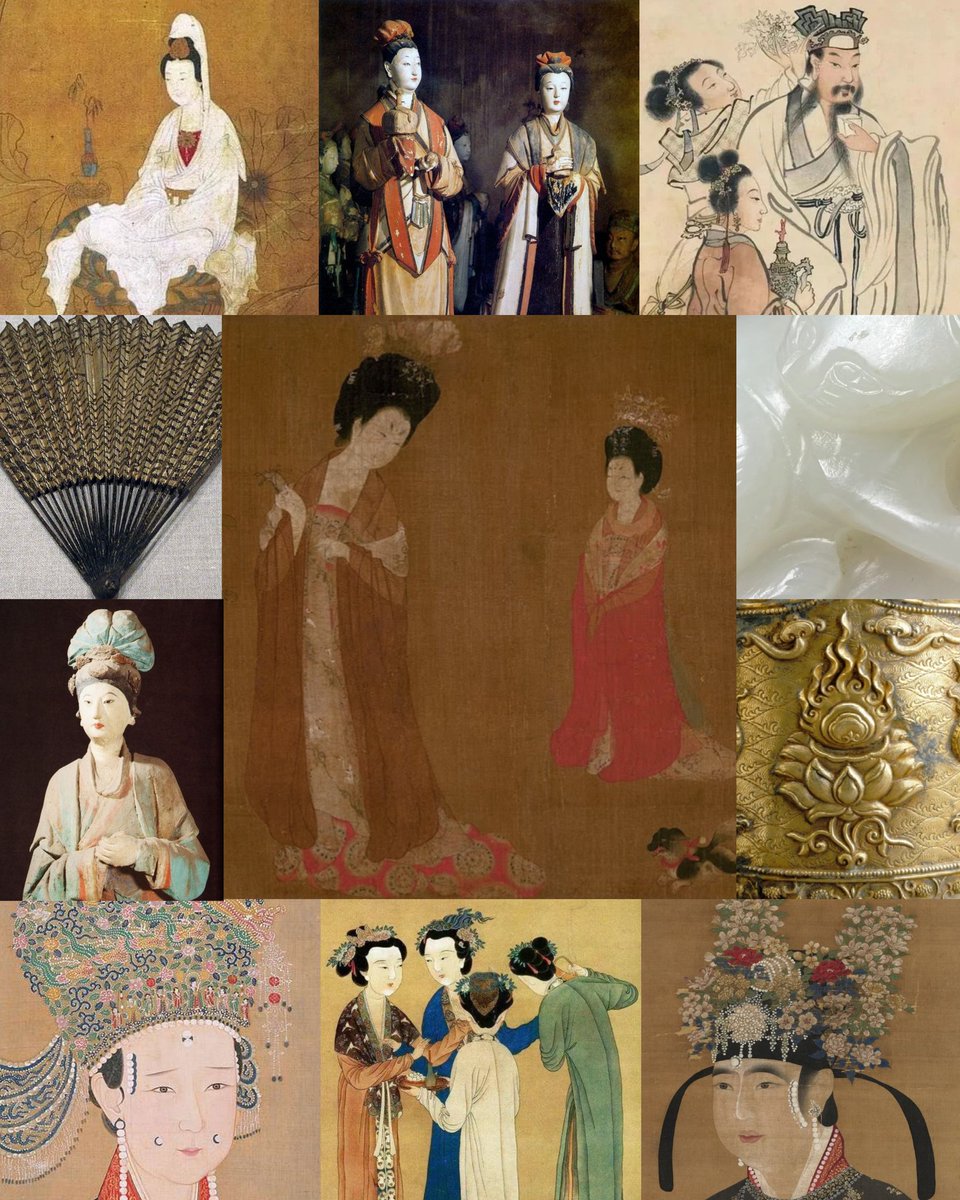
set in a fictional time period with inspired elements from the song & other dynasties as seen in historical paintings, sculptures, costumes & literature

👀 spotted:
⚪️ pearl makeup
🐈 jade cat pendant
🪭 fans
🌹 flowers in hair
👩🏻‍🍳 covered hair bun
👰🏻 veils
👑 crowns
🪮 comb ornaments
🐰 ‘heaven-facing’ (bunny-eared) headwear

✨ 《the double》 (‘mo yu yun jian’) is the latest hit chinese ancient costume drama starring: #WuJinyan, #WangXingyue, and #ChenXinhai, with #JoeChen, #LiuXiening, #LiMeng, #YangChaoyue, #AiMi, & more

#CDramaImage
Image
⚪️ pearl makeup

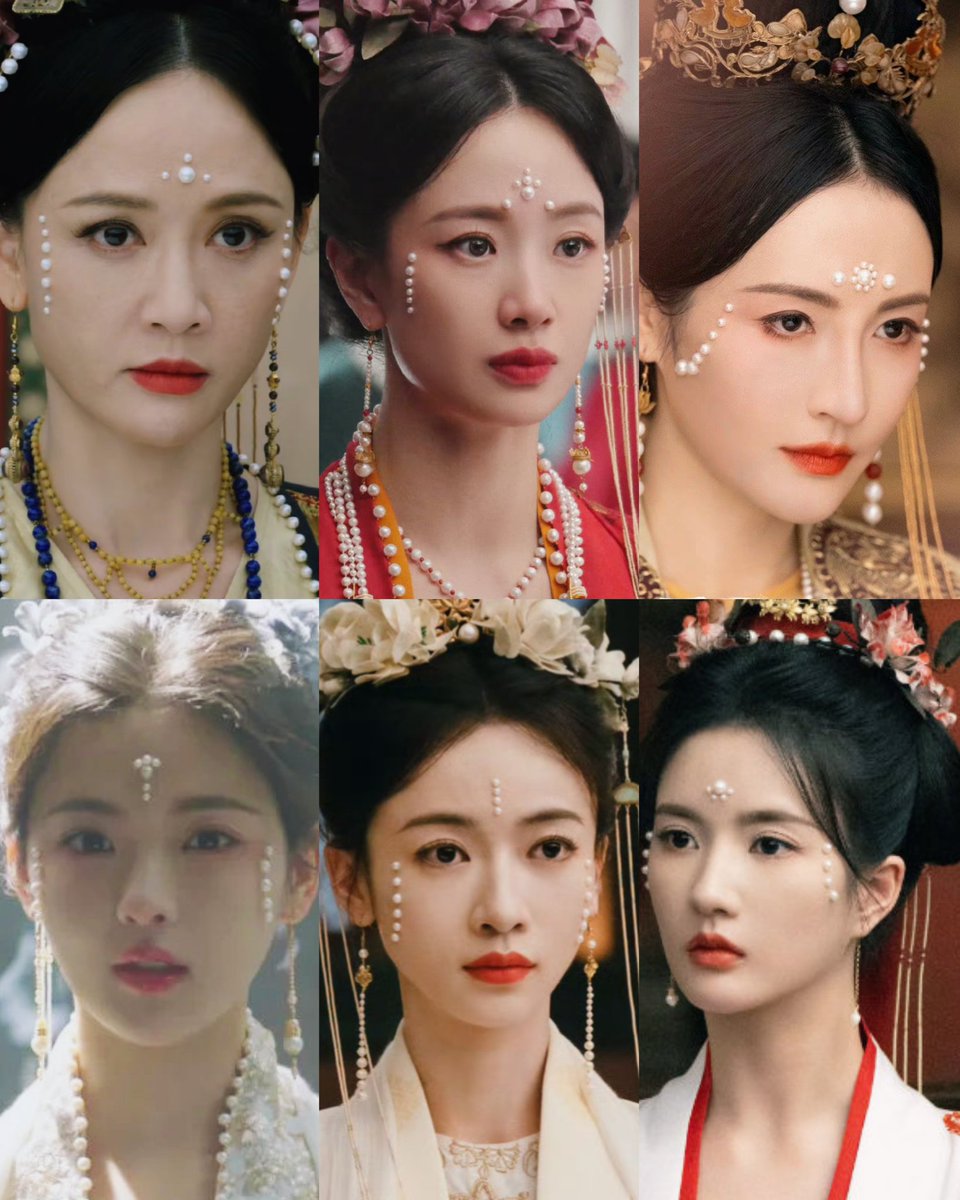
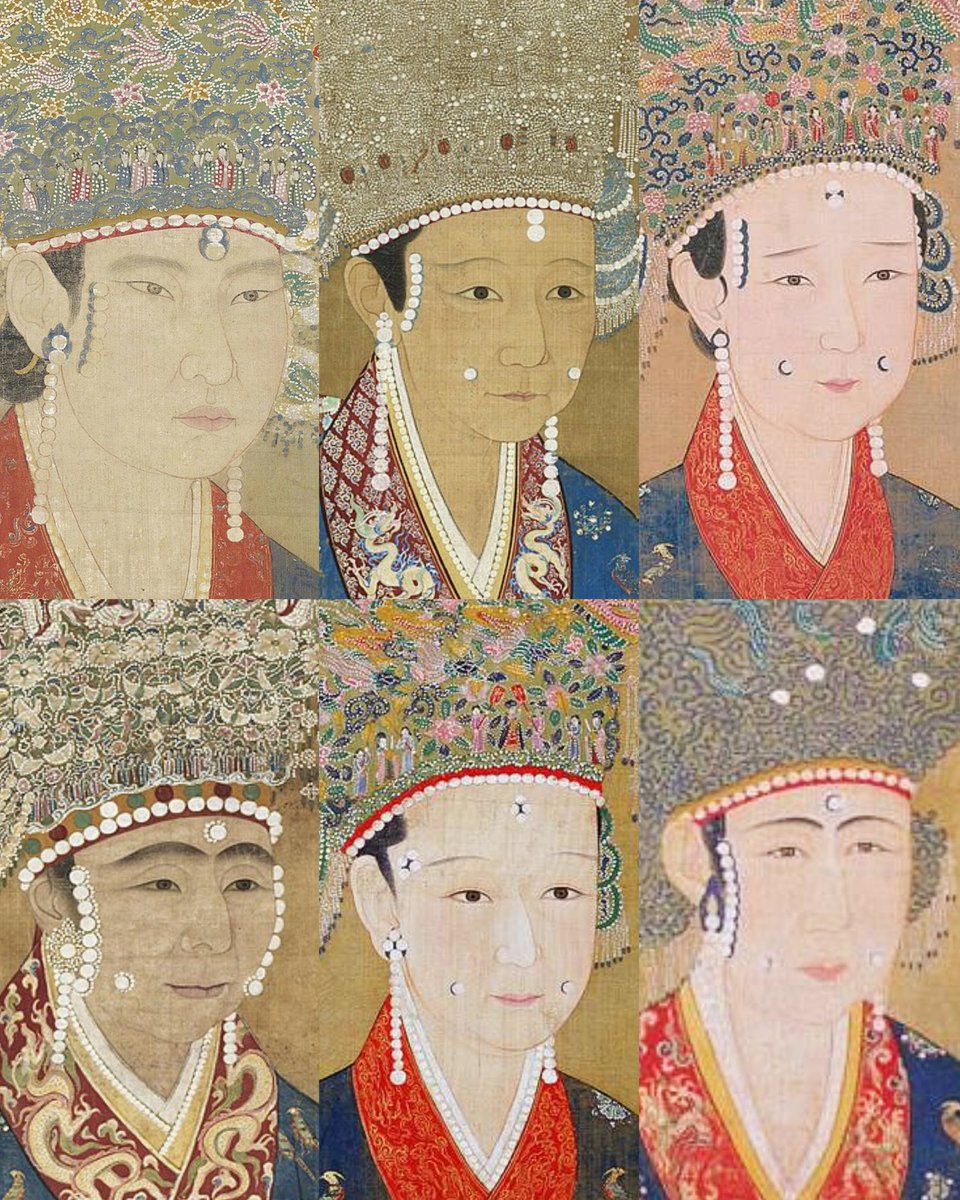
the pearl-embellished makeup look in #TheDouble was inspired by those worn by empresses and noblewomen of the song dynasty to highlight their beauty and status. in the worldbuilding of the drama, the more pearls a lady wears on her face, the higher her status in society 💅✨

song dynasty court portraits depict empresses with pearls adorning their forehead, brows, temples, cheeks, and dimples, in various shapes, such as teardrops and gourds, arranged in intricate patterns, including plum blossoms and diamonds. the pearls are mounted on a blue-jeweled base to match their dark blue ceremonial robes and blue-green phoenix crowns (‘fengguan’). it is believed that they fixed real pearls onto the face using fish glue, and the drama used real pearls for the makeup as well.

the pearl makeup look has been trending on social media with many beauty bloggers recreating and giving their own take on the looks from the drama worn by a’li (#WuJinyan), ji shuran (#JoeChen), jiang ruoyao (#LiuXiening), jiang li (#YangChaoyue) in an apparition, princess wanning (#LiMeng), li fei (#SunJingjing), & more.

#CDramaji shuran (#JoeChen), princess wanning (#LiMeng), li fei (#SunJingjing), jiang li (#YangChaoyue), a’li (#WuJinyan) & jiang ruoyao (#LiuXiening) wearing song dynasty-inspired pearl makeup in chinese ancient costume drama #TheDouble (2024)
portraits of song dynasty empresses wearing pearl makeup — empress xiang of shenzong, empress zheng of huizong, empress zhu of qinzong, empress gao of yingzong, & empress wu of gaozong, empress cao of renzong (taipei: national palace museum)