Vishnu Agarwal Profile picture
Founder of Stock Knocks | London Business School alum + CS | Obsessed with India’s growth story, SMEs & geopolitics | Making SME investing simple with AI 🇮🇳
Jan 10 15 tweets 4 min read
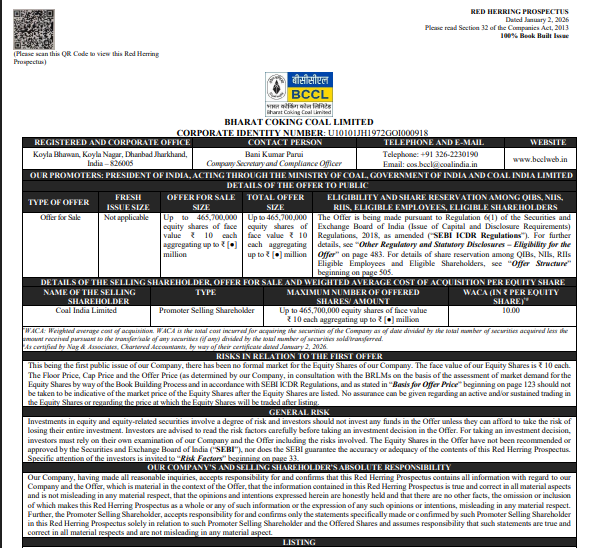
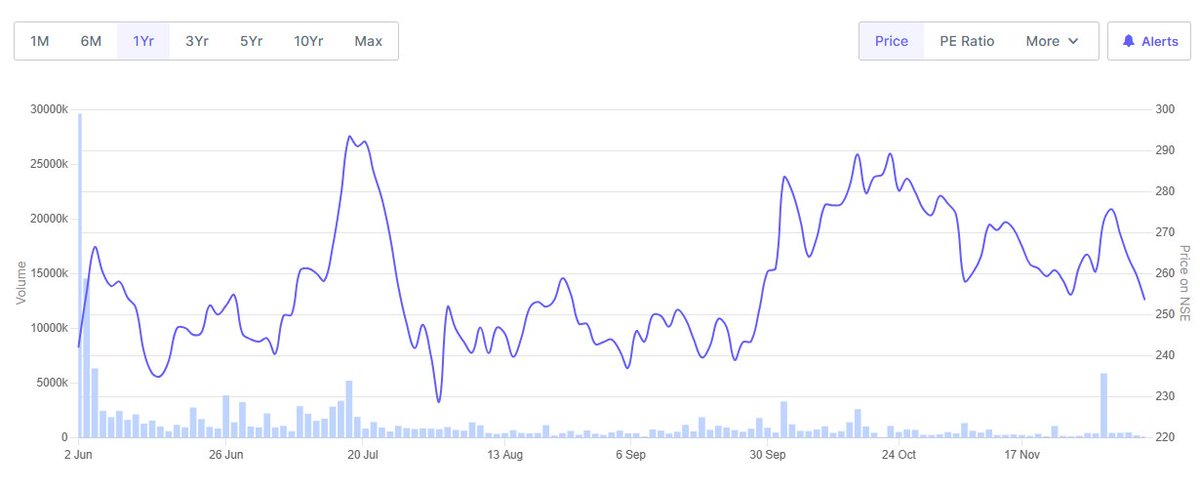
Everybody is talking about the Bharat Coking Coal IPO listing gain, but nobody is talking about the industry behind it.

Are we missing the bigger picture?

Let’s look at the data... 🧵

1/13Bharat Coking Coal IPO The offering comes at a fascinating time. The government is pushing divestment, but the industry backdrop is a paradox.
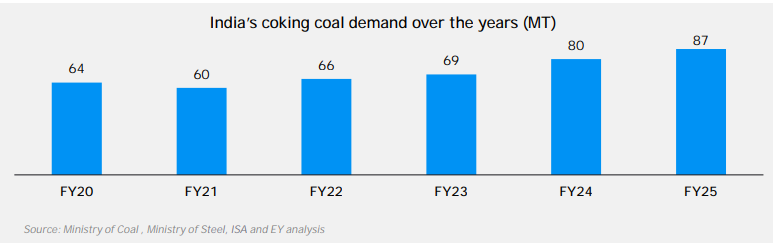
India has a massive "Steel Vision": 300 Million Tonnes (MT) by 2030. 500 MT by 2050.

To build that infrastructure, we are heavily dependent on the Blast Furnace route. And Blast Furnaces are hungry beasts — they need Coking Coal.

The problem? India barely has any.

2/13Image
Dec 8, 2025 16 tweets 4 min read
We import roughly 60% of our LPG requirement.

Domestic production is flat.

However, one company is betting $5 billion not just on the deficit, but on the logistics of curing it.

Here is an analysis of Aegis Vopak Terminals and its future strategy. 1/12🧵Aegis Vopak Terminals 2/14 The Macro Context: Rising Import Dependence
As I said, India currently imports 60% of its LPG requirements.

To mitigate risks from Middle Eastern suppliers, Indian PSUs recently signed a deal to import 2.2 MTPA from the USA.

While securing gas is crucial, the bigger challenge is logistics. Without adequate storage and pipeline connectivity, these imports cannot reach the end consumer efficiently. This is where AVTL operates as India’s largest third-party tank storage operator.
Nov 21, 2025 14 tweets 4 min read
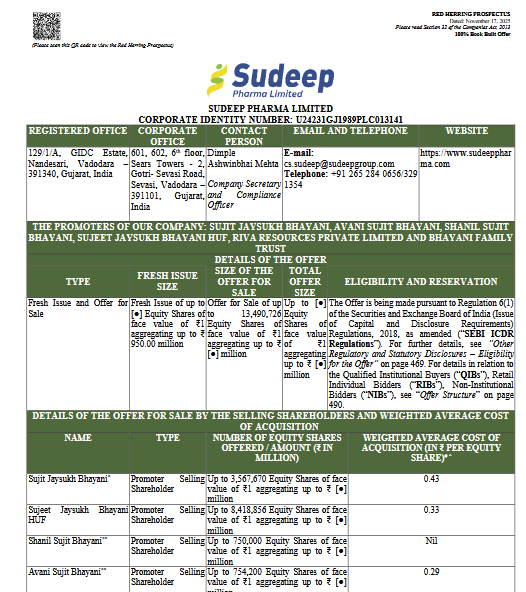
Why is there less hype about the Sudeep Pharma IPO? Are investors missing a monopoly play?

They’re not just about making chemicals. They engineer the invisible "glue" inside your medicines and infant food.

This IPO is a rare player in specialty ingredients with zero listed peers in India.

Let's look at the data... 1/12 🧵Sudeep Pharma IPO 1/12: The Ingredient

First, understand the moat. It’s a technology-led maker of excipients and mineral actives: the formulation materials (binders, diluents, encapsulates, liposomal carriers) and specialised minerals (e.g., food-grade iron phosphate) that global pharma and nutrition brands rely on.

- Global Scale: One of the world's largest producers of food-grade Iron Phosphate.

- The Moat: Proprietary technologies in encapsulation and liposomal delivery (a pioneer in India).

- The Reach: Exports to ~100 countries. If you consume global pharma/nutrition brands, you’ve likely consumed their product.
Nov 15, 2025 15 tweets 5 min read
Company #7: C2C Advanced Systems Ltd. (NSE: C2C)

Analysis 1/12

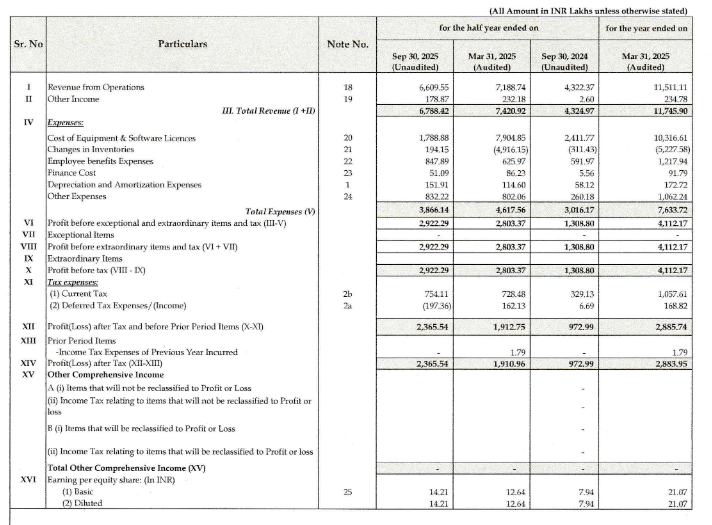
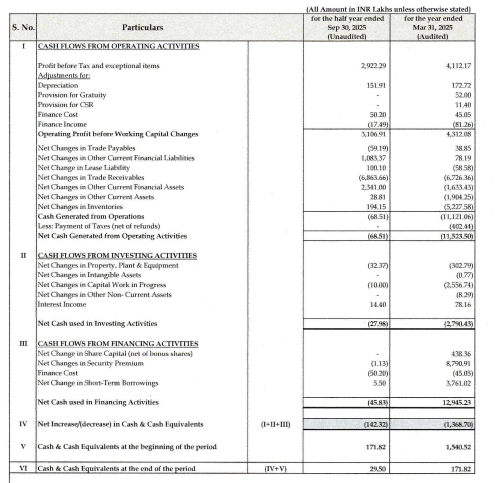
#C2C #C2CAdvance reports a spectacular 143% surge in Net Profit, but its cash flow from operations is simultaneously negative.

It's not just a mismatch. It's a tale of two completely different companies.

Let's analyse the story of C2C: its pristine H1-FY26 profit & loss statement, its cash flow, and the damning Monitoring Agency report that questions the very existence of its key vendors.C2C Advanced Systems Limited
Image
Nov 4, 2025 15 tweets 5 min read
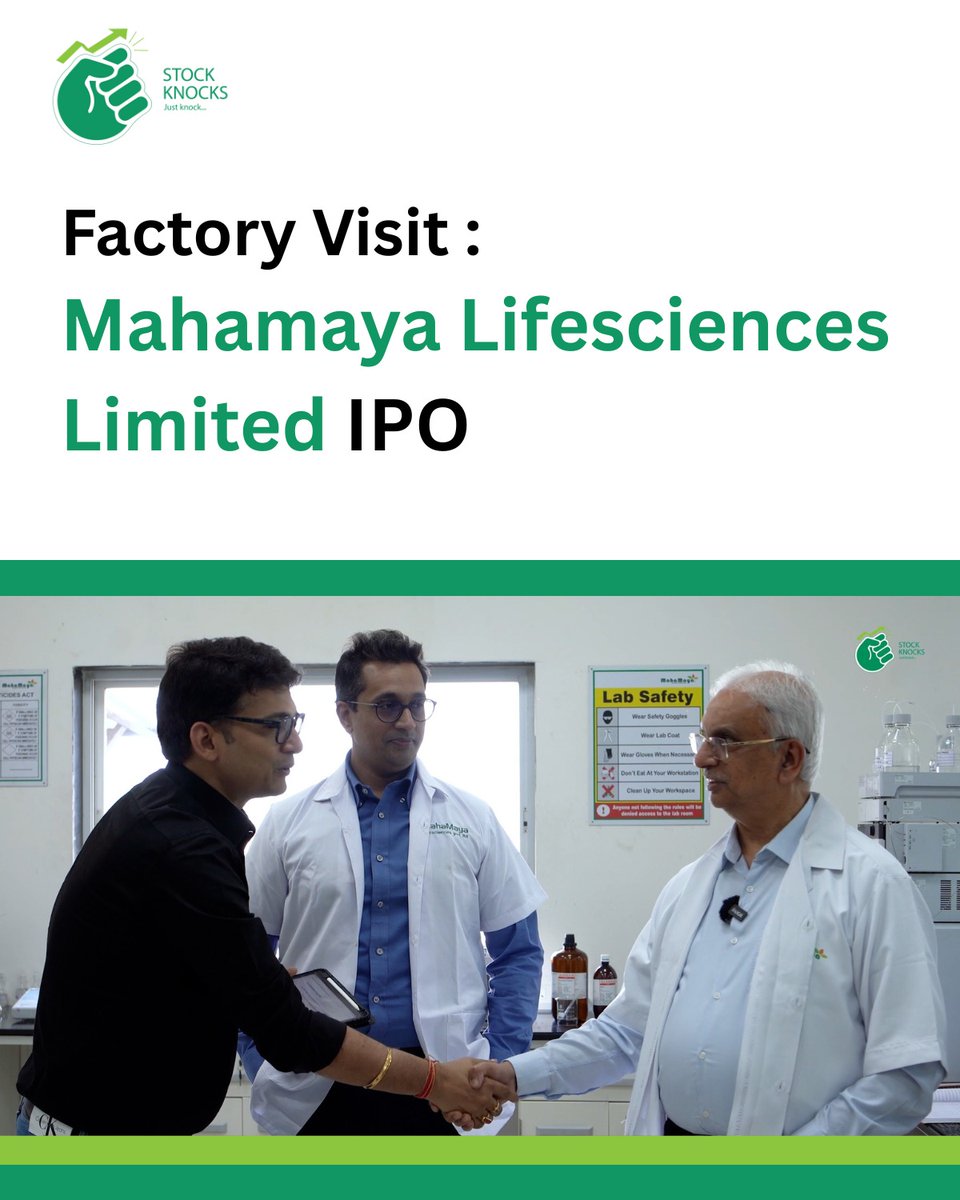
I recently spoke with Krishnamurthy Ji, the Managing Director of Mahamaya Lifesciences, as the company is coming with an IPO on the BSE SME platform.

Mahamaya Lifesciences Limited has a business model centred on formulation and sales within the agrochemical industry, supported by a strong focus on quality and strategic product registration.

Let’s understand this SME IPO… 🧵
#MahamayaLifesciencesIPO #SMEIPOMahamaya Lifesciences IPO Their core business involves formulating various pesticides, including insecticides, herbicides, and fungicides.
Key Products:

- Insecticide: Emamectin Benzoate is their star product with sales reaching 2,000 tonnes annually, used year-round on cotton, vegetables, fruits, & pulses.

- Herbicide: They also formulate crucial herbicides like Bispyribac, used to protect rice, wheat, and sugarcane crops.

2/
Oct 31, 2025 14 tweets 3 min read
Why is nobody talking about this IPO? Are retail investors sleeping?

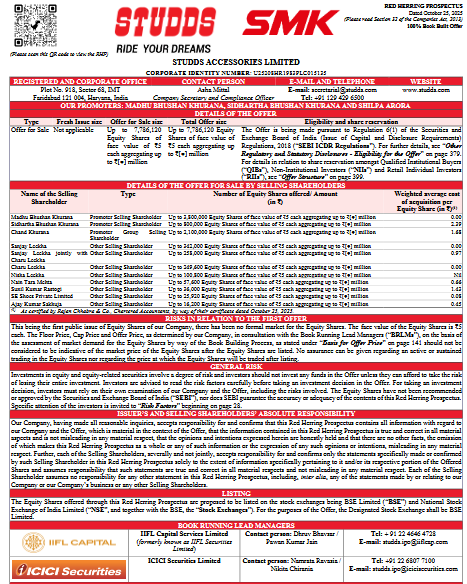
This is Studds Accessories Ltd. (SAL), the largest two-wheeler helmet manufacturer in the world by volume.

This IPO might surprise many on listing. It's a story of a five-decade-old brand that has become a virtual monopoly.

Let's look at the data... 1/12 🧵Studds IPO 1/12: The Helmet King

First, let's be clear on the scale. Studds isn't just a helmet company; it's the helmet company.

- India's Largest: By revenue (FY24)

- World's Largest: By volume (CY24)

The Brands: "Studds" (the mass-market leader) and "SMK" (the premium global brand).

The Reach: Sold 7.4 million helmets in FY25, exporting to over 70 countries.
Oct 13, 2025 14 tweets 4 min read
What if the market’s most-watched number is sending a clear warning about your future returns?

The Nifty 50's historical average return is a powerful engine for wealth creation.

But a groundbreaking 34-year study reveals a hidden truth: The price you pay is the prologue to the entire story.

And that story is written by one number: the P/E ratio... 🧵
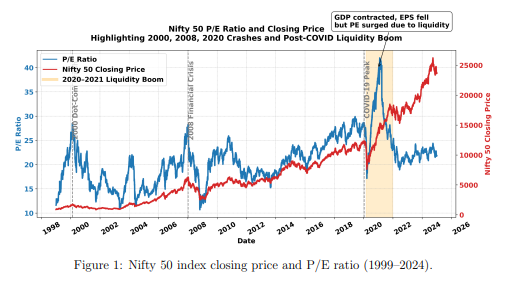
1/14Image Let's start with a simple premise from a deep dive into 34 years of Nifty 50 data (1990-2024).
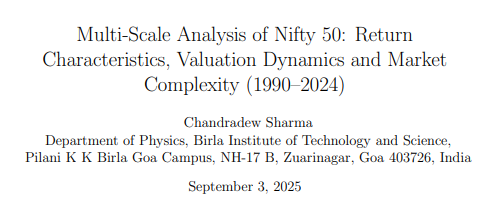
The P/E ratio isn't just a valuation metric; it’s a probabilistic map of your investment future.

It tells you the likely odds of success before you even begin.

And the historical message is shockingly clear.

2/14Image
Sep 22, 2025 17 tweets 5 min read
An Analysis of India's Solar Paradox!

We hear about solar power bids at a record low of ₹2-3 per unit.

Yet, our electricity bills keep climbing.

So, where is the cheap, clean power disappearing, and why aren't we, the consumers, seeing the benefits?

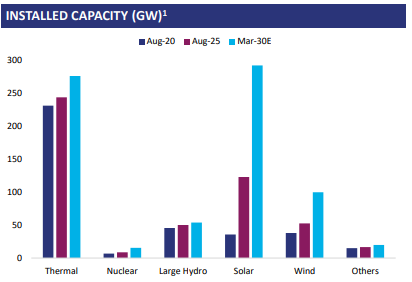
1/14 Solar power has dominated India's capacity additions, growing 3.4 times in the last five years.

In the first five months of FY26 alone, a huge 18 GW of new solar capacity was added.

2/14Image
Sep 16, 2025 10 tweets 3 min read
India is spending billions today to build a semiconductor industry.

But we were ONCE ahead of both Taiwan and China in the chip race.

In 1987, we were just 2 years behind the world's best chip tech.

Today, we're 12 generations behind.

Who is responsible?

1/10 The year is 1968. The silicon revolution is just beginning.

Fairchild Semiconductor, the company that birthed Intel and Silicon Valley, wants to build a factory in India.

But they were chased away by bureaucratic delays. They went to Malaysia instead.

Strike one. But we recovered.

Our own Bharat Electronics Ltd. (BEL) started making silicon transistors that were so good, companies queued up for them.

We had an early lead.

2/10
Sep 11, 2025 15 tweets 4 min read
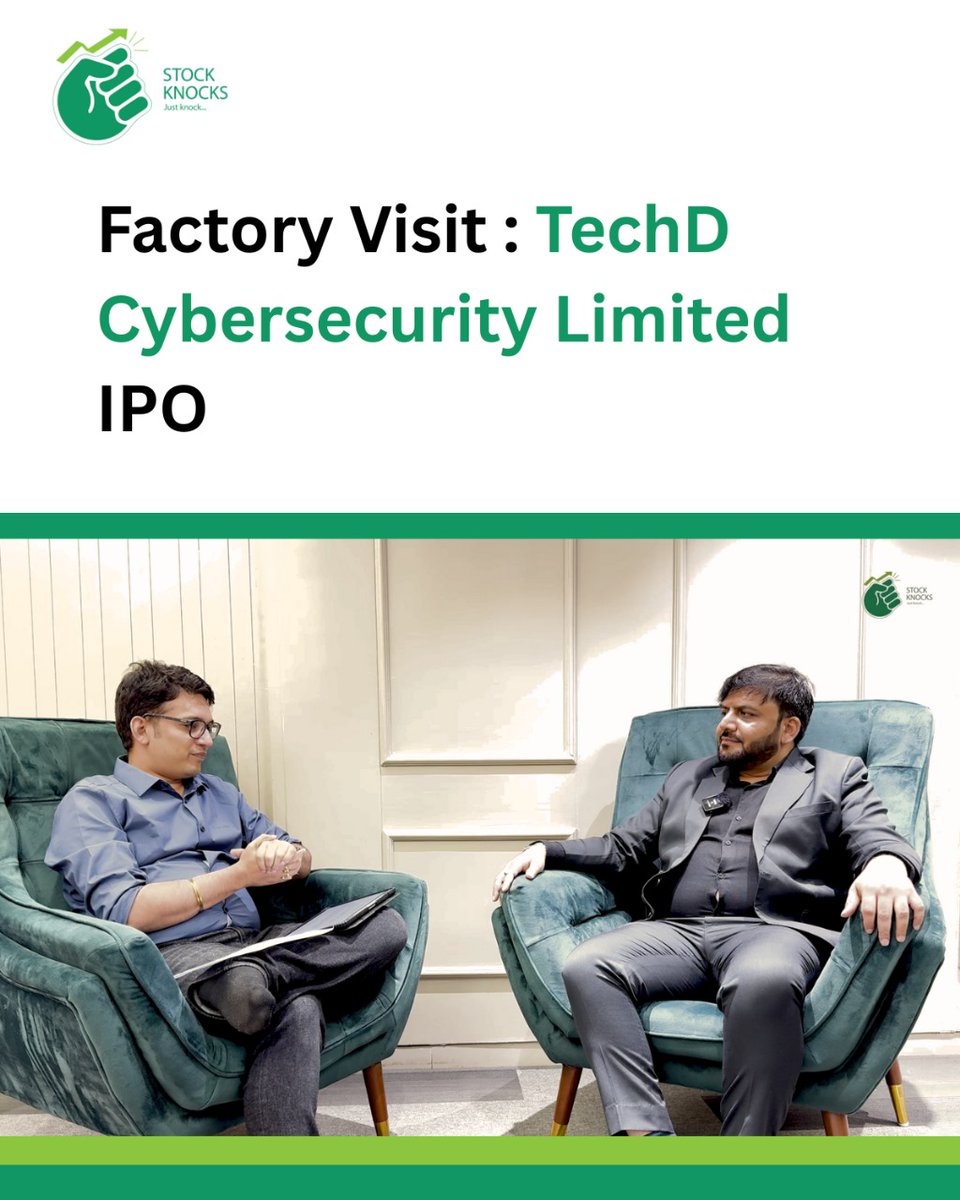
TechDefence Labs IPO is going live!

In my latest visit to Ahmedabad, I met Sunny Vaghela Ji, Managing Director & CEO.

This company is set to launch an IPO on the NSE Emerge soon!

Let's understand this IPO!

(Just a heads up: this isn't a buy/sell recommendation, purely for information. Always check the RHP!)

1/14TechDefence Labs IPO TechDefence Labs was incorporated in 2017 as a cybersecurity service company. Sunny Vaghela Ji himself has 15 years of experience in cybersecurity, starting as an ethical hacker at the age of 16.
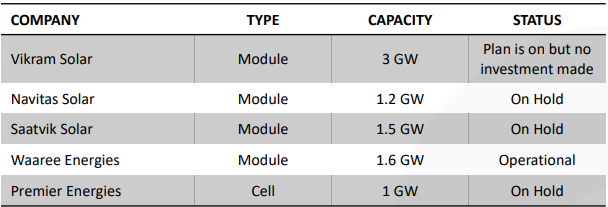
2/14
Sep 10, 2025 16 tweets 5 min read
Here’s the fact about India’s BESS industry that most people aren't telling you…

- India is planning to add a huge amount of battery storage (~30 GW) by 2027.

- Projects worth 12.8 GWh have been approved since 2022.

- But right now, only a tiny piece of that (219 MWh) is actually working.

So, what's happening? Let's look closer...

1/15 This big push for batteries started because the government is helping in three main ways:

1. Paying companies to make batteries in India (the ACC PLI scheme).

2. Giving money (VGF - Viability Gap Funding) to make new projects less risky for builders.

3. Forcing power companies (ESO - Energy Storage Obligations) to buy and use a certain amount of battery storage.

India’s Li-ion battery production is minimal, and the ACC PLI scheme has seen mixed success.

Few companies, like CATL and BYD, are generating returns in a market struggling with a low capacity utilization factor.

2/15
Sep 5, 2025 17 tweets 5 min read
What’s happening inside India Inc.?

- Corporate India is sitting on a record cash pile of ₹10.7 lakh crore.

- Free cash flows have doubled to ₹15 lakh crore since 2020.

Yet, their investment... In new capacity (capex) grew just 8.7%, lagging far behind households (13.4%) and the government (13.9%).

Why...?

1/14 The government rolled out the red carpet for corporations.

Taxes were cut, losing the exchequer nearly ₹1 lakh crore.

Prime Minister Modi’s "self-reliant" India is urging companies to build, expand, and create jobs.

The stage was set for a private capex boom, a cycle where profits fuel investment, investment fuels growth, and growth fuels more profits.

2/14
Aug 28, 2025 17 tweets 5 min read
Something is happening in India’s Solar Sector…

- Module manufacturing capacity has hit 100 GW.

- But exports have collapsed, falling to just 4 GW in FY25.

- And domestic capacity is projected to nearly double to 190 GW by 2027.

So, is India's solar manufacturing dream turning into a nightmare for small solar players?

1/15 India’s solar manufacturing dream was built on Atmanirbhar Bharat. 🇮🇳

The government used a two-pronged strategy:

- PLI Scheme: Throwing cash incentives at companies to build factories.

- ALMM Policy: Creating a protected domestic market by mandating the use of approved, locally made modules.

The goal was to build a powerhouse that could power India's green goals without relying on Chinese imports.

2/15
Aug 20, 2025 13 tweets 3 min read
We’re told that buying cheap Russian oil was a masterstroke for India's national interest.

But a stunning claim has emerged from US Secretary of the Treasury, Scott Bessent:

Indians never saw cheaper fuel, while a few rich families allegedly profited $16 billion by reselling it.

Is this true...?

1/12 Do you remember that Parliament passed a new Oilfields Bill 2024 to promote 'ease of doing business' for investors in the sector?

After this bill, implementing new taxes such as a windfall tax has become quite difficult.

Global giants like ExxonMobil, Equinor, and Petrobras are in talks to explore for oil in India's deepwater basins.

It was a narrative of reform, investment, and long-term energy security...

2/12
Aug 12, 2025 13 tweets 3 min read
A 50% tariff from Trump is now showing signs of panic across India's industrial heartlands.

The immediate assumption was that this was a trade war to be won or lost by negotiators in a room.

But what if the real way out has nothing to do with trade at all?

Here’s the hidden leverage we are missing...

1/13 US clients are already asking Indian SMEs to shift production to Vietnam or Bangladesh.

At a 50% tariff, there is no business. The crisis is immediate and existential.

2/13
Jul 29, 2025 13 tweets 3 min read
The NSDL IPO is here.

A pillar of India’s capital markets is going public with a ₹4,011 Cr issue.

The financials look solid. The brand is top-tier.

It seems like a straightforward bet, but what if I told you the real story is about the brutal haircut taken by investors who thought they were getting in early?

~🧵 A Thread 1/10 The NSDL IPO price band is set at ₹760 - ₹800 per share.

But just weeks ago, in the unlisted private market, investors were eagerly buying these same shares for around ₹1,025.

That’s a potential 22% loss before the stock even hits the market.

Something seems off, no?

2/10
Jul 28, 2025 15 tweets 3 min read
The SME IPO Market in 2025?

114 Listings, 58 Loses & 6 Crashes

Let’s unpack 2025’s SME market so far…

🧵A Thread 1/10 Around 114 SME IPOs hit the market in 2025!

🟢 82 opened green

🔴 32 in red

2/10
Jul 8, 2025 9 tweets 3 min read
From Gujarat, sharing my recent visit to Swastika Castal Limited, where I had a conversation with Varun Sharda Ji!

This company is soon launching an SME IPO.

We explored their business, the upcoming IPO, and how they navigate challenges like the tariff war effects and the "China Plus One" policy-shaping global supply chains. A Factory Visit THREAD!

#SwastikaCastal #SMEIPO #BSEImage What does Swastika Castal do?

They're an aluminium foundry, making ready-to-use aluminium castings based on customer specifications.

Their process involves melting raw ingots (from NALCO & Hindalco) and other materials like silicon, magnesium, and copper.

They even make their own alloys in-house!Image
Jun 25, 2025 11 tweets 4 min read
In a recent conversation with Rajesh Mittal Ji, the Managing Director of Cedaar Textile Limited, shed light on the company's reducing its exposure to Bangladesh, manufacturing processes, and future vision as it prepares for an SME IPO.

The company aims to raise approximately ₹50-60 crore through this IPO.

A Thread 🧵👇

#CedaarTextile #SMEIPO #NSE #SMEImage 2/8 Business Segments & Differentiators:
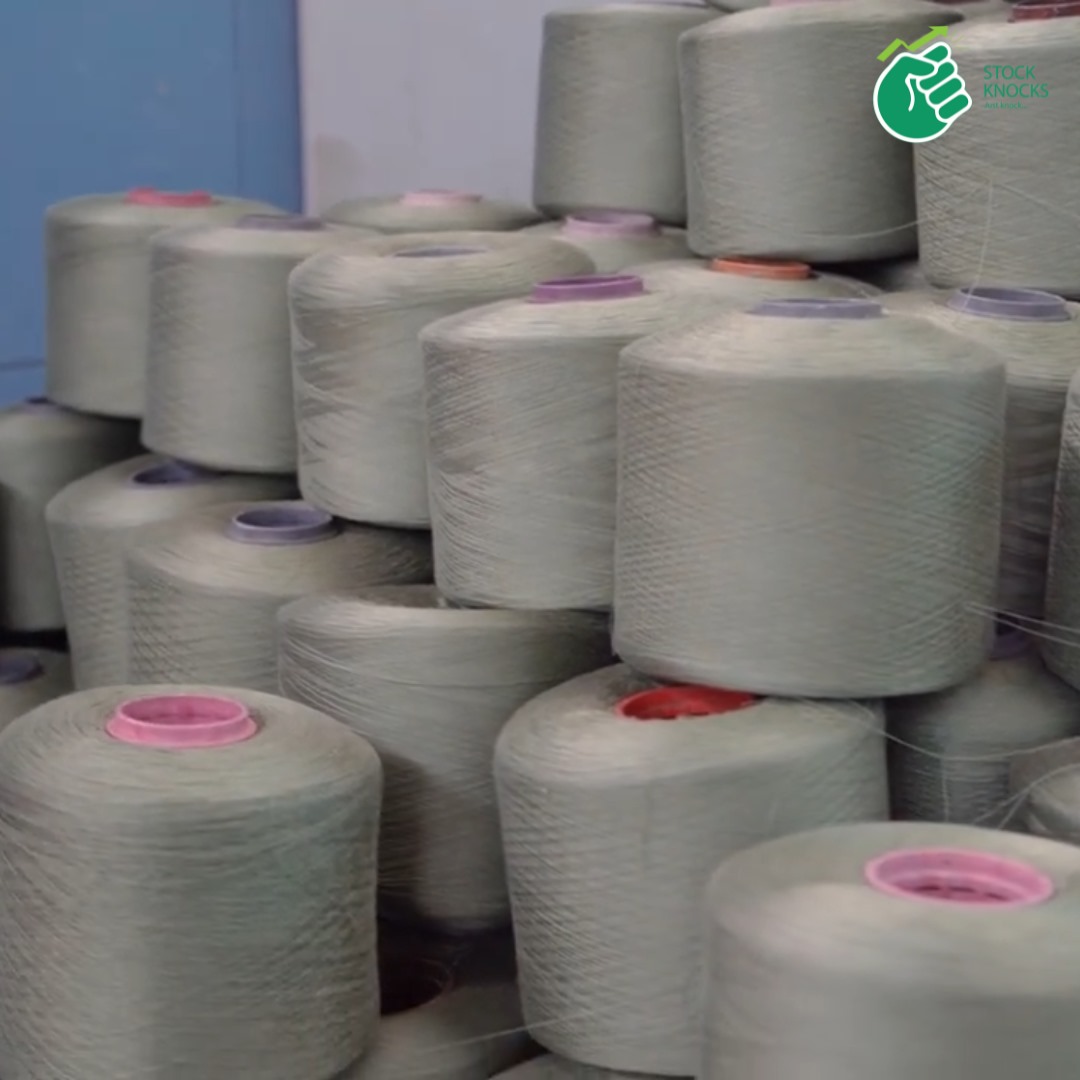
Cedaar Textile operates across four major segments:

Mélange and Fancy Yarn, Technical Textile (made from specialized fibers), Dyed Yarn, and an upcoming Fabric manufacturing division.

Currently, 70% of sales come from Mélange & Fancy Yarn, 20% from Dyed Yarn, and 10% from fabric job work.

A key differentiator is the significant margin difference: normal yarns yield 4-5% margins, while Dyed Yarn, Technical Textile, and Fabric show 15-20% margins.Image
Jun 23, 2025 21 tweets 5 min read
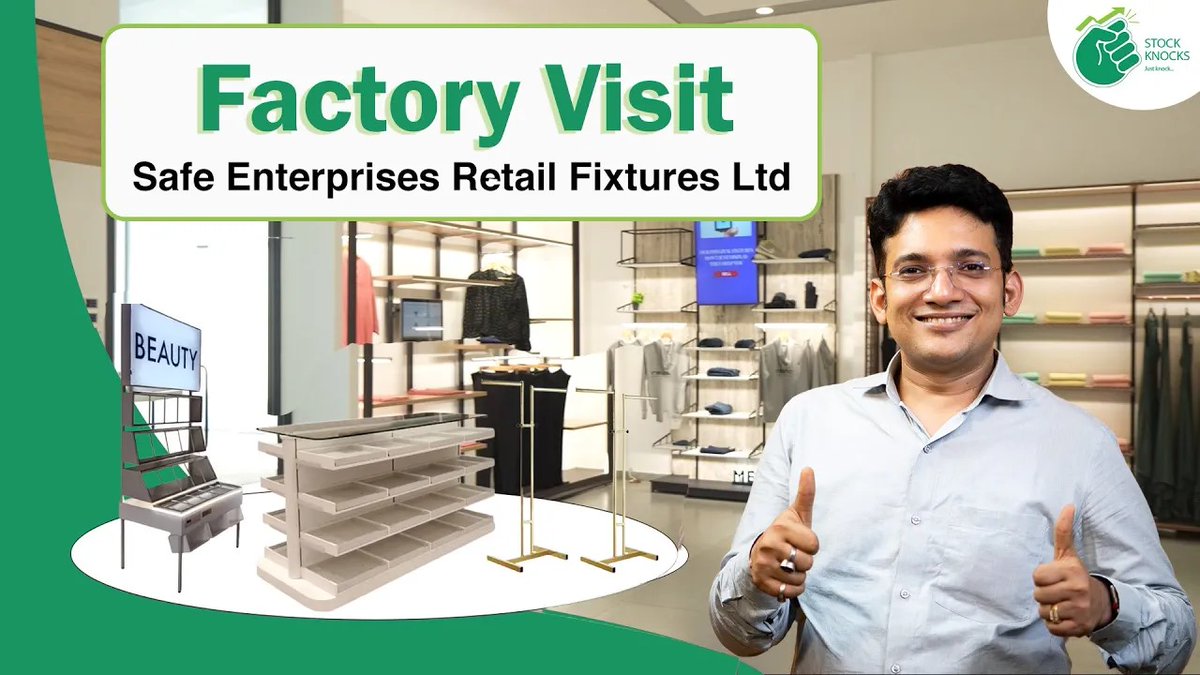
We had the opportunity to visit Safe Enterprises Retail Fixtures Ltd. and meet CA Mikdad Saleem Merchant Ji in Pune, Maharashtra.

We delved into their business, products, manufacturing process, and future vision in this miscellaneous industry.

A thread with a closer look at the company for investor clarity (1/17) 🧵

#SafeEnterprisesRetailFixturesLimitedIPO #SMEIPO #NSESME #RetailFixturesImage 2/17 What Does Safe Enterprises Do?

Safe Enterprises specializes in manufacturing retail fixtures, essentially the furniture that takes up 80% of a shop's visual space, used to display merchandise.

They provide end-to-end solutions, including design, manufacturing, supply, and installation of these shop fittings. They also offer technology-enabled solutions to transform shops into "smart shops".
Jun 18, 2025 25 tweets 15 min read
SME Company Spotlight: Shera Energy Limited in manufacturing non-ferrous metal products and their alloy products, and winding wires

A few months ago, we visited Shera Energy Limited, a major winding wire manufacturer in India!

Let's deep dive into this company! 🧵

#Shera #SheraEnergy #SME #FactoryVisitImage INTRODUCTION

Shera Energy Limited, an Indian SME, operates in the vital sector of manufacturing non-ferrous metal products and winding wires. The company's core business involves the production of copper, aluminum, and brass-based items, which are critical components for industries such as transformers, motors, and electrical panels.

The investment appeal of Shera Energy is underpinned by its consistent financial growth, a strategic approach to vertical integration, and recent international market penetration, all designed to leverage the expanding infrastructure, renewable energy, and electric vehicle (EV) sectors within India and globally.

The company has demonstrated robust financial performance, achieving a consolidated total income of ₹1,279.05 crore, an EBITDA of ₹60.48 crore, and a net profit of ₹22.40 crore for the fiscal year ended March 31, 2025 (FY25).

Furthermore, Shera Energy reported a Return on Equity (ROE) of 14.76% and a Return on Capital Employed (ROCE) of 39.31% in FY25, indicating efficient utilization of shareholder funds and capital.

Strategically, the company has enhanced its operations through backward integration by investing in Rajputana Industries for recycling, forward integration with Shera Metal Private Limited to produce value-added products, and has expanded its geographical footprint into Central Africa with Shera Zambia Limited.

Significant opportunities for Shera Energy stem from the projected growth of the global winding wire market, which is anticipated to expand from USD 14.88 billion in 2024 to USD 23.02 billion by 2030. Similarly, India's non-ferrous metals market is forecasted to grow at a Compound Annual Growth Rate (CAGR) of 5.23% between 2025 and 2033.

This demand is primarily driven by the increasing adoption of EVs, the expansion of renewable energy projects, and ongoing infrastructure development. However, the company faces inherent risks, including the volatility of raw material prices, intense competition from both large organized and smaller unorganized players, evolving regulatory compliance requirements such as new Extended Producer Responsibility (EPR) norms for recycled content, and the inherent execution risks associated with its ambitious expansion projects.