it turns out that KfW became a pioneer of WallStreet Consensus in the 1980s, after a development consultant documented how KfW colluded with Somoza regime. Unfortunately, same consultant found Sandinista revolution not ordoliberal enough (!!) in 1980.
regular reminder to Eastern Europeans that our brothers in West Germany had form on migration.
we critical macro-finance scholars complain about how Washington Consensus destroyed Eastern Europe productive structures via shock therapy, but let's not forget that Jeffrey Sachs had a close ally in Germany's state-owned (!) national development bank!
the more I read about KfW, the more I think progressive economists (and the UK Labour Party) should think twice before using it as model of national development bank to be replicated for #GreenNewDeal initiatives.
KfW is a shadow bank clothed in nostalgia for Big State Finance.
• • •
Missing some Tweet in this thread? You can try to
force a refresh

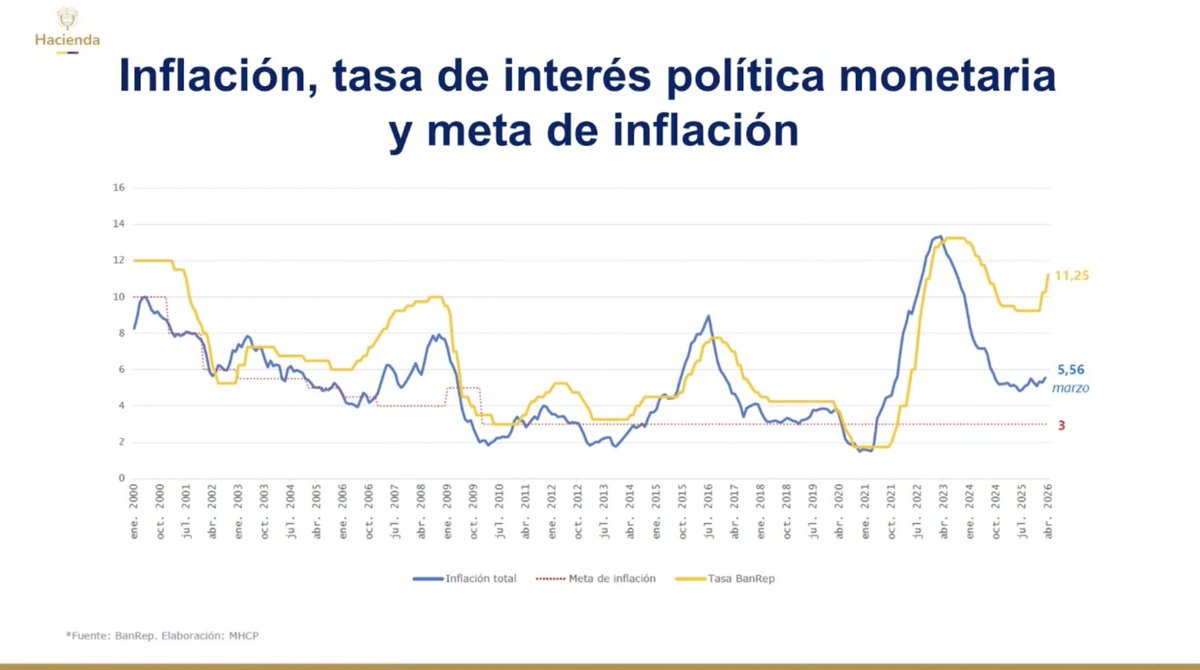
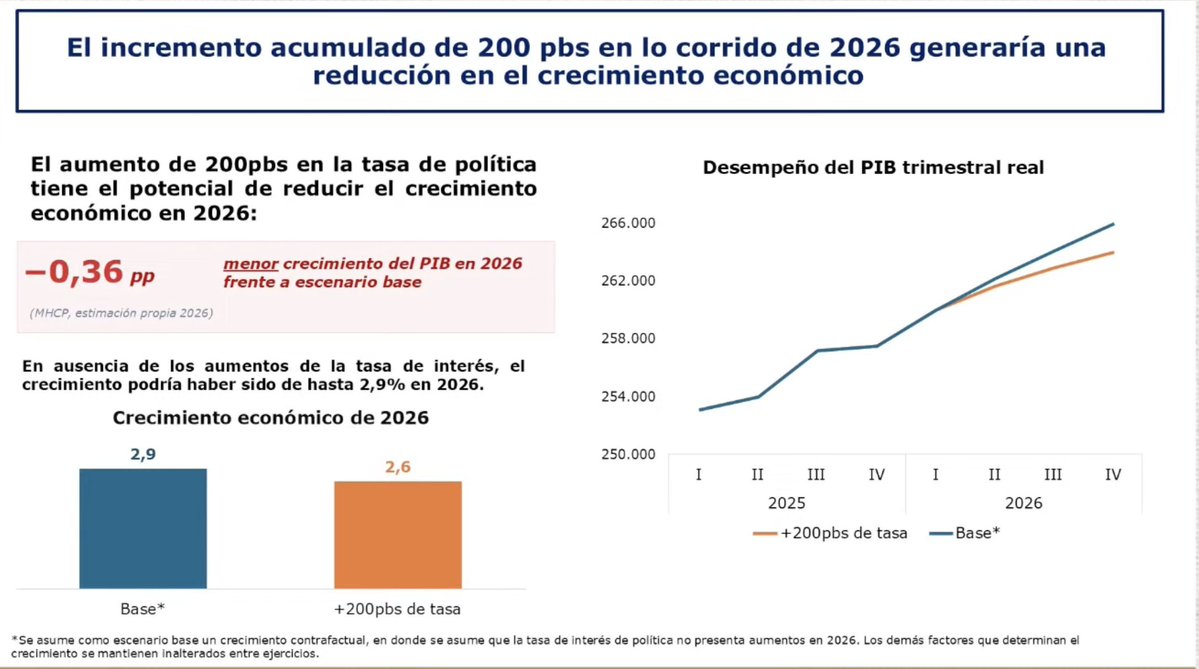
Jay Powell/ Fed have quietly caved to Trump. US central bank independence is now a smokescreen.
not because the Fed lowered interest rates yesterday, as Trump demanded.
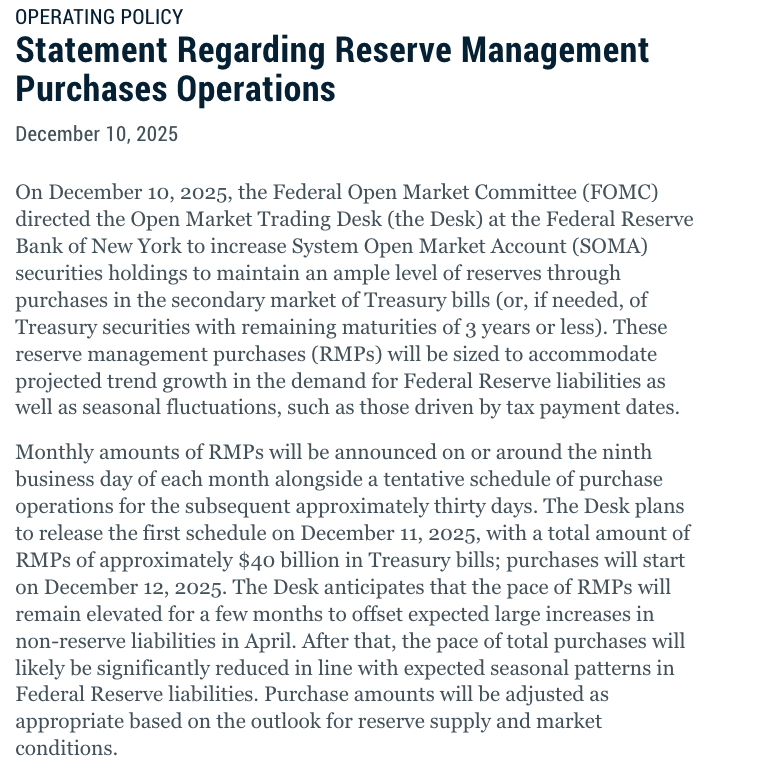
Less publicised, but more important, is the Fed decision to purchase USD 40bn of Treasury bills monthly.
The Fed calls this Reserve Management Purchases but it's central bank support for government debt (and for Trump's policies more broadly), a form of monetary-fiscal coordination pervasive in the age of fiscal dominance after WW2.
How much is USD 40bn? Recall the recent hype around stablecoin issuers - the companies that Bessent claimed would strengthen US Treasury demand.
These bought USD 40 bn Treasuries over June 2024-June 2025. The Fed would buy in a month what Tether + Circle buy in a year.
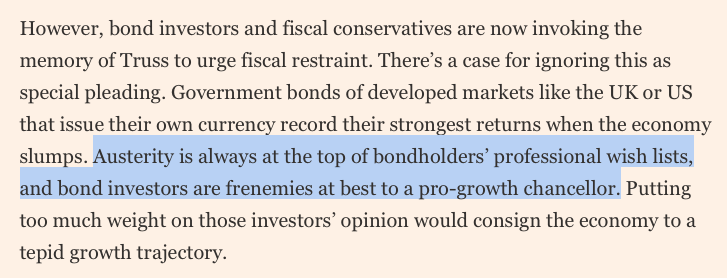
Rentoul doesnt know it but his 'good grief' reflects a monetarist choice of Bank - government relationship.
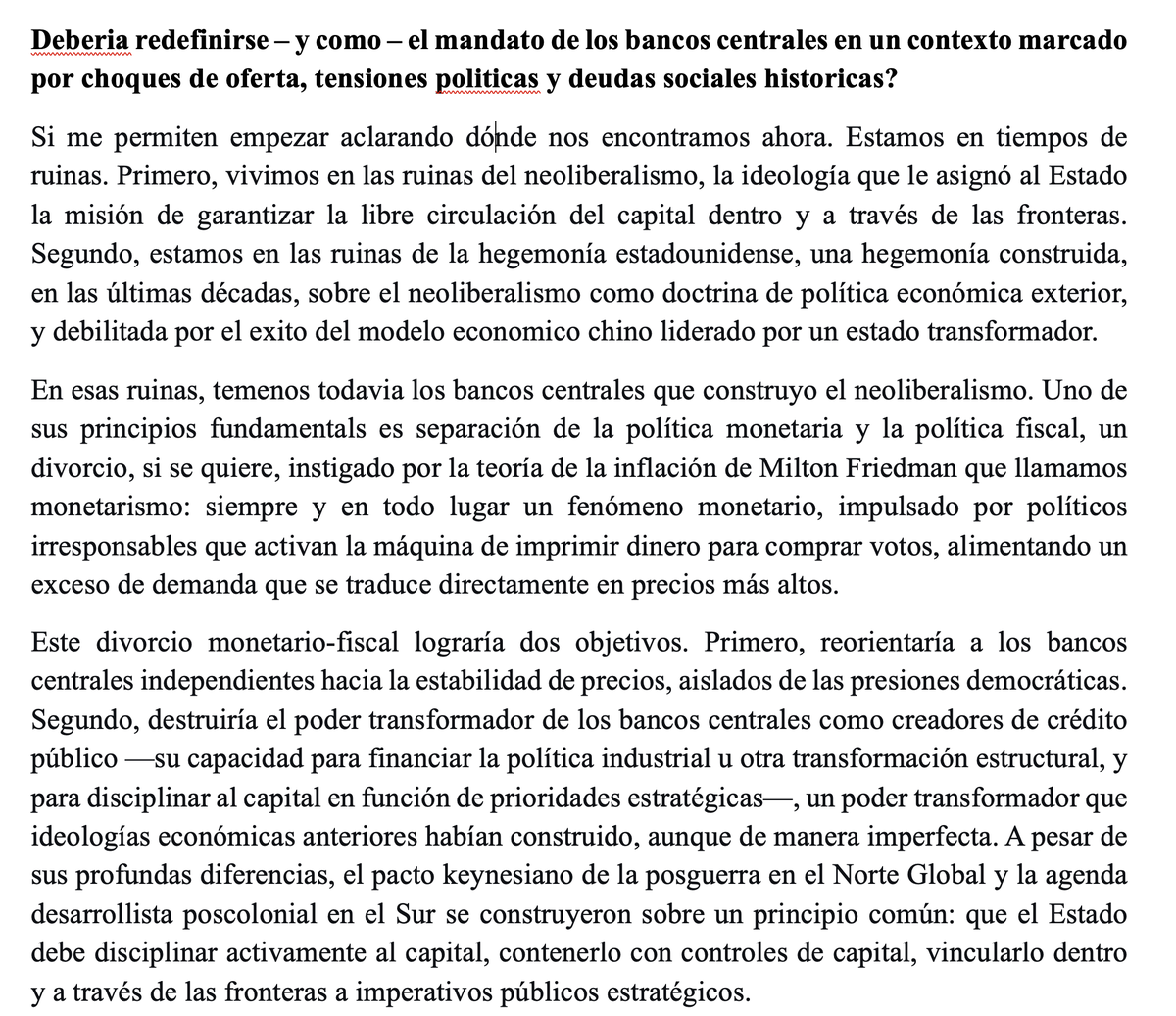
popularised by Milton Fridman, monetarism wants central banks FULLY independent from democratic decisions.
before 2008, this divorce was fully operational
the monetarist divorce unravelled during the 2008 global financial crisis.
central banks HAD TO buy government bonds and stabilise the financial system because these bonds are the arteries of modern finance, without them, booom.
#WallStreetConsensus & its failure to mobilise trillions in @FT
4 things missing:
a) hegemonic dominance of 'mobilising private finance' in development/climate
b) asking why hegemony
c) mushrooming scaling up initiatives
d) do we want success?
a) Mobilising private finance remains global game - (Bridgetown, Biodiversity COP16, 4th Financing for Development conf) & national game (UK Labour gov, Brazil/Colombia/Chile decarbonisation).
*The world's most powerful political narrative that doesnt deliver
b) hegemonic not (just) because Big Finance is powerful, but postneoliberal, transformative state cant get rid of neoliberal macro - independent central bank dominating fiscal.
without macroinstitutional change- How do we pay for transformation- only one answer: private finance
when Big Finance occupies the state and takes over the social contract, nurses struggle, grandparents struggle, parents struggle, renters struggle, private equity flourishes.
no punches pulled on the Commission's Net Zero Industrial Act, the 2022 attempt to respond to Biden's Inflation Reduction Act with a lot of derisking talk but no money (ahem, European Sovereignty Fund)
Climate policy is industrial policy, and the other way around.
An important reminder that EU's climate policy was once ambitious, state-driven decarbonisation.
the Clean Energy Finance Authority would subsidize foreign demand for US cleantech - or derisk BlackRock renewable assets in say, Kenya with subsidies/guarantees.
nothing in this proposal from a top Kamala Harris advisor suggests US should enable technology transfers to countries wishing to pursue their own domestic cleantech capabilities.
in #WallStreetConsensus, Global South are consumers of American cleantech, with American dollars.