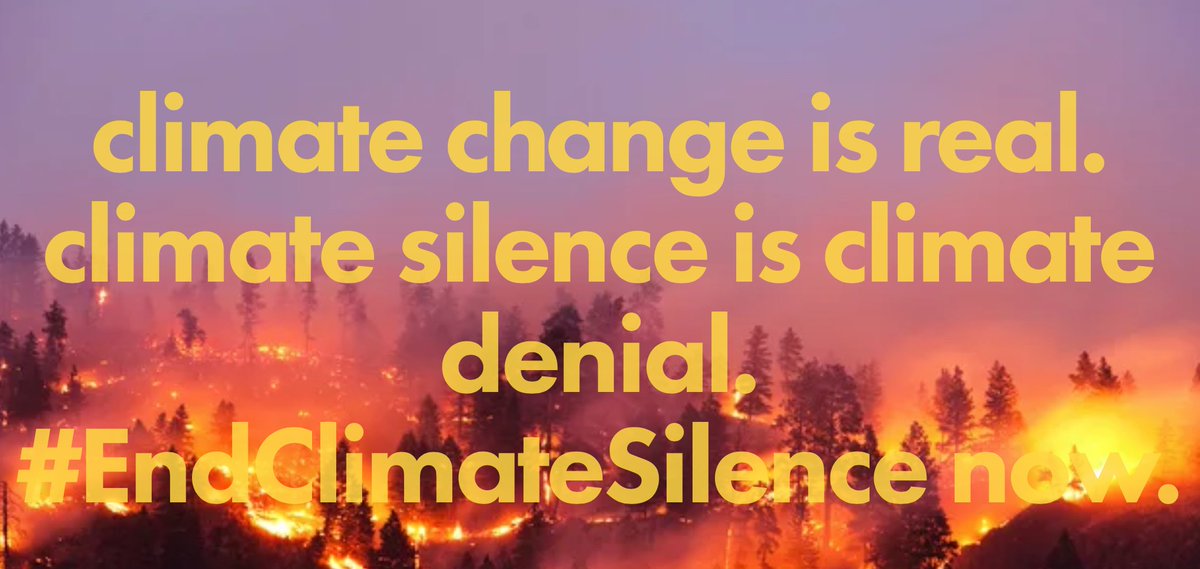
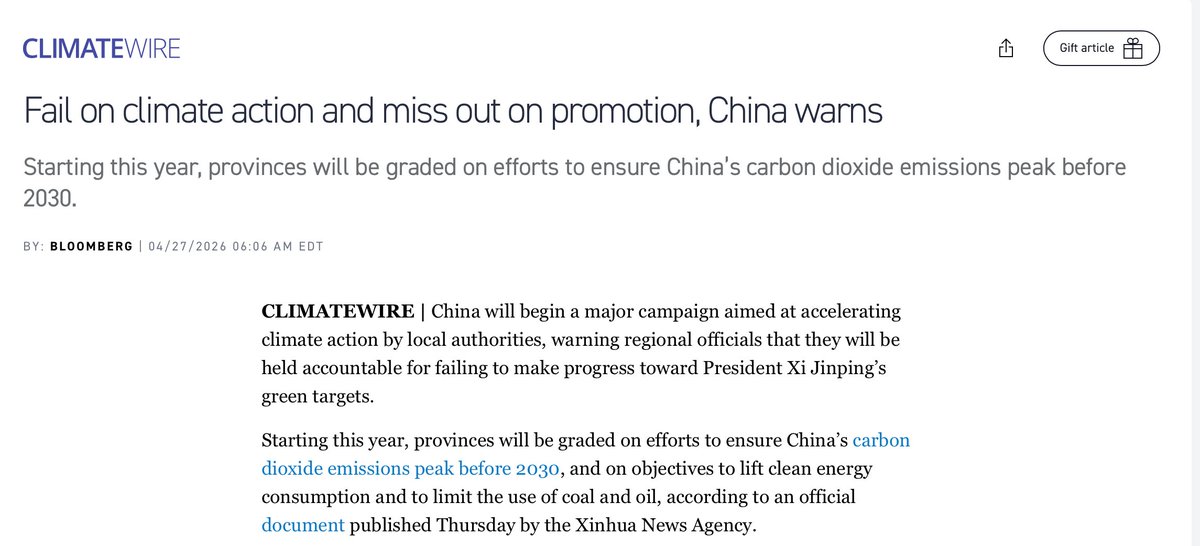
#ClimateChange may ground much of the aviation industry.
"There is no agreed-upon temperature at which planes start having trouble taking off. But 110 F is generally considered the threshold."
The irony of this is, of course, excruciating.
eenews.net/climatewire/20…
"There is no agreed-upon temperature at which planes start having trouble taking off. But 110 F is generally considered the threshold."
The irony of this is, of course, excruciating.
eenews.net/climatewire/20…
The mythological figure Icarus flew with wings of feathers and wax crafted by his father Daedalus, but when he got too close to the sun his wings melted and he plunged to his death in the sea.
The ancient Greeks had a myth for everything.
2/n
The ancient Greeks had a myth for everything.
2/n
Breugel's painting "Landscape with the Fall of Icarus" is also relevant. Note the man plowing in the foreground, totally oblivious to the fallen man in the lower righthand corner, whose legs are still visible above the waves. This is an allegory for business as usual.
2.5/n
2.5/n

More business as usual: the trade ship with its sails billowing out towards sea, totally ignoring and speeding away from the drowning man who they could easily save if they suspended their goal of profit-making and colonial exploration even just for a moment.
2.75/n
2.75/n

See also the man in the lower right-hand corner, doing his futile best to save Icarus by holding out a stick for the tragic man to grab.
Unbeknownst to him, he is shadowed by a vulture—a symbol for death, to be sure.
2.9/n
Unbeknownst to him, he is shadowed by a vulture—a symbol for death, to be sure.
2.9/n

Bruegel wants us to ignore this man, the activist trying to save the man of hubris who thought he could fly. He wants us to ignore Icarus too.
The central figure, the allegory for the economy, is dressed in a vivid red, which grabs all the viewers attention.
2.99/n
The central figure, the allegory for the economy, is dressed in a vivid red, which grabs all the viewers attention.
2.99/n

We must fight every day to keep our & other people's attention on the #ClimateEmergency, vultures circling or not.
And one way to do that is to talk about the reasons you've given up flying as much as possible.
Here's @drvox on social signaling:
fin/
And one way to do that is to talk about the reasons you've given up flying as much as possible.
Here's @drvox on social signaling:
https://twitter.com/drvox/status/1280923152927690753?s=20
fin/
• • •
Missing some Tweet in this thread? You can try to
force a refresh