It's unwise for multi-cancer, earlier detection companies to deploy large-scale screening programs without upfront, hereditary cancer testing.
The most important input variable for large-scale screening is the incidence rate of cancer in the population.
By incidence rate, I'm referring to the number of persons in a group that is diagnosed with cancer. Intuitively, screening 100,000 people aged 65+ will result in better outcomes and economics than screening 100,000 teenagers. Why?
Cancer incidence increases with age.
However, age isn't the only variable affecting cancer risk.
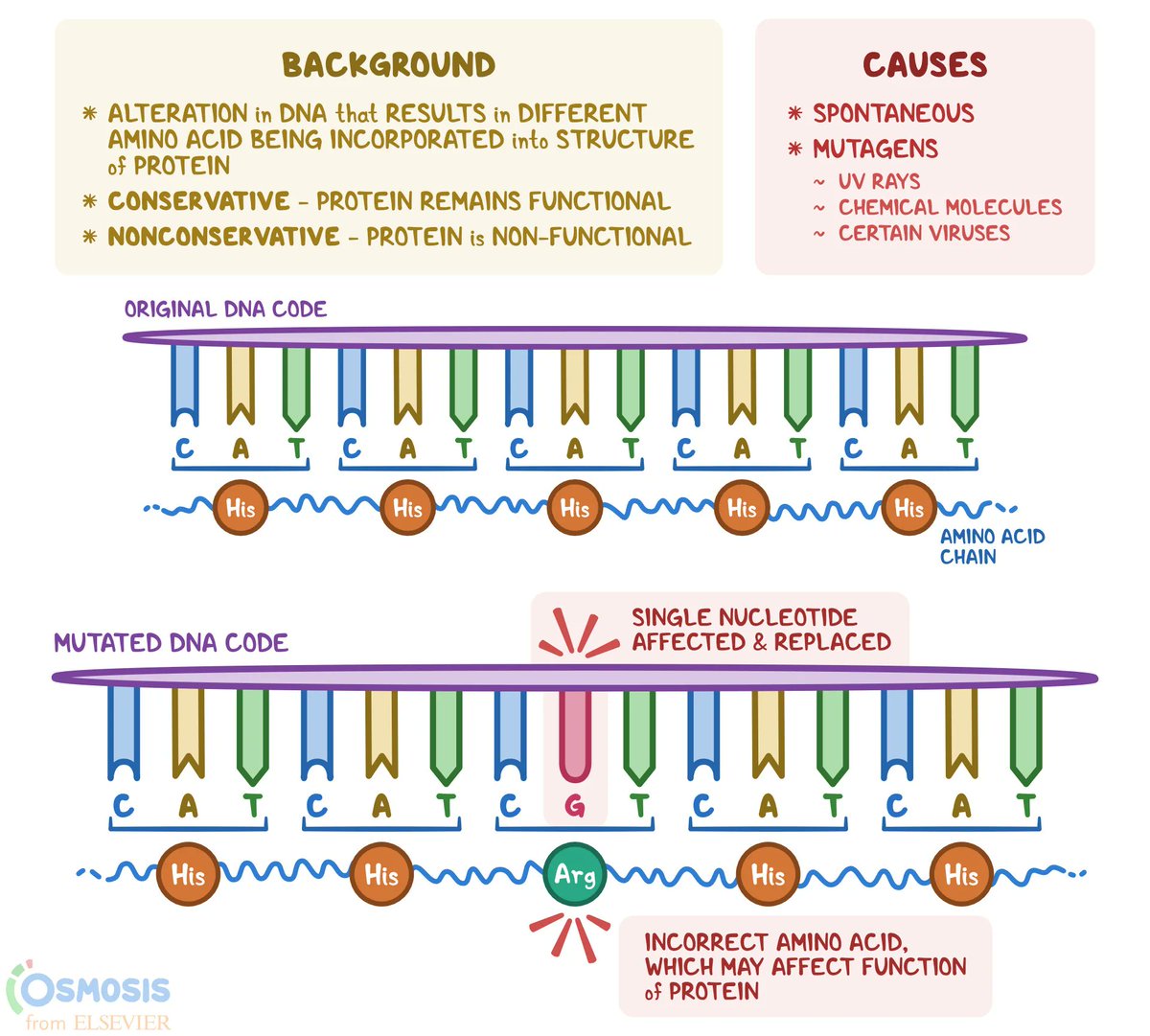
Hereditary cancer testing, which is based on your individual predisposition to cancer(s) as determined by mutations you inherited (e.g. TP53, BRCA1/2, etc.), is a HUGE determinant of cancer risk.
Moreover, hereditary cancer testing, which can be very cheap based on who you order from, need only be done once. Low risk persons can be tested later in life, less frequently, or not at all. High risk persons can be tested earlier or more often.
By risk-stratifying populations based on their individual, hereditary risk, multi-cancer, earlier detection companies could materially improve economics, patient outcomes, and test performance.
EDIT:
I should be more clear, everyone has a copy of genes like TP53, I'm specifically referring to pathogenic variants contained within TP53, which confer exceptionally higher risk of earlier-onset cancer(s).
>90% of Americans over 45 have seen a Cologuard ad this week.
Fewer know of the test's parent company, Exact Sciences (EXAS), whose tests also guide care for the majority of early-stage breast cancer patients in the US.
Today, we released a 5-year model + article on Exact.
Our (base case) 2027 price target is $140 ($49 today). To get there, here's what we believe has to happen:
1. Exact's core business (Cologuard + Oncotype DX) grows on avg. >15% per year thru 2027, reaching $4B.
2. Exact achieves EBITDA positivity in the '23/'24 timeframe.
What we believe must happen (Cont.):
3. Exact uses its earnings to reinvest in its burgeoning pipeline, service its outstanding debt, and maintain its capital equipment.
4. Exact's pipeline, in aggregate, hits >$1B revenue by the end of 2027.
Now that @Quantum_Si has given us a peek under the hood of its protein #sequencing platform (Platinum), we can begin comparing actual results to theory.
A few months ago, I shared this paper that gave a theoretical framework for protein sequencing: pubs.acs.org/doi/10.1021/ac…
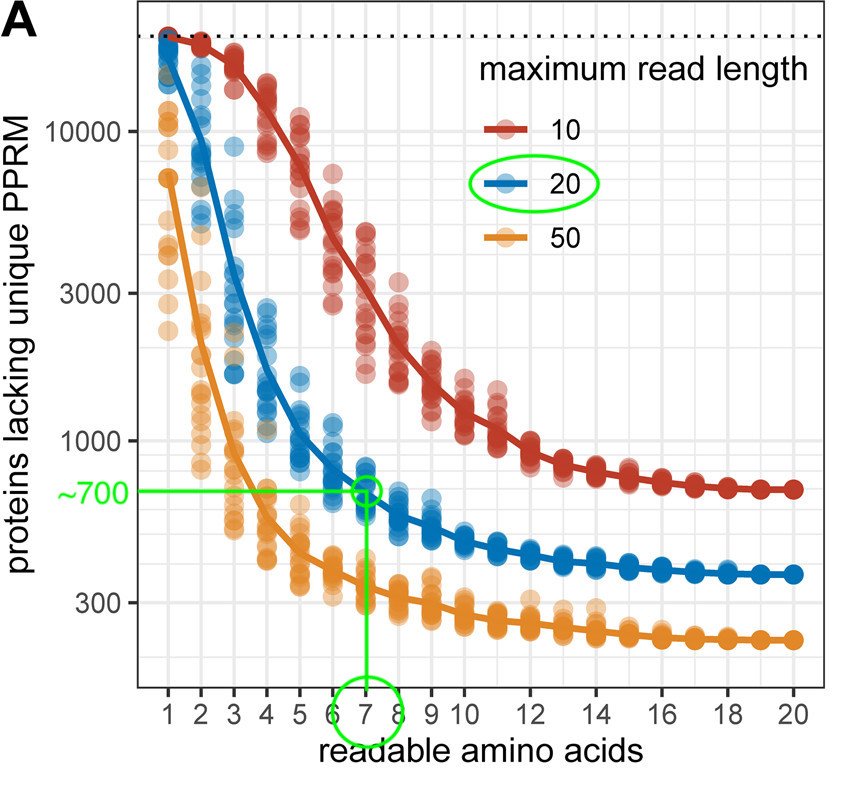
The author simulated how different factors, such as the # of readable amino acids (AAs) and the read length, would affect a protein sequencer's ability to unambiguously detect the 20,000 canonical human proteins in our bodies.
That chart is attached below.
I've marked in green where QSI currently stacks up. Based on its recent pre-print (linked below), Platinum can directly read seven (7) amino acids (F, Y, W, L, I, V, and R) with peptide reads that seem to max out around 20 AAs.
A recent publication by Dennis Lo et al applied long-read sequencing (LRS) in the prenatal screening (#NIPT) setting. It's a rather unorthodox technology/application pairing, and it's got me scratching my head a bit.
For context, earlier this year, Lo et al published a convolutional neural network ("the HK model") that enabled PacBio LRS devices to read methylation (5mC) across the entire genome with very high fidelity. This is important later.
@MJLBio@Sanctuary_Bio@Biohazard3737 Sure! I realize I was being a little vague with those statements. Generally, I think you're correct in your interpretation of the importance of P2 (great $/GB, but at a smaller scale) as well as duplex sequencing.
Something that is important to recognize, though ...
@MJLBio@Sanctuary_Bio@Biohazard3737 ... is how product deployment works differently between PacBio and Nanopore, which is partly an artefact of culture and of time in the public markets, in the public markets. I'm not advocating for one over the other with my next statements.
@MJLBio@Sanctuary_Bio@Biohazard3737 PacBio has been a public company for a long time. While the management has changed much since the failed Illumina merger, the familiarity with how to operate as a public company has not.
PacBio is more secretive and only unveils fully built-out commercial products.
I'd like to share my initial reaction to today's Berkeley Lights report. But first, I need to do some housekeeping. I can't comment on stock movements, share financial projections, or debate fair value.
Generally, I respect anyone who's put this much work into a topic. I won't pretend to have a clean rebuttal to every point. In my experience, beyond the hyperbole and hasty generalizations, there is some truth in these types of reports.
I want to soberly appraise those truths.
Also, I'd invite the subject-matter experts waiting in the wings to build off of this thread, add detail, or share their experiences. Ultimately, we're all after the same thing.
I will start with a few concessions and end with a few counterpoints to today's report: