1/16
No surprise at all.
Alessandro Michele is a genius, not only as a creative, but as a brand thinker. He has reinvented Gucci for a new era, unafraid to challenge the very nature of what constitutes a luxury brand, who they market to, where they show up, how they behave...
No surprise at all.
Alessandro Michele is a genius, not only as a creative, but as a brand thinker. He has reinvented Gucci for a new era, unafraid to challenge the very nature of what constitutes a luxury brand, who they market to, where they show up, how they behave...
https://twitter.com/HYPEBEAST/status/1321542250724208640
2/16
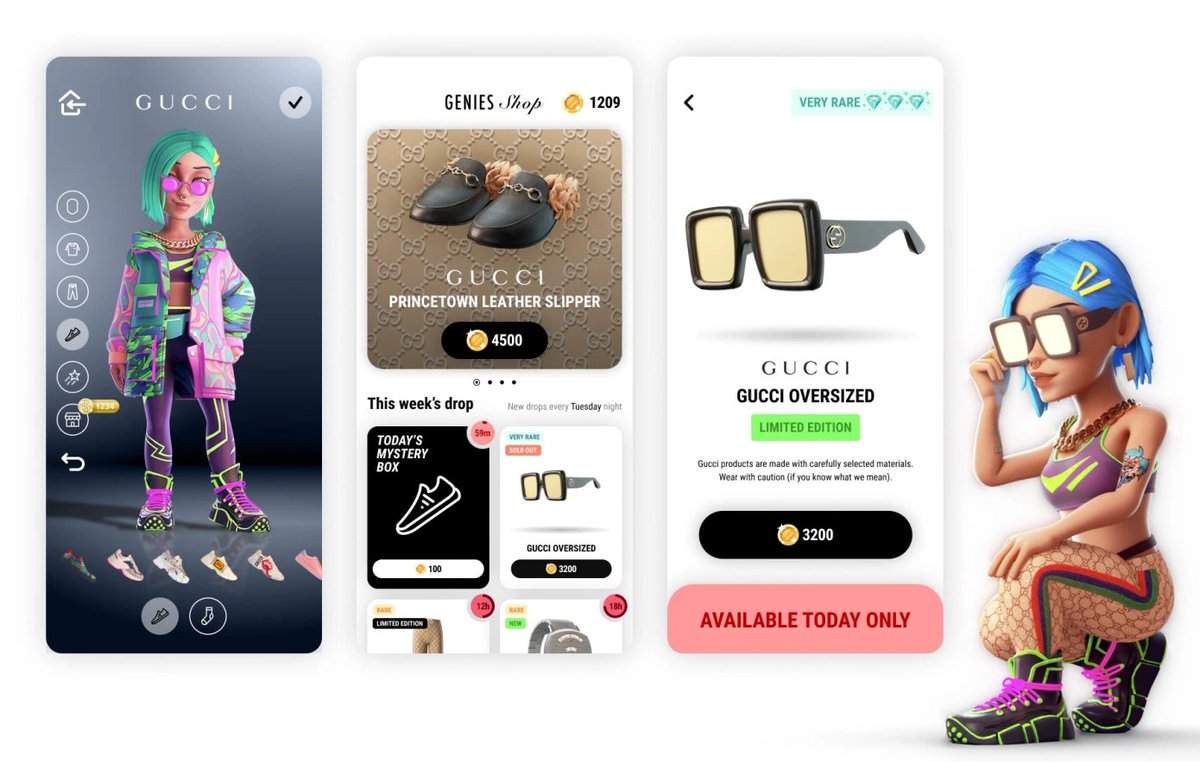
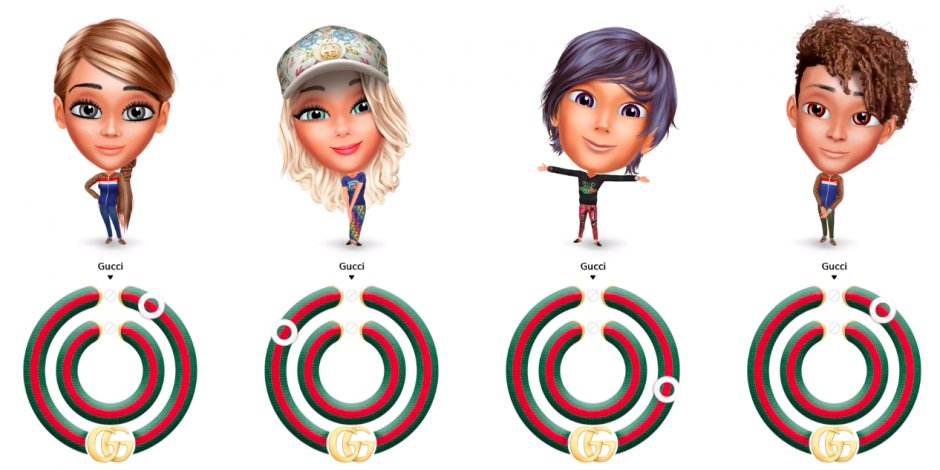
Their recent partnership with 3D Avatar company, Geenie allows customers to create their own virtual self, via which they can try on new clothes and styles.
Their recent partnership with 3D Avatar company, Geenie allows customers to create their own virtual self, via which they can try on new clothes and styles.
3/16
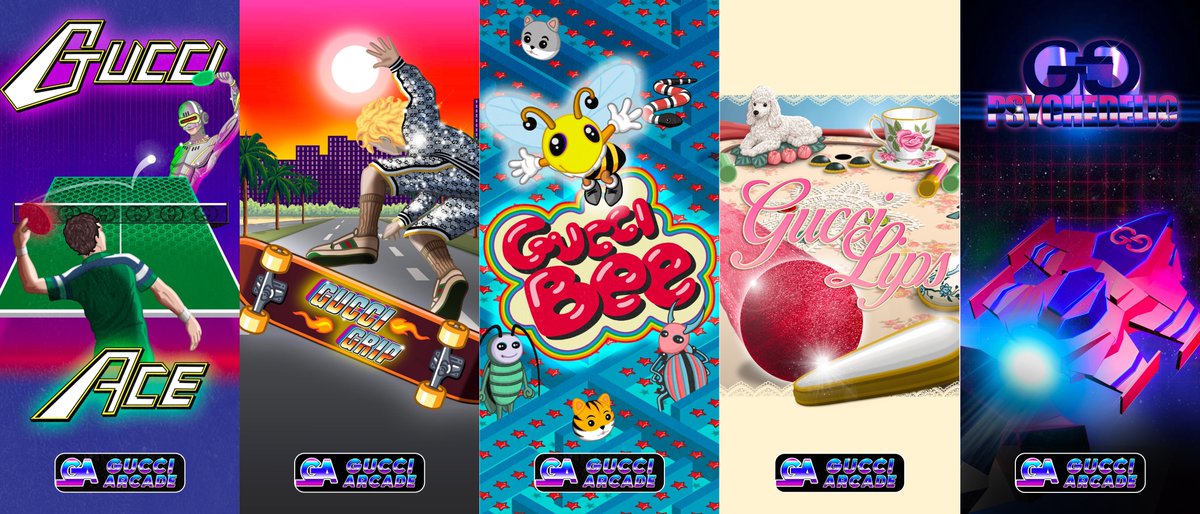
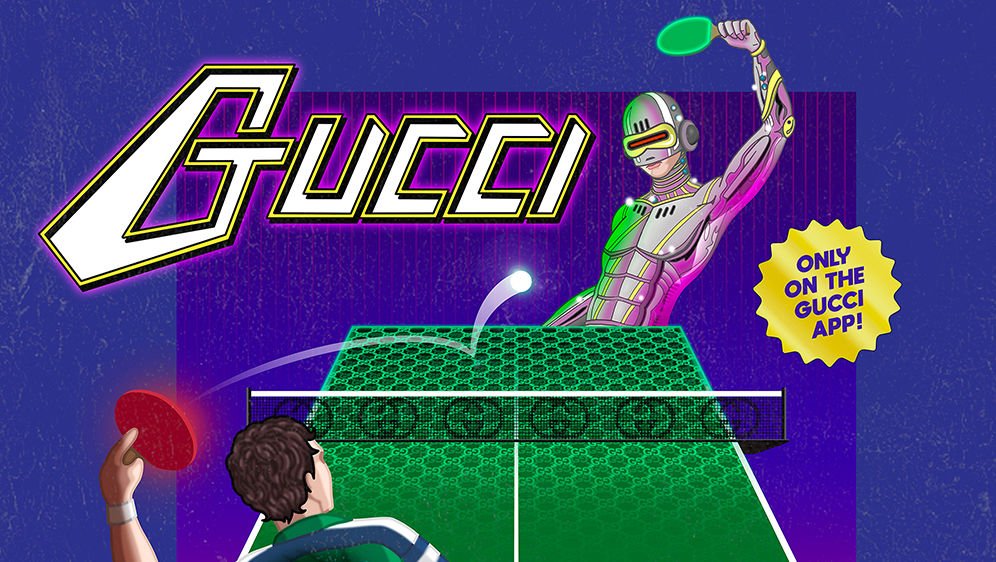
Last year, they launched a Gucci Arcade feature on its mobile app, giving users the opportunity to play retro-style games in exchange for Gucci digital badges.
Last year, they launched a Gucci Arcade feature on its mobile app, giving users the opportunity to play retro-style games in exchange for Gucci digital badges.
4/16
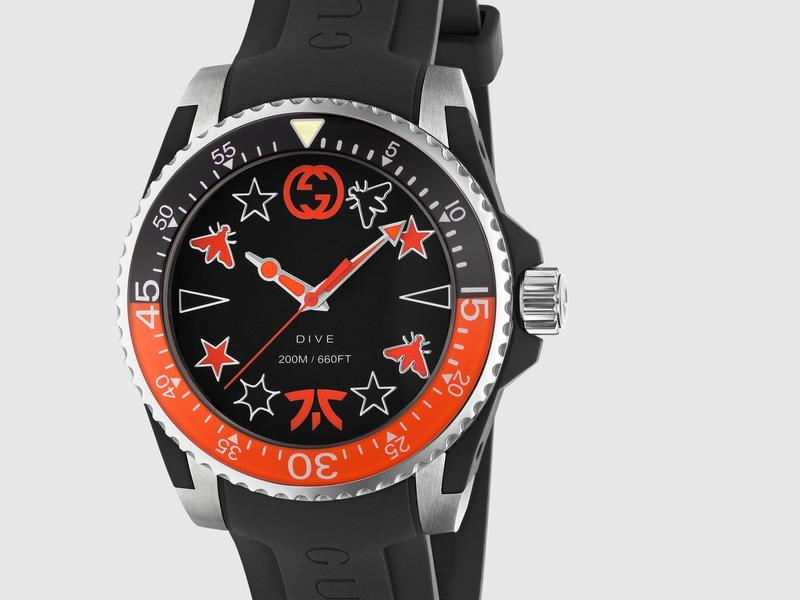
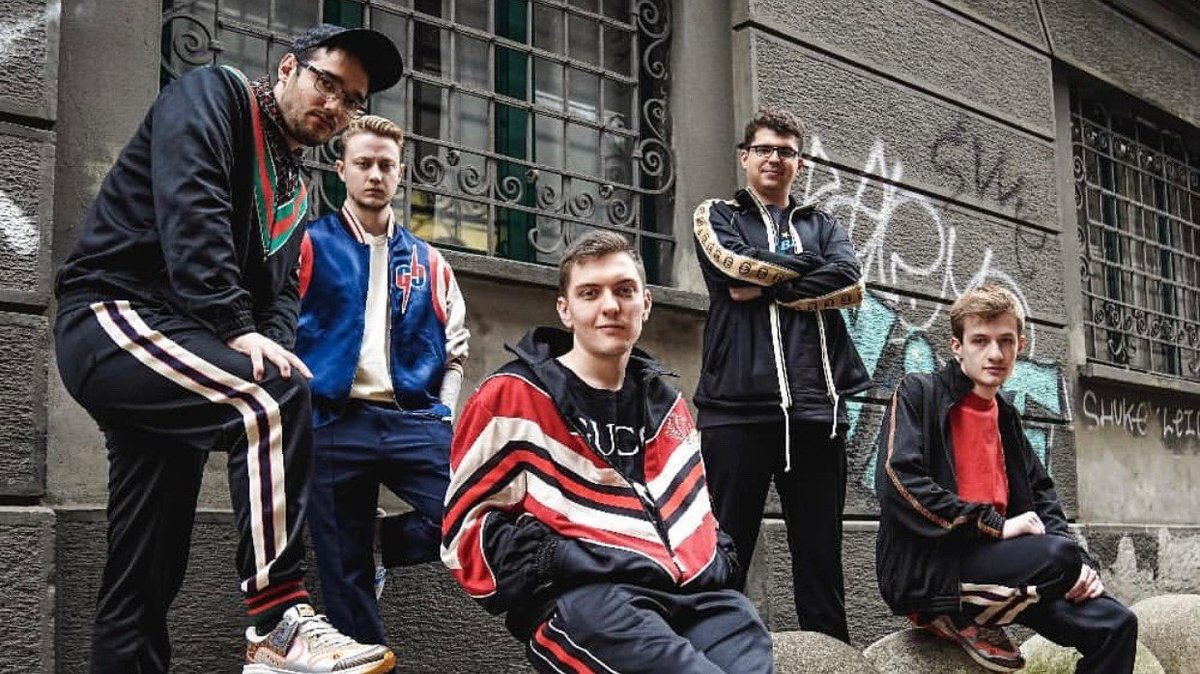
They collaborated on a watch with esports organisation Fnatic. Limited to 100 pieces, the timepiece set fans (which Fnatic boasts around 15 million of) back £1150.
They collaborated on a watch with esports organisation Fnatic. Limited to 100 pieces, the timepiece set fans (which Fnatic boasts around 15 million of) back £1150.
5/16
They then invited them to the front row of their autumn/winter 2020 menswear show at Milan Fashion Week.
They then invited them to the front row of their autumn/winter 2020 menswear show at Milan Fashion Week.
6/16
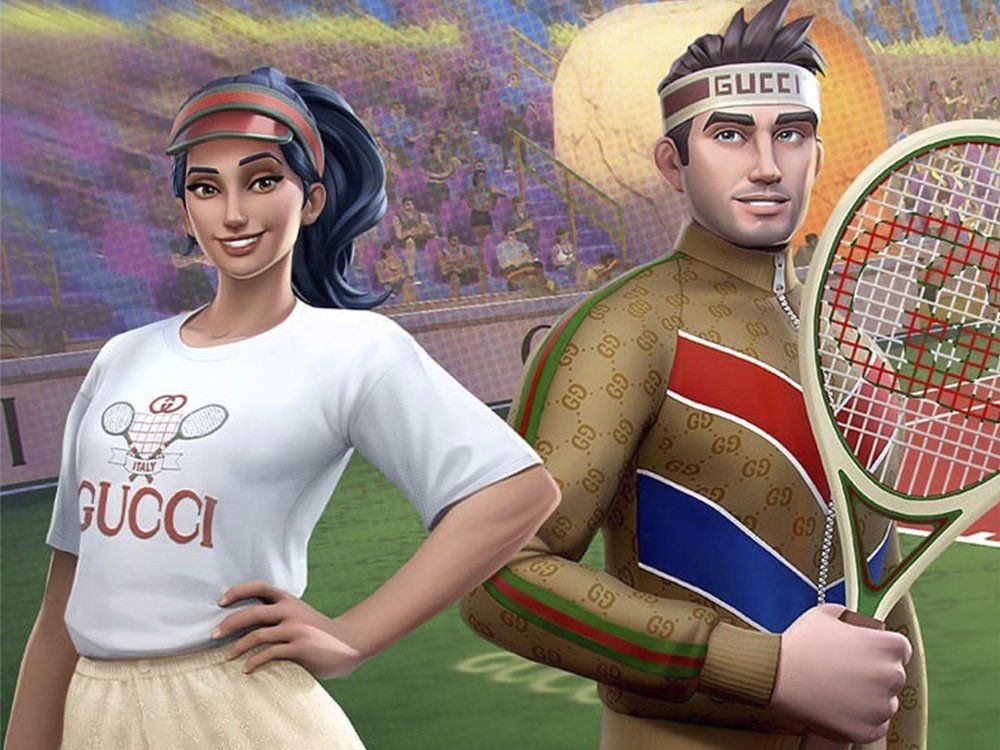
They partnered with mobile game, Tennis Clash, that allowed fans to buy outfits that mirror those on screen from the Gucci website.
They partnered with mobile game, Tennis Clash, that allowed fans to buy outfits that mirror those on screen from the Gucci website.
7/16
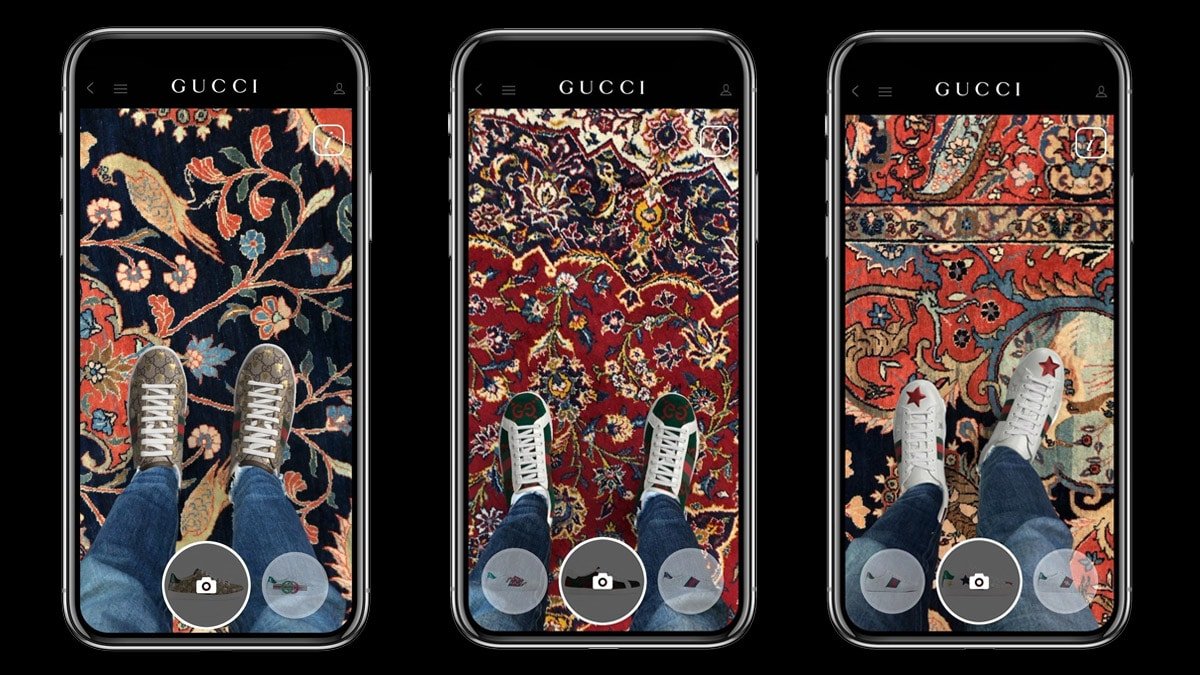
They released an AR sneaker app that lets customers virtually “try on” their Ace sneakers collection as well as sharing their snaps via text, email, or social media.
They released an AR sneaker app that lets customers virtually “try on” their Ace sneakers collection as well as sharing their snaps via text, email, or social media.
8/16
They opened a futuristic factory called the Gucci ArtLab, where artisans come and create Gucci products by hand in a space that brings together cutting-edge machines with old-fashioned craftsmanship.
They opened a futuristic factory called the Gucci ArtLab, where artisans come and create Gucci products by hand in a space that brings together cutting-edge machines with old-fashioned craftsmanship.

9/16
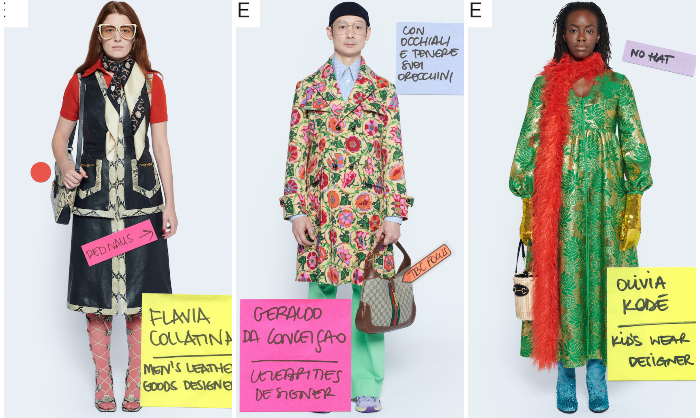
They looked beyond models for their AW20 and Epilogue presentations, enlisting their atelier team instead.
They looked beyond models for their AW20 and Epilogue presentations, enlisting their atelier team instead.
10/16
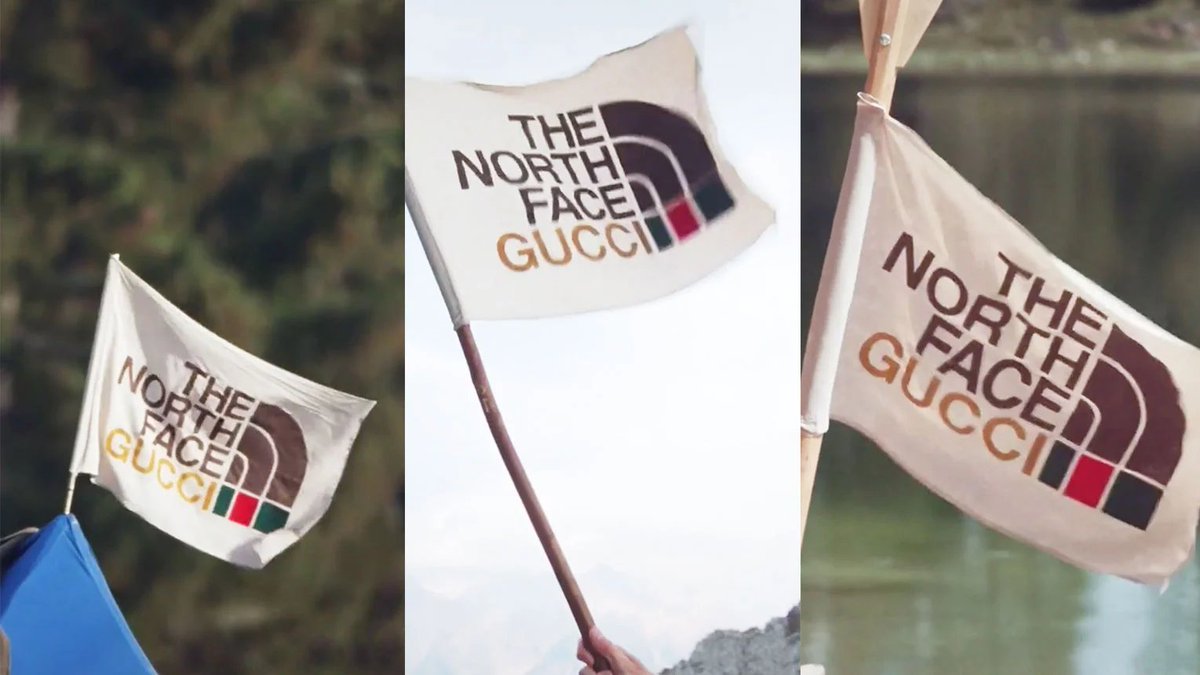
They've expanded their collabs in new and surprising directions...
They've expanded their collabs in new and surprising directions...
11/16
They partnered with The RealReal to launch an online shop featuring pre-loved Gucci items and promote circularity for luxury fashion.
They partnered with The RealReal to launch an online shop featuring pre-loved Gucci items and promote circularity for luxury fashion.
12/16
They've brought together tastemakers, both old and new, creating a perfect cocktail of influence and style.
They've brought together tastemakers, both old and new, creating a perfect cocktail of influence and style.
13/16
Back in 2019, they teamed up with Gucci Mane for a brilliantly meta campaign to showcase a “glam-meets-gangster” aesthetic that also appeared to be the party of the century.
Back in 2019, they teamed up with Gucci Mane for a brilliantly meta campaign to showcase a “glam-meets-gangster” aesthetic that also appeared to be the party of the century.
14/16
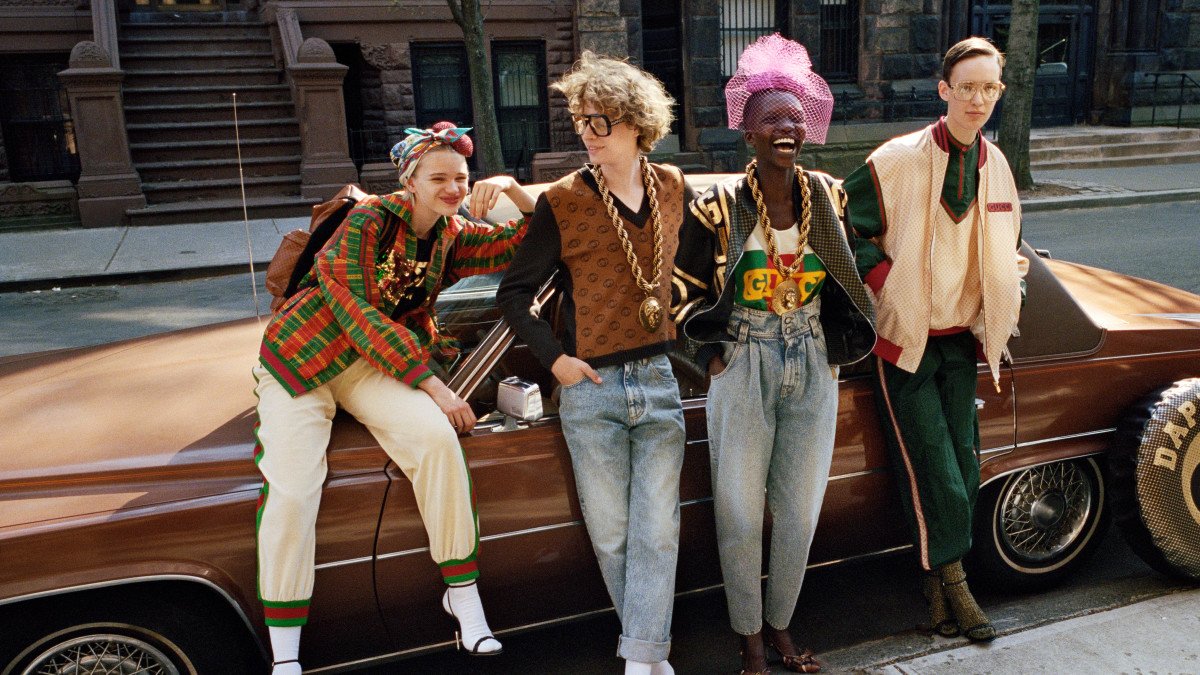
And after copying a Dapper Dan design in 2018, they apologised and ended up partnering with the famed Harlem designer on an on-going collab collection, as well as helping him to reopen his studio, which was shut down in 1992.
And after copying a Dapper Dan design in 2018, they apologised and ended up partnering with the famed Harlem designer on an on-going collab collection, as well as helping him to reopen his studio, which was shut down in 1992.
15/16
Gucci shifted from a typical luxury exclusive 'you can't sit with us' approach, to an atypical inclusive approach - building bridges and feedback loops with new partners, new niches, new communities and new tastemakers.
Opening up the brand, rather than closing it off.
Gucci shifted from a typical luxury exclusive 'you can't sit with us' approach, to an atypical inclusive approach - building bridges and feedback loops with new partners, new niches, new communities and new tastemakers.
Opening up the brand, rather than closing it off.
16/16
All of this is just a snapshot, but it goes to show that investing in the new, experimenting, breaking the rules, exploring the evolving intersections of tech & creativity and building for new audiences with new needs can really pay off
More of this, please.
All of this is just a snapshot, but it goes to show that investing in the new, experimenting, breaking the rules, exploring the evolving intersections of tech & creativity and building for new audiences with new needs can really pay off
More of this, please.
• • •
Missing some Tweet in this thread? You can try to
force a refresh