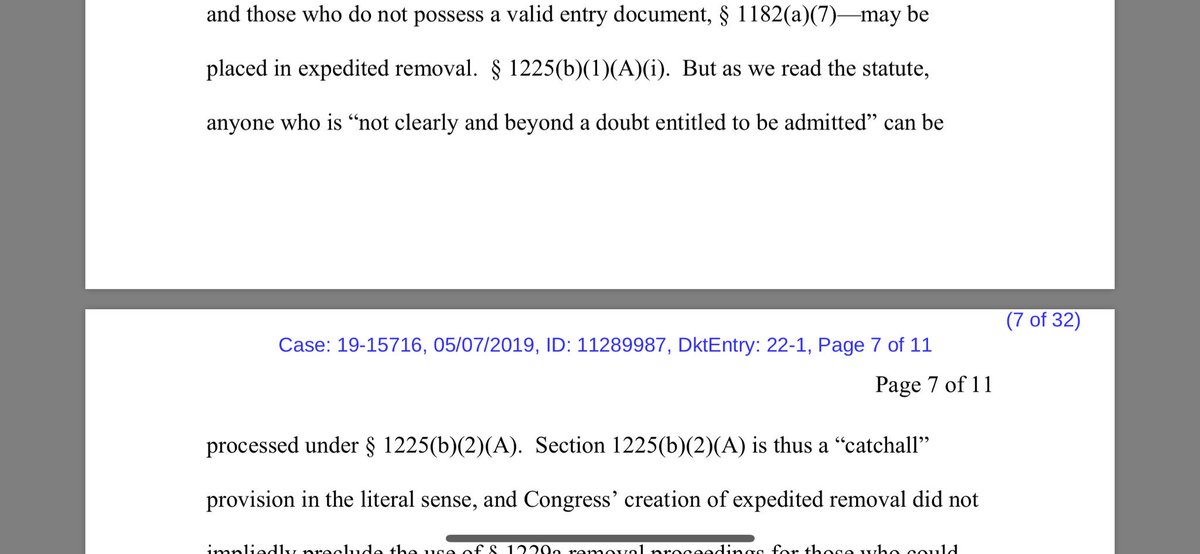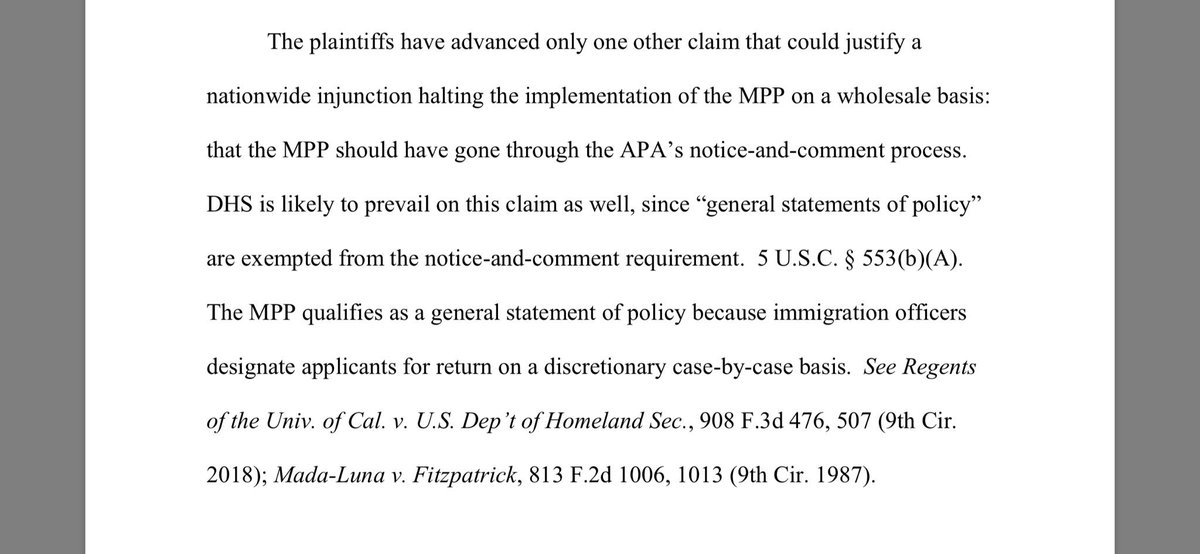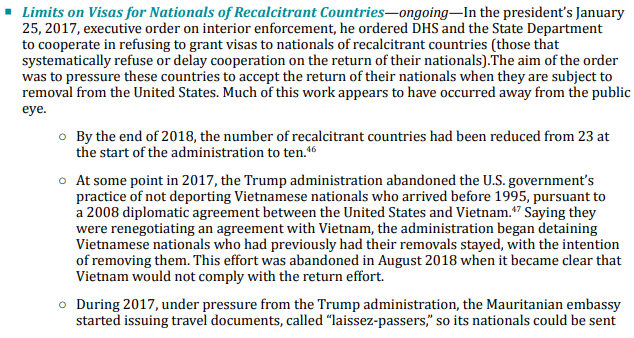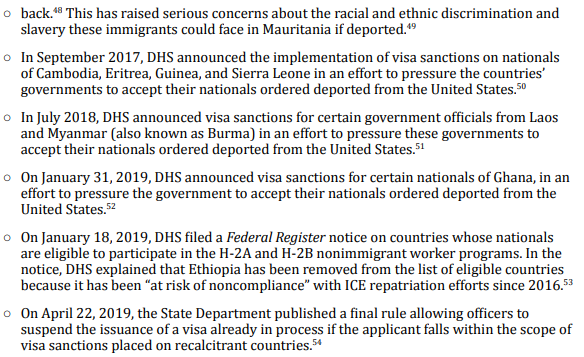
Even those casually following immigration are likely aware of the active role Trump's attorneys general played.
This participation entailed unprecedented use of "referral & review"... a power with a problematic & twisted journey beyond Trump...
More in my report out today⬇️
This participation entailed unprecedented use of "referral & review"... a power with a problematic & twisted journey beyond Trump...
More in my report out today⬇️
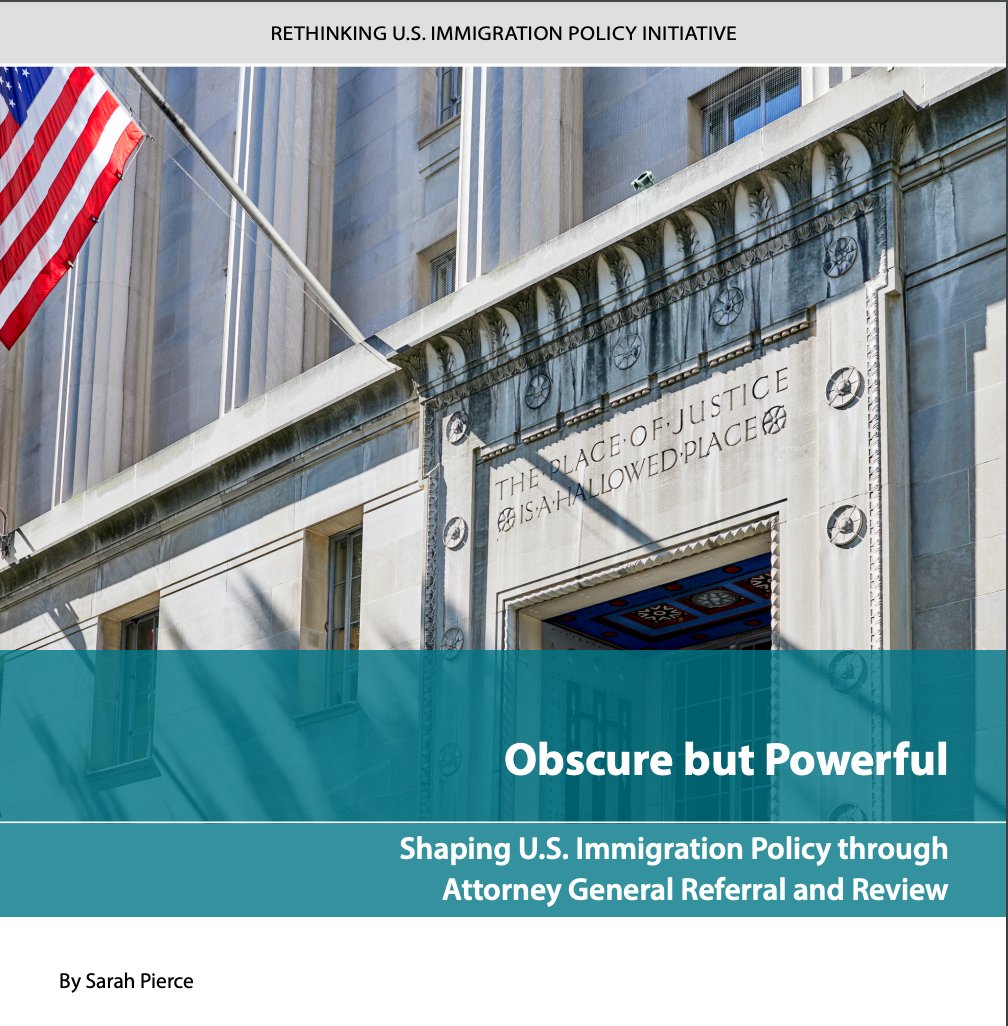
Referral & review dates back to a time when the immigration bureaucracy was housed within the Justice Department.
The power helped the attorney general to manage this system - knitting adjudications, rulemaking, & other decisions into one coherent immigration policy framework.
The power helped the attorney general to manage this system - knitting adjudications, rulemaking, & other decisions into one coherent immigration policy framework.
That's not to say it wasn't without its issues!
Allowing the attorney general—the country’s chief law enforcement officer—to intercede in individual immigration cases has raised questions about the true independence of the immigration adjudication system.
Allowing the attorney general—the country’s chief law enforcement officer—to intercede in individual immigration cases has raised questions about the true independence of the immigration adjudication system.
Plus, the attorney general can issue referral & reviews without transparency or briefings, which has negative implications for the legal and policy soundness of the decisions and their acceptance.
But then! 2003 happens.
Under the government restructuring following the 9/11 terrorist attacks, most of the immigration system was moved out of the Justice Department.
The attorney general was left with the immigration court system and...referral & review.
Under the government restructuring following the 9/11 terrorist attacks, most of the immigration system was moved out of the Justice Department.
The attorney general was left with the immigration court system and...referral & review.
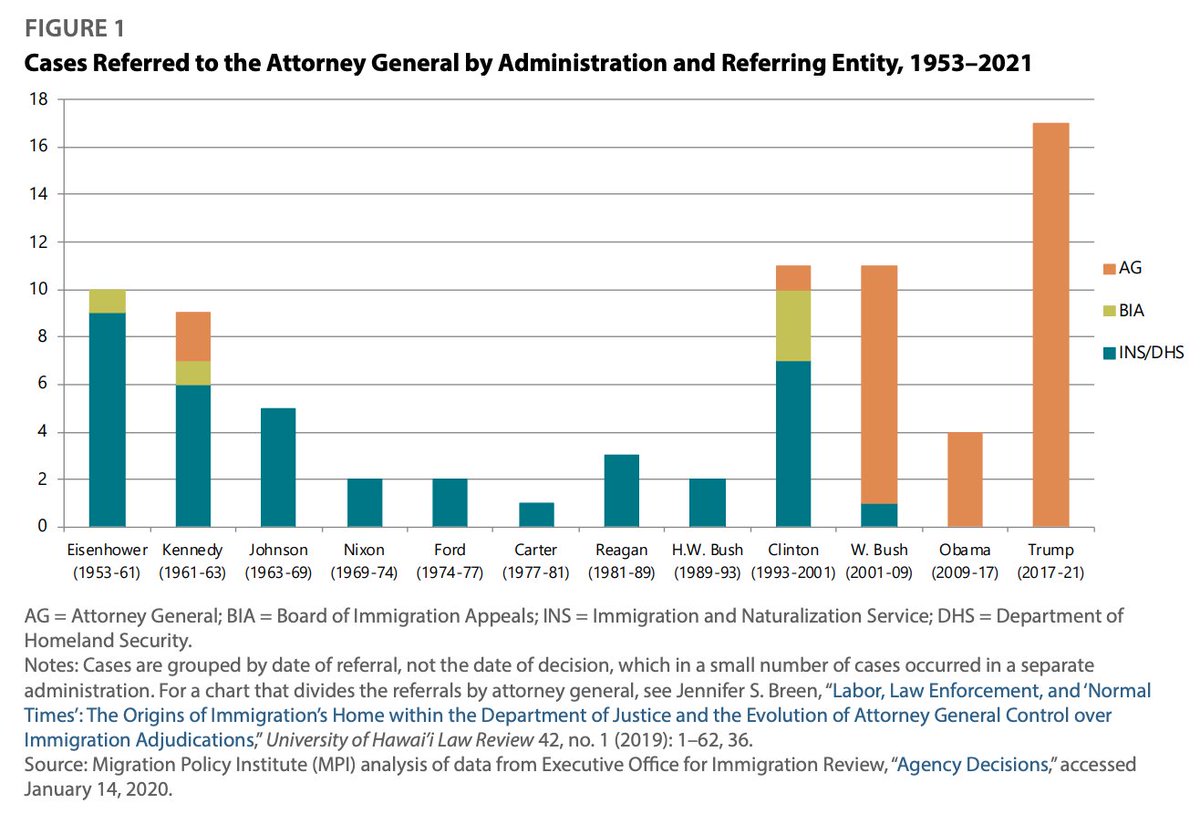
Suddenly, the use of referral & review undergoes a massive shift. Where previously the BIA or INS would refer cases to the attorney general for review-frequently to resolve disputes, now attorneys general entirely self-refer cases.
It became their tool to affect policy.
It became their tool to affect policy.
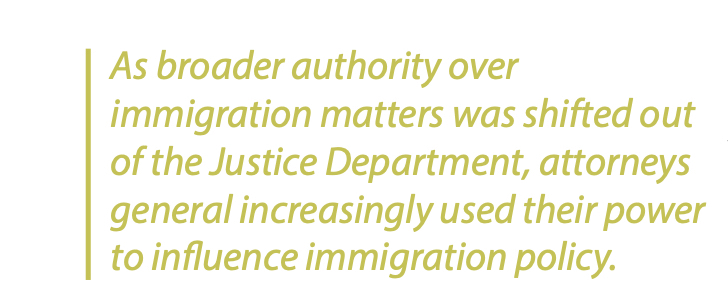
With more limited means of influencing the immigration system, referral & review became the attorney general's trump card for making significant immigration policy changes.
These decisions even bind DHS, now the lead agency on immigration.
These decisions even bind DHS, now the lead agency on immigration.
But then! Trump happens.
With the Trump administration's aggressive immigration agenda & strategy of pursuing a wide range of administrative tools, attorneys general under Trump self-refer more decisions than under any prior administration.
With the Trump administration's aggressive immigration agenda & strategy of pursuing a wide range of administrative tools, attorneys general under Trump self-refer more decisions than under any prior administration.
Attorneys general during the Trump administration, Senate-confirmed & acting alike, self-referred a record 17 cases.
This compares to 4 during the entirety of the Obama
administration and 10 under George W. Bush (both administrations that lasted two terms rather than one).
This compares to 4 during the entirety of the Obama
administration and 10 under George W. Bush (both administrations that lasted two terms rather than one).
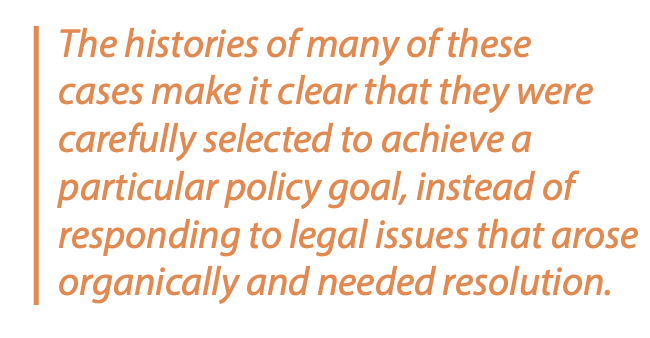
These 17 referrals were especially concentrated on re-shaping asylum law and immigration court operations to accomplish the administration's policy goals of limiting humanitarian benefits & speeding court decisions (mostly deportations).
Now, the Biden administration has made it clear they're bringing a new day on immigration, with plans to reverse many of Trump's changes and even advance forward-thinking reforms.
Given its speed and flexibility, referral & review could be a huge help.
Given its speed and flexibility, referral & review could be a huge help.
But the deep problems with this power remain, and have serious implications for due process and sound policymaking.
A mandatory process requiring transparency & briefing could be an important step in the right direction.
A mandatory process requiring transparency & briefing could be an important step in the right direction.
For the full ridiculous history of how this orphaned power is now a means for binding the entire immigration bureaucracy, read the report here:
migrationpolicy.org/research/obscu…
migrationpolicy.org/research/obscu…
• • •
Missing some Tweet in this thread? You can try to
force a refresh