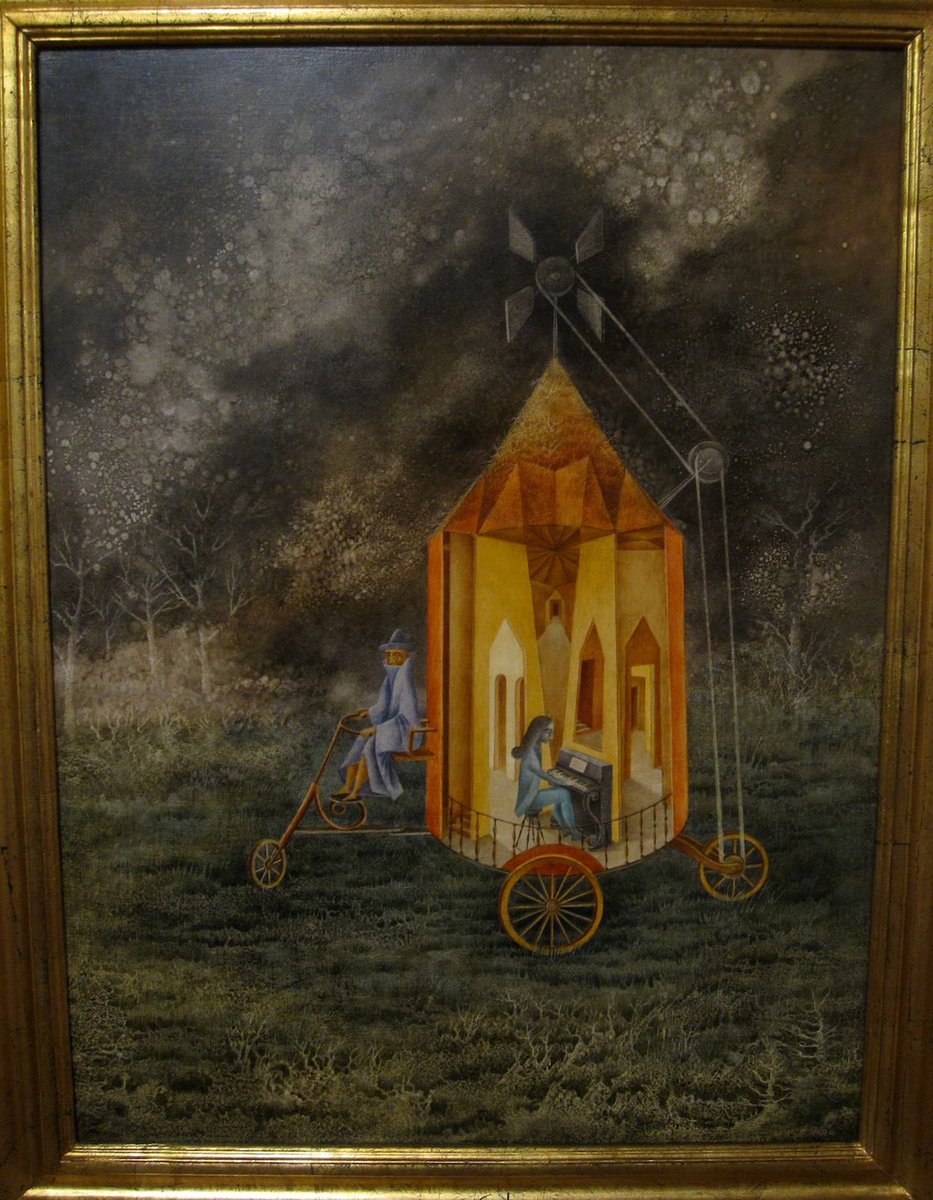
The Virgin/ Our Lady of Los Remedios is a title of the Virgin Mary developed by the Trinitarian Order, founded in the late 12th century. The devotion became tied to the Reconquista of Spain, then still at its height. In the following century it spread to other parts of Europe.
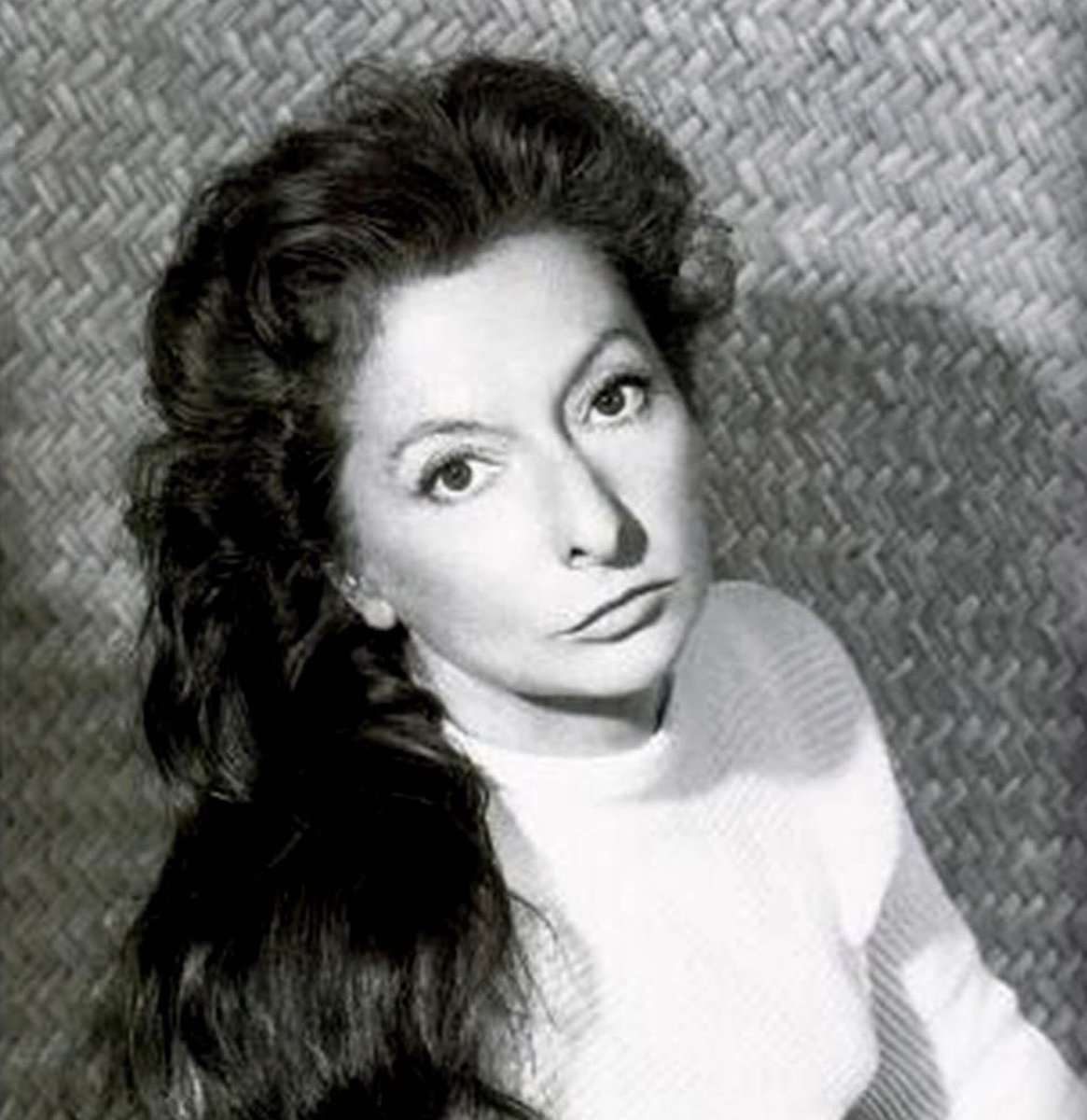
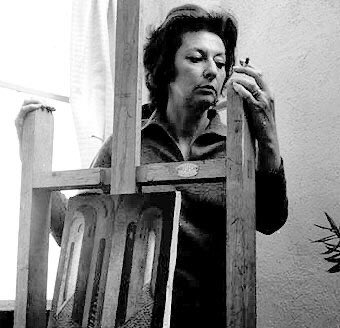
María de los Remedios Alicia Rodriga Varo y Uranga was born in Anglès, a small town in the province of Girona (Catalonia), in 1908. Her mother named Varo in honor of the Virgen de los Remedios (the "Virgin of Remedies").
• • •
Missing some Tweet in this thread? You can try to
force a refresh
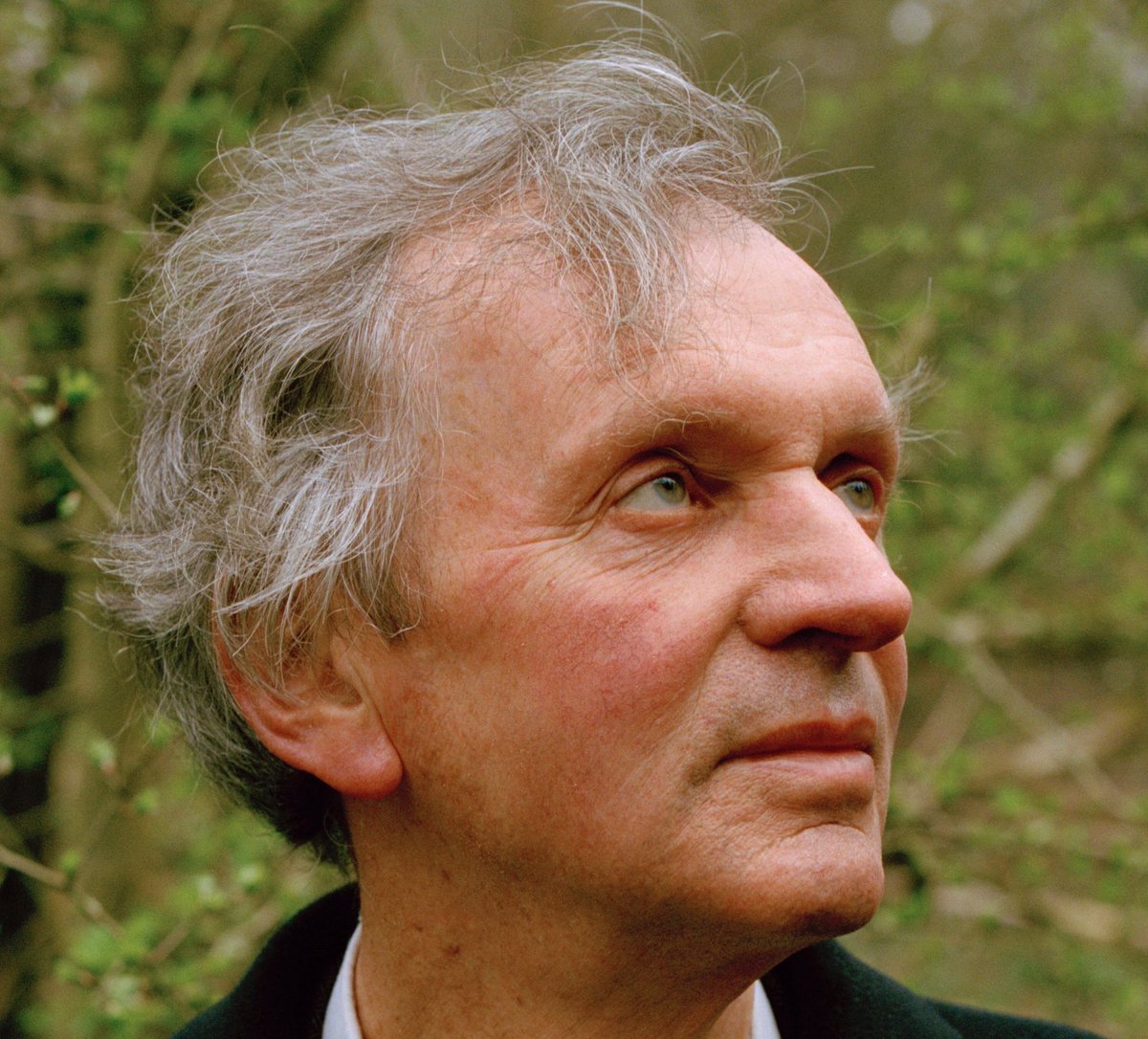
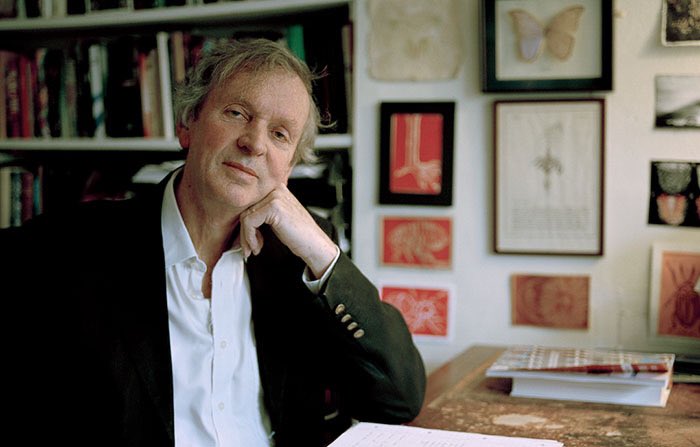
“I strongly believe in the importance of the scientific approach. Yet...the sciences have lost much of their vigor, vitality and curiosity. Dogmatic ideology, fear-based conformity and institutional inertia are inhibiting scientific creativity.”
~ Rupert Sheldrake
“With scientific colleagues, I have been struck over and over again by the contrast between public and private discussions. In public, scientists are very aware of the powerful taboos that restrict the range of permissible topics; in private they are often more adventurous.” ~ RS
“...science is being held back by centuries-old assumptions that have hardened into dogmas...The biggest scientific delusion of all is that science already knows the answers. The details still need working out but, in principle, the fundamental questions are settled.” ~ Sheldrake
Deconstructivism is a movement of postmodern architecture which appeared in the 1980s. It gives the impression of the fragmentation of the constructed building, commonly characterised by an absence of obvious harmony, continuity,or symmetry.
Walt Disney Concert Hall, Frank Gehry
Architects whose work is often described as deconstructivist (though in many cases the architects themselves reject the label) include Zaha Hadid, Peter Eisenman, Frank Gehry, Rem Koolhaas, Daniel Libeskind, Bernard Tschumi, and Coop Himmelb(l)au.
Seattle Central Library
Libeskind's Imperial War Museum North in Trafford, Greater Manchester (2002). An archetype of deconstructivist architecture, it comprises three fragmented, intersecting curved volumes, symbolizing the destruction of war.
Joris-Karl Huysmans (5 February 1848 – 12 May 1907) was a French novelist and art critic, most famous for the novel À rebours (1884, published in English as Against the Grain or Against Nature). He supported himself by way of a 30-year career in the French civil service.
Huysmans' work is considered remarkable for its idiosyncratic use of the French language,large vocabulary, descriptions, satirical wit and far-ranging erudition. First considered part of Naturalism,he became associated with the decadent movement with his publication of À rebours.
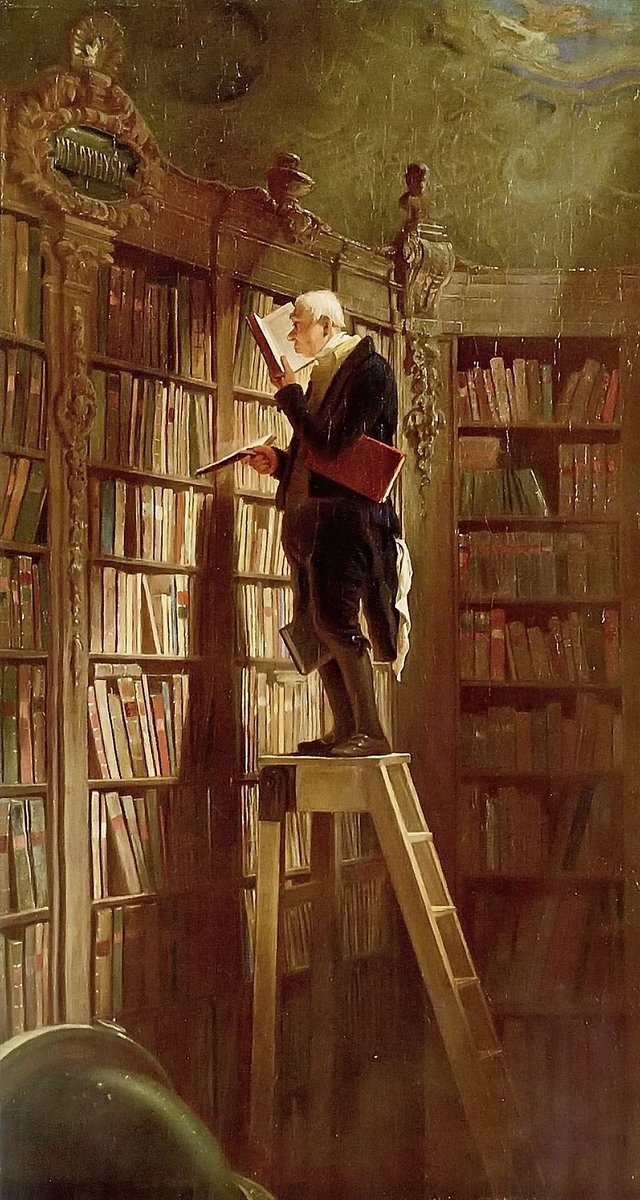
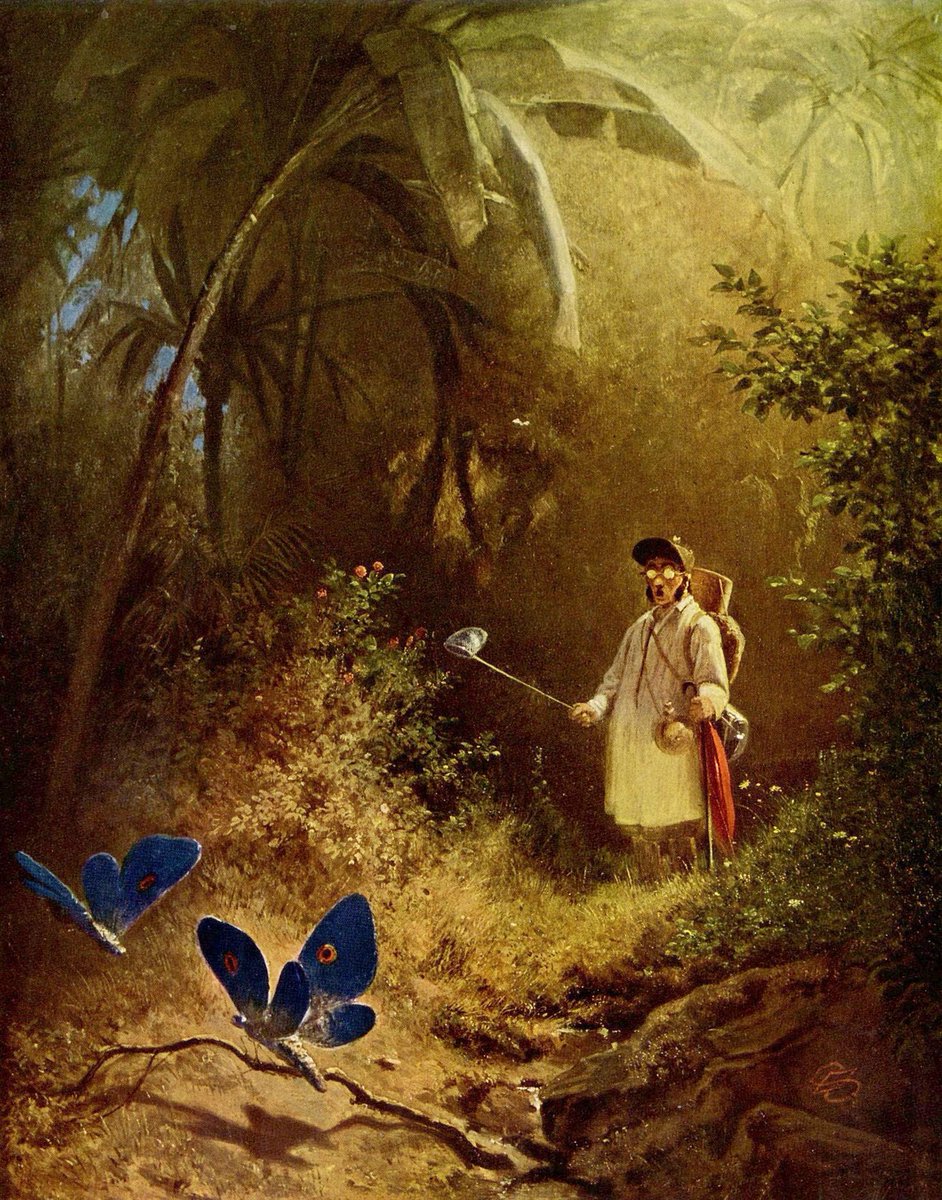
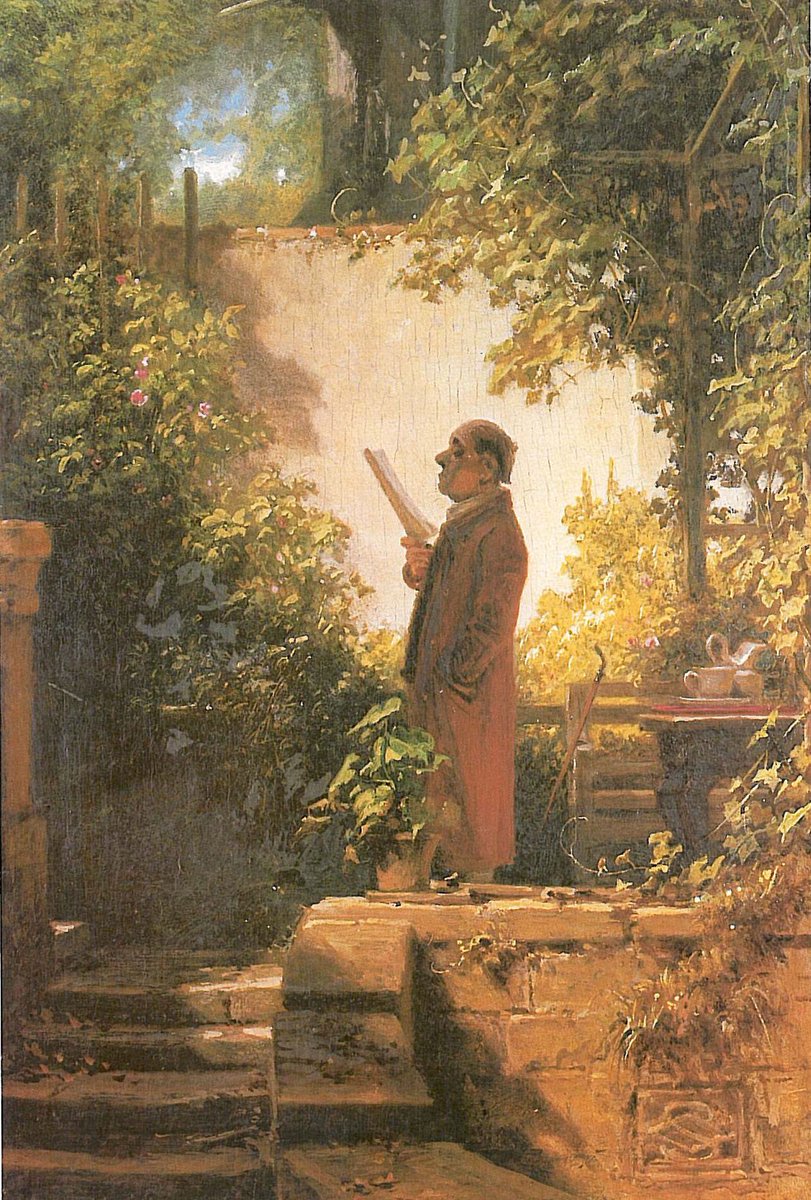
Carl Spitzweg (💎February 5, 1808 – September 23, 1885) was a German romanticist painter, especially of genre subjects. He is considered to be one of the most important artists of the Biedermeier era.
Dietrich Bonhoeffer (4 February 1906 – 9 April 1945) was a Lutheran pastor, theologian and anti-Nazi dissident. His writings on Christianity's role in the secular world have become widely influential. Bonhoeffer was known for his staunch resistance to the Nazi dictatorship, ...
including vocal opposition to Hitler's euthanasia program and genocidal persecution of the Jews. Bonhoeffer was arrested in April 1943 by the Gestapo and imprisoned at Tegel prison for one and a half years. Later, he was transferred to Flossenbürg concentration camp. ...