# Mechanistic therapy on Notch-3 signaling, N-acetyl-cysteine prophylaxis and treatment in pulmonary fibrosis (# sequelacovid19) and other complications. #Immunometabolic
Proteins of the Notch family are cell surface receptors that TRANSDUCE SIGNALS BETWEEN NEIGHBORING CELLS. The Notch signaling pathway is evolutionarily highly conserved, including many aspects of vascular development.
The interaction of Notch receptors with ligands leads to the cleavage of the Notch intracellular domain (NICD) which then translocates to the nucleus and activates the transcription factor CBF1 / JBP-Jkappa, regulating downstream gene expression.
Not signaling is critically involved in vascular morphogenesis and function. Four Notch isoforms (Notch1-4) have been identified that regulate various cellular processes.
Of these, # Notch3 IS ALMOST EXCLUSIVELY EXPRESSED IN THE CELLS OF THE SMOOTH VASCULAR MUSCLE (#CMLV), where it PARTICIPATES critically in VASCULAR DEVELOPMENT AND DIFFERENTIATION.
Under pathological conditions, Notch3 regulates the VSMC shift between the contractile and synthetic phenotypes.
• • •
Missing some Tweet in this thread? You can try to
force a refresh

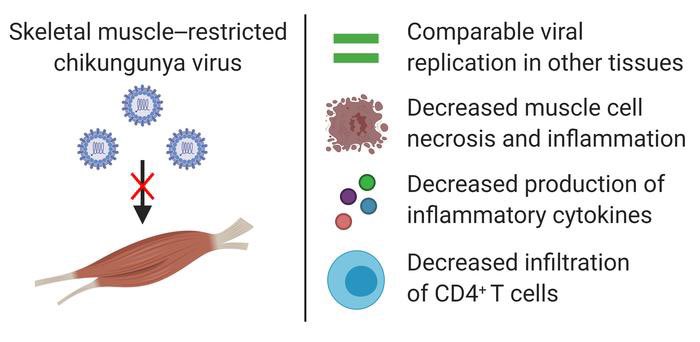
🦟Arthritogenic alphaviruses replicate at or near the site of infection and then spread to the target organs.
🔬CHIKV < replicates in fibroblasts, keratinocytes, melanocytes, endothelial cells, epithelial cells and resident macrophages < pass to the lymph node < and is disseminated to the SPLEEN, JOINTS AND MUSCLE annualreviews.org/content/journa…
👩🏻🔬HUMAN MUSCLE SATELLITE CELLS AS TARGETS OF CHIKV INFECTION
👨🏻⚕️In patients with CHIKV < the metabolism of collagen and connective tissue was considerably affected < and leads to a greater urinary excretion of proline, hydroxyproline and mucopolysaccharidespubmed.ncbi.nlm.nih.gov/17565380/
CHIKUNGUNYA infection causes intense joint and muscle pain, as it turns out that the virus infects and replicates in the muscles (muscle satellite cells), becoming one of its targets for the disease 🦟🦵🏽💪🏽
-Apoptosis
⬇️miR-24, MiR-497, miR-15a/16-1, miR-181a and miR-106b-5p or ⬆️miR-210 and miR-124 <⬆️ antiapoptotic proteins (Bcl-w, Bcl-2, Bcl- xl) <⬇️ the size of the infarct in the ischemic brain
⬇️miR-124 >⬇️apoptosis inducing proteins of the p53 family >⬇️infarct size
⬆️miR-23a, miR-21, miR-27a and miR-23b >⬇️proapoptotic proteins (Puma, Bax, Noxa, cleaved caspase-3) in traumatic brain injuries
⬆️miR-21, miR-20a, miR-494 and ⬇️miR-29b > activates the AKT/mTOR signaling and ⬇️PTEN expression >⬇️apoptosis in spinal cord injury spinal
NEW EVIDENCE OF THE IMPACT OF MITOCHONDRIA ON HEALTH AND KIDNEY DISEASE
🔬Analyses of human kidney biopsy samples have shown that alterations in NAD synthesis in the context of kidney injury < cause mitochondrial dysfunction nature.com/articles/s4158…
and release of mitochondrial RNA < triggering the RIG-I pathway < pcausing inflammation, fibrosis and acidosis
🧬Transcriptome analyzes suggest that kidney injury may be related in part to the severity of mitochondrial injury and the degree of deregulation of NAD synthesis
💊Supplementation with Nicotinamide Riboside could modify systemic mitochondrial metabolism in patients with chronic kidney disease (CKD)
👨🔬PCK1 < a gluconeogenic enzyme that is downregulated during acute kidney injury and CKD <