1/ The indignities and embarrassments of puberty have proved strangely comforting in uncertain times. @megangarber on why grown-ups keep watching shows about middle school. theatlantic.com/magazine/archi…
2/ “PEN15,” @megangarber writes, “offers its young characters the elemental dignity of seeing them as they are. It understands how possible it is, at their age or any other, for the surreal to be profoundly true.” theatlantic.com/magazine/archi…
3/ In “Big Mouth” surreality is a way of seeing, @megangarber writes. “So is the series’ bawdiness: Animation offers the freedom to go gonzo.” theatlantic.com/magazine/archi…
4/ In “Stranger Things,” @megangarber writes, the Upside Down is an apt metaphor for puberty. “This is a place of muscly monsters, rancid odors, and, it must be noted, quite a lot of ooze.” theatlantic.com/magazine/archi…
5/5 These cathartic comedies came to life in a moment of deep anxiety, loneliness, and fear, Garber writes. "The shows have instructed, and warned. To watch them is to feel once again the great hope of young adolescence: ‘Please let this just be a phase.’" theatlantic.com/magazine/archi…
• • •
Missing some Tweet in this thread? You can try to
force a refresh
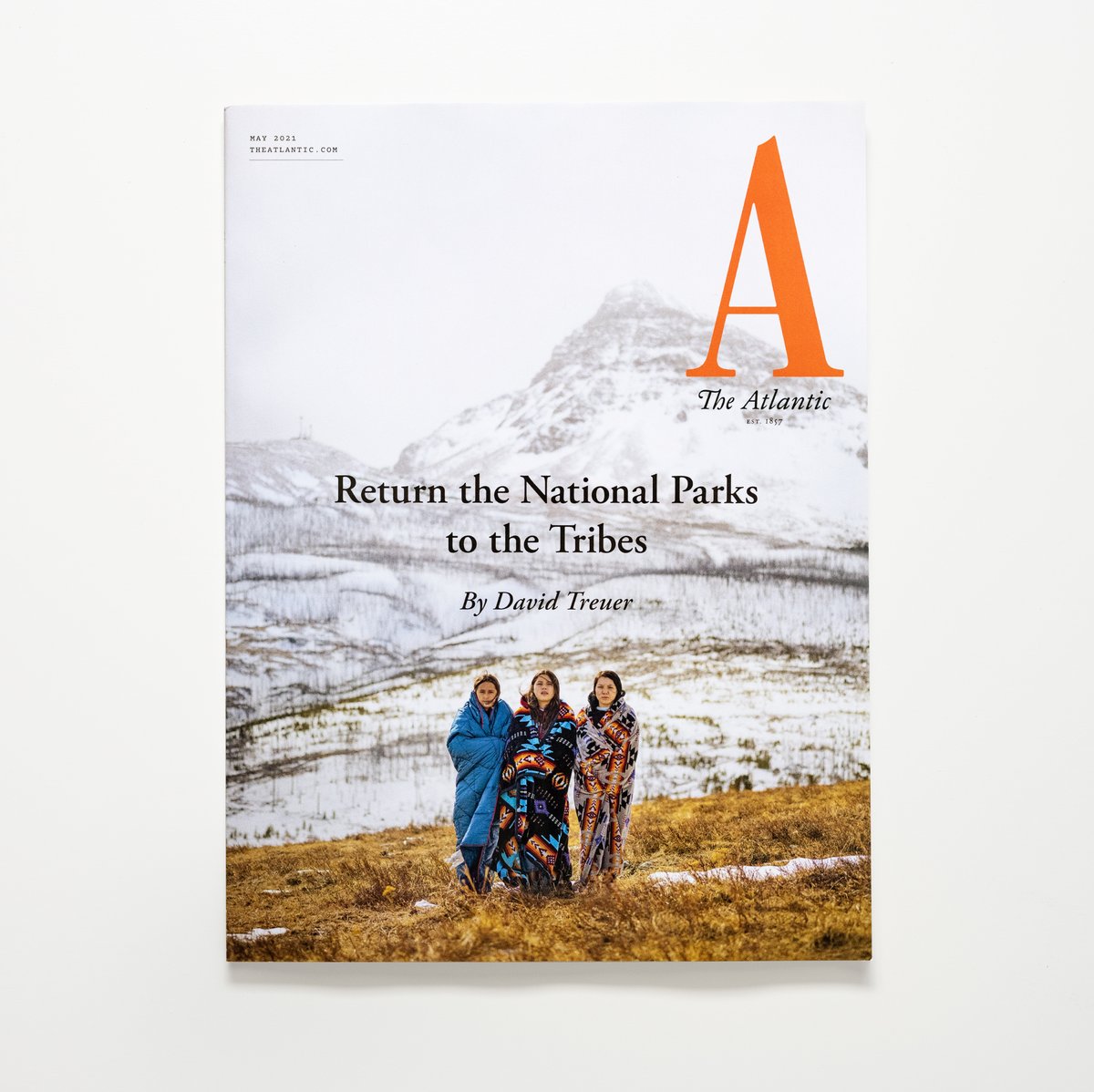
Today we are introducing a new series, “Who Owns America’s Wilderness?” Read the introduction from @andersen: on.theatln.tc/udLqrql
This series launches with our May cover story, “Return the National Parks to the Tribes,” by @DavidTreuer. It will give readers a full view of the parks’ past, and a compelling vision of their potential future. on.theatln.tc/lwNpFZi
Another essay, by @nijhuism, confronts John Muir’s legacy, but without presenting a false choice between deification and cancellation. on.theatln.tc/f8SXkFn
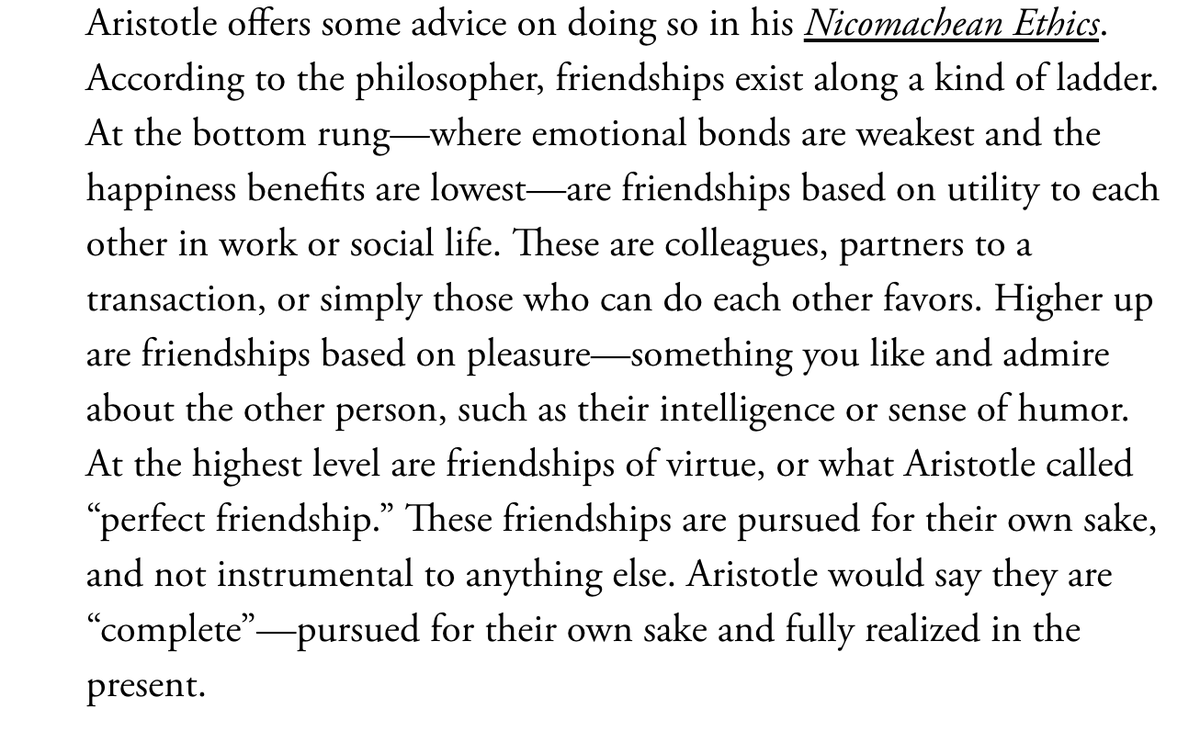
1/ The average American adult has 16 friends, recent polling showed. Only eight are people they would actually hang out with one-on-one. Just three are “friends for life.”
2/ First, think about what function your friendships perform. Who are your work friends? Who are the people you hang out with because you just enjoy their company? Is there anyone you spend time with for no reason at all?
3/ If it feels like no one really knows you well, you can take a few steps, @arthurbrooks writes. Have deeper conversations with your existing friends. Show up at places unrelated to your worldly ambitions. Strike up a friendship with someone who can do nothing for you.
2/8 “The inescapable truth is that money guides all sorts of decisions at these schools,” @caitlinpacific writes. Private-school parents are “consumers of a luxury product.” theatlantic.com/magazine/archi…
3/8 Surely there should be something to show for a $50,000-a-year education: “Parents want teachers, coaches, and counselors entirely focused on helping them create a transcript that Harvard can’t resist.” theatlantic.com/magazine/archi…
1/ With AI, China’s government could soon achieve an unprecedented political stronghold on more than 1 billion people, @andersen reports. (From 2020) theatlantic.com/magazine/archi…
2/ The emergence of an AI-powered authoritarian bloc led by China could warp the geopolitics of this century. It could prevent billions of people, across large swaths of the globe, from ever securing any measure of political freedom. theatlantic.com/magazine/archi…
3/ The Uighur population has already been denied such freedom.
In 2014, more than 1 million Uighurs were forced into concentration camps. Those who were spared the camps now make up the most intensely surveilled population on Earth.
1/ The Golden Globes are tonight. Before the show, go behind the scenes of some of this evening’s nominees:
2/ The original screenplay for “Mank,” which leads tonight’s nominations, was written by David Fincher’s father and took nearly 30 years to make into a feature film. Read more from David Sims: theatlantic.com/culture/archiv…
3/ The titular character in “Ted Lasso,” up for Best TV Comedy or Musical, is based on a 2013 NBC Sports Network promotion. Read Megan Garber on why the character exemplifies what it means to fail up: theatlantic.com/culture/archiv…
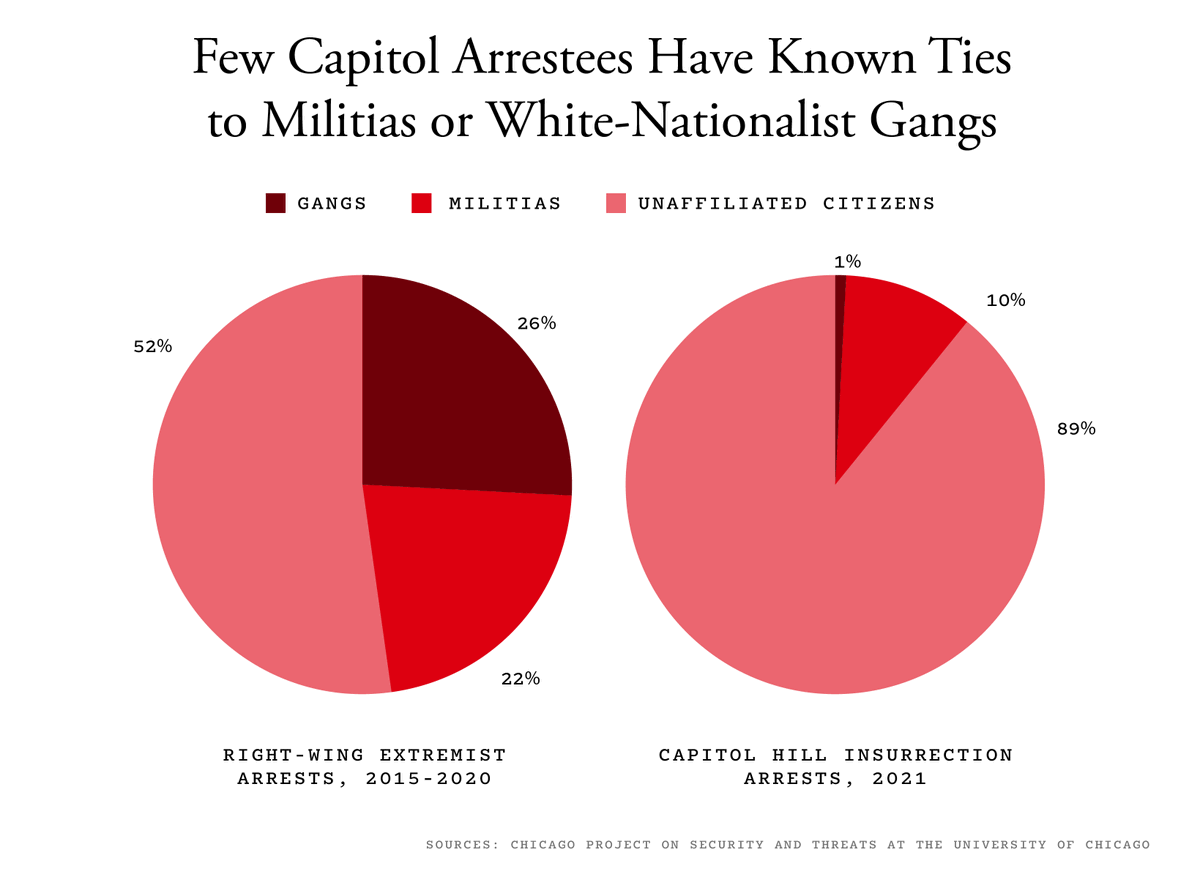
1/ One hundred ninety-three people have been charged in connection with the Capitol riot. Robert A. Pape and Keven Ruby, of the Chicago Project on Security and Threats, reviewed court documents and media coverage of the arrestees. Four findings stand out: theatlantic.com/ideas/archive/…
2/ First, they write, the attack on the Capitol was unmistakably an act of political violence, not merely an exercise in vandalism or trespassing amid a disorderly protest that had spiraled out of control.
3/ Second, a large majority of suspects in the Capitol riot have no connection to existing far-right militias, white-nationalist gangs, or other established violent organizations.