
165.5 months of cash flow for FREE?
Here's how I got into the container storage business with $0 and owning 76% of the company with my business partners.
In 2016 we started "OnDemand Storage" with the purpose of providing storage with pickup and student storage...
Here's how I got into the container storage business with $0 and owning 76% of the company with my business partners.
In 2016 we started "OnDemand Storage" with the purpose of providing storage with pickup and student storage...
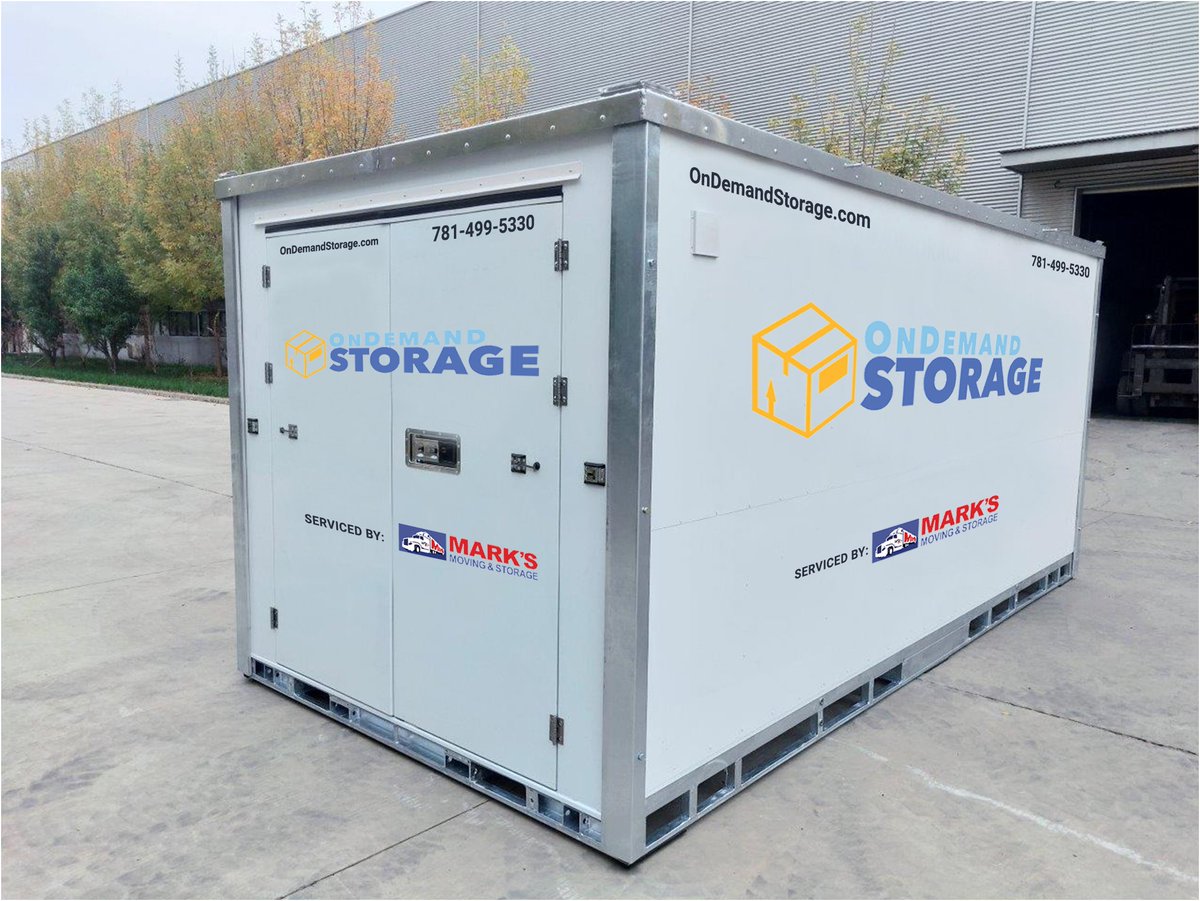
We've done well and continued to grow.
Recently, an investor approached the team about the red hot container storage business.
He felt "OnDemand Storage" IP is a competitive advantage - everyone knows exactly what it means.
Recently, an investor approached the team about the red hot container storage business.
He felt "OnDemand Storage" IP is a competitive advantage - everyone knows exactly what it means.
We set up a separate company where he retains 24% of the ownership. The investor put 100% of the money into the company and financed the containers at $4K/each.
The purpose of the company is to:
1. Fill containers locally in metro Boston.
2. Sell "dealerships" nationally.
The purpose of the company is to:
1. Fill containers locally in metro Boston.
2. Sell "dealerships" nationally.
Containers will be rented at $275/mo. If treated well, they can last up to 15 years.
180 Months life
14.5 Month pay back
165.5 Months of CASH FLOW.
180 Months life
14.5 Month pay back
165.5 Months of CASH FLOW.
The containers are designed to be moved any tow truck easily. This removes a massive logistical bottleneck for the average person becoming a dealer.
Lastly, ignore the horrible photoshop, the actual artwork will look better.
Lastly, ignore the horrible photoshop, the actual artwork will look better.
• • •
Missing some Tweet in this thread? You can try to
force a refresh