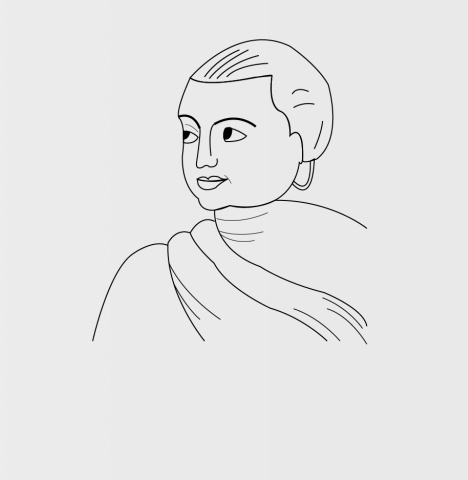
Kundakundacharya a great philosopher , a saint of highest order, who gave Syādvāda philosophy a strong footing.
Kundakundacharya teachings cut through the many dogmas of his time and reawakened people to the essence of "Anekàntavada"
Thread on his unparallel legacy..
Kundakundacharya teachings cut through the many dogmas of his time and reawakened people to the essence of "Anekàntavada"
Thread on his unparallel legacy..

Acharya Kundakunda has given a new and original thought to Indian Rationalism by framing spiritual, philosophical and moral texts.
His classic literature contains such
mystic contemplation that it has a far deep impact not just on Jaina philosphy but overall indian philosophy
His classic literature contains such
mystic contemplation that it has a far deep impact not just on Jaina philosphy but overall indian philosophy
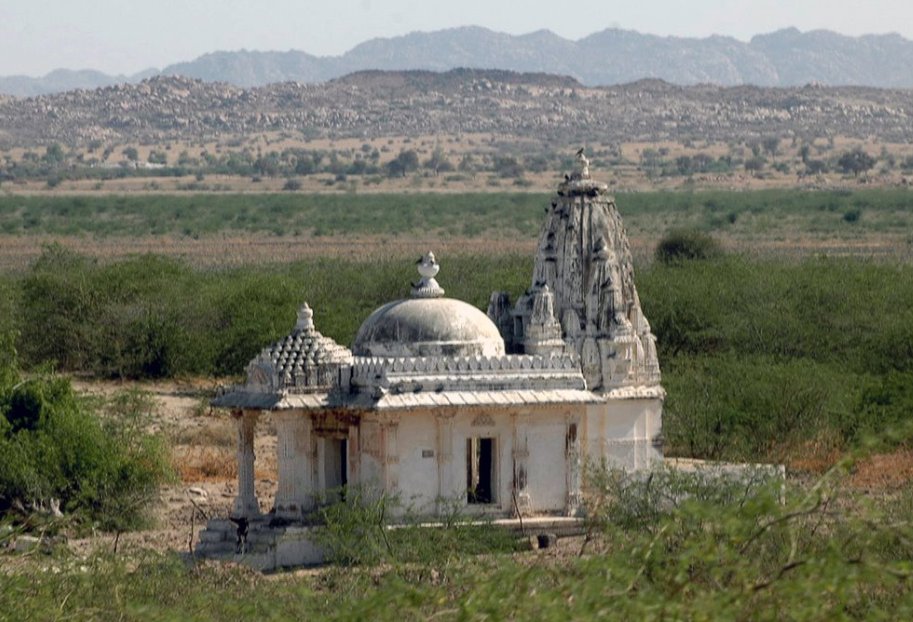
KONAKONDLA:one of the most important centre of jainism in andhra
Birth place of great kundkundacharya , the place developed as a stronghold of jainism as early as 1st century BCE .
At present most of the his antiquities are situated in the hillock called "rasasiddhula Gutta"
Birth place of great kundkundacharya , the place developed as a stronghold of jainism as early as 1st century BCE .
At present most of the his antiquities are situated in the hillock called "rasasiddhula Gutta"

He had three others names: Elàcàrya, Vakragriva and
Gçddhapichha.
According to traditional accounts his birth name was padmanandi , he belonged to the Mula Sangh order
"आचार्य: कुन्दकुन्दाख्यो वक्रग्रीवो महामति:।
एलाचार्यो गृद्धपिच्छ: पद्मनंदीति तन्नुति|"
Gçddhapichha.
According to traditional accounts his birth name was padmanandi , he belonged to the Mula Sangh order
"आचार्य: कुन्दकुन्दाख्यो वक्रग्रीवो महामति:।
एलाचार्यो गृद्धपिच्छ: पद्मनंदीति तन्नुति|"
He was a great exponent of Jaina philosophy rather than its
religious practices.
He defeated many a scholar in debates on different philosophy.
He won the hearts of many by his doctrine of Anekàntavada & Jain doctrine of relativity wherever he preached.
religious practices.
He defeated many a scholar in debates on different philosophy.
He won the hearts of many by his doctrine of Anekàntavada & Jain doctrine of relativity wherever he preached.
He became the Jain monk (Sadhu) at the age of 11 and Acharya at the age of 44.
He lived for 95 He conferred Jain monkhood to 1000s of people during his life time
He stayed at Videh kshetra for few days after acquiring knowledge wrote about 84 authentic text on ponnur hills,TN
He lived for 95 He conferred Jain monkhood to 1000s of people during his life time
He stayed at Videh kshetra for few days after acquiring knowledge wrote about 84 authentic text on ponnur hills,TN
This "चरण पादुका" are symbolic of a thinker who, nearly 2000 years ago did penance & composed some of the most influential philosophical books.
Once a year this footprints of kundakunda at the top of ponnur hills ,tamilnadu are ceremoniously worshipped by devotees.
Once a year this footprints of kundakunda at the top of ponnur hills ,tamilnadu are ceremoniously worshipped by devotees.

In the 1st century CE ,Kundakunda established a Jain centre at
Konakondla , in the cave of the hill called "RasasiddhulaGutta' (the
Hill of Alchemists)
It became a reputed place of worship since than until 14th century CE , it was called Kundakundeya-tirtha.
Konakondla , in the cave of the hill called "RasasiddhulaGutta' (the
Hill of Alchemists)
It became a reputed place of worship since than until 14th century CE , it was called Kundakundeya-tirtha.
9) Kundakundacharya wrote on every philosophical aspect:
Jain ontology
Dravya, guna , paryaya
Jiva & matter(pudgala)
Upayogas
Theory of Omniscience
The Atomic theory
Syadvāda
Metaphysics
Conception of Divinity
Anekāntavāda .. he touched almost everything.
Jain ontology
Dravya, guna , paryaya
Jiva & matter(pudgala)
Upayogas
Theory of Omniscience
The Atomic theory
Syadvāda
Metaphysics
Conception of Divinity
Anekāntavāda .. he touched almost everything.
All his works are written in an ancient dialect known as Saurseni Präkrit which is similar to Ardha-Mägadhi Präkrit.
His important books include;
Samayasàra,
Niyamasàra,
Pravachansär
Panchästikäya
Ashta-Pähuda
Many of his other works got lost with the time ..
His important books include;
Samayasàra,
Niyamasàra,
Pravachansär
Panchästikäya
Ashta-Pähuda
Many of his other works got lost with the time ..

The most important of Kundakunda's work is the 'Samayasàra'.The
word 'Samaya' means the 'soul' & 'Sara' refers to the 'essence'.This
means the 'Essence of the Soul
The author begins the work with the
worship of the Siddhas(the Supreme Self)who have realized their true nature.
word 'Samaya' means the 'soul' & 'Sara' refers to the 'essence'.This
means the 'Essence of the Soul
The author begins the work with the
worship of the Siddhas(the Supreme Self)who have realized their true nature.
Kundakundacharya has been called "light of this Dark age"his magnum opus "Samayasāra" have been written in Sanskrit & many modern languages
Since centuries "Samayasāra"greatly influenced many scholars like Umaswati,yativrasabha,nemichandra, banarsidas,rajchandra to name the few
Since centuries "Samayasāra"greatly influenced many scholars like Umaswati,yativrasabha,nemichandra, banarsidas,rajchandra to name the few
'Osho' in his book "books I have loved"
writes;
"ये समयसार शस्त्र शास्त्रों का आगम है। लाखों शास्त्रों का सार इसमें है यह जैन समाज का स्तंभ है। साधकों की कामधेनु है, कलाकृति है। इसकी हर गाथा छठवें सातवें गुण स्थान में झूलते हुए महामुनि के आत्मानुभव से निकली हुई है।‘’
writes;
"ये समयसार शस्त्र शास्त्रों का आगम है। लाखों शास्त्रों का सार इसमें है यह जैन समाज का स्तंभ है। साधकों की कामधेनु है, कलाकृति है। इसकी हर गाथा छठवें सातवें गुण स्थान में झूलते हुए महामुनि के आत्मानुभव से निकली हुई है।‘’
Osho writes further
"समयसार’’ का अर्थ है: सार-सूत्र | यह इतनी सही है कि मुझे इससे थोड़ी वितृष्णा है—लेकिन आंखों में आंसू भर कर। क्योंकि मुझे उस आदमी को सौंदर्य विदित है—जिसने उसे लिखा। मुझे कुन्दकुन्द से प्रेम है ओर उनका ग्रंथ सुंदर है"
Such is his legacy.
"समयसार’’ का अर्थ है: सार-सूत्र | यह इतनी सही है कि मुझे इससे थोड़ी वितृष्णा है—लेकिन आंखों में आंसू भर कर। क्योंकि मुझे उस आदमी को सौंदर्य विदित है—जिसने उसे लिखा। मुझे कुन्दकुन्द से प्रेम है ओर उनका ग्रंथ सुंदर है"
Such is his legacy.
Now question is when kundakundacharya lived & flourished?
There is Lot of specualtions about fixing the period. If u go traditionally the date comes around mid 1st century BCE ,which also very among different panths as no one knows the exact date of his birth.
There is Lot of specualtions about fixing the period. If u go traditionally the date comes around mid 1st century BCE ,which also very among different panths as no one knows the exact date of his birth.
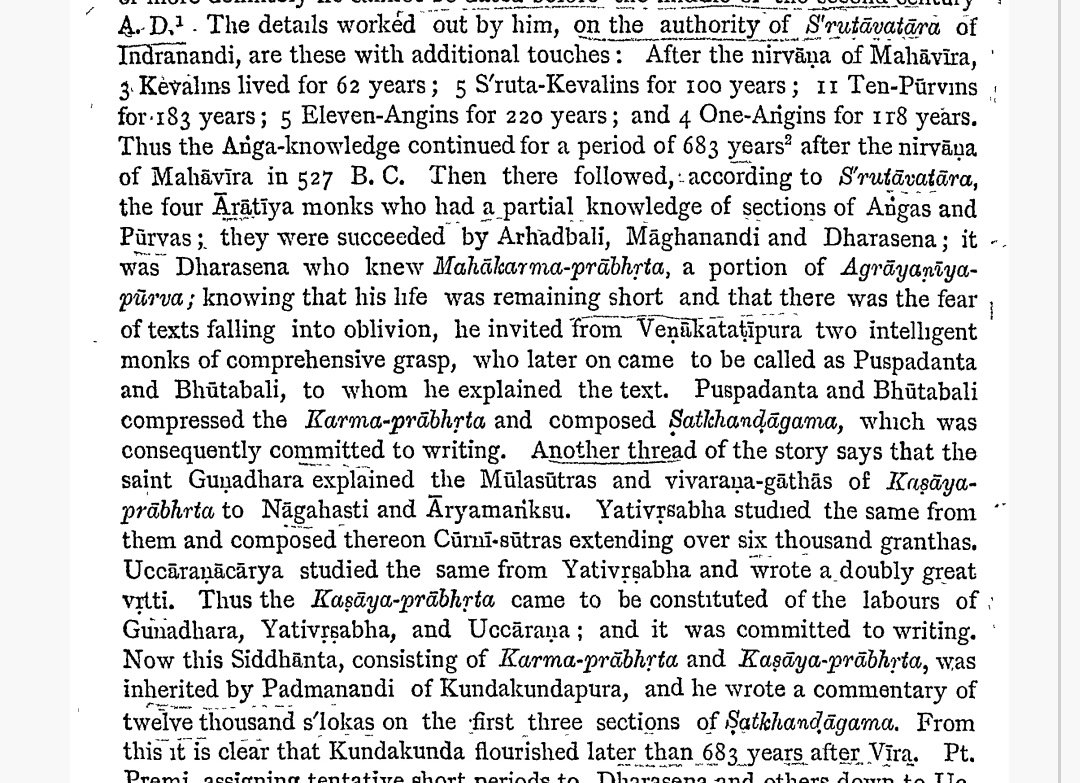
According to kannada text "srutavatara" of Indranandi , padmanandi of kundakundapura wrote first commentory of Ṣaṭkhaṅḍāgama which is called as "parikarma" during 2nd century CE
Here padmanandi is identified as kundakundacharya , which is also his birth name.
Here padmanandi is identified as kundakundacharya , which is also his birth name.
An copper plate inscription from 7th century CE belonging to the reign of Govinda III of rashtrukata dyanasty
The inscription have a refernce of acharya prabhacandra , the pupil of puspanandi who was in turn disciple of torānacārya of kundākundānavaya(as late as 4th century CE)
The inscription have a refernce of acharya prabhacandra , the pupil of puspanandi who was in turn disciple of torānacārya of kundākundānavaya(as late as 4th century CE)
Kundakundacharya mention himself as the sisya of "acharya Bhadrabahu" , whom he glorifies with many gathas.
P.S: here guru & Śiṣya doesn't mean direct & contemporary,it can b influence of some previous teacher is so over-whelming later Śiṣya like to mention him as their guru
P.S: here guru & Śiṣya doesn't mean direct & contemporary,it can b influence of some previous teacher is so over-whelming later Śiṣya like to mention him as their guru

"वंदित्तु सव्वसिद्धे धुवममलमणोवमं गदिं पत्ते।
वोच्छामि समयपाहुडमिणमो सुदकेवलीभणिदं।"
In this gatha he tells that "samayasara is propounded by "srutakevalis" which confirms that he had partial access to the true knowledge contained in the
teachings of tirthankaras
वोच्छामि समयपाहुडमिणमो सुदकेवलीभणिदं।"
In this gatha he tells that "samayasara is propounded by "srutakevalis" which confirms that he had partial access to the true knowledge contained in the
teachings of tirthankaras
Kundakunda freely and frankly expressed his opinion against
prejudice and ignorance.
His teachings have offered both inspiration and guidance to anyone who is interested in attaining the state of spiritual perfection.
Kundakunda influence extends far beyond Jainism.
prejudice and ignorance.
His teachings have offered both inspiration and guidance to anyone who is interested in attaining the state of spiritual perfection.
Kundakunda influence extends far beyond Jainism.
Kundakundacharya Acharya occupies the highest place in the tradition of Jain Acharyas.
He is remembered immediately after Bhagawan Mahavir & Gautam Ganadhar as an auspicious blessing
||मंगलं भगवान वीरो, मंगलं गौतमो गणि।
मंगलं कुन्दकुन्दार्यो, जैन धर्मोस्तु मंगलम्||
He is remembered immediately after Bhagawan Mahavir & Gautam Ganadhar as an auspicious blessing
||मंगलं भगवान वीरो, मंगलं गौतमो गणि।
मंगलं कुन्दकुन्दार्यो, जैन धर्मोस्तु मंगलम्||

This is a samadhi sthal of kundakundacharya , after his great & long journey he spend his last days here on the hills of kundadri, karnataka..
According to him, salvation (Moksha) is not possible without the right path, he adopted & preached right path in truest sense ..
According to him, salvation (Moksha) is not possible without the right path, he adopted & preached right path in truest sense ..

• • •
Missing some Tweet in this thread? You can try to
force a refresh