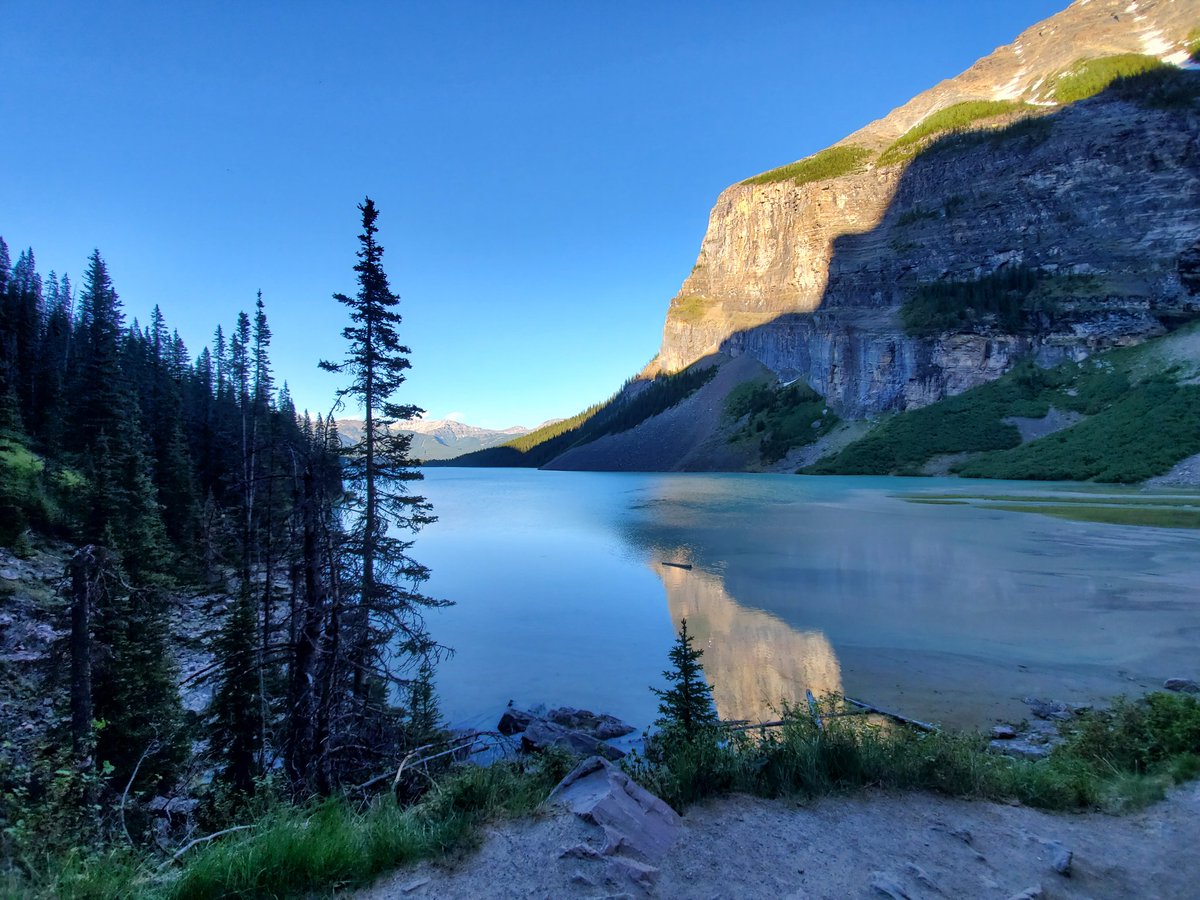
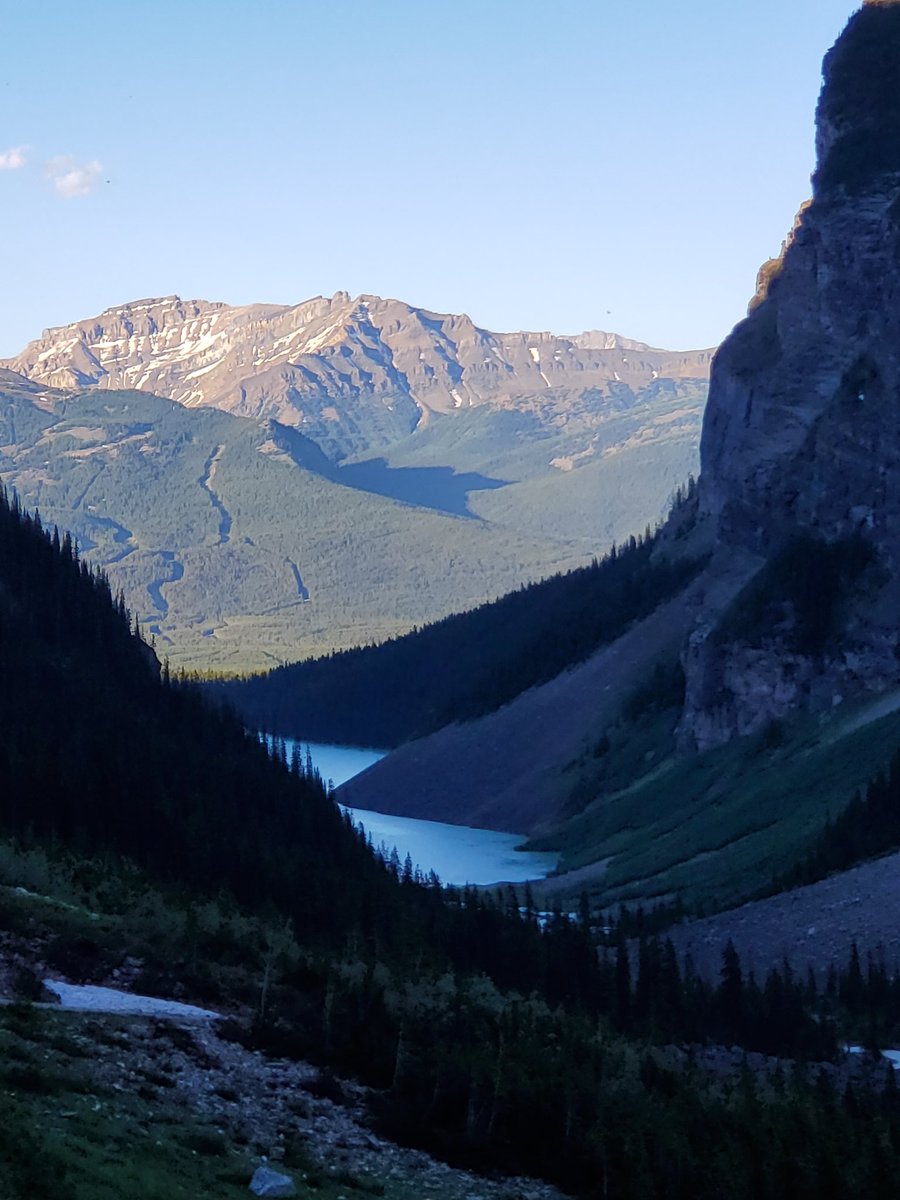
1/ Lake Louise, AB.
My break from Wall Street into Nature.
My break from Wall Street into Nature.

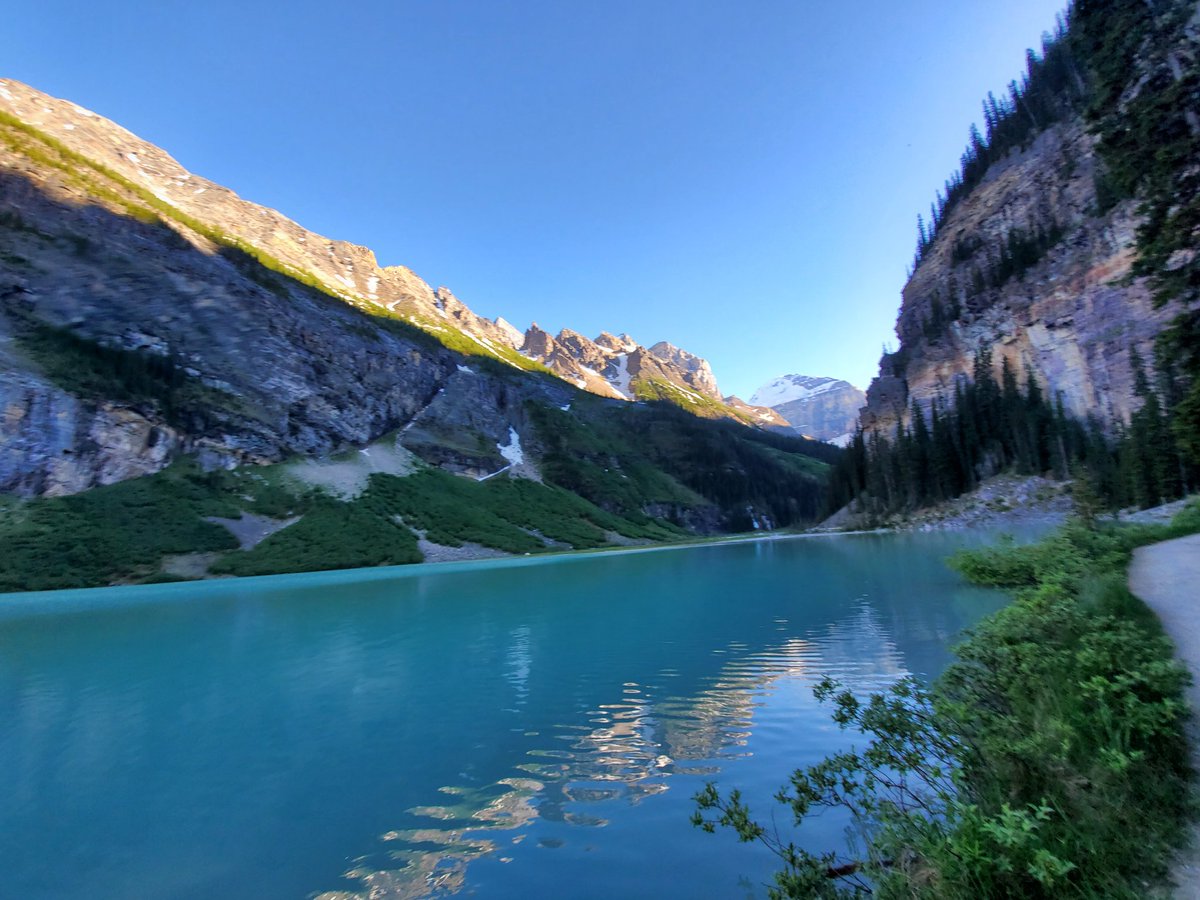
2/ My views II:
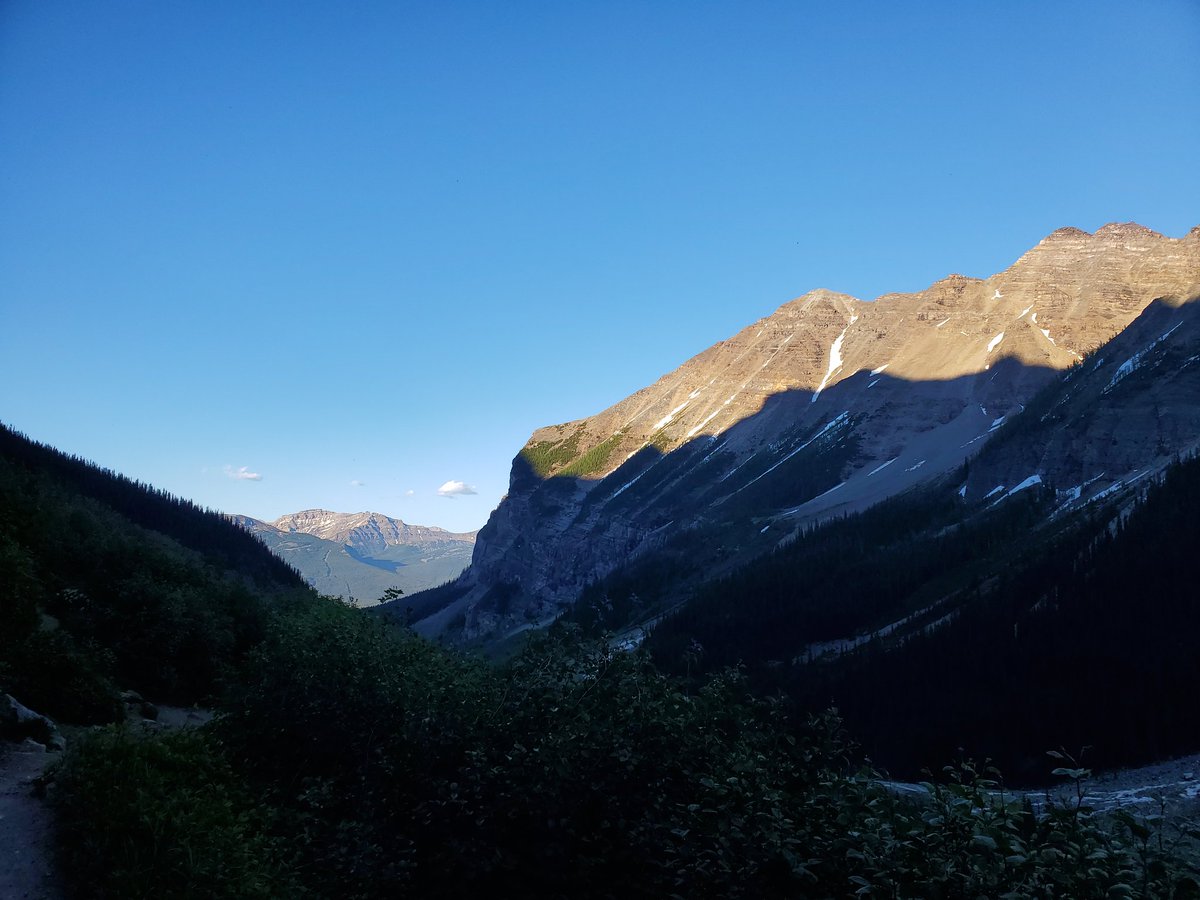
It has allowed for sometime to zoom out and gain perspective at a beautiful mountain.
It has allowed for sometime to zoom out and gain perspective at a beautiful mountain.
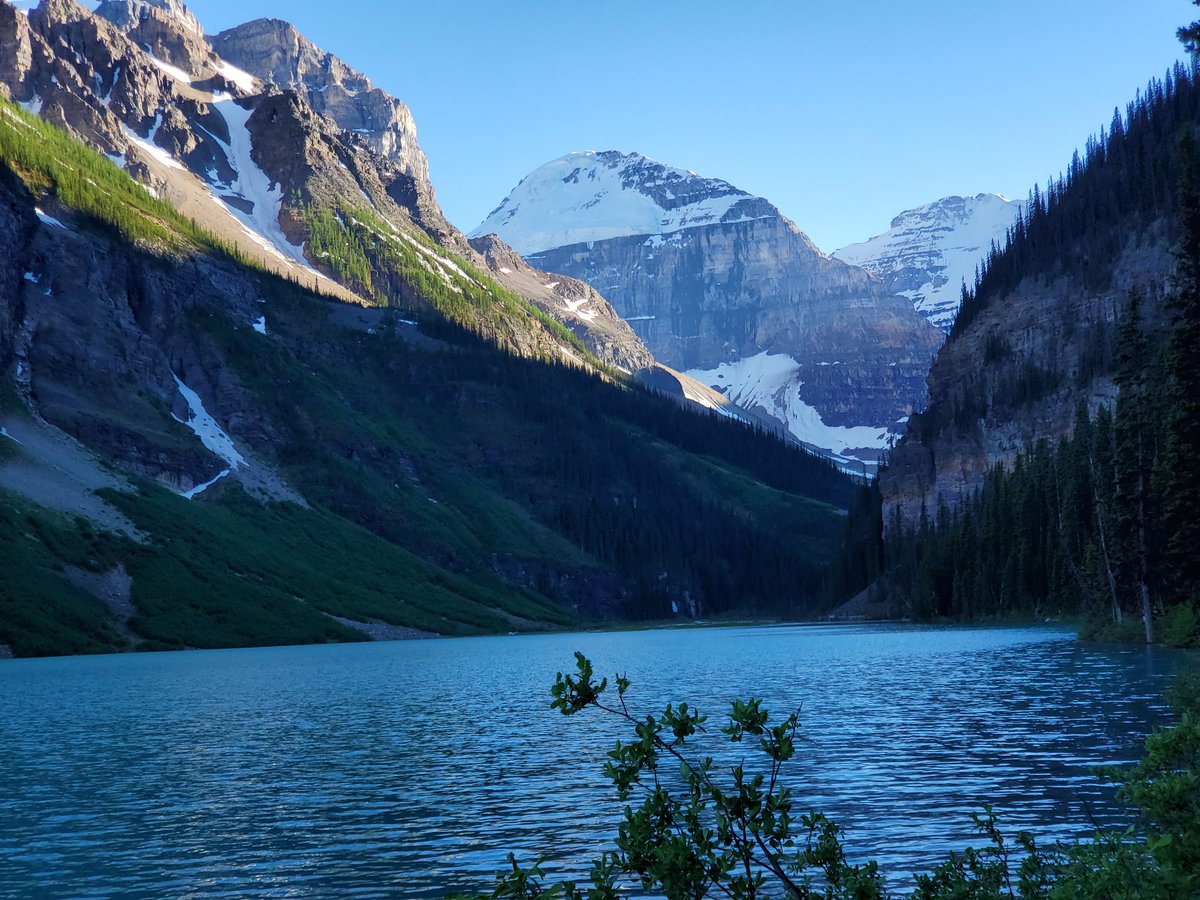
3/ Views III:
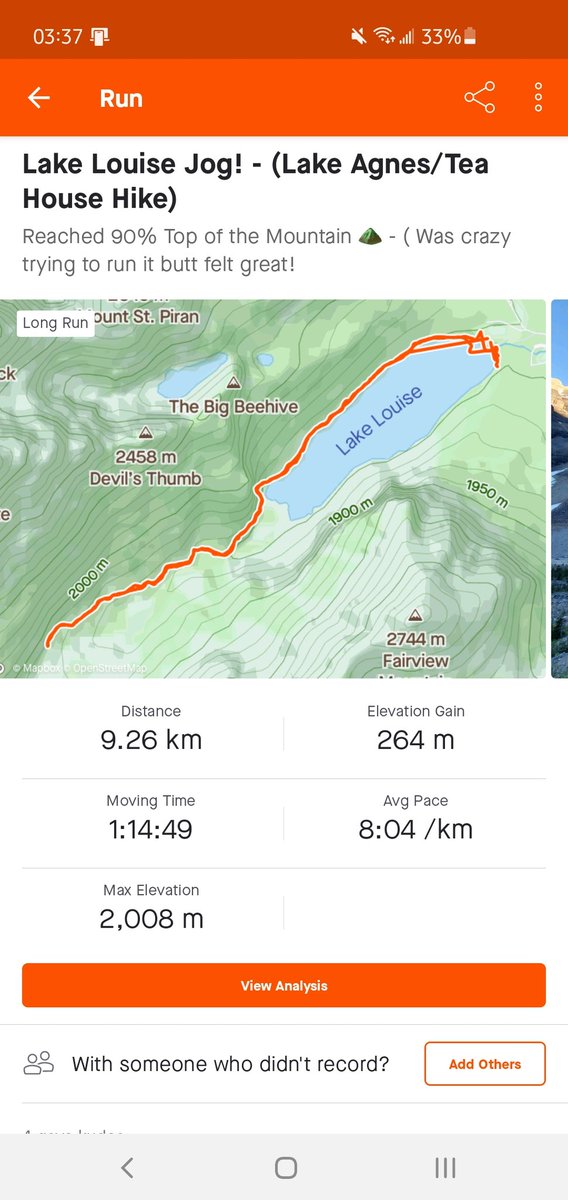
I'm a runner. I hiked/ran this mountain (over 2000 elevation).
The more the body is worked, the clearer the mind.
I've always seen Investing and Marathons as intertwined. To be a successful investor, you need endurance, focus, tough mindset and LT perspective.
I'm a runner. I hiked/ran this mountain (over 2000 elevation).
The more the body is worked, the clearer the mind.
I've always seen Investing and Marathons as intertwined. To be a successful investor, you need endurance, focus, tough mindset and LT perspective.
"Why bankers can’t stop running"
"The glee of Every second banker I meet seems to be either training for or recovering from a marathon, or attempting a more arduous challenge."
A good article that breaks down what binds running and finance so tightly.
amp.ft.com/content/722dee…
"The glee of Every second banker I meet seems to be either training for or recovering from a marathon, or attempting a more arduous challenge."
A good article that breaks down what binds running and finance so tightly.
amp.ft.com/content/722dee…
• • •
Missing some Tweet in this thread? You can try to
force a refresh