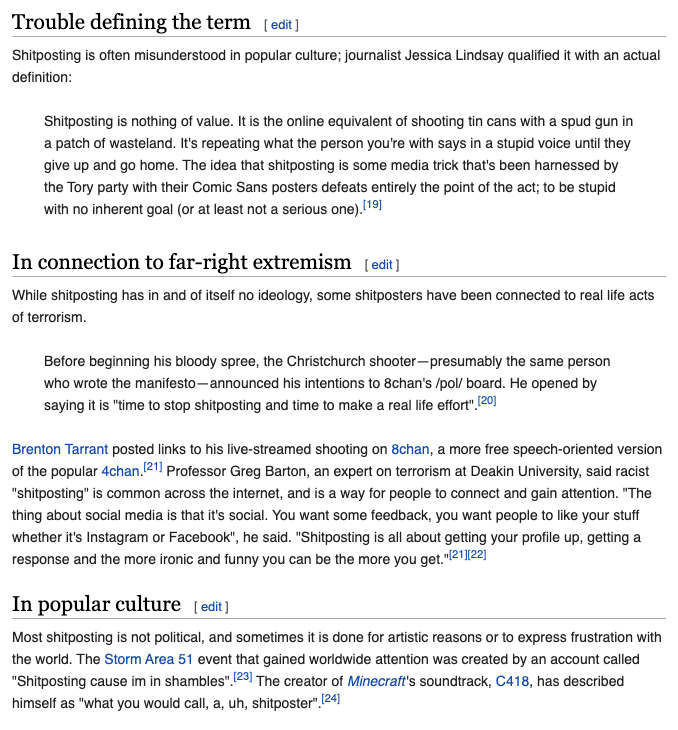
finally found a way to point at wikipedia's unfortunate weakness: the wikipedia page on shitposting is absolutely terrible. it's a bluecheck's understanding of shitposting
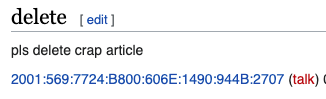
to wikipedians' credit, some of them are aware of this problem and try to talk about it in the Talk page, but the nature, style, etc of wikipedia is such that they can't really do anything about it
in my view, shitposting is basically indifference to authority, indifference to legitimacy, [fart]. some of the best and worst content in the world is shitposting. but authority is fundamentally opposed to admitting this. "source? citation needed" here's your citation: [fart]
I love wikipedia tremendously and I am very grateful for it but it cannot be everything, it has limits and weaknesses like anything else
• • •
Missing some Tweet in this thread? You can try to
force a refresh

you may have to talk to 10,000 people before you find your McCartney (and I argue that it’s worth spending 10 years talking to 3 people a day until you do), but the mistake many people make is pandering to the 10k instead of focusing on finding McCartney
a question I’d explore to try and look for an interesting answer to this, which probably might end up too obscure to fulfill the original query but would still be interesting to know:
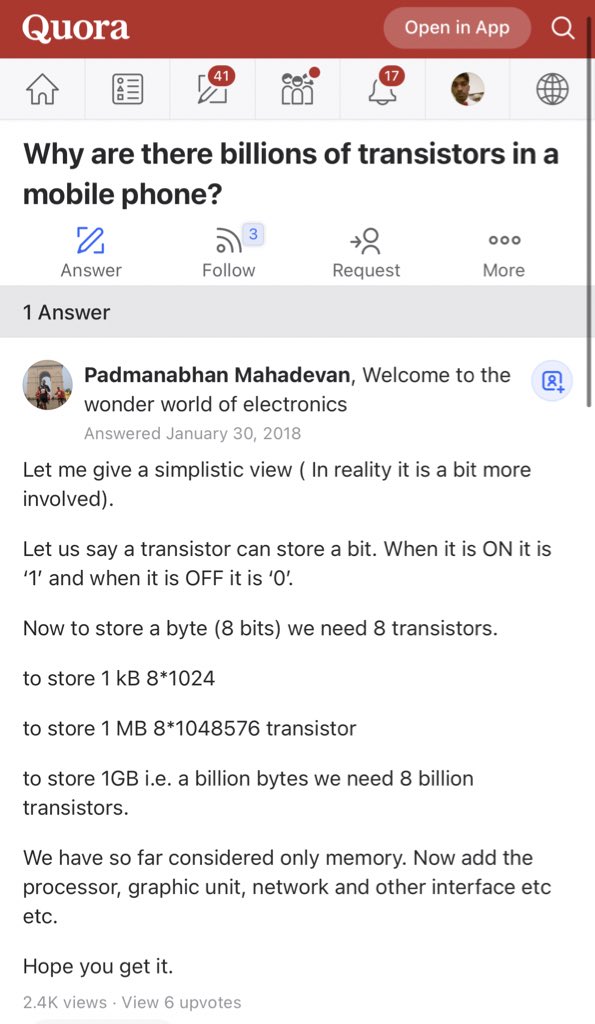
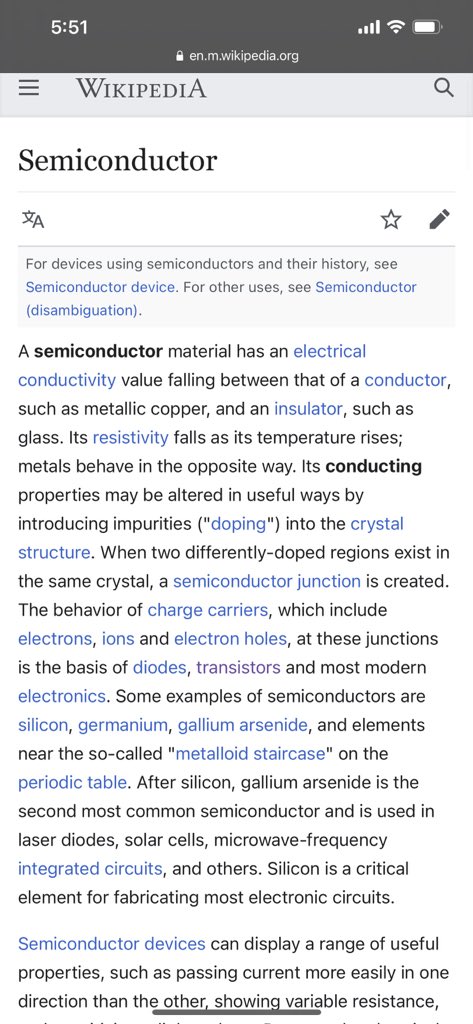
which material innovations were most significant in allowing for the ubiquity of smartphones?
one bottleneck is batteries. iPhones use lithium ion batteries. Prototypes throughout 70s, 80s. Nobel Prize for Chemistry in 2019 nobelprize.org/prizes/chemist…
another bottleneck is computing power… basically a function of transistors… silicon, right?
1. nobody has the time to do everything they want to do
2. the people who take the trouble to prioritize what they want, and then focus on doing whatever is most important to them, are almost never the ones who are anxious about (1)
it's interesting because there isn't actually an immediately obvious reason why this would be the case
A person who is prioritizing is still not succeeding at the impossible task of doing everything they want to do, and so they would still have the same *reason* to be anxious
so this suggests to me that the model is wrong. (all models are wrong, yea yea)
people aren't anxious because there's more than they can do
people are anxious because they aren't doing what they know is their best
if you know that you're doing your best, you sleep pretty good
sometimes my cat wants to look out of the window, so I carry her to look, and I can watch her and feel her looking at all the things going on outside. and then I can feel when she's done – she starts to gently turn to wherever she wants to go instead, and I put her down
I enjoy this little non-verbal dance of shared understanding
I remember reading once about some guy who did this with his infant child, and how he would respond to her gestures, carrying her higher or lower as she wished, and how after a while she was basically piloting her dad around like a human mech. Makes total sense to me