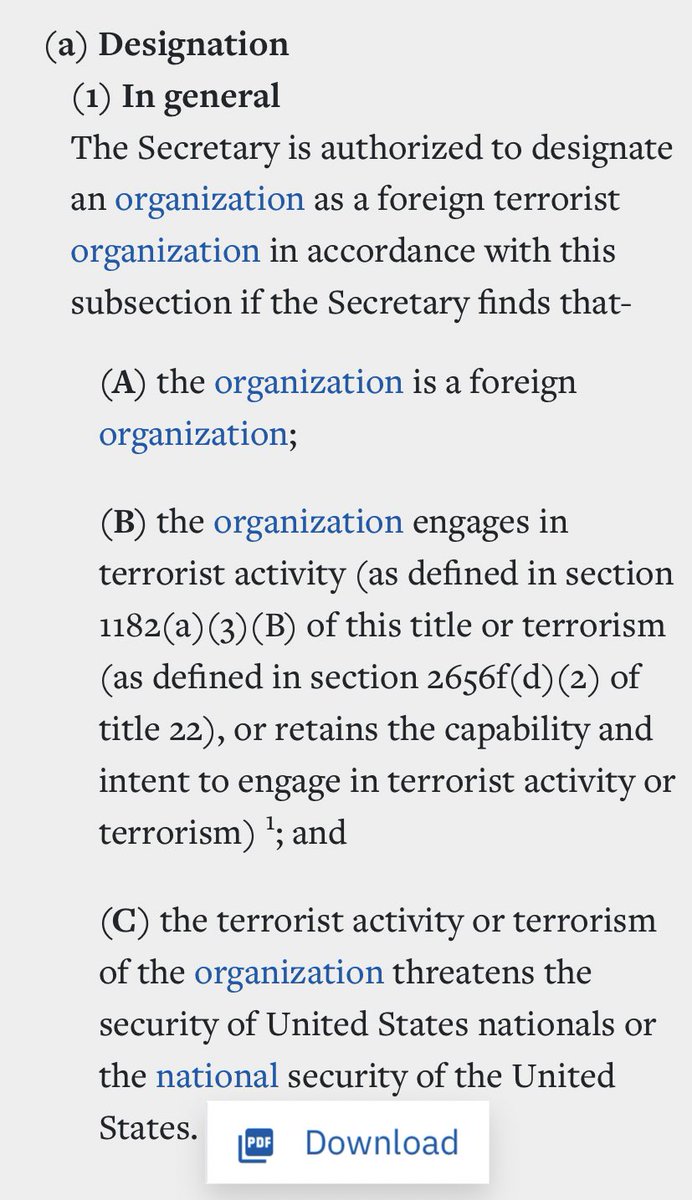
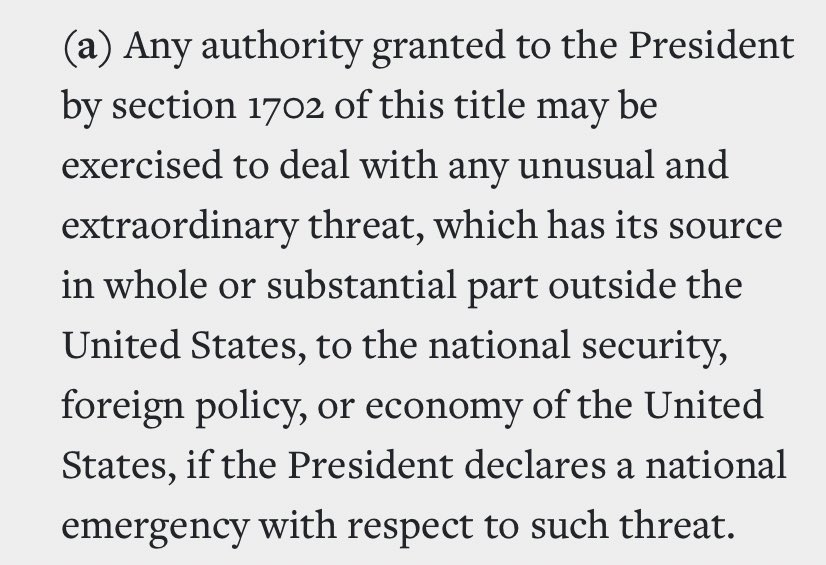
This should not be surprising, nor is it unprecedented.
The Biden administration has had success diplomatically engaging with the Taliban over the Doha Agreement and Kabul airport.
Keeping those lines of communication may be the best way to secure U.S. interests moving forward.
The Biden administration has had success diplomatically engaging with the Taliban over the Doha Agreement and Kabul airport.
Keeping those lines of communication may be the best way to secure U.S. interests moving forward.
https://twitter.com/AFP/status/1427720341477072896
Nor would this move necessarily mean recognizing the Taliban. The U.S. maintained a diplomatic presence in Afghanistan from 1979 until 1989, even though it did not recognize any party as the legitimate government.
See, e.g., this 1990 memorandum:
2009-2017.state.gov/documents/orga…
See, e.g., this 1990 memorandum:
2009-2017.state.gov/documents/orga…

People associate diplomatic relations with some sort of moral approbation, but that's not the case.
States sometimes sever diplomatic relations, but that's usually saved for circumstances where diplomacy is seen as no longer paying dividends, not just a sign of distaste.
States sometimes sever diplomatic relations, but that's usually saved for circumstances where diplomacy is seen as no longer paying dividends, not just a sign of distaste.
Frankly, lines of communication can be more important with rivals than with allies. And that's what diplomats help ensure.
The past week has shown that things can be accomplished by engaging with the Taliban, however difficult.
It's smart for the U.S. to keep that option open.
The past week has shown that things can be accomplished by engaging with the Taliban, however difficult.
It's smart for the U.S. to keep that option open.
• • •
Missing some Tweet in this thread? You can try to
force a refresh