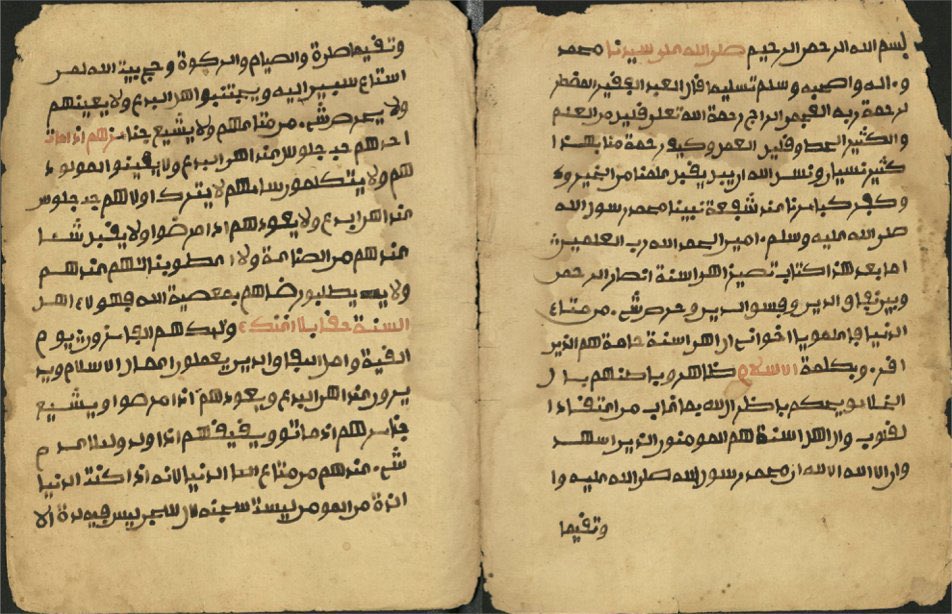
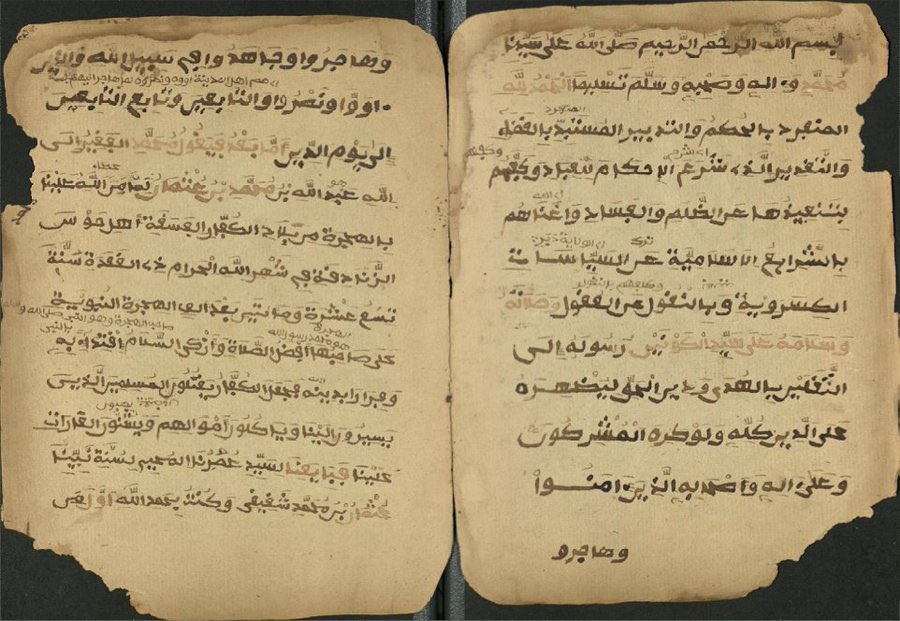
1. AREWA/HAUSA KNOT (DAGIN AREWA): THE ORIGIN.
Arewa knot remains a symbol used for decorating houses and clothing in every corner of Northern Nigerian.
Now what is it's origin and meaning?
#Thread
Arewa knot remains a symbol used for decorating houses and clothing in every corner of Northern Nigerian.
Now what is it's origin and meaning?
#Thread
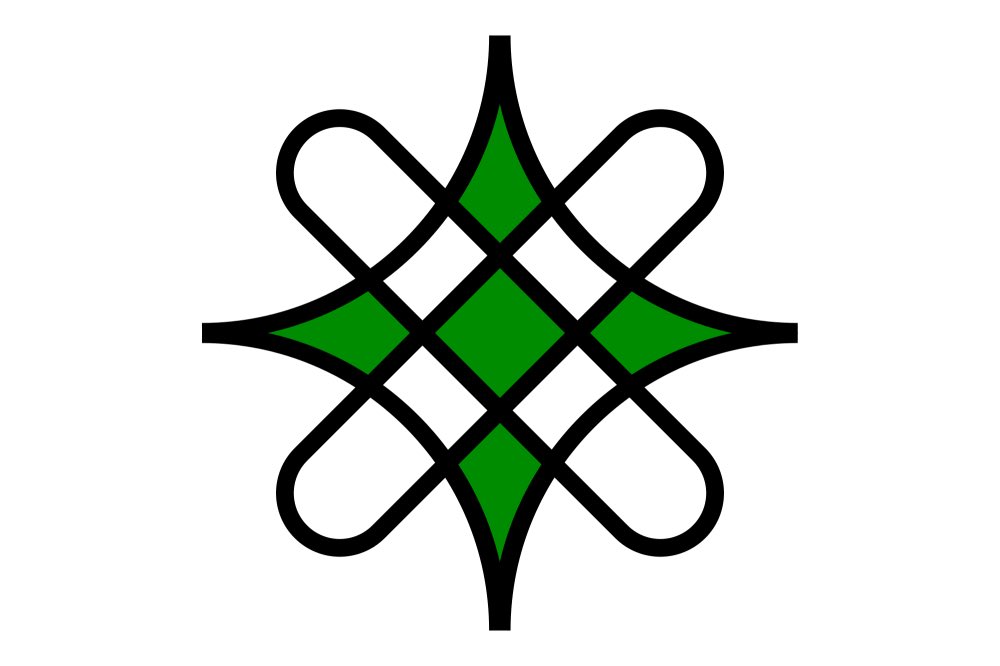
2. Let us start by saying that they are many accounts of the origin of the Arewa/Hausa eternal knot bt, the one we found fascinating is the one citing Judaic presence in Northern Nigeria
The genealogy of Jewish Hausa rulers is cited in several books e.g the book of Mr. Bubu Hama
The genealogy of Jewish Hausa rulers is cited in several books e.g the book of Mr. Bubu Hama

3. With Israel coming under Greek, Persian and later Roman rule and dependency, renewed waves of Jewish refugees including traders and artisans began to set up more communities in Egypt, Cyrenaica, Nubia and the Punic Empire, notably in Carthage.
4. Several Jewish nomadic groups also moved across the Sahara from Nubia and the ancient kingdom of Kush towards West Africa. (Uwechia, 2007).
5. Going back to the origin of Hausa people, and asking the questions of;
Where did they migrate from?
Did they come in contact with any community using the same or similar symbol in the past?
Did they draw this symbol from them?
Where did they migrate from?
Did they come in contact with any community using the same or similar symbol in the past?
Did they draw this symbol from them?
6. In answering these questions, we could not find any tribe which came in contact with Hausas and used a similar symbol in the past except the Jewish Seal of Solomon (Known as Star of David).

7- They bear identical geometric arrangements.

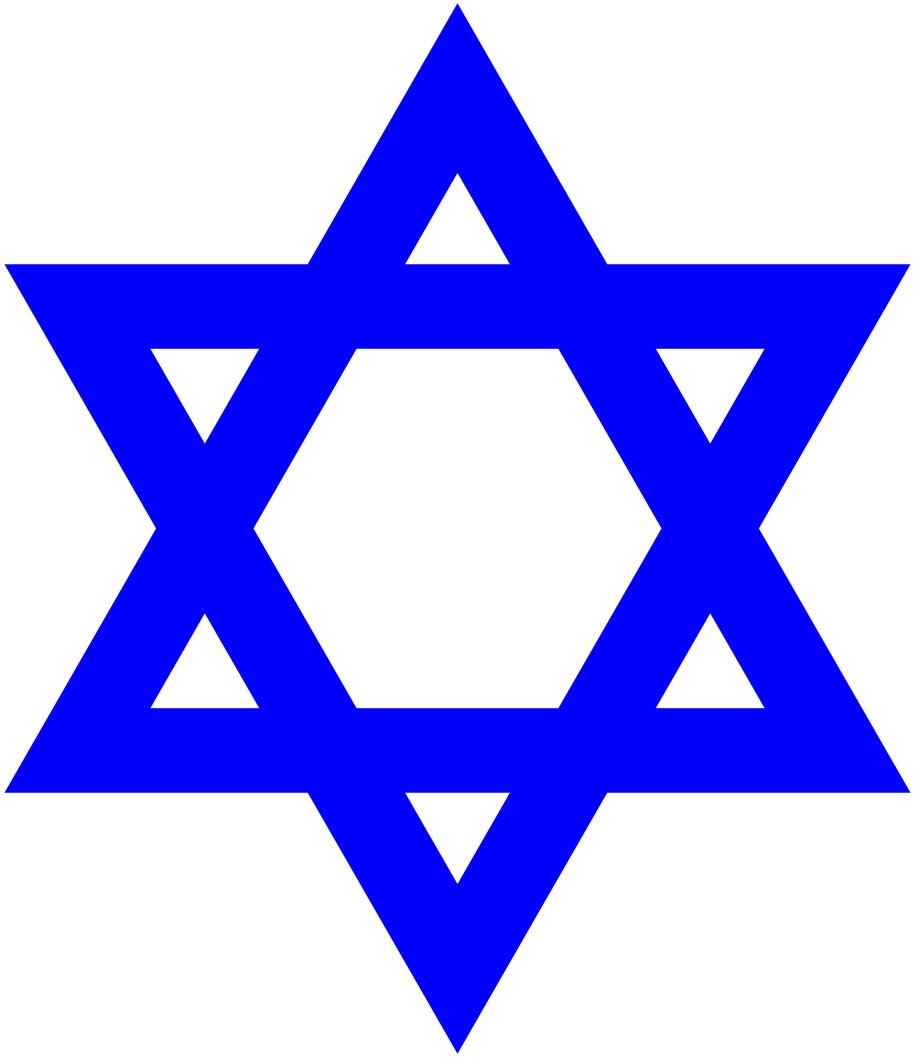
8- The Hausa people were said to have migrated from a place called Nubian situated between the Northern Sudan & Southern Egypt 500 A.D which was then under the Ethiopian Empire, settling at their present location & establishing several states fighting each other.
9-This coincided with the account of Jewish migration to West African states.
Meek C.K in his “Northern Nigeria Tribes” recorded that, according to local traditions, Diallaiman was a member of one of the Ethiopian-Jewish colonies transplanted from Yemen to Ethiopian-Abyssinia.
Meek C.K in his “Northern Nigeria Tribes” recorded that, according to local traditions, Diallaiman was a member of one of the Ethiopian-Jewish colonies transplanted from Yemen to Ethiopian-Abyssinia.
10. in the 6th century C.E. Dialliaman was said to have moved to West Africa along with his brother. They set up the Jewish community in Northern Nigeria which later merged with the famous 7 Hausa States.
11. Also According to Abdurahman Bin Abdullah Assa’adi in his book Tarikh Assudan (translated by O.Houdas) mentioned that a Jewish community was formed by a group of Egyptian Jews, who had traveled to West Africa through Chad.
12. Some other recorded accounts for the Jewish presence, especially in the Hausa community was from a 12th-century Ceuta-born geographer who wrote about (existence of these Judaic communities) Jewish Negroes in western Sudan.
13. Some of these established Jewish communities still exist in such renowned places as Gao, Timbuktu, Bamako, Agadez, Kano (most popular Hausa state)
UNESCO still maintains notable archives containing records of the old Jewish community of Mali & Hausa states (Uwechia, 2007)
UNESCO still maintains notable archives containing records of the old Jewish community of Mali & Hausa states (Uwechia, 2007)
14. Also, linguistically Hausa and Hebrew belong to d same language family; Afro-Asiatic family (Prof. Madurai)
According to Prof. Williams F. S. Hausa shares several similarities with Hebrew, such as 2nd person feminine pronouns and verbs.
According to Prof. Williams F. S. Hausa shares several similarities with Hebrew, such as 2nd person feminine pronouns and verbs.
15. The observation made by Lois Rose of the Hebrew History Federation about the Judaic influence of using the Seal of Solomon on clothing in Africa makes a strong case for Arewa eternal knot having a Judaic origin.
16. To my knowledge, Arewa Knot is the only symbol used in ancient fabrics woven in West Africa and instill been used in modern clothing by both Hausas, Yorubas, and others.
Written by Nura Yunusa.
• • •
Missing some Tweet in this thread? You can try to
force a refresh