💡From anti-cancer bread to super tomatoes: genetically-engineered food becoming available in the UK is closer than ever before.
Thread🧵⬇️
Thread🧵⬇️
✅ The Department for Environment, Food and Rural Affairs has removed certain regulatory restrictions.
...meaning scientists in the UK can now apply to conduct field trials of gene edited crops for the purpose of food production
...meaning scientists in the UK can now apply to conduct field trials of gene edited crops for the purpose of food production
Scientists in Harpenden are hoping to create the world’s first anti-cancer bread
🌾 The wheat plant’s DNA is being tweaked to produce less of an amino acid called free asparagine, which when cooked can create a chemical linked to cancer
🌾 The wheat plant’s DNA is being tweaked to produce less of an amino acid called free asparagine, which when cooked can create a chemical linked to cancer
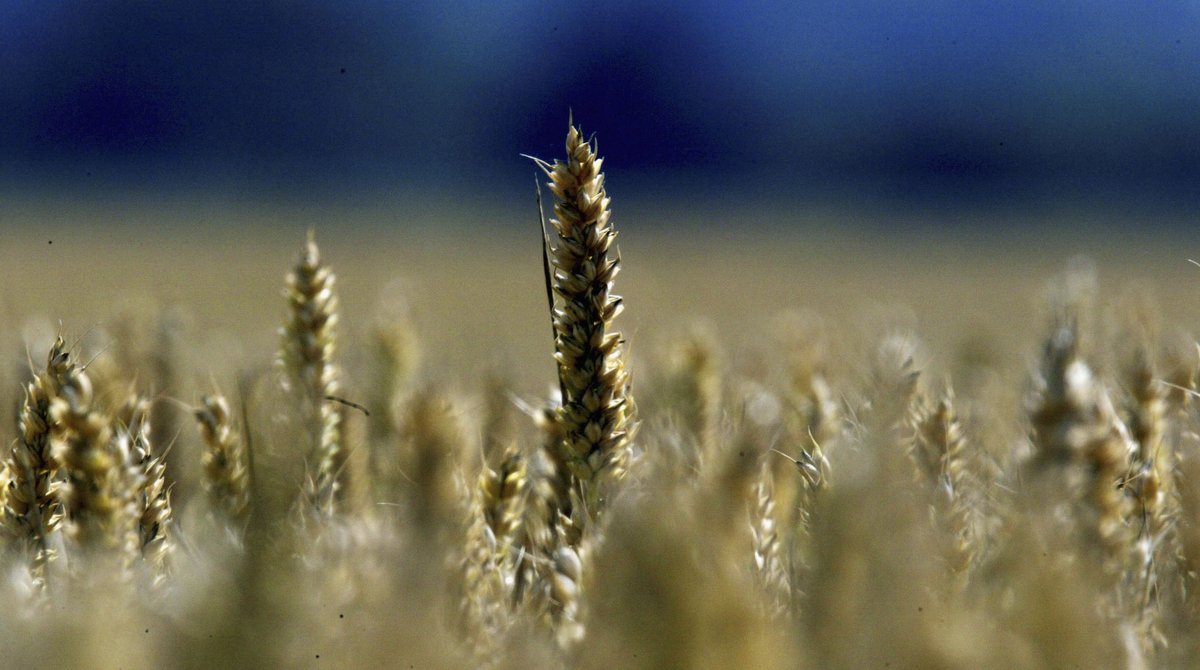
Elsewhere in the world gene-edited foods are already becoming available to consumers...
🍄 In the US and Canada, a non-browning mushroom is on the market after breeders found a way to delete the gene which controls the browning enzyme
telegraph.co.uk/health-fitness…
🍄 In the US and Canada, a non-browning mushroom is on the market after breeders found a way to delete the gene which controls the browning enzyme
telegraph.co.uk/health-fitness…
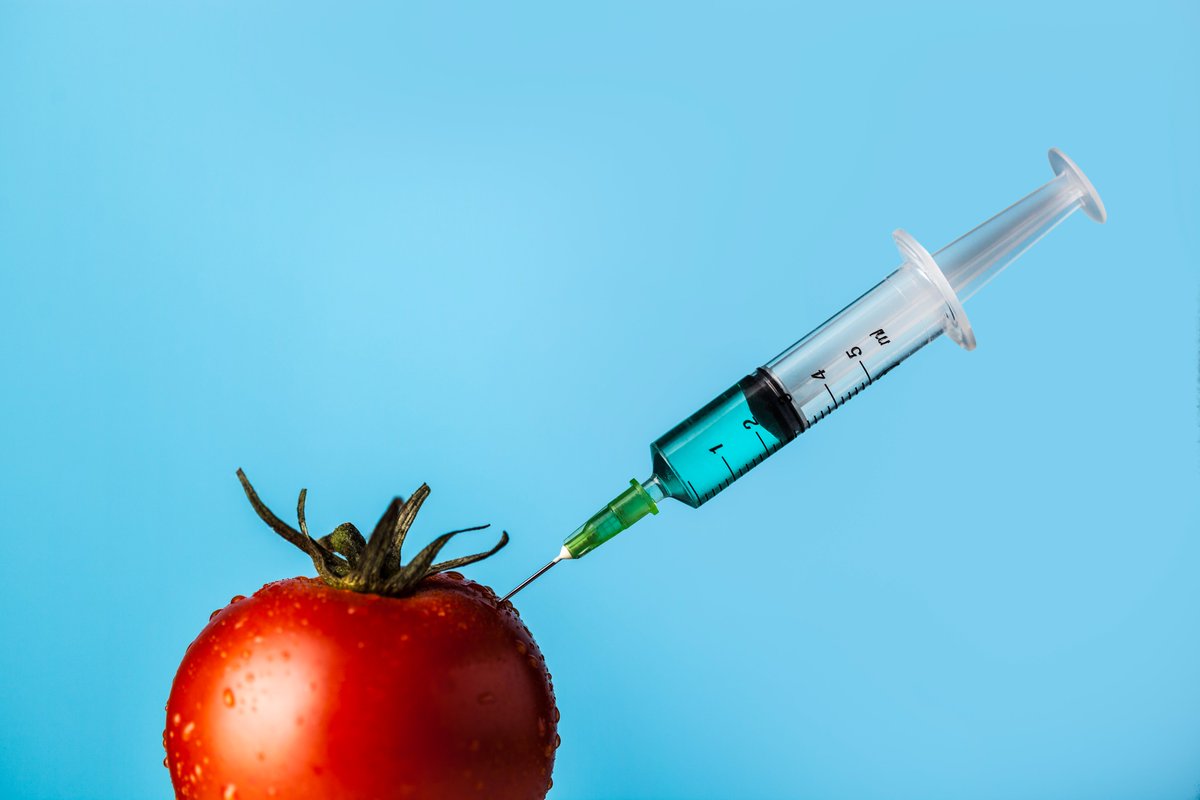
🍅 Last year, Japan authorised the production and sale of a genetically modified tomato
Scientists managed to tweak the tomato genome so that it contains 5x the normal amount of an amino acid called GABA, which is thought to lower blood pressure
Scientists managed to tweak the tomato genome so that it contains 5x the normal amount of an amino acid called GABA, which is thought to lower blood pressure
🫀 A number of projects are looking to tweak ordinary vegetables to try and fight cardiovascular disease.
US researchers are developing gene-edited soy beans which contain fewer saturated fatty acids and produce fewer hazardous chemicals when fried
US researchers are developing gene-edited soy beans which contain fewer saturated fatty acids and produce fewer hazardous chemicals when fried
🐟Gene editing is also likely to be used in the meat and fish industry.
Farmed sea bream, treated with genome editing technology so that they have a meatier fillet, went on sale earlier this month in Japan
telegraph.co.uk/health-fitness…
Farmed sea bream, treated with genome editing technology so that they have a meatier fillet, went on sale earlier this month in Japan
telegraph.co.uk/health-fitness…
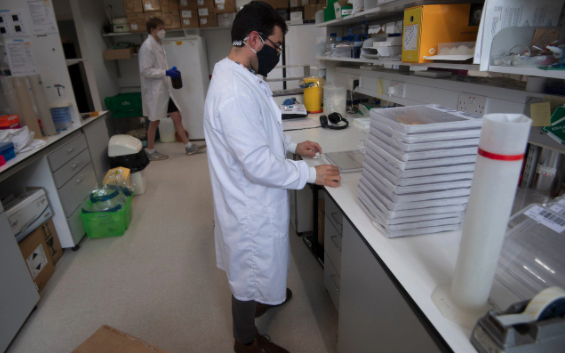
🌍 However, one of the biggest benefits of gene-editing could be in terms of sustainability and reducing the impact of farming on the environment.
For example, improving the nutrient use of plants could mean using less fertiliser
For example, improving the nutrient use of plants could mean using less fertiliser
Crops could also be created which are more resistant to the impact of climate change.
🗣️ Jonathan Menary at the University of Oxford said: “Gene editing techniques will give us the ability to respond rapidly to these changes”
🗣️ Jonathan Menary at the University of Oxford said: “Gene editing techniques will give us the ability to respond rapidly to these changes”
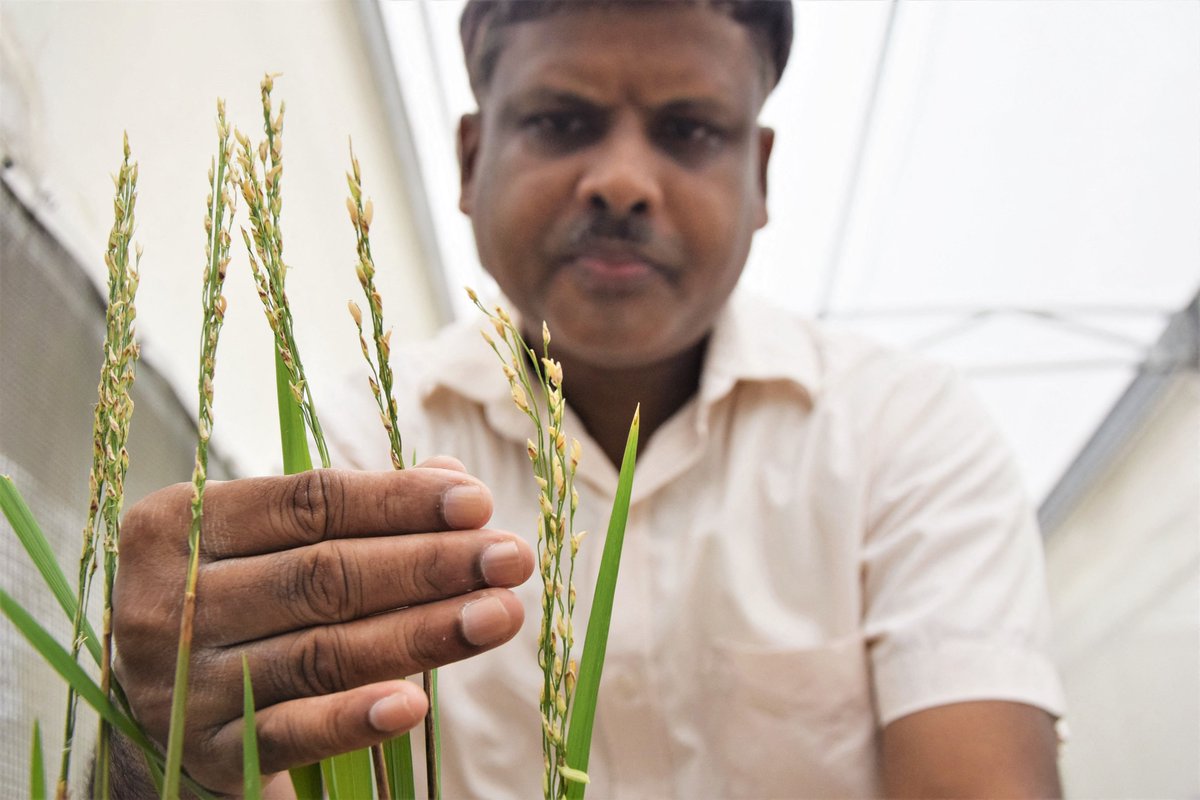
“It’s a watershed moment for plant science,” says Murray Grant, at the University of Warwick.
“Now scientists can think about taking the knowledge we’ve gained in the lab, and doing this much more rapidly”
Read more 👇
telegraph.co.uk/health-fitness…
“Now scientists can think about taking the knowledge we’ve gained in the lab, and doing this much more rapidly”
Read more 👇
telegraph.co.uk/health-fitness…
• • •
Missing some Tweet in this thread? You can try to
force a refresh