

Everything you wanted to know about inflation but were afraid to ask: A thread🧵[1/19]
Inflation in the US was 6.2% over the past year. This is the fastest pace in three decades. [2/19] 

Part of this is energy and food prices, which rose 30% globally due to the strong recovery from the pandemic and supply disruptions. This has nothing to do with US policies—it is a global phenomenon. [3/19]

The rest of US inflation is largely due to rising prices of goods, especially durable goods like cars and furniture. [4/19]

Some people, including former US treasury secretary @LHSummers, claim the Biden administration stoked inflation by injecting “too much stimulus” into the economy. @gzeromedia #GZEROWorld [5/19]
I disagree. The pandemic called for a forceful fiscal response to avert mass unemployment, bankruptcies, and poverty. [6/19]
ianbremmer.bulletin.com/413356163778138
ianbremmer.bulletin.com/413356163778138
Thanks to the American Rescue Plan, the economy is now booming: bankruptcies were avoided, jobs are plentiful, wages are growing, households are flush, & absolute poverty is down. If the price to pay was a temporary increase in inflation, it was worth it. [7/19]
And, despite rising inflation, the economy is by no means overheating, as evidenced by the fact that GDP is still 2.6% below pre-pandemic trend and employment hasn’t fully recovered. [8/19]
Rather than being caused by excessive government spending, inflation is a consequence of the pandemic, which shifted spending away from services and toward goods, destroyed productive capacity, disrupted supply chains, and reallocated labor. [9/19]
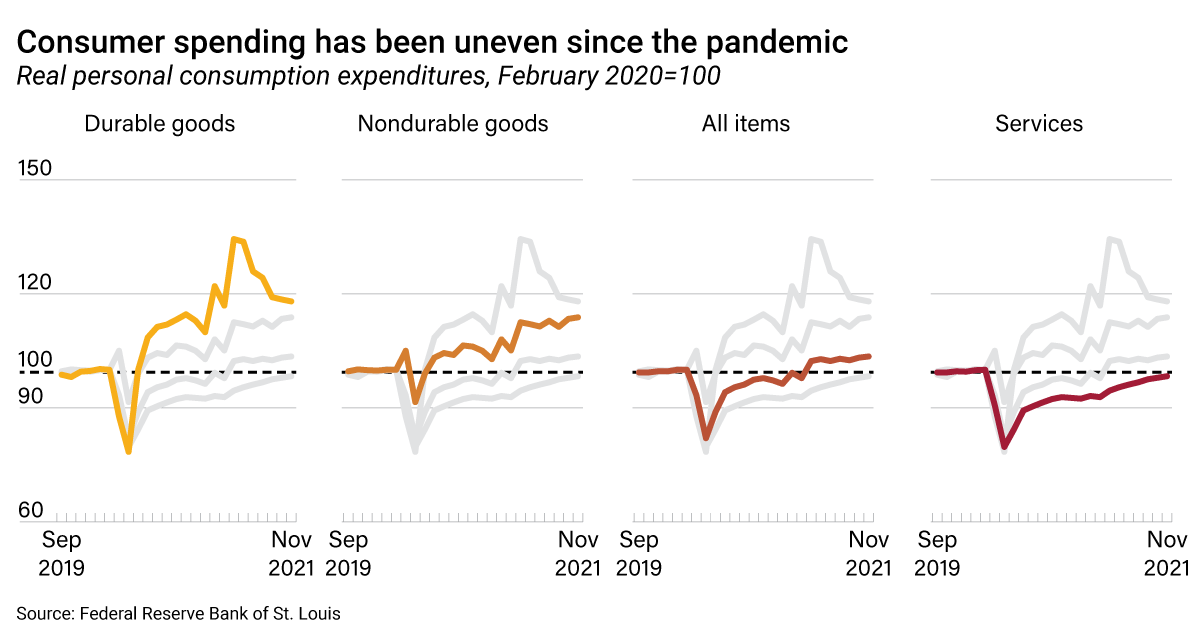
The surge in demand for goods was so massive and unexpected that it overwhelmed global supply chains. But the pandemic also exposed vulnerabilities in our just-in-time mode of production that were always there, bottlenecks in waiting. [10/19]
ianbremmer.bulletin.com/10361598238892…
ianbremmer.bulletin.com/10361598238892…
The story is similar outside the US. Inflation has increased almost everywhere for the same reason: the pandemic. [11/19]
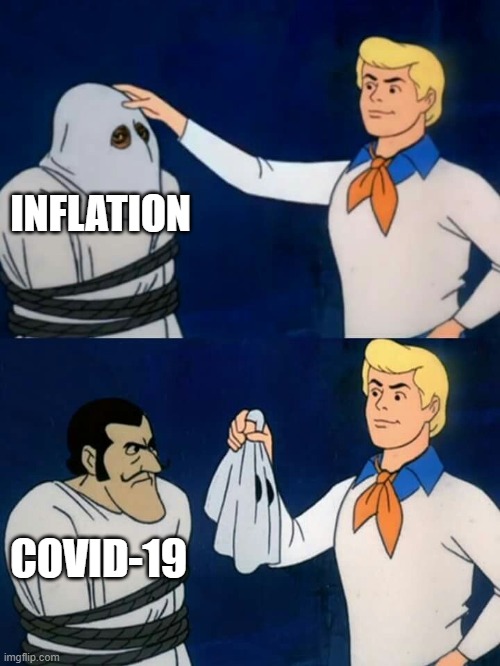
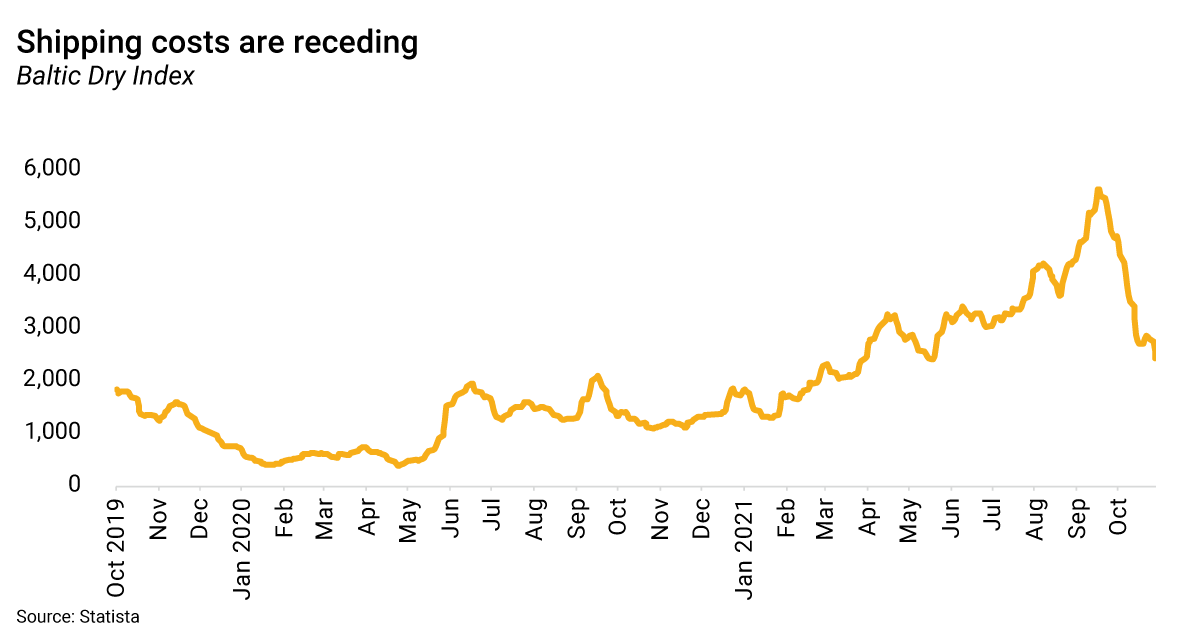
What this means is that once the pandemic fades over the next year (fingers crossed about Omicron), inflation should gradually come down. There are strong signs this is already starting to happen. [12/19]
In the meantime, though, inflation will have an impact on household budgets, consumer confidence, and US politics. [13/19]
ianbremmer.bulletin.com/26496049900710…
ianbremmer.bulletin.com/26496049900710…
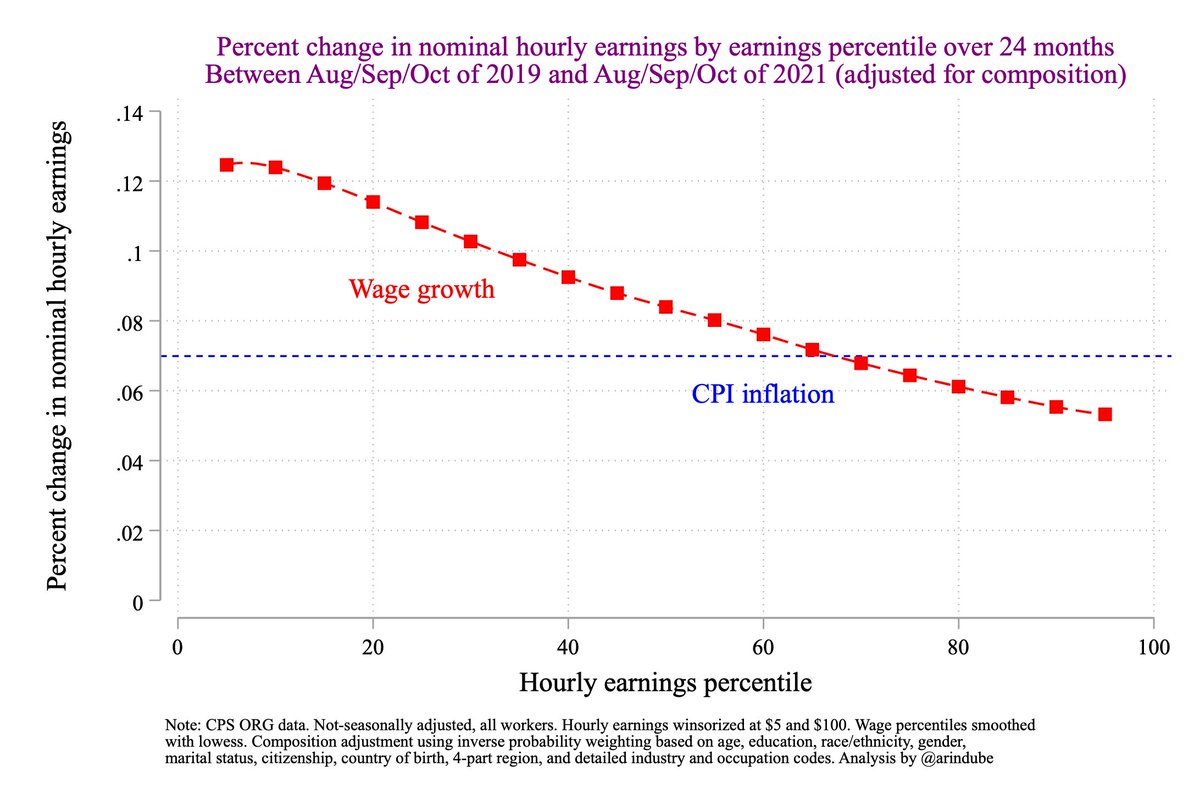
While conventional wisdom is that inflation hurts the poor the most, for most Americans wages have actually kept up with rising prices. Including the extra relief they got during the crisis, America’s poorest are doing better than before the pandemic. [14/19]
But people still really hate the idea of inflation, even when it’s not hurting them personally. According to @LHSummers, it’s because “a society where inflation is accelerating is a society that feels out of control.” @gzeromedia #GZEROWorld [15/19]
That explains why consumer confidence in the economy is lower today than in 2009, when the Great Recession was still underway. [16/19]
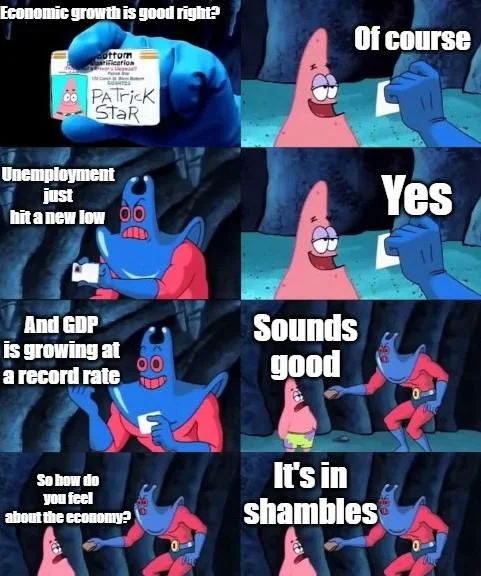
It’s also dragging Biden’s approval to new lows, even though inflation is not his fault and there’s little he can do to make it better. [17/19]
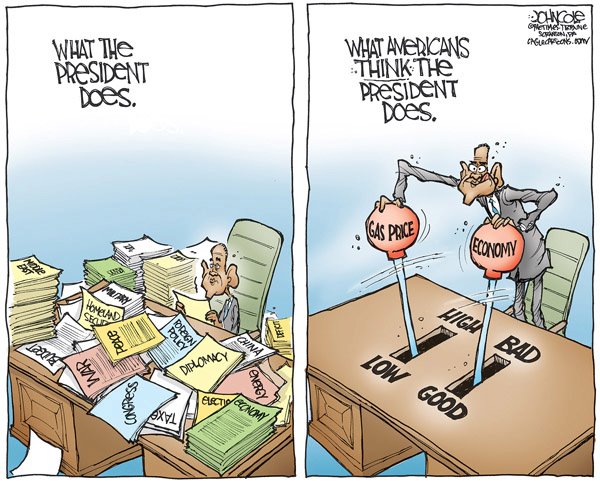
If he’s lucky, inflation will come down on its own in time for the midterms. It’ll be ugly for Democrats while, but elections aren’t for another year so the timing could be worse for them. [18/19]
If inflation is more persistent than expected, though, Democrats could face a bloodbath in November. (Either way they stand to lose the House and maybe the Senate, but that’s for another thread…) [19/19]
• • •
Missing some Tweet in this thread? You can try to
force a refresh





