So in view of today's conversation between Putin and Xi Jinping (and also as a reality check against the backdrop of exciting commentary that China and Russia have become allies), let's briefly talk about the difference between an alliance and an alignment.
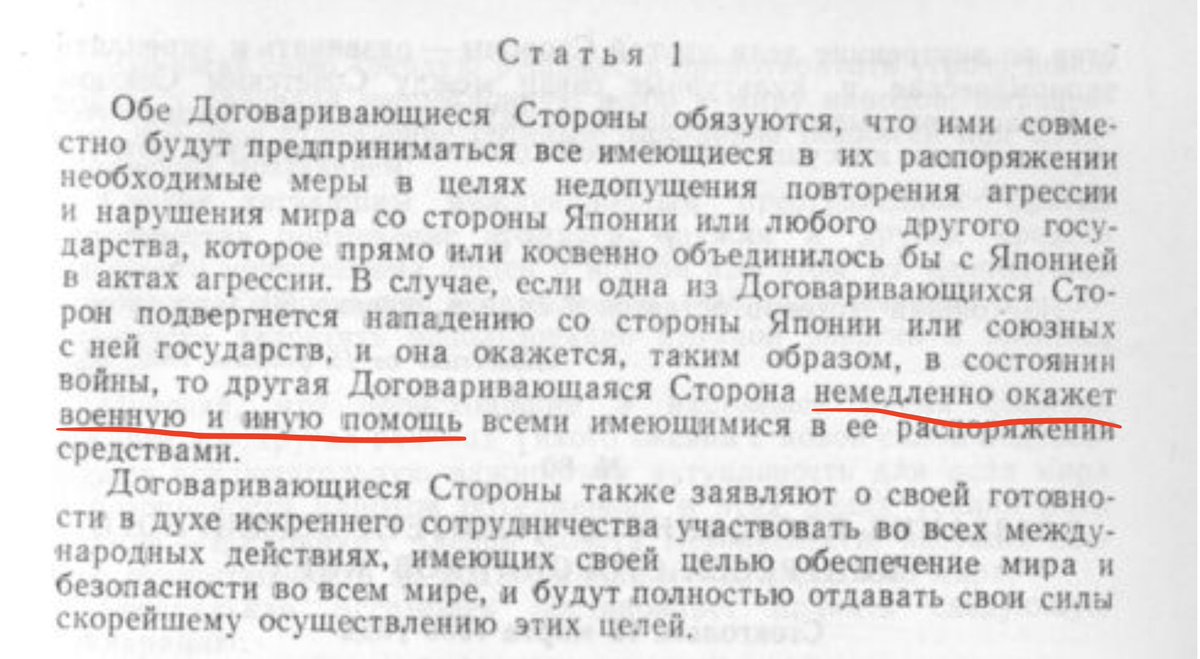
An alliance entails a commitment to come to mutual defence. NATO is an alliance. This commitment is contained in Article 5. The Sino-Soviet treaty of 1950 was an alliance. Article 1 committed parties to provide "immediate military and other aid" in case of attacks by a 3rd party.
Alliances go deeper and wider, and, in NATO's case, for example, include centralised command, interoperability etc. These are secondary, however, to the basic commitment to enter the fray in case of a military conflict. You don't have this with Russia/China.
The Sino-Russian alignment is based on shared interests and shared values. It allows Moscow and Beijing to maintain a relative freedom of manoeuvre vis-a-vis one another. E.g. if China went to war against India, Russia would not have to side with China.
In 1959, when the two *were* allies, Moscow still decided not to side with China in the Sino-Indian clash, and this seriously contributed to undermining the alliance because the Chinese (justly) thought this was a case of Moscow selling out an ally. Don't have this now.
If a war erupted between, say, China and Taiwan or, say, Russia and Ukraine, the other side would not have to provide immediate military and other aid. It might instead maintain a benevolent neutrality or perhaps help the other side economically if it faced Western sanctions.
This is at least what the Russians are counting on. But there's another angle. By appearing "allied" with China, Moscow seeks to encourage the US to bribe it away by going easy on sanctions etc or yielding to its various demands on a long list of issues.
Thankfully, there are strategists in Washington who are only too happy to fall for this ploy, partly because they don't know the difference between an alliance and an alignment, and partly because they don't understand the complicated history of Moscow-Beijing relations.

• • •

Missing some Tweet in this thread? You can try to force a refresh

 

Keep Current with Sergey Radchenko

Sergey Radchenko Profile picture

Stay in touch and get notified when new unrolls are available from this author!

Read all threads

This Thread may be Removed Anytime!

PDF

Twitter may remove this content at anytime! Save it as PDF for later use!

Try unrolling a thread yourself!

how to unroll video
  1. Follow @ThreadReaderApp to mention us!

  2. From a Twitter thread mention us with a keyword "unroll"
@threadreaderapp unroll

Practice here first or read more on our help page!

More from @DrRadchenko

14 Dec
This here is extremely interesting from Putin's spokesman Dmitrii Peskov: tass.com/politics/13752…. In commenting on the forthcoming conversation between Putin and Xi Jinping (Dec. 15), he called the Chinese "allies."
Hang on a minute - who? Allies? Have Russia and China become allies? What's going here?
The simple answer is no. Russia and China do not have a treaty of alliance, and, in particular, any commitment to mutual defence in case of a conflict with a third party. This provision was contained in the 1950 Sino-Soviet treaty of alliance (Article 1).
Read 9 tweets
14 Dec
Ha. That's worth reading. Putin's speech at the meeting of the Supreme Eurasian Economic Council the other day: en.kremlin.ru/events/preside….
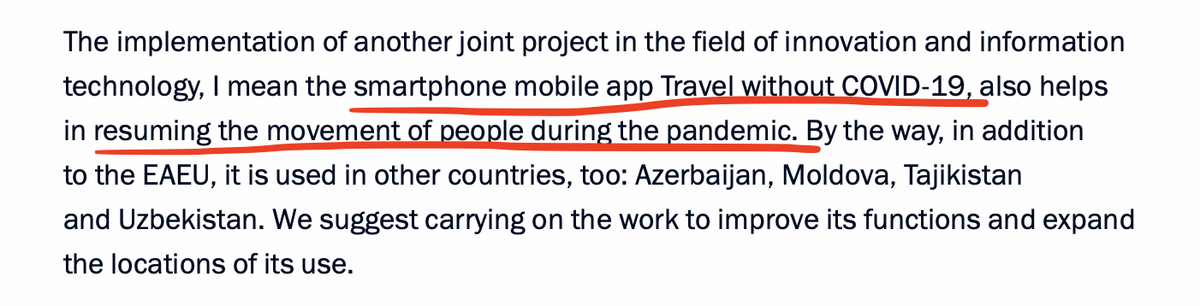
Putin praises the wonders of Eurasian economic integration. Like how about the wonderful new app called "Travel Without Covid" that helps the movement of people.
Of course you are all wondering whether he addressed this important new initiative that facilitates the movement of migrants to Russia. bloomberg.com/news/articles/…. The answer is: ummm, no.
Read 6 tweets
2 Dec
A few days after Fyodor Lukyanov's piece on the "Finlandization" of Ukraine, Lavrov proposes a "not one inch to the East" treaty at an OSCE conference in Sweden. Lots of interesting symbolism here. Won't fly very far (I mean his proposal). That's because the times are different.
When Gorbachev missed his opportunity to have Baker's "not one inch to the East" promise codified in a legally-minding agreement (on Feb. 9, 1990), the opportunity was actually there. That was because the USSR was no longer an enemy. Gorbachev could ride far on that goodwill.
But what Lavrov is peddling is much more analogous to Moscow's proposals of the 1950s like Stalin's note on Germany, or Moscow's calls for dismantling military blocs in Europe, or various Soviet universal disarmament initiatives: just propaganda (which they know is propaganda).
Read 4 tweets
2 Dec
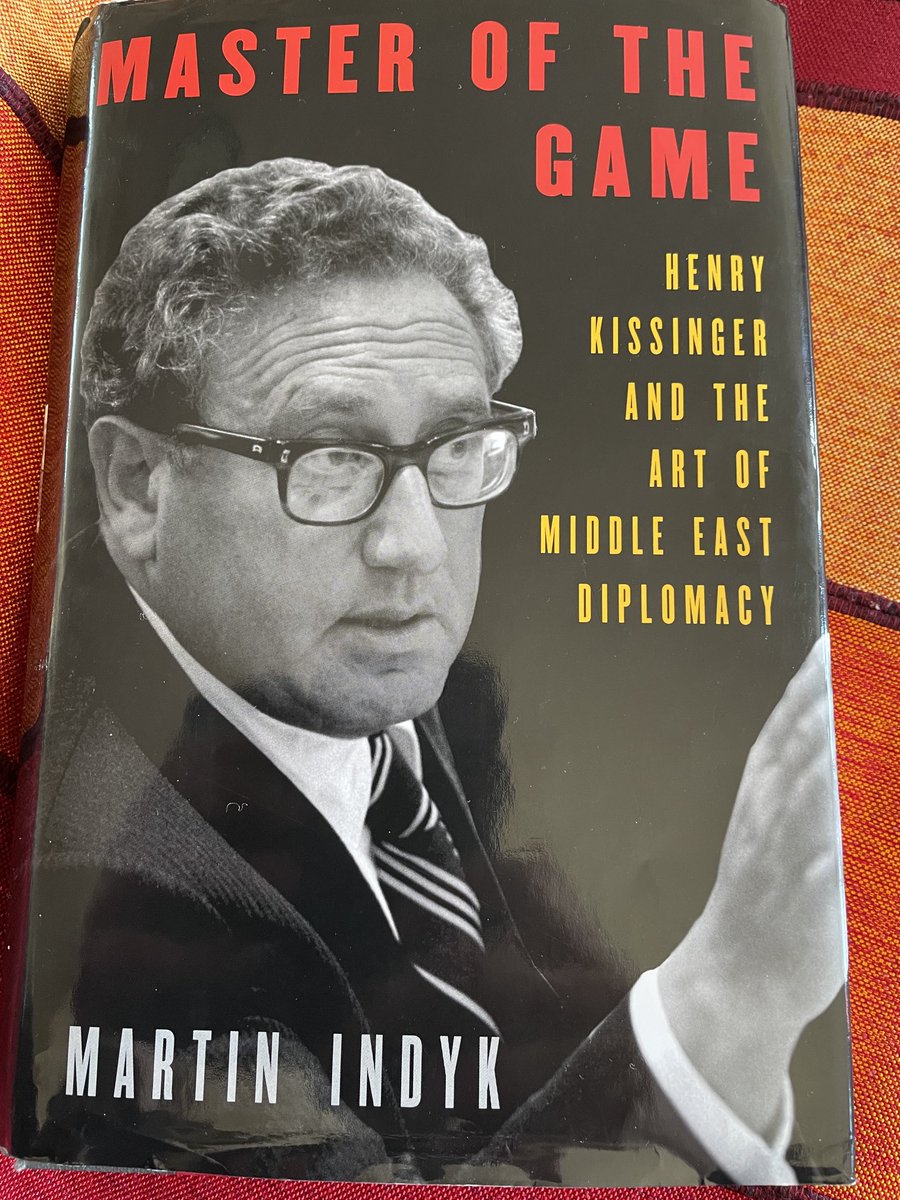
Current commuter read. Great stuff. Hard to disagree with Indyk that Kissinger outplayed the Soviets in the Middle East. Very skillfully done.
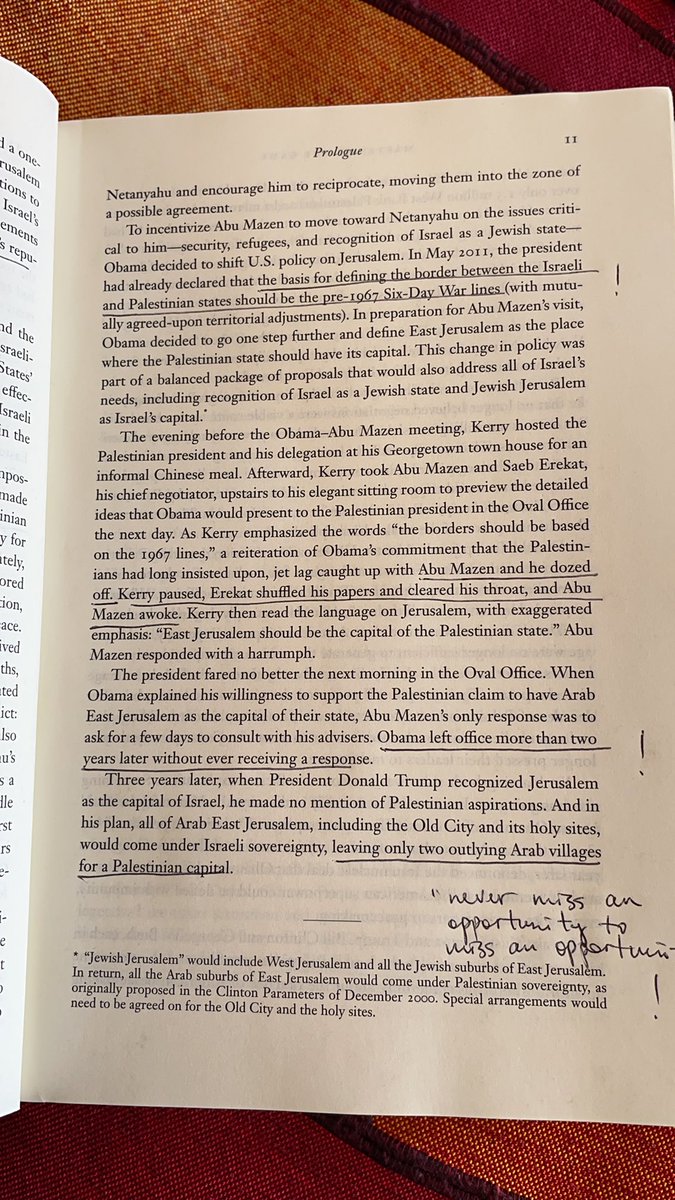
Sort of laughed out loud reading here about Obama’s meeting with Mahmoud Abbas. Indyk’s book is a memoir of a kind. He goes back and forth between Kissinger and the later years.
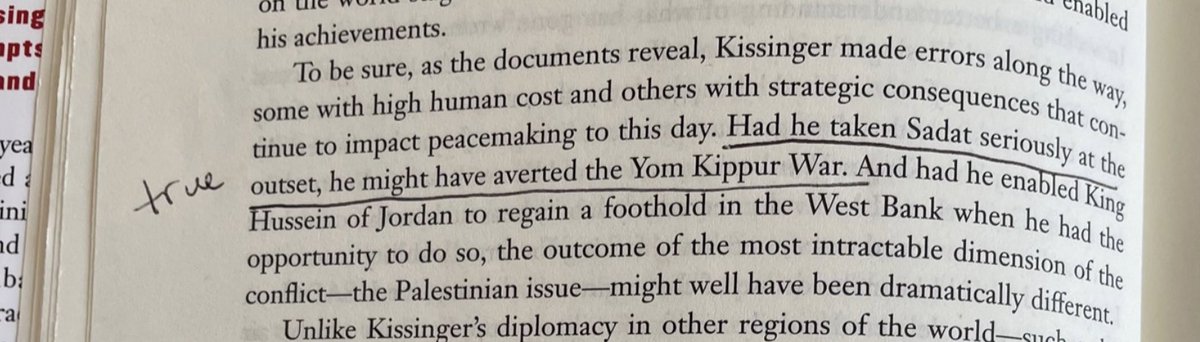
Generally very complimentary, Indyk can be critical of Kissinger's performance. Like here he argues Kissinger did not take Sadat seriously and so failed to avert the Yom Kippur War.
Read 5 tweets
1 Dec
An interesting statement. My SAIS American Foreign Policy class (some of whom are on Twitter): note the language. Remember we talked about this yesterday in the context of "Finlandization" of Ukraine, as proposed by Fyodor Lukyanov and recently also by @LievenAnatol in his piece.
Looks like a big middle finger to Putin from @jensstoltenberg, which will certainly feed Ukraine's hopes of eventually qualifying for NATO membership. Interesting, esp. given that there's no real intention in NATO to allow Ukraine to join.
It's the principle of Russia's veto that @jensstoltenberg objects to here even if this veto may never have to be used. Interestingly, it won't be used because it exists; i.e, NATO will probably be unwilling to find out whether Russia means business by putting the veto to a test.
Read 5 tweets
27 Nov
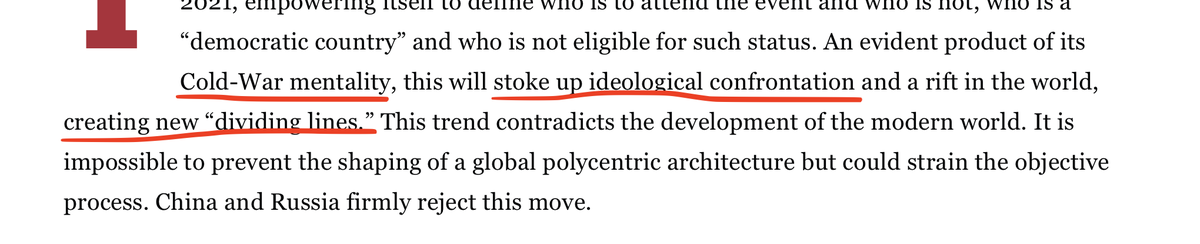
nationalinterest.org/feature/russia…. Oh my, the Russian and the Chinese ambassadors publish a joint op-ed against the forthcoming Summit for Democracy. Some juicy reading here, people.
So the basic premise is that the US should not hold such a summit because it will create unneeded ideological dividing lines.
BTW, the notion of "de-ideologizing" international politics goes back to Gorbachev. It was the cornerstone of his new thinking. By this he meant the rejection of Marxist-Leninist dogma that previously underpinned Soviet foreign policy. This here is also straight out of Gorbachev:
Read 10 tweets

Did Thread Reader help you today?

Support us! We are indie developers!


This site is made by just two indie developers on a laptop doing marketing, support and development! Read more about the story.

Become a Premium Member ($3/month or $30/year) and get exclusive features!

Become Premium

Too expensive? Make a small donation by buying us coffee ($5) or help with server cost ($10)

Donate via Paypal

Or Donate anonymously using crypto!

Ethereum

0xfe58350B80634f60Fa6Dc149a72b4DFbc17D341E copy

Bitcoin

3ATGMxNzCUFzxpMCHL5sWSt4DVtS8UqXpi copy

Thank you for your support!

Follow Us on Twitter!

:(