Horrific Stories Of The Brutality Of Slavery On Black Children By White Enslavers
Till today, many Africans do not fully know the extent to which African ancestors (children and babies) were brutalized by European and white American slave dealers.
Till today, many Africans do not fully know the extent to which African ancestors (children and babies) were brutalized by European and white American slave dealers.

The slavers were intentional about their brutality to the Black children, and it was to instill fear in the young ones, thereby making them grow into obedient slaves. This meant fewer run-away slaves for the slave masters and dealers.
It defies human imagination, the kind of cruelty that a human being could dish out to an innocent baby/child. This painful episode in our history points to the fact that slavery was not just an economic venture for the Caucasians, but also a means of slow genocide and
expression of draconian hate for black people. Pardon our language, but sometimes the truth needs not to be sugarcoated. The lives of those little children (numbering in their hundreds of thousands) were expendable to the slavers since many more could be gotten.
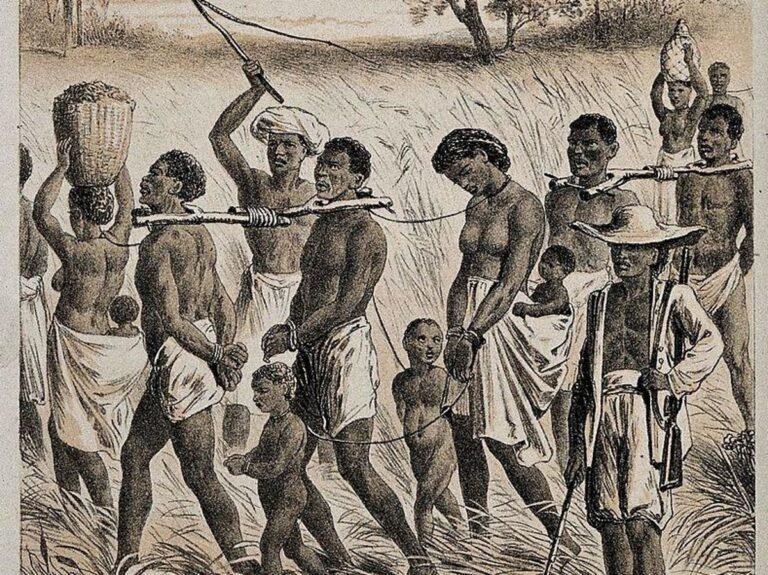
Some of these children were either given birth to inside breeding farms or were kidnapped with their mothers by slave dealers. These babies experienced firsthand the barbarity and viciousness of the Caucasian world.
They were beaten to a pulp, which often led to permanent disability or death. Many were snatched from the arms of their mothers and sold. Other babies were used as alligator bait (even though many in America has continued to deny this).
Now imagine being that child and experiencing the powerlessness, fear, and tears of your mother and father as you were being handed to a stranger.
Many of these children were kept in cages in breeding farms just like animals. They were exposed to the nasty and sick pedophilia practices rampant at the time, as slave owners and their friends violated these little black girls and boys.
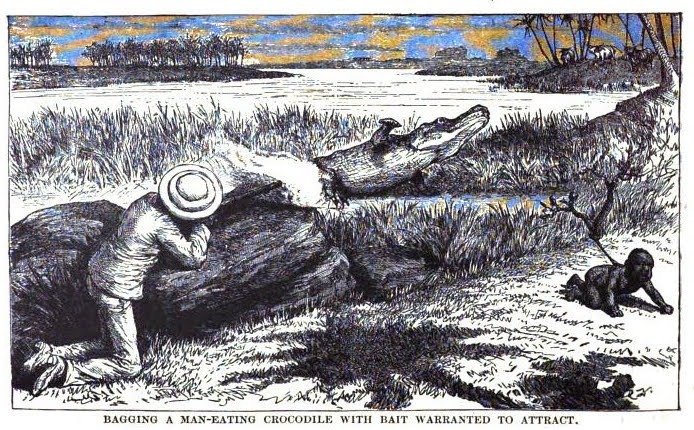
The experiences of these children were oftentimes physical, but that which had the most lasting and traumatizing effects was psychological torture. And these psychological traumas have been handed down through generations. The worst part is that the descendants of the
enslaved Africans are forced to deal with the genetic memory added to the present and continuous attack on their skin color and community. Sometimes when we talk about the harrowing experiences of Black people, some people in this generation push it aside as a non-issue.
They say “It happened in the past, so we should all forget and move on. The world is a global village now and the races have started to mix”. But these people know nothing about the journey of the black man and his encounter with the wickedness of the Caucasian world.
They don’t understand that history repeats itself and that the knowledge of the hurt of yesterday will help us deal with the issues of today.
There are many pieces of evidence of the Brutality Of Slavery On Black Children, and we would love to point you to some of them that were documented. Below are some instances where humanity wore the face of demons and attacked little children:
1834 Nassau – A Slave Master Sold 20 Children Given Birth To By One Woman
In a Book titled ‘Early Settlers Of The Bahamas‘, written by A. Talbot Bethell in 1937, a conversation with a newly freed slave was documented. It read:
“Massa,”said an old woman to Governor Colebrooke ”
In a Book titled ‘Early Settlers Of The Bahamas‘, written by A. Talbot Bethell in 1937, a conversation with a newly freed slave was documented. It read:
“Massa,”said an old woman to Governor Colebrooke ”
I have had 20 children. My Massa and Missus sole ’em all off. One of my gals was sole to buy young Missus a piano, and whenever I heard her play on it, I used to stop my ears; I thought I heard my child crying out dat it was bought with her blood.
Dey was all sole off.
Dey was all sole off.

In 1832 A Black Baby Was Dipped into Boiling Water by The Captain of The Ship
It was accounted and documented that while enslaved Africans were being transported from Africa, an incident that shocked everyone happened. A 10-month-old baby was sulking and did not want to eat.
It was accounted and documented that while enslaved Africans were being transported from Africa, an incident that shocked everyone happened. A 10-month-old baby was sulking and did not want to eat.
It troubled the captain because that was part of the money they would make. So, the captain took the child from the mother and tried to force the child to eat while hitting the child. He was furious and he said: ‘I’ll make you eat or I’ll kill you.’
The way the captain manhandled the child and the harsh conditions the baby was facing on the ship made the child’s leg swell. The captain ordered his men to boil some water that would be used to douse the swollen legs of the child.
Either he had some compassion for the child or he was just trying to save a commodity for the market. The cook that prepared the water put his finger into the water and declared that it was actually too hot for a human. But in rage and a blink of an eye
the captain ordered them to put the baby’s feet into the hot water. Immediately they threw the baby’s feet into the overheated water, the nails and skin came off. After the baby’s skin and toes nails peeled off, the captain didn’t stop there.
He used cloths to wrap the foot of the child, and then tied the child to a heavy log of wood for about two to three days. After those days, he still wanted the child to eat by force, as he cursed and said: ‘I will make you eat, or I will be the death of you.’
When the captain tried again to feed the baby and the baby refused, he went ahead to keep his promise and flogged the ’10 months old baby’ for about 15 minutes and the child died. And he did not stop there.
He actually called on the child’s mother to pick up the baby and throw the lifeless body overboard. Oh, what cruelty!!! When the mother cried out of agony and grief, the captain beat her mercilessly until she picked up the child and threw it into the ocean.
She could not believe what had happened and she looked away so she would not witness her child drop into the sea. All of these were done under the watch of other black slaves who murmured and cried out of pain for what the captain did to a poor little baby and the mother.
At the time of researching and writing the just concluded paragraph, I paused and shed a tear. No, those who did this were/are not human beings. They can’t be.
In 1832, At St. Thomas, A Captain Sent A Boat To Rescue A Drowning Dog And Not The Black Boy Who Drowned With It
In a publication which was titled ‘Pity the Negro‘, it was accounted that the ship’s crew had just passed the harbor of Saint Thomas and were on their way to the
In a publication which was titled ‘Pity the Negro‘, it was accounted that the ship’s crew had just passed the harbor of Saint Thomas and were on their way to the
island of Saint Croix. The captain ordered a little black boy to climb to the top of the ship’s mast and drop down the flag. When the boy climbed the mast and tried to untie it, he slipped and fell into the sea.
One of the crew members who narrated this story said that the drowning boy called out for help, but the captain ignored him and abandoned him to drown. But fortunately for the boy, the captain’s Spanish captain dog saw the drowning boy and jumped overboard into the sea to
rescue the boy. After calling on the dog several times and the dog ignoring, the captain then sent out a boat to bring in the dog and also the boy. When the crew members brought the boy on board, the captain beat the living daylight out of him for losing his flag.
Follow .@Africa_Archives
• • •
Missing some Tweet in this thread? You can try to
force a refresh