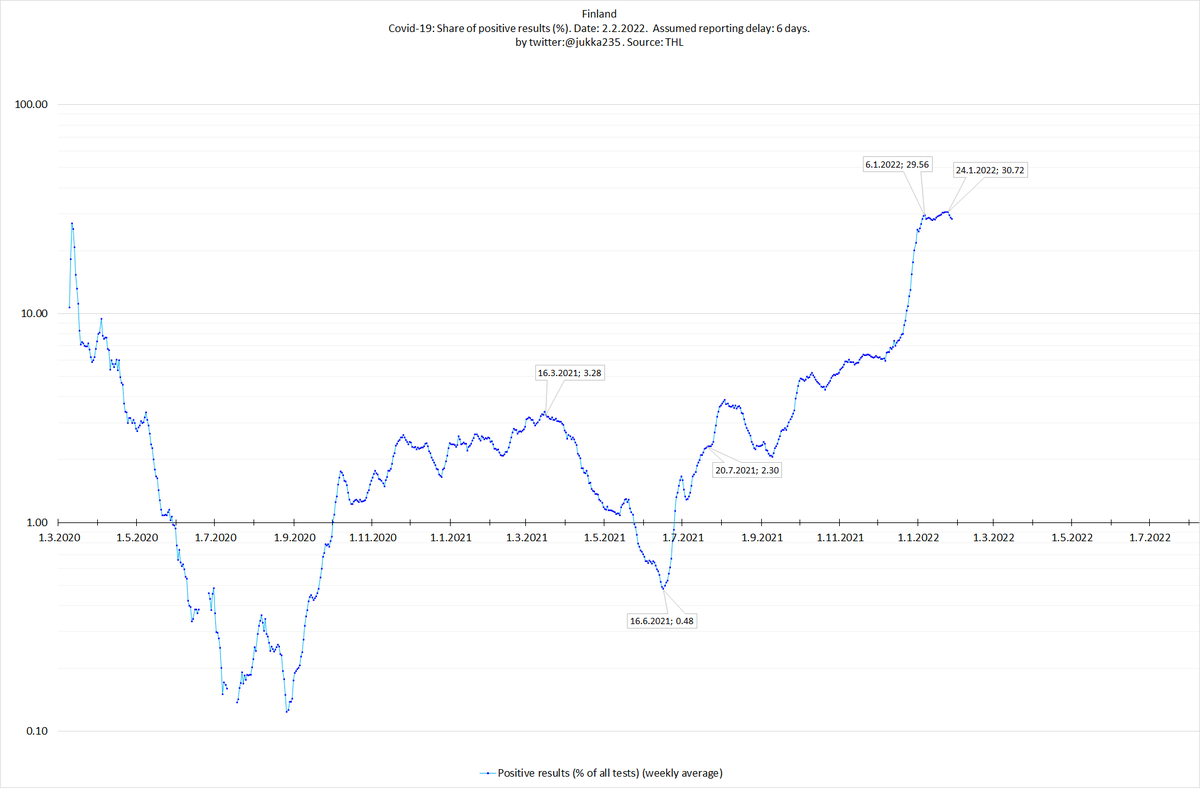
Suomen epidemia 2.2.2022: olemme todennäköisesti BA.1:n ja BA.2:n välisessä suvannossa. Tänään lisätyt testit (8 päivän viiveellä) käänsivät positiivisten osuuden laskuun. Todettujen BA.2 tartuntojen määrä kasvaa kuitenkin nopeasti. 1/x
Tässä näkyy positiivisten osuudessa tapahtunut muutos eilisen ja tämän päivän välillä. Sekä loppuviikon aikana raportoitavat testit että tartunnat saattavat vielä muuttaa kehitystä. 2/x
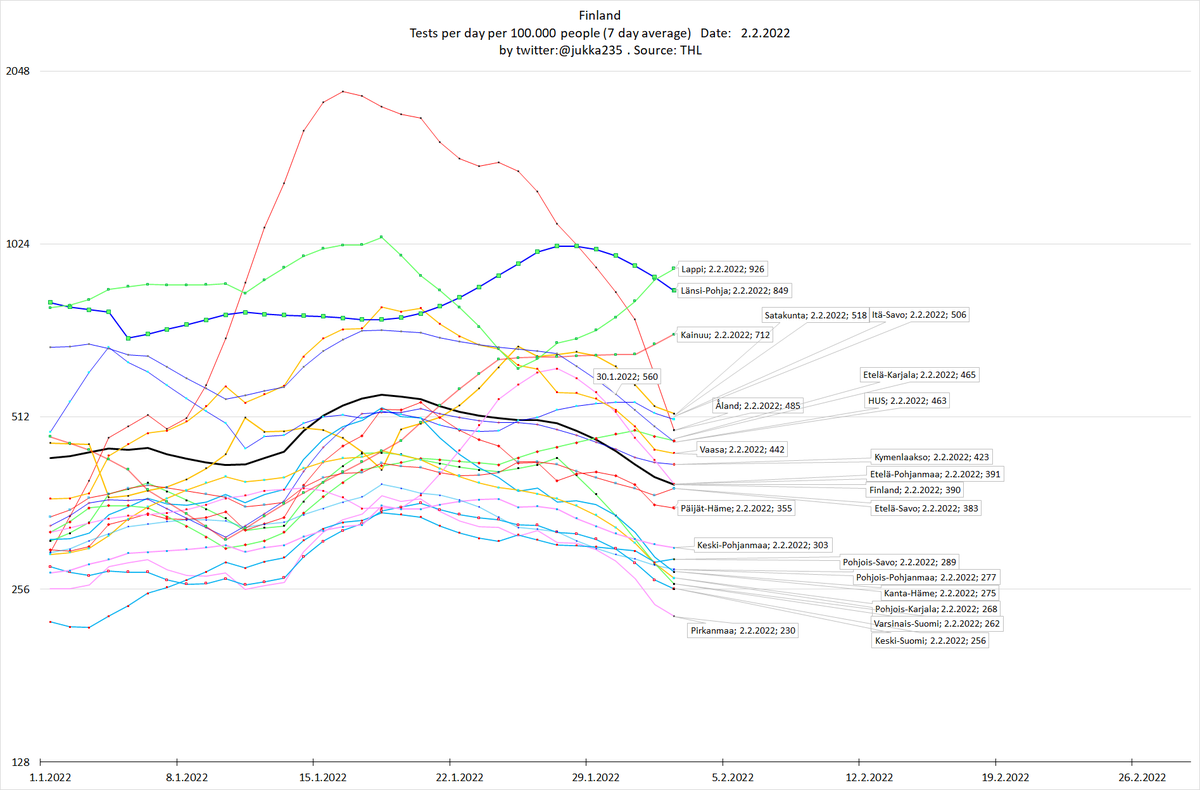
Testauksen määrä nousee Lapissa ja Kainuussa ja laskee muualla. 3/x
Positiivisten osuuden kehitys vaihtelee voimakkaasti eri puolilla maata. Keski-Pohjanmaalla, Etelä-Savossa, Varsinais-Suomessa, HUS:n alueella, Ahvenanmaalla ja Kymenlaaksossa positiivisten osuus nousee. Maan paras suoritus löytyy Vaasasta. 4/x
Tässä positiivisten osuuden kehitys suurimmissa sairaanhoitopiireissä. Luvut ovat suuntaa-antavia (mikä johtuu THL:n raportoinnin viiveistä ja viiveen muutoksista). 5/x
Rokotusten määrät ovat edelleen voimakkaassa laskussa. 6/x
Veto takaisin. Epidemian tilanne ei olekaan paranemassa. Luvut näyttävät liian hyviltä sen vuoksi, että merkittävä määrä tartuntoja puuttuu (testejä ei puutu). 7/x
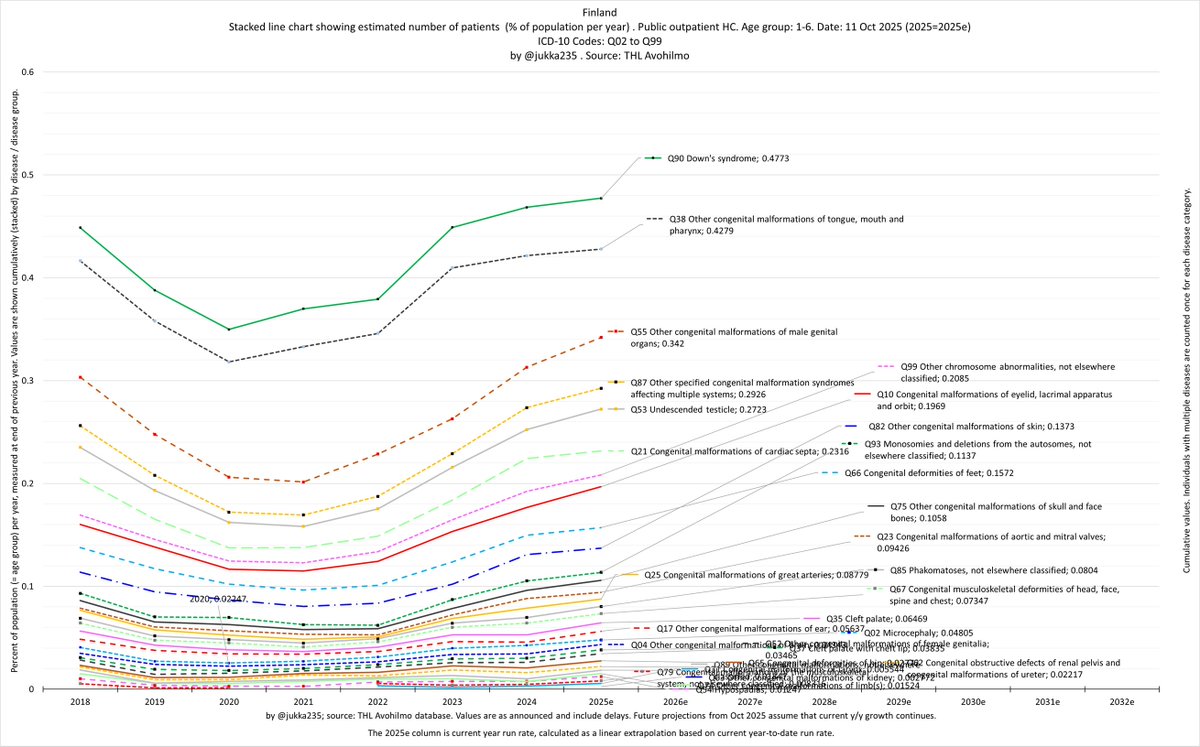
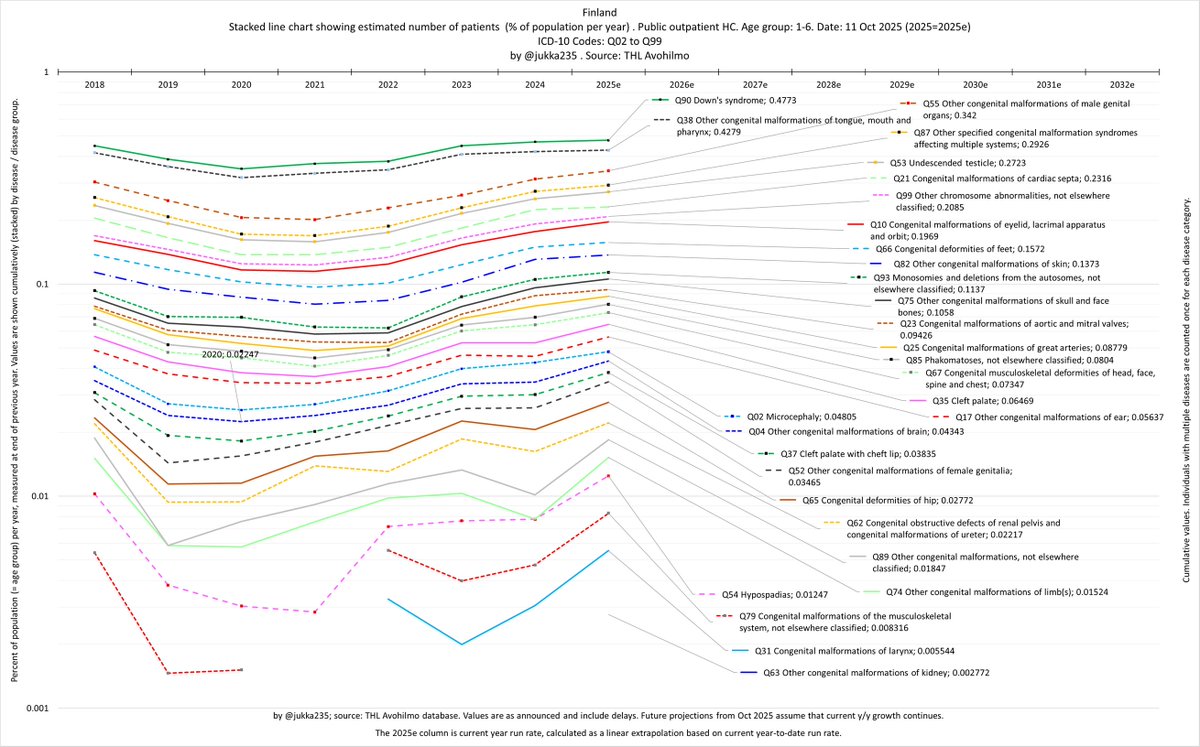
Congenital malformations, deformations and chromosomal abnormalities. For 1-6 year olds,
- the condition showing largest increase since 2022 is Down's syndrome (Q90)
- the condition showing fastest growth since 2022 is Congenital malformations of great arteries (Q25) 1/x
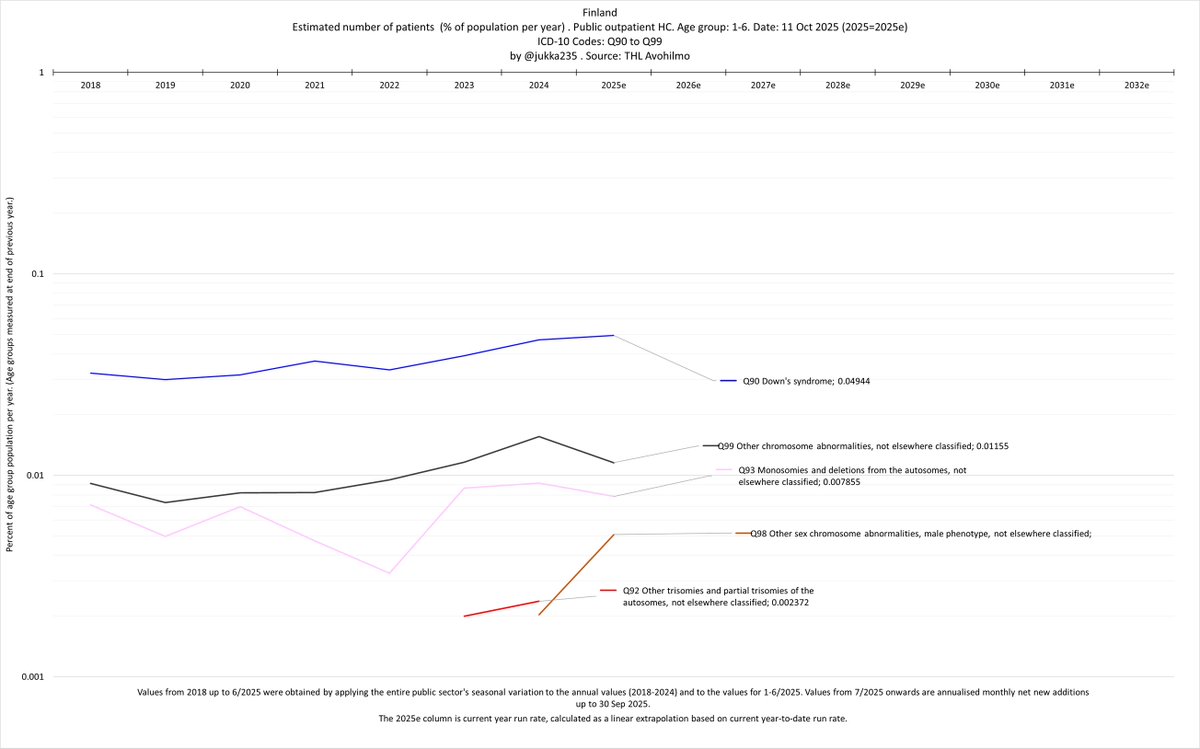
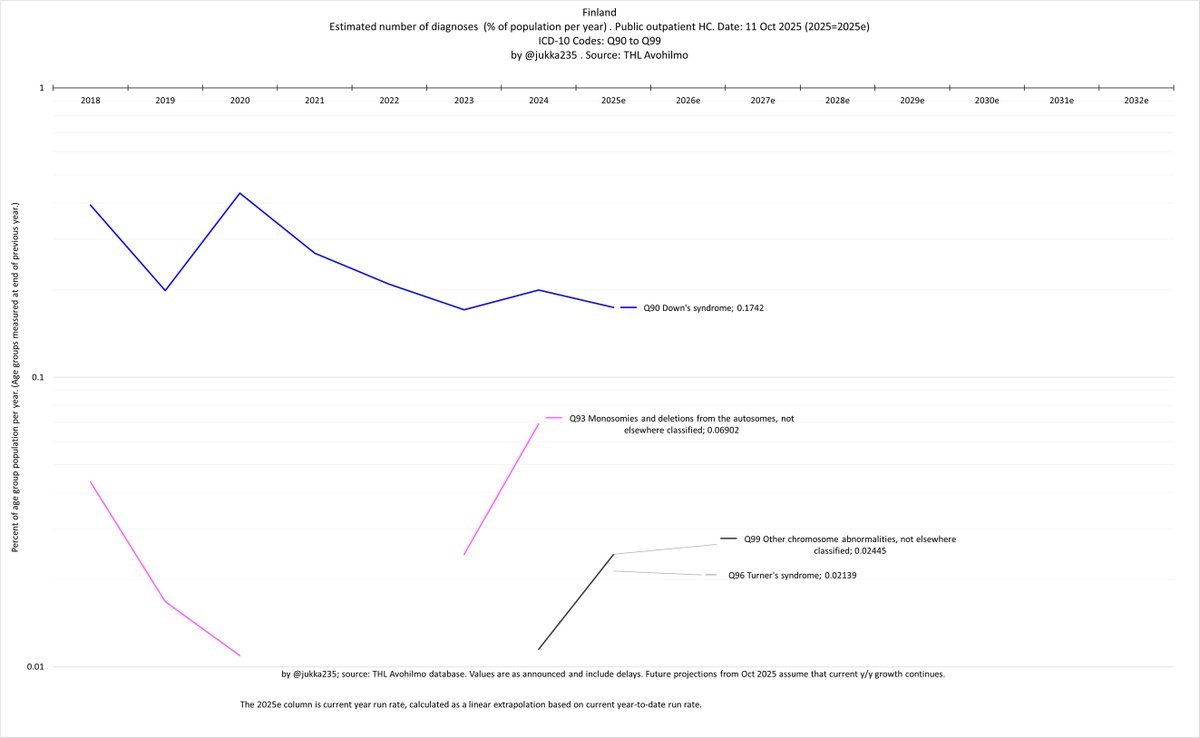
1-6 year olds / chromosomal abnormalities (Q90-Q99).
- Down's syndrome (Q90): average patient growth (2022-2025e) 14% per year = 10x in 18 years)
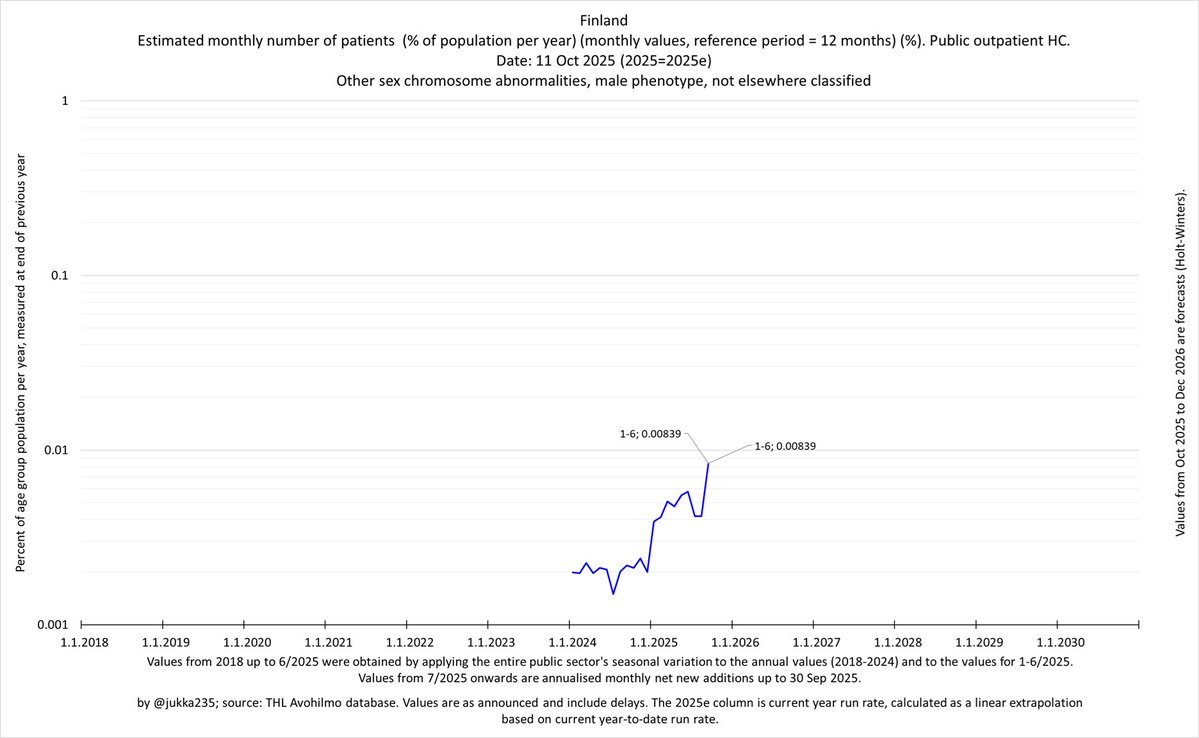
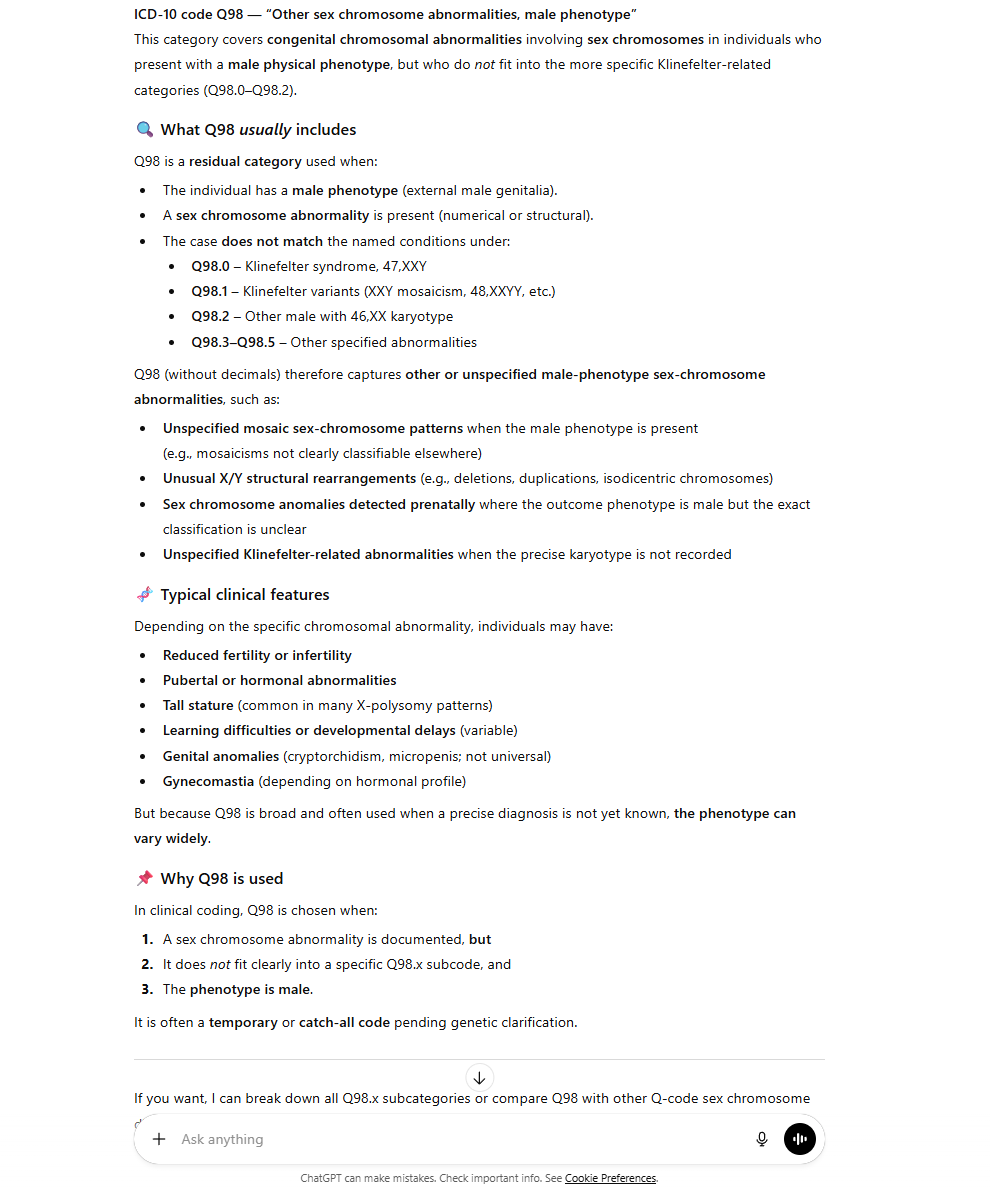
- fastest growing condition: other sex chromosome abnormalities, male phenotype (Q98), up 150% in 2025e 2/x
<1 year olds / chromosomal abnormalities (Q90-Q99):
- Down's syndrome (Q90) is the most frequent diagnosis 3/x
Intellectual disabilities (F70-F79): <1 year olds are leading in terms of y/y growth. Ten percent of <1 year olds will have an intellectual disability diagnosis in 14 year's time (2039), if current growth rates continue. 1/x
The rise in intellectual disability among <1 year olds also shows in number of diagnoses: up roughly 11 times in 4 years. Also note the rise among 1-6 year olds. 2/x
7-14 and 15-24 year olds are showing the highest levels of intellectual disability. If current growth rates continue, 5 percent of 7-14 and 15-24 year olds will have an intellectual disability diagnosis by 2048 (24 years from now). 3/x
In 30 years from now, 5 percent of 1–6 year olds and 8 percent of 25–49 year olds will be walking with white sticks, if current growth trends continue.
Here is the graph for all age groups, all of which are showing quite uniform y/y growth. Patients / public outpatient healthcare. 2/x
For total population, visual disturbances and blindness have doubled since the onset of the pandemic. There has been no letup in recent years. Average growth rate is power(1.97, 1/5) = 14.5 percent per year (= 10x every ln(10)/ln(1.145)= 17 years). 3/x
Finland's epidemic 14 Sep 2025: year-to-date number of patients in 2025 is already higher than at any time during the pandemic. There are 5 more months to go. 1/x
Suomen epidemia 14.9.2025: kaikkien sairauksien potilasmäärä vuoden 2025 alusta ylittää jo nyt pandemian edellisten vuosien potilasmäärät, ja vuotta on vielä 5 kuukautta jäljellä. 2/x
Almost 80 percent of pregnancies and childbirths now involve complications and diseases. 3/x