Today at #BonnClimateConference, we release our landmark report analysing climate mis- and disinformation at #COP26 and beyond, and the repercussions denial and delayism are having on climate action around the world. isdglobal.org/isd-publicatio…
For the first time in 2022, the UN’s Intergovernmental Panel on Climate Change @IPCC_CH recognised that “economic and political interests” have driven “public misperception of climate risks and polarised public support for climate actions”.
@IPCC_CH In this 100+ page report, produced with CASM Technology and the Climate Action Against Disinformation coalition (CAAD), we document the mainstreaming of mis-/disinformation around climate change and related policies across the online space.
@IPCC_CH Our analysis shows how a small but dedicated community of actors generate large amounts of engagement across social media, how rhetoric is shifting from denialism to ‘culture wars’ discourse, and how tech platforms continue to amplify the problem.
@IPCC_CH As these narratives infiltrate public debate, stances on climate actions are rolled into broader individual identity and grievance politics, emerging as a new front in the culture wars. isdglobal.org/isd-publicatio…
@IPCC_CH We recently saw how COVID-19 sparked the ‘climate lockdown’ conspiracy, claiming that the pandemic was a test-bed for future “green tyranny” and would be used to broaden elites’ powers over society. isdglobal.org/digital_dispat…
@IPCC_CH Other divisive issues like critical race theory, LGBTQ+ rights and abortion access are regularly conflated with climate change to deter timely action.
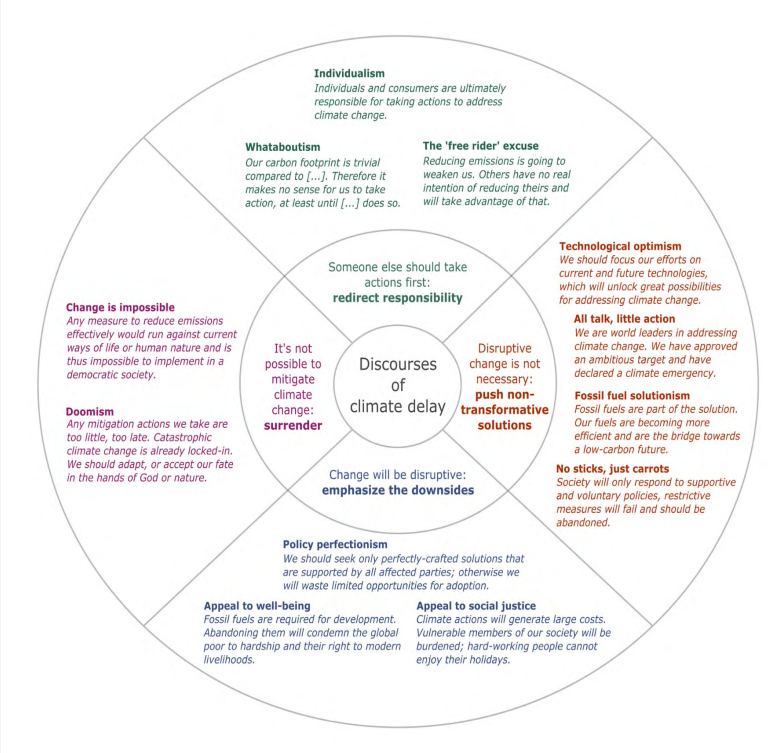
@IPCC_CH We have seen the increasing prominence and impact of ‘discourses of delay’, intended to downplay the issue or condemn any action as unfeasible, overly expensive and disruptive.
@IPCC_CH During COP26, the most prominent discourse was the narrative around ‘elitism or hypocrisy’. In total, ISD identified 199,676 mentions of this narrative on Twitter and 4,377 posts on Facebook that were shared a total of 101,749 times between 10 Oct. and 19 Nov. 2021.
@IPCC_CH Content in this category highlighted alleged double standards or hypocrisy for delegates (e.g. air travel to the summit) and, in some cases, referenced wider conspiracies around globalism or the ‘New World Order’.
@IPCC_CH Looking ahead, we have outlined recommendations for governments, multilateral bodies, tech platforms and the media—which all have a role to play tackling climate mis- and disinformation.
@IPCC_CH ISD urges for a unified definition of climate disinformation be set within key institutions, and in turn have this definition reflected in tech community standards or terms of service.
@IPCC_CH Furthermore, policymakers should stop media loopholes in proposed and existing legislation in order to better protect citizens online (e.g. the EU Digital Services Act, UK Online Safety Bill, US Digital Services Oversight and Safety Act and others).
@IPCC_CH Regulators and tech companies should enforce platform policies against repeat offenders and work to improve transparency and data access for vetted researchers and regulators.
@IPCC_CH To read more about our recommendations and findings, check out the full report linked above. For an executive summary of the report, please click here: isdglobal.org/isd-publicatio…
This graphic was originally produced in the study “Discourses of climate delay”, published in 2020. All credit for this image and the typology of climate delay discourses goes to that study’s authors. cambridge.org/core/journals/…
• • •
Missing some Tweet in this thread? You can try to
force a refresh

In our latest Insights, we analyse how monkeypox conspiracies have revived debunked COVID- 19 narratives, adapting them to fit the uncertainty around this disease. 🧵 isdglobal.org/digital_dispat…
We also look at how Australia’s self-described “freedom friendly minor parties” have taken a page from the US’s 2020 election fraud conspiracies to justify their own almost-complete defeat in the country's recent federal election. isdglobal.org/digital_dispat…
And hear from ISD’s @MelanieFSmith, speaking to Grid News about how conspiracies “thrive” in the aftermath of crises, like the Uvalde shooting. Following the tragedy, fringe media & extremists once again began to post “false flag” narratives. isdglobal.org/isd-in-the-new…
In today’s Dispatch, @timsquirrell looks at Dark MAGA, an aesthetic created by extremists with the aim of grabbing attention and uniting (and radicalising) the right. isdglobal.org/digital_dispat…
@timsquirrell The Dark MAGA aesthetic is about creating attention-grabbing propaganda by borrowing from other aesthetics including fashwave and the ‘skull mask’ movement. It also wants to introduce mainstream conservatives to more extreme material.
@timsquirrell Dark MAGA glorifies violence, arguing that Trump should “embrace the villain role” in 2024. It pretends to be an organic grassroots movement, but it is carefully calibrated to be amplified by the media.
The Buffalo shooter has no known connections to Ukraine’s Azov Battalion. That hasn’t stopped some groups from across the political spectrum claiming that he does.
Pro-Kremlin influencers as well as some on both the far-right and hard left are attempting to link the Buffalo shooter to Azov Battalion, a regiment of the Ukrainian army associated with neo-Nazi and white supremacist ideology.
Many of the narratives attempting to link Buffalo to Azov hinge upon Buffalo shooter Payton Gendron's glorification of Christchurch terrorist Brenton Tarrant, as well as his liberal use of Tarrant's 'Great Replacement' manifesto in his own manifesto.
🇭🇺 Hungary, Russia’s supposed ‘Trojan horse’ in the EU, has deviated from its traditional pro-Kremlin foreign policy as war rages in Ukraine with elections a week away. State-linked media is singing from a different hymn sheet. ISD examines the dissonance: isdglobal.org/digital_dispat…
Since 2010, Hungary and Russia have not only strengthened diplomatic and economic ties, but have also fostered a kind of “friendship” evident in Prime Minister Viktor Orbán’s 12 meetings with Putin, the latest just weeks before the invasion of Ukraine.
However, at the beginning of the invasion, Hungary felt no choice but to side with fellow EU states and NATO allies, supporting all sanctions against Russia and even backing Ukraine’s bid for membership of the EU.
Russian state media has developed a strong relationship with western conspiracy groups. The Chinese state media, not so much. Until now. @elisethoma5 explores QAnon's pivot to China in our latest Dispatch: isdglobal.org/digital_dispat…
@elisethoma5 Until recently, most QAnon and Q-adjacent groups have been anti-China. But their strong pro-Putin position in the Ukraine conflict creates difficulties, given Putin's attempts to align with China. How do they square that circle?
@elisethoma5 Q groups solve this issue by trial and error: throwing out numerous versions of a potential narrative and seeing what gains most traction. Right now, we're witnessing this with candidates for pro-China Q narratives.
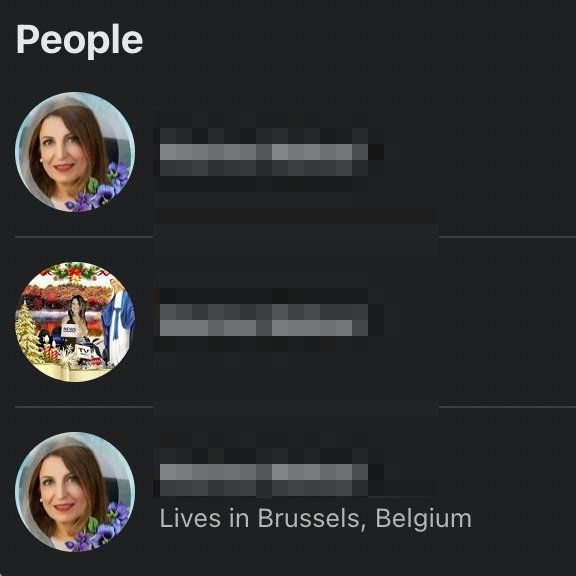
This is MM. MM is a devout Orthodox Christian, posting photos of clergy in the Middle East and art images of Jesus. MM has 3 accounts. MM admins 5 large Pro-Putin groups. Nothing about MM's behavior is normal. A 🧵on Arabic support for Putin on Facebook and inauthentic behavior.
As ISD & others try to understand regional support for Putin & Russia during the Ukrainian invasion, understanding how support is being manipulated in digital circles is 1 part of this challenge. MM represents a micro-insight into the macro-issue of manufactured Russian support.
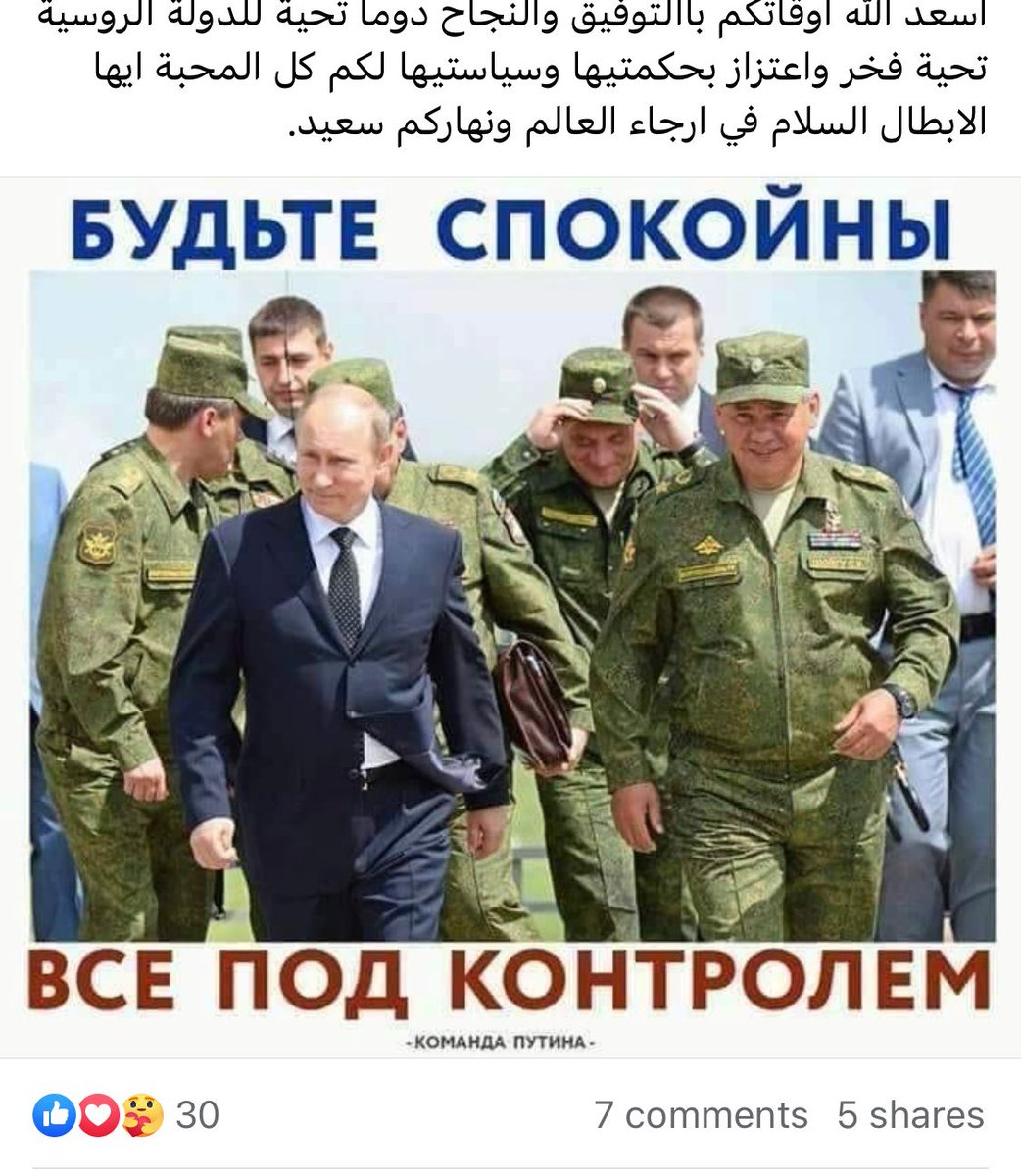
MM’s primary account has posted 775 images to her wall and 1,291 photos in an album called mobile uploads. Of the 775 wall images, 235 (30%) of them are fawning images of Putin, dating back to 2019. There hasn’t been a week where she hasn’t posted a Putin image.