We need to talk about freedom I think. It's the lead weight in the Covid saddlebags. A🧵on why Daniel Defoe may be the weapon we need to fight those who won't fight Covid. /1 #auspol #covid19aus 
Watching the UK leadership race reminded me of all the same core beliefs the current political class have used to also undermine Covid action. Every Tory lining up to replace Boris pledges to 'free' people from the tyranny of the State. /2
This is the core belief that has shaped our politics globally for over 50 years. That States and their regulations and taxes 'restrict freedom'. You need to challenge this core belief, because the slaves to this belief are easily replaced, if you only attack the person. /3
The neoliberal/libertarian framework says the default state of society is as a collection of free individuals. Governments and their laws then restrict this freedom, and must be either removed or gutted, to restore it. Very few go back to basics and challenge this core belief. /4
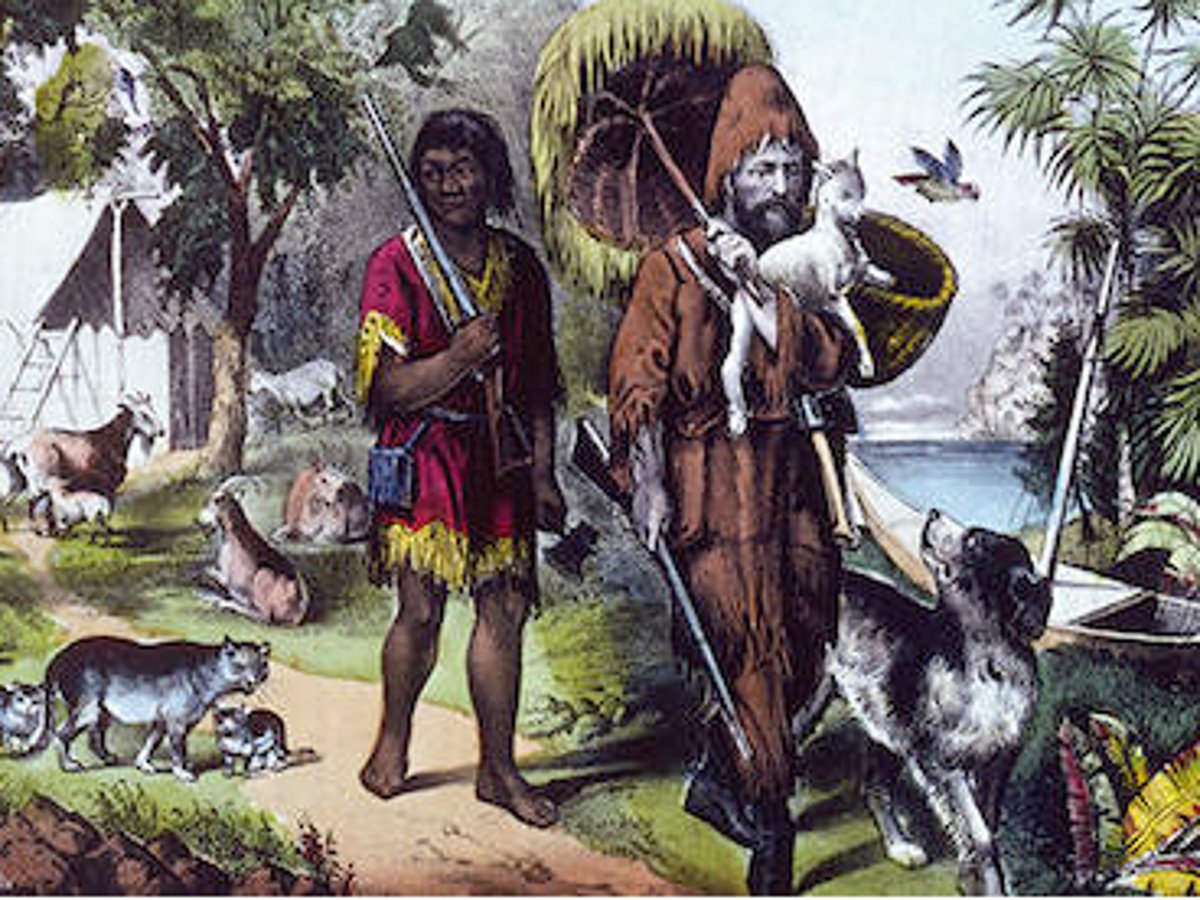
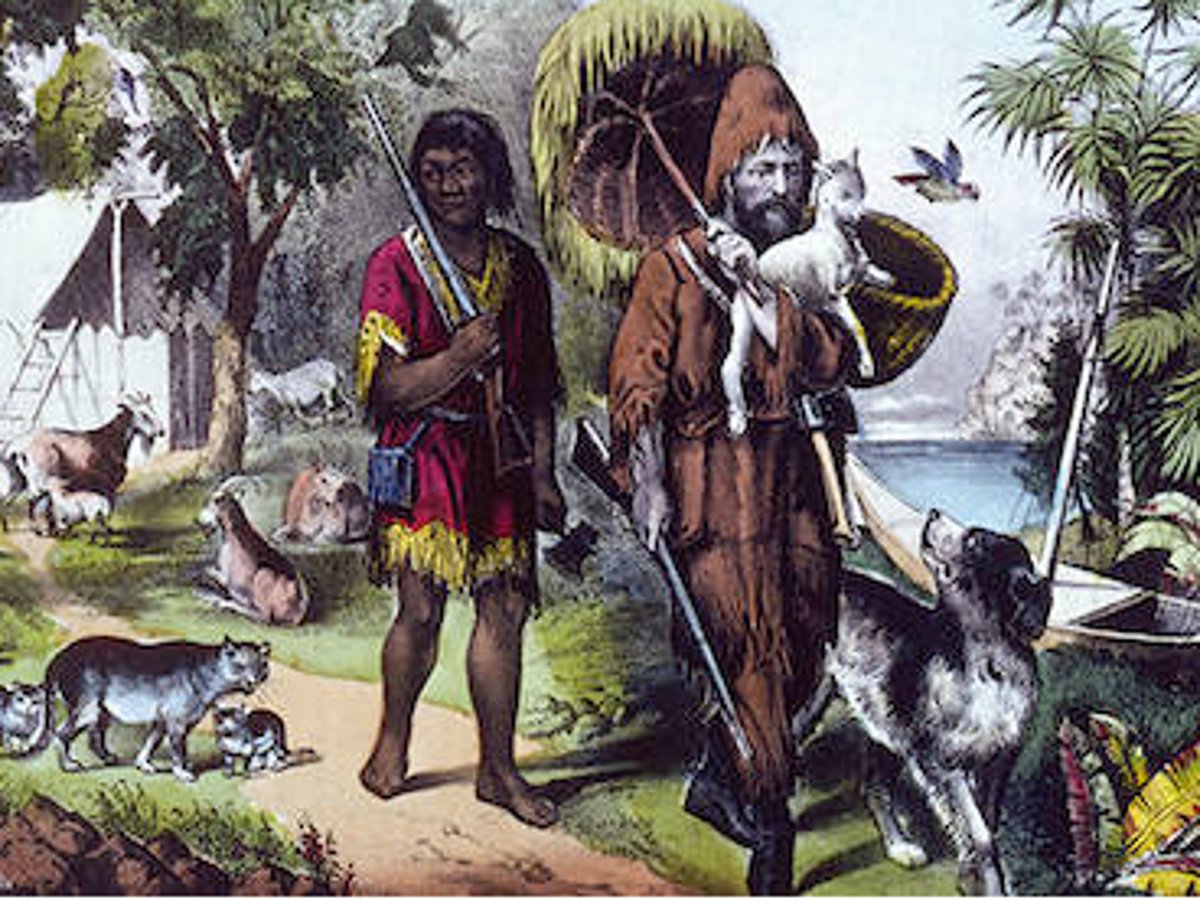
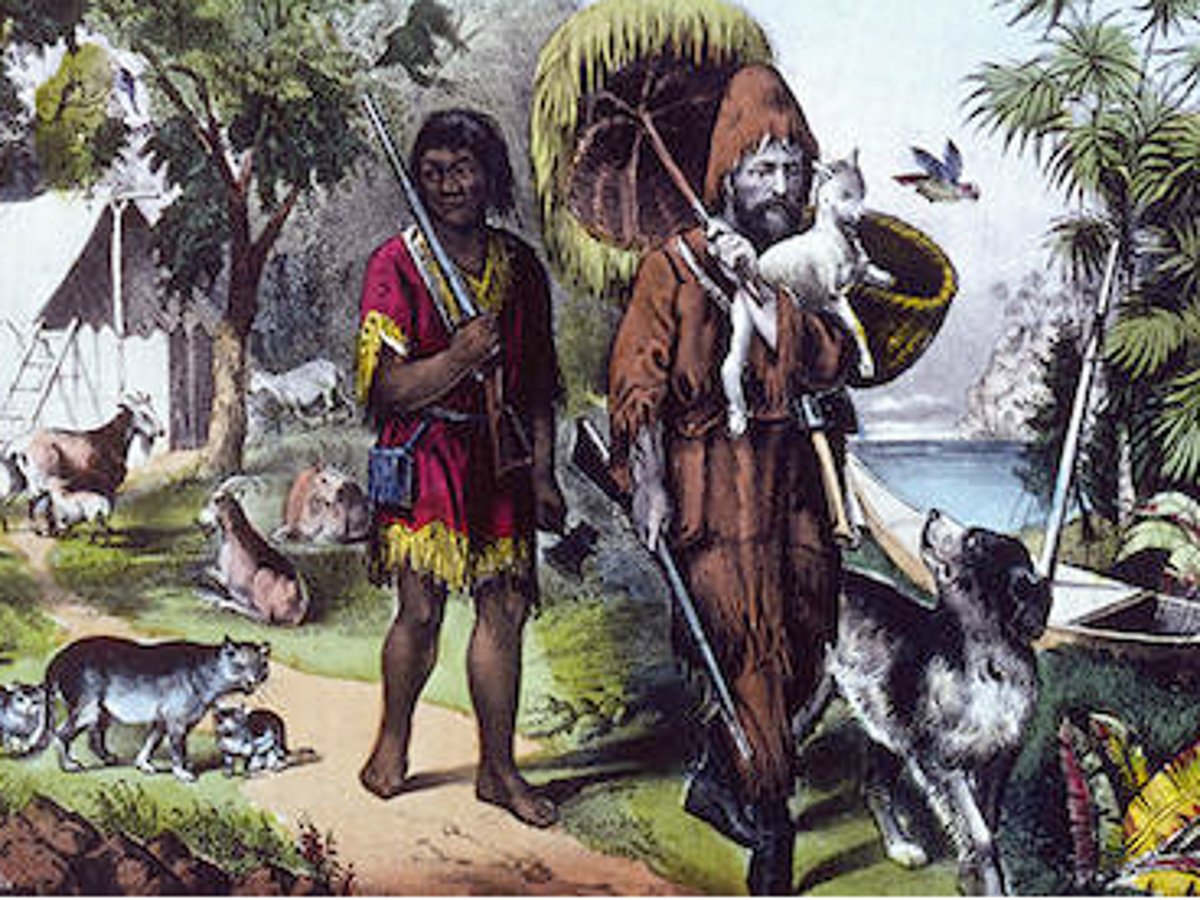
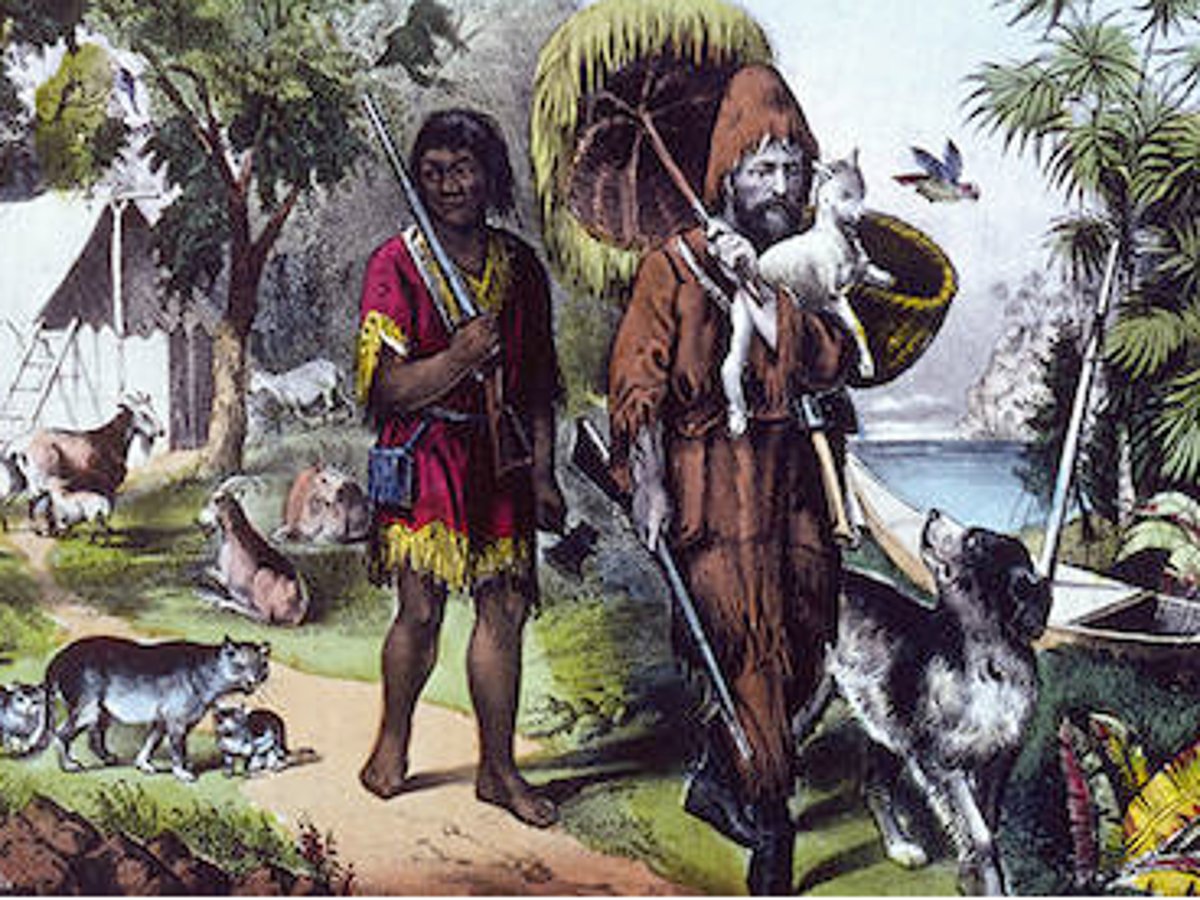
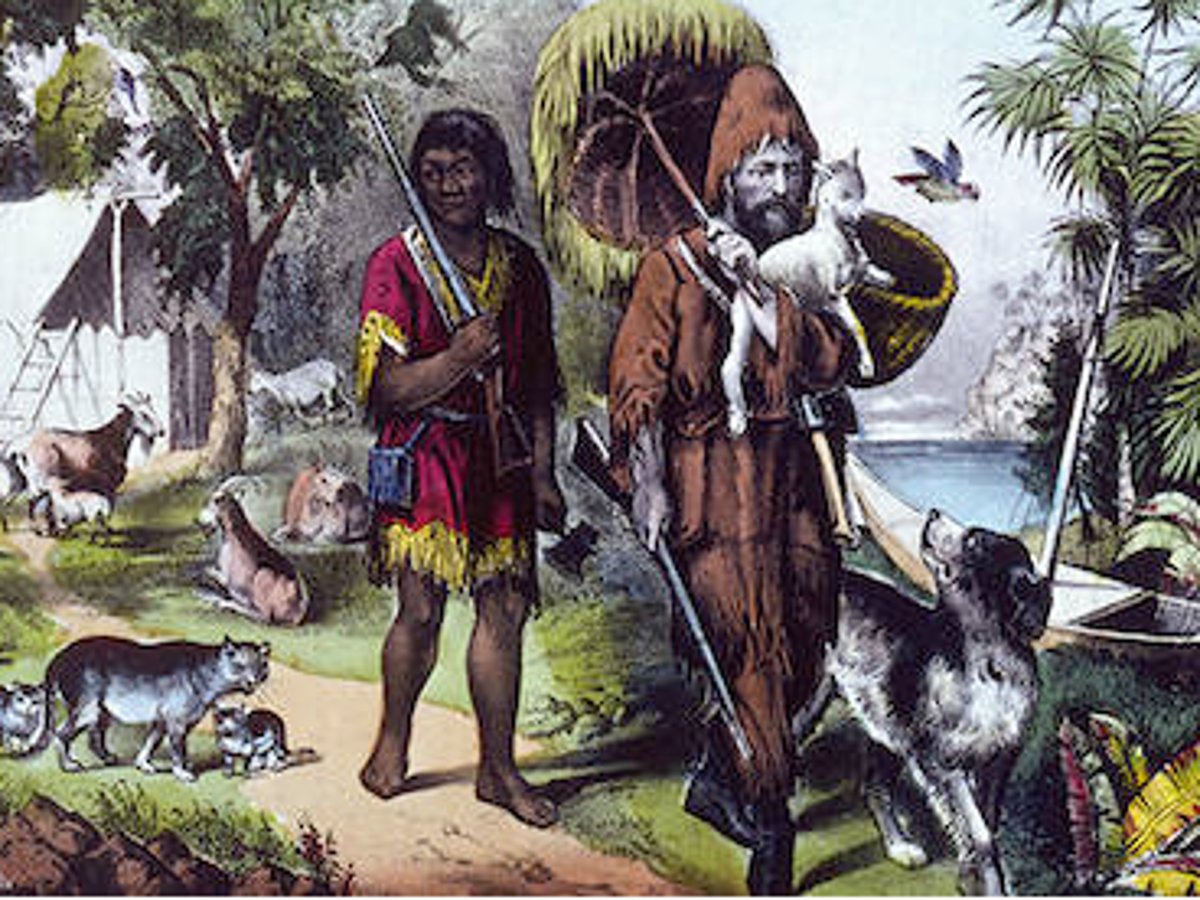
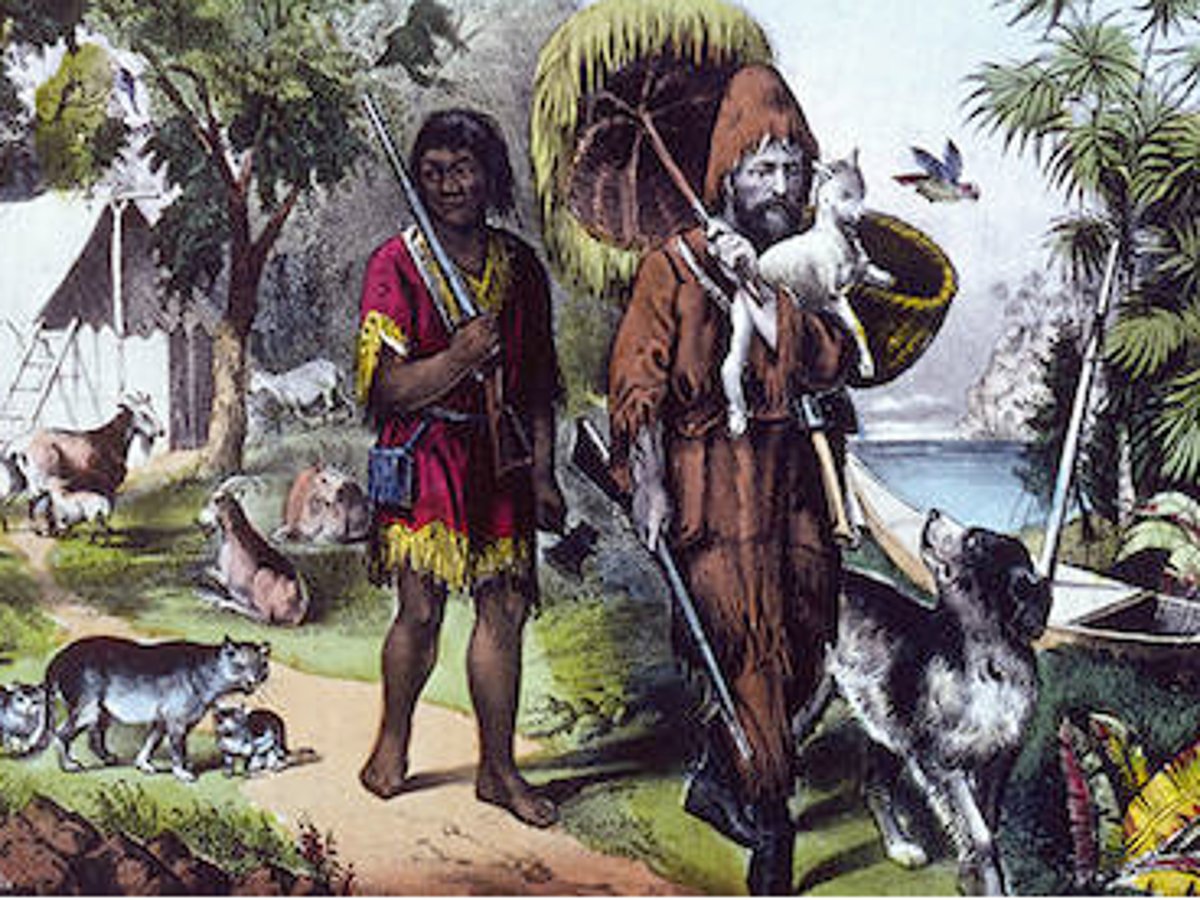
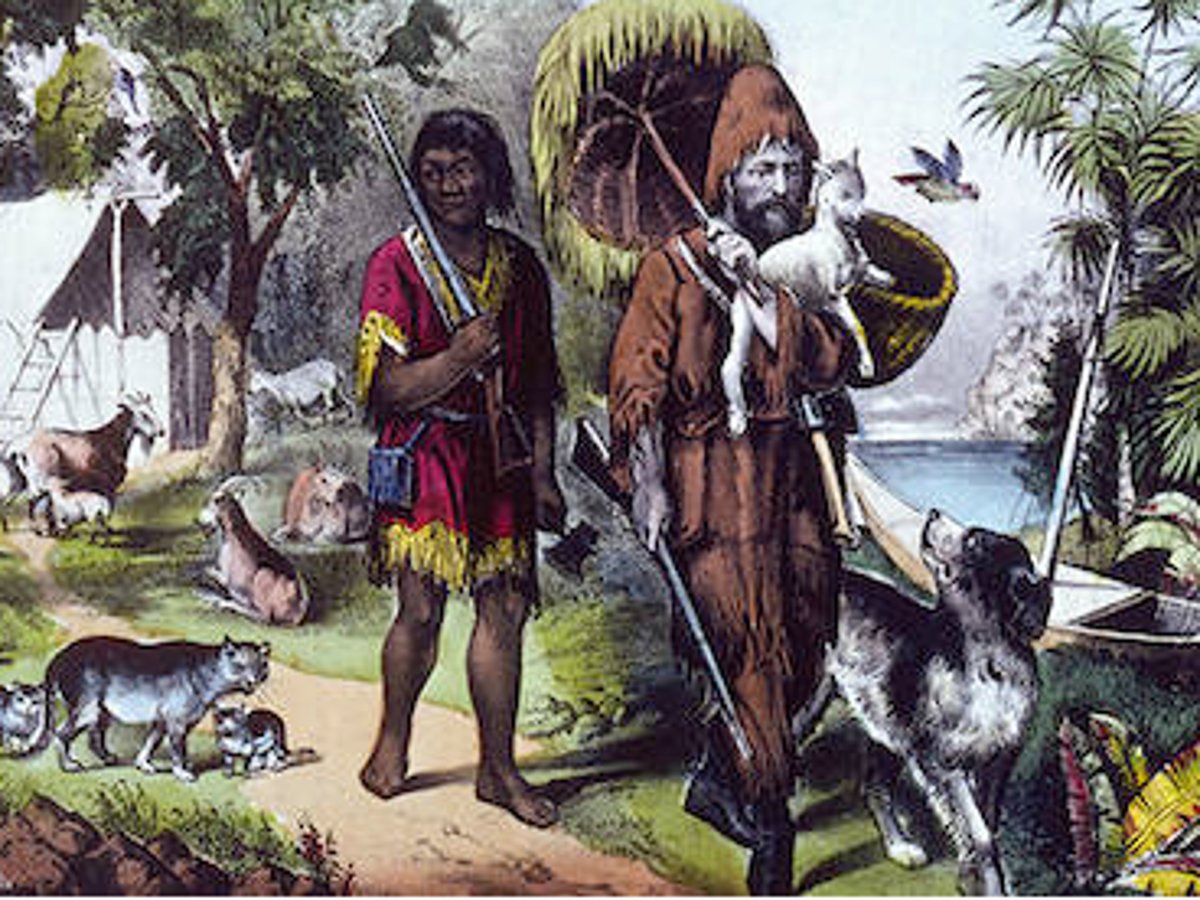
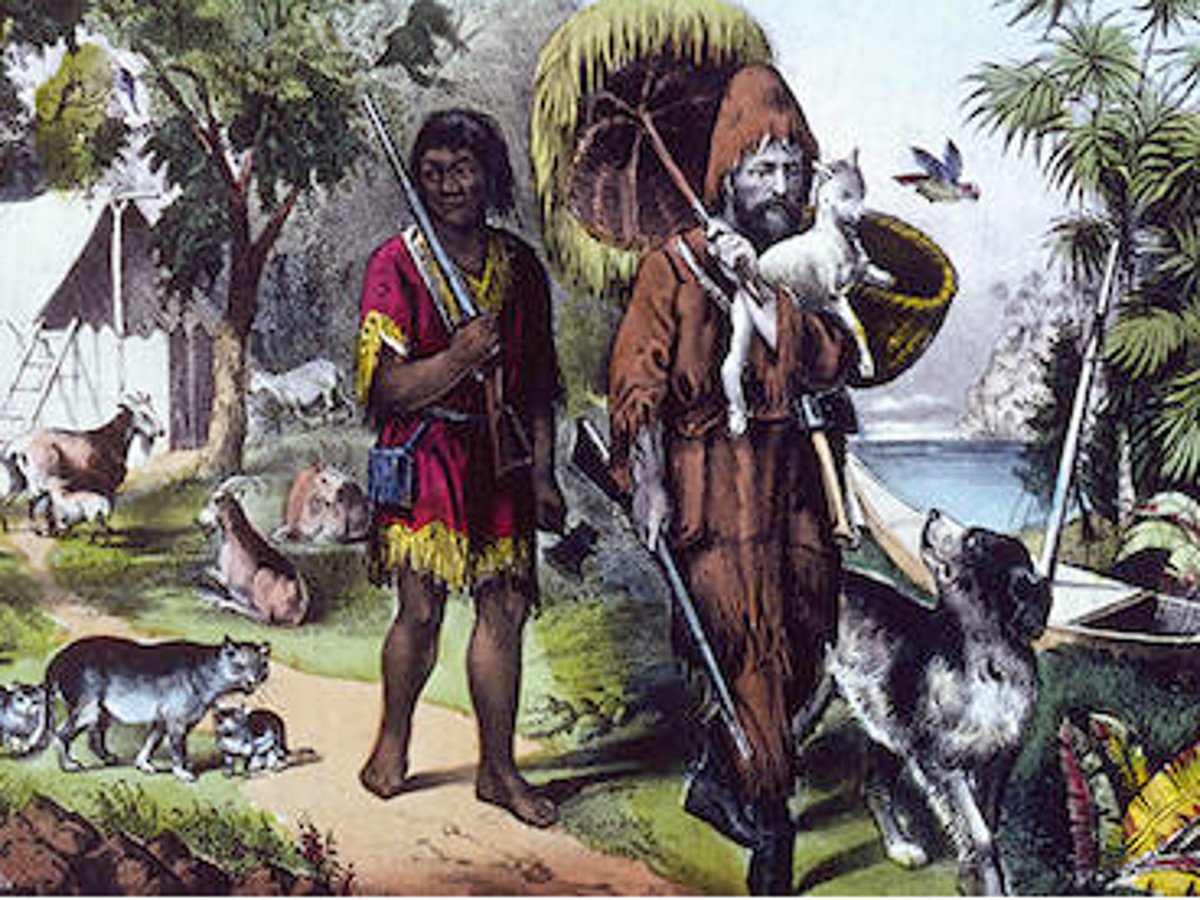
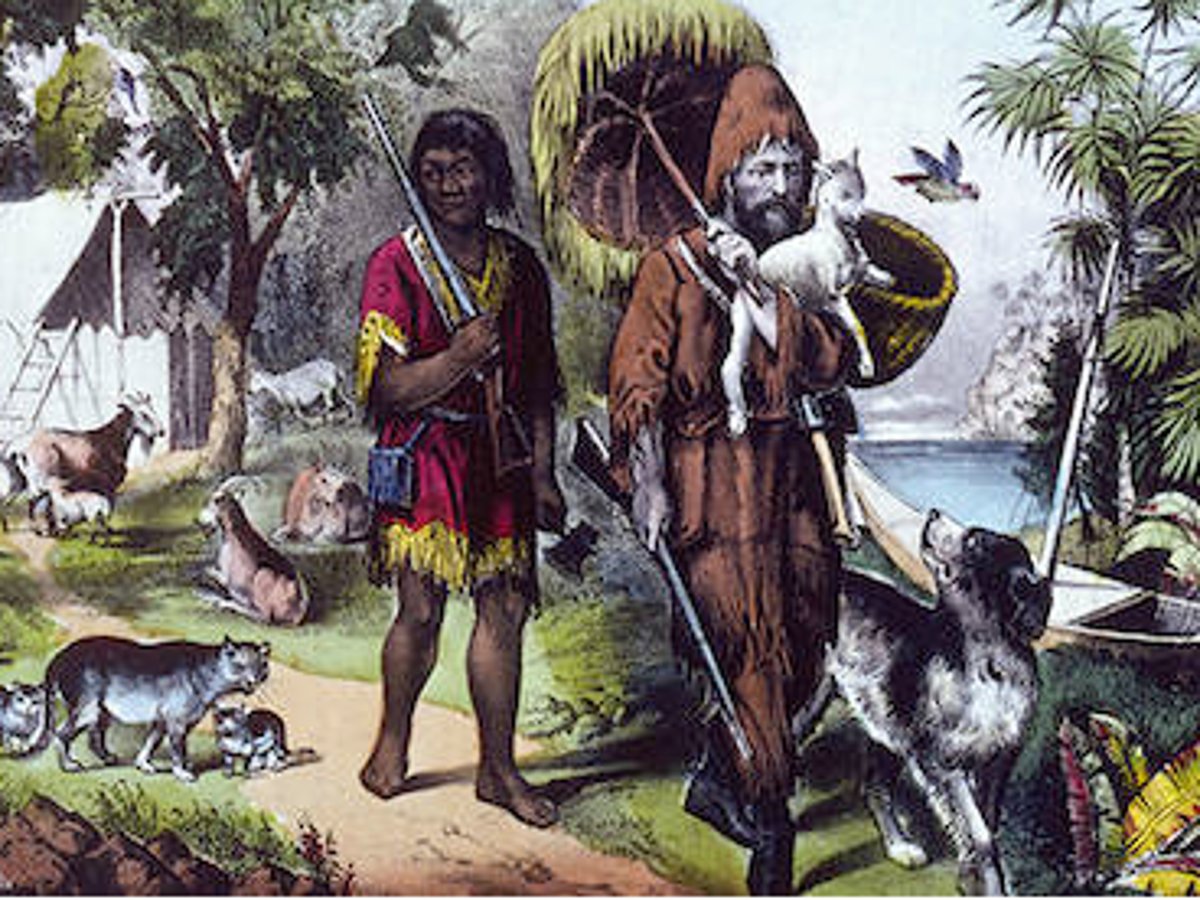
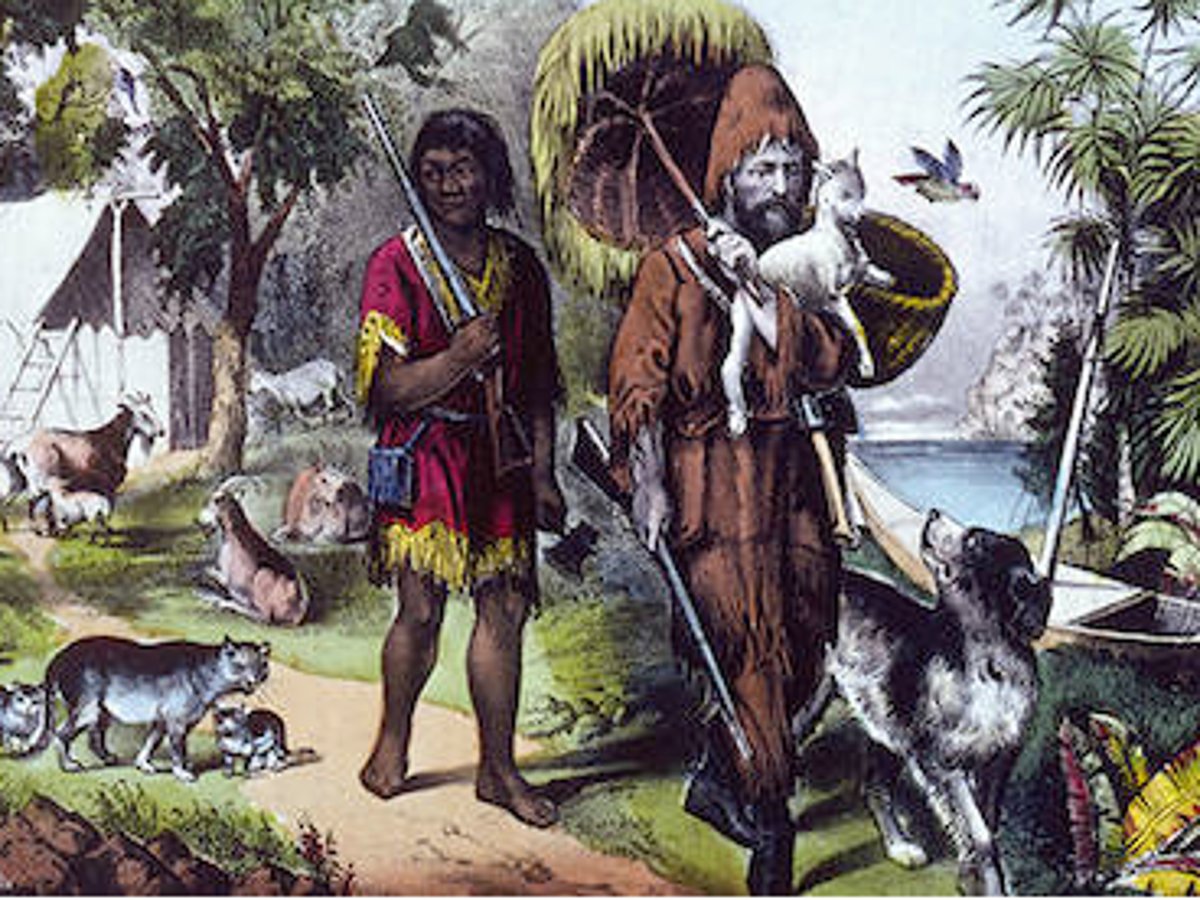
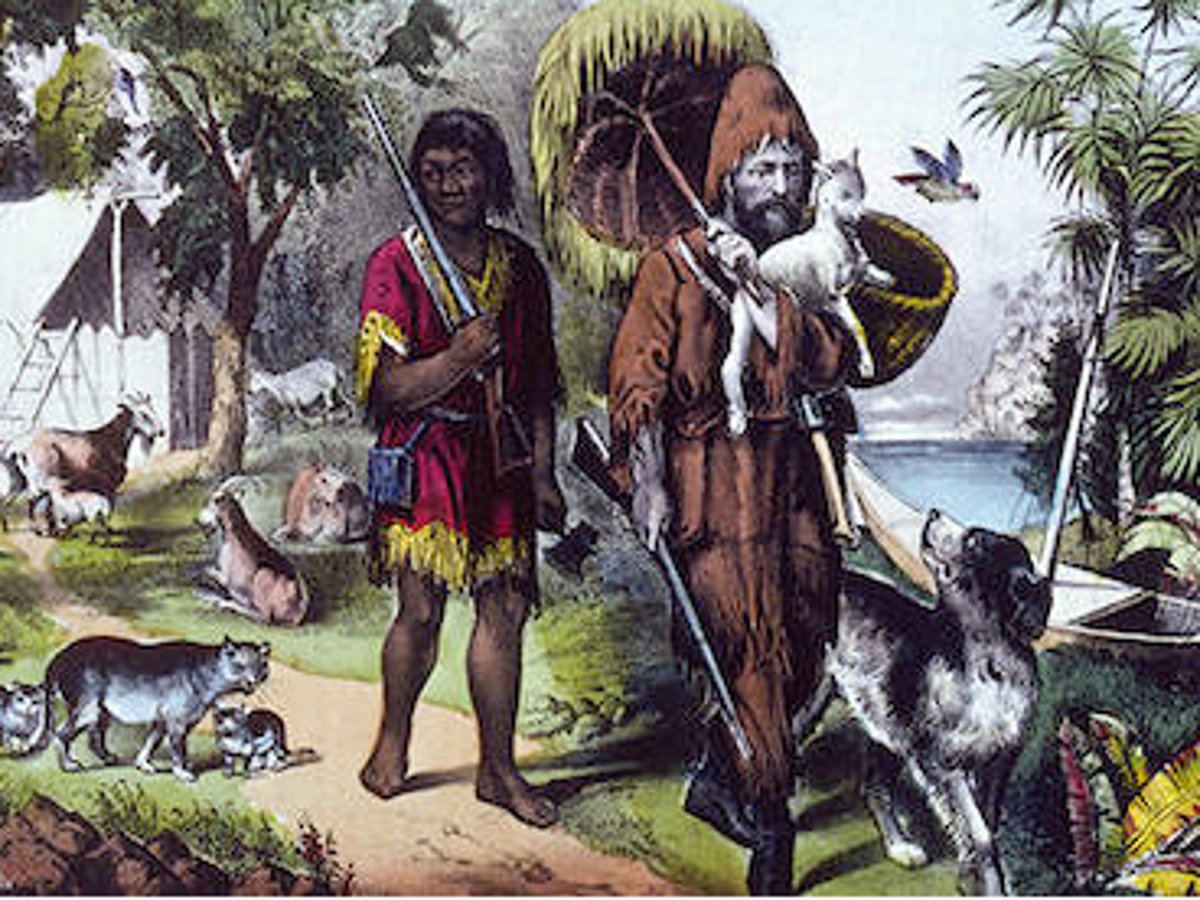
But Defoe had already done it for us, over 300 years ago. With Robinson Crusoe. Place a person outside the restrictions of society the libertarians so hate, and what happens? They have no freedom at all. Crusoe labours constantly to recreate the society he's lost. /5
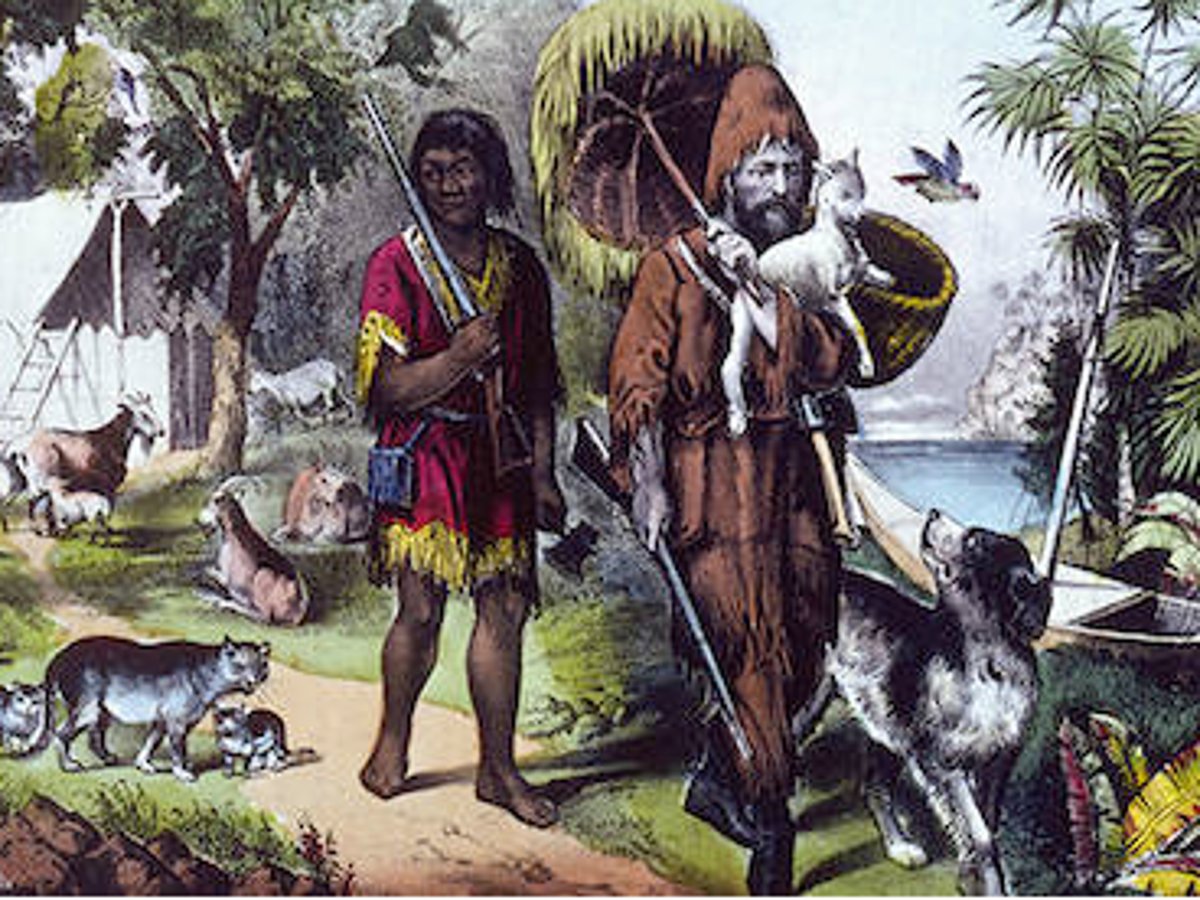
It's exhausting, all-consuming work, never-ending. To have any sort of freedom to live at all, Crusoe has to reproduce all of the social things back at home, all by himself. The default state of human society IS the social relationships we have, including government. /6
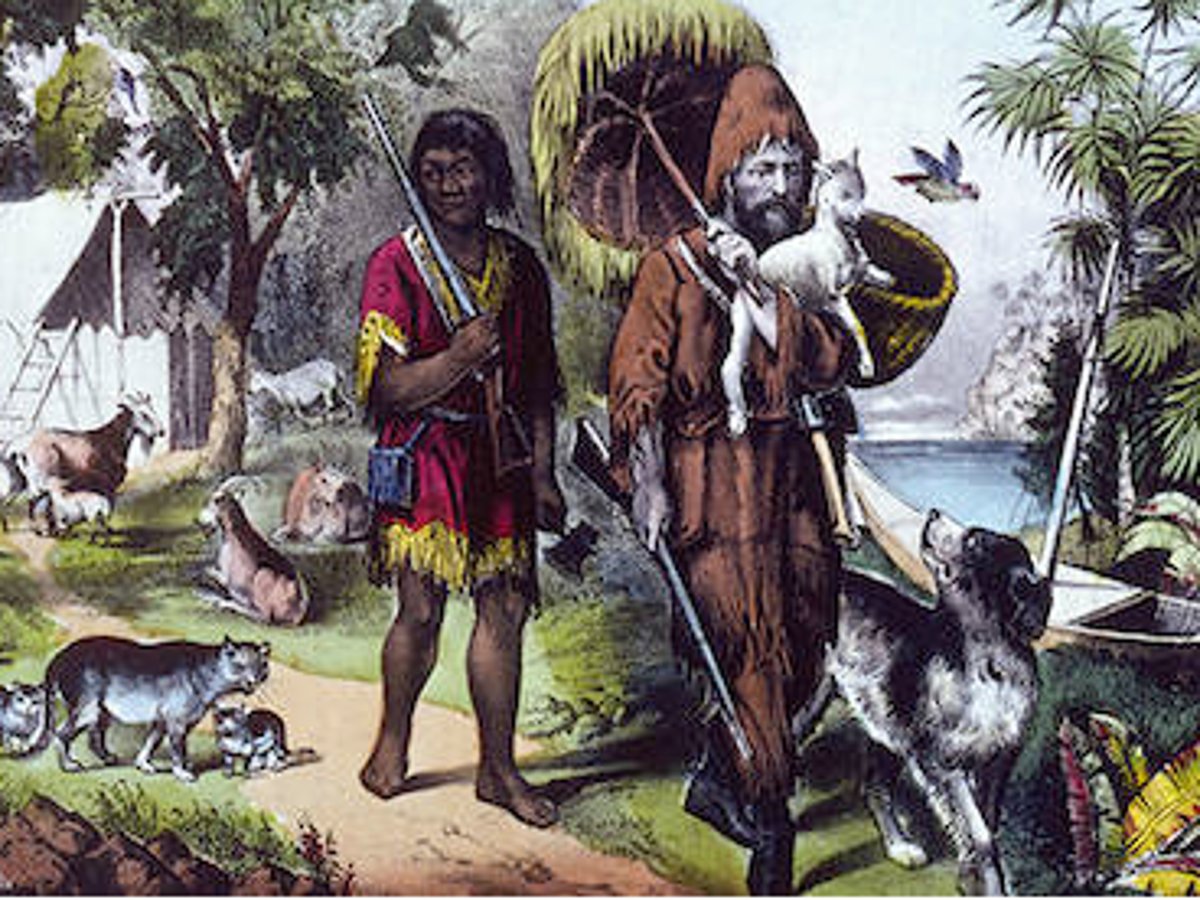
The libertarians have it inside-out and back-to-front. To have any sort of freedom at all, you need to engineer an enormous number of social ties, regulations, processes. Without them Crusoe would have been dead inside a week. /7
Unsurprisingly, what makes us free is the economies of scale we get by working together with others, to free up any space at all for us to be individuals. Without that shared work, we're Crusoe, labouring all day to just survive. /8
It's amazing really that this even has to be said, and that the libertarian alternative of 'freedom' wasn't just a laughing stock from the moment it was invented. What libertarians mean by freedom is free-LOADING, off that social labour of others. /9
They want the luxury of individual choice without the collective work of creating it. But this isn't just about work, it's also about psychology. Many are surprised people don't choose to wear masks, in a pandemic, if it's left to their choice. /10
Defoe makes that easy to understand. Our default state is as social animals, not individuals. We will do what others do, we imitate others. Without a change being led into existence, people will do nothing and copy others doing nothing. Nobody wants to rock the boat. /11
Regulations, social rules, BRING freedom by allowing individuals to act in ways that go beyond the peer pressure of social imitation. Nobody has to make anybody else uncomfortable socially, they can all say 'hey, it's the law'. /12
Libertarians have a rat cunning I think and know this. It's why many of them don't actually believe removing tax and regulation means freedom for anybody much except themselves. It's just a useful propaganda tool to sell support for their freeloading. /end
• • •
Missing some Tweet in this thread? You can try to
force a refresh