Multiple videos shows thermite incendiaries falling on densely populated civilian areas of central Donetsk – a clear war crime, as such munitions are banned from usage against civilian targets. But this incident raises more questions than answers. /1
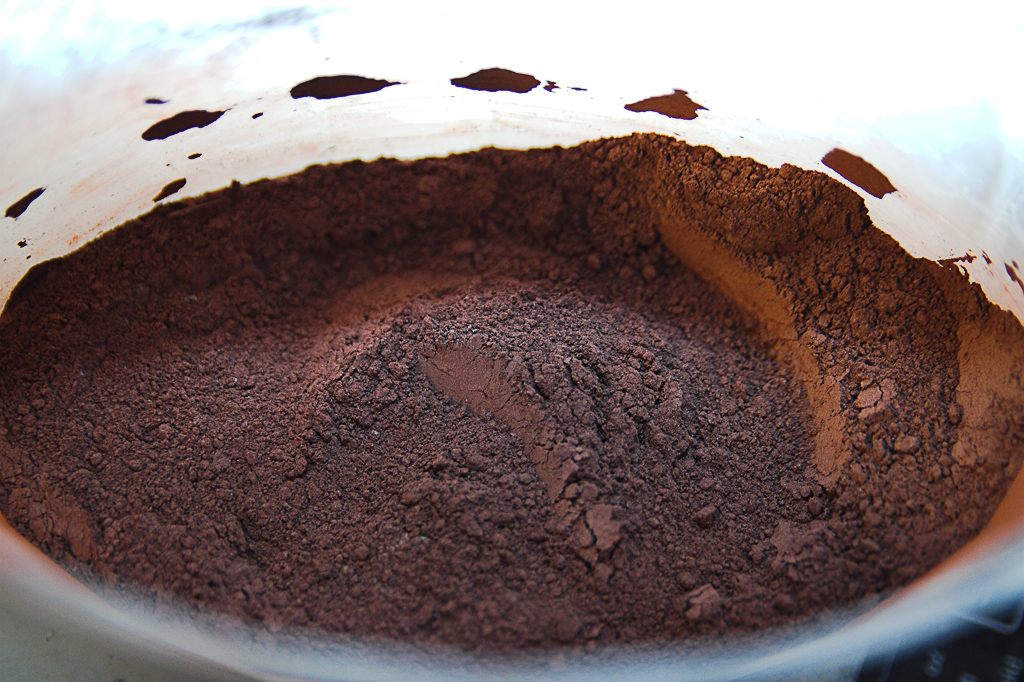
Thermite is a pyrotechnic mixture of metal powder and metal oxide. It burns at up to 2,200°C (4,000°F). It can't be smothered or be extinguished by water. It can melt through steel and causes horrendous injuries – 5g of burning thermite on the skin can incapacitate a person. /2 
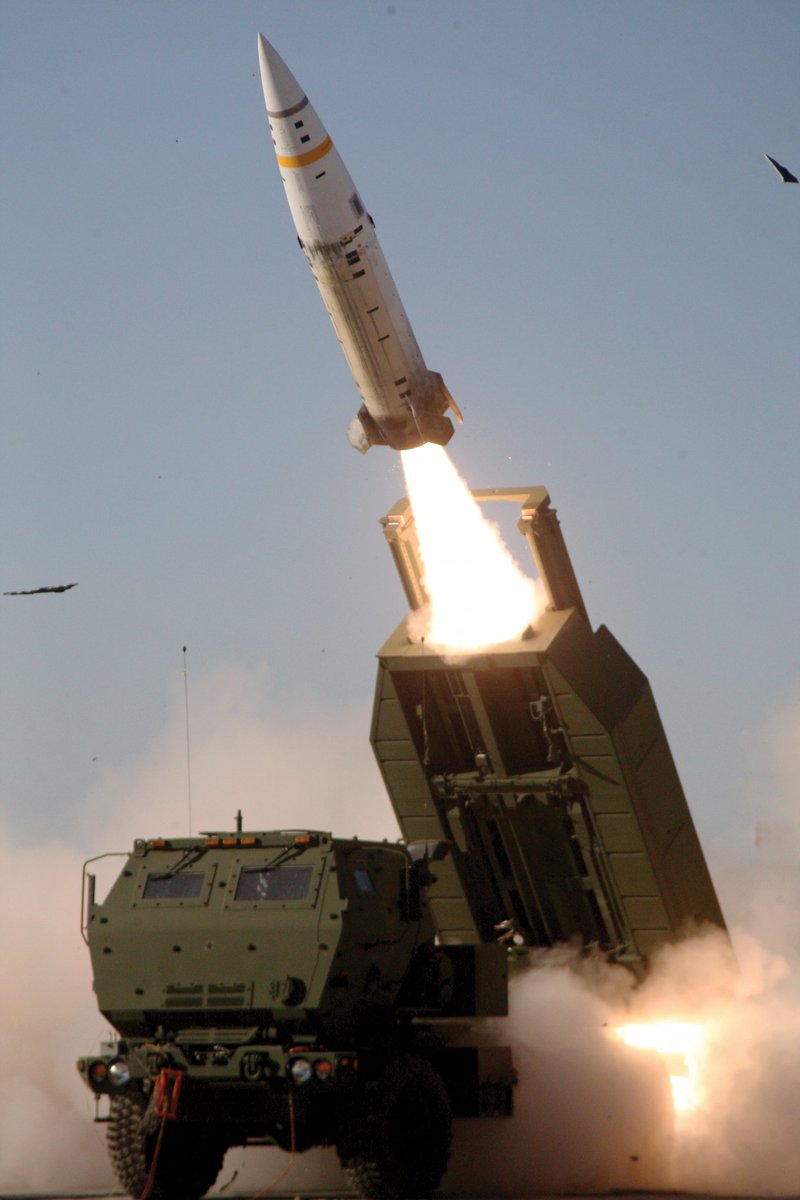
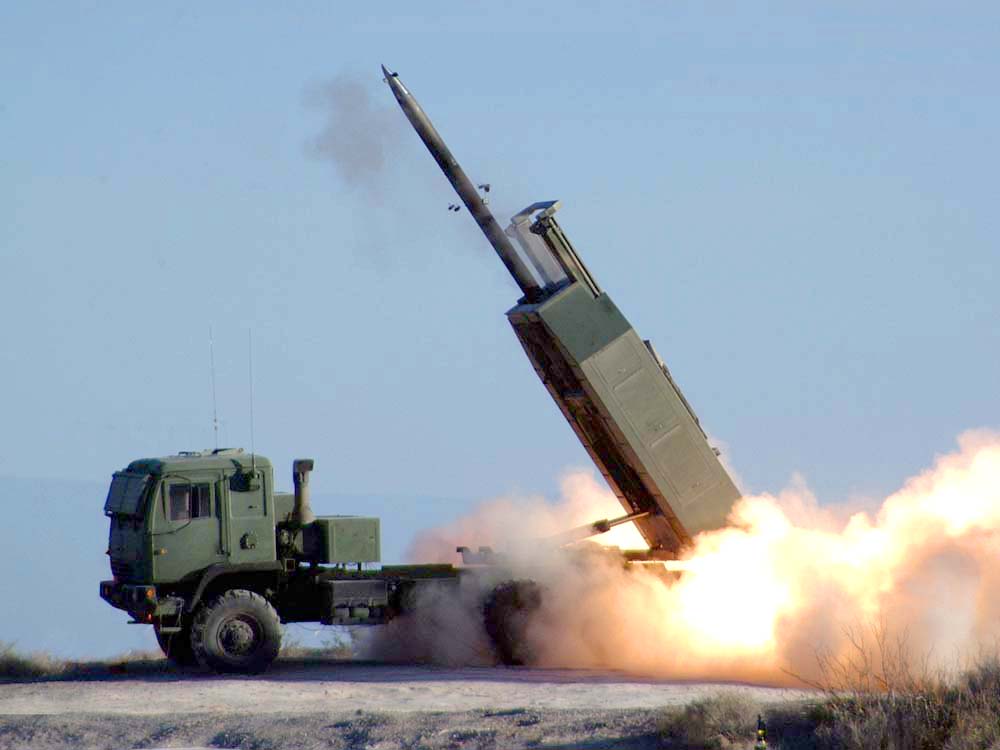
It's packed into 9M510 hexagonal magnesium prisms, each 40 mm long by 25 mm wide, which are explosively ejected from 9M22S unguided rockets fired from Grad or Tornado rocket launchers. The rockets have a range of 20 km (12 miles). Each contains 180 thermite elements. /3
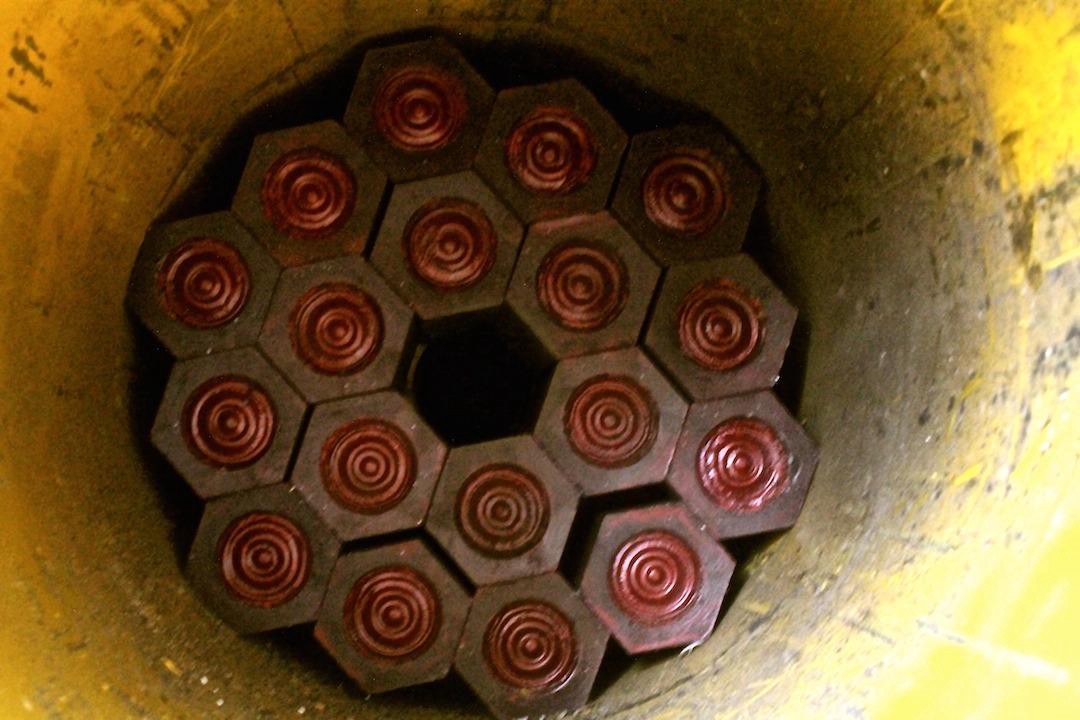
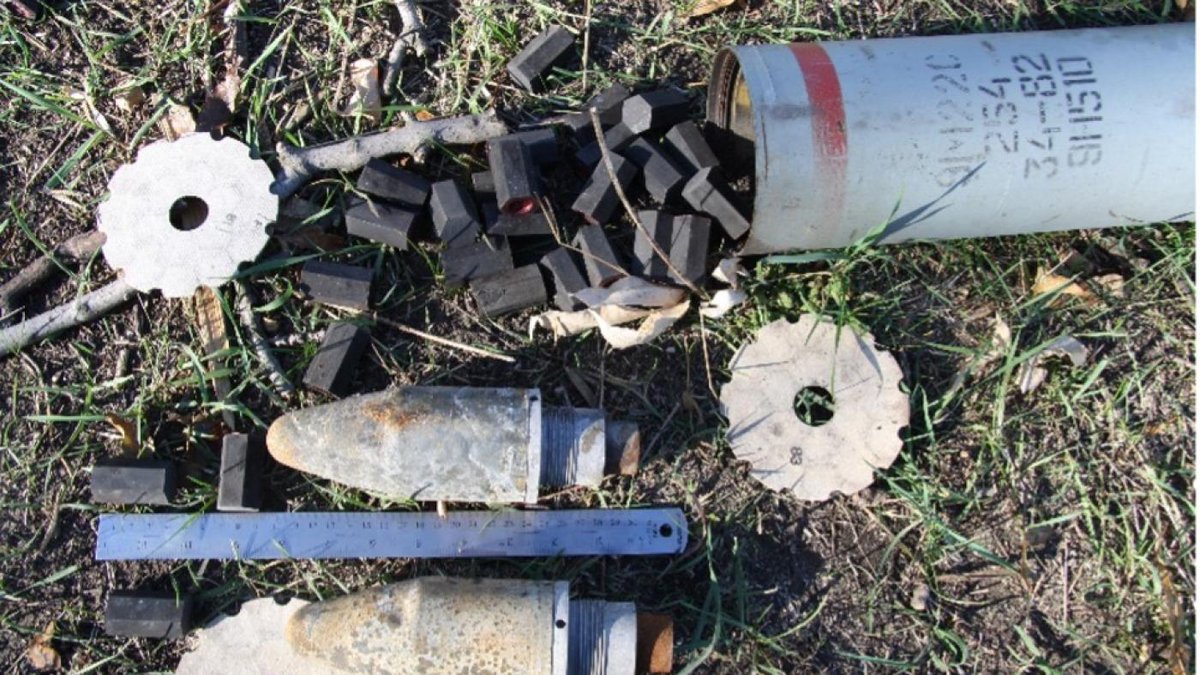
There have been many instances during the Ukraine war when Russian forces have used 9M22S rockets against Ukrainian targets, including civilian targets. This attack in Mariupol clearly shows thermite munitions being used against the Azovstal works. /4
https://twitter.com/i/status/1525821433498173440/video/1
The latest thermite attack, however, raises some puzzling questions. It appears to have targeted the capital of the self-proclaimed Donetsk People's Republic (DPR). This is the first incendiary attack I've seen against a Russian or separatist target in this war. /5
This wasn't a single rocket gone astray. Videos giving a wider view show a lot of submunitions falling, though not as many as would be expected from a full salvo of 40 9M22S, which would disperse 7,200 submunitions. /6
The location of the attack also wasn't marginal – it was right in the middle of Donetsk city, in the Voroshylovskyi and Kalininskyi districts. This is at least 10 km from the nearest front line, so it's very unlikely this was the result of an attack falling short. /7

Nobody has claimed responsibility for the attack. The local separatist government in Donetsk has issued a statement claiming that Ukrainian forces fired three Grad rockets into central Donetsk. /8 sana.sy/en/?p=278639
This would be consistent with the number and area of the individual submunitions seen in the videos. One rocket can disperse over an area of 80 x 80 m (6,400 sq m). Three rockets would account for 540 submunitions, which looks about right for the videos. /9
So who was responsible for the attack? Ukrainian responsibility can't be ruled out. The Ukrainians have 9M22S rockets in their arsenal as part of the Soviet inheritance. They have been used at least once before, in Ilovaisk in 2014. /10 vice.com/en/article/a38…
Donetsk city is also well within the 20 km range of Ukrainian Grad multiple launch rocket systems (MLRS) equipped with 9M22S. So it's physically possible for the Ukrainians to have carried out the attack. /11
However, I've seen no evidence or previous claims that the Ukrainians have used 9M22S on any occasion during the current war. The Ukrainians seem to have fought this war pretty 'cleanly' overall, in contrast to the Russians. So I rate this as a low likelihood. /12
The Russians have used 9M22S on many well-documented occasions, including in Mariupol, Kharkiv, Zolote and most recently in Mariinka near Donetsk on 17 July (below) and several previous occasions.
https://twitter.com/i/status/1548460831796449282/video/1/13
The Russians are doing so in full awareness that using incendiaries against civilian areas is forbidden by international conventions, as intercepted phone calls have shown. The Ukrainians seem to be keen to stick to international law. /14
https://twitter.com/mdmitri91/status/1525760440738922496
The attacks on Mariinka show that there is clearly at least one Grad battery equipped with 9M22S near Donetsk, which has been used within at least the last 10 days. But it's very unlikely that it would be firing rockets over Donetsk city. /15
An unknown quantity is the identity of the battery's operator. It's most likely the Russians given the use of 9M22S elsewhere including Kharkiv, but it can't be excluded that the 'Donetsk People's Rupublic' controls it. They have their own Grads. /16
As this map shows, Mariinka is south-west of Donetsk city centre. The Grads hitting Mariinka are likely firing from the countryside somewhere around Luhanske and Olenikva, or east of there. There's no reason why they should be east of Donetsk city or be fired over the city. /17
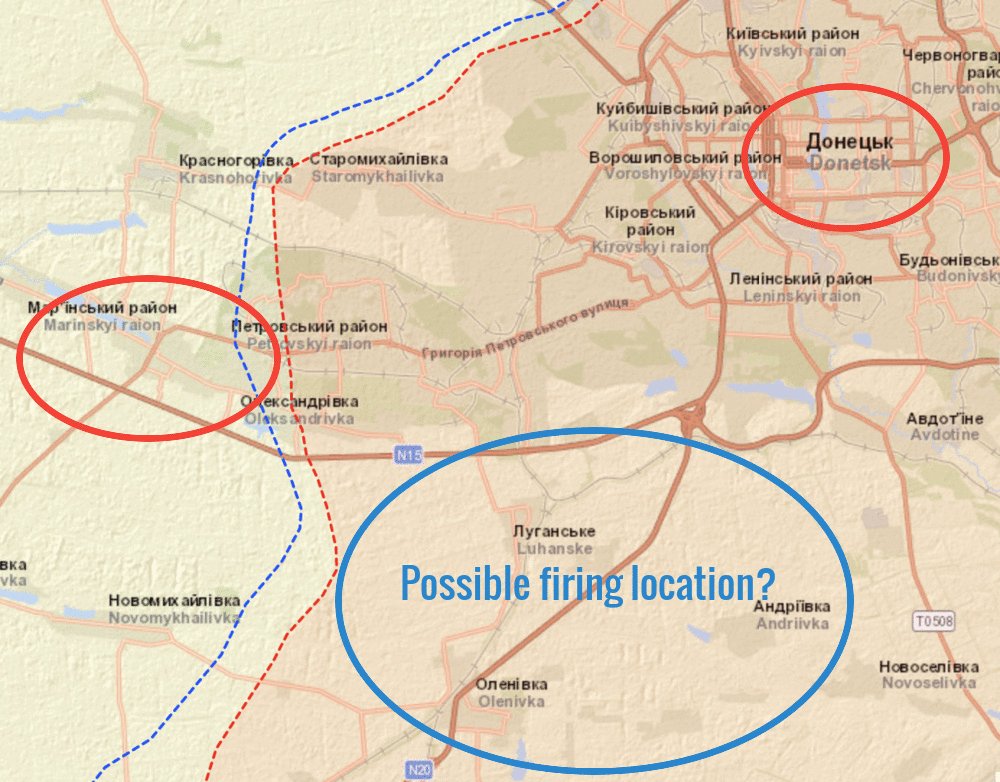
I should add that from the videos that have been posted, I couldn't guess which direction the rockets came from. We only seem to see the submunitions after they've been ejected, following which they fall vertically. /18
So it's very unlikely that the Grads that hit Donetsk were fired over the city and fell short, or that they were misaimed. Firing from their positions south of the city would have required a 90 degree change in direction from targeting Mariinka. /19
It's also unlikely that the rockets were shot down over the city. There have been no reports of air defences engaging incoming missiles. Nor were they fired for 'illumination' given that the city is not blacked out. /18
I think we can therefore conclude from the above that:
1) The Ukrainians have the capability but don't appear to have used 9M22S in this war, suggesting they likely don't have the intent to do so. Likelihood of responsibility: low /19
1) The Ukrainians have the capability but don't appear to have used 9M22S in this war, suggesting they likely don't have the intent to do so. Likelihood of responsibility: low /19
2) The Russians and the 'DPR' have the capability, they've repeatedly used 9M22S in the war, and they've carried out several 9M22S attacks near Donetsk, including within the last 10 days. /20
3) The attack was most likely deliberate, but its purpose can only be guessed at. It may have been intended as a 'false flag' to try to bolster propaganda claims that Ukraine is intent on "genocide" in the Donbas. /21
4) Why not a full salvo? That may have been intended to limit the damage being caused on the ground (which was likely not trivial anyway, given the nature of the weapon). /22
5) Given the combination of Russia's record, capabilities and nearby confirmed use of 9M22S, I think the likelihood is high that this was a deliberate attack by Russia or its proxies on its 'own people'. /end
Pictures from Donetsk of burned-out remnants of thermite submunitions:
https://twitter.com/Vladus70/status/1551098717960376321?s=20&t=Lz5PgHkgg1AGPKtKNQlokA
• • •
Missing some Tweet in this thread? You can try to
force a refresh