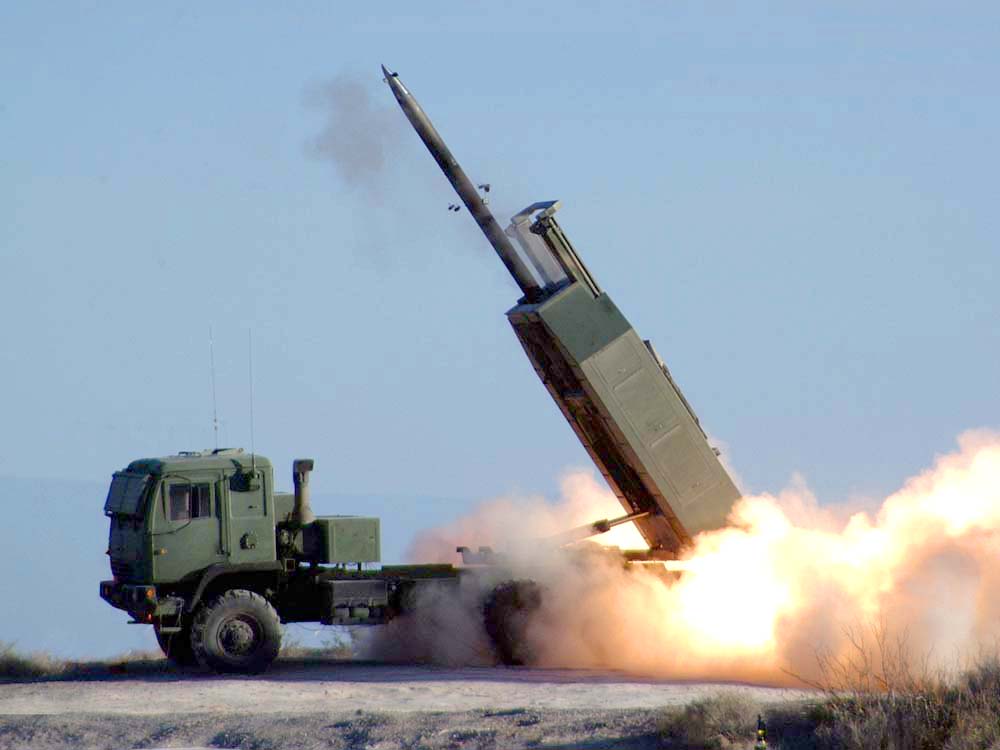
The Russian commentator Igor 'Strelkov' Girkin has confirmed that the Antonivsky road and rail bridges near Kherson, attacked last night apparently by Ukrainian HIMARS, are now out of action. Translation follows: @RALee85@wartranslated
Finally! The first road bridge across the Dnieper was taken out of operation ... True, so far it's in Kherson, and not by our troops ... But never mind, "bad things begin". /1
And without irony - the enemy units, having crossed the river Ingulets, captured the village Andreevka (Beryslav direction, between Snigiryovka and Davydov Brod). It seems that "Girkin beckoned" again (just yesterday he wrote about the threat in this area). /2
It is not clear to me whether the Armed Forces of Ukraine's offensive has begun or just a tactical attack so far. /3
P.S. It is still a tactical advance. The Ukrainians created a bridgehead on the southern bank of the Ingults River for a further offensive. The railway bridge is also damaged. /4
Our troops have already started pontoon crossings. The problem is that pontoon bridges have much lower carrying capacity and are much more vulnerable to enemy missile attacks. /end
• • •
Missing some Tweet in this thread? You can try to
force a refresh

1/ Why do Russian soldiers fight in Ukraine, why do they quit and what happens when they do quit? Intercepted Russian phone calls published by the Ukrainians and accounts from the soldiers themselves shed some interesting light on these key questions. First 🧵 of a short series.
2/ Let's start with some caveats. The Ukrainian authorities have released extracts from recorded phone calls by Russian soldiers, clearly for propaganda. Some Russians have also published personal accounts of their service. These are particularly interesting for being unfiltered.
3/ It's unclear how well these recordings and accounts represent Russian soldiers in general. However, other countries (US, UK) have said that the Russians are badly demoralised, presumably based on a wider range of evidence. So the accounts may not be untypical.
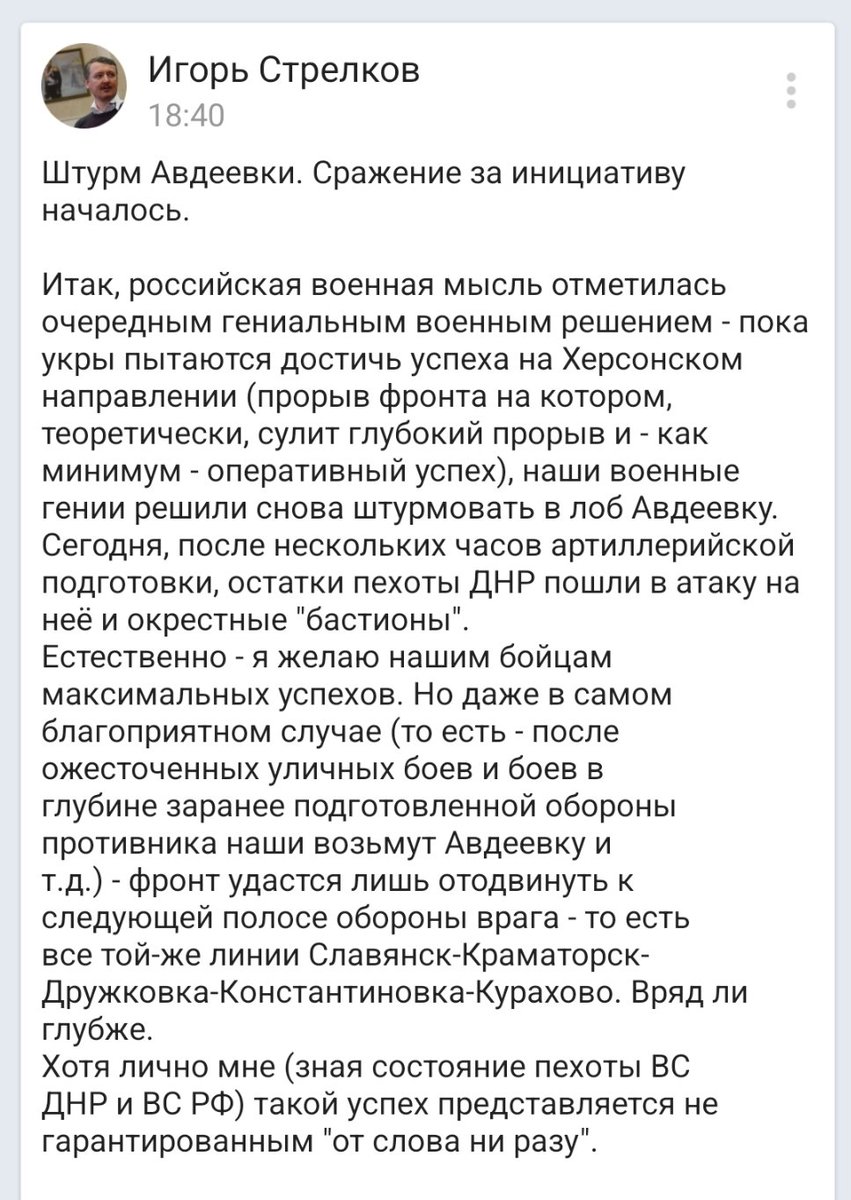
Russian commentator/bad guy Igor 'Strelkov' Girkin thinks it's a bad idea for the Russians and their Donetsk People's Republic (DNR) allies to try to break through the heavily fortified Ukrainian defences at Avdiivka outside Donetsk city. He's not wrong. Translation: /1
"Assault on Avdiivka. The battle for initiative has begun. So, Russian military thought has made another ingenious military decision. /2
While the Ukrainians are trying to achieve success in the Kherson direction (breaking through a front on which, theoretically, promises a deep breakthrough and - at least - operational success), our military geniuses decided to storm Avdiivka head-on again. /3
An interesting snippet giving an insight into what it's like to be hit by a #HIMARS strike:
(R2): We came, we now live here with scouts, two days ago they had an arrival in their building. Some shit that you cannot hear arriving. It just whistles for two seconds, then bam-bam!/1
(R2): No, no, it’s some MLRS like Grad or Uragan, but it’s silent.
(R1): Maybe the fucking Hummers or Hammers?
(R2): Not Hummers, what are they called…
(translation by @mdmitri91)
/2
(Parenthetical note: HIMARS rockets hit at a speed of about Mach 2.5. The first thing likely to be audible from a HIMARS impact will be the explosion, as they're travelling far faster than sound - much like the old German V2s.)
1/ The war in Ukraine has been a disaster in many regards, but the divisions and destruction inflicted upon the Orthodox Church have been particularly grievous. In this final 🧵, I'll look at the role that Orthodoxy has played in the Ukraine war.
2/ For the first part, on the Russian Orthodox Church's relationship with the Russian state, see:
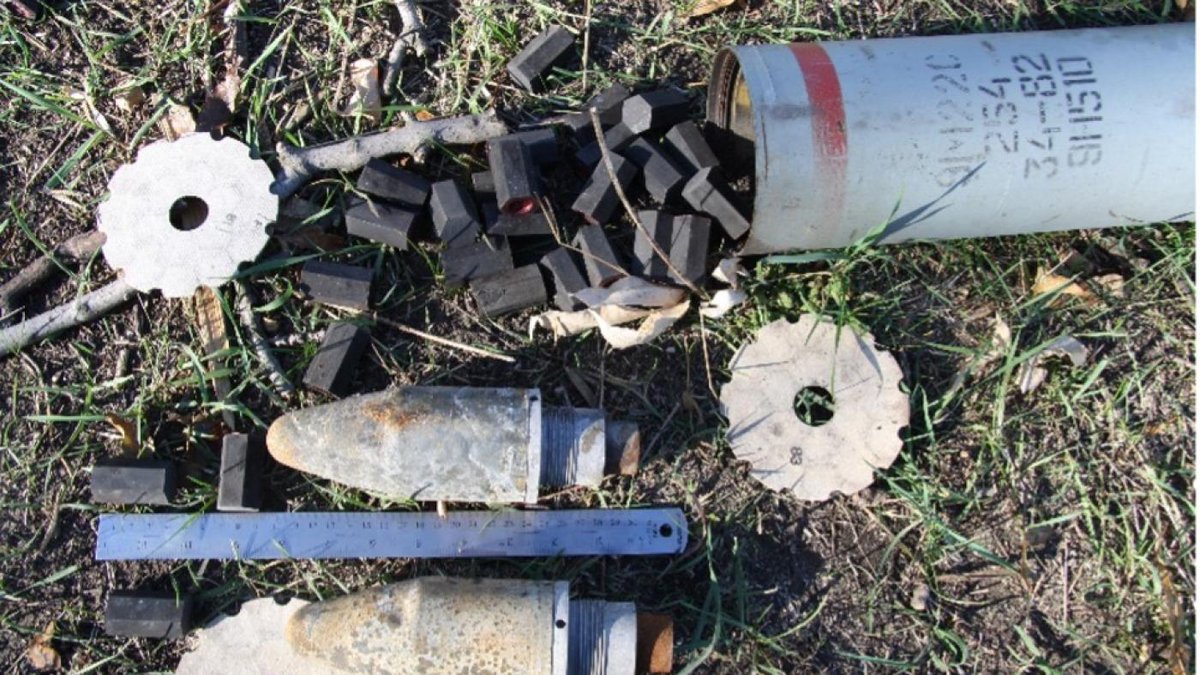
Multiple videos shows thermite incendiaries falling on densely populated civilian areas of central Donetsk – a clear war crime, as such munitions are banned from usage against civilian targets. But this incident raises more questions than answers. /1
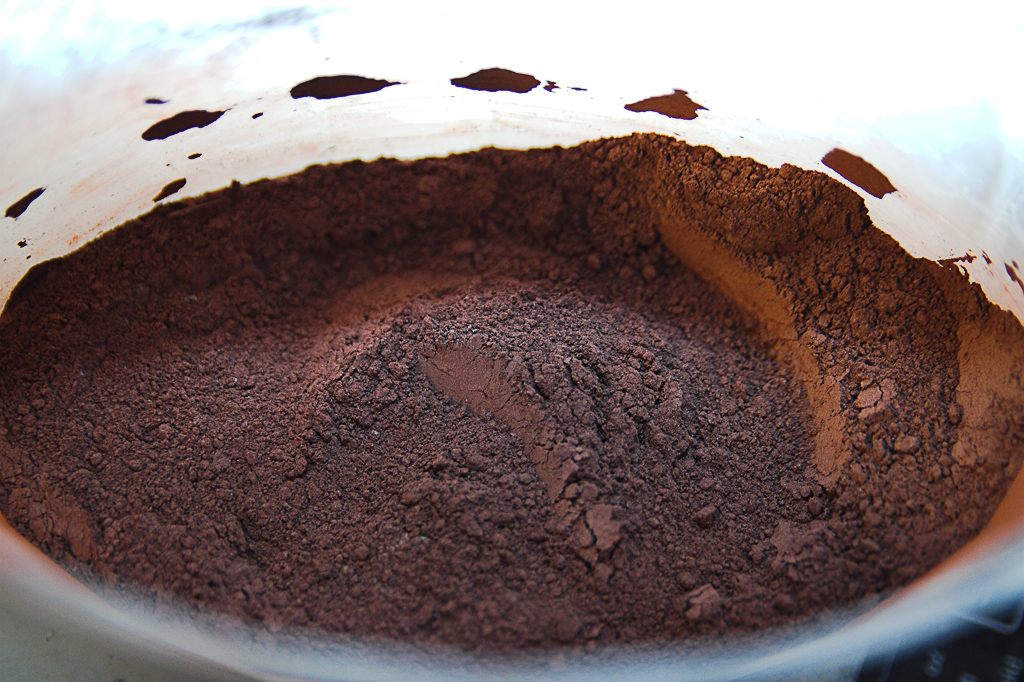
Thermite is a pyrotechnic mixture of metal powder and metal oxide. It burns at up to 2,200°C (4,000°F). It can't be smothered or be extinguished by water. It can melt through steel and causes horrendous injuries – 5g of burning thermite on the skin can incapacitate a person. /2
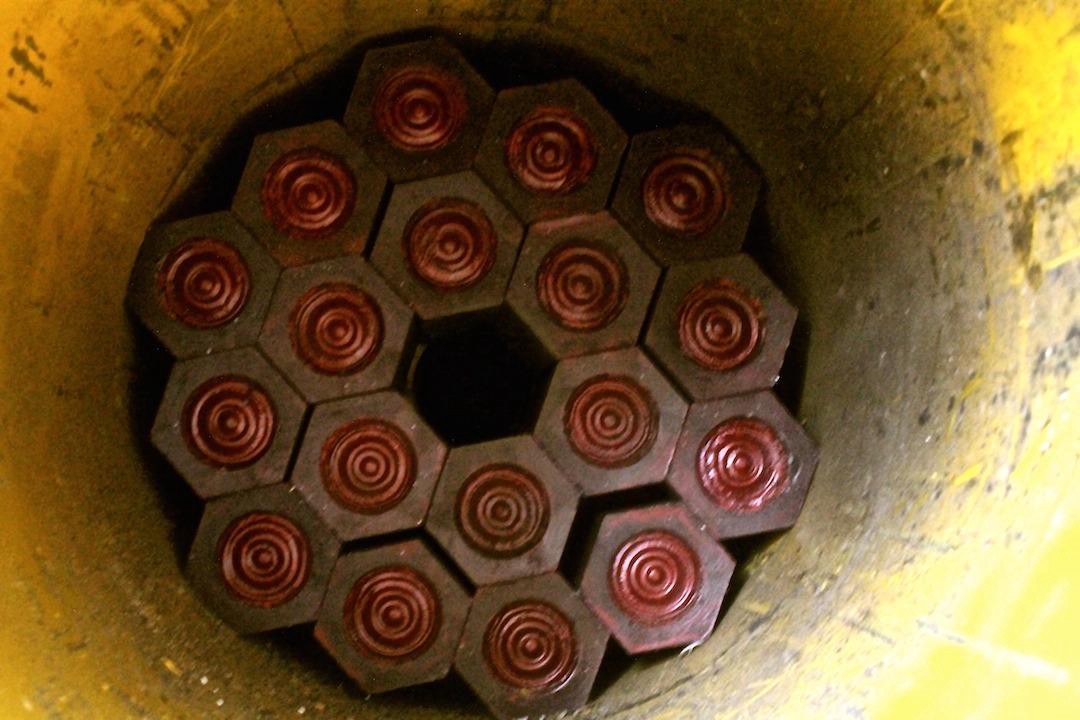
It's packed into 9M510 hexagonal magnesium prisms, each 40 mm long by 25 mm wide, which are explosively ejected from 9M22S unguided rockets fired from Grad or Tornado rocket launchers. The rockets have a range of 20 km (12 miles). Each contains 180 thermite elements. /3
More on bridge-busting: an update to a thread I posted two months ago on the likelihood of Ukraine being able to take down the Crimea/Kerch bridge (actually bridges) with the US-made HIMARS rocket artillery system. /1
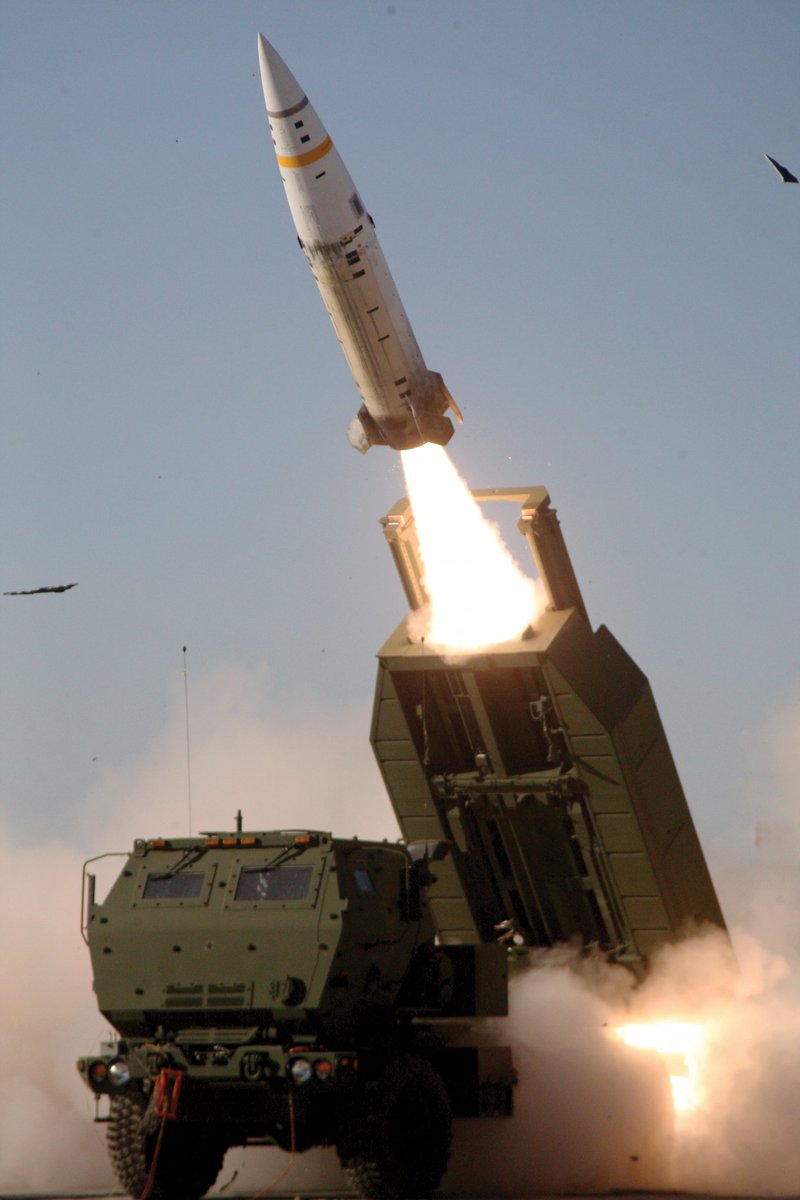
In the thread, I noted the difficulty of taking down bridges from a distance with anything short of a large laser-guided bomb. Note that the long-range ATACMS rocket that HIMARS can fire only has a 500 lb / 247 kg warhead - 1/4 of the weight of a 2,000 lb BLU-109/MK 84 bomb. /2
Ukraine doesn't appear to have been given any ATACMS missiles yet. It does however have M31 guided missiles, which have an even smaller warhead (200 lb / 90.7 kg). And we now have direct evidence of how well it performs against a bridge. /3