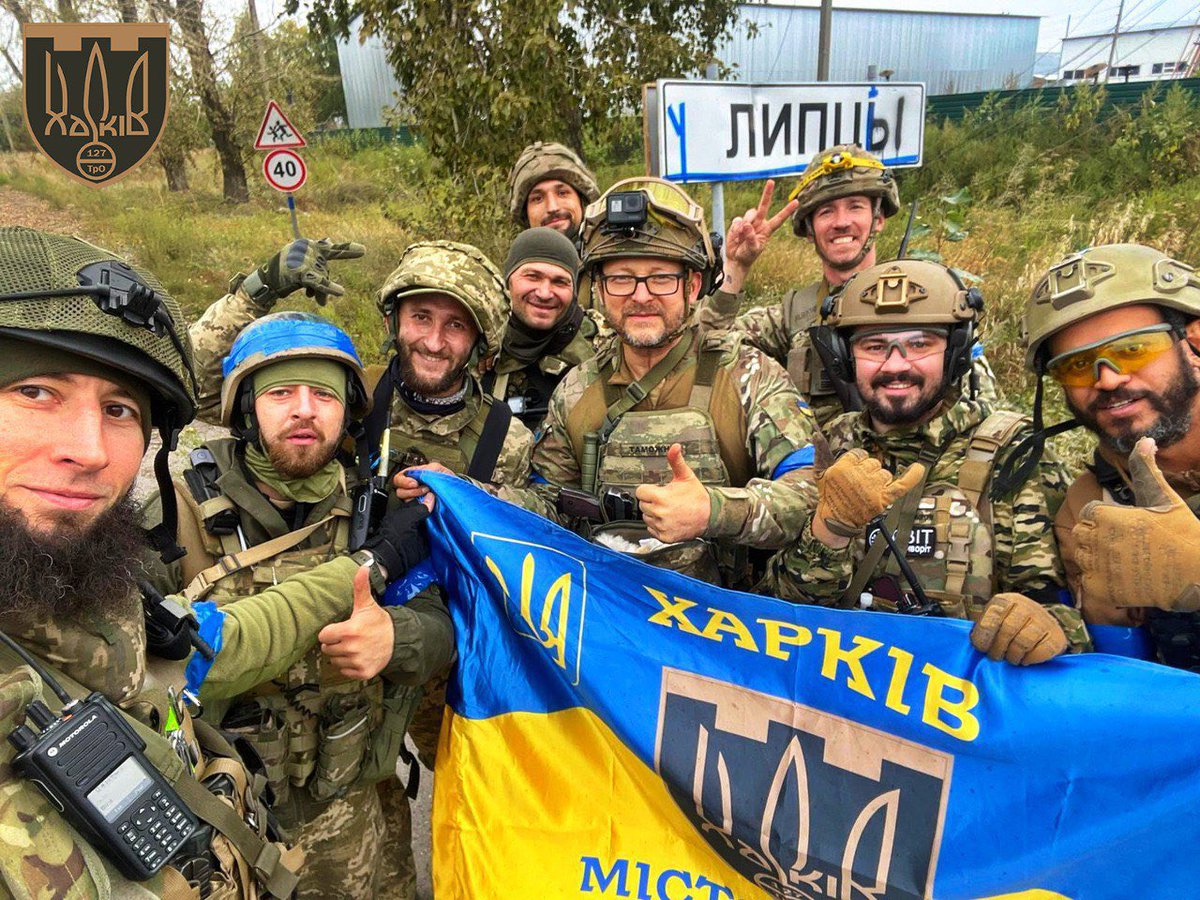
The last two weeks have answered a central question of the Russo-Ukraine War; can Ukraine undertake the offensives required to liberate their people & reoccupy their territory? They have answered this question emphatically with their Kharkiv offensive. 1/19
2/ During this offensive, I had the opportunity to visit #Ukraine and to speak with high level military and government officials. I took away three key observations from the visit.
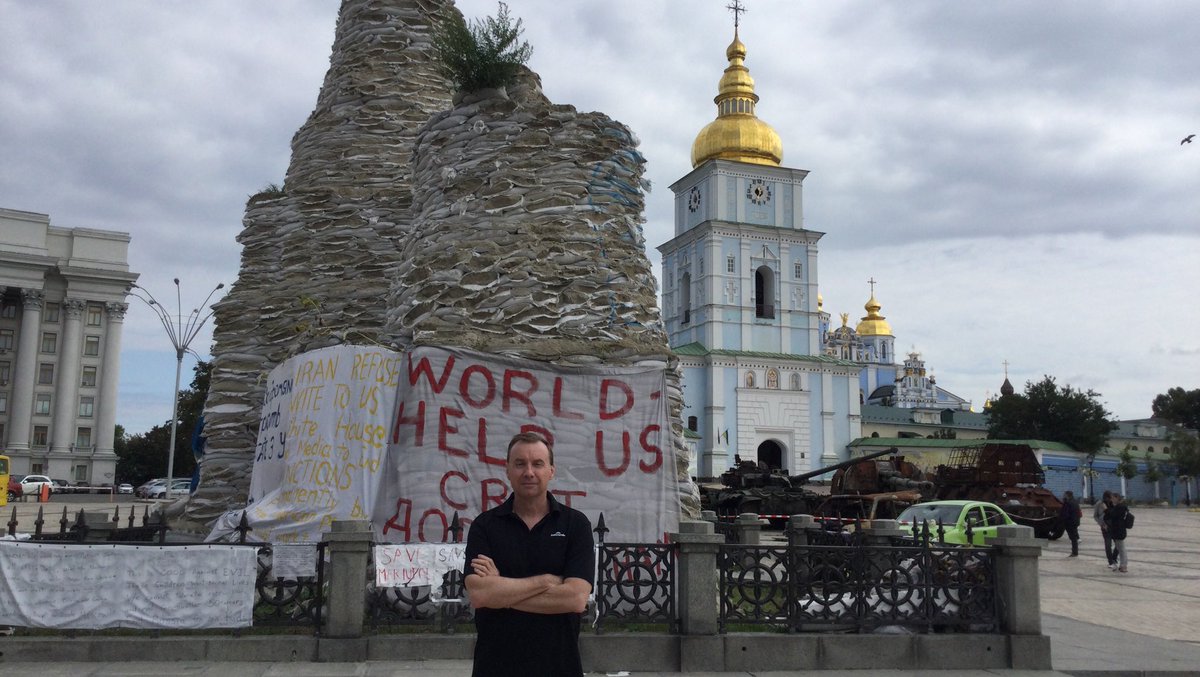
3/ First, the Ukrainians are competent. This is a gross understatement. No military this century has had to fight across all the domains of war concurrently, and do so against a larger and better armed adversary. kyivindependent.com/national/with-…
4/ Their most important preparation for this war was not physical but intellectual. They re-trained their troops away from Soviet centralised command methods to adopt more decentralised C2. This has been a clear difference between the two belligerents.
5/ Beyond this, the Ukrainians have adopted what I have described elsewhere as a strategy of corrosion. They have attacked the Russians at their weak points constantly, destroyed their logistics, and slowly killed as many Russian battlefield leaders as possible.
6/ At the strategic level, their global influence campaign has set a new benchmark for effectiveness. This Ukrainian competence has resulted in a military institution that is now without peer in the art and science of 21st century warfare.
7/ Second, the Ukrainians are proud of their national effort - military, civil, diplomatic and informational - to defend their nation against the depredations of the murderous, yet bungling, Russian Army.
8/ It is not a pride that features flag waving and empty patriotic gestures. It is a quiet, humble pride that one finds in the alert posture of every soldier, and confident step of the officials and military officers with whom I met.
9/ Finally, the Ukrainians are confident. They know they can win this war. Zelensky stated that “we don’t believe there is compromise when it comes to Russia. There are only conditions, especially the departure of Russia from Ukraine.”
10/ Partially, this is a result of their achievements in the Battles of Kyiv, Kharkiv and elsewhere. The Ukrainians have seized the strategic initiative in this war, and are taking back huge swathes of their territory from the Russians.
11/But there is another more vital source of their confidence; the Ukrainians know exactly what they are fighting for. They fight for their people and their country. And they believe strongly that they are fighting for the larger idea that all democracies matter.
12/ Every single Ukrainian interlocutor I met with in Kyiv had but a single message; give us the right tools in the right quantity to get the job done. They know they can beat the Russians, but appreciate that this is predicated on continued western aid.
13/ The coming winter is an opportunity for the west to surge its support to Ukraine. President Zelensky noted in our talks, “we are not after countries compromising their own security, but we need more military assistance.”
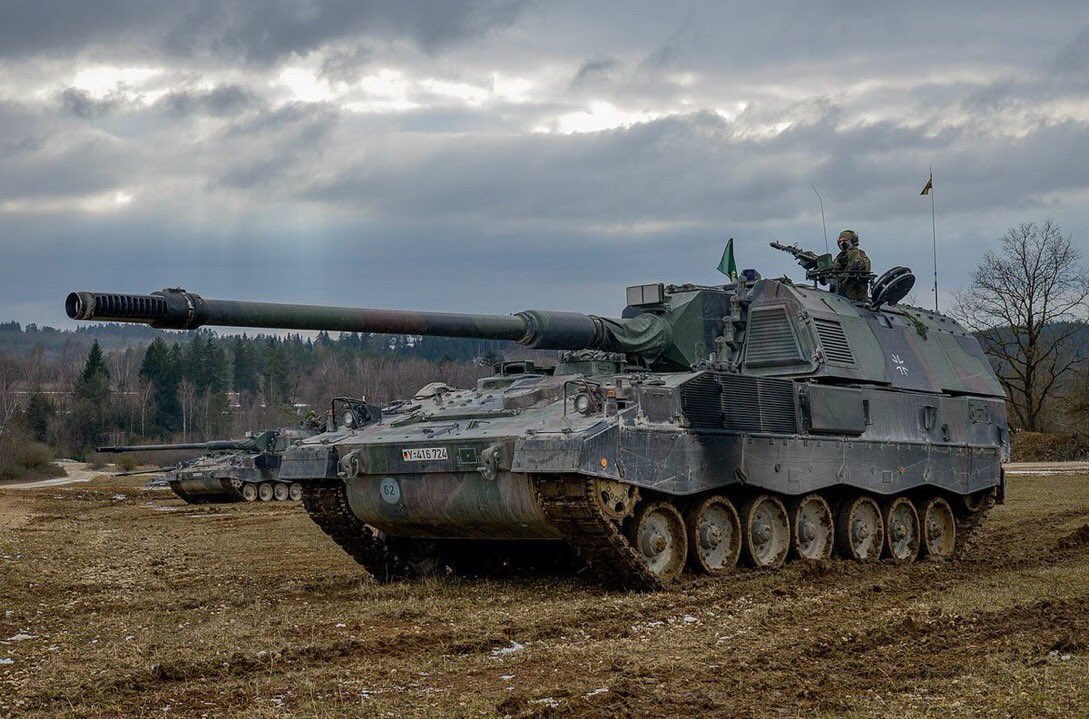
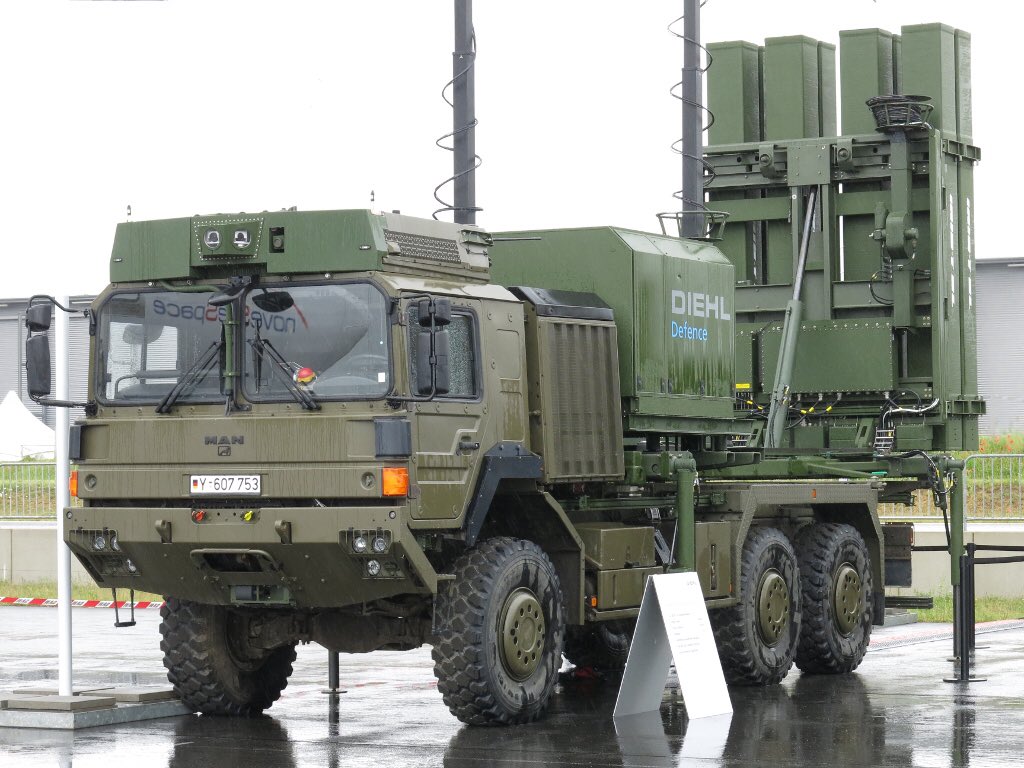
14/ There was a consistent message in what is needed: air defence; tanks and armoured infantry fighting vehicles; long range fires; soldier equipment; UAVs; and, counter UAV systems.
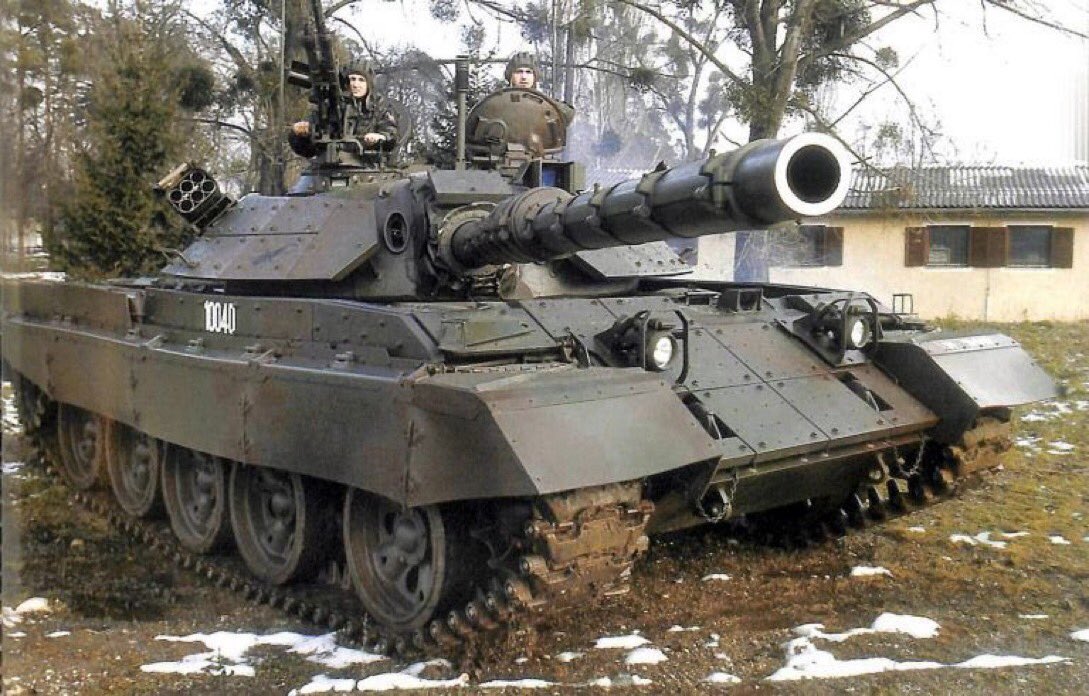
15/ Some in the west talk of the limits of Ukraine to absorb additional military aid. But Ukrainians know themselves, and this war, better than any western official, and have mastered modern war to a degree not achieved in any western military. We should defer to their judgement.
16/ There is much more we can do to support them. I have proposed that my own country send more armoured vehicles and equipment, and that it better amplify Ukrainian messaging in the global information domain. smh.com.au/world/europe/i…
17/ The coming months are an opportunity for Australia and others to demonstrate true commitment to Ukraine and their victory over Russia. This is an even more compelling need if Russia does begin to mobilise. reuters.com/world/europe/r…
18/ The sacrifices of #Ukraine in the past 8 months have been to ensure that ‘government of the people, by the people, for the people shall not perish’ from their small patch of this earth. It’s why they fight. And why the west must support them more. End
Some initial thoughts on the new Australian National Defence Strategy released today in Canberra. Overall, the focus and trajectory of Australia's defence strategy remains consistent with the 2024 version. There are some notable things worth highlighting. 1/15 🧵🇦🇺
2/ The new NDS shifts more towards a true 'defence' strategy rather than just a 'military' strategy that was described in the 2024 version. There is stronger language around national civil preparedness, fuel security, and economic security. This is good. But these are also topics that should be in a National Security Strategy - if Australia had one!
3/ Spending. There is an uptick in spending. This is a positive. There is a claim that we might get 3% of GDP on defence at some point in the future. The reality is that because we are well short of this now, trying to fund both AUKUS and the ADF at the same time with current spending is challenging (nice word for not possible), and conventional military capabilities are degrading - and not modernising fast enough.
“The advantages of threatening an American ground intervention are real. The advantages of actually committing boots on the ground are also real but more limited. The disadvantages could be numerous.” My weekly update on Iran, Ukraine and the Pacific. 1/6 🧵
2/ Ukraine has achieved something significant in the south. Ukrainian attacks there have disrupted Russian offensive planning, consumed Russian reserve forces, and demonstrated that Ukrainian combined arms operations can impose genuine operational costs. But there is also a trade-off in these southern operations. Gains in the south have come at some cost to northern Donetsk, and Russian forces retain the initiative on what is Russia’s main effort on the ground: the envelopment of Ukraine’s fortress belt and the remainder of Donetsk.
3/ In Iran, the oldest lesson in strategy keeps surfacing: military success in the air and at sea does not automatically translate into political outcomes on the ground. Iran has not been beaten. The question being probably being considered in the Pentagon, Congress and the White House is whether ground forces would ensure that the military campaign achieves a decisive political outcome - or whether it would lead to a larger and more difficult American military commitment to the Middle East with uncertain results.
The latest update on drone and missile attacks on the UAE has just been released. With this as context, I thought I would share some initial insights arising from this Iranian retaliatory campaign and the overall war against #Iran. 1/9 🧵
2/ First, the battlespace is not transparent. It is highly visible but high visibility is not the same as high wisdom about what is seen. And we must not fall into the trap of assuming that we actually are seeing everything we need to see rather than what the enemy wants us to see. Finally, no tech can see into the hearts and minds of soldiers and combat leaders, especially when they are functioning under conditions of existential threat.
3/ Second, Understanding the enemy, and how resilient it is, matters. The Iranians have been preparing for this fight for decades, will have many caches of weapons and have strategised how this might play out. And assuming that a few bombs from the sky topple a regime (especially when it has never been achieved before) badly under estimated the Iranians.
"America & Iran are fighting two very different wars and have two different theories of victory. China & others in the authoritarian learning & adaptation bloc are observing closely & learning." An assessment of where we are, & who is learning from the Iran War. 1/6 🧵
2/ This assessment examines the two wars in and around Iran: the military campaign that Washington is fighting, and the economic campaign that Tehran is waging. It then asks the following question: what are the respective theories of victory, and how does that theory play out differently for each belligerent?
3/ A theory of victory is not simply a list of military objectives. It is a coherent account of how the application of military force produces a political outcome that endures. The Trump administration entered Operation Epic Fury with a theory of the means, and a range of constantly changing ends (at least in public). It might be able to use the military to win the war, but it is unclear whether it has a longer-term plan to win the peace.
Wars are never simple. Despite the efforts of governments, war resists the clarity, certainty & clever narratives supported by AI slop videos, we wish to impose on them. The #Iran war & developments in #Ukraine, were exemplars of this during the week. 1/7
2/ Welcome to my weekly update on war and strategic competition. This week, shifting strategic initiative in Ukraine, the war in Iran, politics in the Pacific & my Big 5 reading recommendations.
3/ In #Ukraine, Ukrainian forces achieved some of the most operationally significant gains of the past year, reclaiming territory in the south while striking deep into Russia’s military-industrial complex. Diplomacy continued its chaotic and erratic journey.
"At some point, Putin will have to reckon with the failure of his strategic bombing campaign against Ukraine’s cities to shift Ukraine’s political posture, and the slow-rolling military failure that is Russia’s bloody ground campaign." A comprehensive update of the big #Ukraine & Pacific issues this week. 1/6 🧵🇺🇦
2/ In Europe this week, the annual Munich Security Conference was held. Lots of interesting speeches, but not a lot of progress on ending the war in Ukraine.
And as Zelenskyy stated: "A lot of time now is spent on negotiations. We truly hope that the trilateral meetings next week will be serious, substantive, and helpful for all of us. But honestly – sometimes it feels like the sides are talking about completely different things."
3/ In Ukraine, the armed forces were able to undertake opportunistic counter attacks against Russian forces deprived of Starlink.
But otherwise, as I describe in my assessment of the trajectory of the war in 2026, "the brutal calculus of the past four-years will continue into 2026 unless there is a significant breakthrough in technology, tactics or strategy that changes the deep, close and rear aspects of the overall battlefield dynamic.
The only other thing that might significantly change the trajectory of the war is if there is a significant shift in political will in Kyiv or Moscow."