✨5 Trading and Investing Books 📚that you must read.
🧵Master Thread🧵
🧵Master Thread🧵
1) The Psychology Of Money
About it: Doing well with money isn't necessarily about what you know. It's about how you behave. And behavior is hard to teach, even to really smart people.
Link- amzn.to/3gzo7q4
#Books #Trading
About it: Doing well with money isn't necessarily about what you know. It's about how you behave. And behavior is hard to teach, even to really smart people.
Link- amzn.to/3gzo7q4
#Books #Trading

2) Trading In The Zone
Author: Mark Douglas
About it: Douglas uncovers the underlying reasons for the lack of consistency and helps traders overcome the ingrained mental habits that cost them money.
Link- amzn.to/3Dl5qj1
#Books #Trading
Author: Mark Douglas
About it: Douglas uncovers the underlying reasons for the lack of consistency and helps traders overcome the ingrained mental habits that cost them money.
Link- amzn.to/3Dl5qj1
#Books #Trading

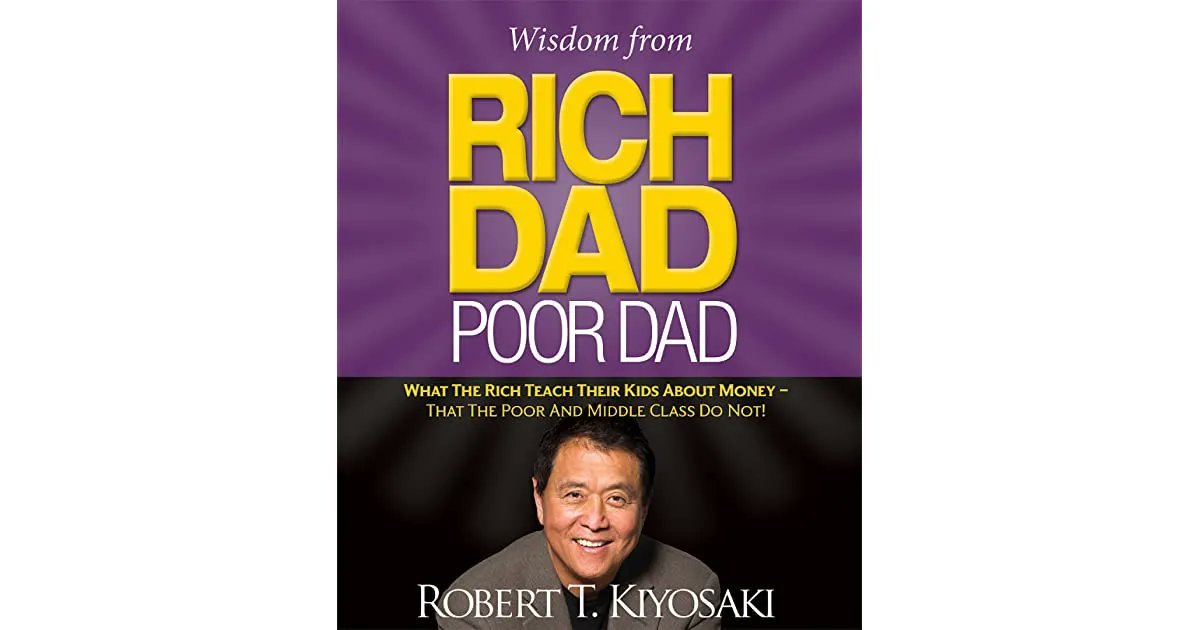
3) Rich Dad Poor Dad
Author: Robert T. Kiyosaki
About it: The book explodes the myth that you need to earn a high income to be rich and explains the difference between working for money and having your money work for you.
Link-amzn.to/3TCyacA
#Books #Trading
Author: Robert T. Kiyosaki
About it: The book explodes the myth that you need to earn a high income to be rich and explains the difference between working for money and having your money work for you.
Link-amzn.to/3TCyacA
#Books #Trading
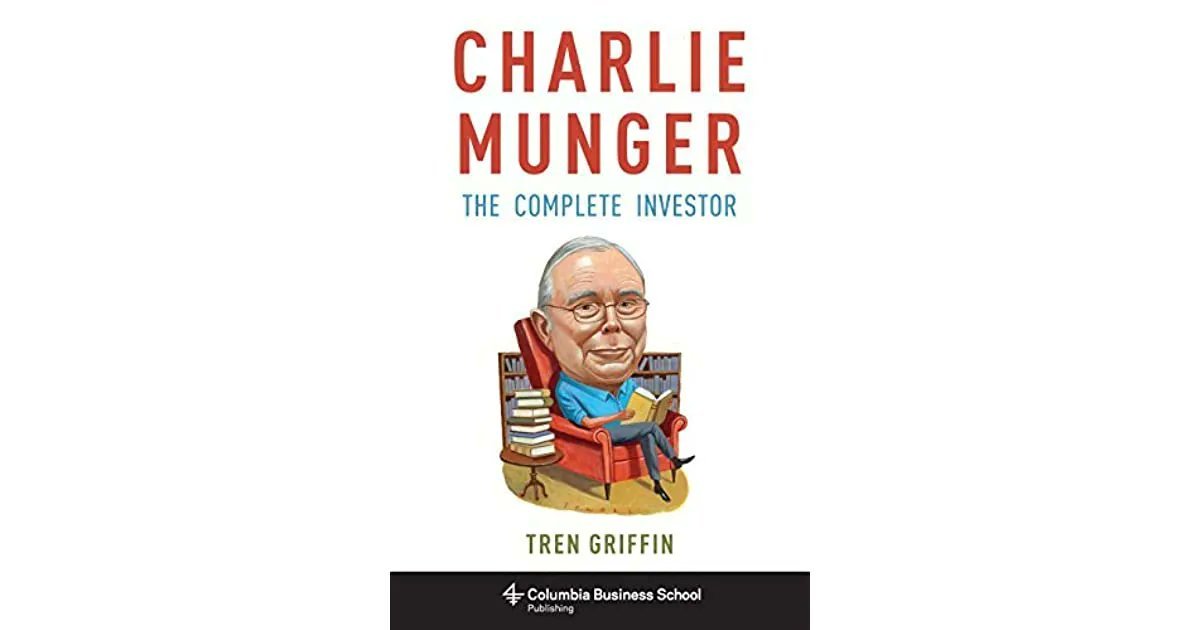
4) Charlie Munger: The Complete Investor
Author: Tren Griffin
About it: This book presents the essential steps of Munger's investing strategy, condensed here for the first time from interviews, speeches, writings, and shareholder letters.
Link-amzn.to/3z0FbvS
#Books
Author: Tren Griffin
About it: This book presents the essential steps of Munger's investing strategy, condensed here for the first time from interviews, speeches, writings, and shareholder letters.
Link-amzn.to/3z0FbvS
#Books
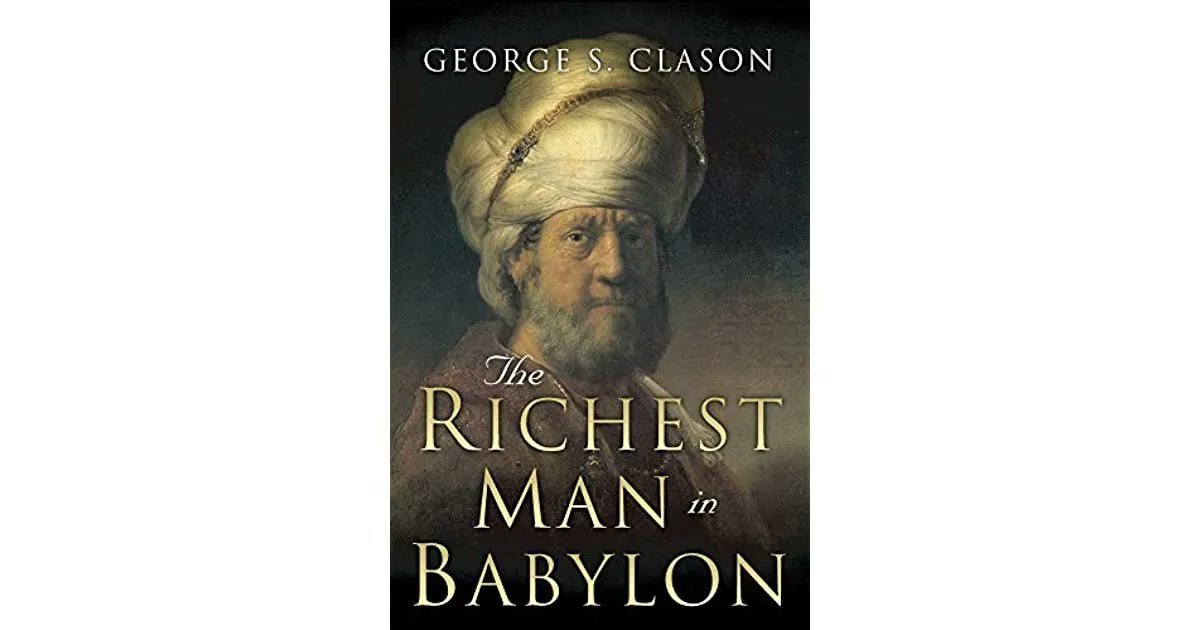
5) The Richest Man In Babylon
Author: George S. Clason
About it: Beloved by millions, this timeless classic holds the key to all you desire and everything you wish to accomplish. This is the book that reveals the secret to personal wealth.
Link-amzn.to/3f0YXQO
#Books
Author: George S. Clason
About it: Beloved by millions, this timeless classic holds the key to all you desire and everything you wish to accomplish. This is the book that reveals the secret to personal wealth.
Link-amzn.to/3f0YXQO
#Books
Thanks for checking this out.
1. Follow @Tradewith_Vivek for more such Learning Threads.
2. If you loved this, Like and Retweet the first tweet to help others.
Good Luck to you🙌
1. Follow @Tradewith_Vivek for more such Learning Threads.
2. If you loved this, Like and Retweet the first tweet to help others.
Good Luck to you🙌
• • •
Missing some Tweet in this thread? You can try to
force a refresh