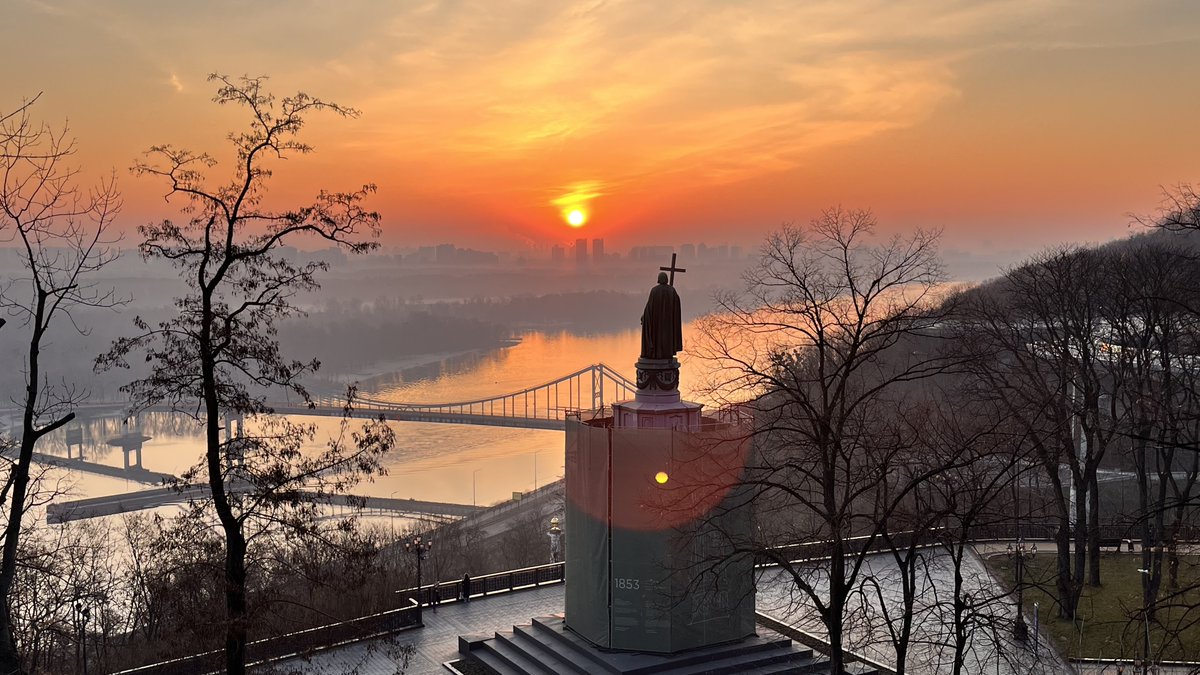
In the last 48 hours, reports have emerged of a potential Russian withdrawal from its Dnipro west bank defensive positions. While this may fit General Surovikin’s overall strategy for #Ukraine, it will be difficult to execute successfully. 1/24 🧵 
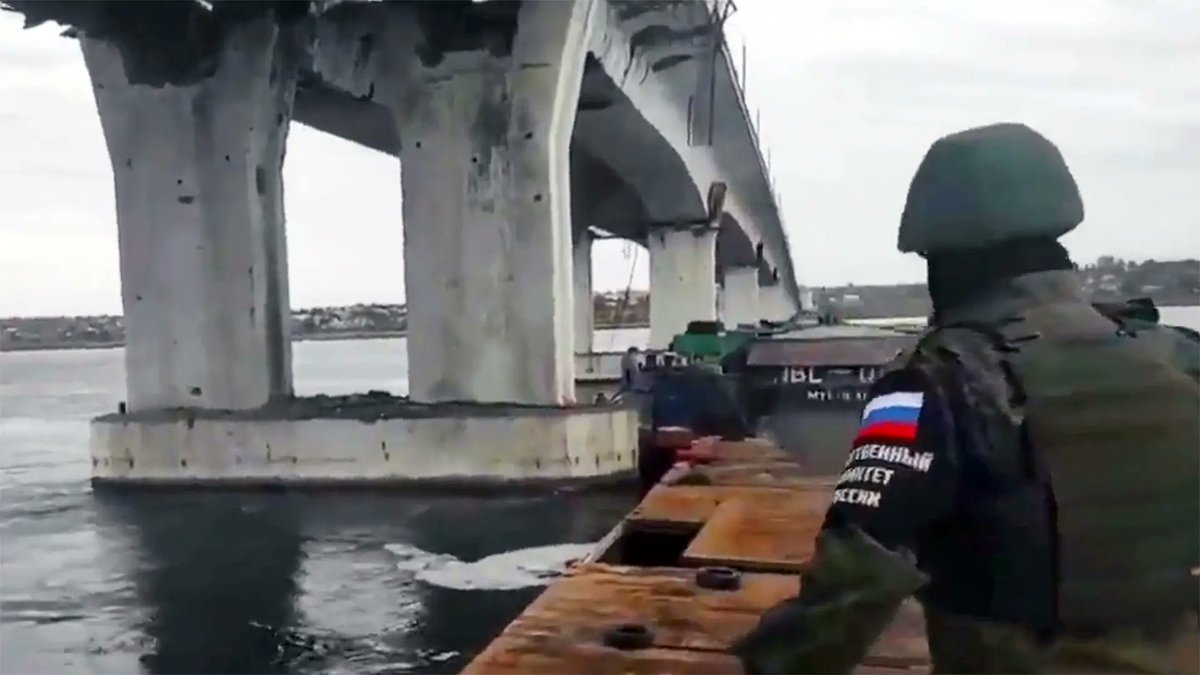
2/ Somewhere in the headquarters of a Russian Combined Army Army in south Ukraine, a staff officer is pulling out his doctrinal publication to plan an orderly withdrawal of Russian forces back across the Dnipro. Why are withdrawals conducted and what are some considerations?

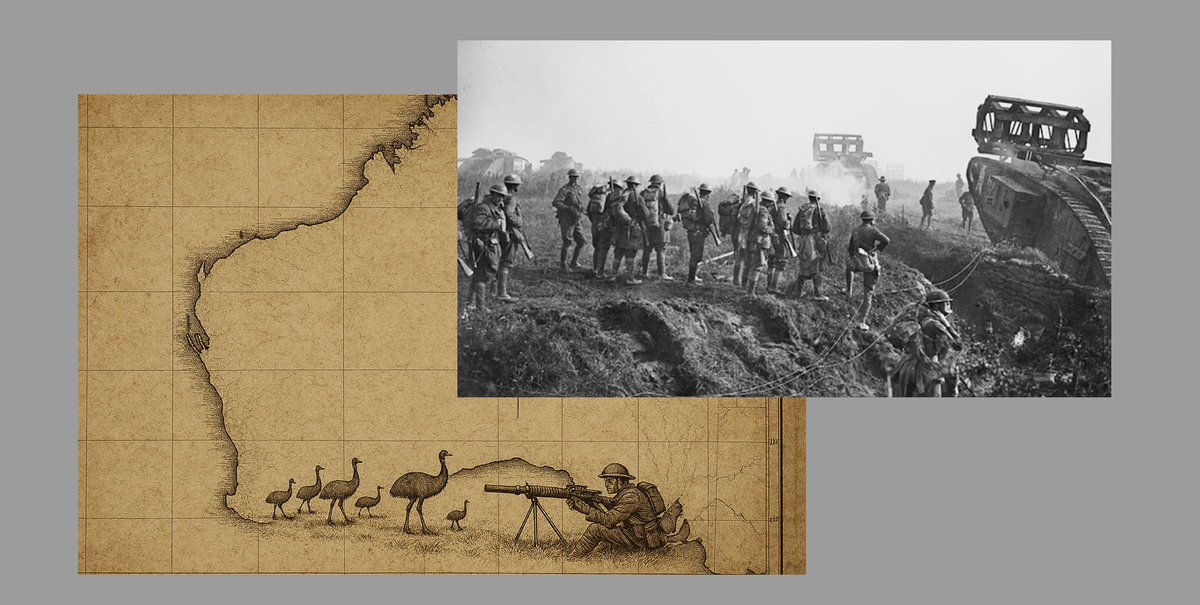
3/ Withdrawals, which are considered a ‘retrograde operation’ in US Army doctrine, are designed to allow a force to disengage from the enemy and redeploy on a new mission or to a new location, while minimising casualties.
4/ This quote from Australian Army doctrine is also useful: “Withdrawal is a task employed regularly during mobile defence or the delay to accomplish the overall aim of resuming offensive action…it should be treated as a routine tactic rather than a harbinger of disaster.”
5/ For the Russians, the drivers for withdrawing back across the Dnipro might include resupply difficulties, needing those troops for higher priority missions, and the likelihood of maintaining their current positions resulting in their destruction.

6/ I know the Russians have not been great at following their own doctrine in this war. But, once a decision is made to withdraw, what are the planning considerations?
7/ First, deception is vital. The reality is however that it is difficult to conceal from the enemy an intention to withdraw. At some point it becomes obvious what will occur.
8/ However, some deception might be achieved by stepped up patrols, increased fire support, decoys, simulating normal activities and communications discipline. For the Russians on the Dnipro west bank, this will be difficult but not impossible.
9/ A second consideration is how to sequence the withdrawal. This includes when and how to evacuate logistic stocks, headquarters, recon elements and ground combat forces. It will depend on where and in what strength the enemy is pressing the force that is to withdraw.
10/ For the Russians, getting this sequence right will be vital. They will have to balance the preservation of their force with using it to hold off the Ukrainian advancing forces. They need enough forces to prevent a rout but not so much that they lose a large part of the force.
11/ A 3rd issue for Russia will be disrupting the Ukrainians ability to interfere with the withdrawal. We should expect to see increased air defence, jamming & artillery used by withdrawing Russians, as well as greater air support. They may also use civilians as human shields.
12/ A 4th consideration will be command and control. This isn’t just about who is in charge. It is about controlling an orderly withdrawal in the planned sequence. MPs are vital for road space control, route discipline & ensuring units don’t ‘vacate’ defensive positions early.

13/ Achieving control is also about good battle discipline. Tactical leaders at all levels must hold their positions until their assigned withdrawal time. This can be very difficult when there is a strong inclination to move rearwards earlier than the plan directs.
14/ And this battle discipline is more likely to break down as the size of the remaining defending force is reduced. Russian battlefield leadership and discipline in this war has not been great. We might expect the later stages of their withdrawal to be chaotic.
15/ In general, a withdrawing force will want to achieve what is called a ‘clean break’. This is disengagement of the enemy in a way that avoids their ability to follow up and pursue the withdrawing force. The Dnipro River will be a key element of Russia’s clean break approach.
16/ Once again, getting the sequence for withdrawing troops right is critical in achieving a clean break. A lot of artillery (probably from the Dnipro east bank), jamming & air support will be required. And a lot of ferries to transport troops & equipment across the Dnipro.

17/ A key part of achieving a clean break is an effective rear guard. A rear guard force can help provide a clean break for the withdrawing force and prevent enemy pursuit. I would expect that for the Russians, the rear guard will consist of armoured and mounted infantry forces.
18/ These forces can move & fight rapidly and have a better chance of achieving a clean break & surviving to cross the Dnipro to fight another day. However, we might also see the Russians ‘dump’ newly mobilised troops to stay, fight, delay and die to buy time for the withdrawal.

19/ Ultimately, a successful withdrawal requires excellent planning and coordination. But this is underpinned by good leadership. The concept for how the withdrawal will be sequenced and executed must come from the senior commander.
20/ This senior command must have excellent tactical acumen, good understanding of the terrain and a good appreciation of the capabilities of the withdrawing force. He must understand that getting it wrong can result in the loss of the entire withdrawing force.

21/ Given reports of the Russians beginning a withdrawal, we may see how these considerations play out for the Russians in the coming days and weeks. There is much that can wrong for them. And following on their heels will be a determined, aggressive Ukrainian ground force.
22/ The Ukrainians will be keen to destroy or capture as much as possible of the Russian force on the west bank of the Dnipro. Not only would these Russians not be able resume offensive operations in the future, but it would also be a significant strategic influence success.
23/ And ultimately, capturing the west bank prevents any near-term Russian advances on Odesa. It will also provide a launch point for future Ukrainian offensives to secure the rest of the south, including Crimea. End.

24/There is nothing in this threat that is not common knowledge in every military organisation! Thank you to those who images, and work, are used in this thread: @Forbes @IAPonomarenko @DefenceHQ @War_Mapper @brycewilsonAU @UAWeapons @thedrive @TheStudyofWar @criticalthreats
And if I got anything wrong here, I hope @doctrinatrix_C2 can help out!
• • •
Missing some Tweet in this thread? You can try to
force a refresh