
Weimar 2.0 Electric Boogaloo - What happens in Hapsburg, stays in Hapsburg.
#bitcoin related history
Tales in Hyper-Inflation Part 3:
#bitcoin related history
Tales in Hyper-Inflation Part 3:
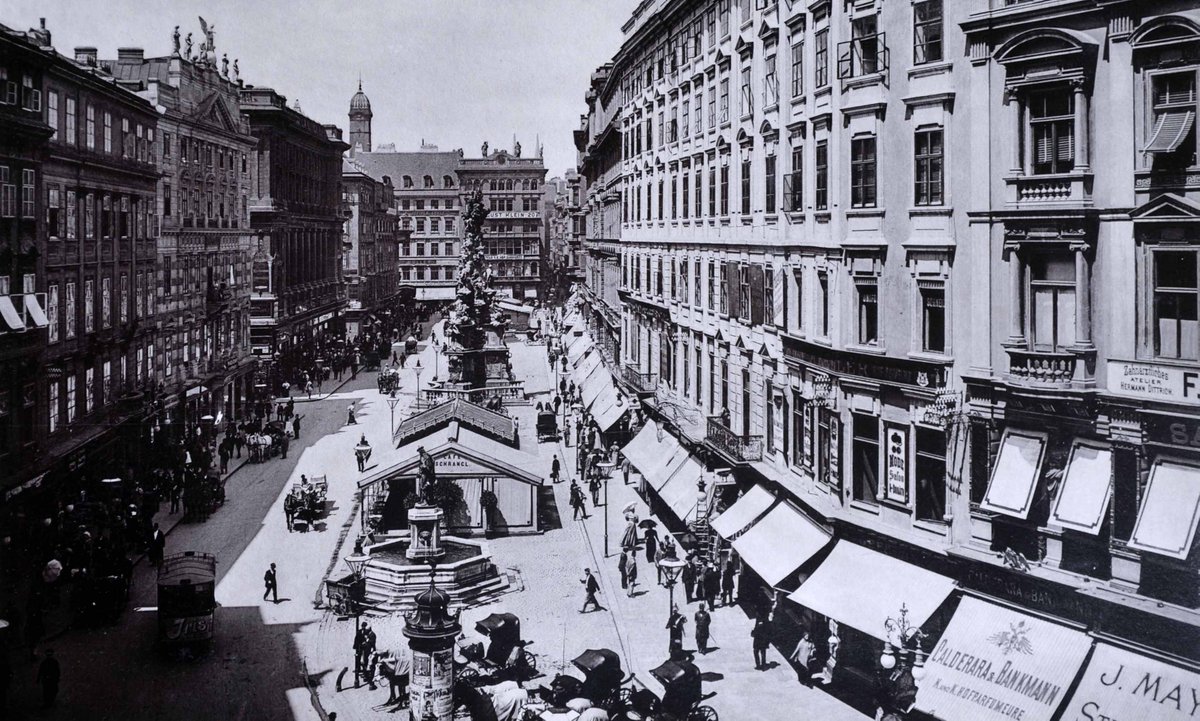
Perhaps just a footnote in the tale of Weimar hyper-inflation is that of Austria-Hungaria after the First World War. The dissolution of which happened as a result of WWI, the 1918 crop failure and the economic crisis (sic, inflation + monetary collapse)
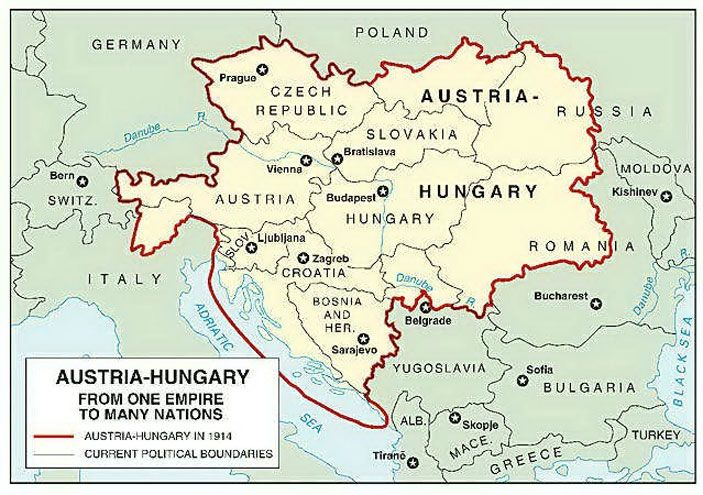
Legally, the collapse of the empire was formalized in the September 1919 Treaty of Saint-Germain-en-Laye with Austria, which also acted as a peace treaty after the First World War, and in the June 1920 Treaty of Trianon with Hungary.
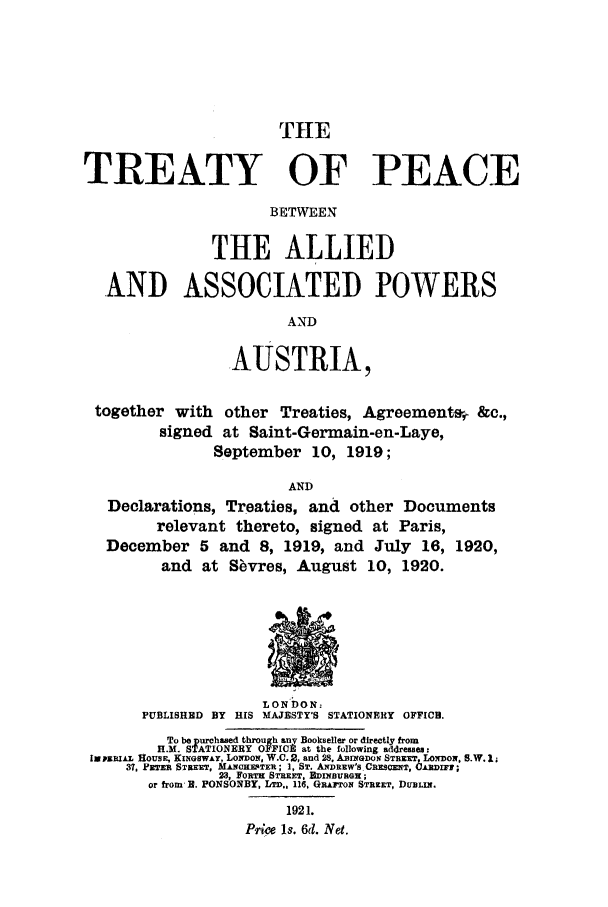
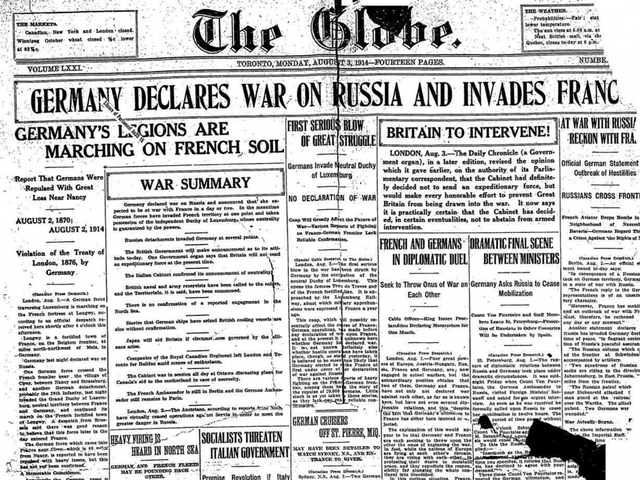
The internal and external conflicts within Europe and the Balkans fermented the initiation of WWI with the assassination of Archduke Franz Ferdinand, heir presumptive to the Austro-Hungarian throne.

Russia's general mobilization set off full Austro-Hungarian and German mobilizations. Soon all the Great Powers except Italy had chosen sides and gone to war.
Later, referring to Franz Ferdinand's assassination, Vaso Čubrilović said: "We destroyed a beautiful world that was lost forever due to the war that followed."
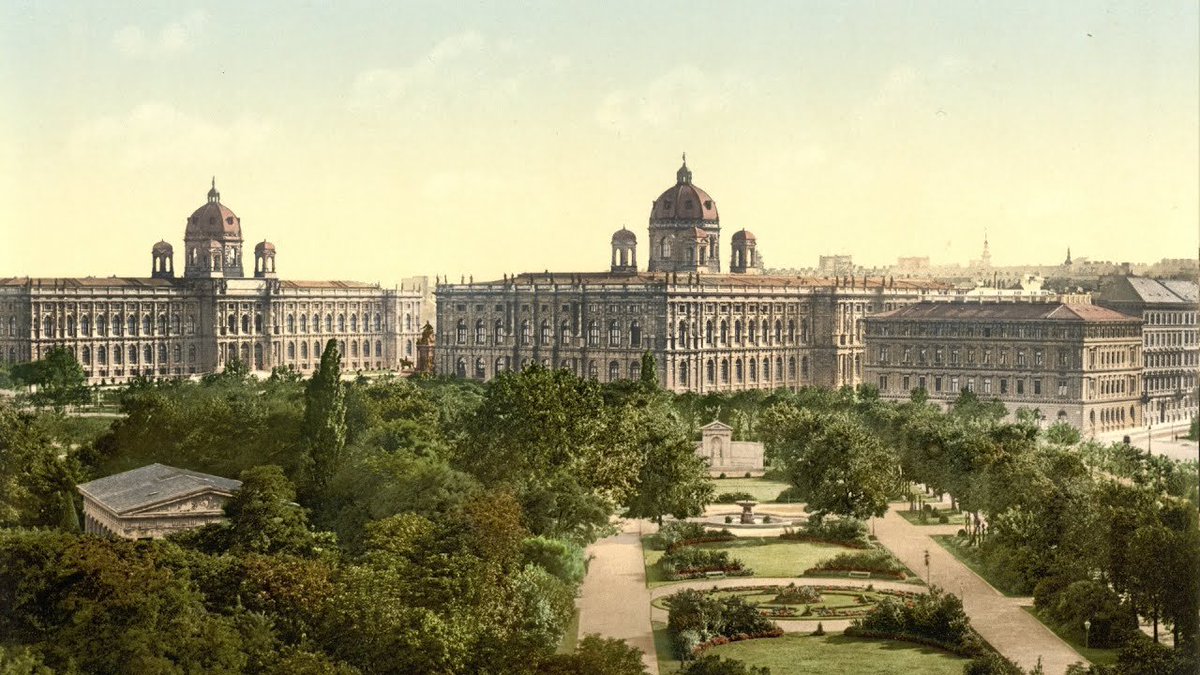
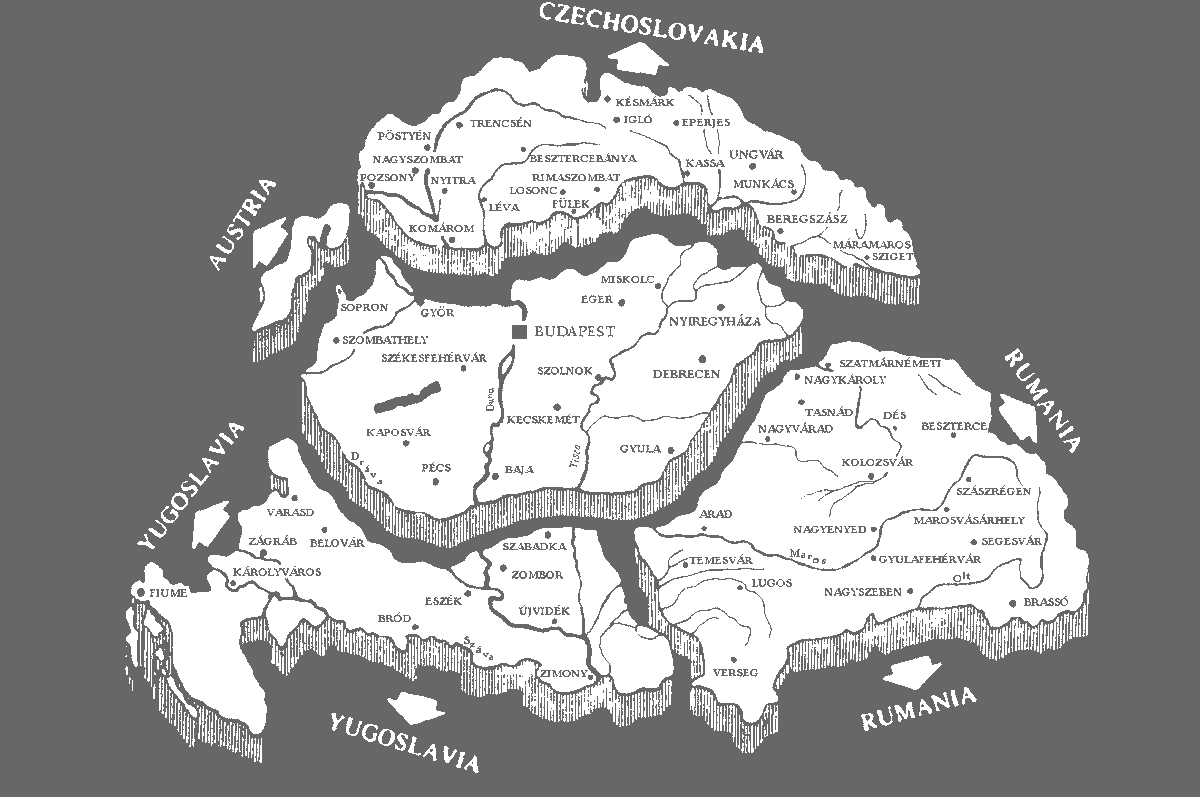
As a result of the post war treaties, the Republic of Austria lost roughly 60% of the old Austrian Empire's territory. It also had to drop its plans for union with Germany, as it was not allowed to unite with Germany without League approval.
Vienna, once an imperial capital found itself as a vast city without the necessary hinterland to support it. Often, post war, it survived on what Germany had to spare, which wasn't much.
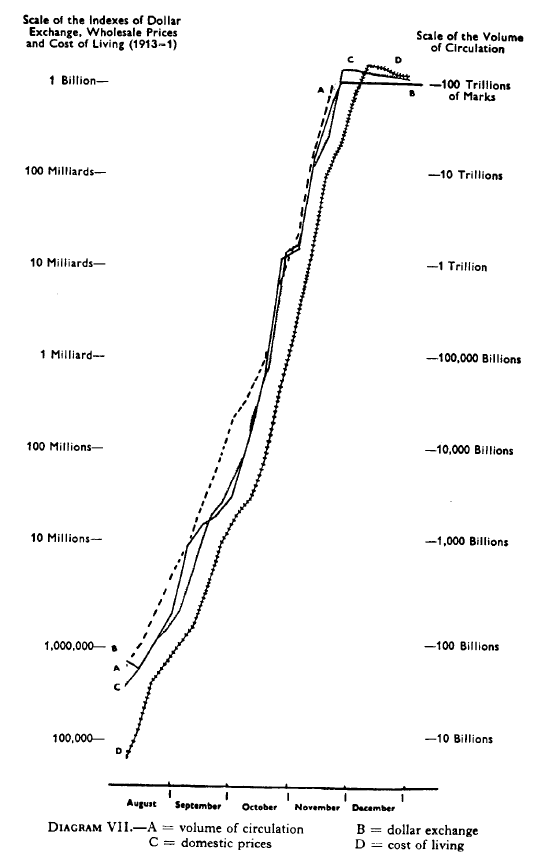
The depreciation of the Austrian Krone during the first post-war years was far ahead of the German Mark and had even less chance of recovery.
"A Roman who was born under Theodosius and died under Romulus Augustulus had seventy years in which to pass through the changes which Austria had seen in Three" Lord Curzon - British Foreign Secretary
From 1914 to 1918 the cost of basic staples such as Flour had increased 50 times and was frequently only available on the Black Market. More frequent was the questionable nature of the Flour being sold.
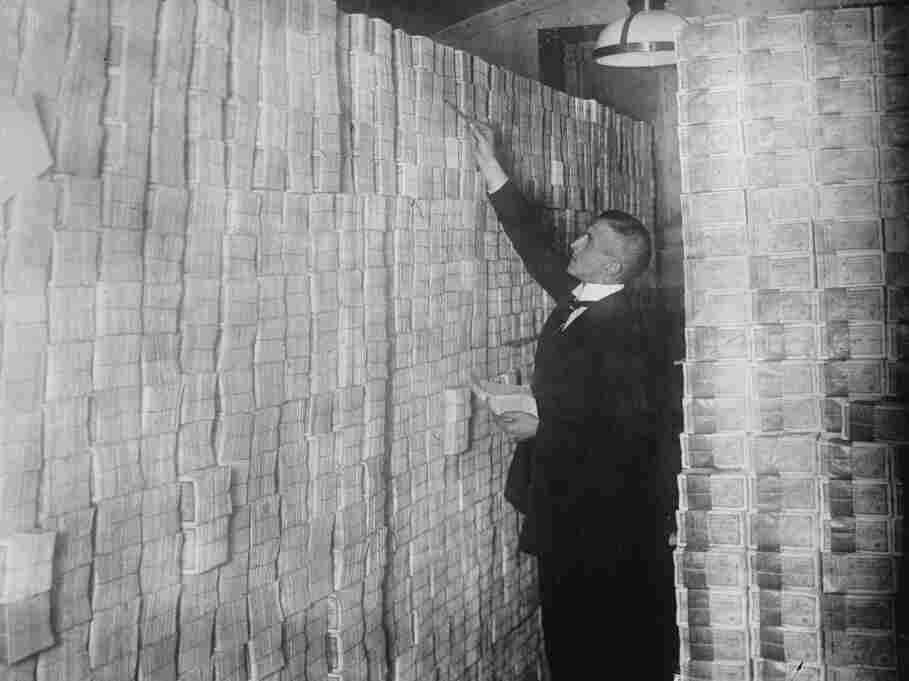
Those with backed Gilt Edged Securities were able to trade out as and when needed. Others traded hard assets or even luxury goods such as cigars for meat and other food stuffs.
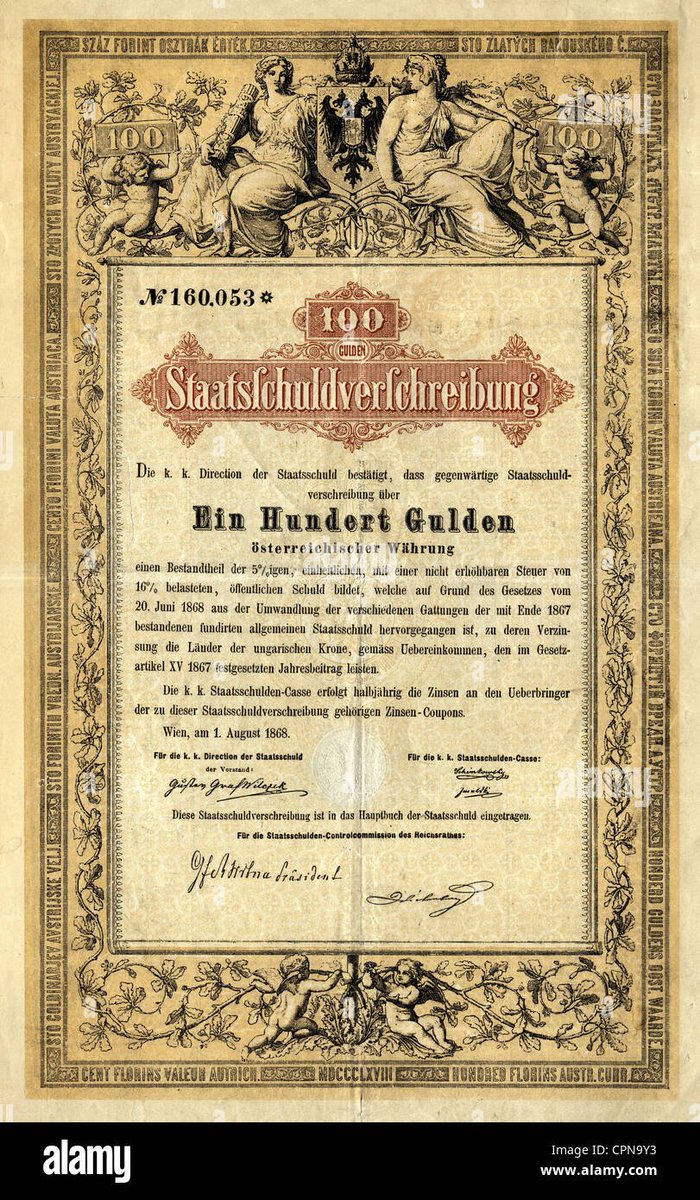
Those with paper money still believed that the Krone would recover and that the promises made by the Government meant redeption was guaranteed.
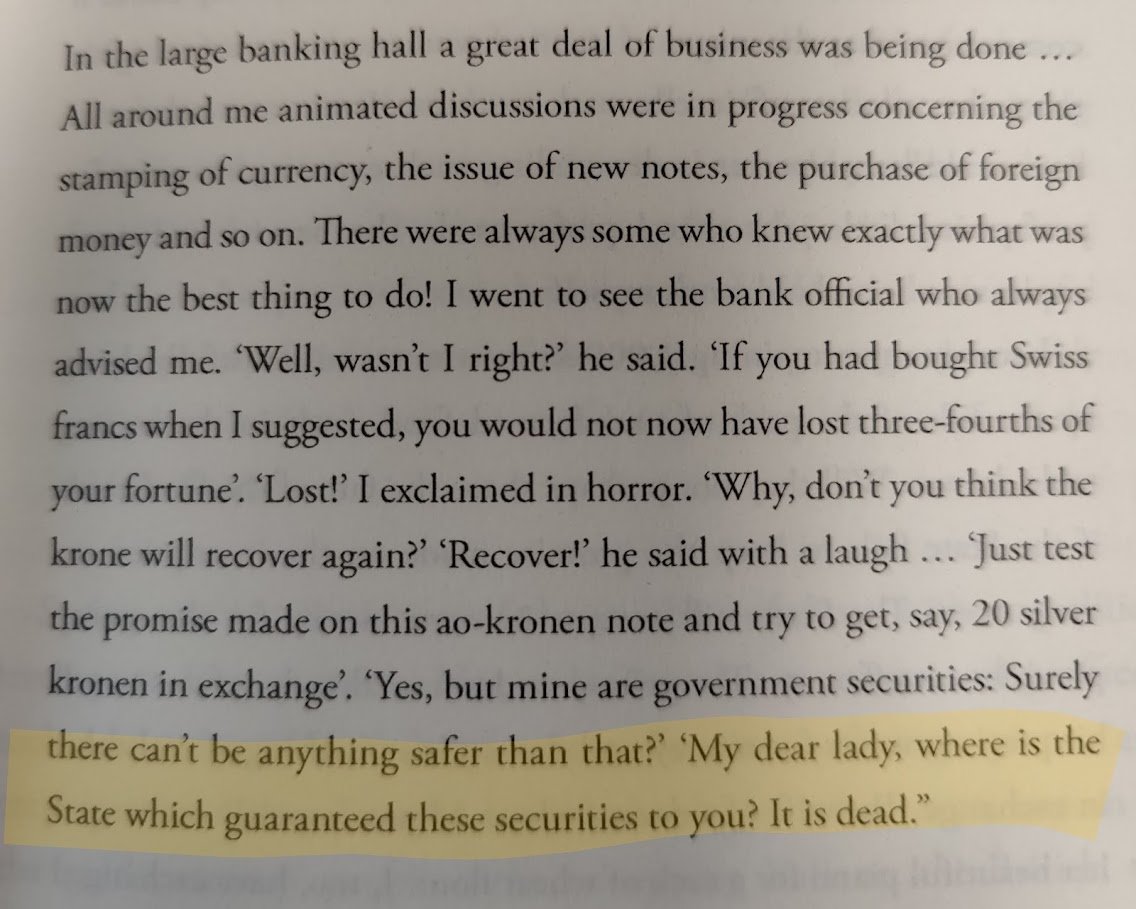
Those with hard assets, and those who could grow their own food had all the bargaining chips. But furniture, fittings, pianos and carpets were being bought wholesale by what was known as the 'gold currency' peoples - Italians, Britain's and Americans
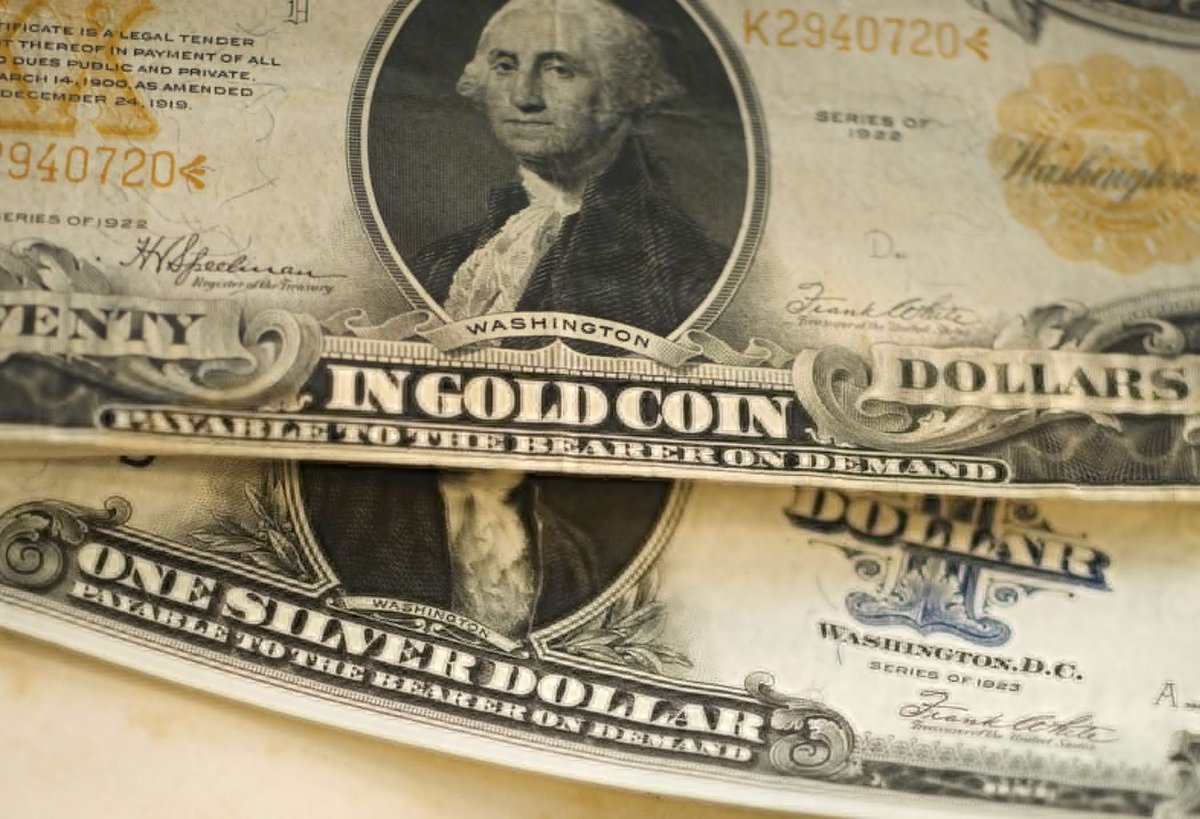
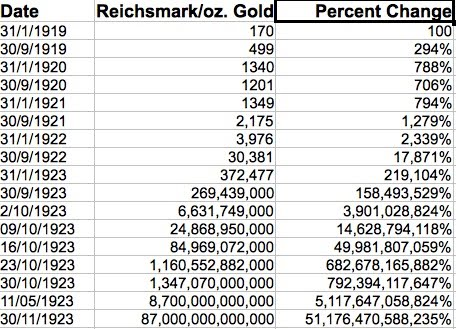
What happened in Austria was simply a foretast of what would happen in Germany, which would, however, be more lingering and more intense.
This, my friends, is where hard assets and sound money comes in. In the event of continued debt spirals, over a long term period, hard assets, sound money like #bitcoin will win. It's just math.
@threadreaderapp unroll
Thread inspired by When Money Dies by Adam Fergusson.
Please like, retweet and share if you enjoyed this.
Thread inspired by When Money Dies by Adam Fergusson.
Please like, retweet and share if you enjoyed this.
• • •
Missing some Tweet in this thread? You can try to
force a refresh






