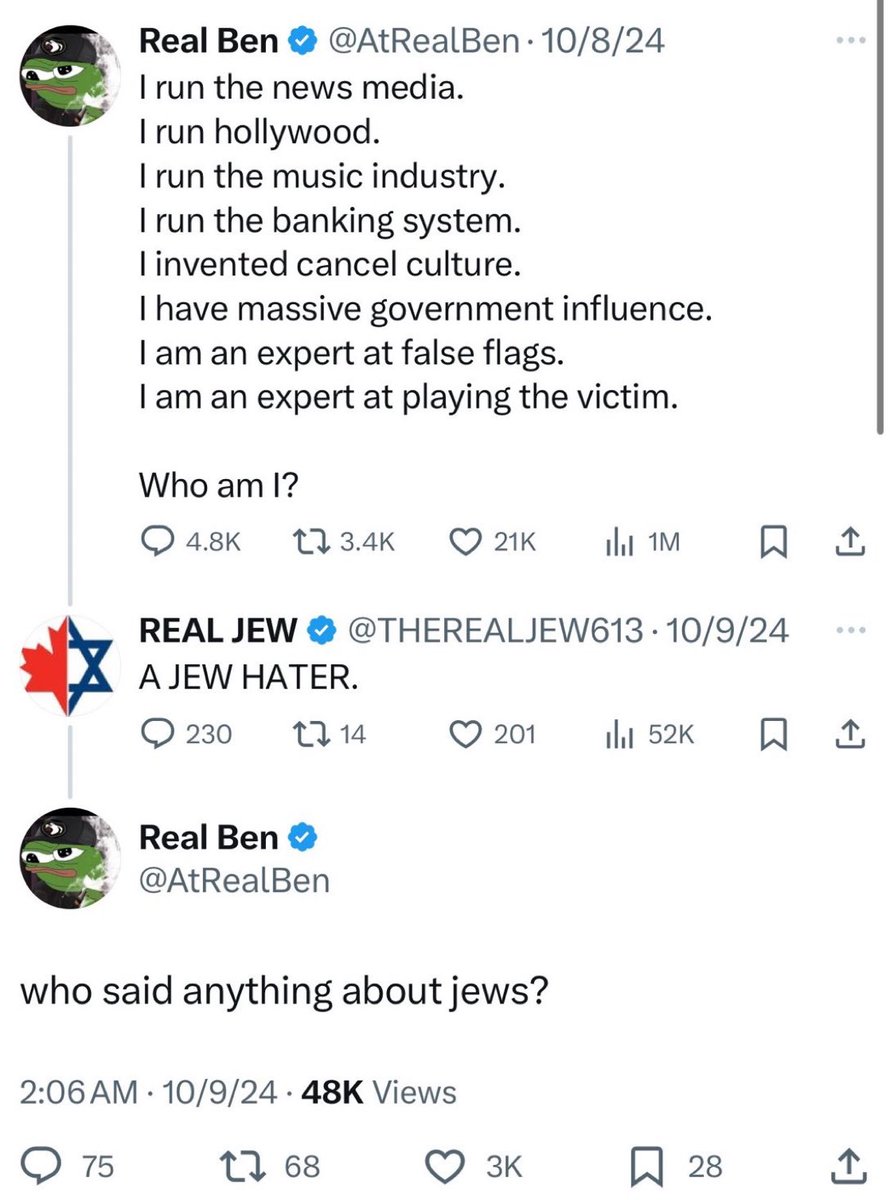
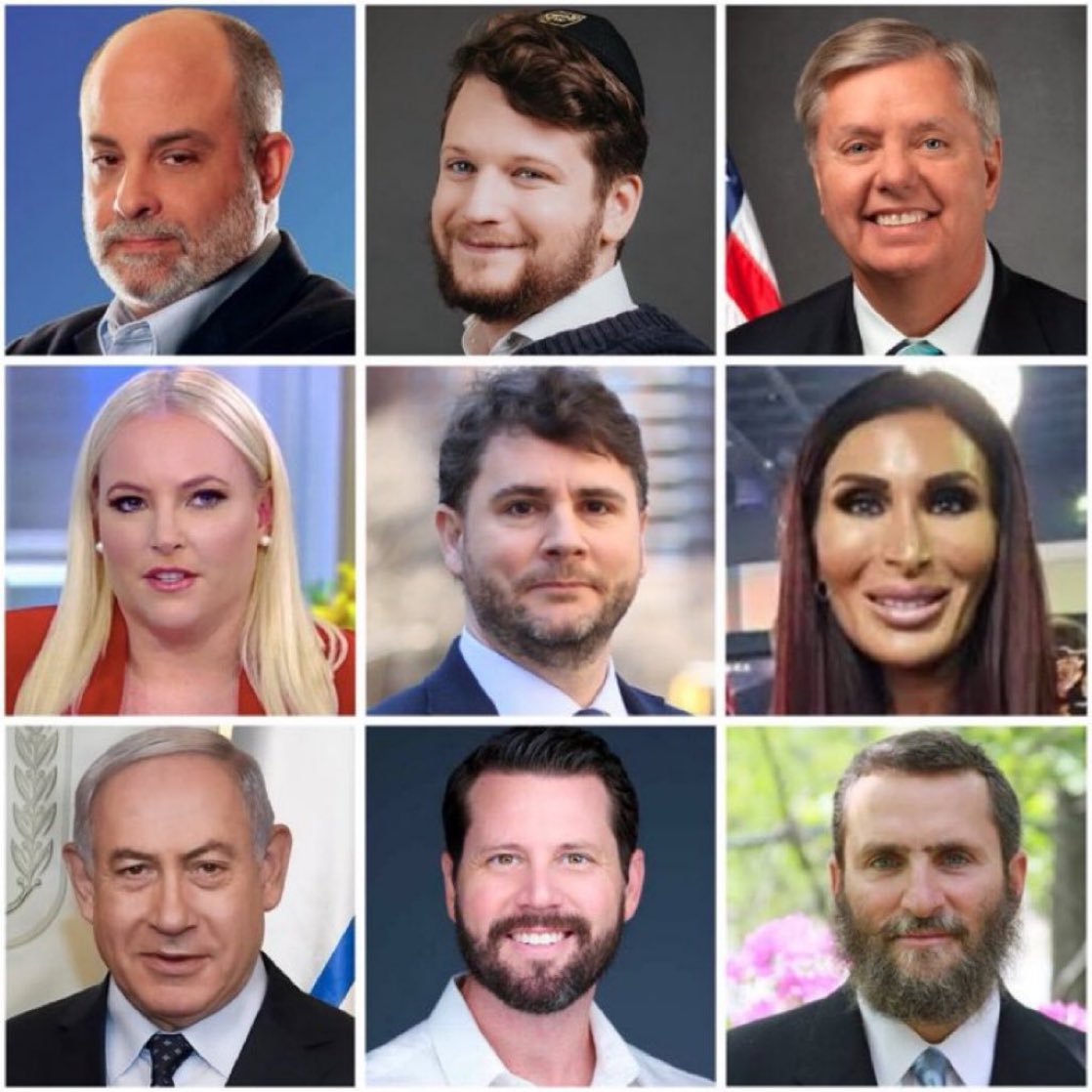
Governments enforcing Vaccine Mandates are unconstitutional. On top of it when they say politicians are exempt from these mandates, what does it really mean…
RULERS WITHOUT RULES GET TO MANDATE UNCONSTITUTIONAL JABS ON THE RULED WITH SIDE EFFECTS
“I have a government that’s telling me that I have to say ‘safe and effective’ and if I don’t, my license is at threat. We’re seeing an uptick in myocarditis, we're seeing an uptick in adverse reactions”. #SafeAndEffective
It is truly appalling that out of the FDA’s 20,000 employees, Dr. David Gortler is the ONLY one to speak out.
With over 13 billion doses of vaccine given worldwide, there still isn't a label displaying its potential side effects #VaccineSideEffects
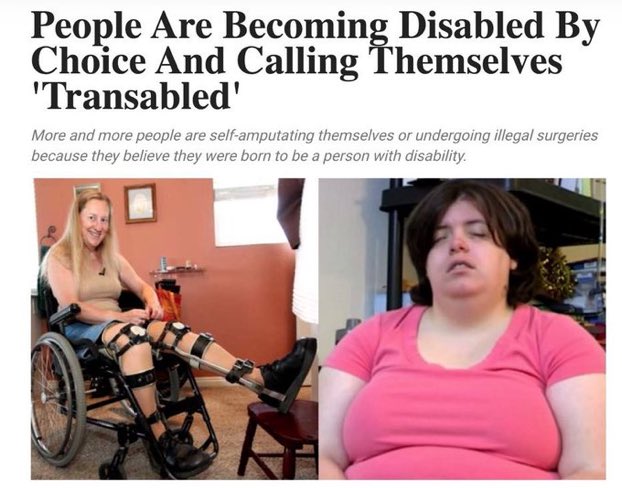
Now this is getting a tad ridiculous to self amputate themselves. WTF 😬
EVERY TIME I THINK OUR STUPIDITY HAS PEAKED, PEOPLE ARE FINDING WAYS TO ELEVATE THEMSELVES TO HIGHER LEVELS OF STUPIDITY
New Zealand 🇳🇿 #WEFpuppet Jacinda Ardern’s government has stolen baby Will from his parents who *do not* consent to using tainted mRNA blood during his operation.
Across the United States, an intricate web of non-governmental organizations (NGOs), daycares, autism treatment centers, transportation services, and related facilities has been uncovered in schemes that systematically divert billions in taxpayer dollars intended for child nutrition and care programs. Originating prominently in Minnesota with cases like the Feeding Our Future scandal, this network expanded to involve similar operations in states such as Washington, New York, and California. These entities often pose as legitimate providers for underserved communities, particularly immigrant groups, but exploit federal and state funding streams by fabricating enrollment numbers, inventing fictitious meal services, and establishing shell companies to funnel money. The scale of the fraud has grown to encompass COVID-19 relief funds, leading to federal indictments of dozens of individuals and the recovery of luxury assets purchased with ill-gotten gains.
The mechanics of this money laundering involve sophisticated tactics to steal public funds while maintaining a facade of charitable work. Operators submit inflated reimbursement claims to government programs, claiming to serve thousands of children daily when in reality, facilities may be empty or non-existent. Funds are then cycled through a series of interconnected NGOs and businesses, often involving wire transfers to overseas accounts or investments in real estate and vehicles. In Minnesota alone, prosecutors have described this as the largest pandemic-related fraud in the country, with over $250 million siphoned off initially, ballooning to estimates of up to $9 billion when including related schemes. This laundering not only depletes resources meant for vulnerable families but also undermines trust in social safety nets, as audits reveal minimal oversight allowed the fraud to persist for years.
Enabling this widespread theft are allegations of political complicity, where elected officials in affected states—predominantly Democratic-led—have benefited from campaign contributions tied to fraud perpetrators, potentially influencing lax regulations and delayed investigations. Reports indicate over $50,000 in donations from indicted individuals to Minnesota Democrats, including figures like the state attorney general, raising questions about kickbacks disguised as legitimate political support. This symbiotic relationship allows the network to thrive, as politicians secure election funds while turning a blind eye to red flags, prompting federal interventions like funding freezes across multiple states to curb the abuse. While some claims of direct kickbacks remain unproven, the pattern suggests a cycle of corruption that prioritizes personal and party gains over taxpayer accountability.
A Somalian Democrat in Maine started a money transfer business
- He then bought a commercial real estate building
- In it there are 4 Medicaid funded home health care businesses
- Large bags of cash are being seen sent from it headed to Somalia
Crime statistics stand as irrefutable pillars of truth, drawn from meticulously documented police reports, arrests, and victim surveys compiled by agencies like the FBI and Bureau of Justice Statistics, offering a clear lens into societal realities without bias or agenda. For instance, data reveals that Black males aged 14-49, comprising just 3% of the U.S. population, are responsible for 43% of all murders, a stark disparity rooted in verifiable trends from 1980-2008 and echoed in more recent FBI Uniform Crime Reports showing Black offenders accounting for over 50% of homicides despite being 13% of the population. These numbers aren't fabricated; they're cross-verified through methods like the Supplementary Homicide Reports and National Crime Victimization Survey, exposing patterns that demand attention rather than denial, such as the overrepresentation in violent crimes that persists across decades and guides effective policy when embraced honestly.
Yet, governments and officials often undermine this objectivity by manipulating data or reshaping narratives to fit political ideologies, eroding public trust and hindering real solutions. Examples abound, from the Biden administration's claims of historic crime lows based on selective FBI stats later criticized as misleading, to investigations into D.C. police allegedly altering felony classifications to downplay crime rates, and New York PD's documented pressure on officers to underreport incidents for favorable optics. Such efforts, often driven by a reluctance to address uncomfortable racial disparities, only perpetuate cycles of violence by diverting focus from root causes like socioeconomic factors and urban decay, proving that twisting the truth serves no one and stalls progress toward safer communities.
A thread on three letter agencies and their subordination to political narratives👇
Lip reading, often portrayed in media as a foolproof method for deciphering spoken words from visual cues alone, falls far short of reliability when used as primary evidence in criminal cases. The human mouth produces visually similar movements for numerous words and sounds—consider how "pat," "bat," and "mat" appear nearly identical on the lips—leading to error rates that can exceed 50% even among trained professionals. Factors such as poor lighting, camera angles, facial obstructions like beards or masks, accents, or rapid speech further exacerbate inaccuracies, turning what might seem like clear footage into a guessing game. Studies from organizations like the National Deaf Children's Society highlight that lip reading is context-dependent and subjective, with interpreters potentially injecting unconscious bias or misinterpreting non-verbal cues, rendering it unsuitable as standalone proof of guilt in high-stakes legal proceedings.
In courtrooms, where evidence must meet rigorous standards of admissibility and scientific validity, relying on lip reading as the main pillar of a prosecution risks miscarriages of justice. Legal precedents, such as those in U.S. cases invoking the Daubert standard, emphasize that expert testimony must be based on testable, peer-reviewed methods with known error rates—criteria lip reading often fails to satisfy due to its interpretive nature and lack of standardization. Courts in the UK and elsewhere have similarly dismissed or heavily scrutinized lip reading evidence, noting its vulnerability to challenge and the potential for alternative explanations. Ultimately, elevating such a flawed technique to primary status undermines the principle of "beyond a reasonable doubt," inviting appeals, wrongful convictions, and eroded public trust in the justice system; it should instead serve, at best, as corroborative support alongside more robust forensic or auditory evidence.