Dinasaur existence in India seems distant dream while reality different.
Dinasaur did roam in Indian peninsula 250-65 Mya and they were different from Dino found in rest of the world.
Tragedy, it's not known to common people like me, hence this #thread
#1
Dinasaur did roam in Indian peninsula 250-65 Mya and they were different from Dino found in rest of the world.
Tragedy, it's not known to common people like me, hence this #thread
#1

1st ever dinosaur remains found in
Titanosaurus Indicus dating 70mya in 1832 was from the beds of Deccan traps, Jabalpur. It went missing after 1877 and rediscovered in Shiwalik Gallery of the Indian Museum later
#2
Titanosaurus Indicus dating 70mya in 1832 was from the beds of Deccan traps, Jabalpur. It went missing after 1877 and rediscovered in Shiwalik Gallery of the Indian Museum later
#2

Titanosaurus blanfordi was 2nd dino remain found in Pisdura, Maharashtra.
#3
#3

Rajasaurus - Regal Lizard remains were found in Kheda, Gujarat and Jabalpur MP. This 30 feet giant roamed in India around 70-65 Mya
#4
#4

Indosuchus
Discovered in Madhya Pradesh's Jabalpur, the Indian Crocodile, which is this one's Greek name, dates back to the late cretaceous period about 70-65
#5
Discovered in Madhya Pradesh's Jabalpur, the Indian Crocodile, which is this one's Greek name, dates back to the late cretaceous period about 70-65
#5


Jainosaurus
Is a Primitive Titanosaur from the late cretaceous period. it grew to 70.5ft long and weighed three tonnes. Jainosaurus, named after Sohan Lal Jain, an Indian Palaeontologist
#6
Is a Primitive Titanosaur from the late cretaceous period. it grew to 70.5ft long and weighed three tonnes. Jainosaurus, named after Sohan Lal Jain, an Indian Palaeontologist
#6

Isisaurus
A herbivore member of the Sauropod family, this one was named after the Indian Statistical Institute. It could grow to be as long as 69 ft and is related to Titanosaurus. This one had a long and thick neck
#7
A herbivore member of the Sauropod family, this one was named after the Indian Statistical Institute. It could grow to be as long as 69 ft and is related to Titanosaurus. This one had a long and thick neck
#7
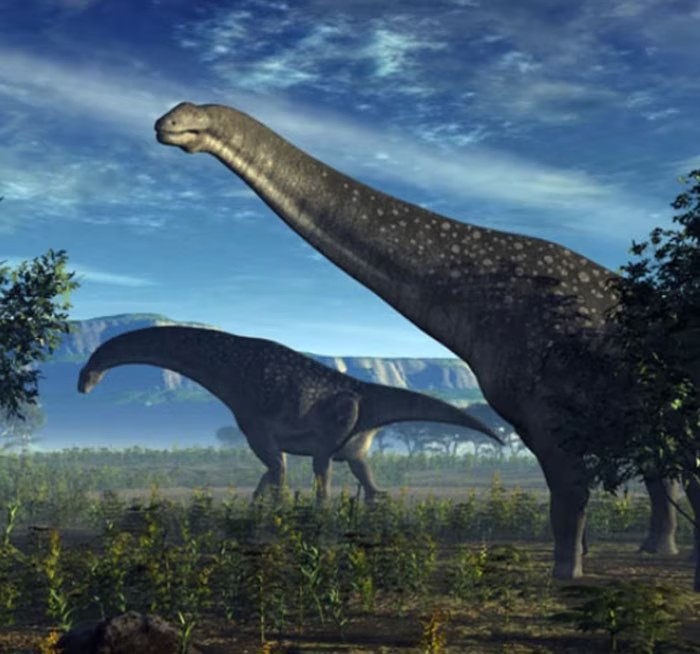
Lametasaurus
This particular variant is an Abelisaurid from late Cretaceous India. It was named for a mixture of crocodilian and Titanosaur armour found with some Abelisaurid bones.
#8
This particular variant is an Abelisaurid from late Cretaceous India. It was named for a mixture of crocodilian and Titanosaur armour found with some Abelisaurid bones.
#8

Rahiolisaurus
Is a genus of Abelisaurid dinosaur from the late cretaceous period of India. Greek for Rahioli Lizard, it was discovered near Rahioli village. It also roamed during the late cretaceous period, about 70-65 million years ago and was discovered in 2010
#9
Is a genus of Abelisaurid dinosaur from the late cretaceous period of India. Greek for Rahioli Lizard, it was discovered near Rahioli village. It also roamed during the late cretaceous period, about 70-65 million years ago and was discovered in 2010
#9

Bruhathkayosaurus a massive sauropod dinosaur from the early Maastrichtian of India and is the second largest dinosaur found to date, with a length of 45 meters. Found in Kalimedu, TN was lost soon after discovering due to monsoon
#10
#10
Kotasaurus
Discovered from the Kota formation in Andhra Pradesh, Kotasaurus is Greek for Kota Lizard. It walked in India about 180-175 million years ago. it grew up to 30 feet long and weighed up to 10 tonnes.
pp
#11
Discovered from the Kota formation in Andhra Pradesh, Kotasaurus is Greek for Kota Lizard. It walked in India about 180-175 million years ago. it grew up to 30 feet long and weighed up to 10 tonnes.
pp
#11
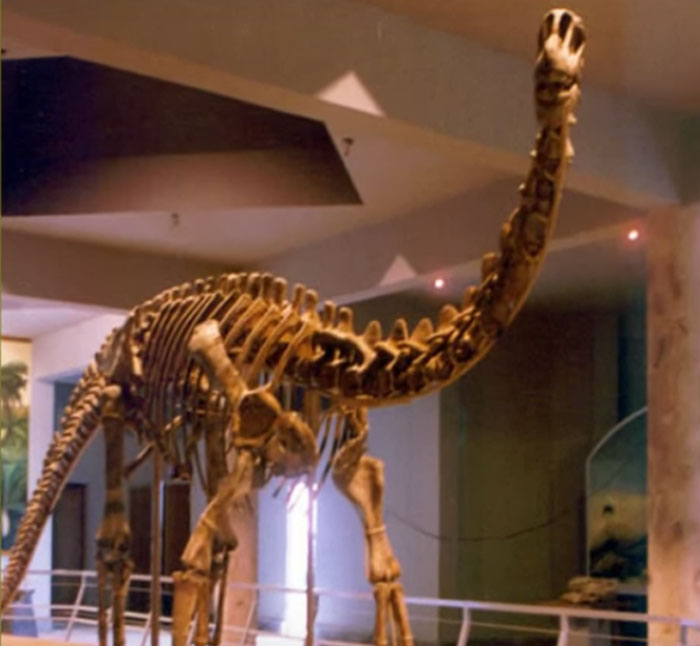

Barapasaurus is the Greek name for a big-legged lizard, it was discovered from pochampally, Telangana. Its historical period dates to the early-middle Jurassic, which is about 190-175 million years ago. A herbivore that grew up to 60ft long and 20 tonnes in weight
#12
#12


Fossil bone fragments of sauropod dinosaurs as old as nearly 100 million years discovered from an area around West Khasi Hills district in Meghalaya.
#13
#13
https://twitter.com/GemsOfINDOLOGY/status/1565165912717529088
Preserved fossil of Ichthyosaur discovered in Gujarat. This type of dino was as big as 6 SUVs commonly found in North pole.
#14
#14

135-million year old dinosaur fossil in Kutch, Gujarat. Pieces of bones of the hip and two legs that have been found are around two feet long, suggesting that the dinosaur was at least 10 to 15 metre in length.
Fig representative
#15
Fig representative
#15

Lamplughsaura
#16
#16

Unique set of fossilised dinosaur eggs, with one egg nesting within the other at the Dinosaur Fossil National Park in Dhar District of Madhya Pradesh.
#17
#17

Vaishali Shroff's The Adventures of Padma and a Blue Dinosaur published in 2018 was an attempt captivate kids and fill the void but that's not enough.
@vaishalishroff instagram.com/vaishalishroff…
harpercollins.co.in/product/the-ad…
#18
@vaishalishroff instagram.com/vaishalishroff…
harpercollins.co.in/product/the-ad…
#18

Src
jstor.org/stable/2411066…
bbc.com/future/article….
indiatimes.com/news/india/do-…
nhm.ac.uk/discover/dino-…
thehindu.com/sci-tech/scien…
indiatoday.in/india/story/10…
indiatoday.in/education-toda…
#19
jstor.org/stable/2411066…
bbc.com/future/article….
indiatimes.com/news/india/do-…
nhm.ac.uk/discover/dino-…
thehindu.com/sci-tech/scien…
indiatoday.in/india/story/10…
indiatoday.in/education-toda…
#19
If you are enjoying my threads, follow me at my telegram channel t.me/gemsofindology to get exclusive contents bundled and ready to share.
* also known as Narmada dinosaur tx @LodayaRachna
• • •
Missing some Tweet in this thread? You can try to
force a refresh