
Being a form tutor at @ArkSoaneAcademy means you’re responsible for the character development of your students.
We *explicitly* teach students to:
1. Show integrity
2. Be grateful
3. Work hard
4. Be kind
5. Aim high
6. Take responsibility
How?
Thread 🧵 1/
We *explicitly* teach students to:
1. Show integrity
2. Be grateful
3. Work hard
4. Be kind
5. Aim high
6. Take responsibility
How?
Thread 🧵 1/

We regularly tell students that we are on their side & care deeply about them. This is why we will hold them to really high standards.
“We will do this by being strict. We will be strict because we *believe* you can rise to our high standards.” 2/
“We will do this by being strict. We will be strict because we *believe* you can rise to our high standards.” 2/

We sweat the small stuff & link to a bigger value.
If a student drops litter & picks it up, we will talk about the value of integrity that day.
Are we the kind of form who does the right thing even when no-one is watching? Or do we expect others to pick up after our mess? 3/
If a student drops litter & picks it up, we will talk about the value of integrity that day.
Are we the kind of form who does the right thing even when no-one is watching? Or do we expect others to pick up after our mess? 3/
We use the story of the individual to build a group identity. What kind of form do we want to be?
If a student does excellent work, we show it off & celebrate to the entire form: X has contributed to the form. How will you? 4/
If a student does excellent work, we show it off & celebrate to the entire form: X has contributed to the form. How will you? 4/
We believe in building strong relationships with all students. This is the bedrock of being a warm-strict school.
When relationships are strong, students don’t want to let you down. Instead, they want to make you proud. 5/
When relationships are strong, students don’t want to let you down. Instead, they want to make you proud. 5/
We have a system of merits & demerits + detentions. Crucially, we train teachers to ensure these are used consistently.
We talk about merits / demerits all of the time. The students really buy into them & love the competitive side of them. 6/
We talk about merits / demerits all of the time. The students really buy into them & love the competitive side of them. 6/
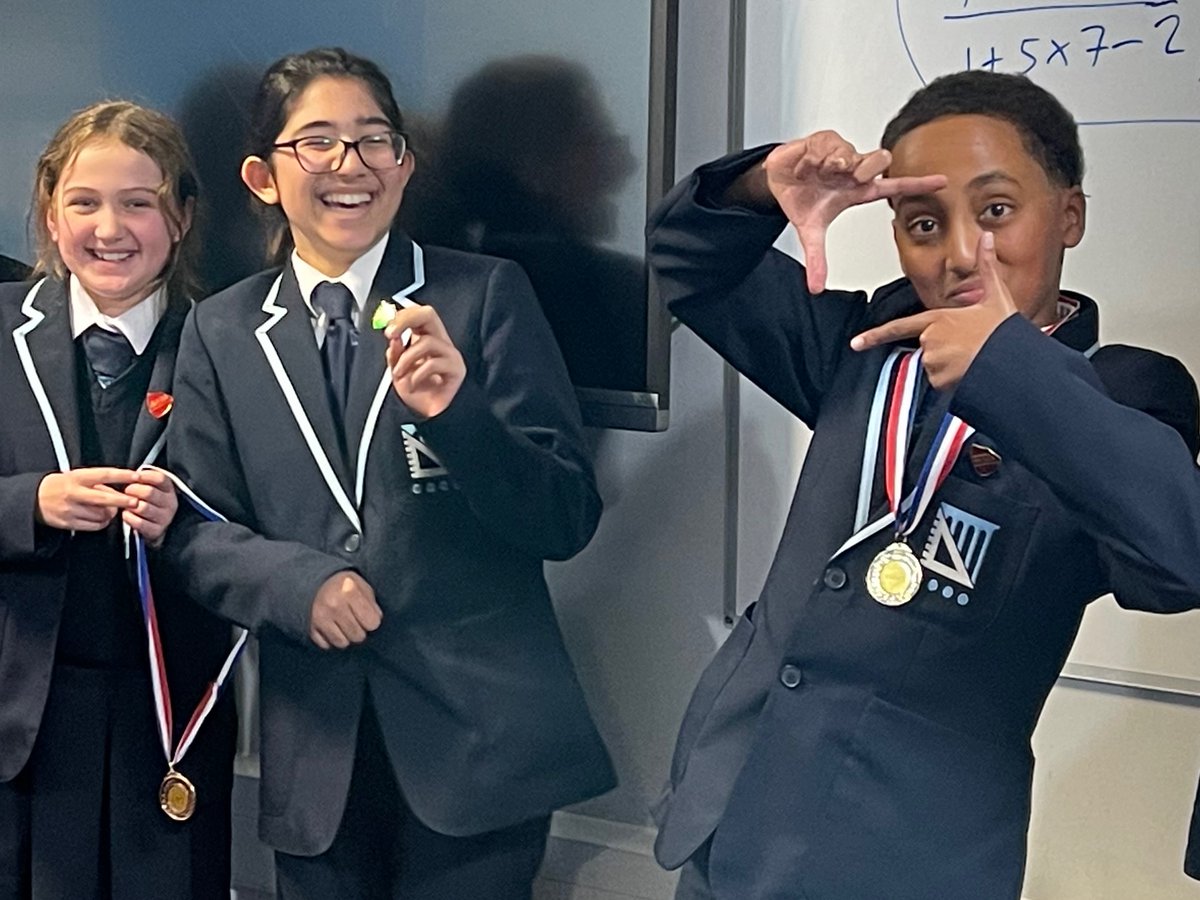
But we are effusive with our praise: we celebrate success, even small ones, with great joy. We reinforce every tiny thing:
“Are we greeting teachers enthusiastically? Are we putting hands up straight? Let’s nail this team!” 7/
“Are we greeting teachers enthusiastically? Are we putting hands up straight? Let’s nail this team!” 7/
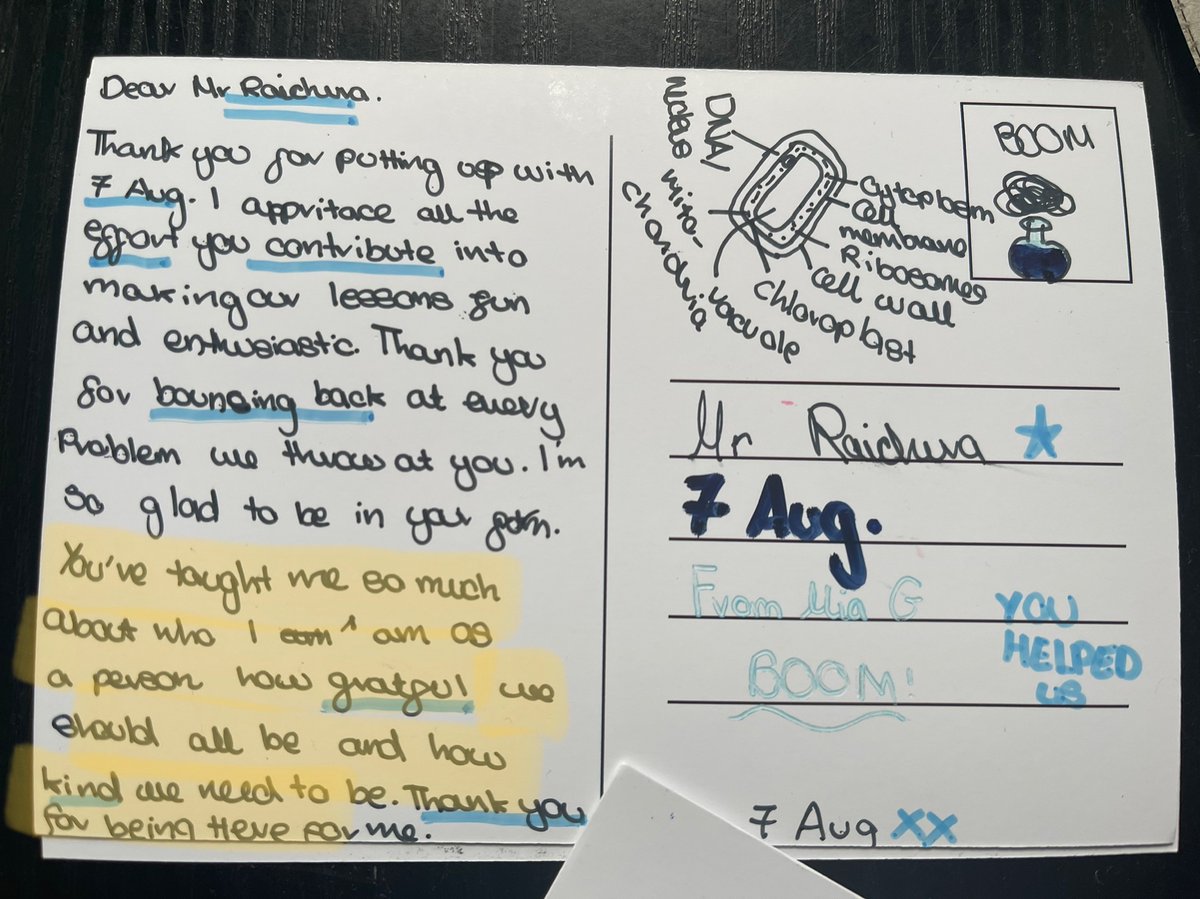
We explicitly narrate to the students how far they have come. We regularly remind them to appreciate what they have through lunch time appreciations & half-termly postcards. This builds self-esteem & a sense of contentment rather than entitlement. 8/
We only currently have two year groups (7 & 8) & will grow ever year. This is why we are hiring now!
Apply using the link below.
DMs are open for any questions. 9/9
arksoane.org/current-vacanc…
Apply using the link below.
DMs are open for any questions. 9/9
arksoane.org/current-vacanc…
• • •
Missing some Tweet in this thread? You can try to
force a refresh




