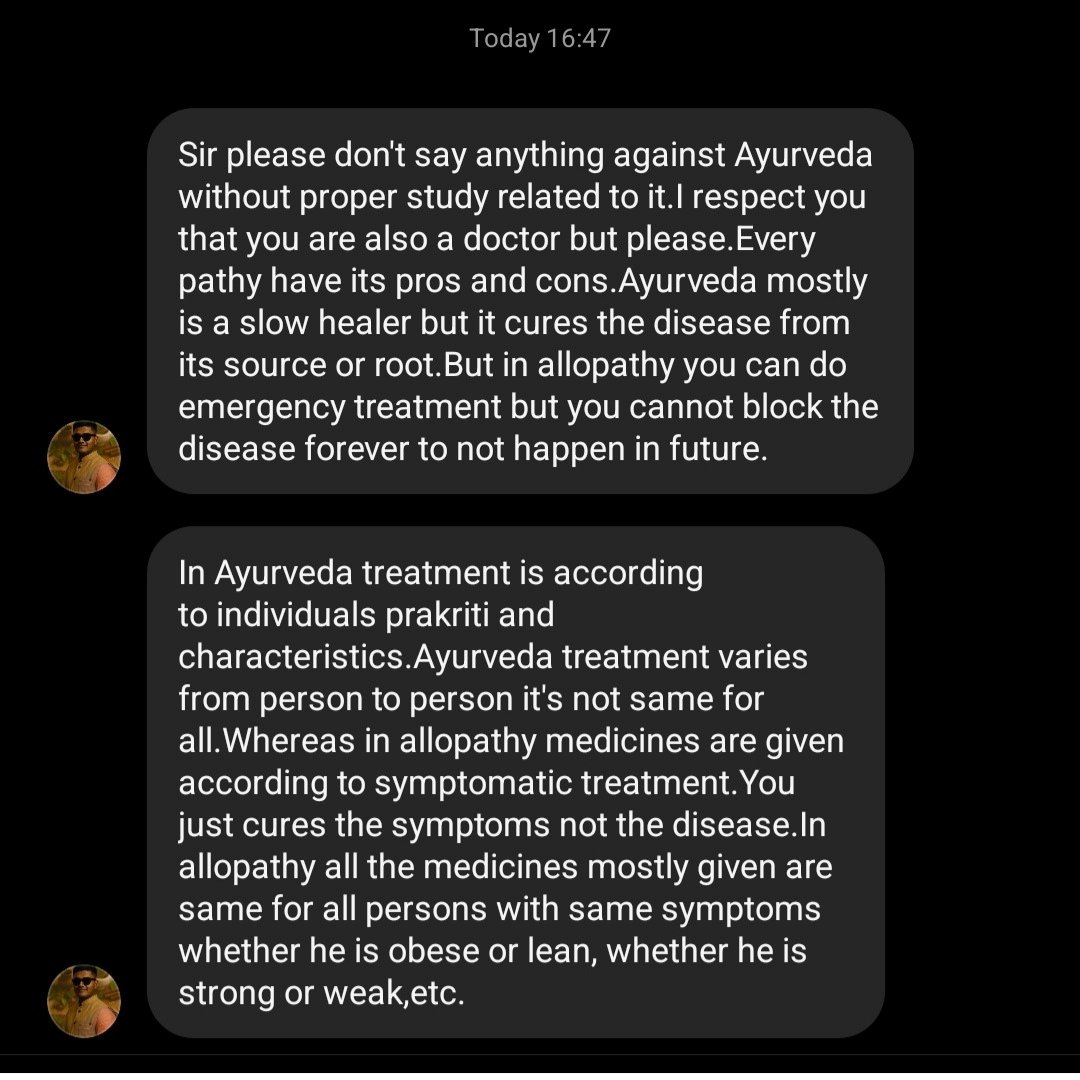
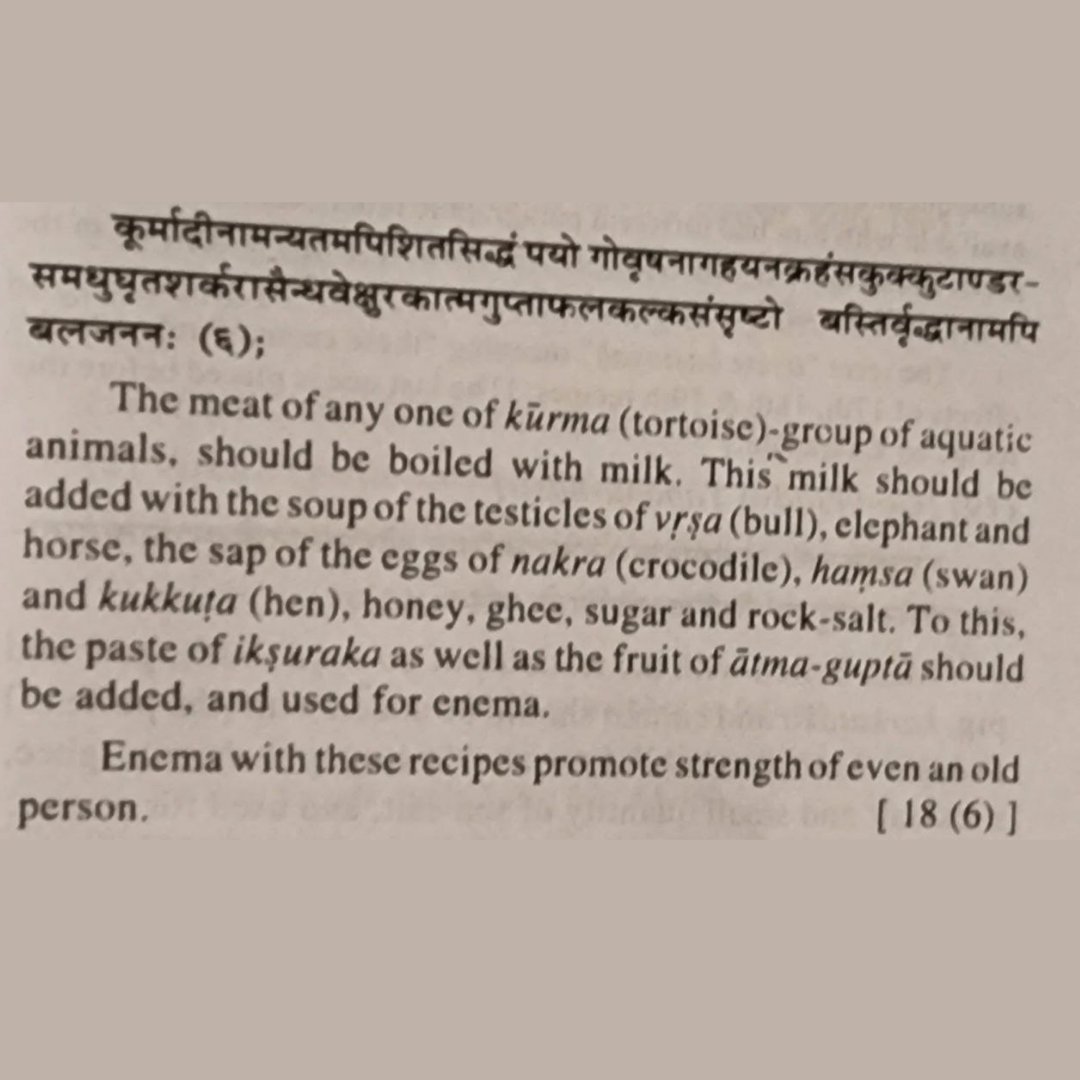
1/
Breaking: Our new peer-reviewed paper is out. It may anger you, make you sad or even numb you.
During the start of the pandemic, various governments published national guidelines on management of #COVID19
Guidelines from India was unique.
Breaking: Our new peer-reviewed paper is out. It may anger you, make you sad or even numb you.
During the start of the pandemic, various governments published national guidelines on management of #COVID19
Guidelines from India was unique.

2/
Apart from featuring science-based data, it also featured prevention and treatment options for Covid from The Ministry of Ayush, the apex pseudoscience promoter in the country.
Ayush stands for Ayurveda, Yoga & Naturopathy, Unani, Siddha and Homeopathy.
Apart from featuring science-based data, it also featured prevention and treatment options for Covid from The Ministry of Ayush, the apex pseudoscience promoter in the country.
Ayush stands for Ayurveda, Yoga & Naturopathy, Unani, Siddha and Homeopathy.

3/
None of these "guidelines" were based on empirical evidence, none based on clinical trials & efficacy/safety of traditional practices against a pandemic of extreme proportions remained unknown.
Because it was promoted by major authorities, people fell for it.
None of these "guidelines" were based on empirical evidence, none based on clinical trials & efficacy/safety of traditional practices against a pandemic of extreme proportions remained unknown.
Because it was promoted by major authorities, people fell for it.


4/
People fell for the "natural & safe" ways to combat Covid-hook, line & sinker
But didnt realize is that unscientific ways of health-seeking behavior always come with a price
Which is what we show in our new paper, out in Medicine®, published by Lippincott Williams & Wilkins
People fell for the "natural & safe" ways to combat Covid-hook, line & sinker
But didnt realize is that unscientific ways of health-seeking behavior always come with a price
Which is what we show in our new paper, out in Medicine®, published by Lippincott Williams & Wilkins

5/
Ayush industry used the scientifically-sounding, but rationally deprived and illogical word "immune-boosting" to trick people into believing that herbal and dietary supplements could help people combat Covid.
Patients with chronic disease are always easily tricked into...
Ayush industry used the scientifically-sounding, but rationally deprived and illogical word "immune-boosting" to trick people into believing that herbal and dietary supplements could help people combat Covid.
Patients with chronic disease are always easily tricked into...
6/
...using short-cuts to "boost" their health, in the presence of growing science-denialism and anti vaccine movements across the country.
In our study, we looked at cirrhosis patients who availed "immune boosting" to prevent Covid and describe their outcomes.
...using short-cuts to "boost" their health, in the presence of growing science-denialism and anti vaccine movements across the country.
In our study, we looked at cirrhosis patients who availed "immune boosting" to prevent Covid and describe their outcomes.

7/
Close to 10% of STABLE cirrhosis patients who used immunity boosting developed severe and progressive liver failure and associated complications.
Most developed jaundice, fluid in abdomen and developed brain failure.
42% of these patients DIED without a liver transplant.
Close to 10% of STABLE cirrhosis patients who used immunity boosting developed severe and progressive liver failure and associated complications.
Most developed jaundice, fluid in abdomen and developed brain failure.
42% of these patients DIED without a liver transplant.

8/
The most common used immune-boosting was Ayurvedic, followed by Homeopathy.
Agents causing severe liver injury were:
Giloy
Ashwagandha
Turmeric
Neem
Indian goosberry (Amla)
Holy basil (Tulsi)
Arsenic trioxide
Both traditional and company (Patanjali) made preparations.
The most common used immune-boosting was Ayurvedic, followed by Homeopathy.
Agents causing severe liver injury were:
Giloy
Ashwagandha
Turmeric
Neem
Indian goosberry (Amla)
Holy basil (Tulsi)
Arsenic trioxide
Both traditional and company (Patanjali) made preparations.

9/
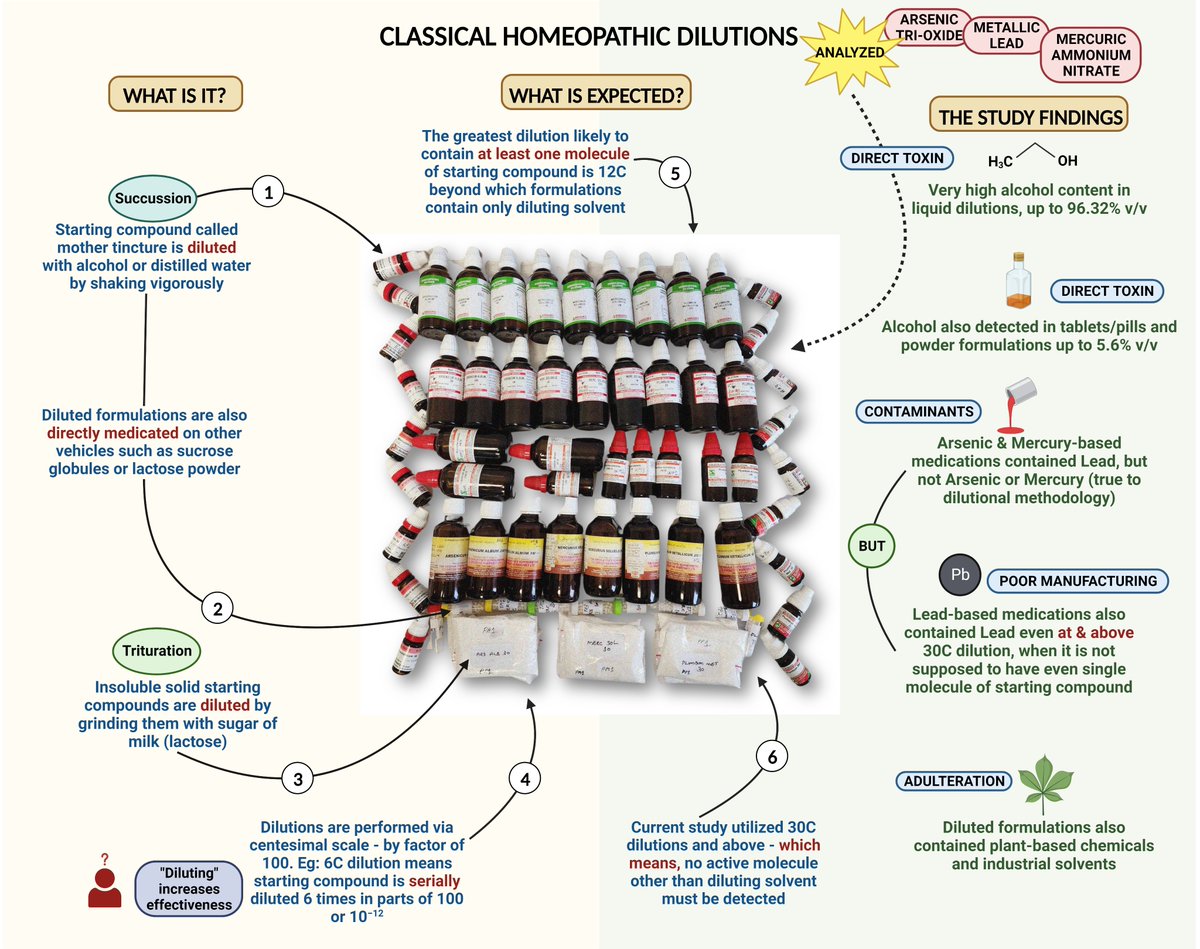
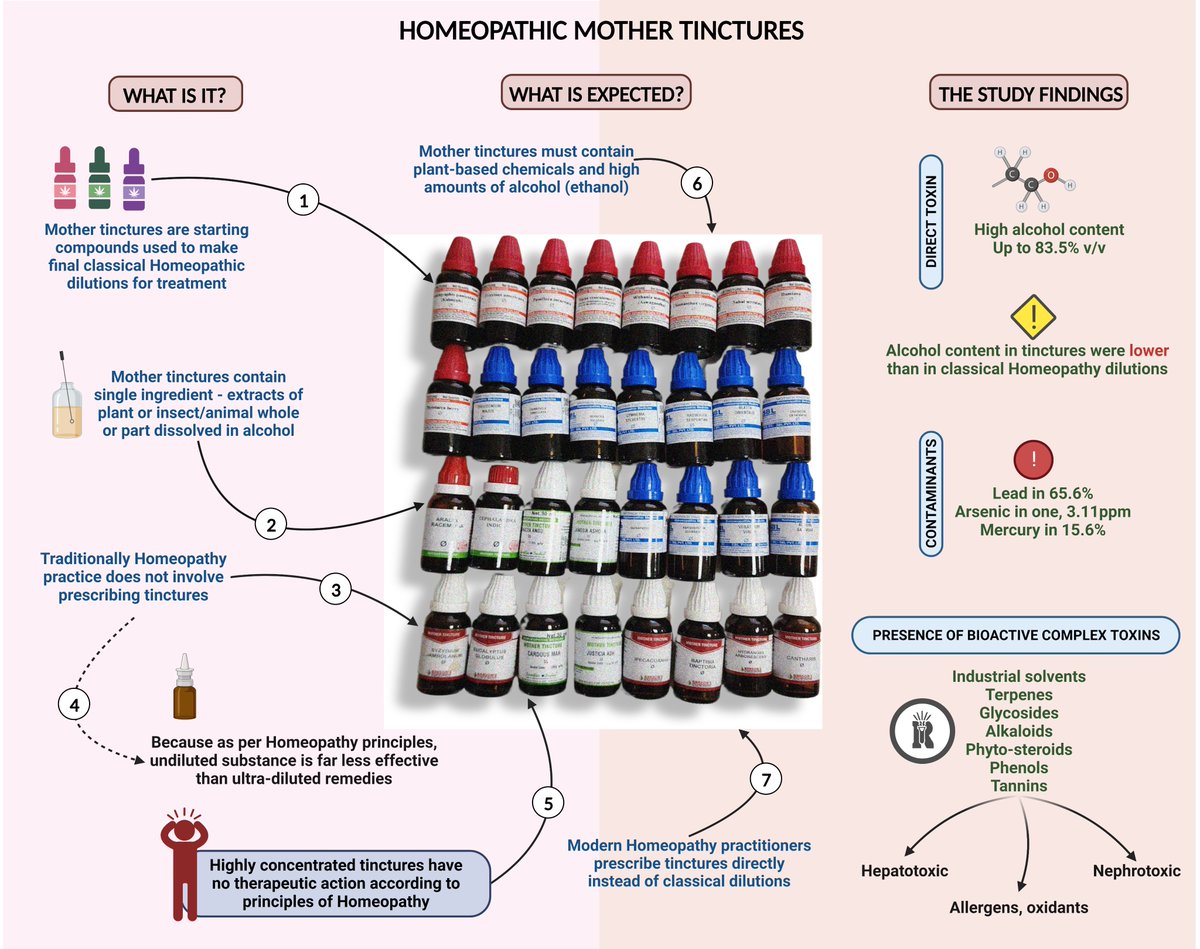
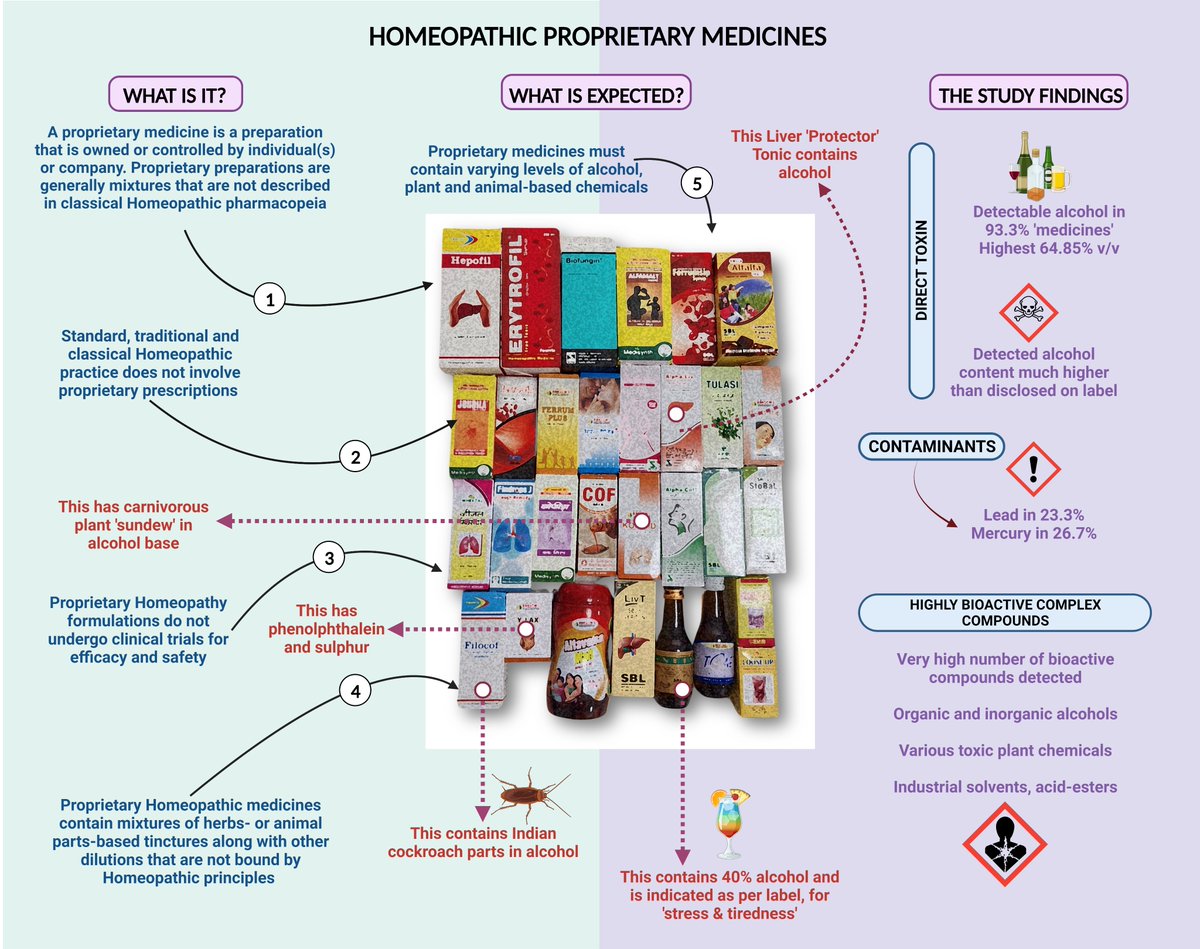
We also analyzed products that we retrieved from some patients and found that they contained direct liver toxic plant chemicals such as glycosides, terpenes, coumarans and also insecticides, pesticides and industrial solvents.
We also analyzed products that we retrieved from some patients and found that they contained direct liver toxic plant chemicals such as glycosides, terpenes, coumarans and also insecticides, pesticides and industrial solvents.

10/
We also performed liver biopsies of patients who consented to the same and found that their already weakened liver had large areas damaged and devoid of liver cells due to severe inflammatory damage from multi-herbal insults on the liver.
We also performed liver biopsies of patients who consented to the same and found that their already weakened liver had large areas damaged and devoid of liver cells due to severe inflammatory damage from multi-herbal insults on the liver.

11/
Our paper signifies the importance of scientific communications in public health.
All the patients who died in our study would have been alive if they did not opt for such unscientific practices which were promoted by supposed health regulators and also print & visual media.
Our paper signifies the importance of scientific communications in public health.
All the patients who died in our study would have been alive if they did not opt for such unscientific practices which were promoted by supposed health regulators and also print & visual media.

12/
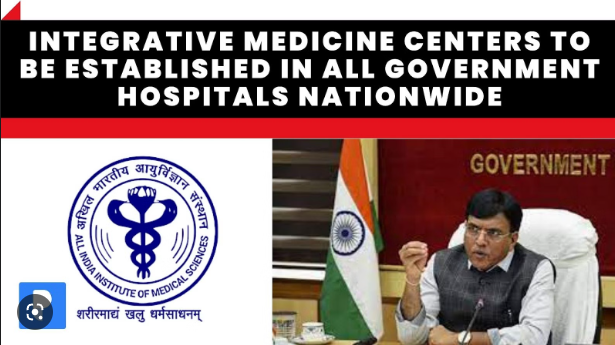
With the Indian Govt's plans to "integrate" pseudoscientific primal practices into modern medicine, we can only expect more of disease burden among the Indian patient and general community in coming years - most of them ending up as data on studies like this. Great tragedy.
With the Indian Govt's plans to "integrate" pseudoscientific primal practices into modern medicine, we can only expect more of disease burden among the Indian patient and general community in coming years - most of them ending up as data on studies like this. Great tragedy.
13/
There is no role of unscientific promotion of healthcare among the public how much ever it has traditional, cultural or nationalistic values.
Medical science is the method closest to the truth and requires scientific temperament in its promotion, communication & acceptance.
There is no role of unscientific promotion of healthcare among the public how much ever it has traditional, cultural or nationalistic values.
Medical science is the method closest to the truth and requires scientific temperament in its promotion, communication & acceptance.

14/
Many thanks to @arifhussaintm and Vaid. Resmi R for their uncompromising work on collating and collecting the data from a large database of patients.
You can read our full paper and all analytical data at this link.
journals.lww.com/md-journal/Ful…
#Medtwitter #LiverTwitter
Many thanks to @arifhussaintm and Vaid. Resmi R for their uncompromising work on collating and collecting the data from a large database of patients.
You can read our full paper and all analytical data at this link.
journals.lww.com/md-journal/Ful…
#Medtwitter #LiverTwitter
Post script:
All the Ayurveda and Homeopathy sympathizers and pseudoscience apologists commenting on this thread twisting and misinterpreting facts about Covid vaccines, use of steroids and other scientifically proven methods that saved millions worldwide, including themselves… twitter.com/i/web/status/1…
All the Ayurveda and Homeopathy sympathizers and pseudoscience apologists commenting on this thread twisting and misinterpreting facts about Covid vaccines, use of steroids and other scientifically proven methods that saved millions worldwide, including themselves… twitter.com/i/web/status/1…

This is what science-illiteracy and blind-faith nationalism on steroids look like.
Dont be like them.
Dont be like them.


• • •
Missing some Tweet in this thread? You can try to
force a refresh