There have been multiple questions /doubts /clarifications after the Govt announced the installation of #SengolAtNewParliament . Wanted to pick of few of the points & try to reason out.
First, is it really true that British asked for a Symbol ? Possibly yes as they give lot of
importance to traditions & in all probability the question might have been asked to Nehru formally or informally. Why did Nehru speak to Rajaji? That is because Rajaji was by far the best of his close aides who has knowledge on the traditions &heritage of the country at that time
Note that this incident is officially recorded in the Thiruvavaduthurai records & no reason to suspect it
Rajaji was a Vaishnavite & Kanchi Mutt was famous at that time. Why Thiruvavaduthurai then? Thiruvavaduthurai Adheenam has a treasure trove collection of historical records
with many manuscripts from Sangam Days. If one reads ‘En Sarithiram’ of U Ve Saminatha Iyer, this can be inferred as it was like a mini university. So there is no surprise that the Adheenam was reached to provide a solution to the issue as Rajaji might have needed some historical
backing than going to Nehru with only a spiritual angle.
Why the Adheenam didn’t go? Sri Ambalavana Desikar who incidentally has the same name of the current Adheenam (Coincident?) was sick & that’s why he has asked his Thambiran to go for this occasion
This incidents was narrated by the current Adheenam & there is no room for any doubt on that front.
Then the laughable suggestion that the Sengol was just a gift. Of the 1000s of Mutt’s across India, the Adheenam sending a group of Othuvars, a prominent Nageswara Vidwan
(TN Rajaratnam Pillai) and others for just giving a gift ? Of all the ‘gifts’ received, this incident figures predominantly in ‘Time’ Magazine and in the book ‘Freedom at Midnight’ ? One must be kidding if they think this is just a gift. It definitely has a significance & hence
the prominent reference of Sceptre & handing over ceremony with the a Photo
Perhaps the bizarre thing is few saying Sengol is a Symbol of monarchy. Innumerable literature & inscriptional evidence in Tamil history says Sengol is a Symbol of Dharmic rule,good Governance & Justice
Kings were holding it in those times while conducting the affairs of the country as they were the rulers. During current times of democracy,it needs to be in the place where the governance happens. So saying Sengol is symbol of monarchy shows nothing but ignorance of our heritage
Now the Adheenam himself has come forward to expose the lies of naysayers
• • •
Missing some Tweet in this thread? You can try to
force a refresh

Masi Magam is usually an auspicious day in the Tamil calendar, celebrated with grandeur in temples across Tamil Nadu. Yet, in the annals of Tamil history, it is also remembered as a day of deep tragedy — particularly at Arunachaleswarar Temple. Why? 🧵
After repeated invasions from the Delhi Sultanate, the Hoysala king Veera Ballala III shifted his capital to Tiruvannamalai. He undertook extensive renovations at the temple of Annamalaiyar and is credited with constructing a majestic gopuram. His devotion was profound — tradition holds that he regarded Lord Annamalaiyar as his own son
But his resolve to liberate Tamilakam from the grip of the Madurai Sultanate never waned. At the time, the Sultanate’s rule in Madurai was marked by severe oppression. Veera Ballala assembled a large army, numbering nearly one lakh and marched southward.
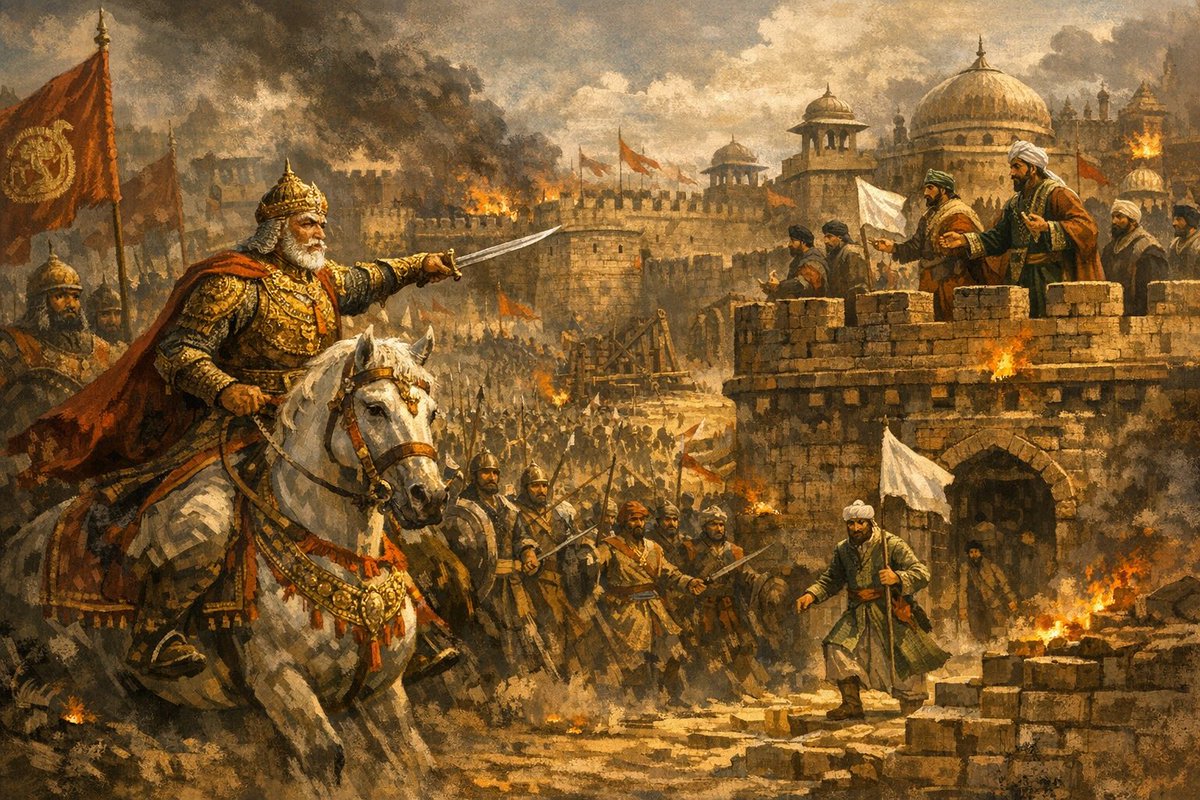
The decisive confrontation took place at Kannanur Koppam (present-day Samayapuram). Despite being around 80 years old, the aged Hoysala monarch personally led his forces into battle. The Sultanate troops initially retreated into the fortified town. Ballala laid siege and demanded surrender. The opposing commander requested permission to send a message to Madurai. Ballala, honour-bound, granted a fourteen-day truce.
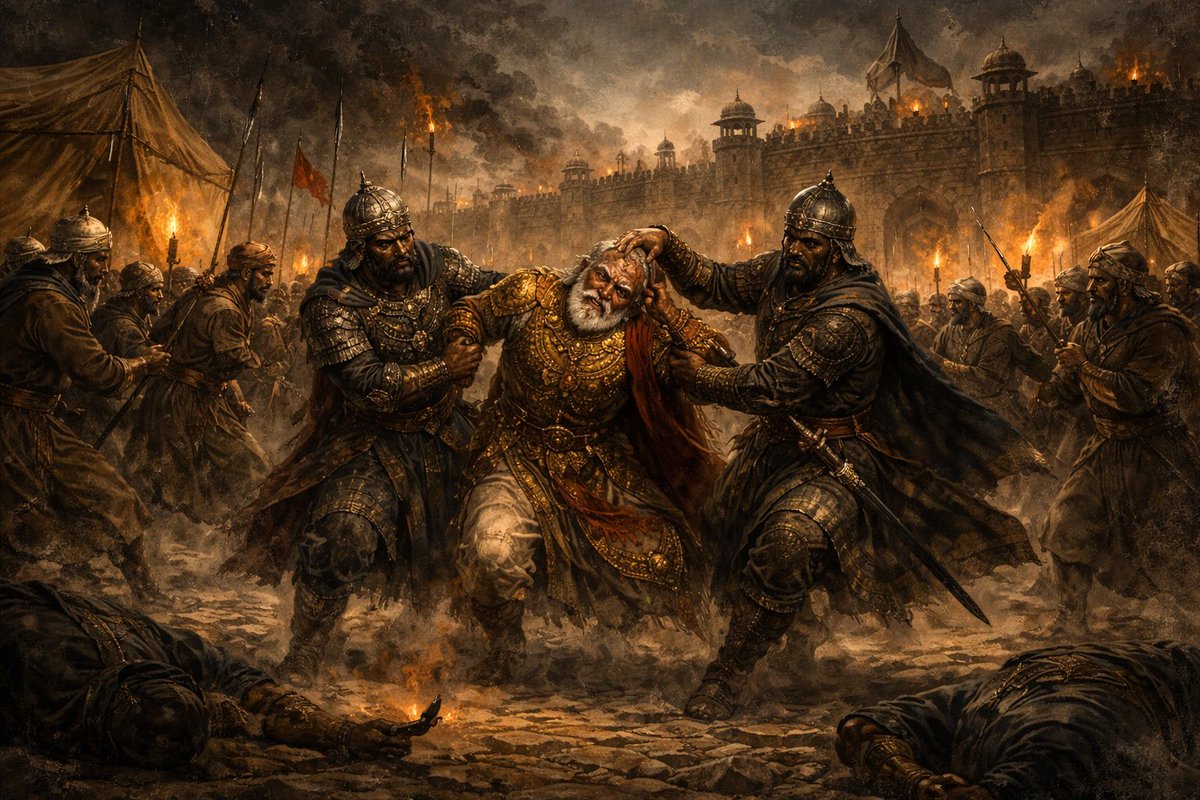
However, Sultan Ghiyasuddin of Madurai, determined to crush the Hoysalas, mobilised reinforcements and launched a surprise midnight attack on the Hoysala camp. Veera Ballala was captured. In a brutal display meant to intimidate, he was skinned, his body stuffed with hay, and displayed before the fort at Madurai.
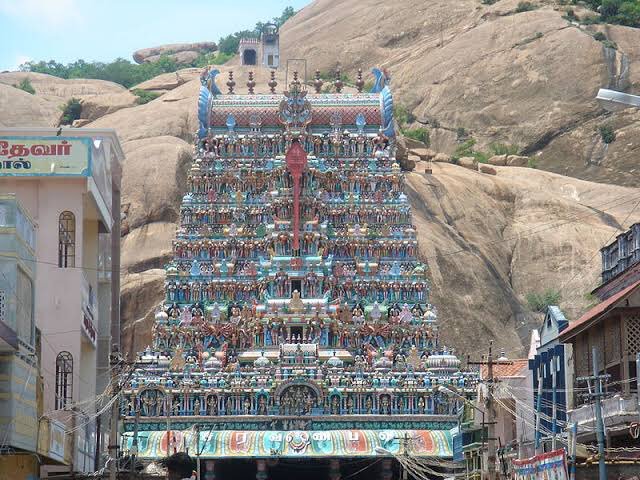
Tirupparankundram, which our Prime Minister @narendramodi ji is visiting today, is a temple of immense historical and architectural significance. Revered as the first of the six abodes (Aarupadai Veedu) of Lord Murugan, it is far more than a single-sect shrine — it is a multidimensional sacred complex reflecting multiple sampradayas within the Sanatana tradition.
Though Tirupparankundram finds mention in Sangam literature, the present rock-cut temple complex was excavated during the reign of the Pandya king Parantaka Nedunjadayan in the 8th century CE. It stands as one of the finest examples of Pandya rock-cut architecture. 🧵
#TempleTrails
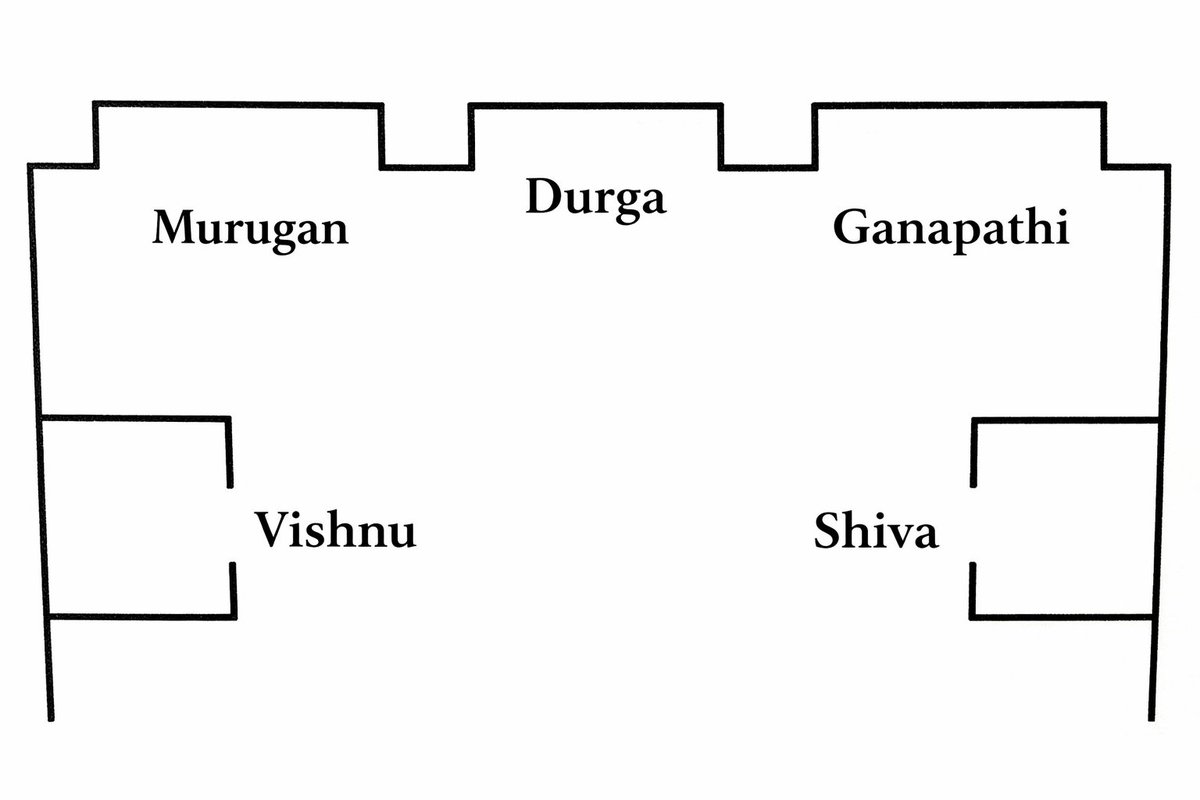
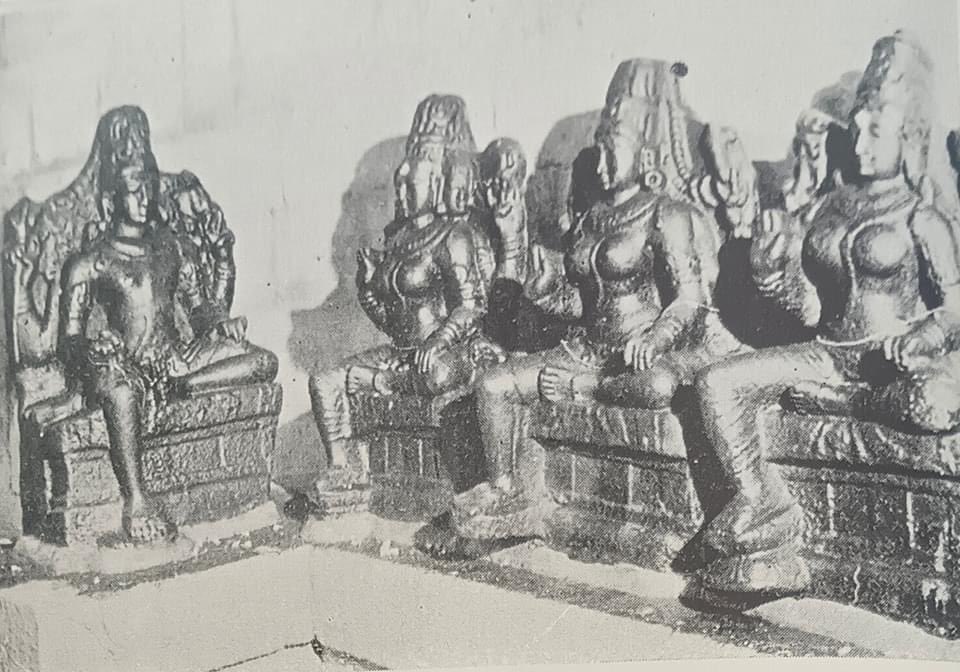
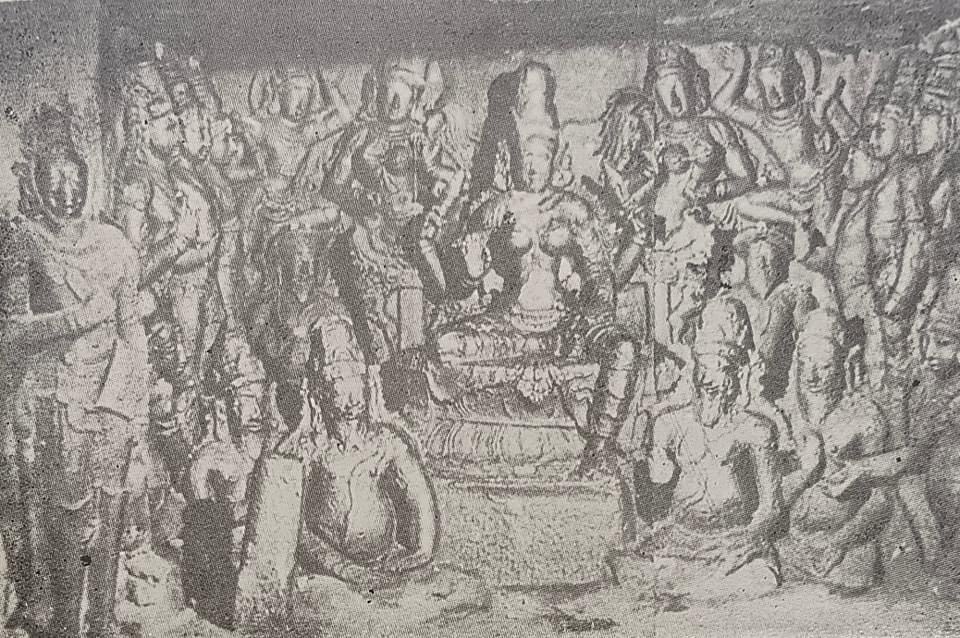
The sanctum of the temple is unique with five shrines. The east facing shrine on the right is of Siva and the shrine of Vishu is on the left side. There are three panels on the backwall.
On the rear wall panels, Ganapati appears in a distinctive form — seated on a lotus and holding sugarcane, representing the Ganapatya tradition. As in many Pandya cave temples, this is a Valampuri Vinayagar, known here as Karpaga Vinayagar. Anjaneya is also depicted nearby.
Central Shrine – Vishnu Durga
Durga stands upon Mahisha, holding Shankha and Chakra. A Tamil inscription in Vattezhuthu near the pillar records that the shrine and a sacred tank (Srithatakam) were constructed by the Pandya Mahasamanta Sattan Ganapati, while the Durga shrine itself was endowed by his wife Nakkan Kortri.
The Shakta tradition of the temple is further enhanced by Jyeshta Devi shrine below the Sanctum and Bhuvaneswari and Gajalakshmi shrines on both the sides.
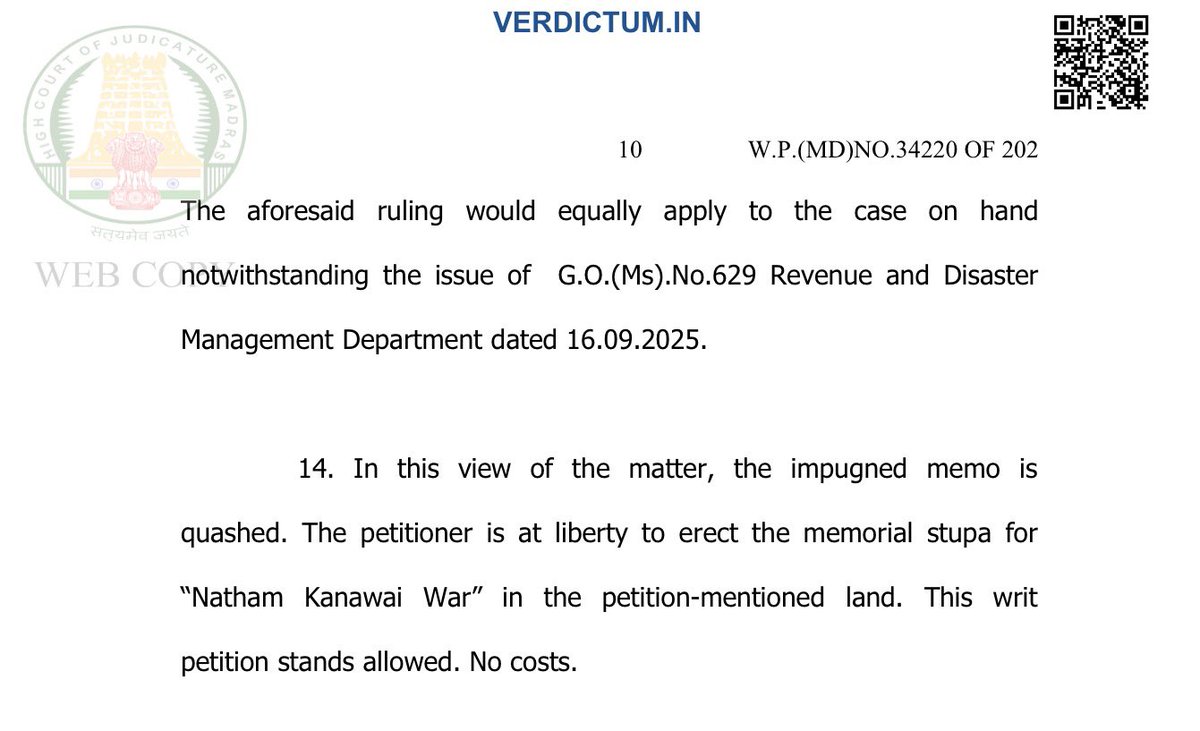
I came across the news that Hon’ble Justice G. R. Swaminathan delivered a historic judgment in a case involving the honouring of our freedom heroes. In fact, it is difficult to understand why there should have been a legal dispute over this in the first place.
The Madras High Court has allowed the construction of a stupa in memory of the Natham Kanavai warriors, who fought bravely against the British. What exactly was this war about? Read on. 🧵
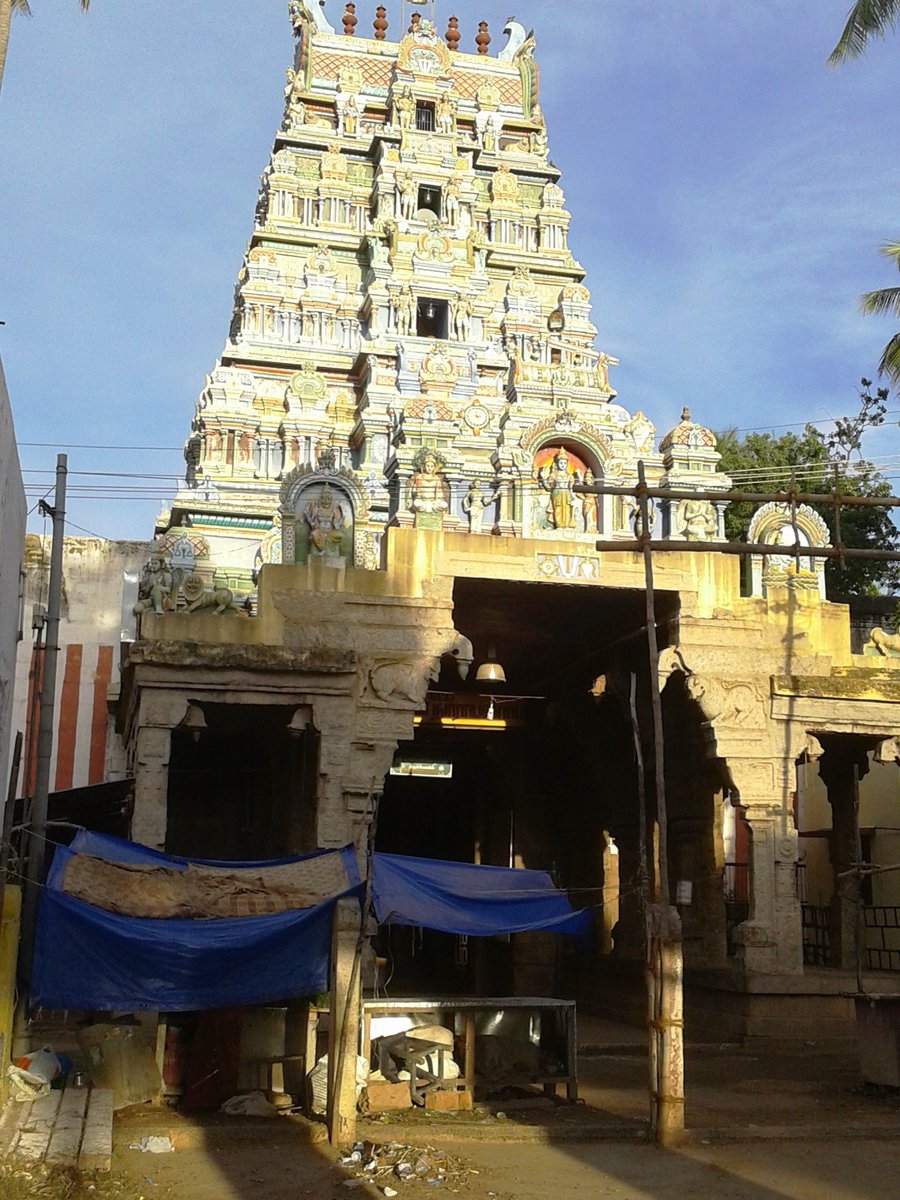
When Yusuf Khan, also known as Marudu Nayagam, was in the service of the English, he and Colonel Heron undertook a southern expedition to collect taxes from the polygars. Kumaravadi polygar Lakshmi Nayak refused to pay the tax, following which British forces launched an attack. The local governor, Mayana, fled to the Thirumbur temple (present-day Thirumogur).
Yusuf Khan pursued him, but upon receiving news of Yusuf Khan’s approach, Mayana escaped from the temple. Colonel Heron, however, remained unconvinced. He, along with Yusuf Khan, proceeded to attack the temple. The temple gates were burned down, and the shrine was plundered. All the idols were taken away. The Kallars, who were the worshippers and protectors of the temple, were enraged by this act. When they demanded the return of the idols, a ransom of 5,000 rupees was demanded. Unable to raise the amount, they watched helplessly as the English troops departed with the idols. Yusuf Khan later claimed that he himself had burned down the temple.
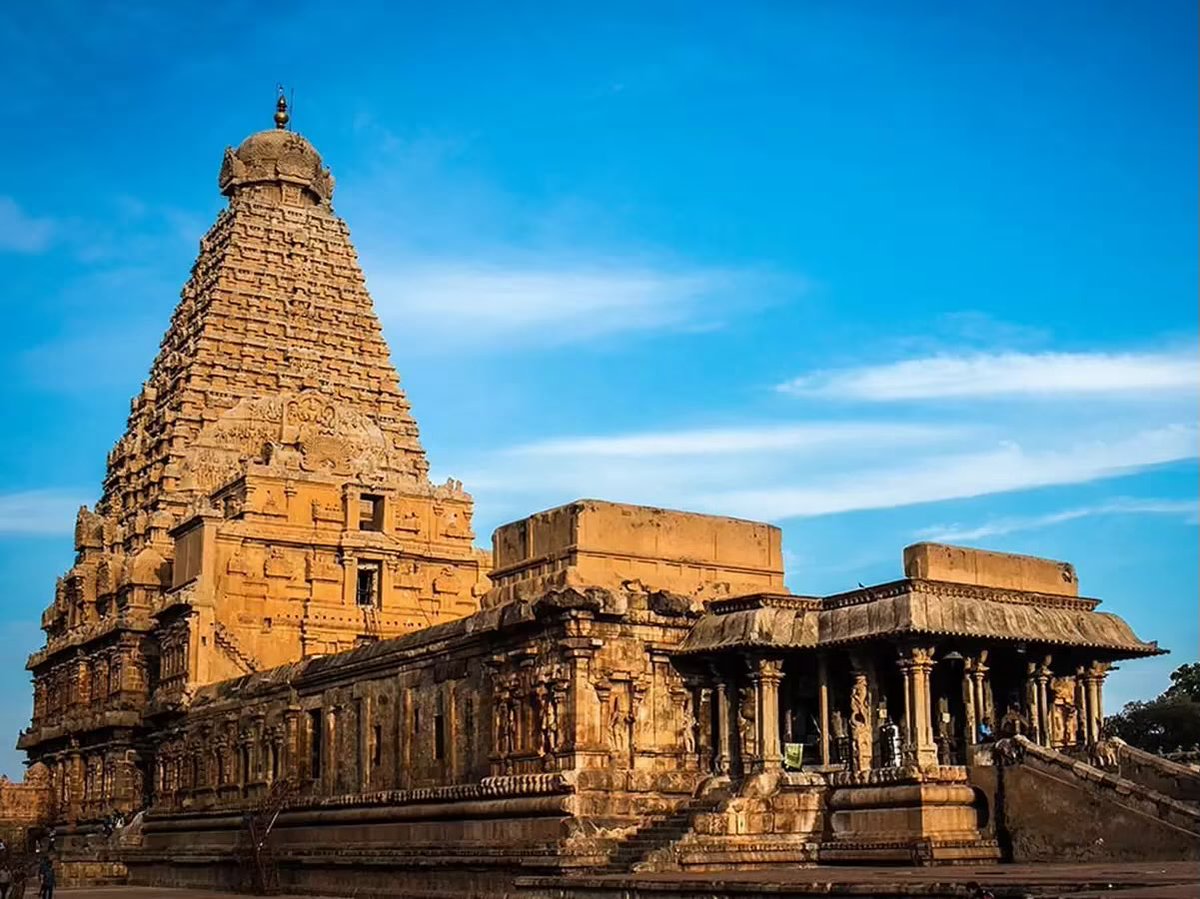
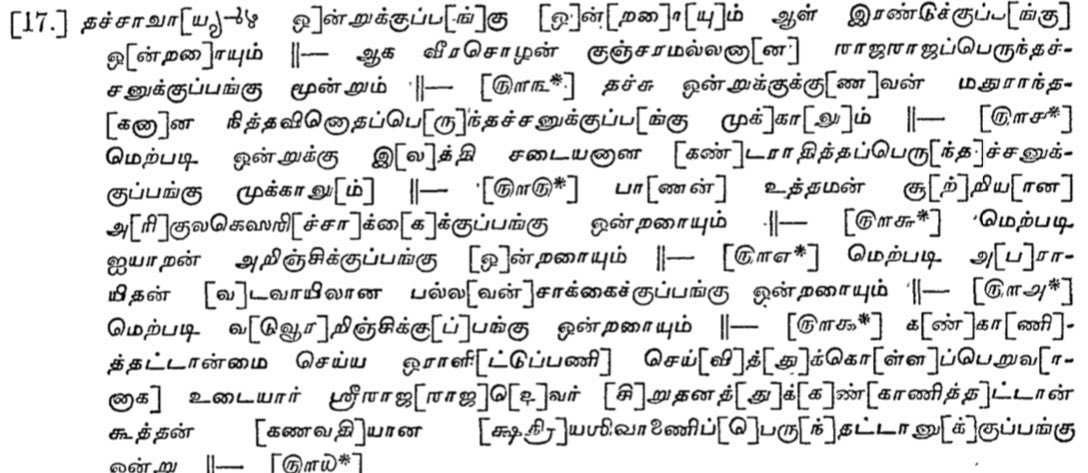
On the occasion of Engineer’s Day, we salute two legendary engineers—Veerachozhan Kunjaramallan and Nithavinotha Perunthachan—who masterminded the construction of the Thanjavur Rajarajeswaram Temple and the Gangaikonda Cholapuram Temple respectively. These engineering marvels have stood tall for over a thousand years, a lasting testimony to their mastery in building massive and resilient structures on the fertile yet loose soil of the Kaveri delta.
#EngineersDay2025
The Chola heartland lies in a riverine region, interlaced with rivers, rivulets, and canals, which makes the soil unsuitable for holding gigantic monuments. Kunjaramallan skillfully identified a rocky foundation capable of bearing immense weight—estimated at 162 tonnes per square meter—strong enough to sustain the Big Temple
Remarkably, both temples were built in regions with no local source of granite. Massive stones were transported from distant quarries and assembled on site. Rajaraja Chola recognized their extraordinary contribution, honoring the architects with royal grants and engraving their names on the temple walls.
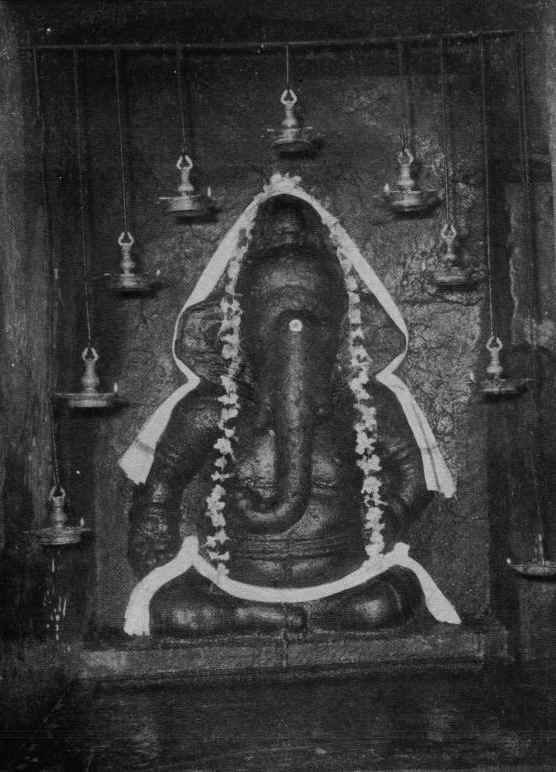
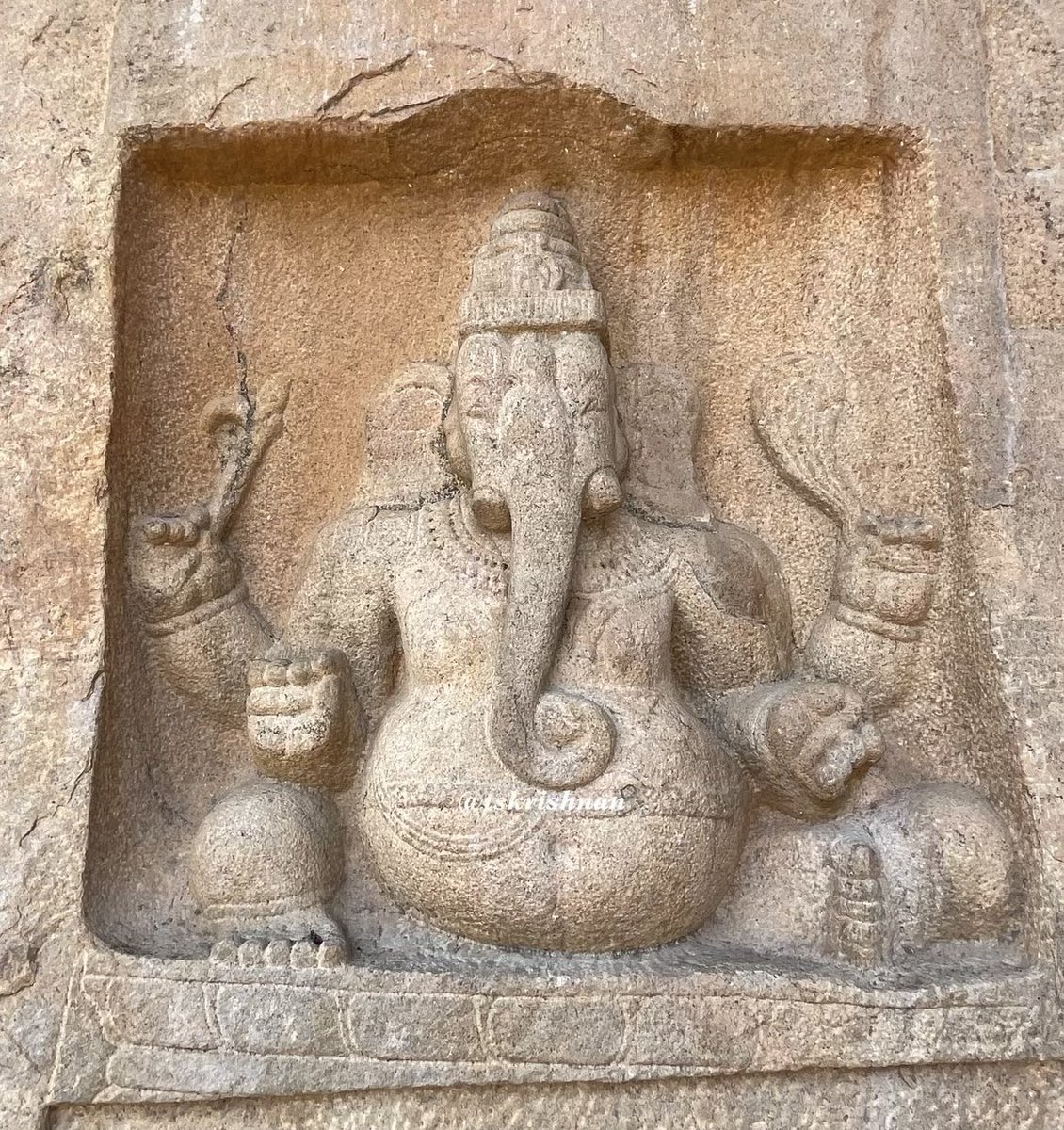
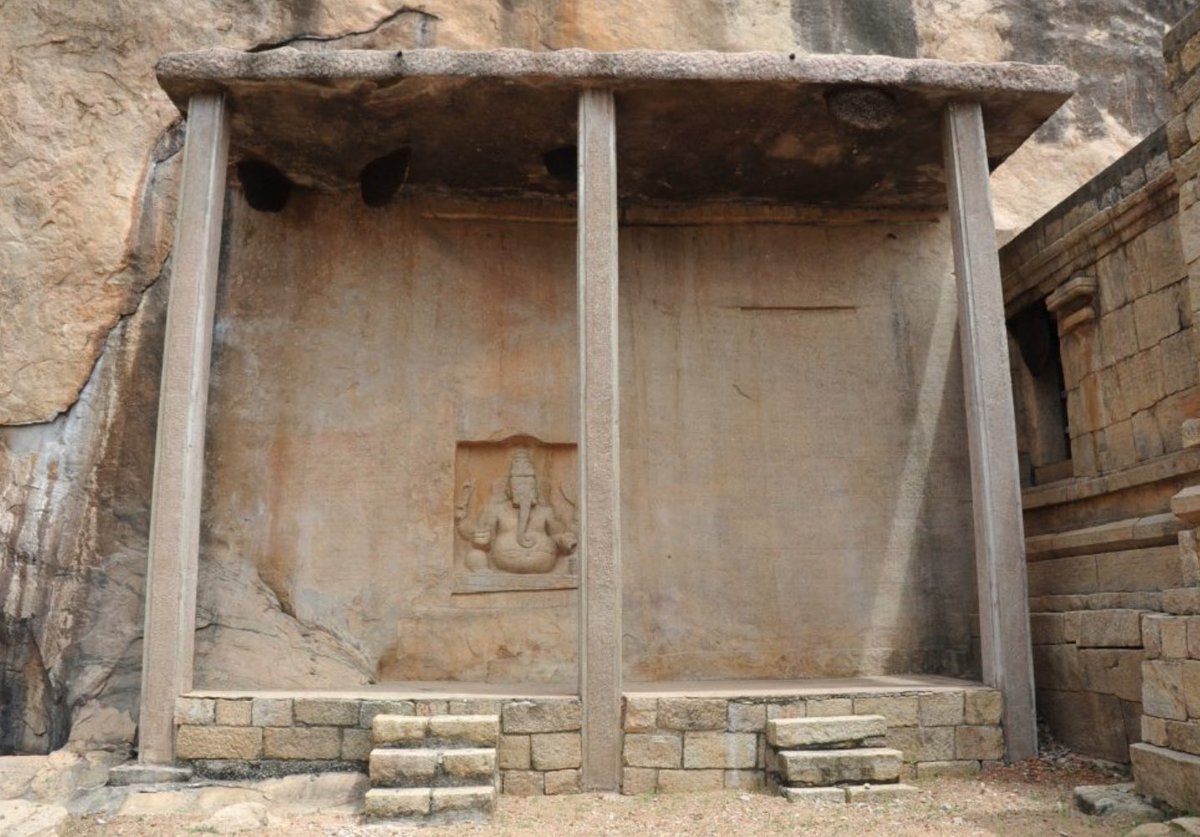
On the auspicious occasion of #VinayagarChaturthi, let us explore some of the historic Vinayaka Vigrahas of Tamilakam.
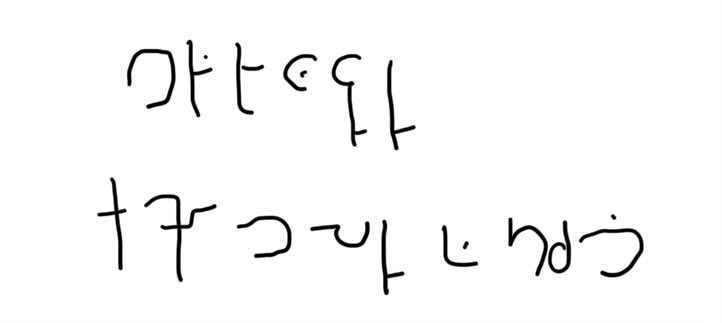
One of the oldest is the Pillayarpatti Vinayaka, dating back to the 4th–6th centuries CE. This bears an inscription in a mix of Tamil Brahmi and Vattezhuthu, recording the sculptor’s name as “Ekkaaturu Kon Perum Thasan.”
The inscription is of great linguistic importance—it marks the first known usage of the Pulli (dot) in Tamil script. Thus, the Pillayarpatti Vinayaka stands not only as a sacred icon but also as a milestone in the evolution of Tamil writing.
The Kudumiyanmalai Vinayaka near the famous musical inscription. The inscription at the Pandya rock cut temple was the oldest one containing the musical notes found in Tamil Nadu and dates 7-8th century.
This Vinayaka is called as Polla Pillayar. The Ganapathi at Thirunarayur was the one who told Nambiyandar Nambi about the place where the sacred Thirumurais were kept.
It was in fact Rajaraja Chola who requested Nambi to find the whereabouts of Thirumurais. Later, they were retrieved from a chamber at Chidambaram and Nambi compiled them.
Krishna Bhakti and celebration of Janmashtami has deep roots in Tamilakam since ancient times. A potsherd excavated at the Kodumanal archaeological site bears the Tamil-Brahmi inscription “Kannan Adhan”. This find is dated to around the 2nd century BCE.
Kannan is one of the Tamil names of Sri Krishna, and this inscription stands as one of the earliest references to His name in Tamilakam, highlighting the antiquity of Krishna worship in the region.
#Janmashtami #janmashtami2025
A fragmentary pottery bowl from Arikamedu (1st century CE) has the name of Balabhuta (of Yadu clan)
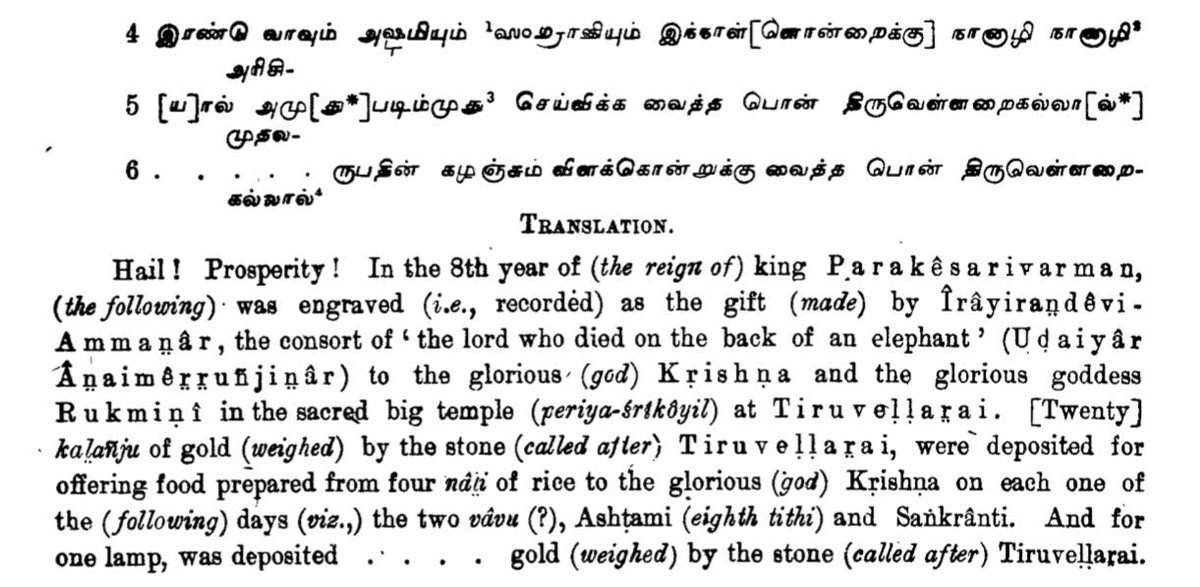
An inscription from Tiruvellarai mentions offerings to Lord Krishna and Rukmini on the day of Ashtami. This was made by Irayirandevi Ammanar, wife of Rajadithya Chola