Read on Twitter
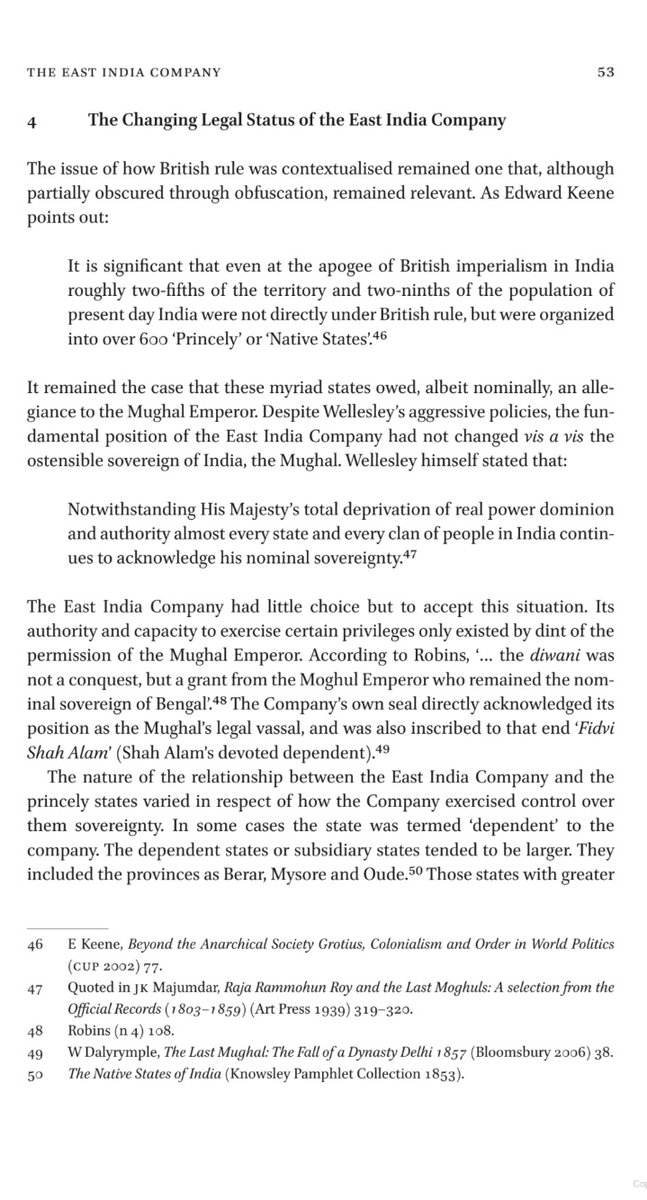
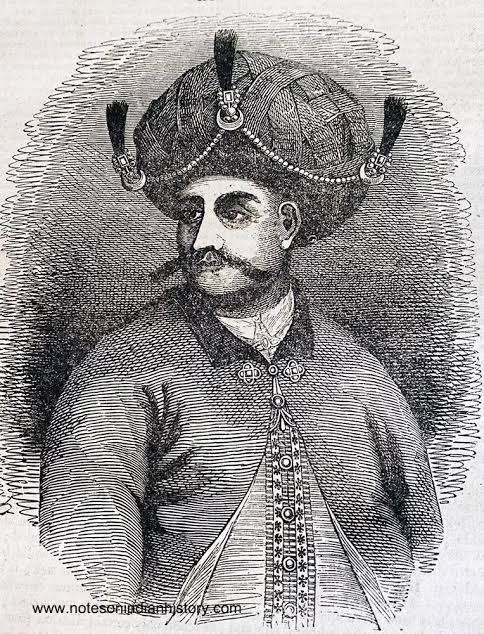
Haidar Ali (till his entire life) and Tipu Sultan (till 1785) of Mysore were just servants / officials of Mughal Empire and acknowledged Mughal emperors as their true sovereigns.
Many are ignorant of this and consider them as independent sovereigns.
➤ 𝘚𝘩𝘰𝘳𝘵 𝘛𝘩𝘳𝘦𝘢𝘥🧵
Many are ignorant of this and consider them as independent sovereigns.
➤ 𝘚𝘩𝘰𝘳𝘵 𝘛𝘩𝘳𝘦𝘢𝘥🧵
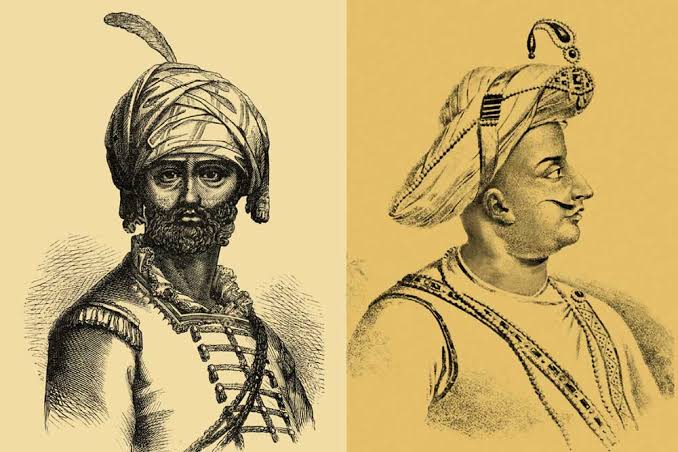
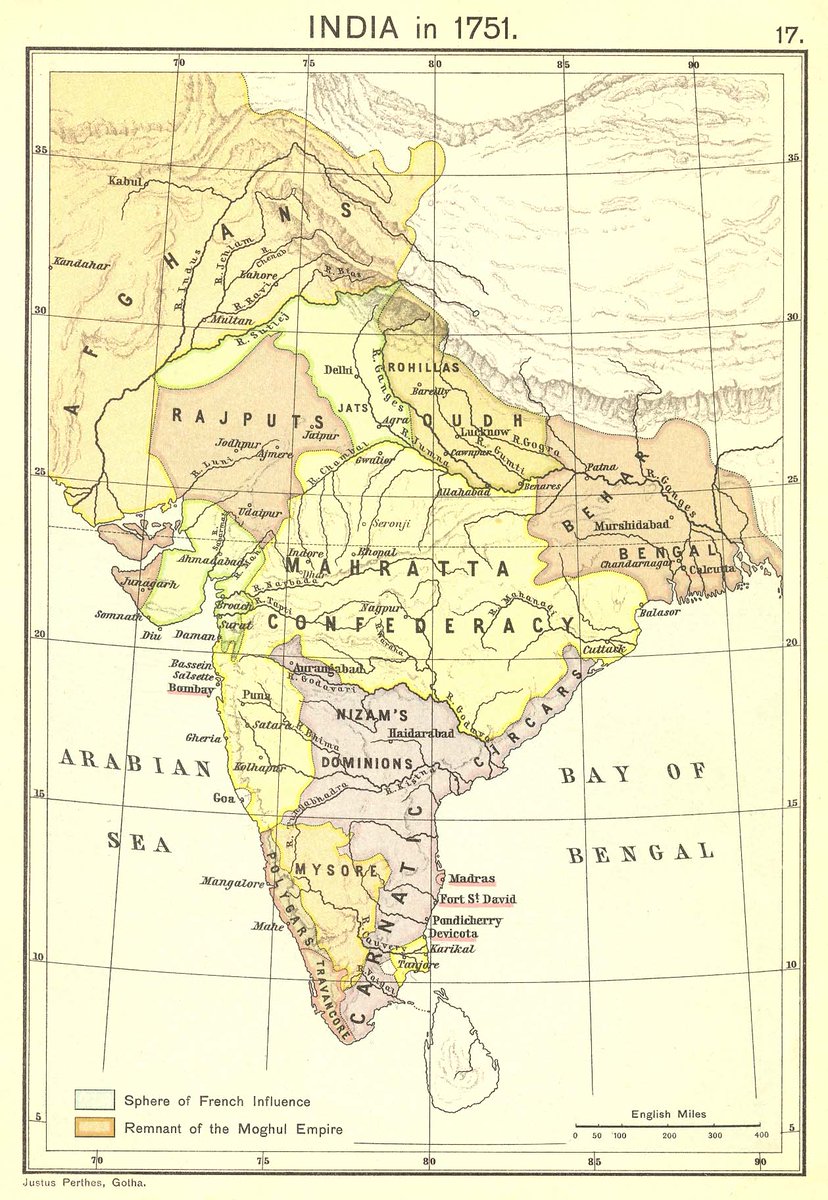
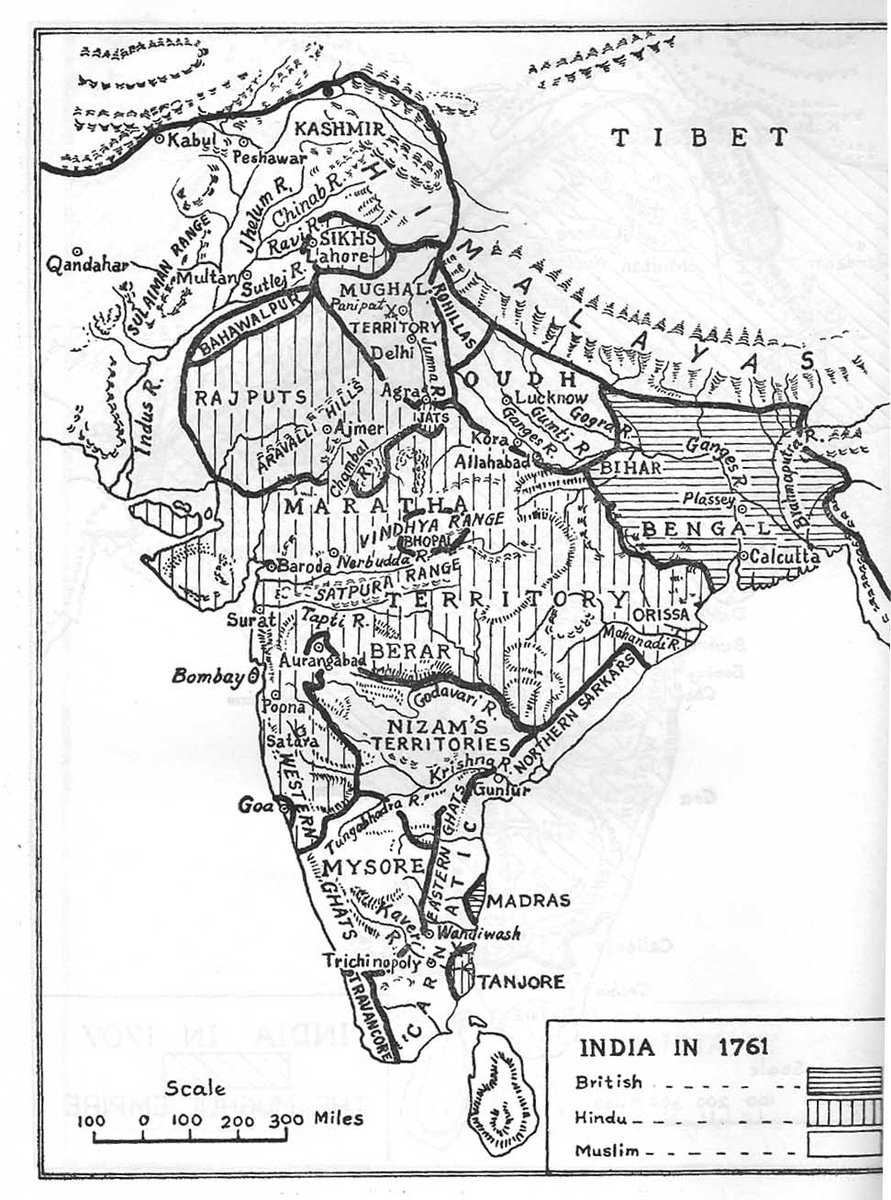
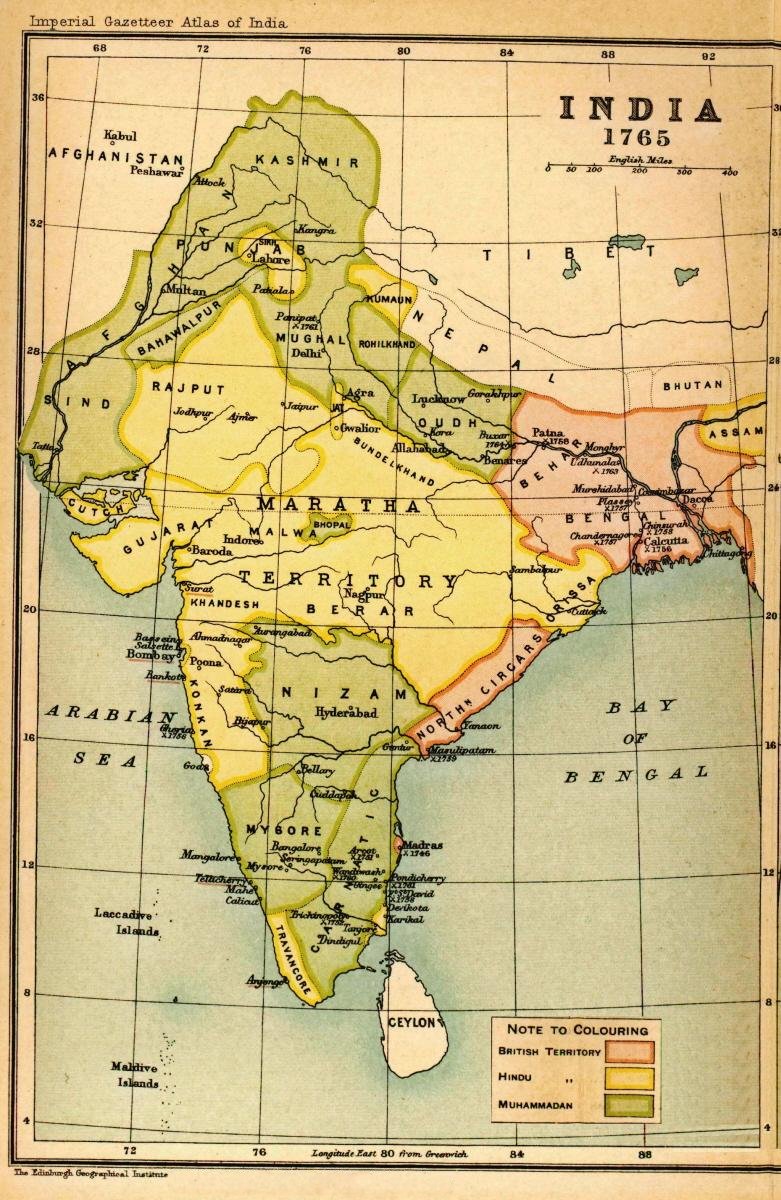
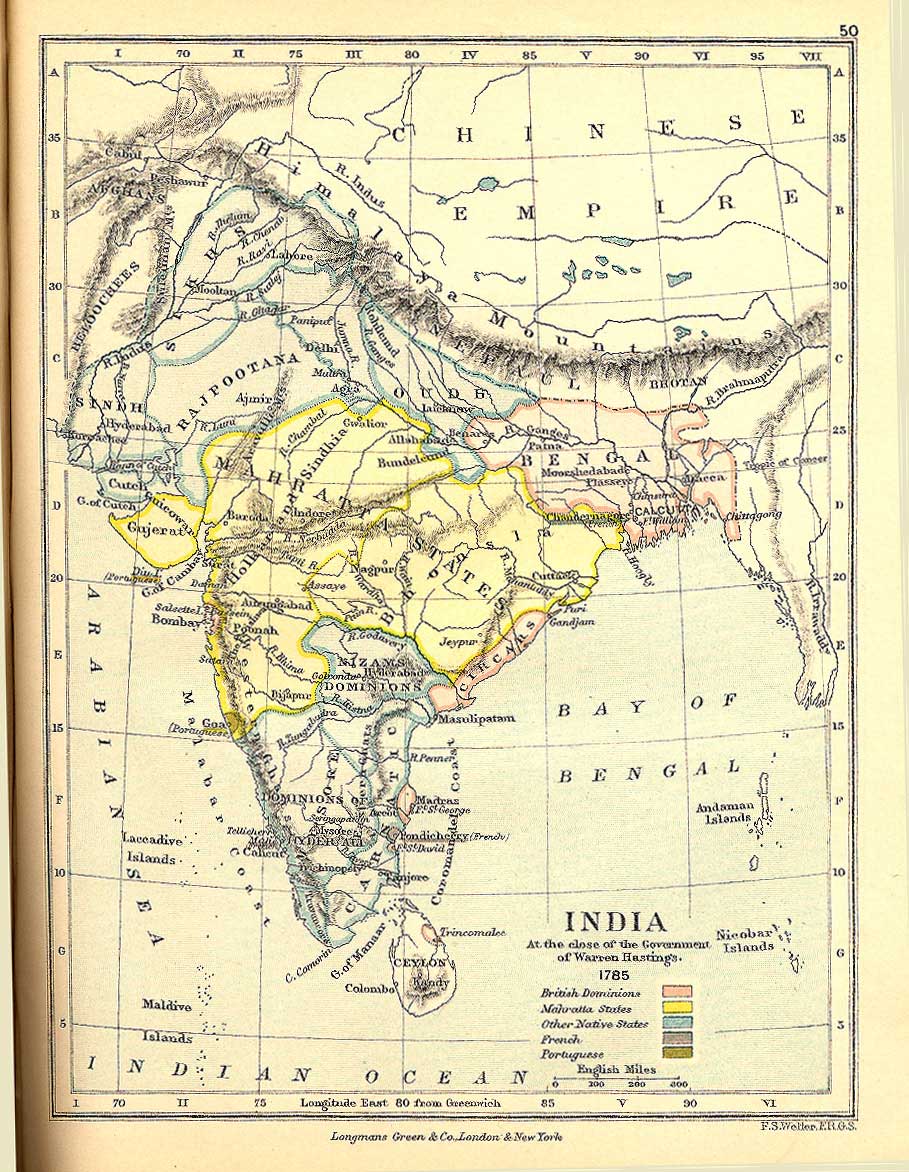
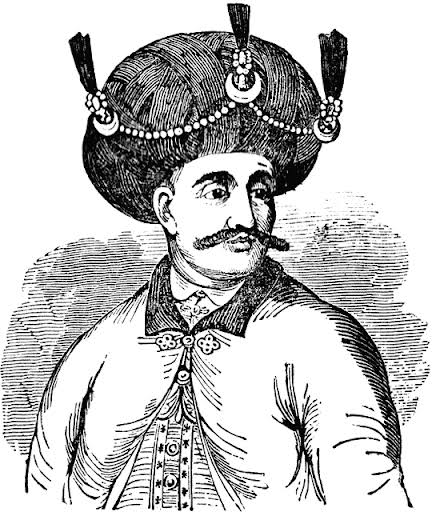
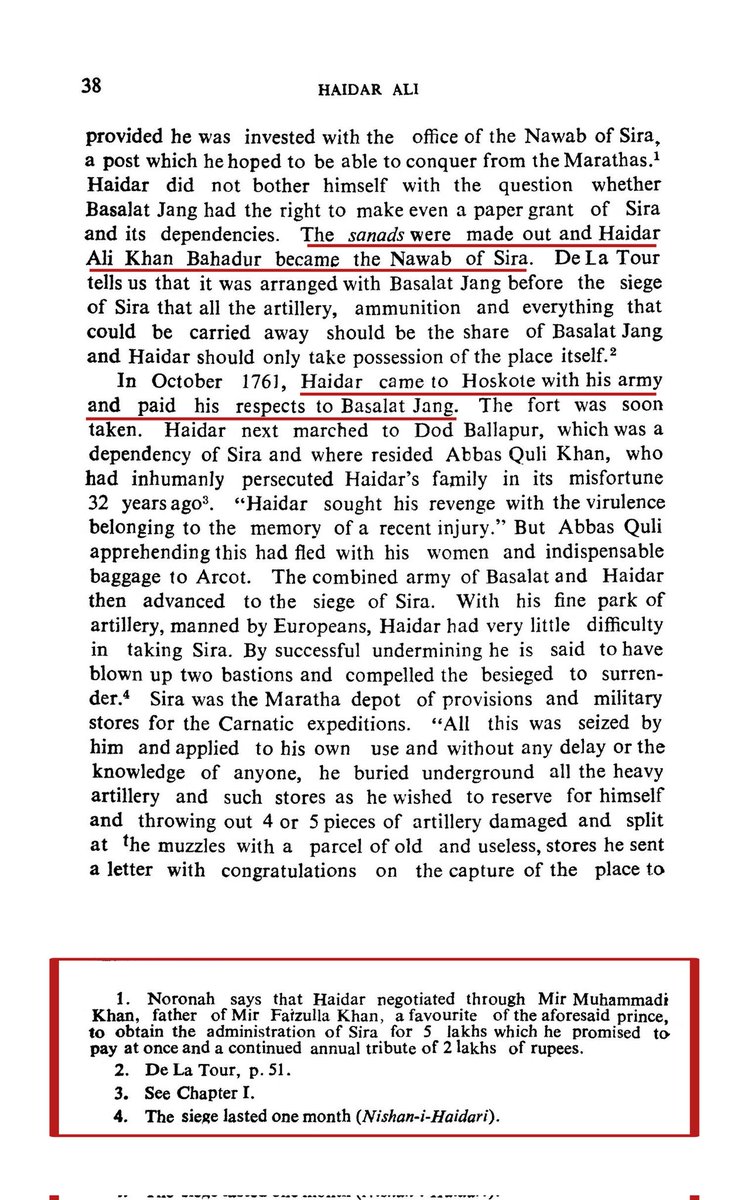
In 1761, Haidar Naik helped the Mughal governor of Bijapur, Nawab Basalat Jung Bahadur to conquer Sira province (a division of Bijapur province) from Marathas.
He was awarded the title of was awarded the title of Nawab Haidar Ali Khan Chuckmak Jung Bahadur.
He was awarded the title of was awarded the title of Nawab Haidar Ali Khan Chuckmak Jung Bahadur.

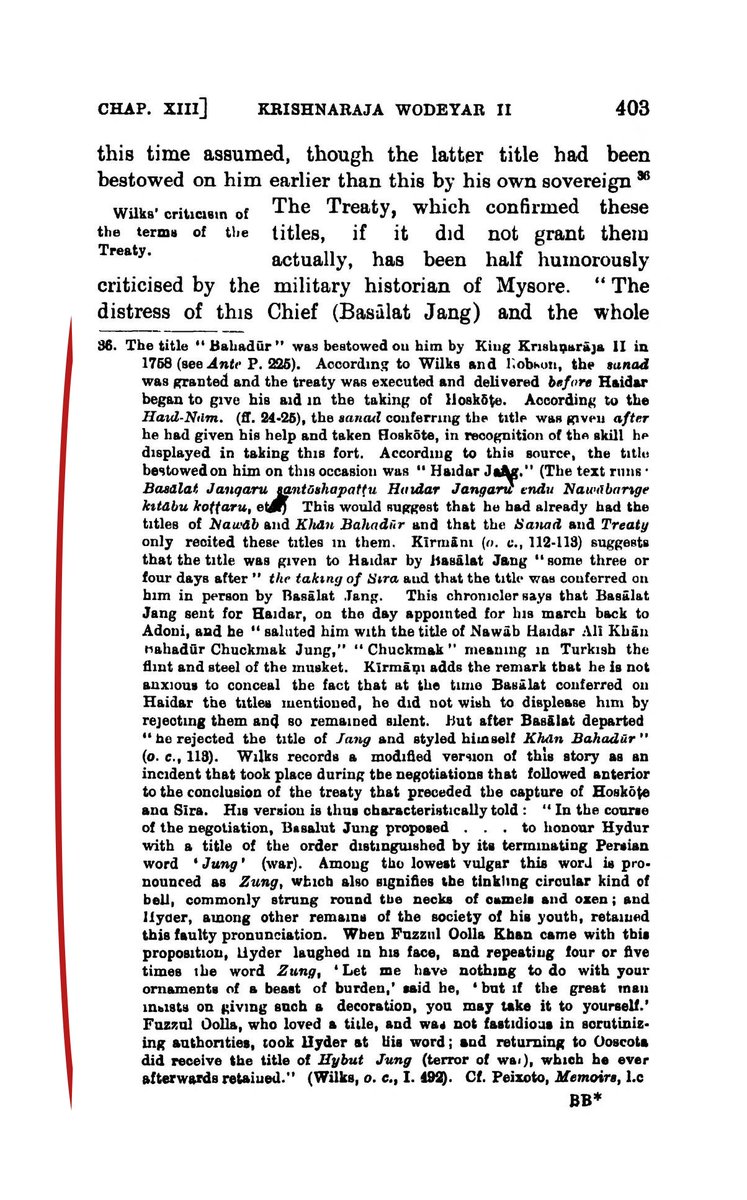
In 1761, Hyder Ali was created Governor of Sira Subah.
Bijapur province had two divisions - Bijapur Haveli and Karnatic Balaghat (also called Sira).
Hyder paid 5 lakhs as nazarana (offerings) and continued payment of 2 lakhs annually as peshkash (tribute) to Mughal Empire.
Bijapur province had two divisions - Bijapur Haveli and Karnatic Balaghat (also called Sira).
Hyder paid 5 lakhs as nazarana (offerings) and continued payment of 2 lakhs annually as peshkash (tribute) to Mughal Empire.
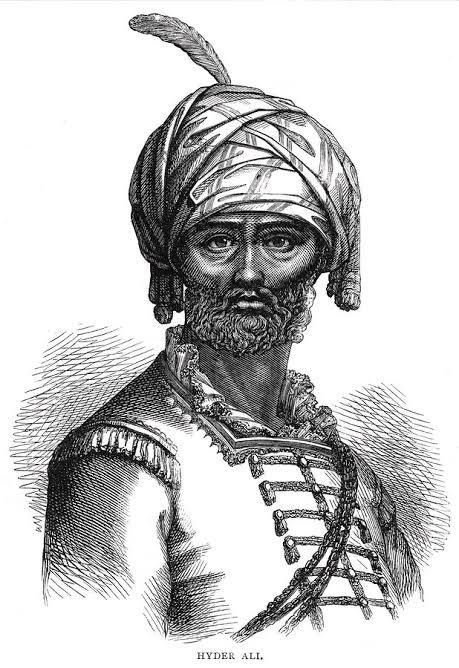
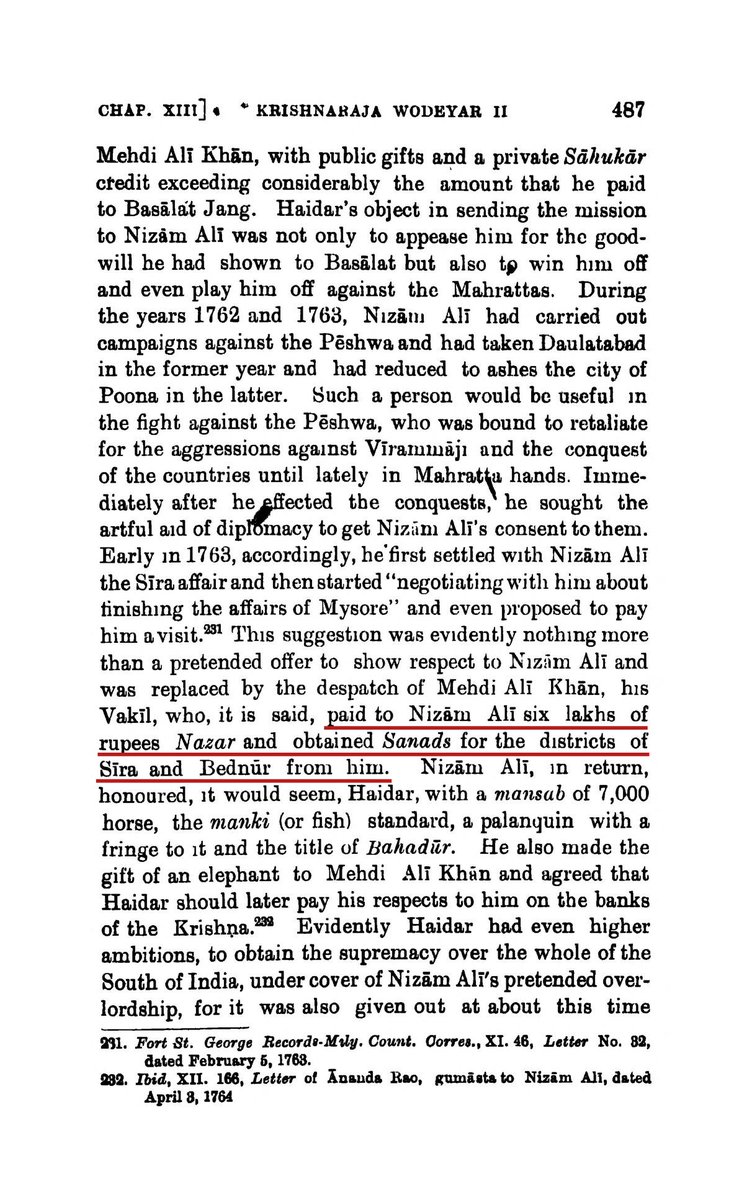
In 1763, Haider was awarded the mansab (rank) of 7000 zat & sowar thus making him one of the premier nobles of Mughal Empire.
Haider paid 6 lakhs to Mughal Empire for the honours bestowed.
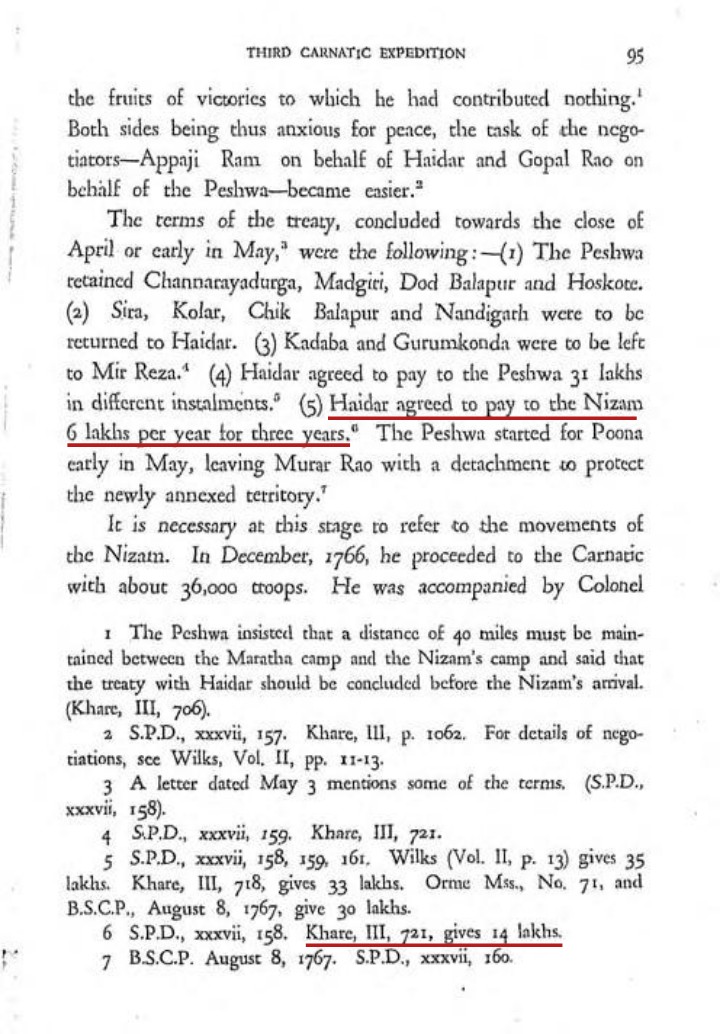
In 1767, Haider paid 14×3=42 lakhs as a tribute to Nizam Ali Khan (Mughal deputy).
Haider paid 6 lakhs to Mughal Empire for the honours bestowed.
In 1767, Haider paid 14×3=42 lakhs as a tribute to Nizam Ali Khan (Mughal deputy).
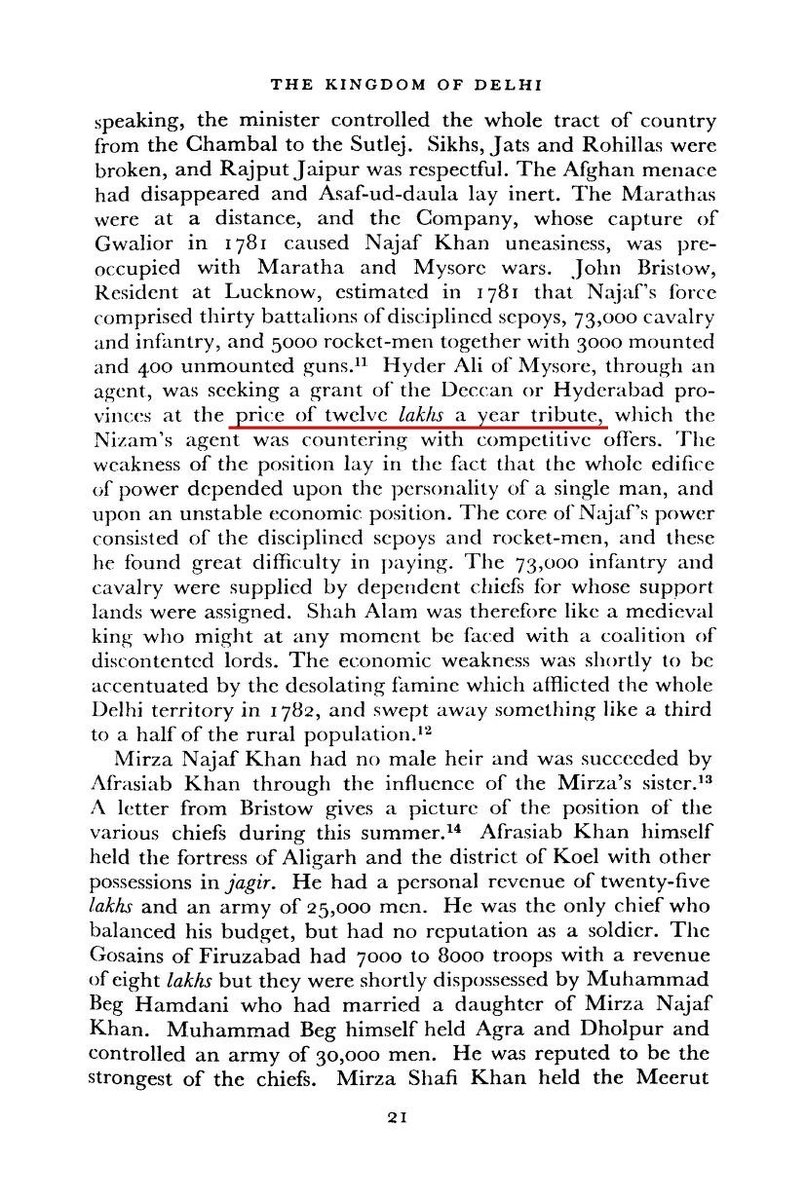
In 1781, Haidar Ali was negotiating for the sanad (official sanction) for his governorship and agreed to pay (more than) 12 lakhs to Emperor Shah Alam II directly.
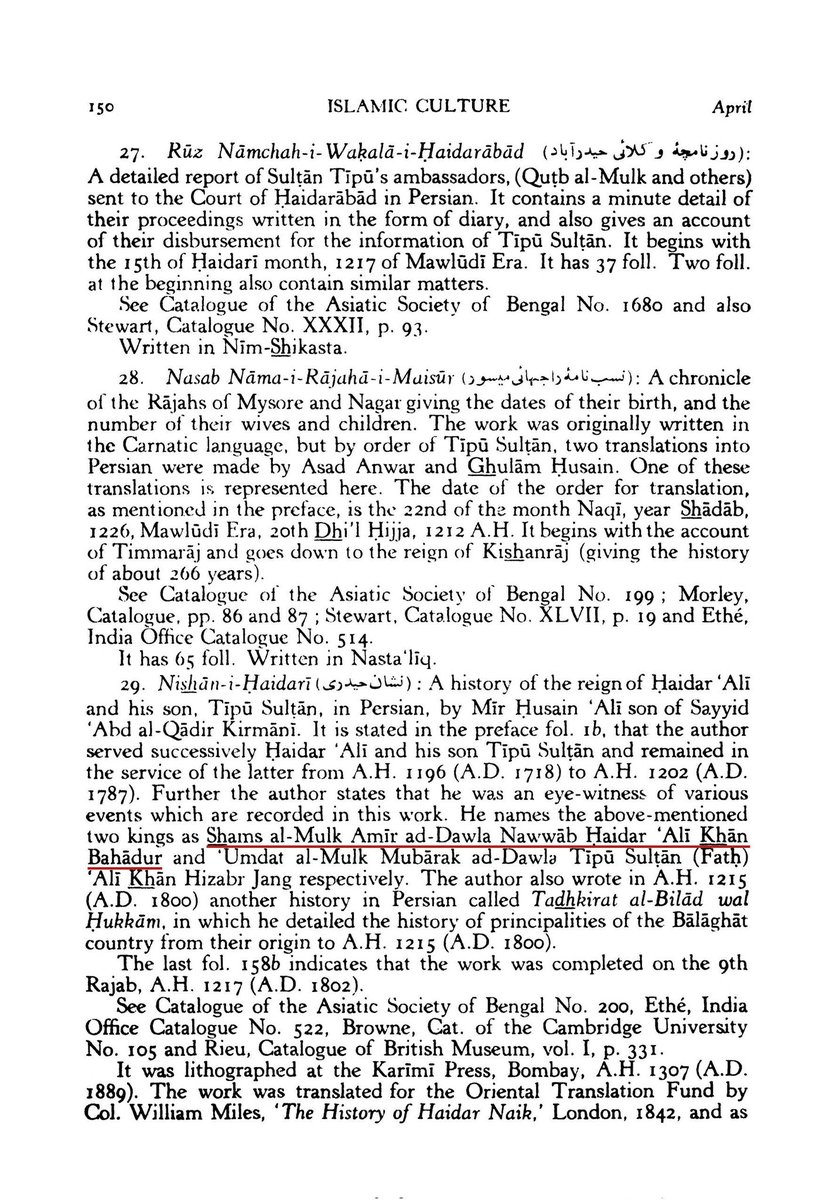
Haider was awarded the title :— “Shamsh-ul-mulk Amir-ud-daulah Haidar Ali Khan Bahadur”
In 1782, Haider Ali died.
Haider was awarded the title :— “Shamsh-ul-mulk Amir-ud-daulah Haidar Ali Khan Bahadur”
In 1782, Haider Ali died.
In 1783, Tipu submitted to Mughal Emperor as his “slave” & “governor”.
He paid multiple lakhs of rupees as a tribute to Emperor and was awarded a title —
“Umdat-ul-mulk Mubarak-ud-daulah Tipu Sultan Fateh Ali Khan Bahadur Hizabr Jung fidwee (slave of) Shah Alam Padishah Ghazi”.
He paid multiple lakhs of rupees as a tribute to Emperor and was awarded a title —
“Umdat-ul-mulk Mubarak-ud-daulah Tipu Sultan Fateh Ali Khan Bahadur Hizabr Jung fidwee (slave of) Shah Alam Padishah Ghazi”.
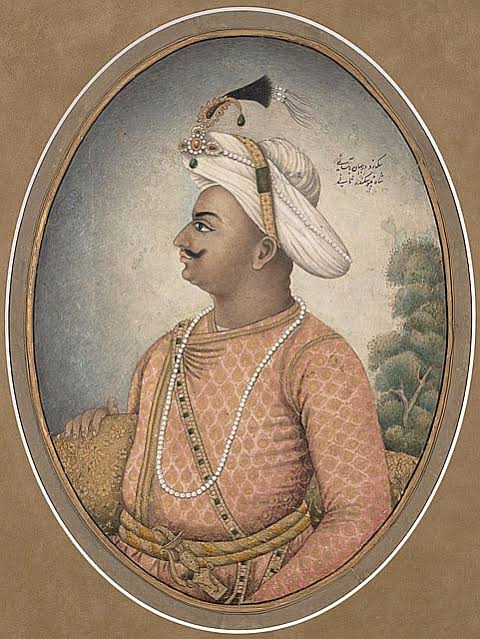
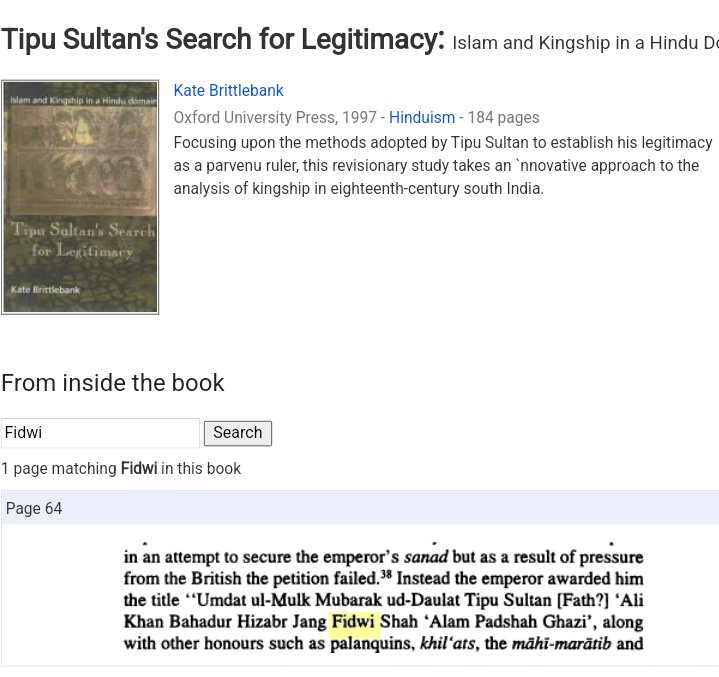
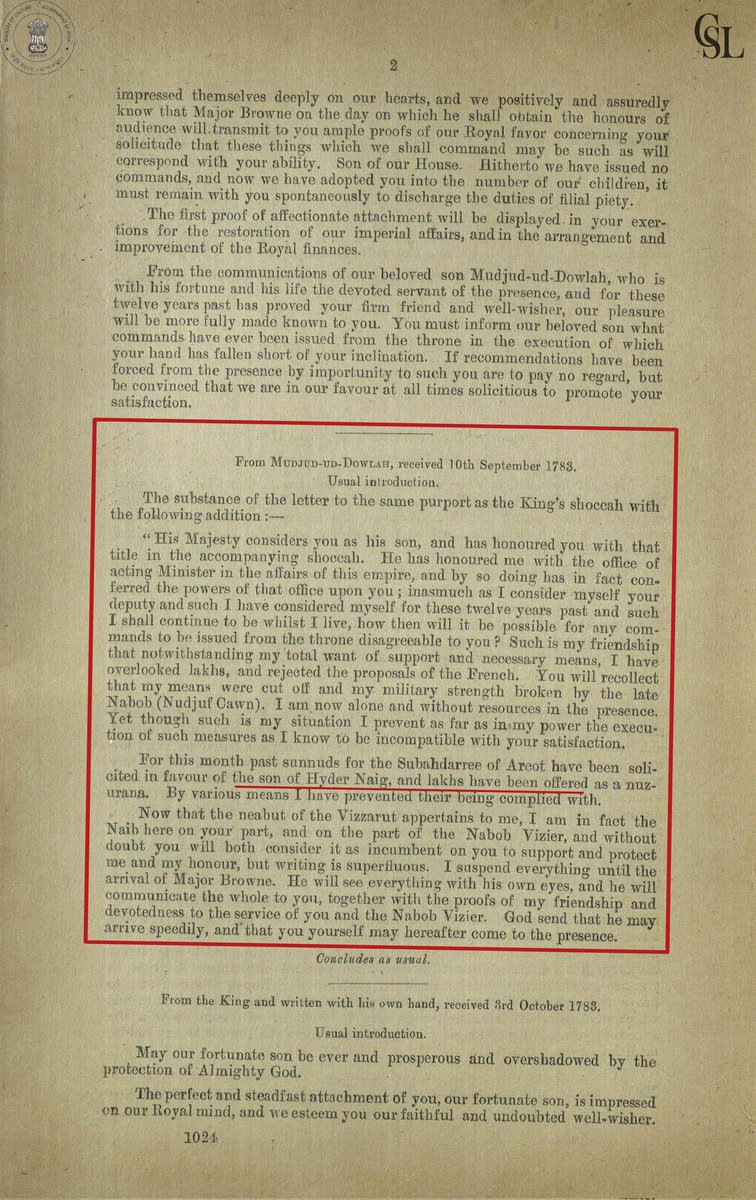
As you saw how the official titles of Tipu Sultan called himself “a slave (fidvi / fidvee / fidwee)” of Emperor Shah Alam II.
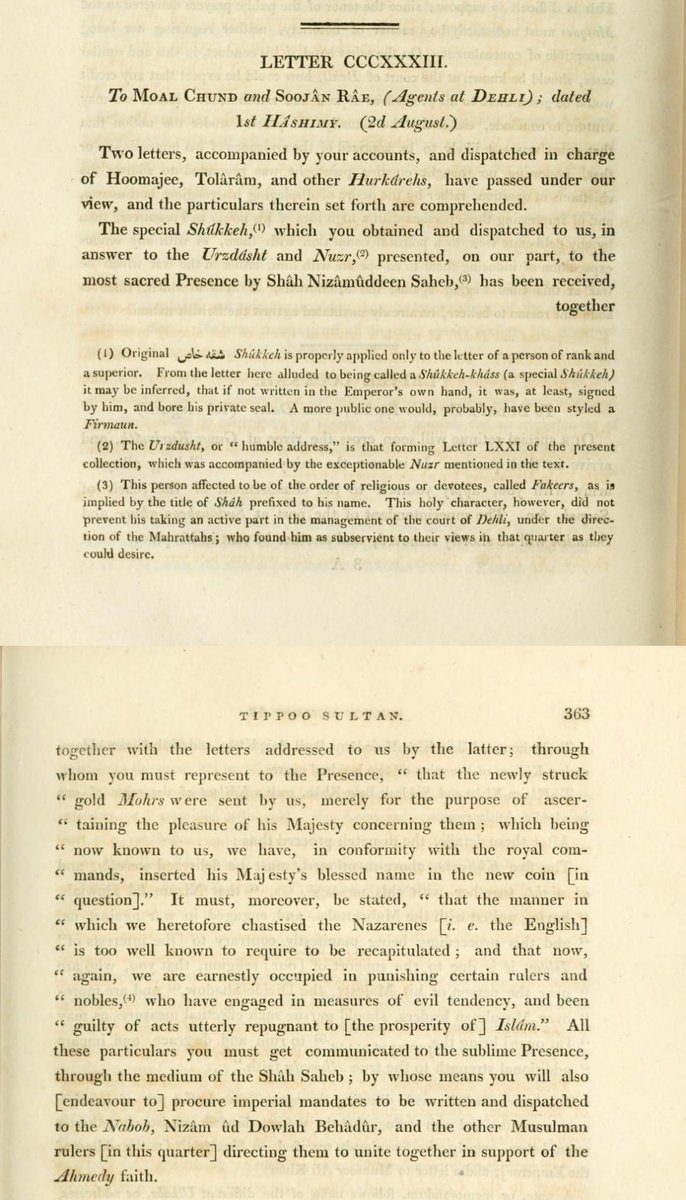
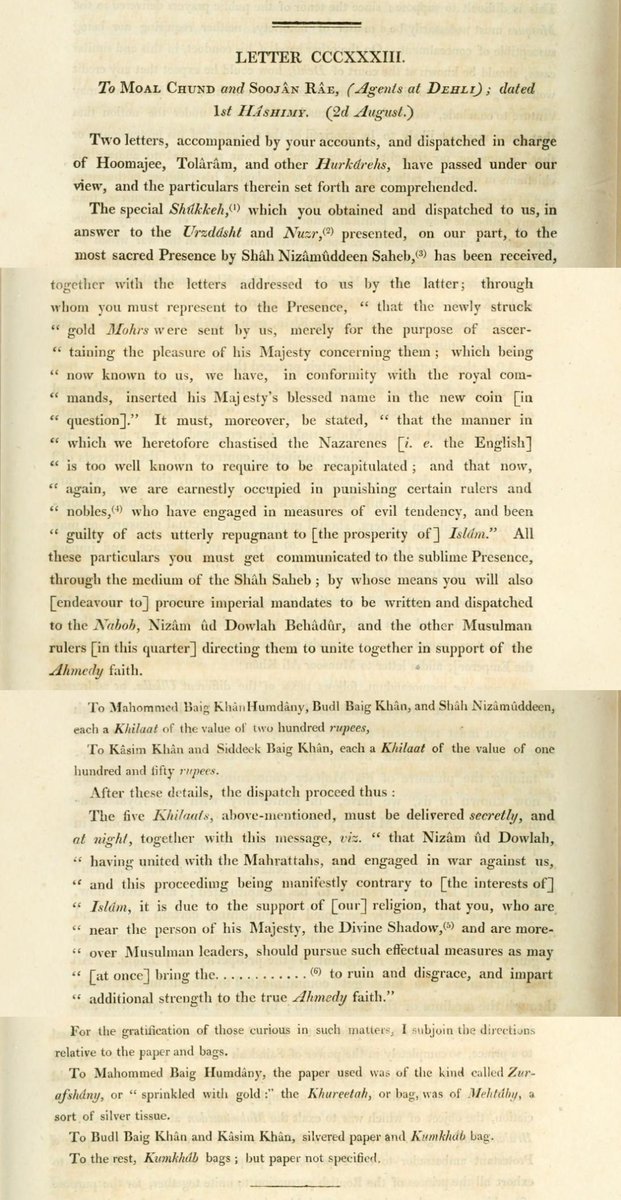
Now, here are some letters of Tipu Sultan himself acknowledging himself as a humble slave of Mughal Empire.
This continued till 1785.
— THE END —
Now, here are some letters of Tipu Sultan himself acknowledging himself as a humble slave of Mughal Empire.
This continued till 1785.
— THE END —
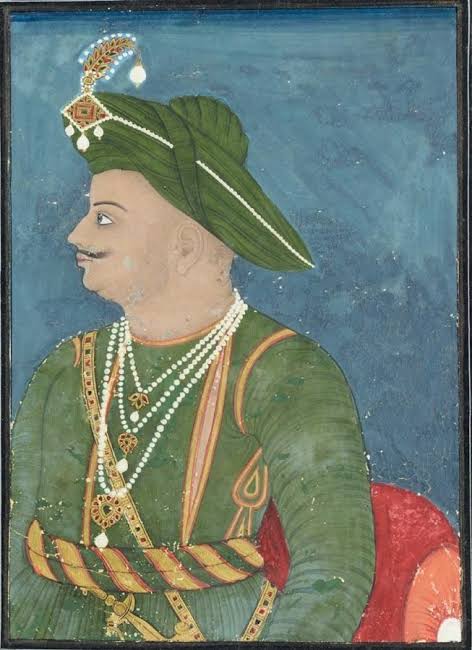
• • •
Missing some Tweet in this thread? You can try to
force a refresh