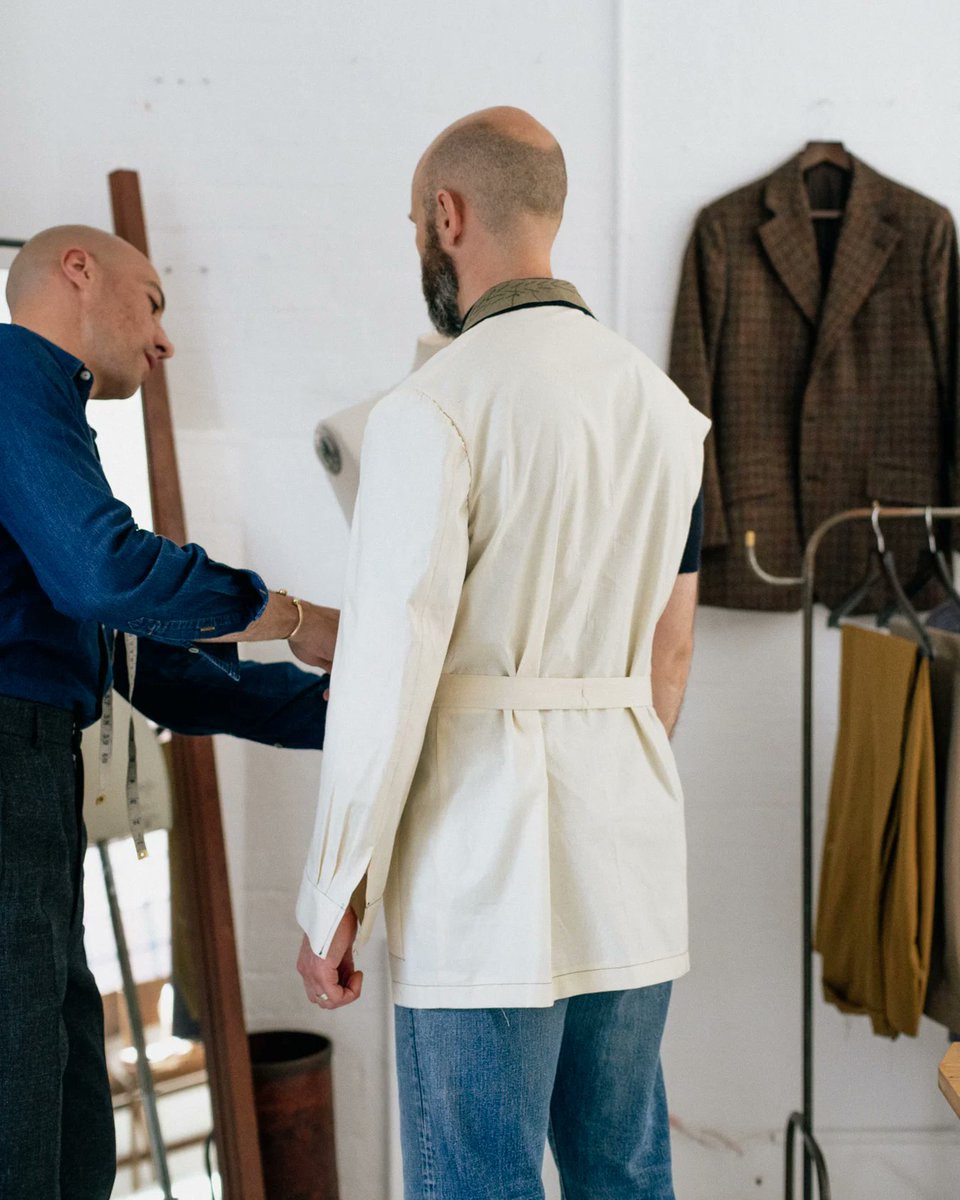
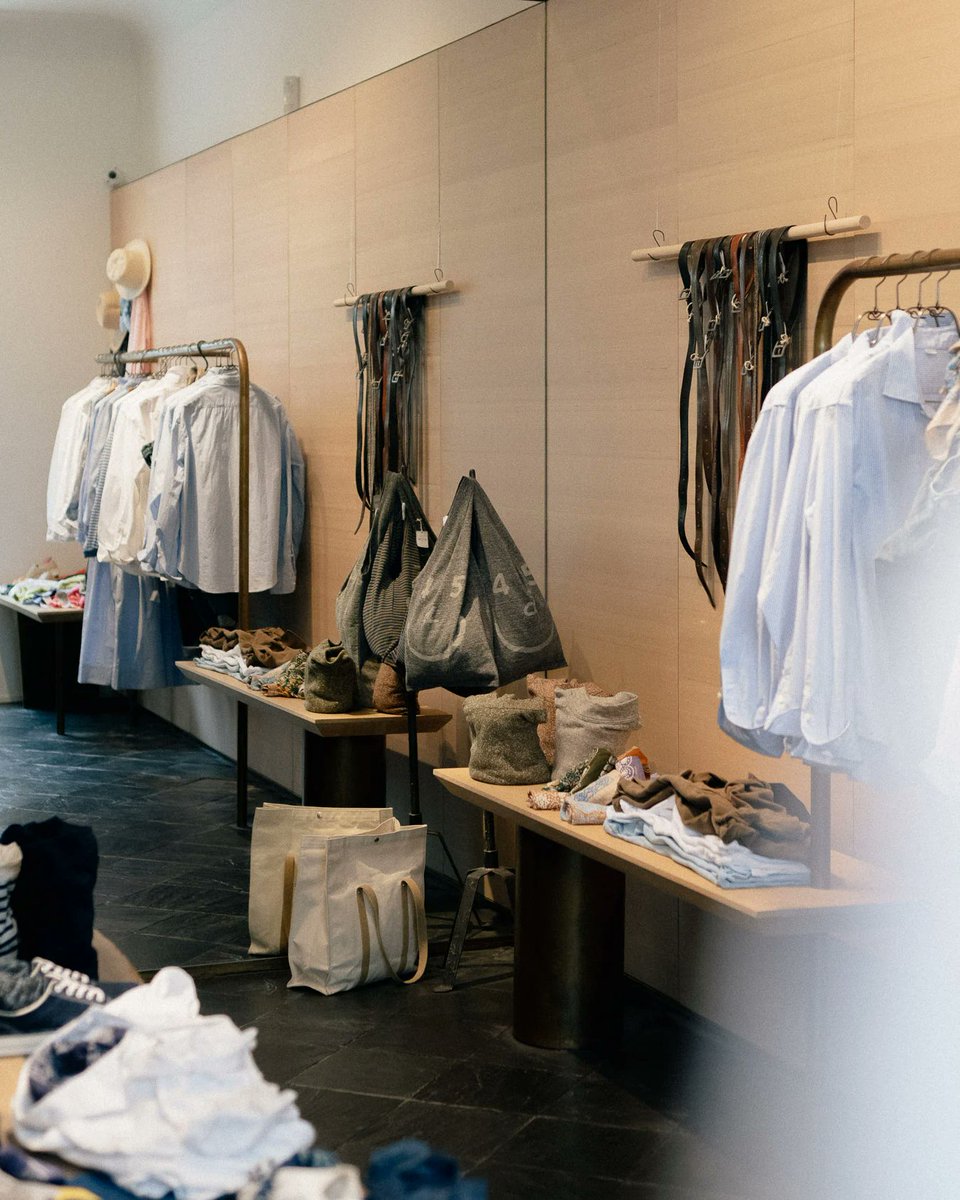
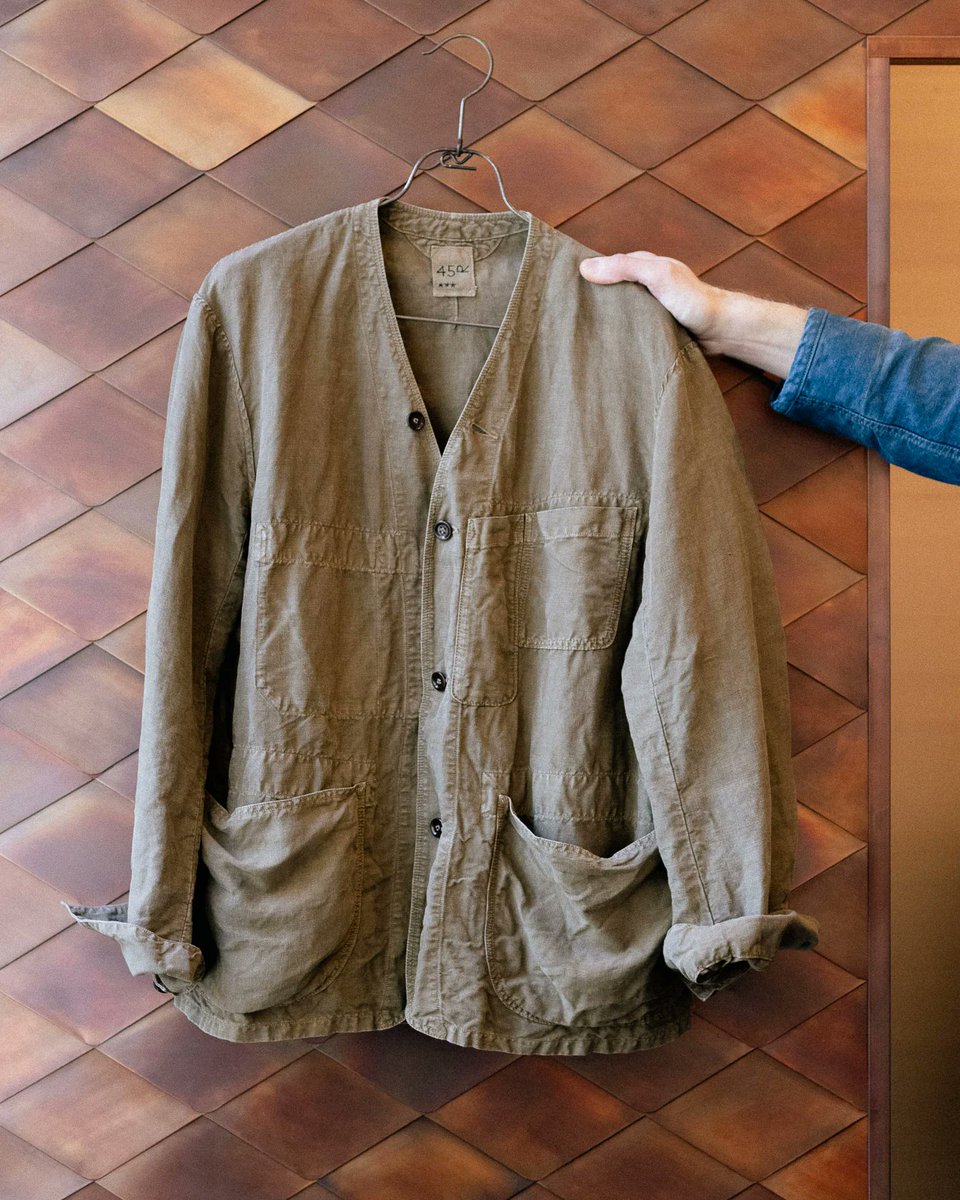
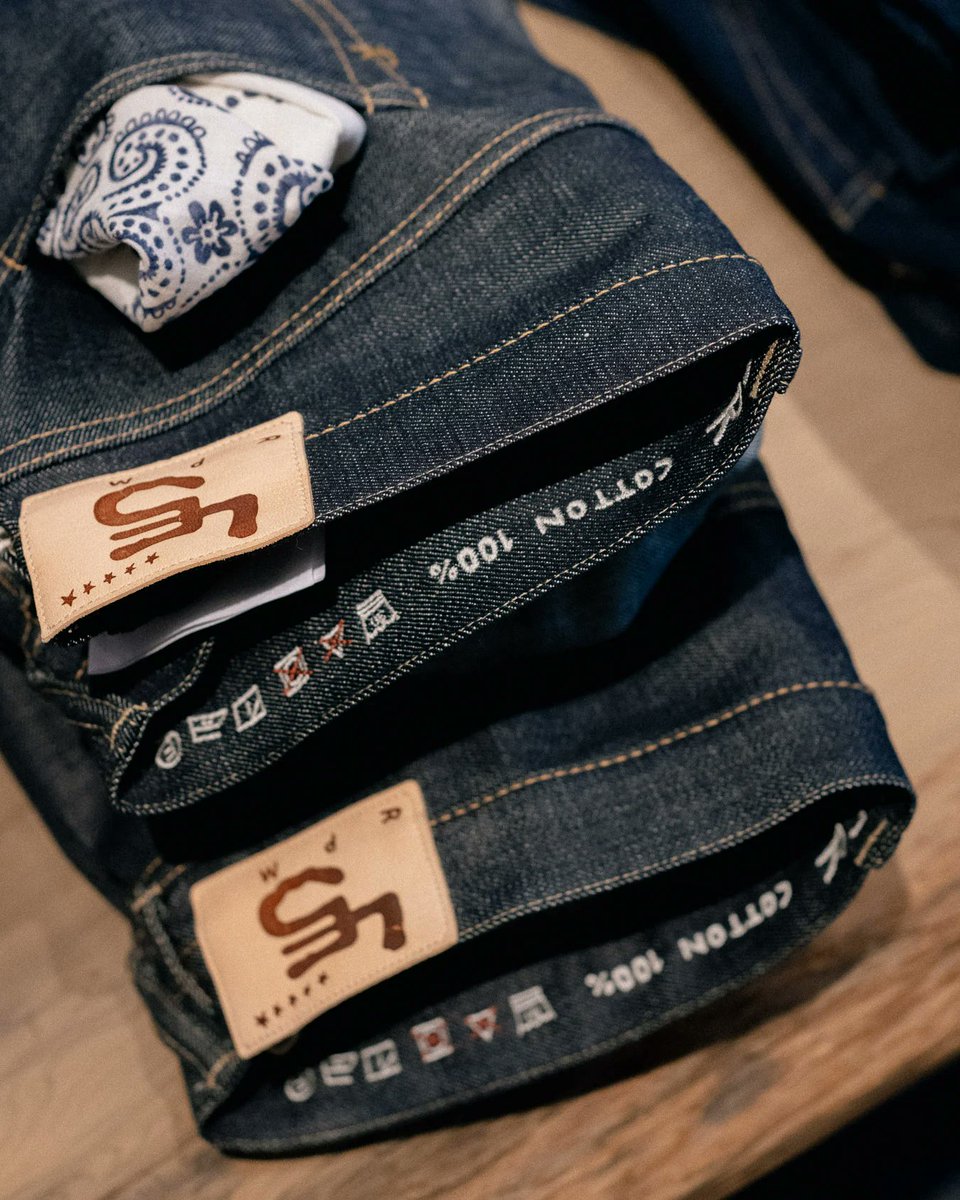
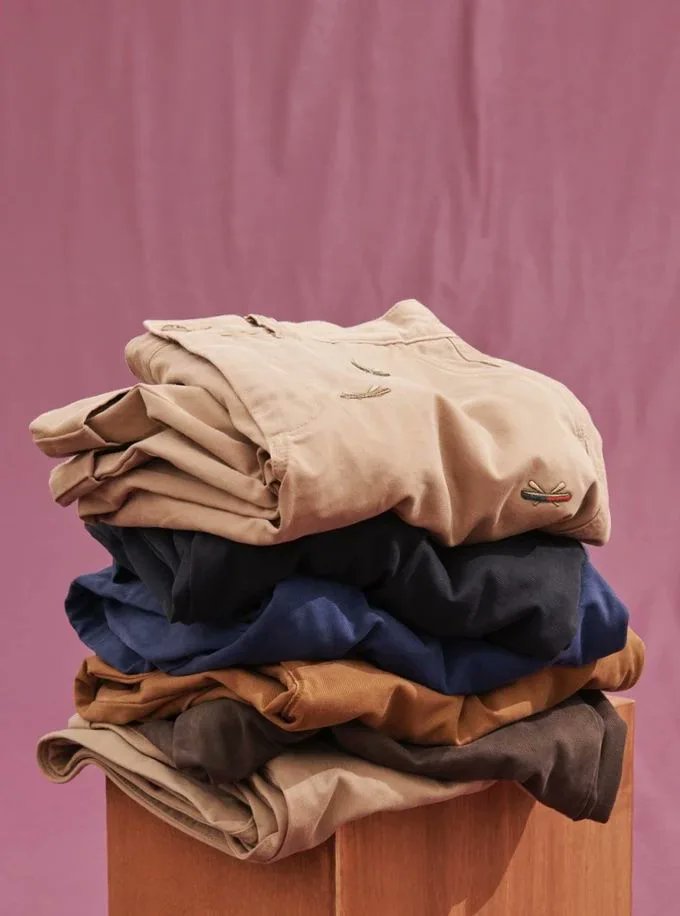
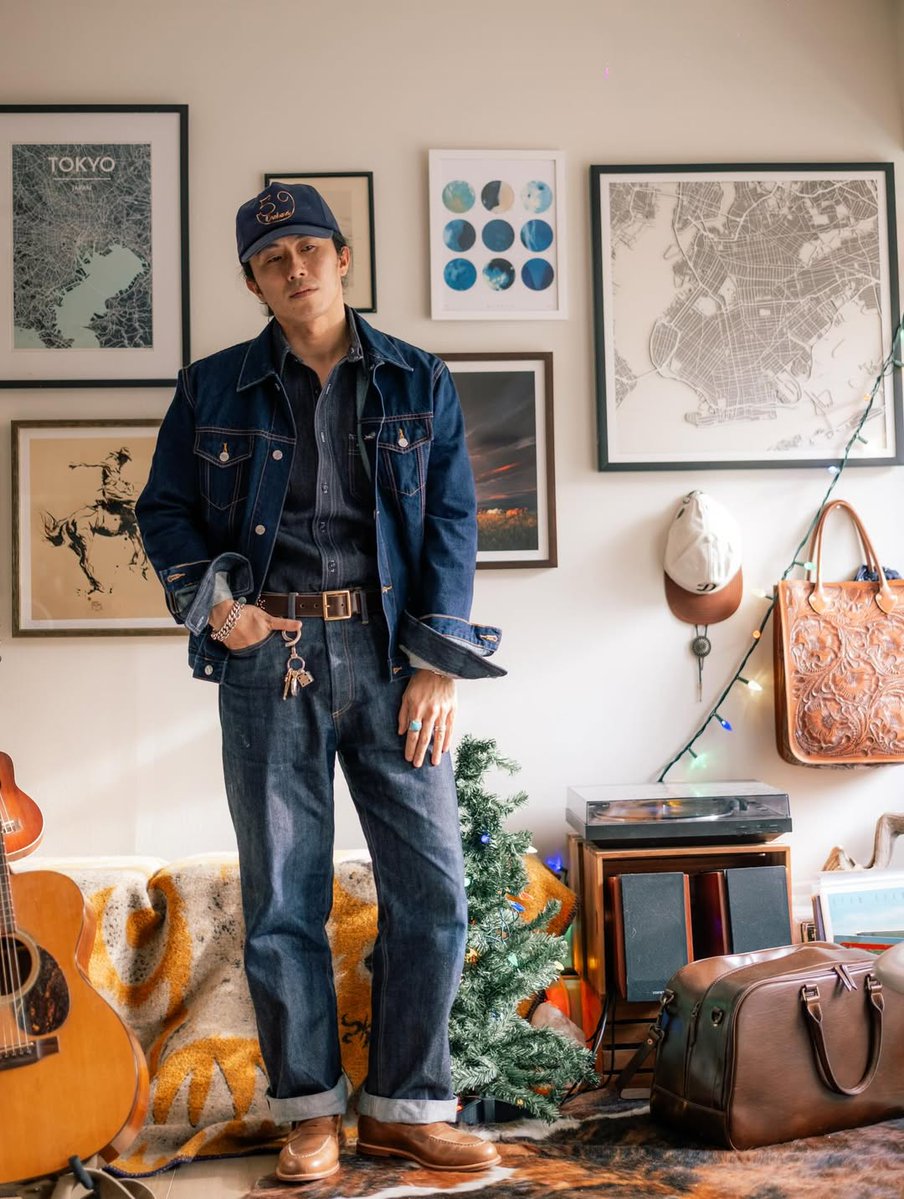
If you like quality for quality's sake, and you mostly wear casualwear, then I think you should check out the Japanese brand 45rpm. 🧵
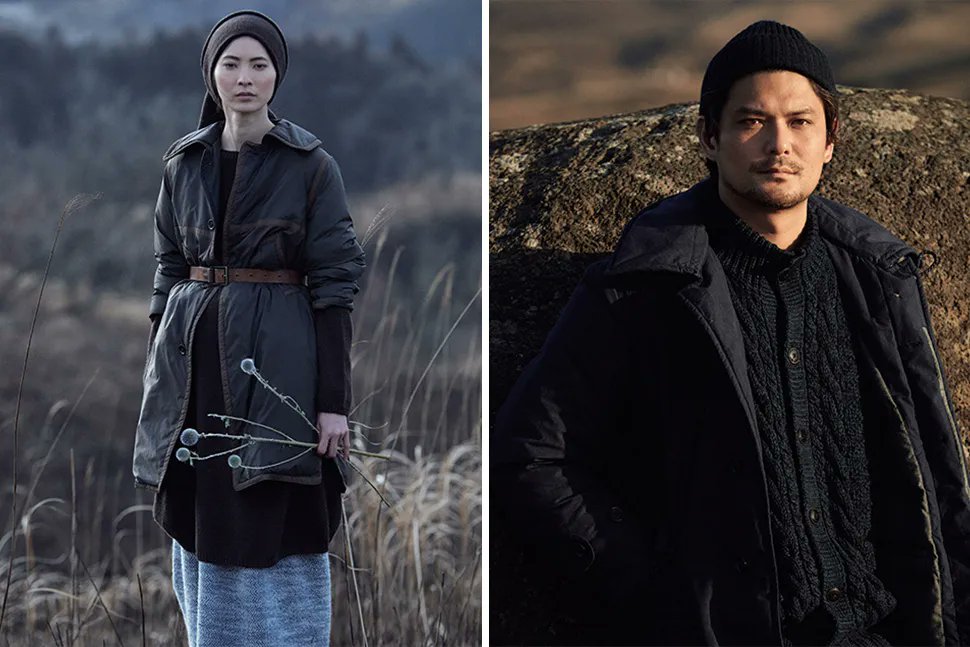
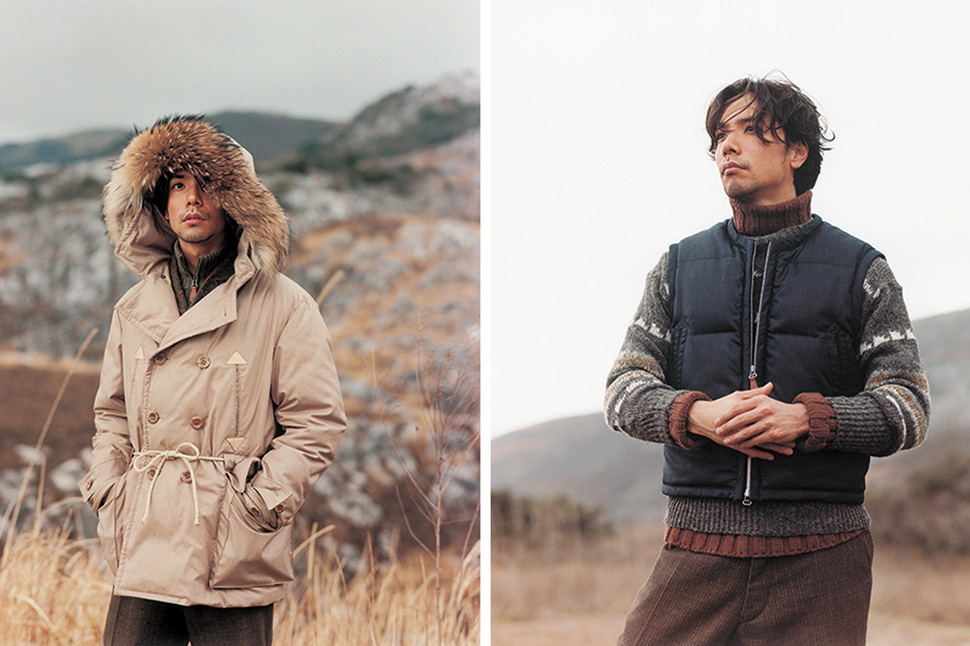
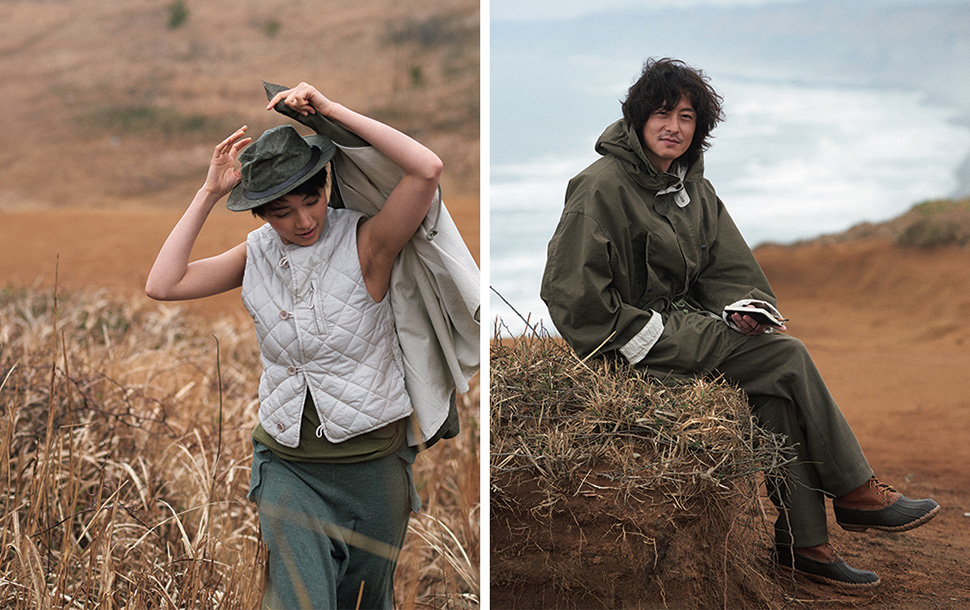
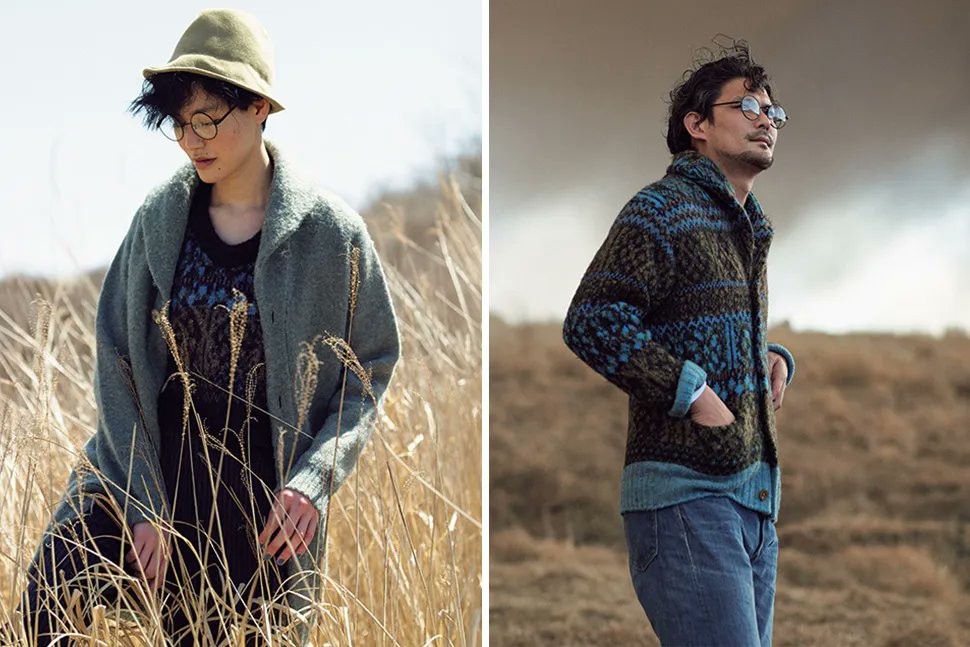
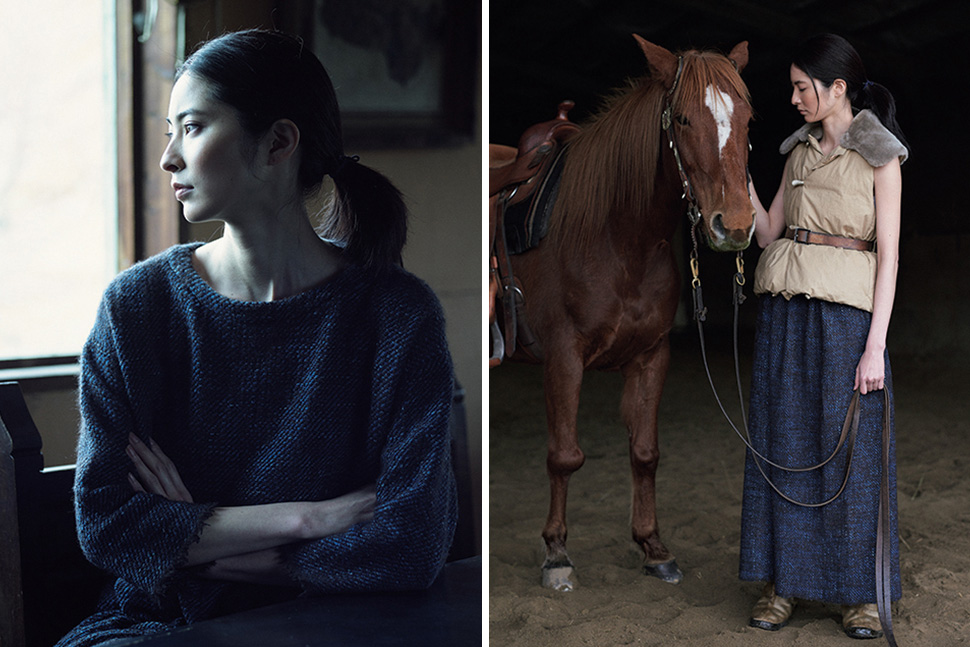
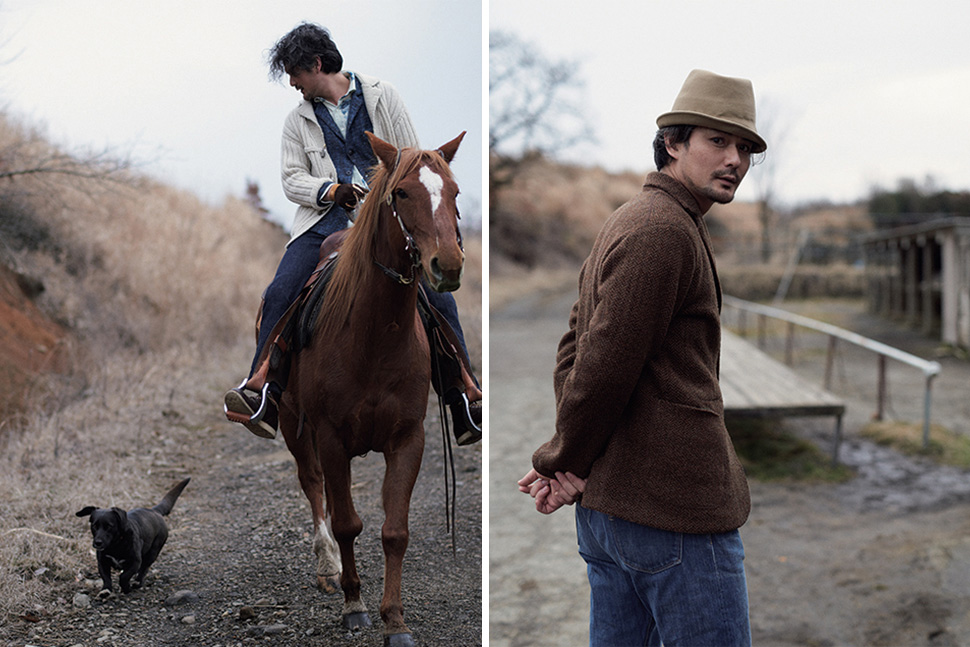
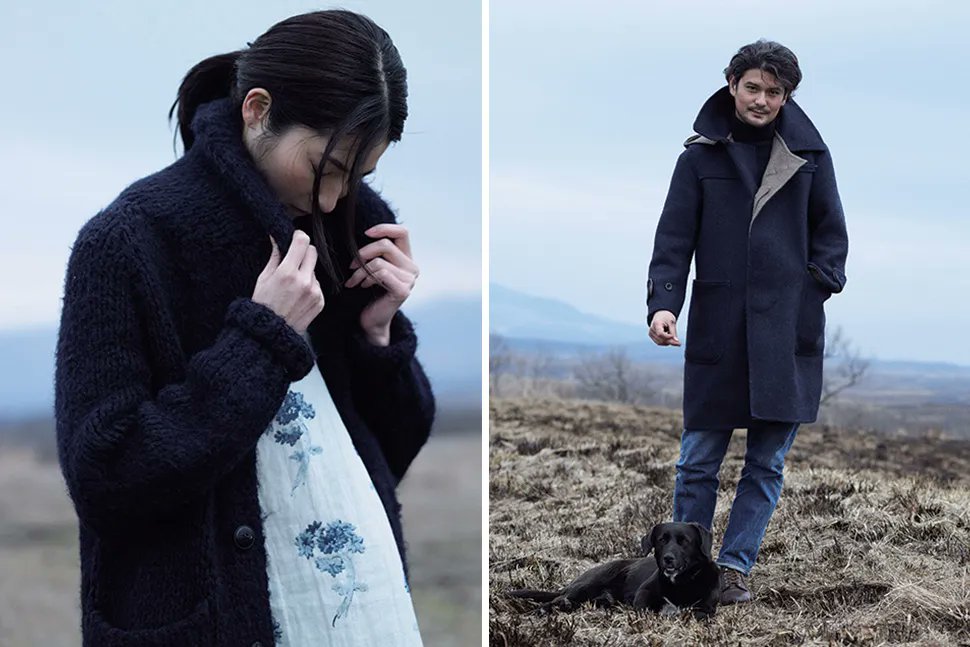
I fell in love with 45rpm 15 years ago after coming across their lookbooks. Their lookbooks at the time were often shot by Eric Kvatek, a talented photographer who now works for Kapital. Here are some images from more recent lookbooks (my old image files are too low res)
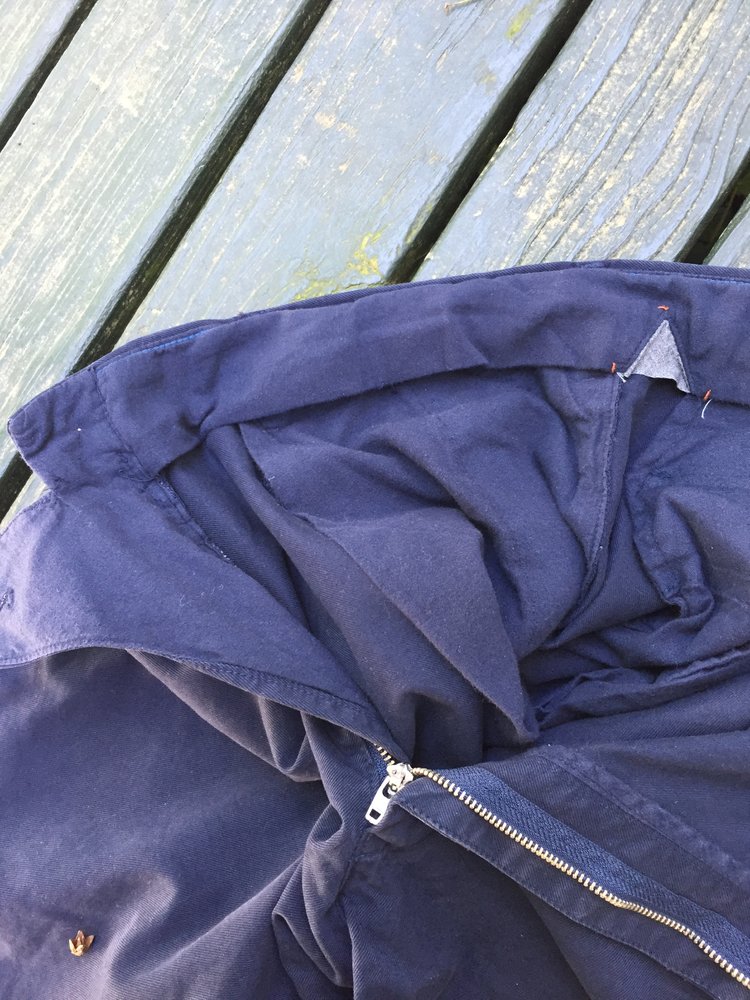
The thing about 45pm is that the "quality" is not always apparent to casual observers. Years ago, Antonio of 18 East—who used to run an Isaia sub-label called Eidos—broke down all the work that went into these seemingly basic navy 45rpm chinos.
The materials on these side pockets have been slightly offset, so they looked piped. The fully curtained waistband has been attached to the interior of the pants using handsewn floating bartacks.
More bar tacking on the center back seam. The interior waistband has also been finished with a chainstitch, which is a detail you see on jeans. But since this is a split-back waist, the material has been turned inward by hand. Outseam also has a chainstitch.
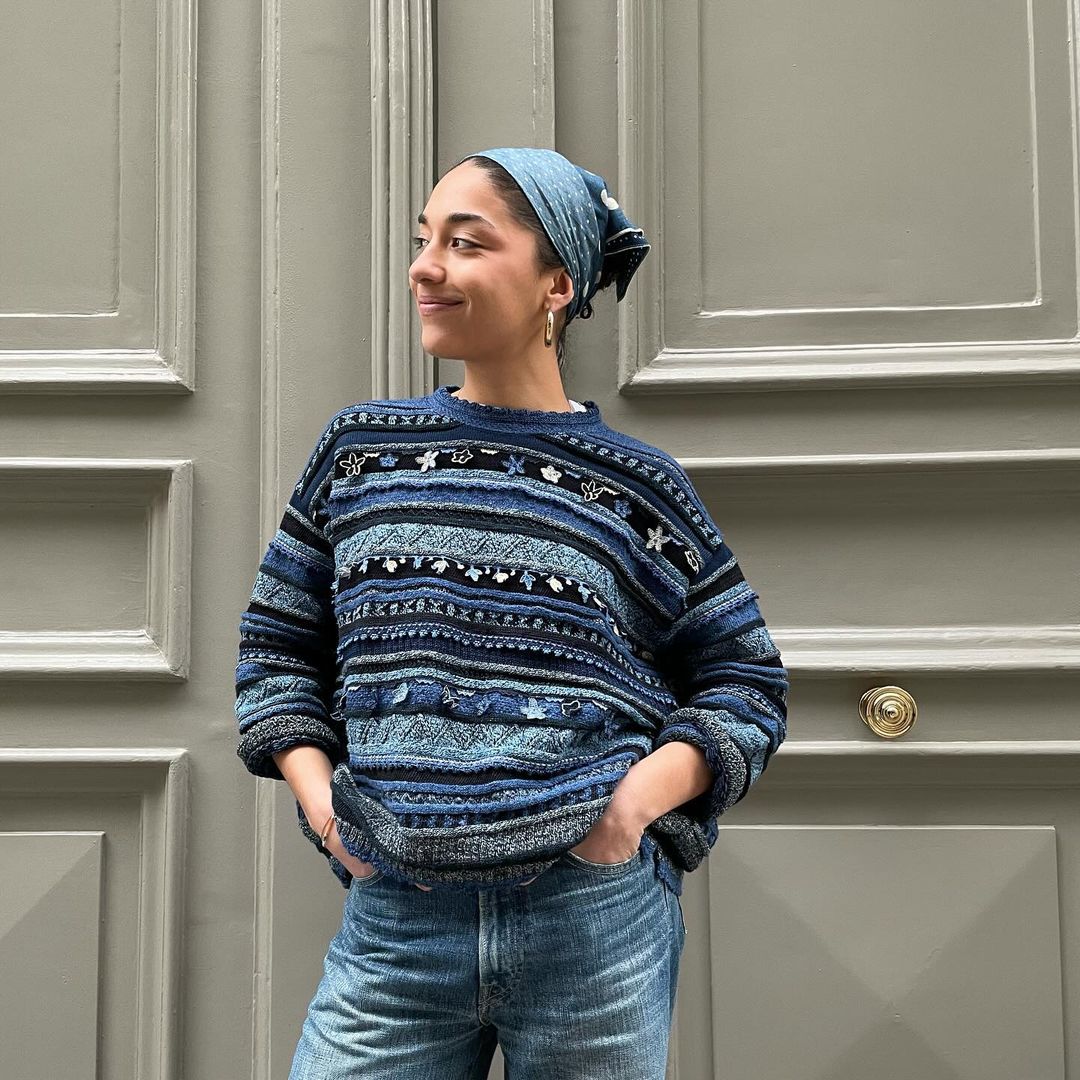
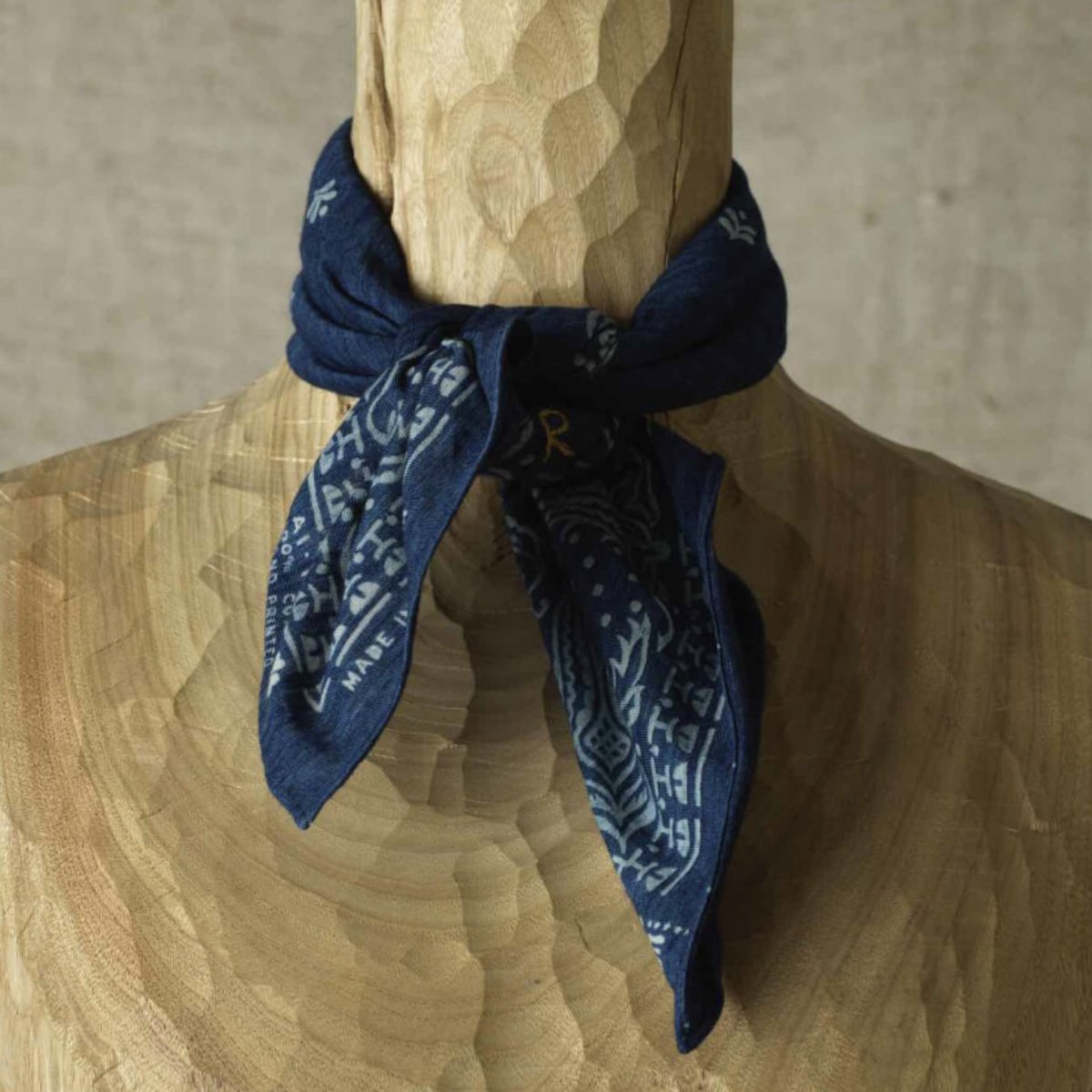
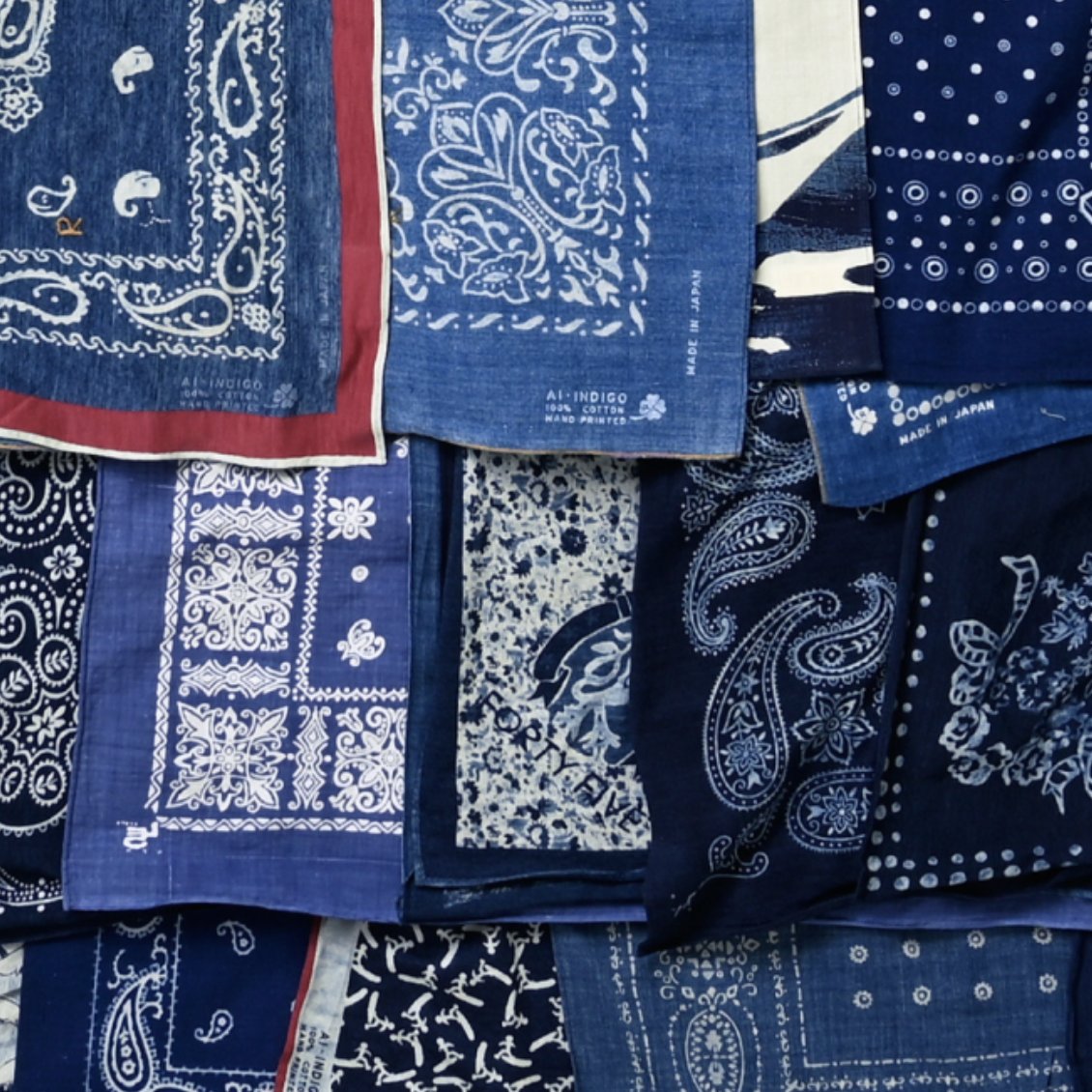
Even the bandanas involve a lot of craft. They're woven on old 110 cm looms, which is why these 55 cm bandanas have a selvedge on one side. Designs are hand drawn and then applied using a combination of hand silkscreening and discharge printing.
IMO, people often look for simple ways to understand quality, like durability or the price of the materials. But sometimes quality is about how much time it takes to create an item. Factories don't like stopping and restarting their line, as time is money.
Antonio said that he's never seen a 45rpm garment that one of his Italian suppliers could replicate without charging double. There's always some complicated technique that requires skilled handwork or special machinery that would slow down production.
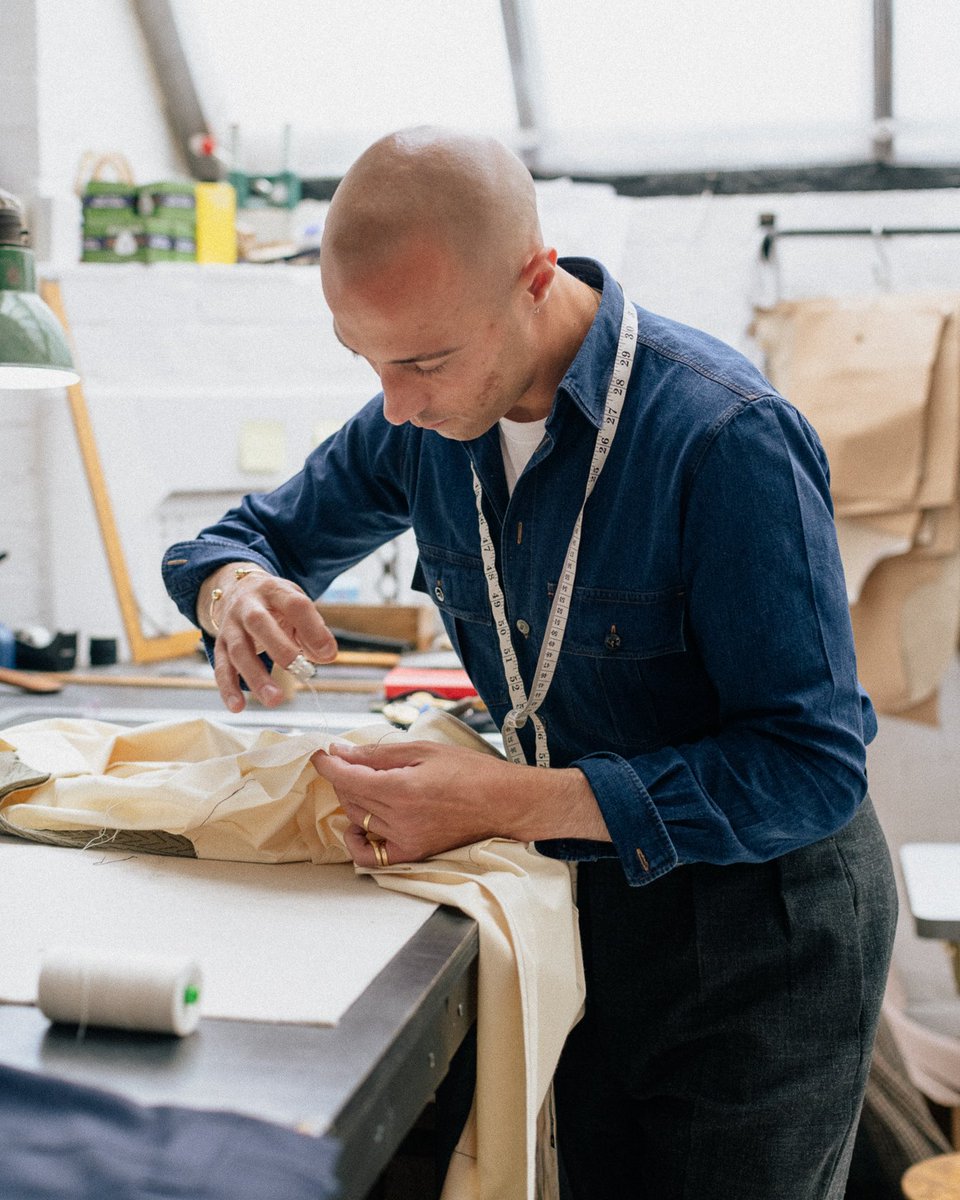
I once asked Fred Nieddu, a bespoke tailor who made all the menswear for The Crown, if there are any ready-to-wear companies he especially admires. He said 45rpm. When he holds trunk shows in NYC or San Francisco, he tries to make time to visit one of their stores.
As usual, this is not a paid post (I don't even know anyone at 45rpm). Just sharing a brand I admire. The clothes are simple and often inspired by workwear, which may or may not be your bag. But they're cool to check out if you like thoughtful designs, unique details, and quality
• • •
Missing some Tweet in this thread? You can try to
force a refresh

Someone asked if I could tell them where to buy a pair of good chinos. In this thread, I will tell you, but my answer is not simple. On the upside, I think this is a better approach when shopping for clothes and you can apply it to any kind of item. 🧵
A simple answer will go something like this: "Such-and-such makes the highest quality chinos." Or "this brand provides the best value." While potentially useful in some respects, I don't think this gives you the fullest picture.
Instead, let's start at the beginning.
During the 1898 Spanish-American War, US troops stationed in the Philippines wore sand-colored pants made from a heavy cotton twill woven in China. Since the Philippines had been under Spanish colonial rule at this time, the locals call these "pantalones chinos" (Chinese pants).
One day, "It" will happen, by which I mean sudden and unexpected news that you want to celebrate. In such cases, you will want the right outfit. 🧵
What do I mean by "It?" I mean that joyous moments are not always something you can plan for. Perhaps you received a pay raise or got accepted at a waitlisted school. Perhaps a loved one is now cancer-free. Such moments can be sudden and unexpected — and you want to be prepared.
Of course, you can always celebrate in the same clothes you wear to bed. But IMO, this diminishes the moment. Thus, it's nice to special outfits for "It," even if you don't wear them all the time. It's similar to toasting a special glass of champagne and drinking water.
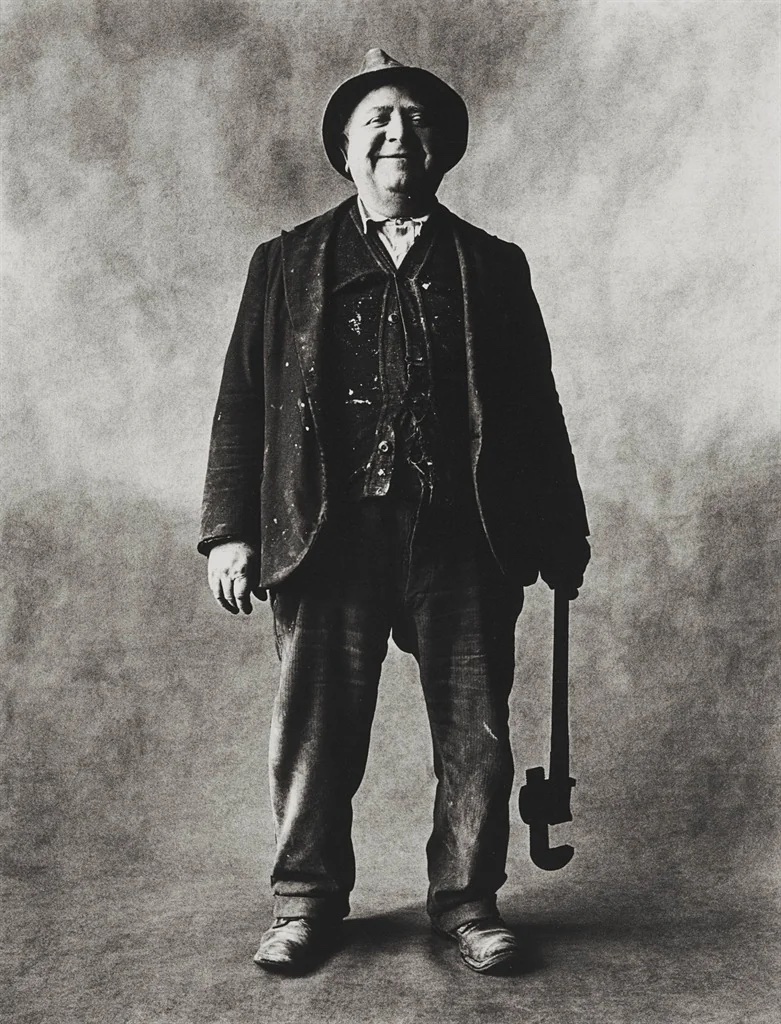
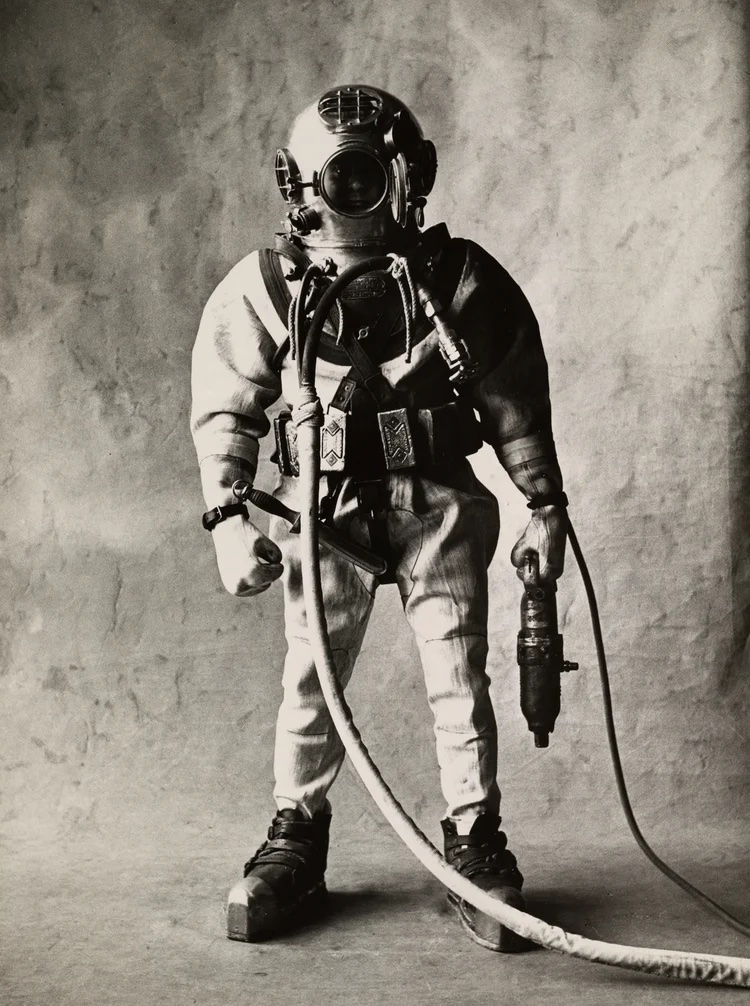
In the 1950s, Irving Penn traveled across London, Paris, and NYC to take portraits of workers in their work clothes. These clothes at the time were not considered glamorous — they would not have shown up on fashion runways — but they demonstrate a simple aesthetic principle 🧵
Consider these outfits. How do you feel about them? Are they charming? Repulsive? Stylish?
If you consider them charming and stylish, as I do, then ask yourself: what makes them charming and stylish? Why are you drawn to the outfits?
As I've mentioned before, I think outfits look better when they have "shape and drape." By shape, I mean the outfit confers a distinctive silhouette. If these men took off their clothes, we can reliably guess their bodies would not be shaped like this:
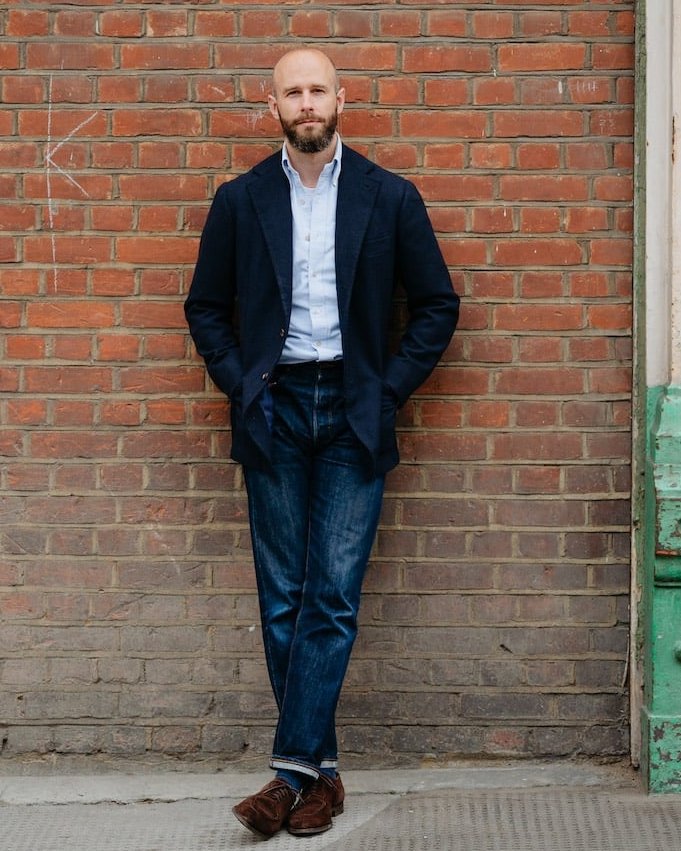
If you're just dipping your toes into tailored clothing, start with a navy sport coat. This is something you can wear with a button-up shirt and pair of trousers, or something as casual as a t-shirt and some jeans. It's easily the most versatile jacket.
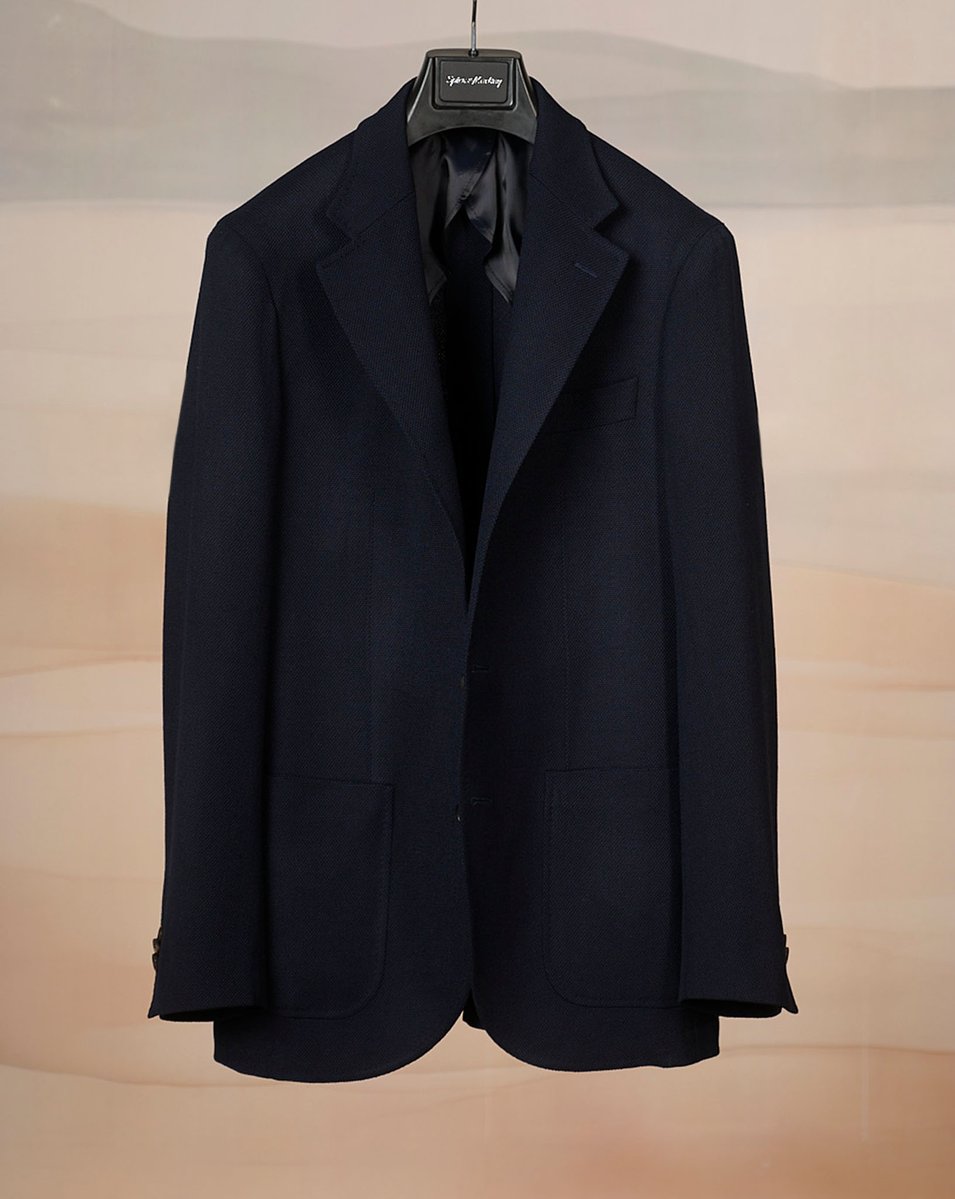
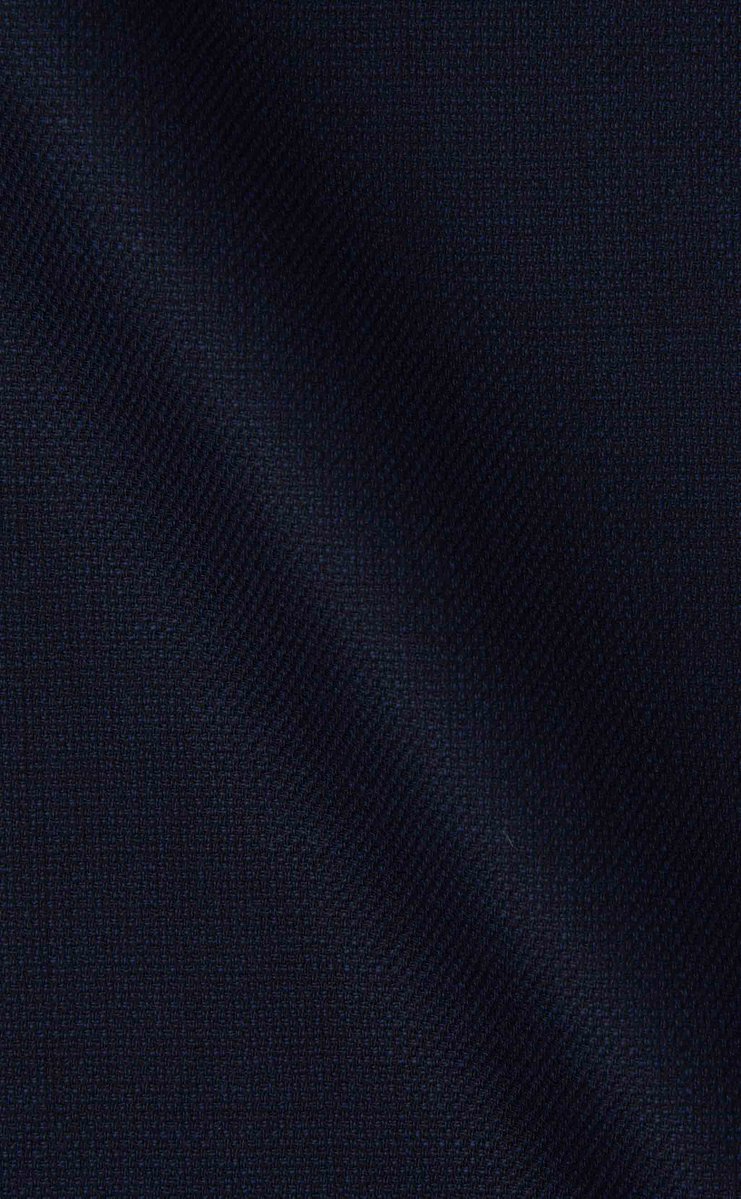
Key is to get something with texture so it doesn't look like an orphaned suit jacket. Spier & Mackay has great semi-affordable tailoring. Their navy hopsack Moro is made from pure wool and a half-canvas to give it shape. Classic proportions and soft natural shoulder
There's a pervasive belief that we no longer produce clothes in the United States. This is not true. In this thread, I will tell you about some great made-in-USA brands — some that run their own factories, while others are US brands contracting with US factories. 🧵
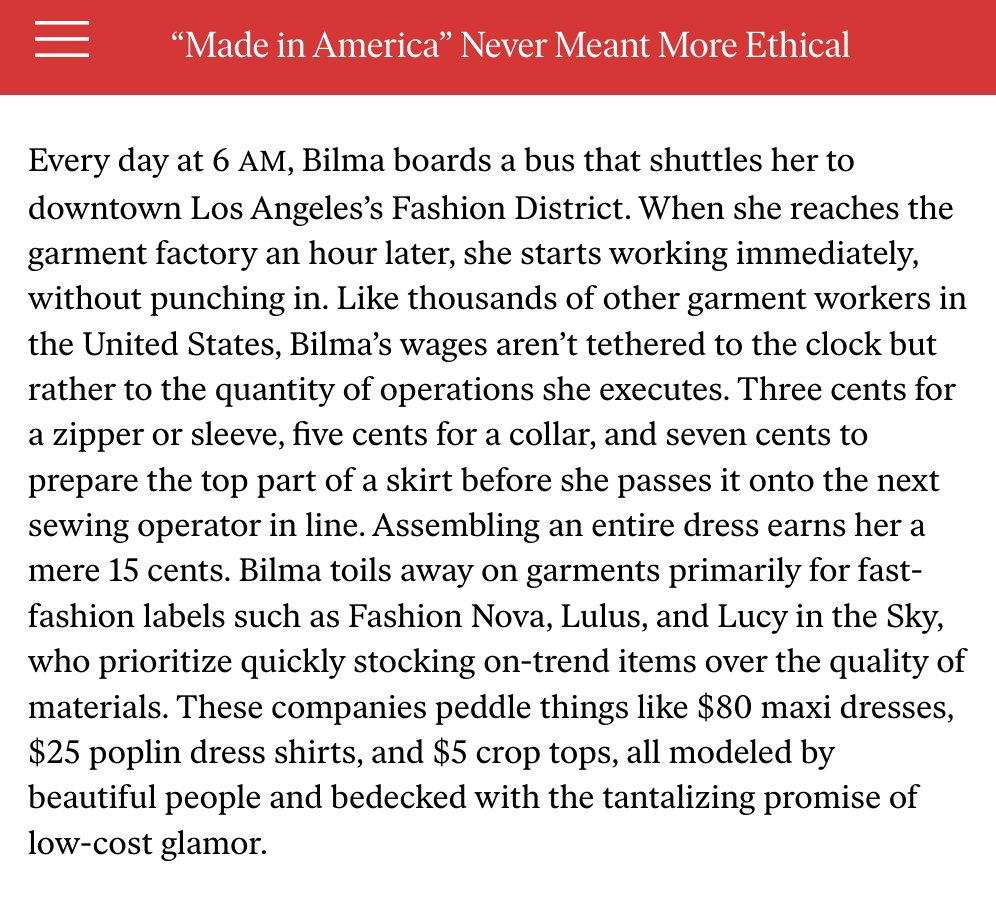
I should first note this thread focuses on well-made, stylish clothes produced in ethical conditions. For me, producing in the US is not enough. It means nothing if the clothes are ugly, crappy, or produced in sweatshop conditions. My article for The Nation below.
JEANS
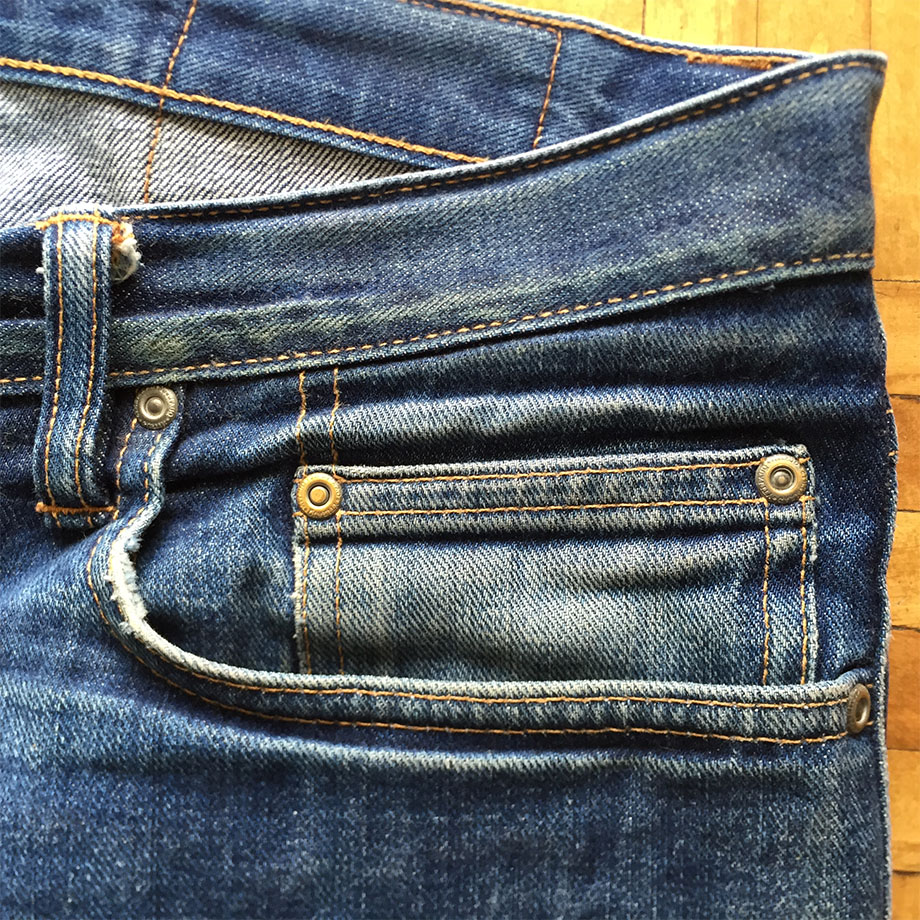
Gustin produces MiUSA jeans using raw Japanese denim. "Raw" means the fabric hasn't been pre-distressed, allowing it to naturally fade with use, reflecting your actual body and lifestyle. I like their fuller 1968 Vintage Straight fit. They also do lots of other stuff.
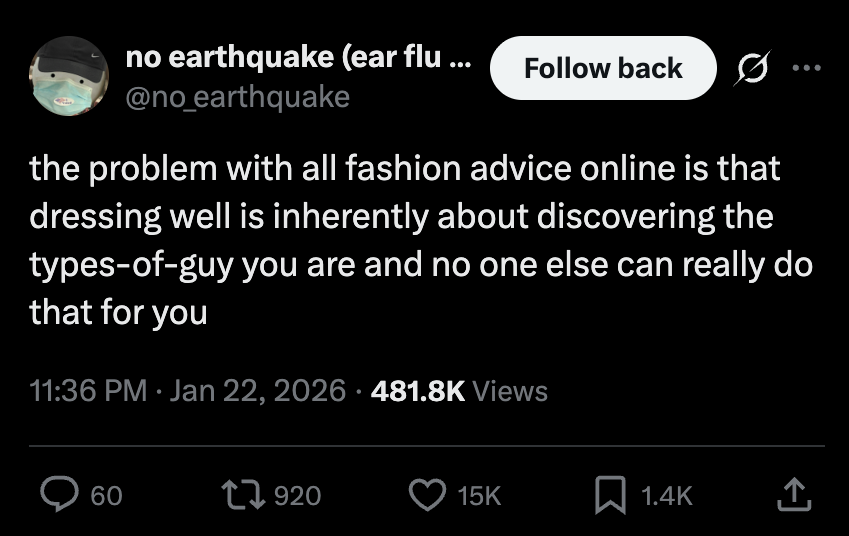
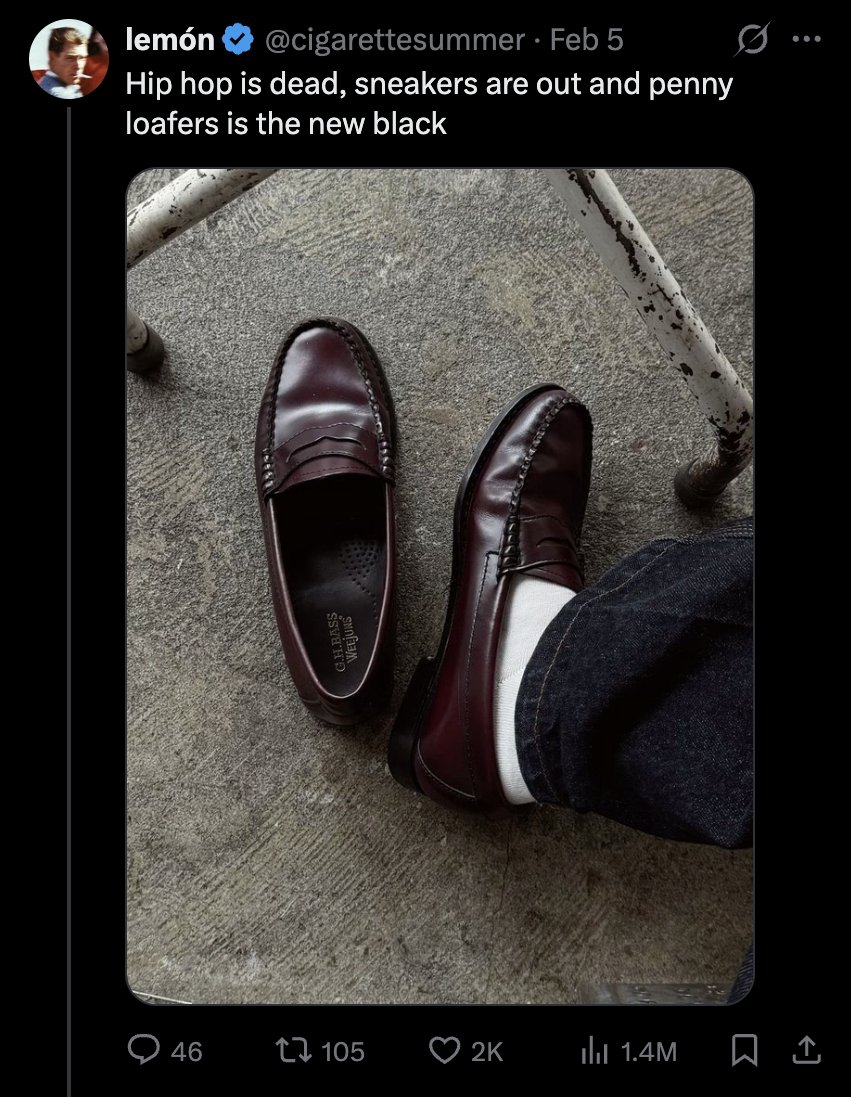
Let's first establish good vs bad ways to think about style. The first pic is correct — style is a kind of social language and you have to figure out what type of person you are. The second pic is stupid bc it takes style as disconnected objects ("this is in" vs "this is out").
I should also note here that I'm only talking about style. I'm not here to argue with you about ergonomics, water bottle holders, or whether something accommodates your Dell laptop. I'm am talking about aesthetics.