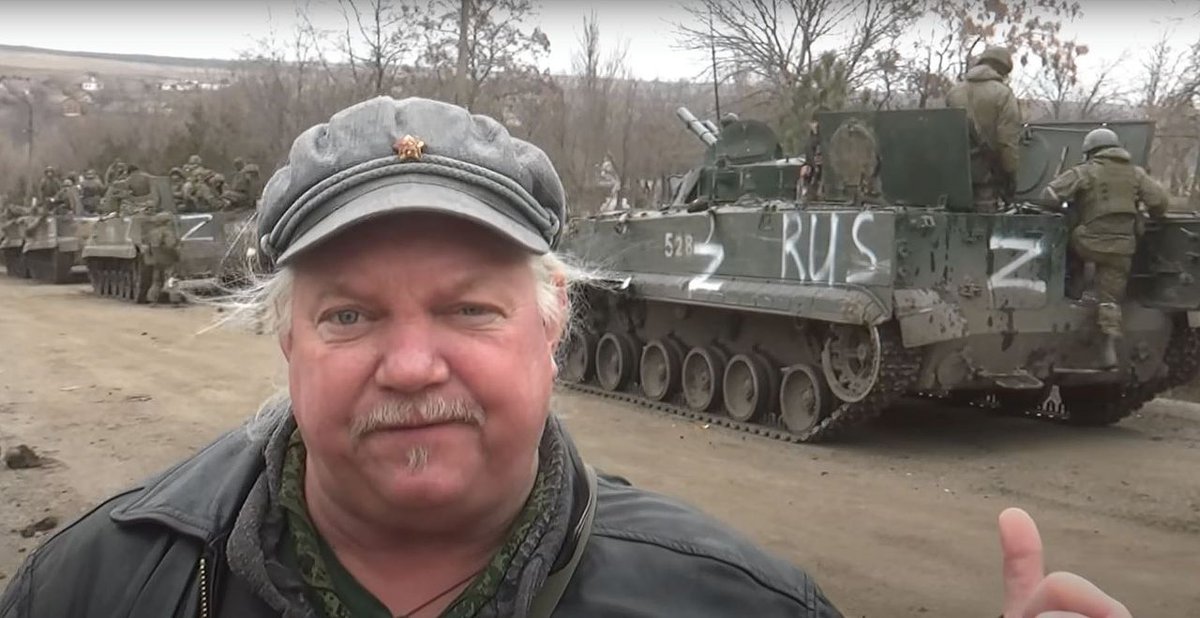
1/ Russian conscripts are now fighting, dying and being captured in large numbers in Ukraine's Kursk offensive. As this is the first time that conscripts have been a significant factor in the war, let's look at who the conscripts are and why so many have surrendered. ⬇️ 

2/ Russia's armed forces are currently made up of four principal groupings: professional ("contract") soldiers, who join voluntarily; mobilised soldiers ("mobiks"), recruited compulsorily; convicts, who sign up in exchange for a pardon; and conscripts, who serve for one year.
3/ Mobiks differ from conscripts in that they are principally older men (and sometimes women) in Russia's reserves who have previously served in the armed forces as contract soldiers or as conscripts. There were estimated to be around 2 million people in this category.
4/ All males from 18-30 are subject to conscription, with all three parts of the Russian armed forces (army, navy and air force) taking conscripts. Exceptions are made for health and other reasons. Evading conscription is punishable with up to 18 months of imprisonment.
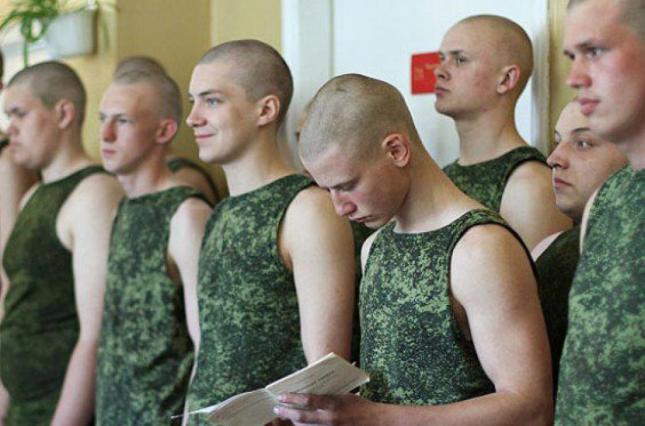
5/ Conscription is very undesirable (for reasons which we'll cover shortly). As many as 70% of those eligible for conscription buy their way out of it by bribing a doctor or recruiting officer. The 'fee' was reportedly between $5,000-$10,000 in 2007.

6/ This drastically skews the demographics of conscription, with the armed forces being left with the poorest and least healthy men to serve as conscripts. This leaves the Russian military with chronic problems of fitness and efficiency.
7/ In 2007, the Russian Air Force reported that 30 percent of the 11,000 men it conscripted annually were "mentally unstable," 10 percent suffered from alcohol and drug abuse, and 15 percent were ill or malnourished.

8/ Conscripts are paid a pittance – those currently fighting in Kursk are reportedly being paid $0.75 a day – and as the lowest-ranking soldiers, they are ruthlessly exploited by those above them. This includes older soldiers (dyedi or 'grandfathers') and officers.
9/ For decades, conscripts have been subject to extreme and often lethal forms of hazing and abuse, known as 'dedovshchina' (literally 'reign of the grandfathers'). In 2006, at least 292 Russian soldiers were killed by dedovshchina. 341 soldiers died by suicide in 2007.

10/ This has occasionally led to lethal retaliation. In October 2019, 20-year-old conscript Ramil Shamsutdinov shot 10 of his colleagues, killing 8 of them, after being forced to stay awake for days at a time and suffering other forms of abuse. Such torture is frequent.

11/ One video shows a young soldier stripped, beaten and then repeatedly pushed, face down, into a toilet. Later, he is show with new iron burns over his back. His tormentors urinate on him. In 2005, a conscript had to have his legs and genitals amputated after being tortured.
12/ Other forms of abuse include doing unpaid labour, being made to sell blood to earn money for the abusers, or being forced into prostitution. Conscripts in St Petersburg were forced by the dyedi to perform sexual services for influential middle-aged clients or face torture.

13/ Conscripts receive little or no military training, making them of little use as a fighting force. The mothers of conscripts in the Kursk region have complained that instead of getting any training, their sons were simply used as labour – carrying shells or digging trenches.
14/ A fairly common form of corruption among officers is to use conscripts as unpaid labour to build or maintain their dachas (holiday homes), or hiring them out to businessmen work in building sites, fields or factories – for which the conscripts get no compensation.

15/ Russian law forbids conscripts from fighting abroad, but officers have found ways around this. During the Ukraine war, officers have forced conscripts to sign contracts against their wishes by beating them until they gave in.
16/ One officer recalled what he was told by another officer who forcibly recruited conscripts: "Our officers 'reeled in' guys who were conscripted. The officer says before lights out, we have to 'give birth to a contract soldier', and asks who wants to sign a contract.
17/ Nobody wants to, and the guys start swinging until somebody gives up and signs it."
Similarly, conscripts in the Kursk region have reportedly been threatened with being sent to a penal battalion for 7 years unless they sign a contract.
Similarly, conscripts in the Kursk region have reportedly been threatened with being sent to a penal battalion for 7 years unless they sign a contract.
18/ Even without the abuse, conscripts face terrible living conditions. In the Russian Navy's training centre located in Lomonosov, Leningrad Region, conscripts reportedly faced worse conditions than convicts and had to live in abandoned barracks buildings.
19/ "The guys were shoved into an abandoned part where there is no canteen. Imported food is disgusting. There is no hot water. There is mould, dampness and one dryer for 180 people in the barracks."
20/ "Drying socks on radiators is not allowed, everyone wears wet clothes and gets sick. At the same time, there are no medicines, and the paramedic gives only soda and salt to gargle."
21/ Engineering conscripts in Volgograd faced similar conditions: "There are no elementary medicines in the unit's medical centre, and what parents bring must be hidden from the officers (if it is not taken away immediately after receiving the package)."
22/ The collapse of Russia's defences in Kursk is no surprise, as something very similar happened in the Graivoron district of the Belgorod region when the Russian Volunteer Corps briefly invaded in May 2023. It was guarded only by 23 conscripts with one officer and one mobik.
23/ The defenders were routed almost immediately. According to the conscripts, they were not even given brushes and liquids to clean their rifles, radios and other equipment. Those serving on the border were given rifles but no ammunition.
24/ Their mothers said that in six months of service, the conscripts only went to the firing range once or twice, while their commanders submitted false reports about daily training. The men were assigned to military professions that did not correspond to their training.
25/ One conscript was made a medic, although he "didn't even know what aspirin and No-Spa [drotaverine] were for". Others were given old grenade launchers and mortars but no training to fire them. Some were not even trained to use their rifles.
26/ Some of the conscripts were not even given food or water by the army. One conscript told his girlfriend that "they were eating earth there. I laughed and then realised it was no joke." Volunteers and parents brought them fresh clothes and food, which they cooked themselves.


27/ The conscripts said they were treated badly by their commanders, who made parents feed them as well the conscripts. According to a girlfriend, the officers "drink and get violent", and take out their frustrations on the conscripts under their command.
28/ The men were in place for months, despite repeatedly having been promised they would be rotated out or withdrawn. This didn't happen, despite appeals to the authorities by their mothers. Many became ill and some contracted pneumonia in the cold, damp dugouts.

29/ Not surprisingly, morale was low even before the attack. One mother says: "At first the boys had an adventure. Then there was the expectation that they would be relieved, they were promised. And now there is devastation. They feel betrayed and abandoned."
30/ Given that these issues were publicised by Russian outlets, the Ukrainians certainly know about them. It's no surprise that when they attacked in Kursk, resistance appears to have collapsed quickly and conscripts surrendered in large numbers. /end
https://x.com/IAPonomarenko/status/1823982642242502858
• • •
Missing some Tweet in this thread? You can try to
force a refresh