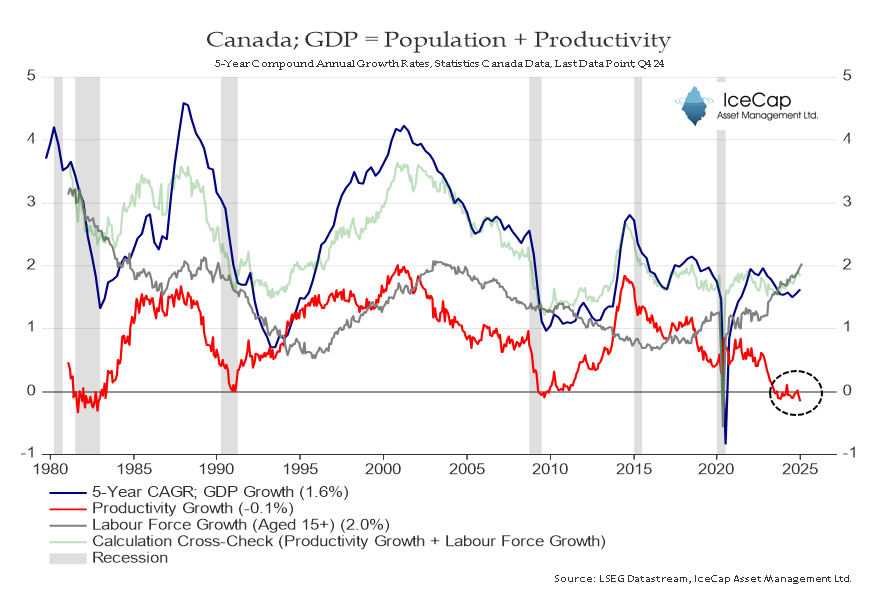
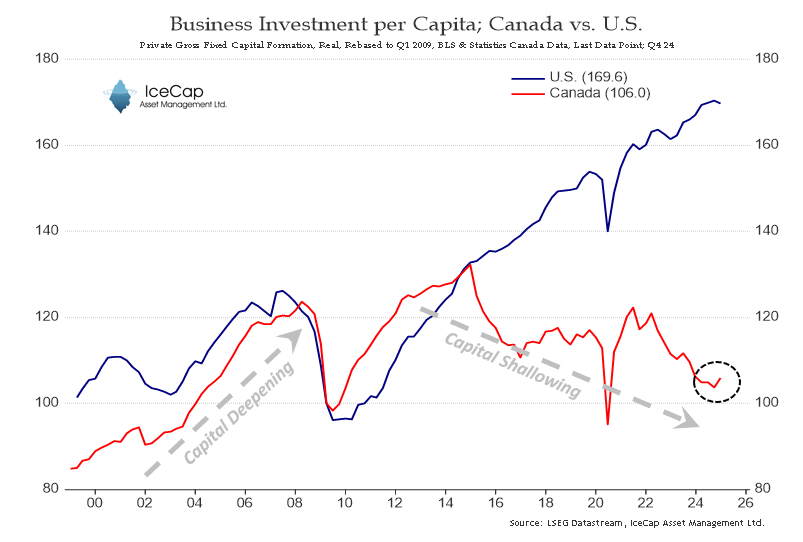
Timing is everything, and this Tariff War is precisely what the Federal Government needed to distract Canadians from their abysmal economic record. From Capital Flight, Falling Investment, and my personal favourite, a collapse in Productivity Growth. The data speaks for itself.⬇️
The Receipts;
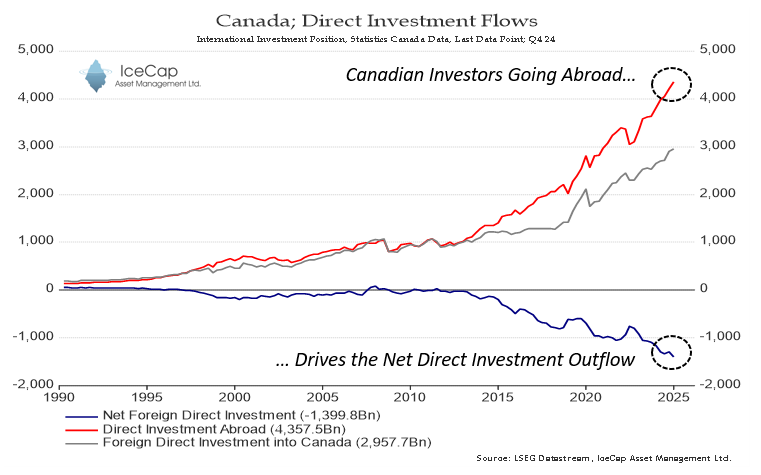
Capital Flight
Falling Private Sector Investment
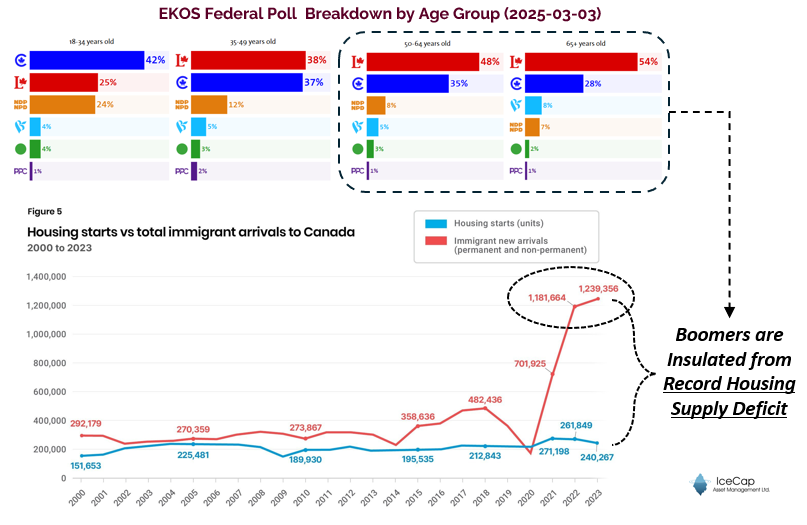
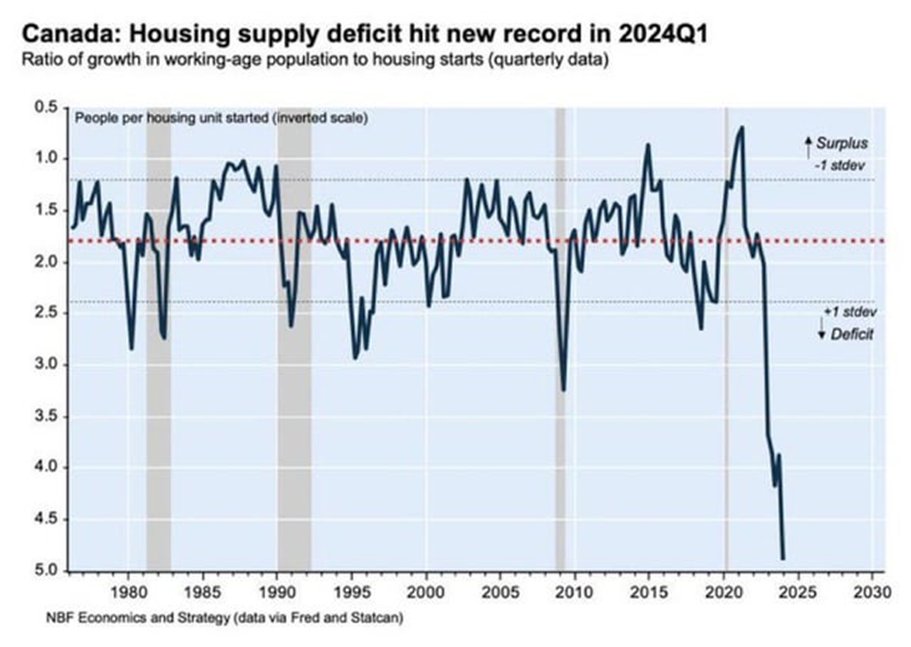
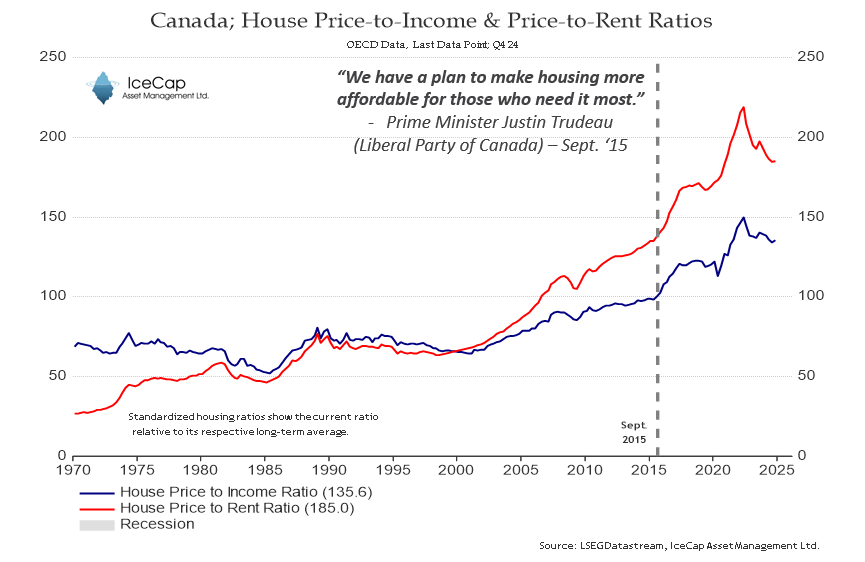
Housing Affordability Crisis
Out of Control Immigration
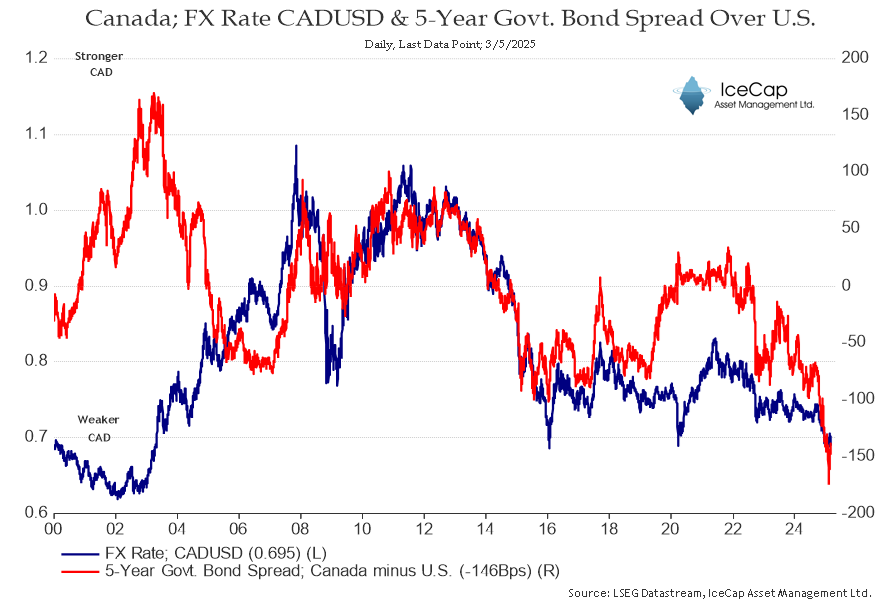
20-Year Low in the Canadian Dollar
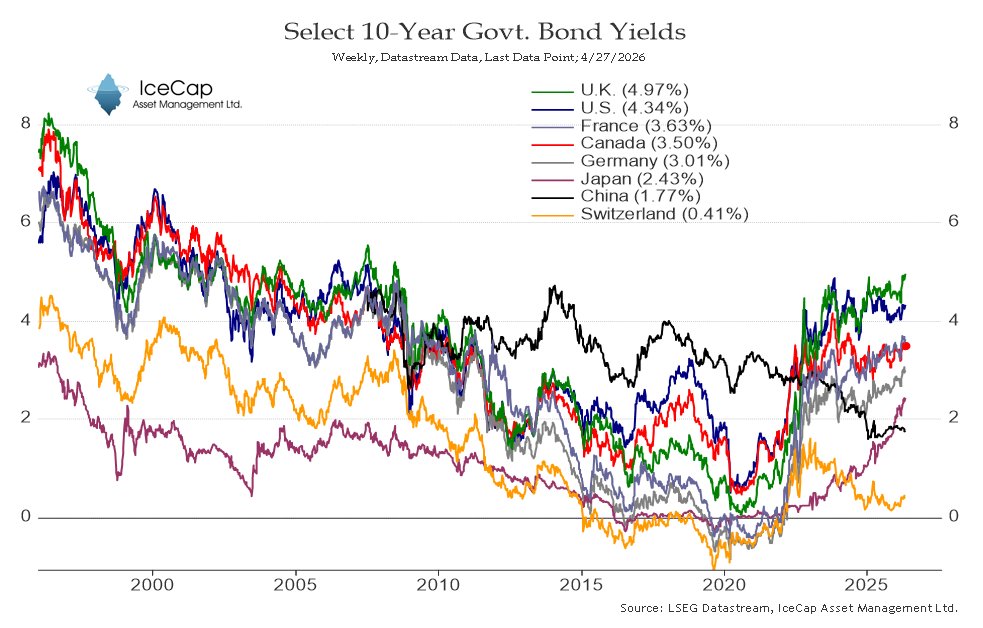
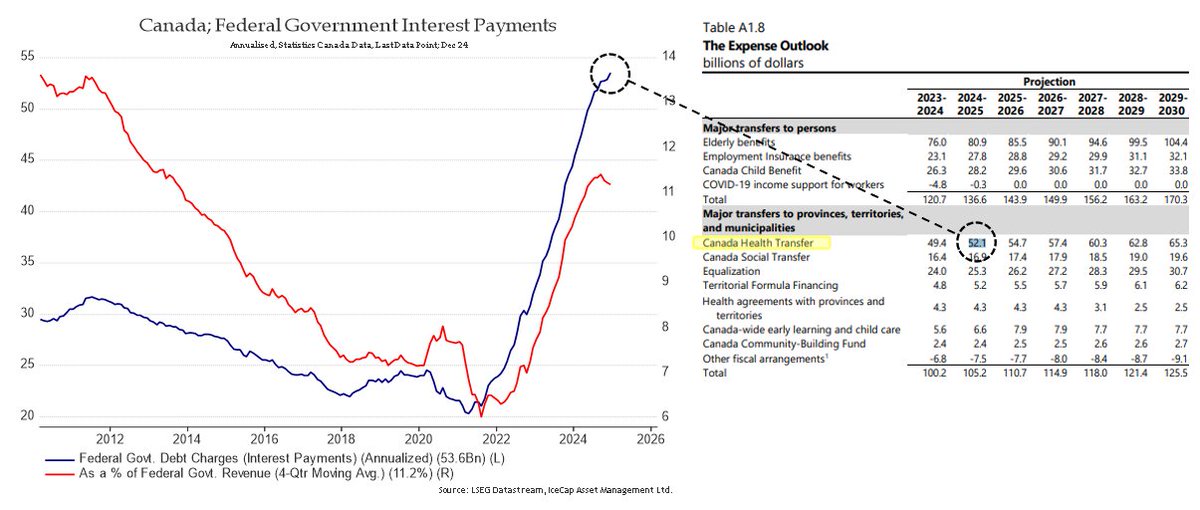
Canada’s Interest Payments Larger Than Healthcare Spending
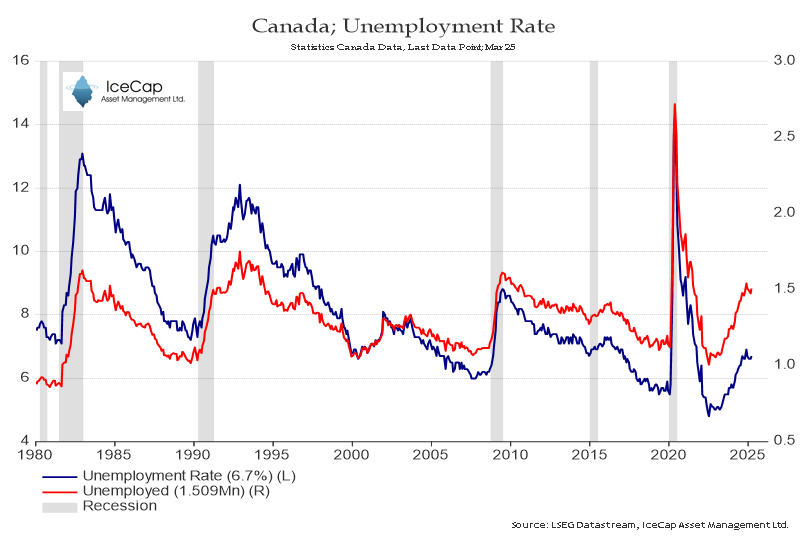
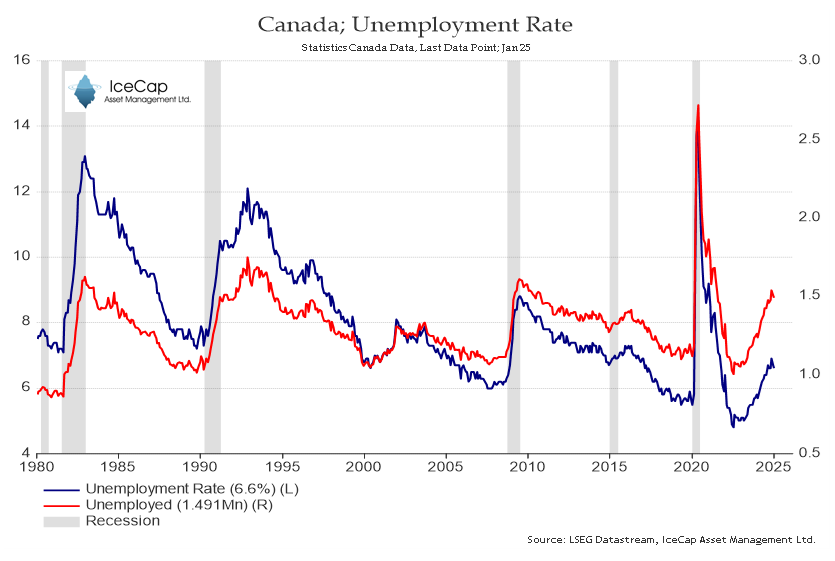
8-Year (ex Covid) High in the Unemployment Rate
15-Year High in the Number of Unemployed
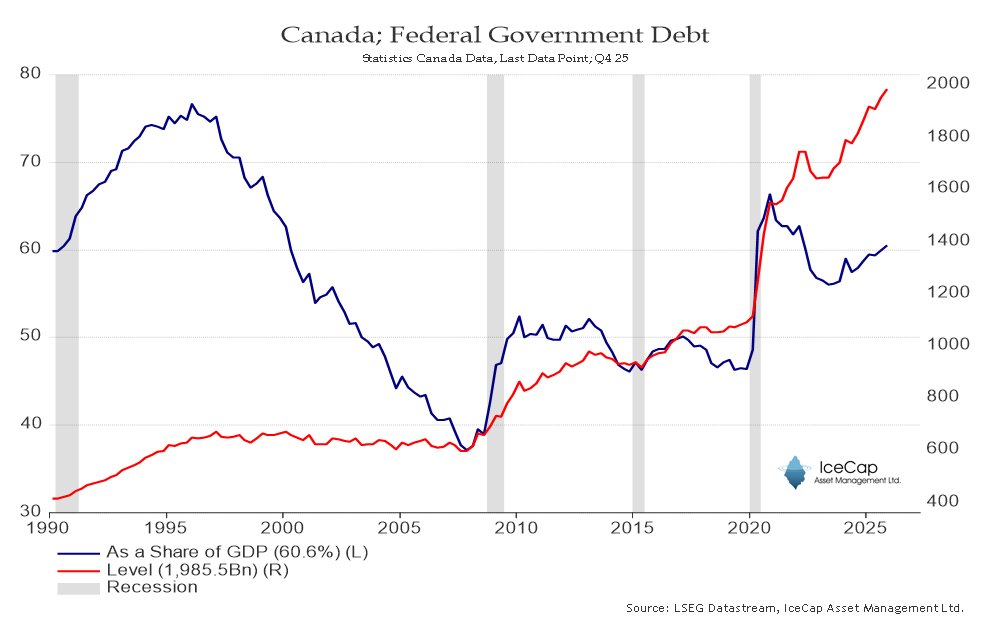
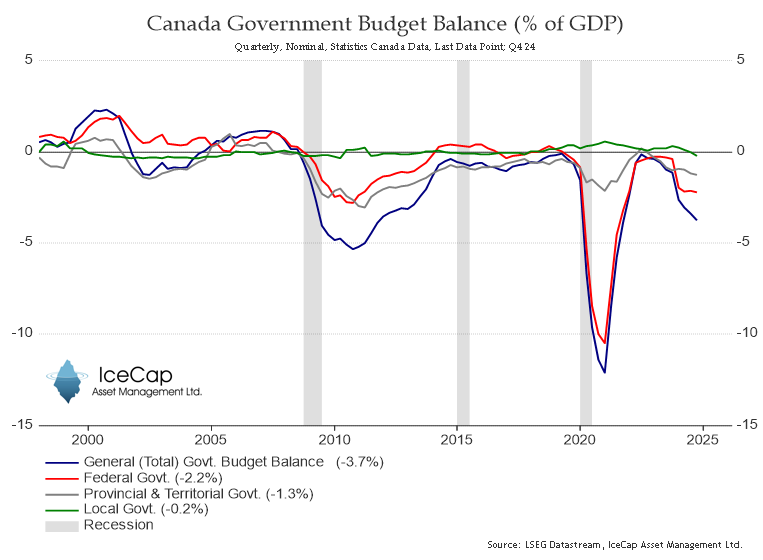
Growing Budget Deficits (outside a recession)
Lagging Real GDP per capita vs our G7 Peers
Stalling Industrial Production
• • •
Missing some Tweet in this thread? You can try to
force a refresh

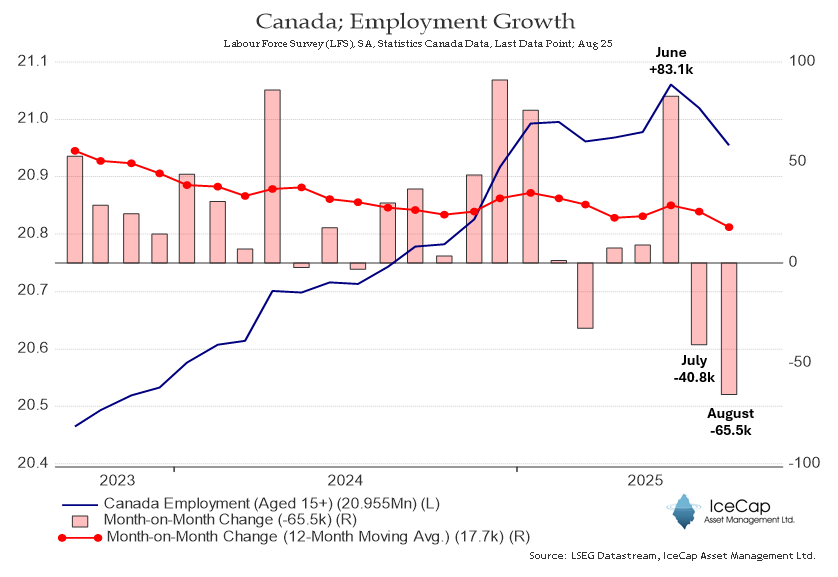
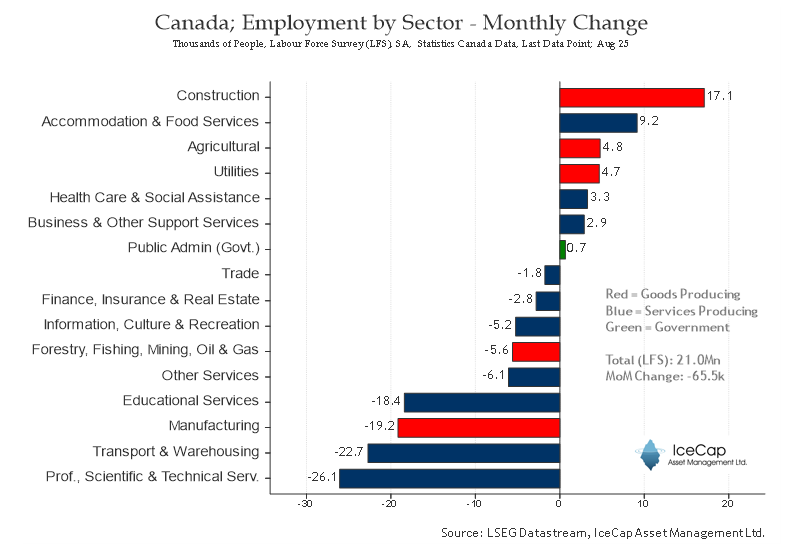
Canada's Labour Force Survey Employment declined by 66.5k, down to 20.955Mn in August. This is an 8-month low. The Unemployment Rate rose 0.2% to 7.1%. A thread... www150.statcan.gc.ca/n1/daily-quoti…
A look at the Sectors reveals that the decline was driven by a significant drop in Professional, Scientific & Technical Services, as well as Logistics and Manufacturing. Surprisingly, Construction added 17k new jobs.
As always, Public Administration grew. 🙄
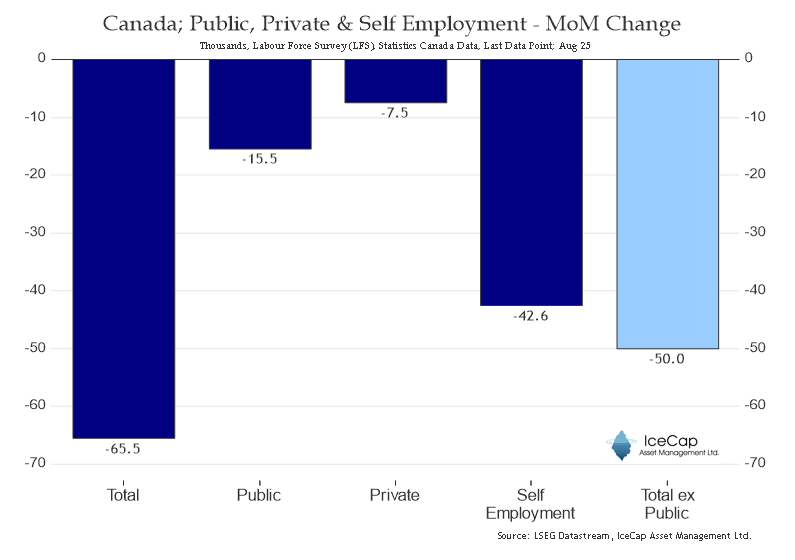
A look at the broader definition of Public Sector Employment, however, points to a decline.
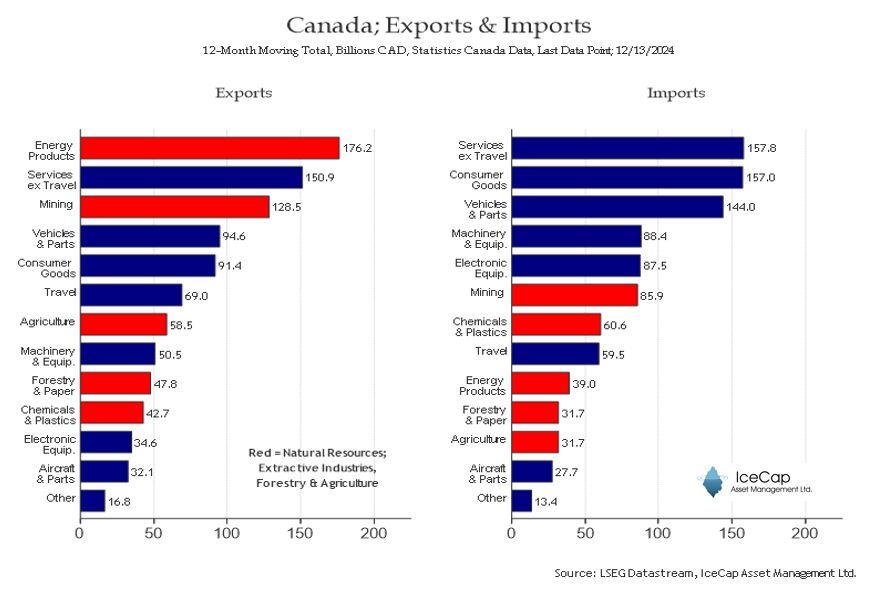
Canada's December Trade Data was released this morning.
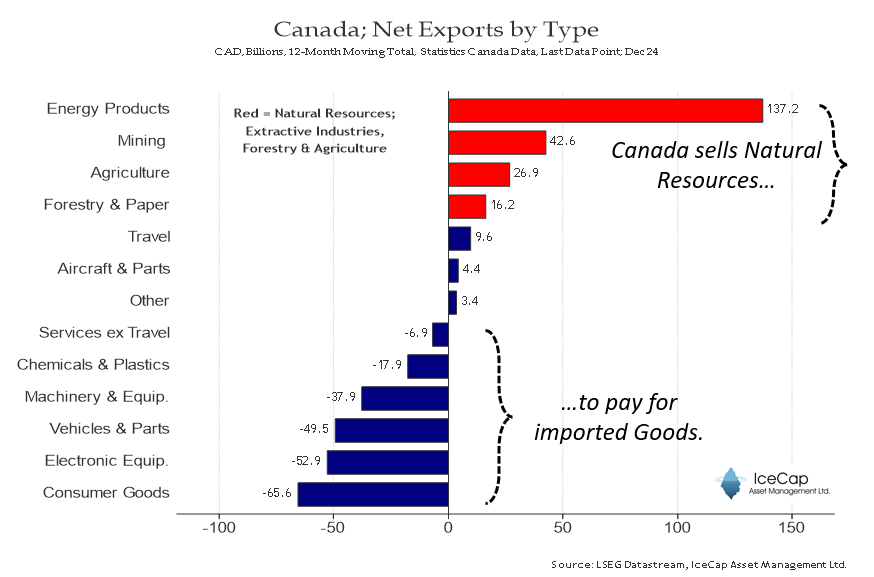
Conclusion: Canada sells Natural Resources (i.e. Crude Oil, Minerals, & Agricultural Products) to pay for Imported Goods. A thread...🧵 www150.statcan.gc.ca/n1/daily-quoti…
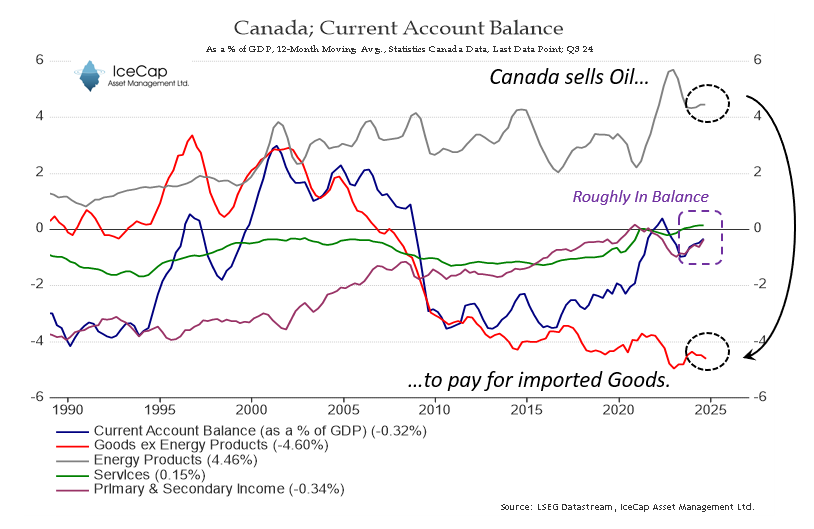
The importance of Energy Exports is particularly clear when one considers the current account balance.
Without the massive, sustained positive contribution, our Current Account Balance would be deeply negative, requiring a painful readjustment, such as a lower exchange rate or fewer imports (consumption).
Of course, it is more complicated than that. Canada exports billions of dollars worth of other Goods and Services, and we Import plenty of Natural Resources.
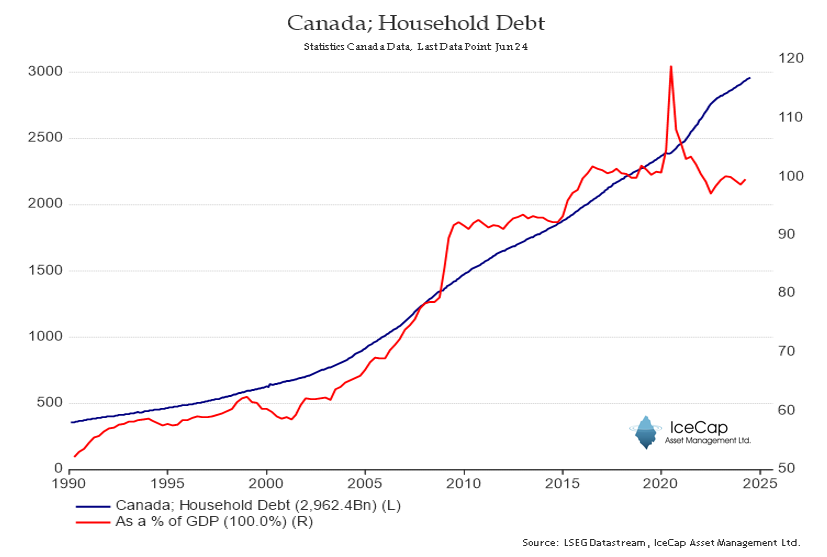
Canadian Households are highly leveraged. Over the last 25 years, Household debt has quintupled to nearly 3 trillion dollars or 100% of GDP.
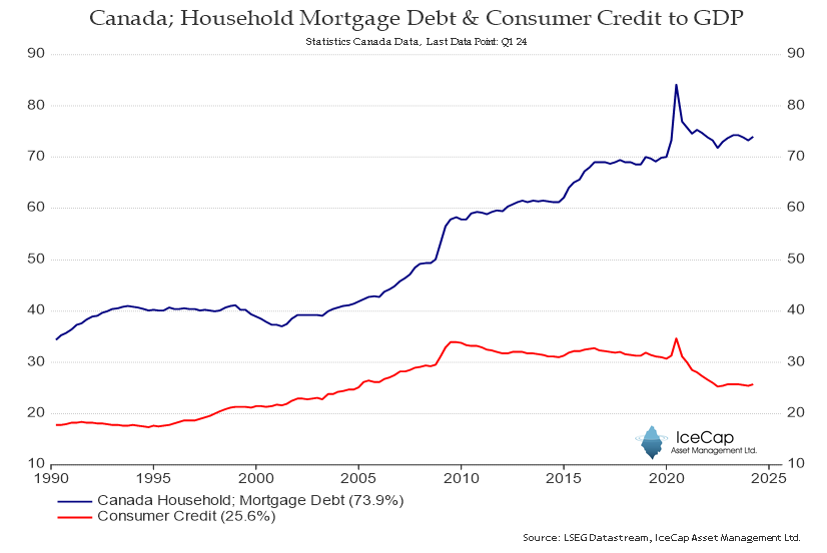
As you may have surmised, the run-up in debt has been primarily due to mortgage debt, which has fueled one of the world’s more acute housing bubbles. Consumer credit has been quite stable.
Unsurprisingly, the other countries at the top of the table have also suffered from huge increases in house prices.