Gracia Ventus Profile picture
May 1, 2025 12 tweets 9 min read Read on X
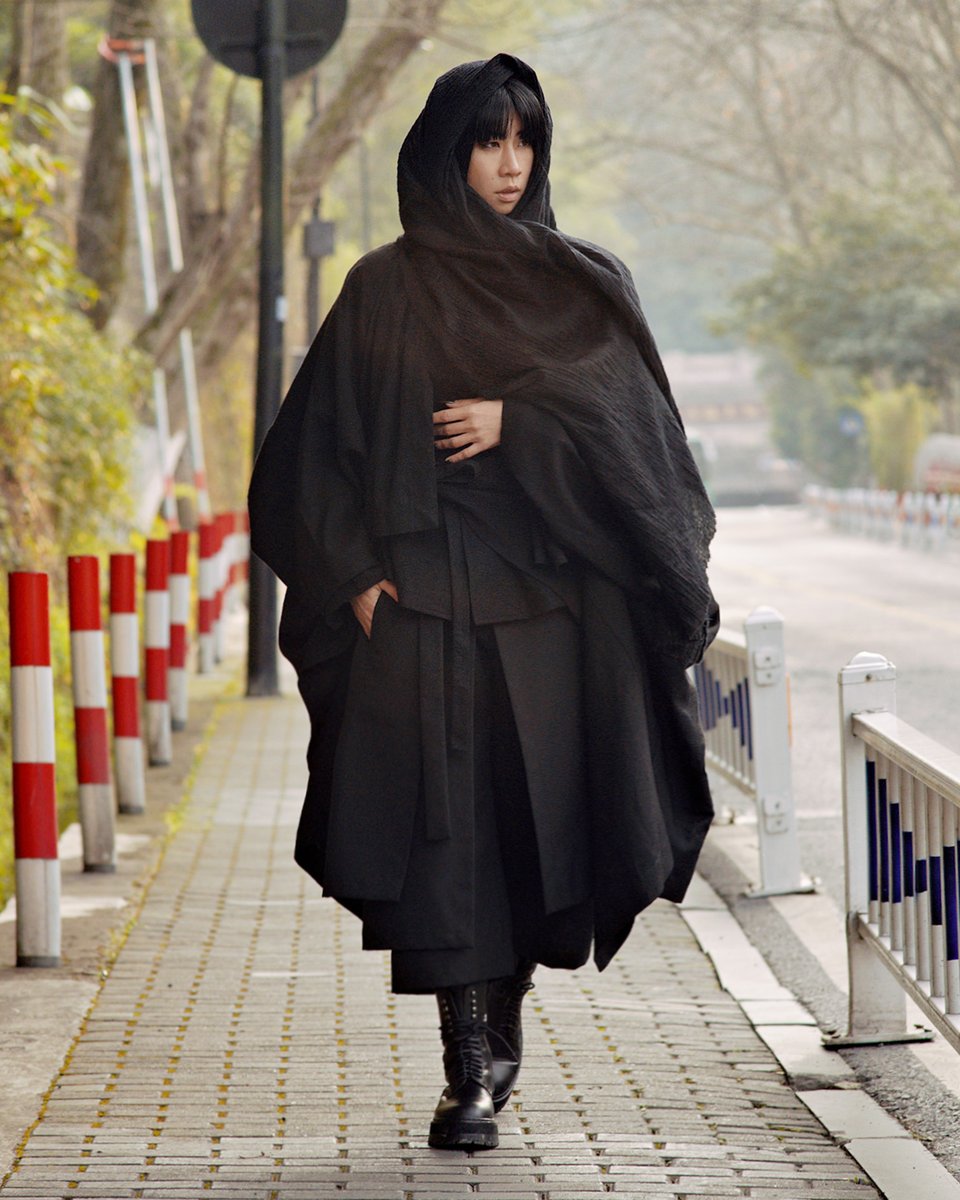
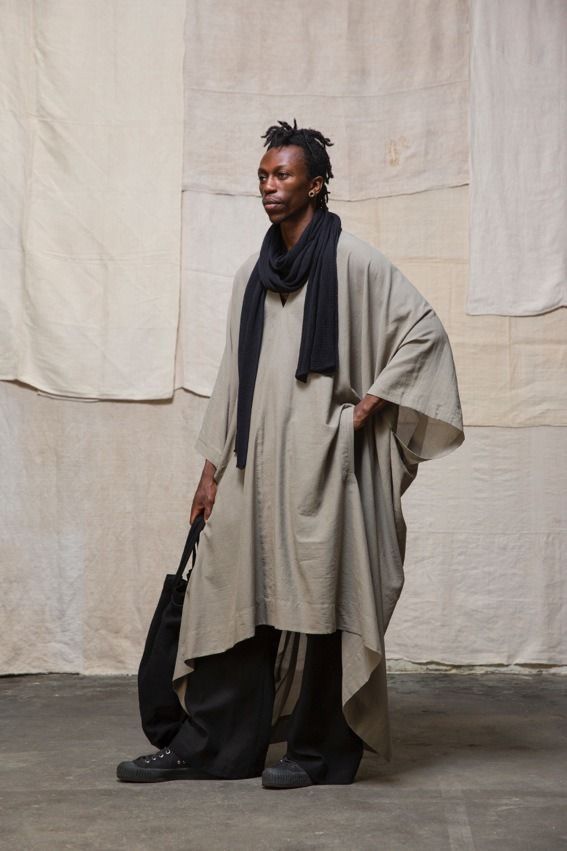
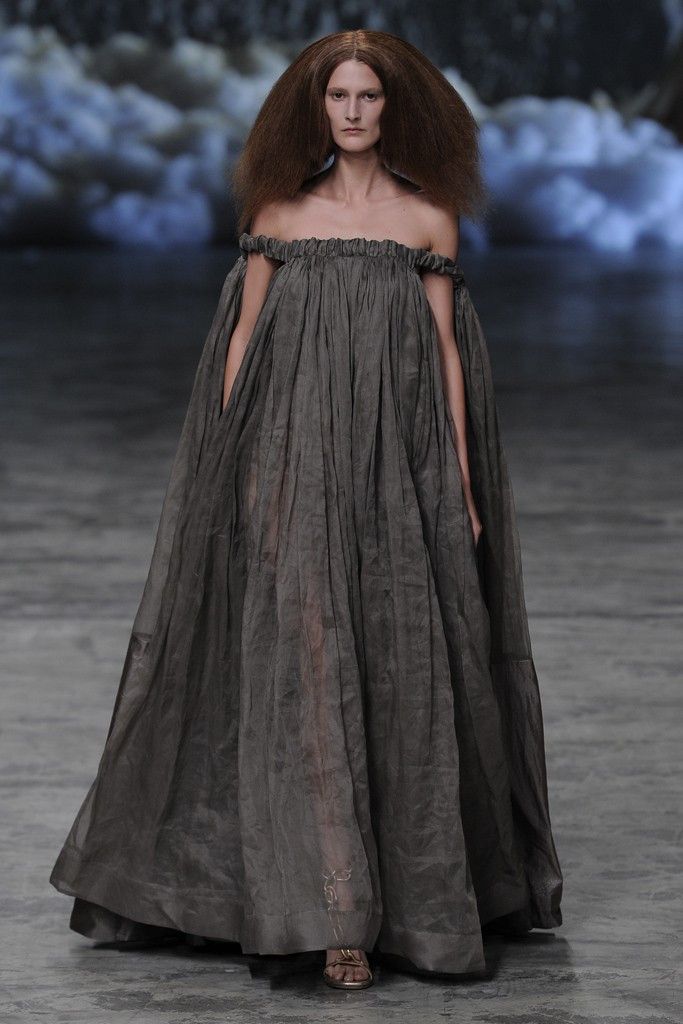
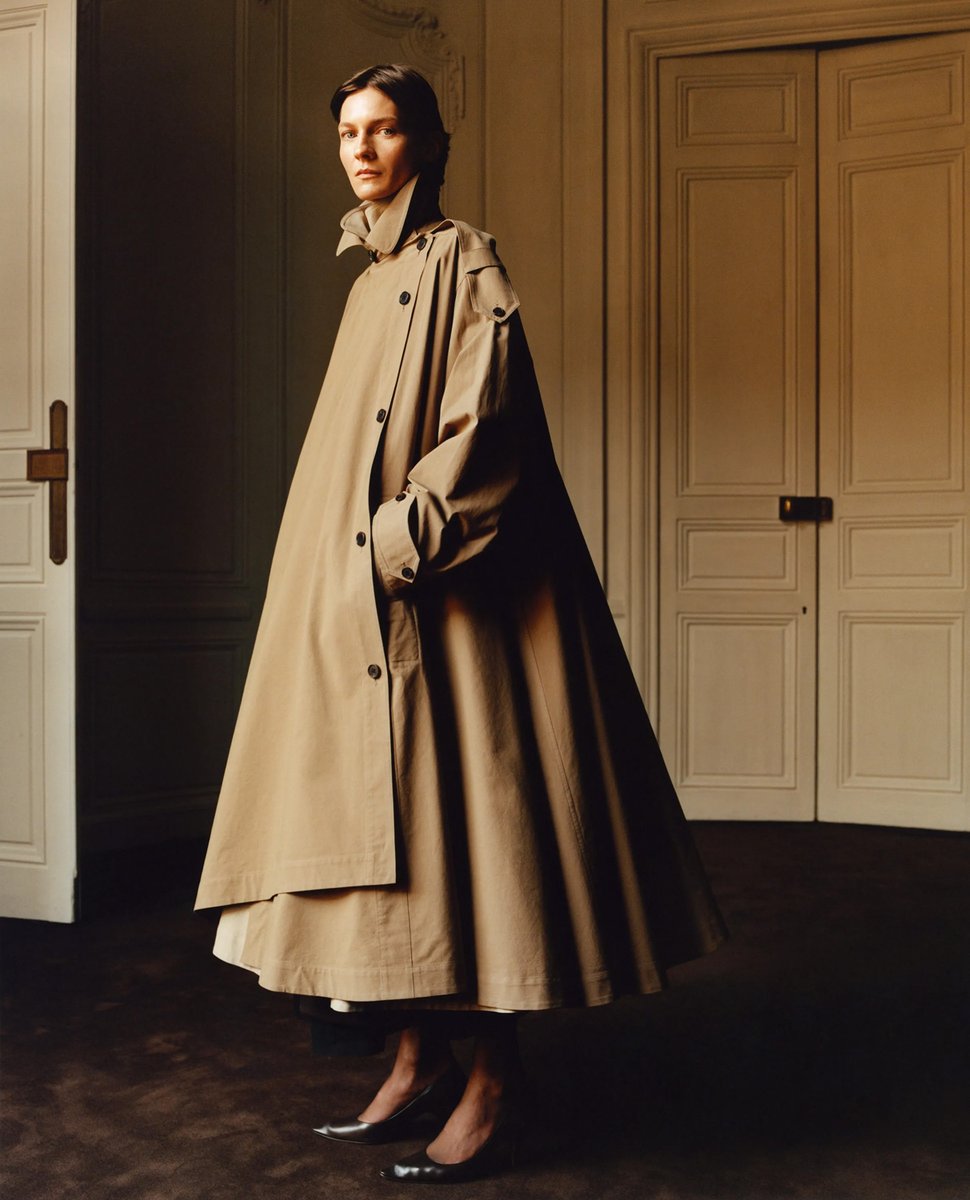
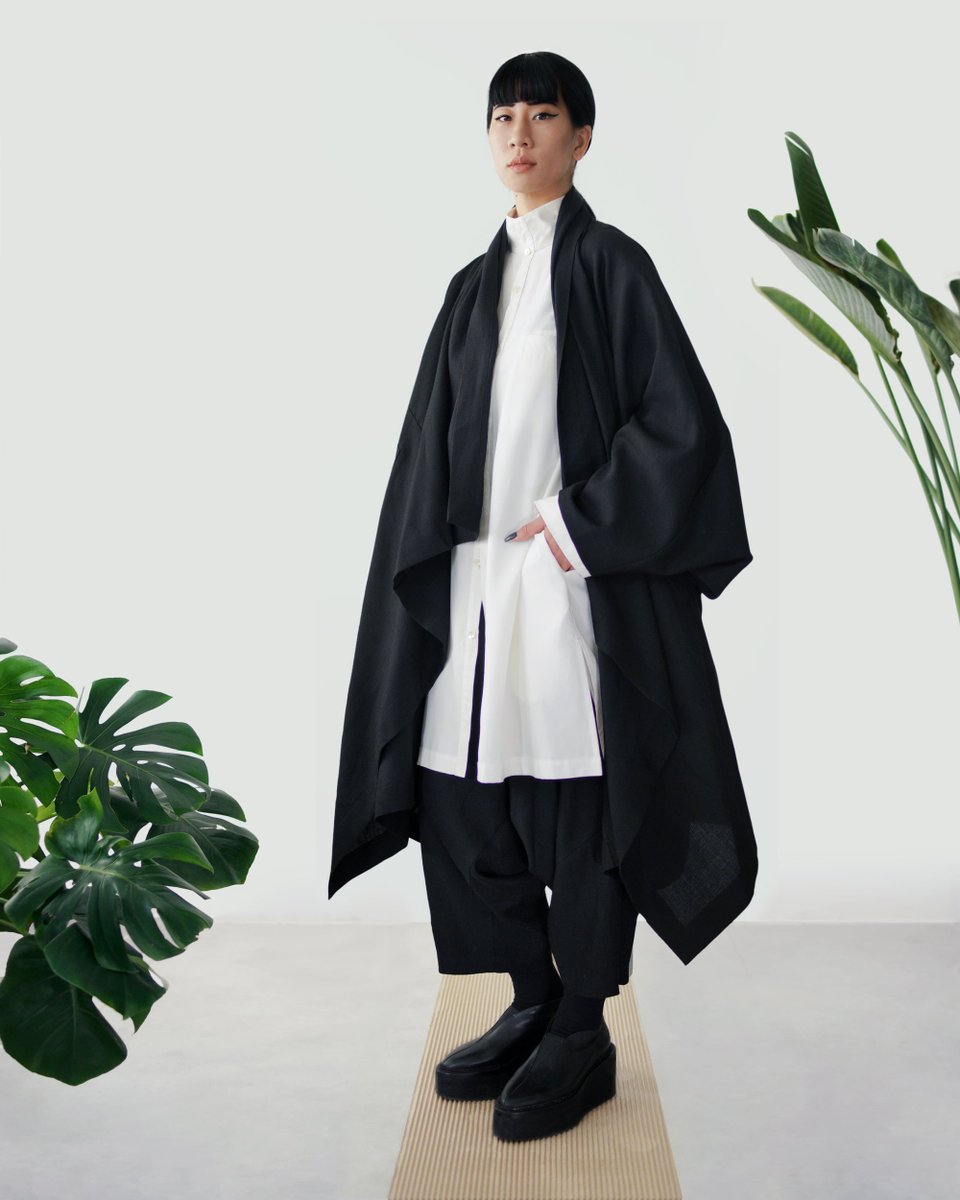
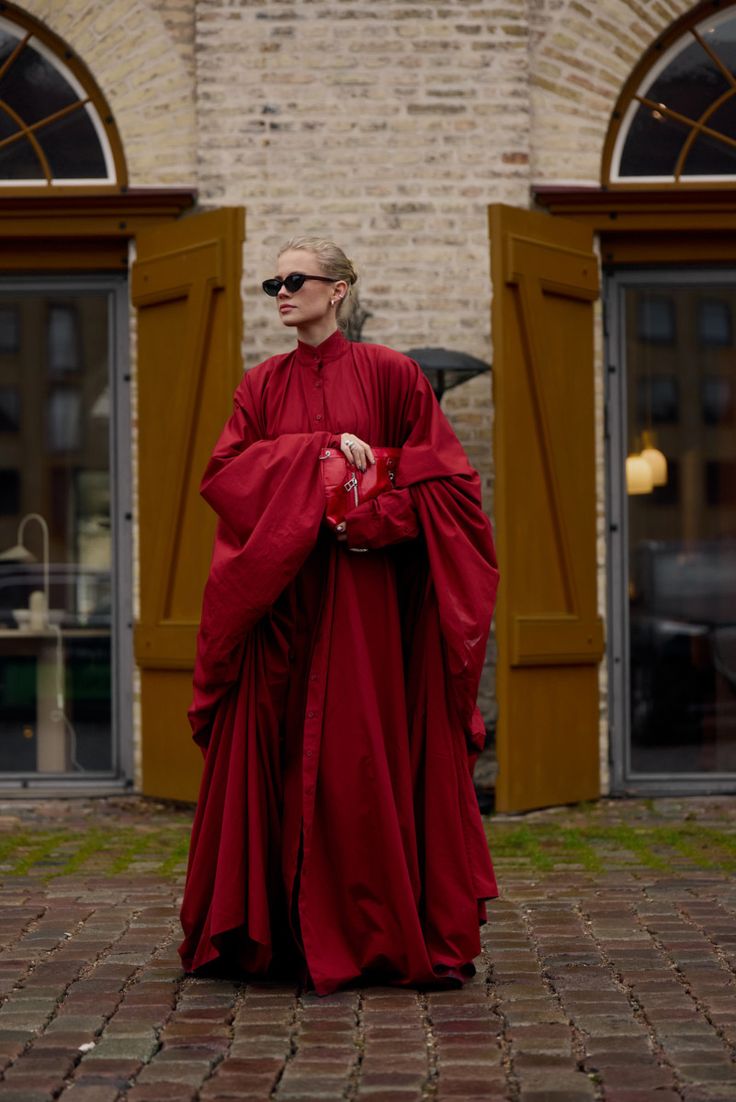
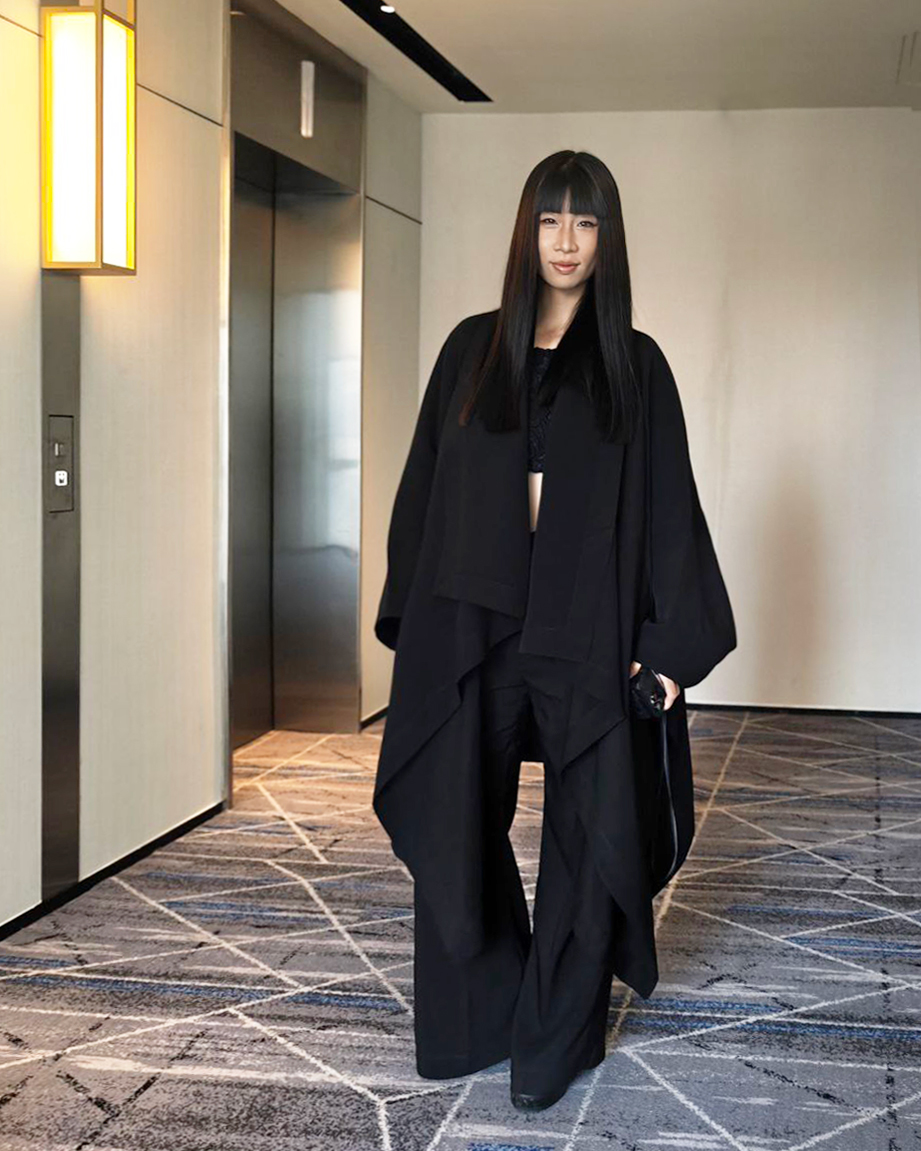
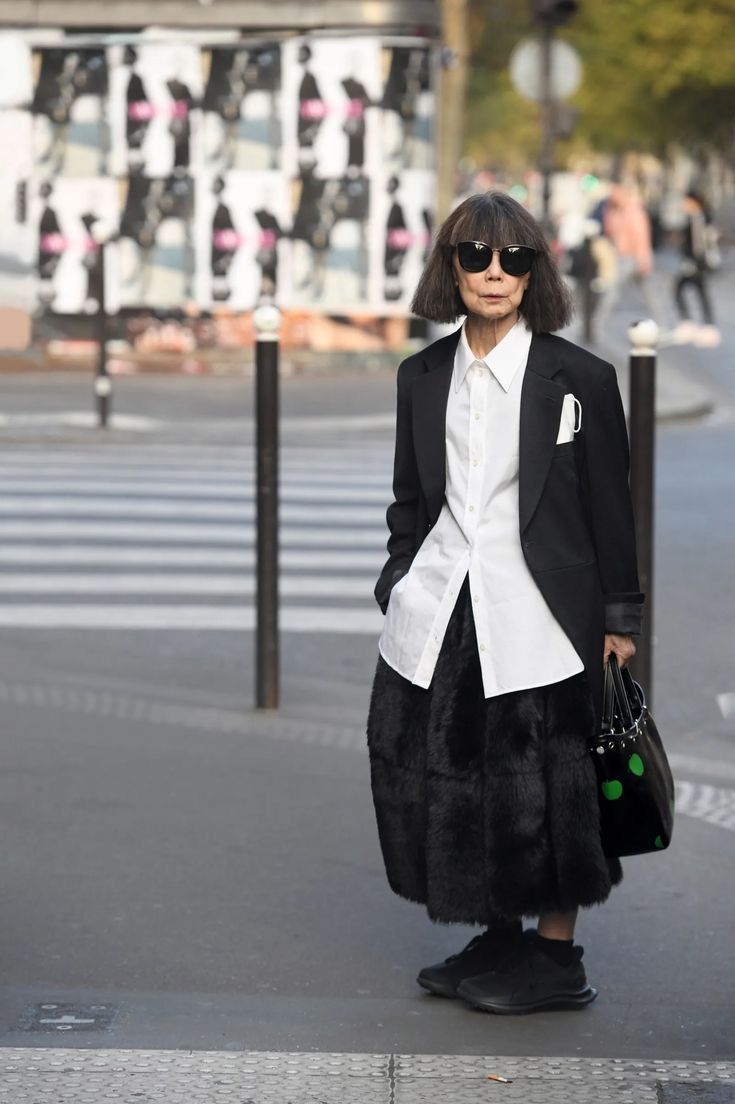
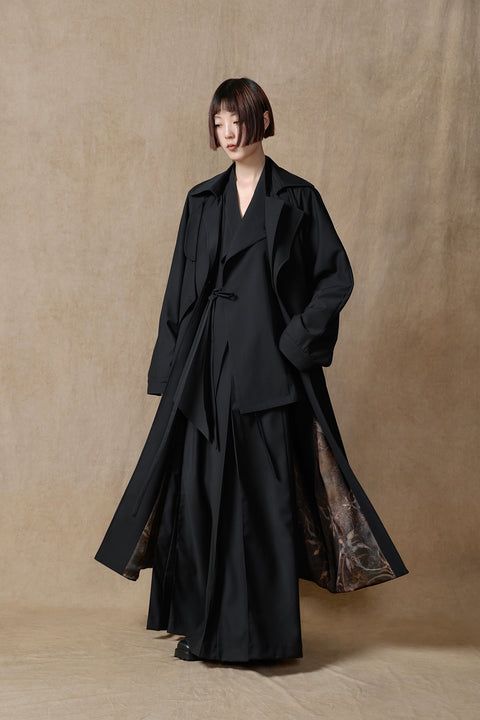
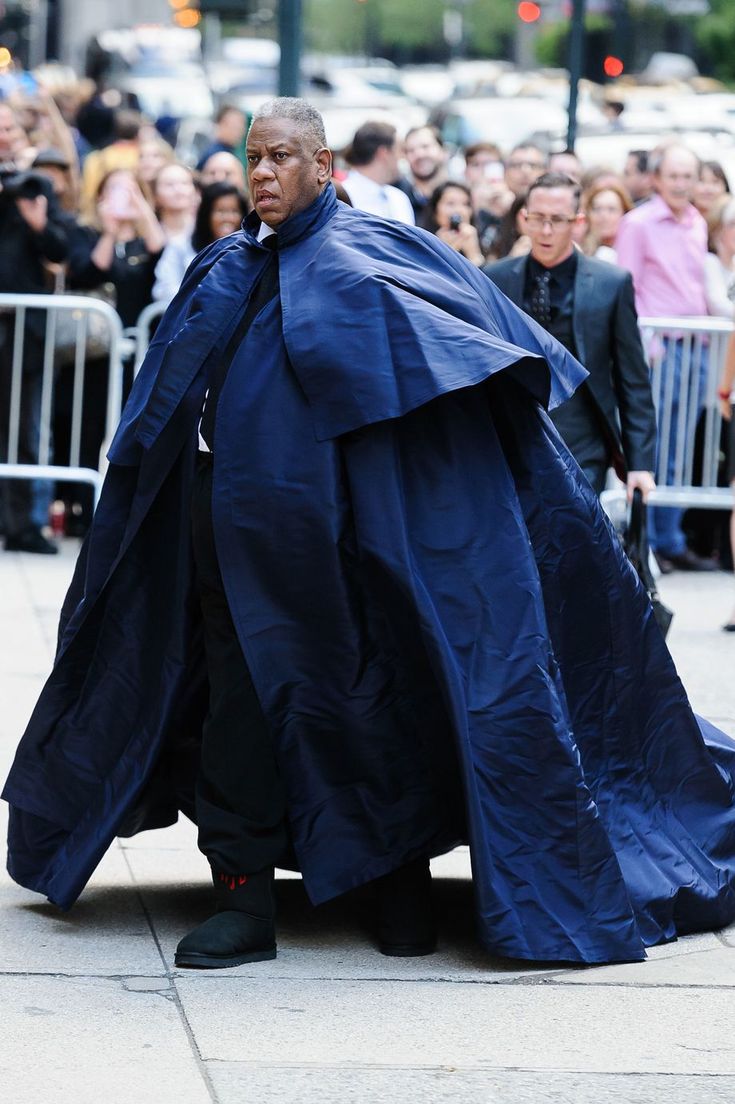
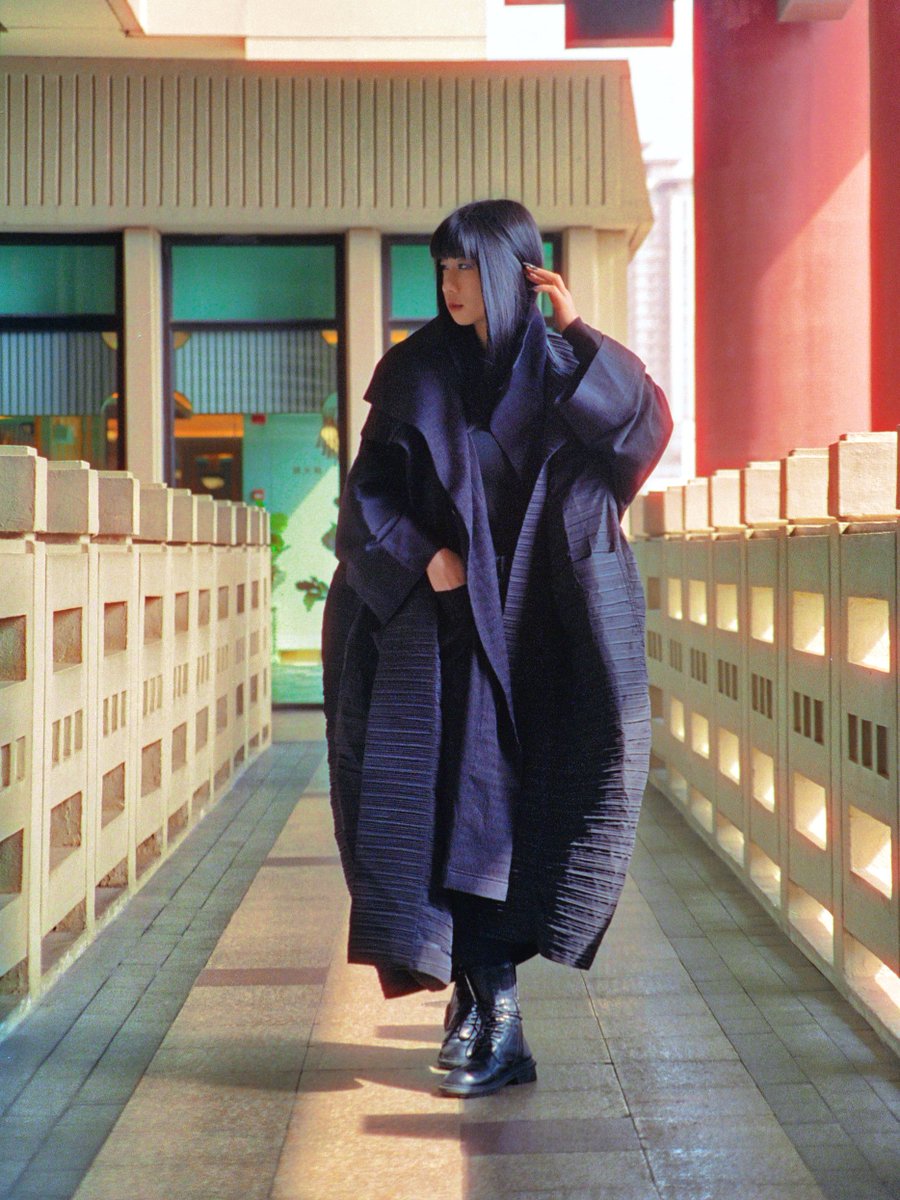
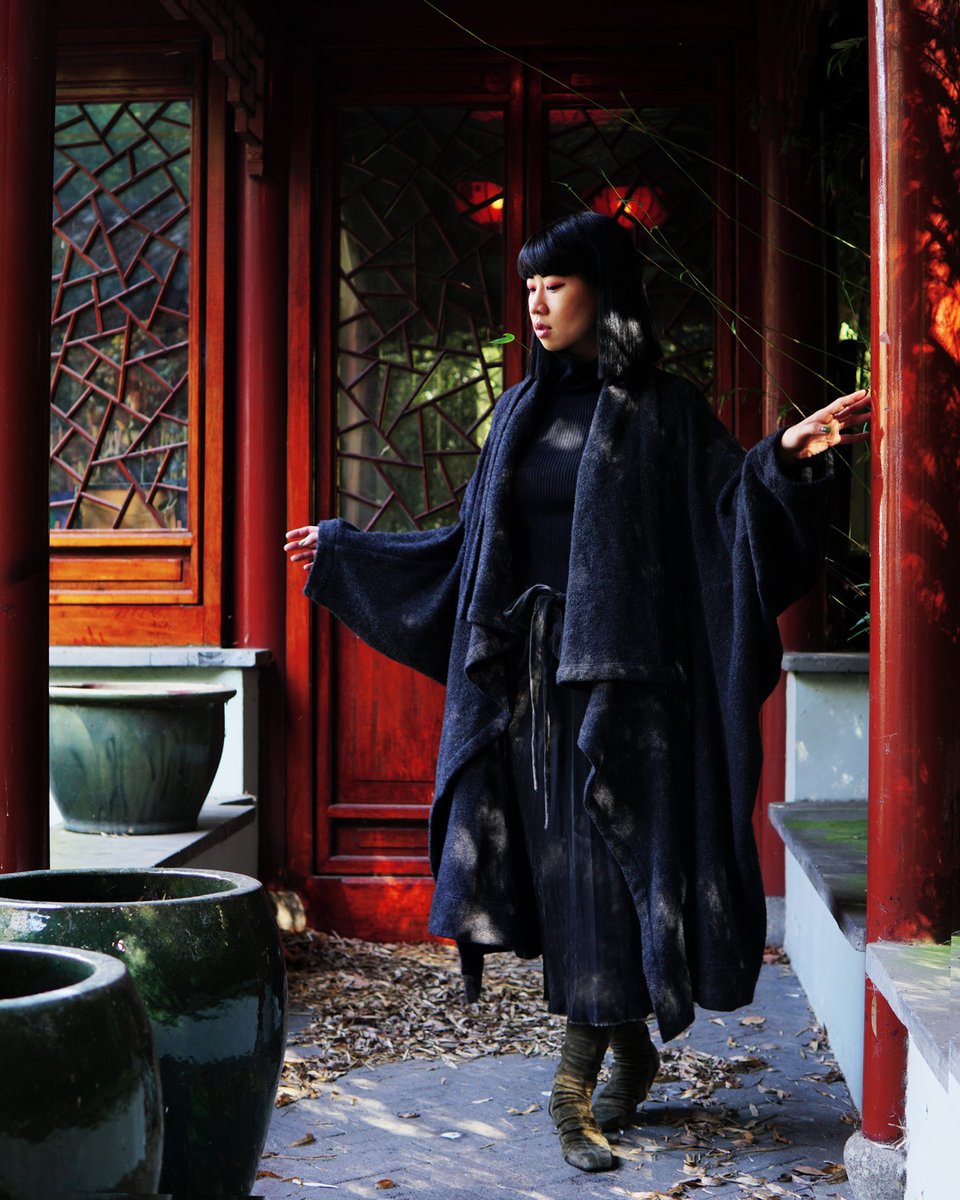
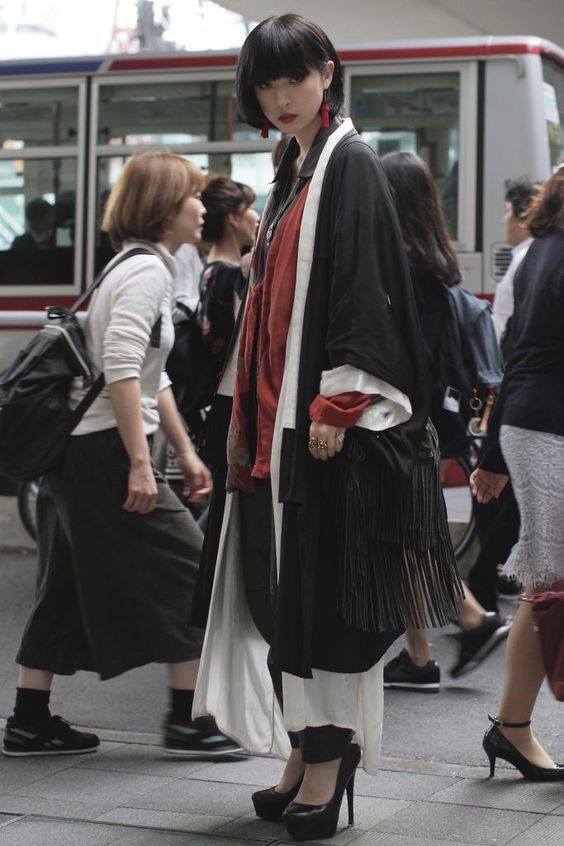
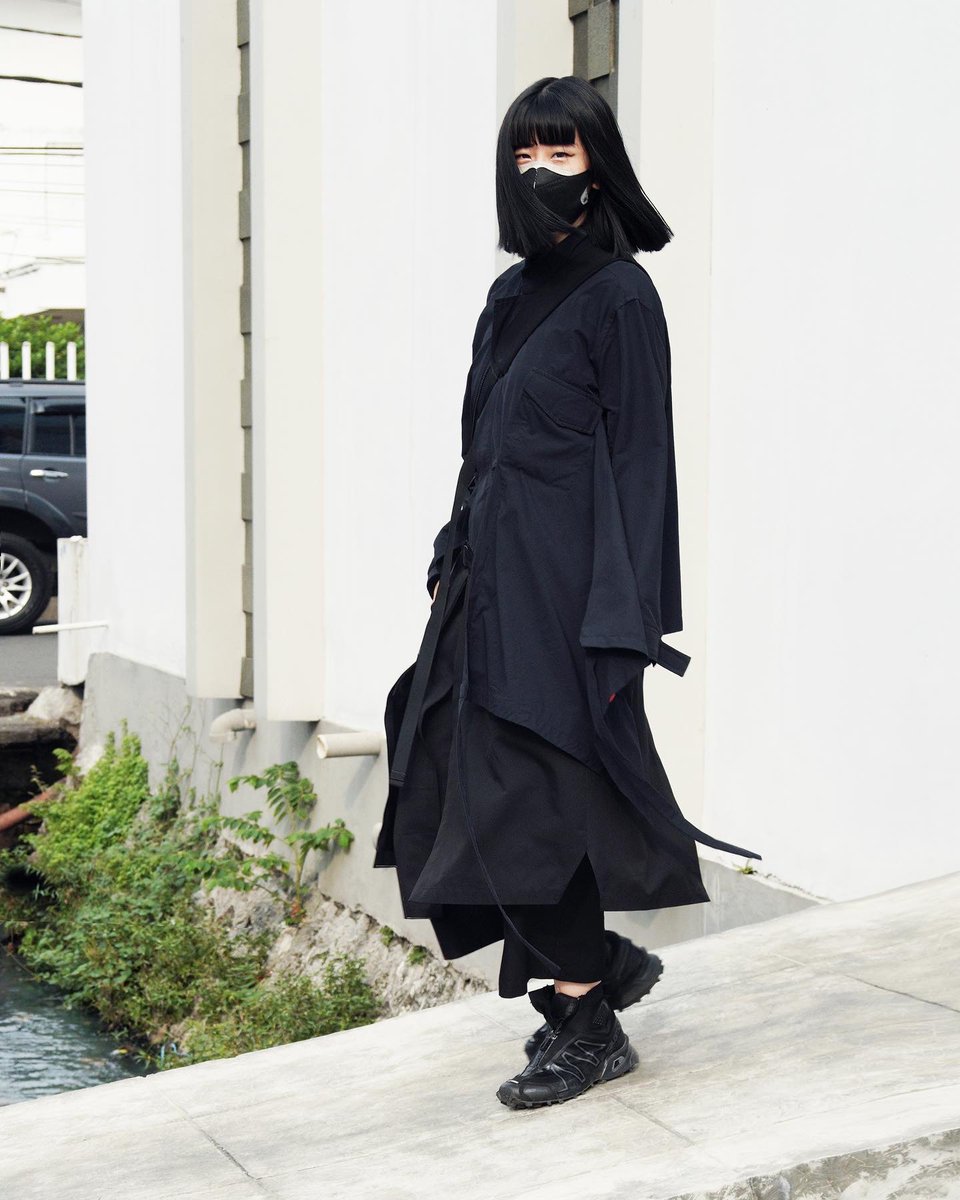
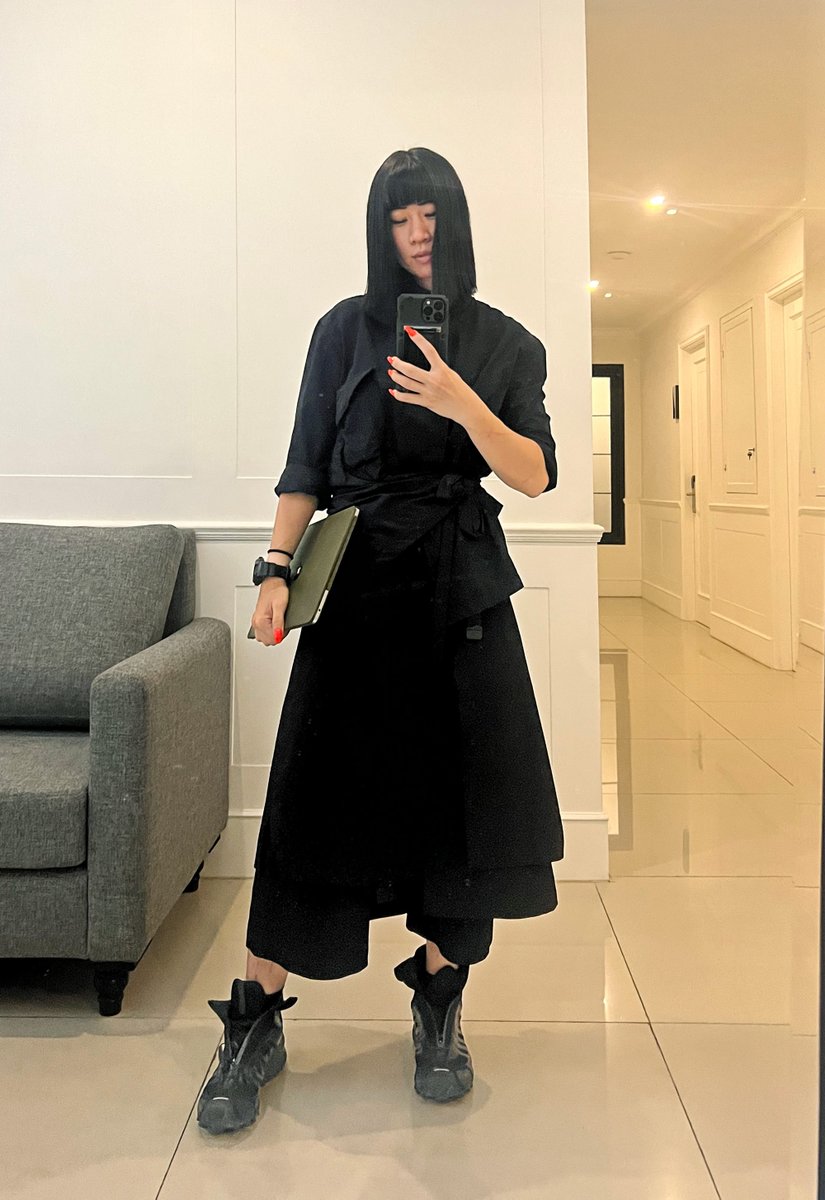
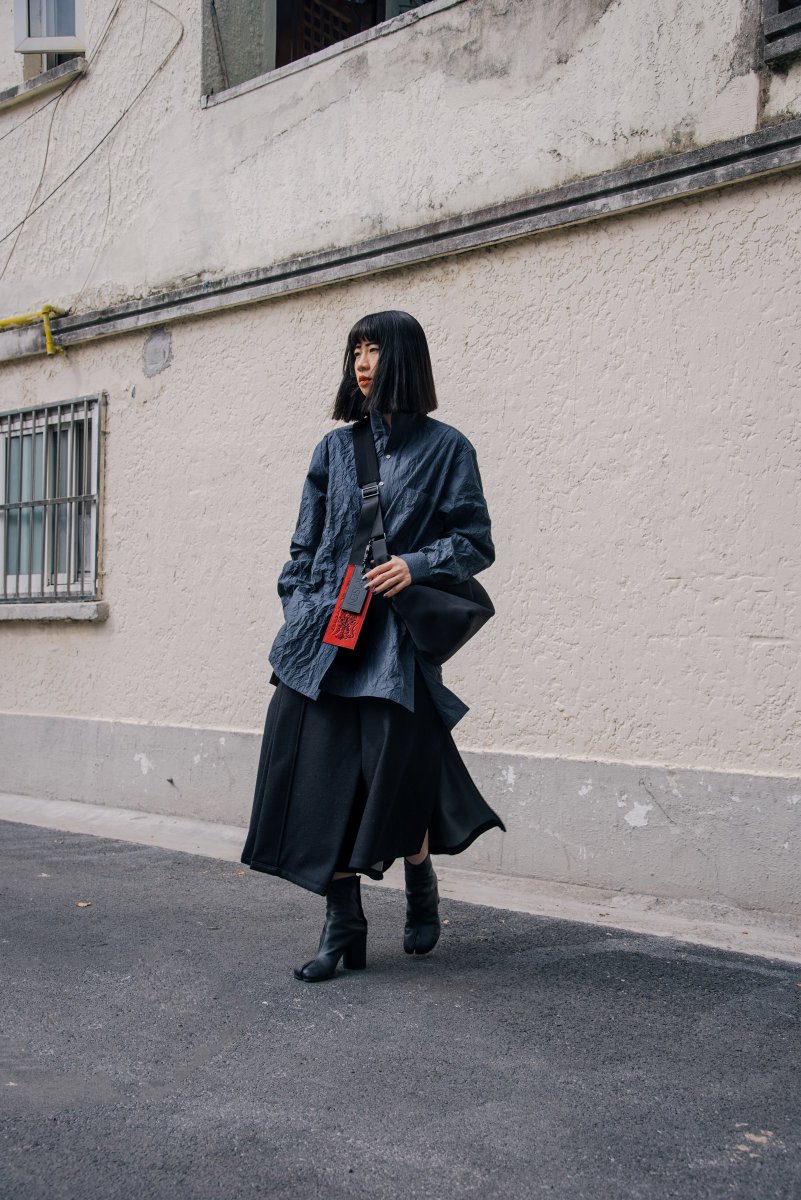
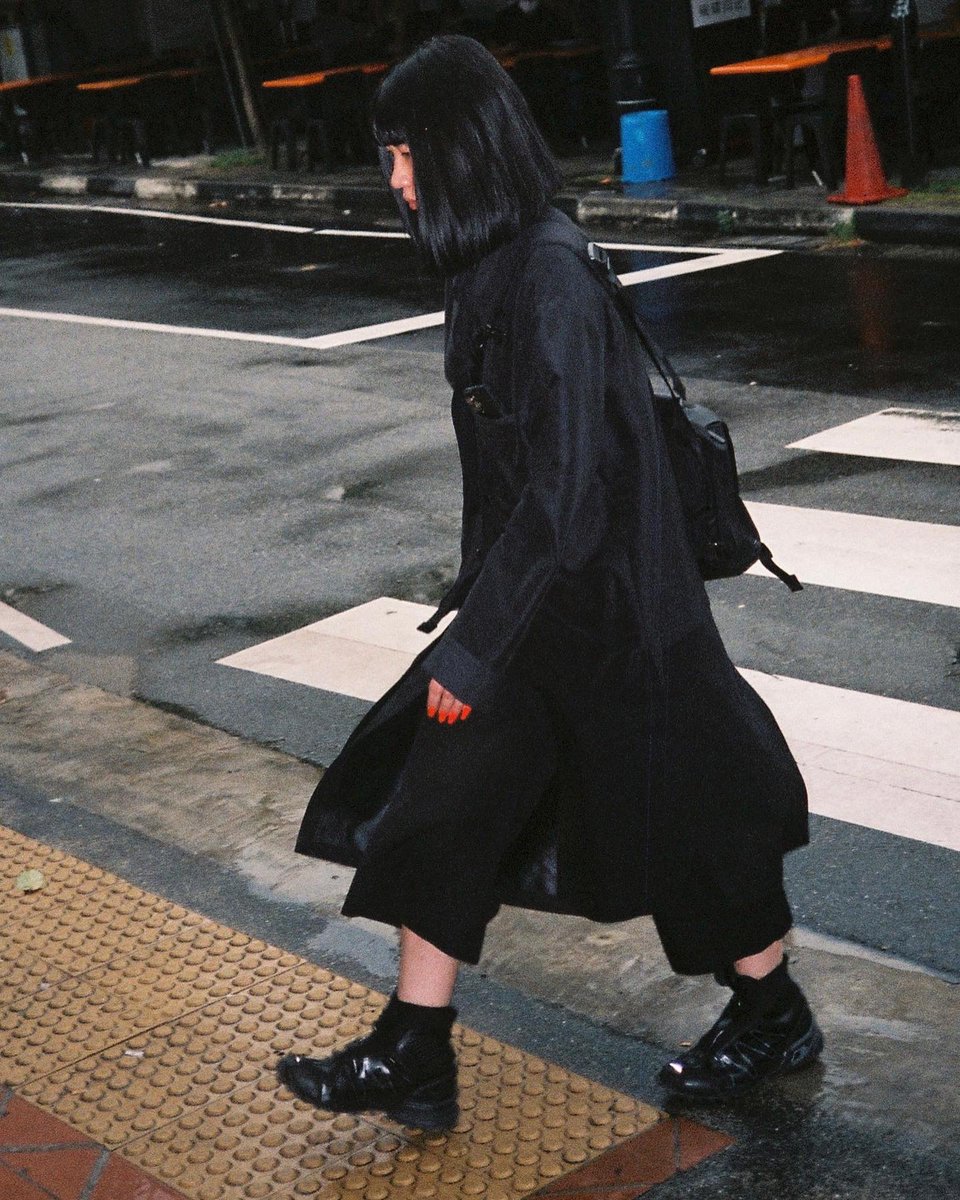
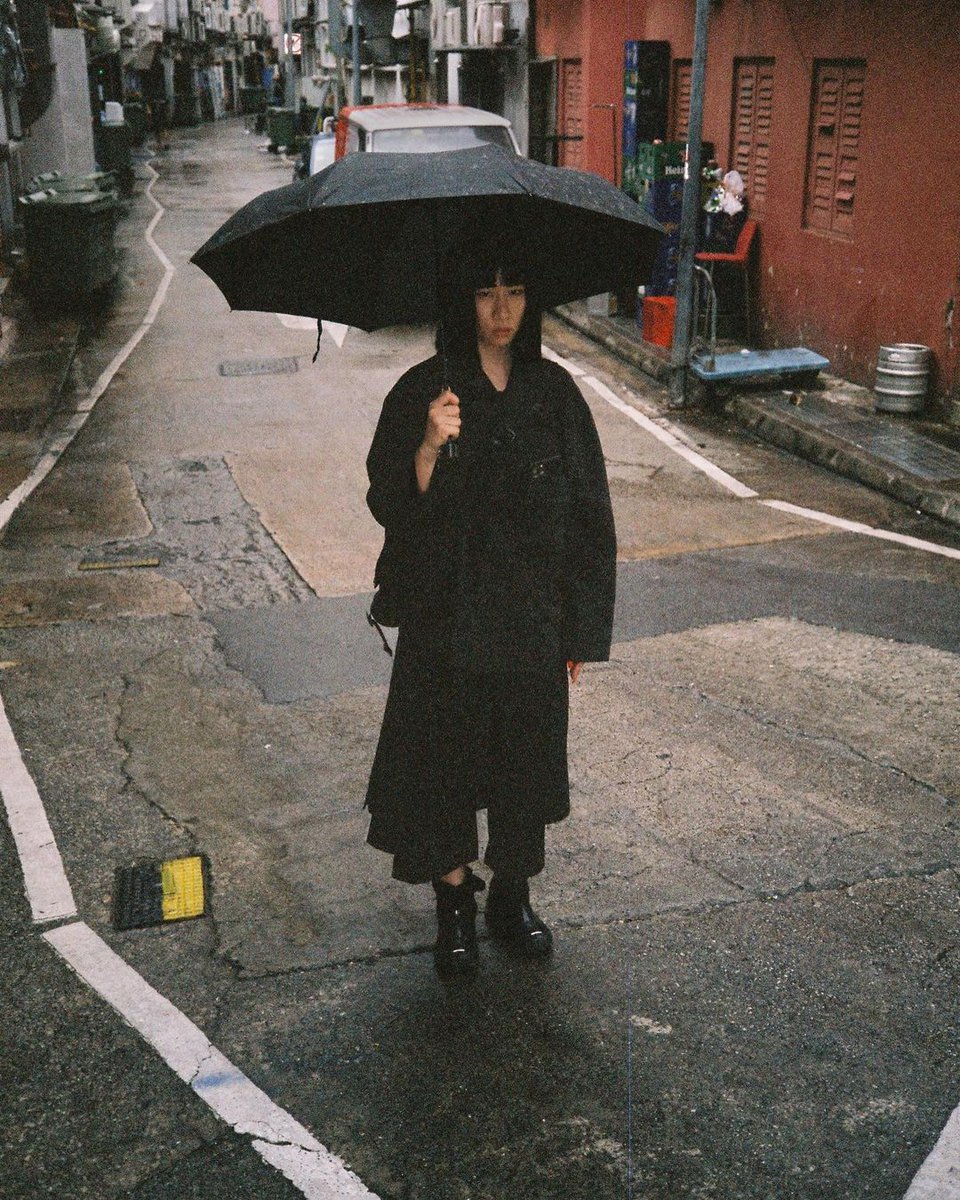
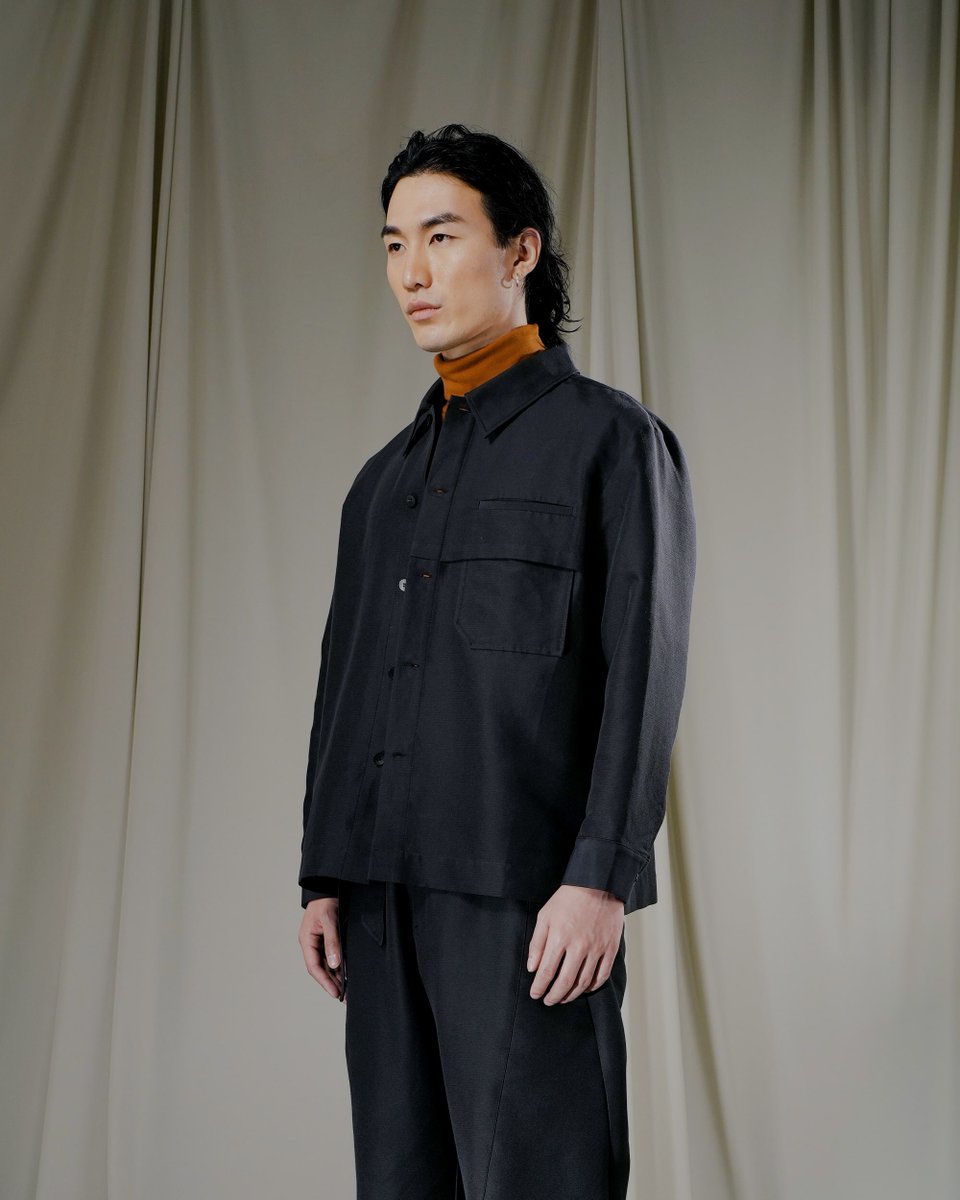
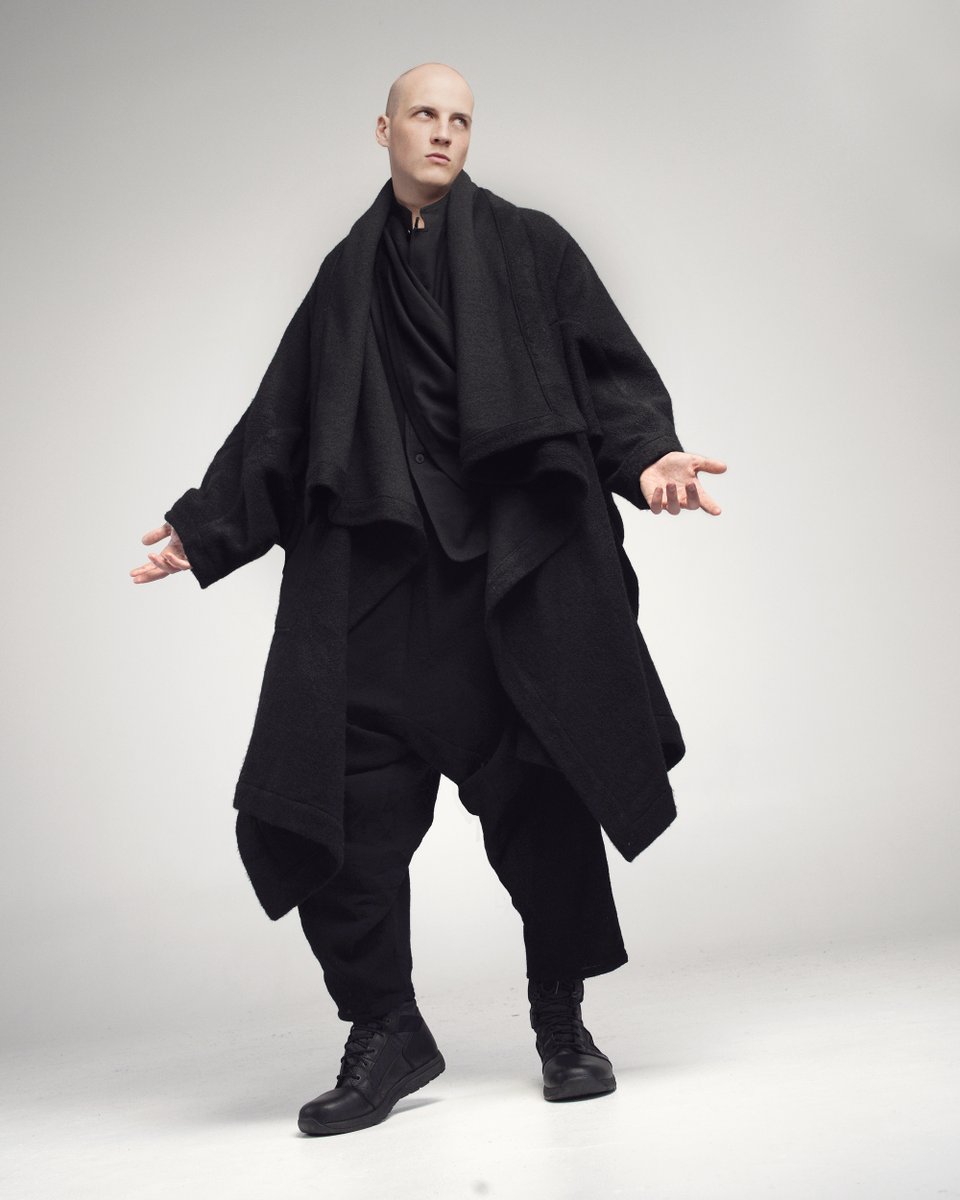
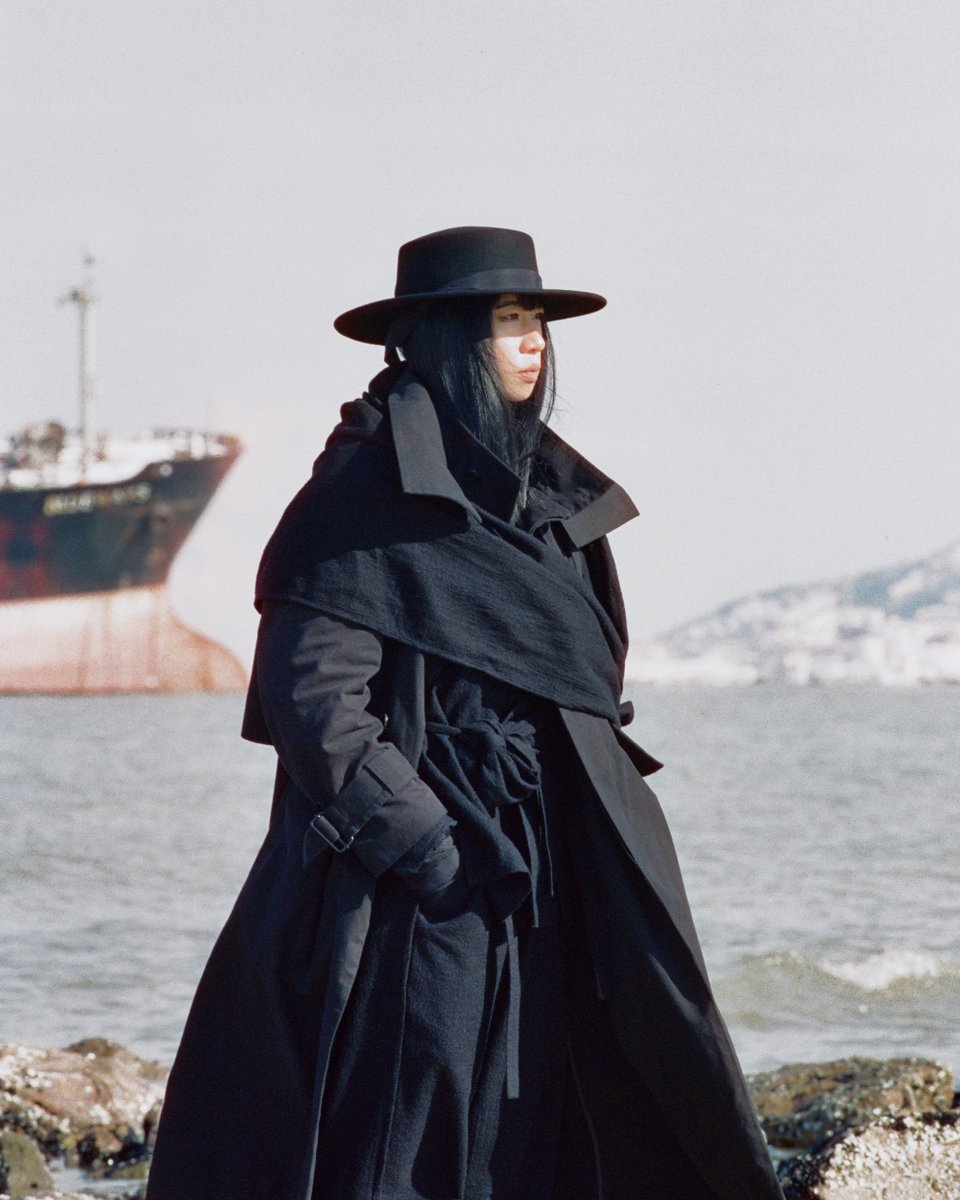
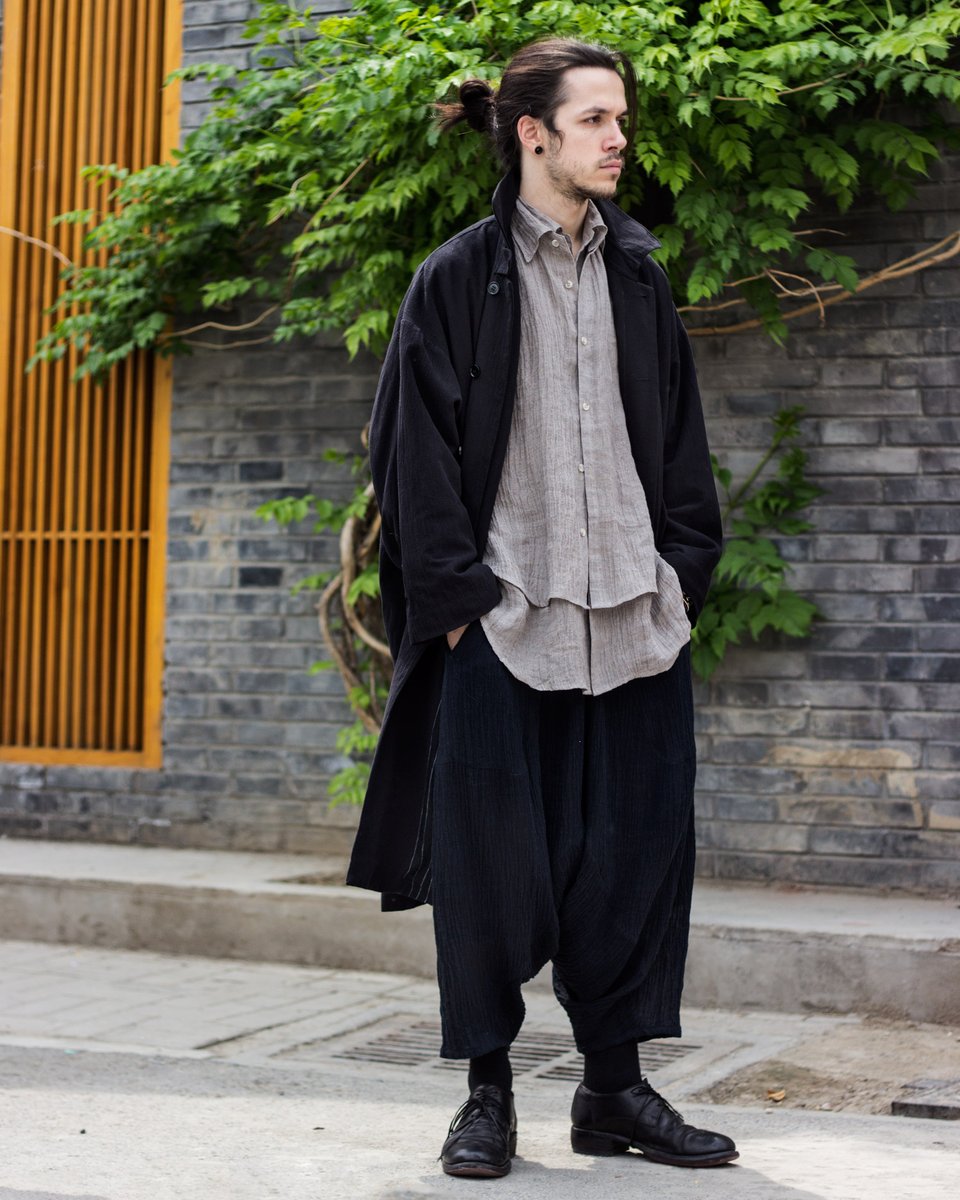
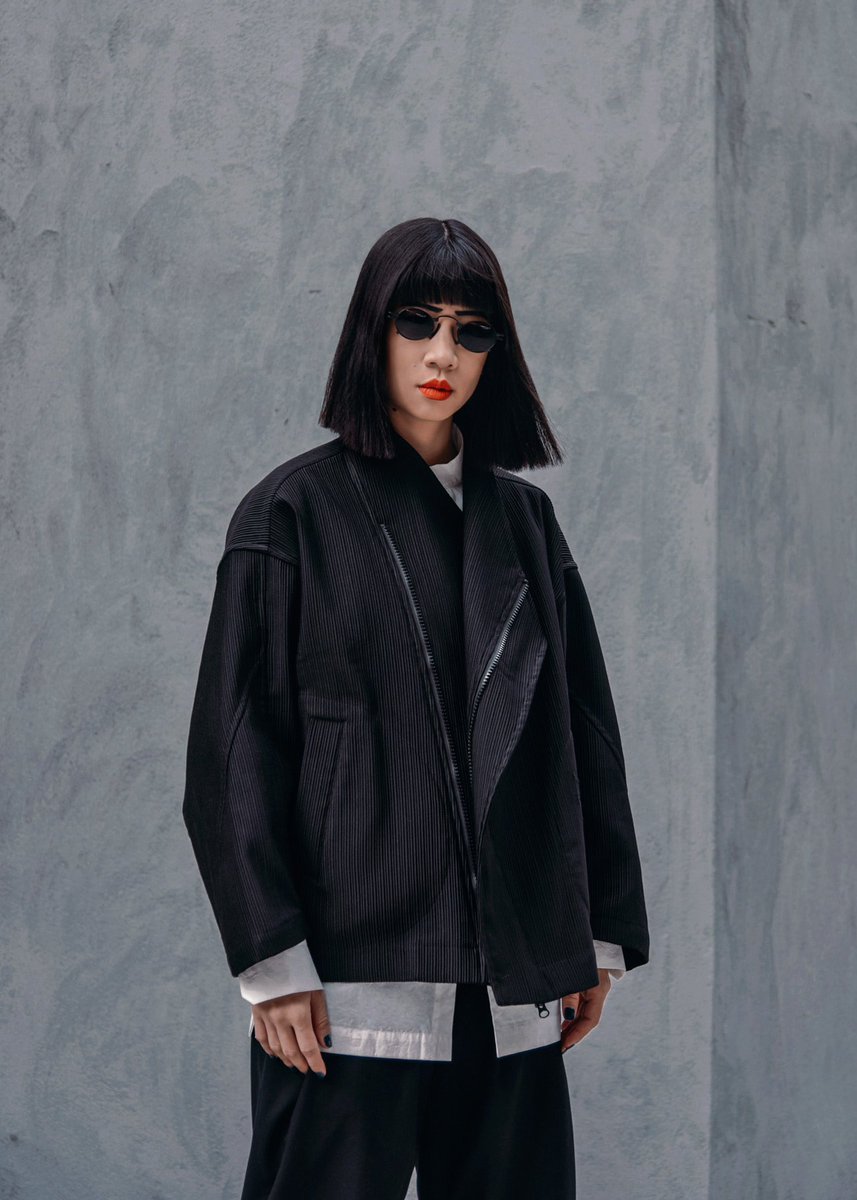
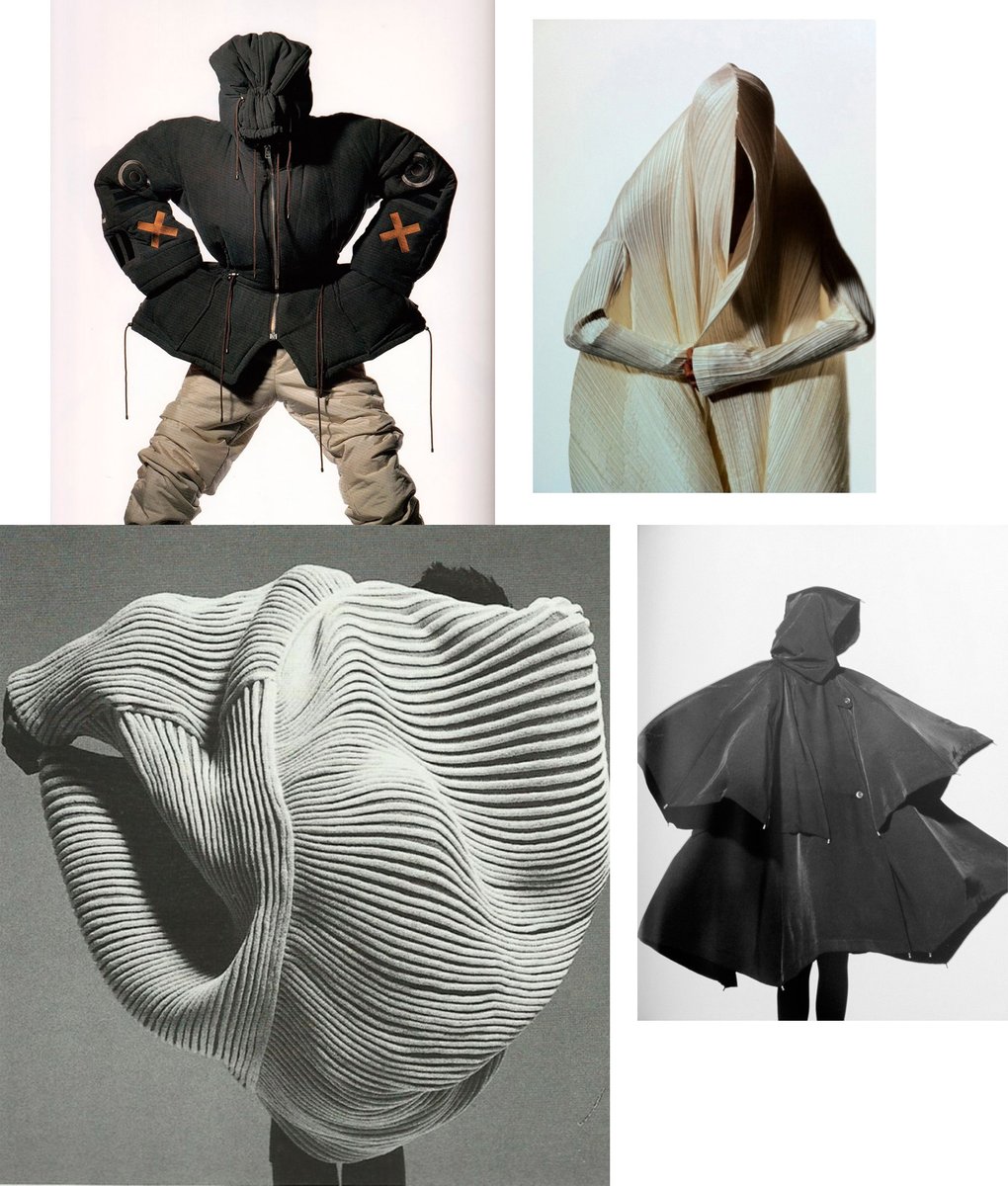
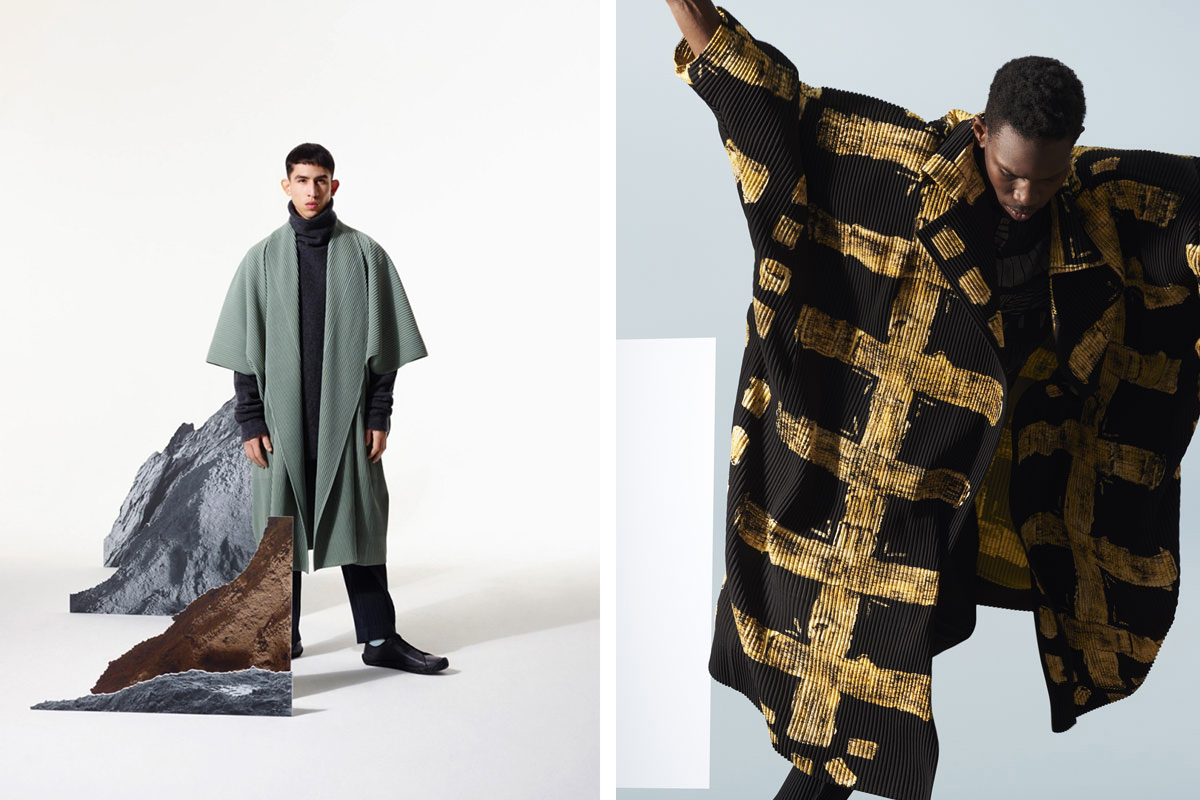
What makes a style recognisable as avant-garde? Some designers opt for exaggeration, others deconstruction. For many Asian designers, it’s non-corporealism, ie. The concealment of the body to produce sculptural silhouettes. My favourite example of this is the trapeze. 👇 Image
Image
Image
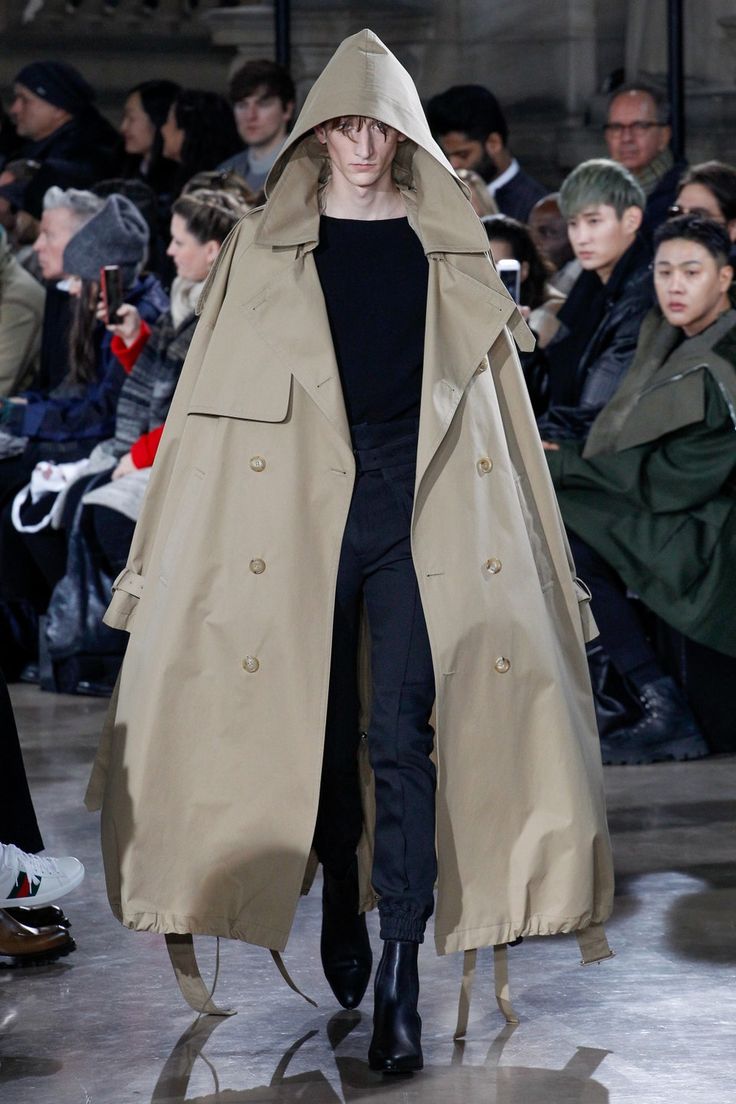
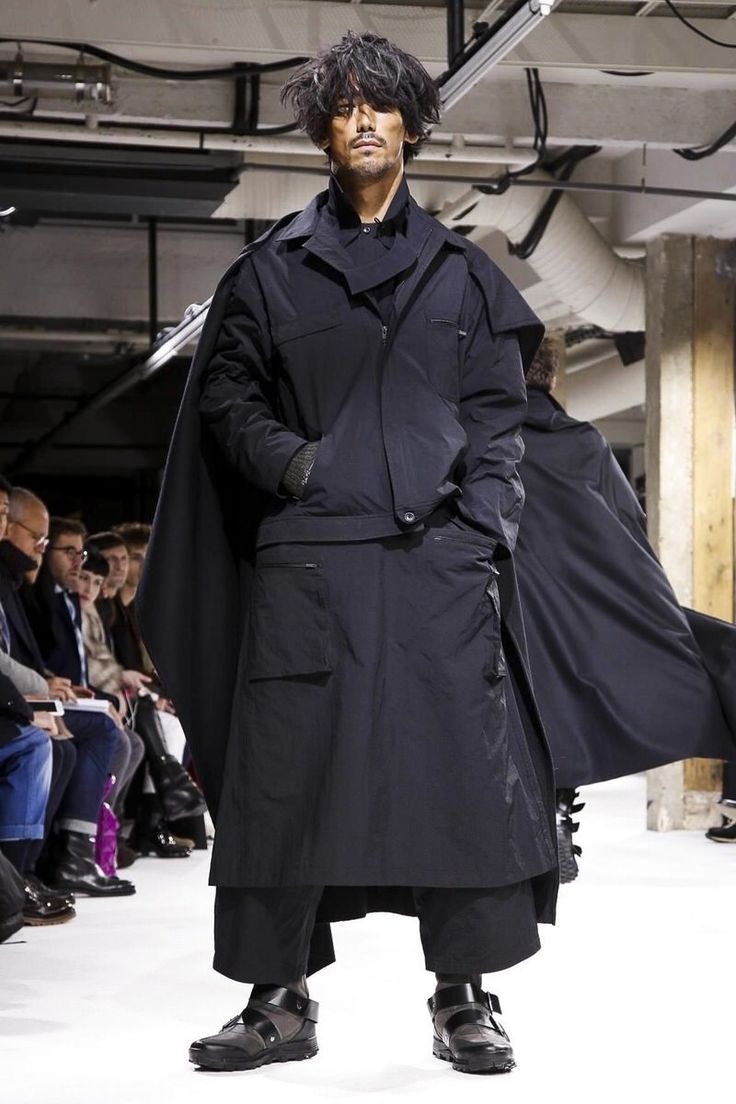
What is the trapeze silhouette? It is characterised by a triangular shape without a discernible waistline; the antithesis of conventional European dress sensibility. Image
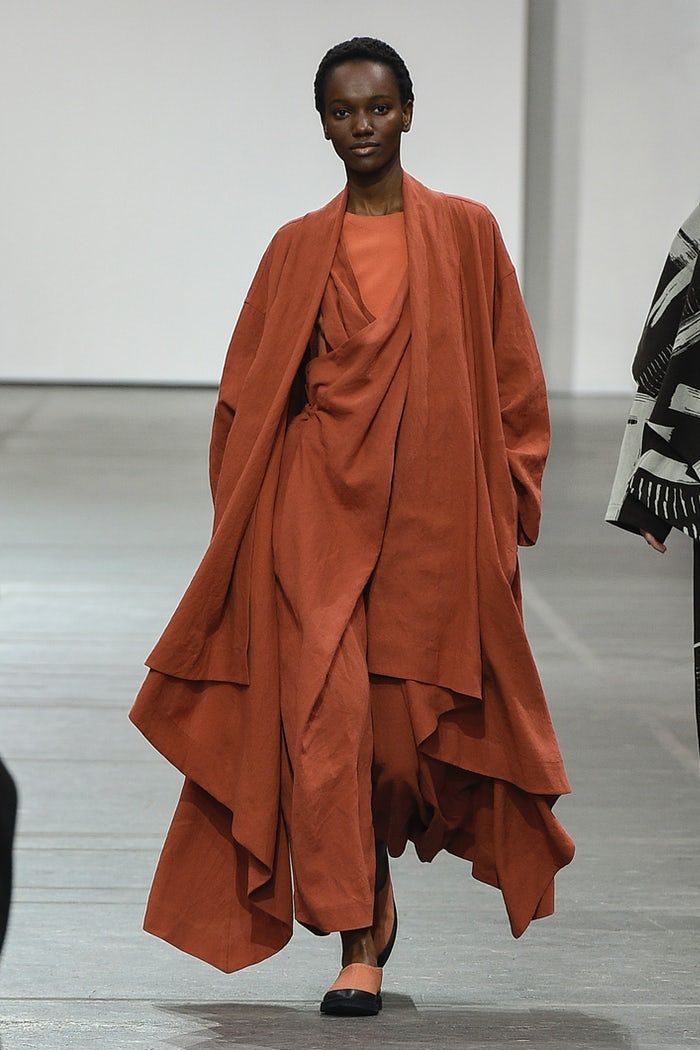
Image
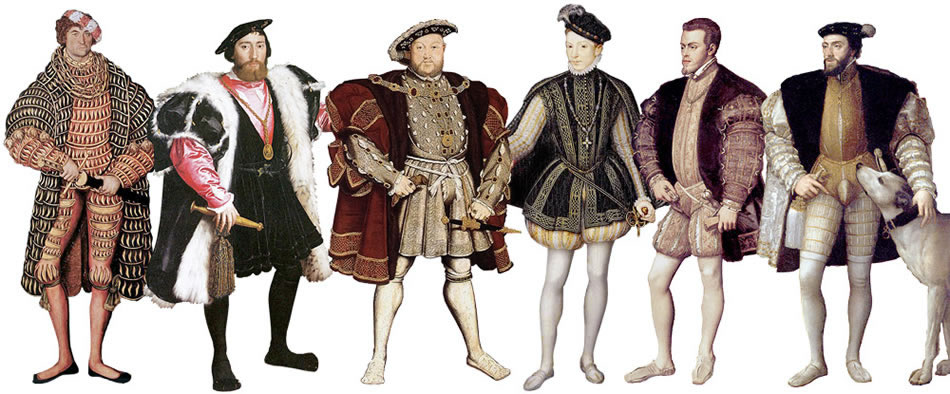
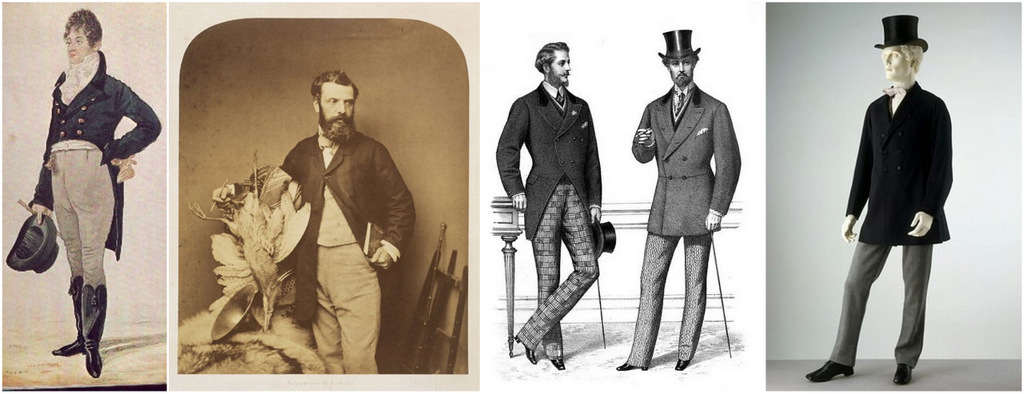
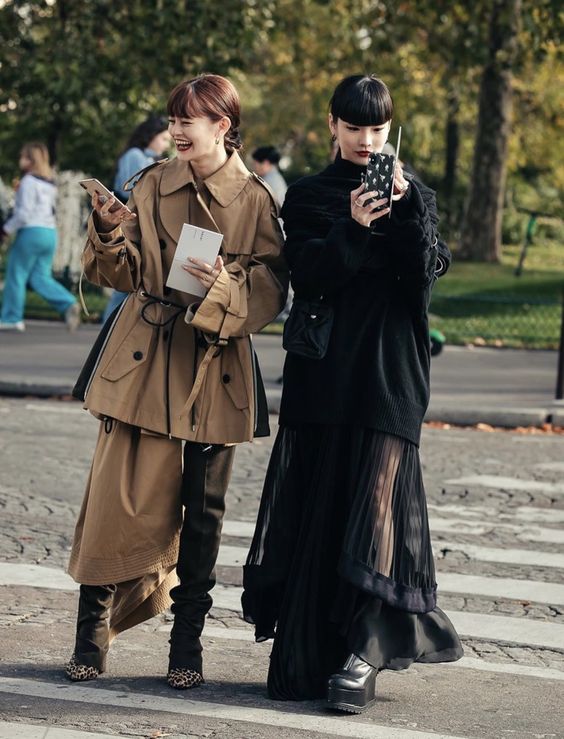
European dress throughout history highlights, imitates, amplifies and constricts the shape of the body, often focusing on biological differences between sexes. Image
Image
Image
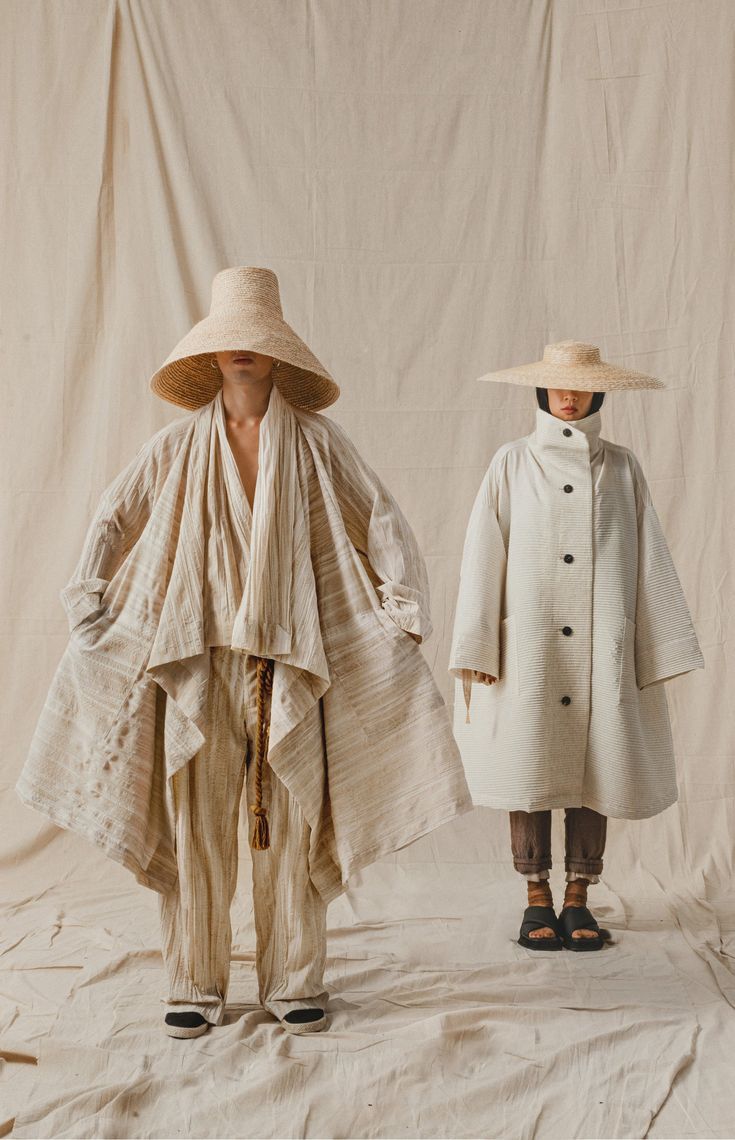
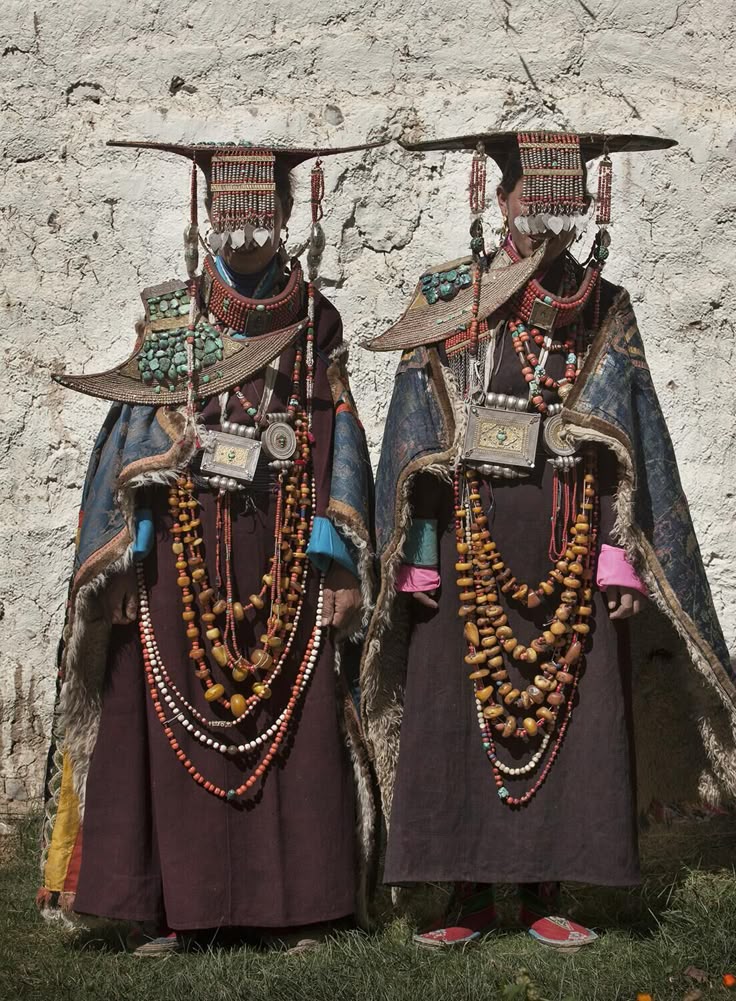
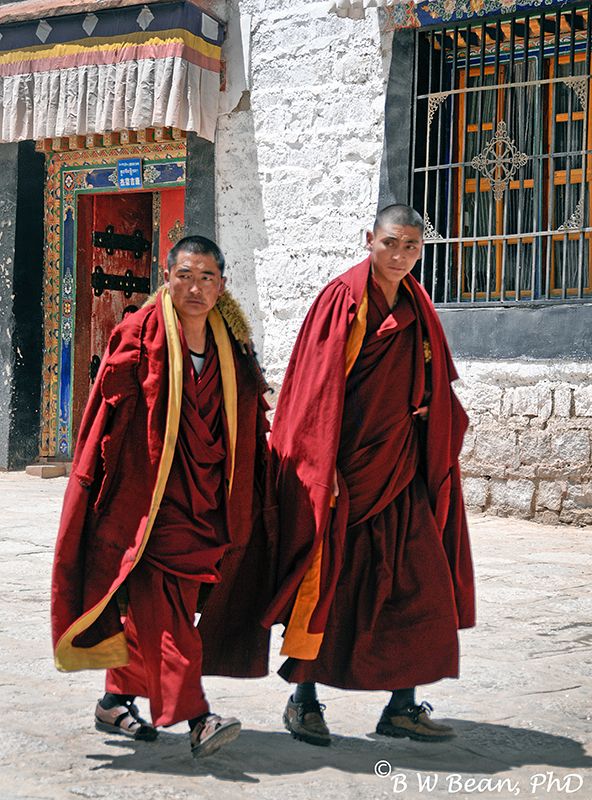
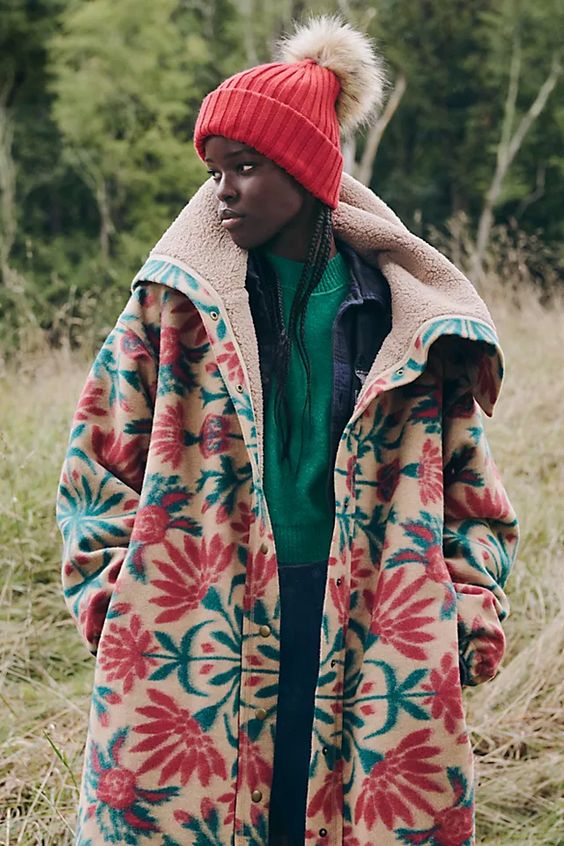
In contrast, many Near and Far Eastern traditional dress emphasizes drape, layering and volume, with gender demarcation placed not on the shape of the body, but on ornamentation. They are rich sources of inspiration for designers who are more interested in the unorthodox. Image
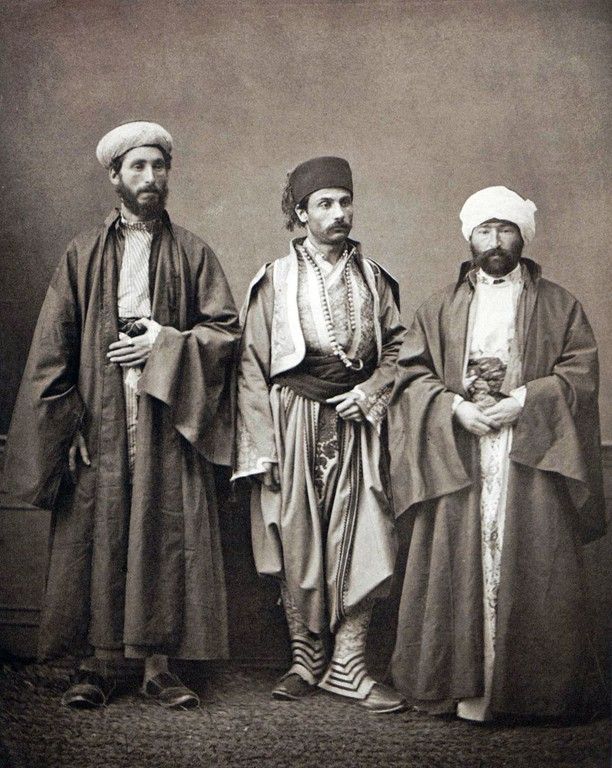
Image
Image
Image
A notable exception was Cristobal Balenciaga who redefined womenswear silhouette. He eschewed waist-defining shapes to create dresses that defied gravity. His sculptural shapes and long clean lines have inspired modern designers such as The Row and Rick Owens. Image
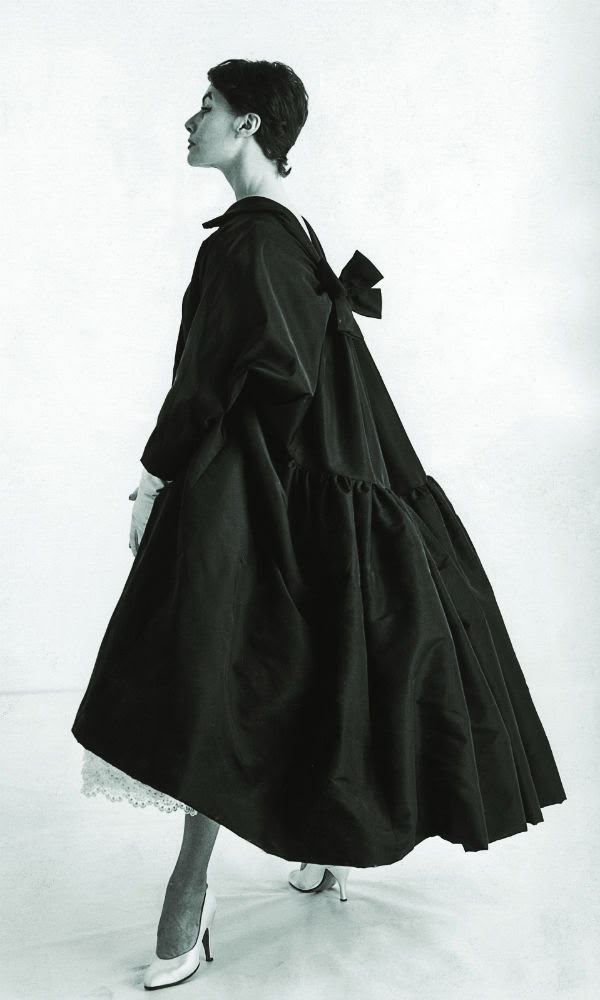
Image
Image
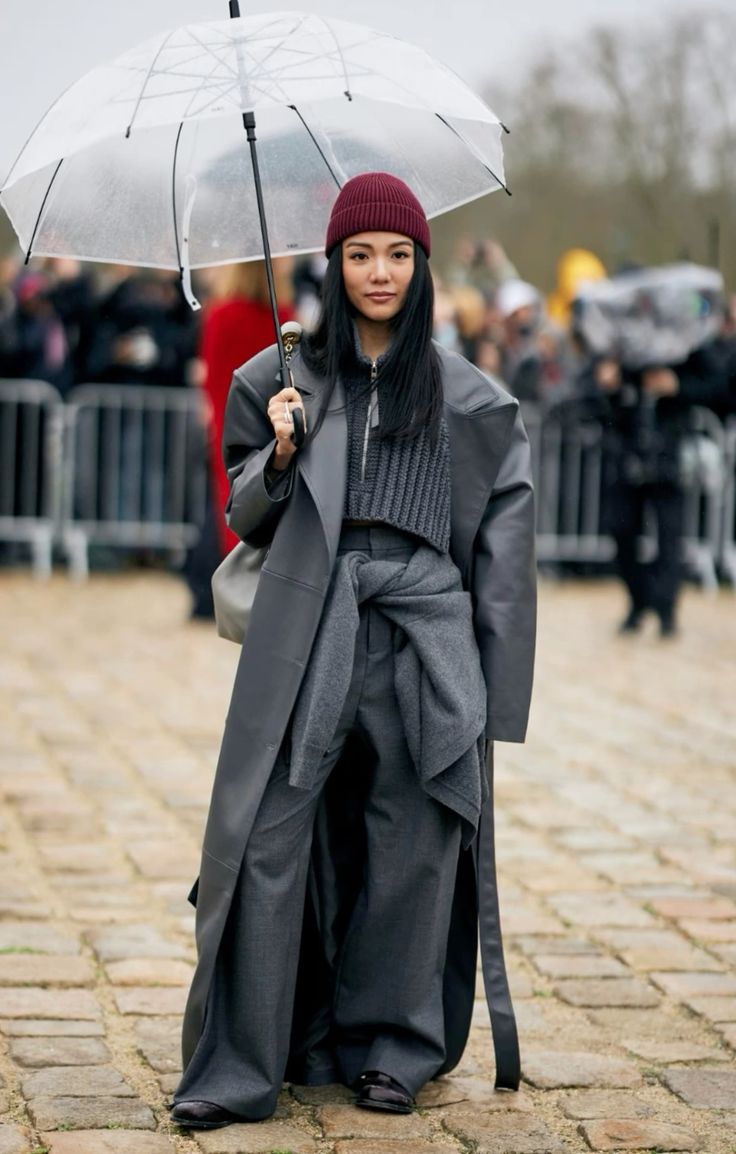
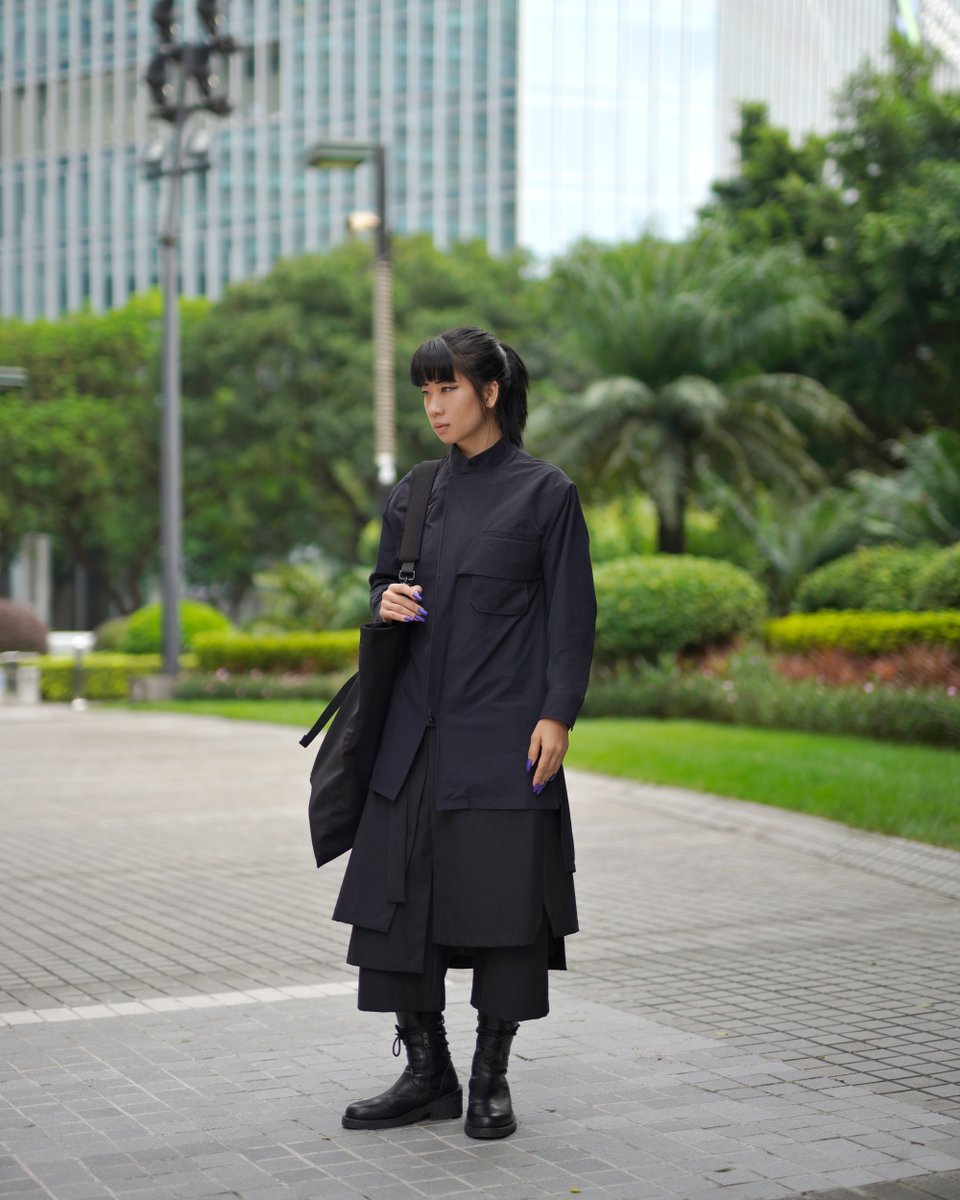
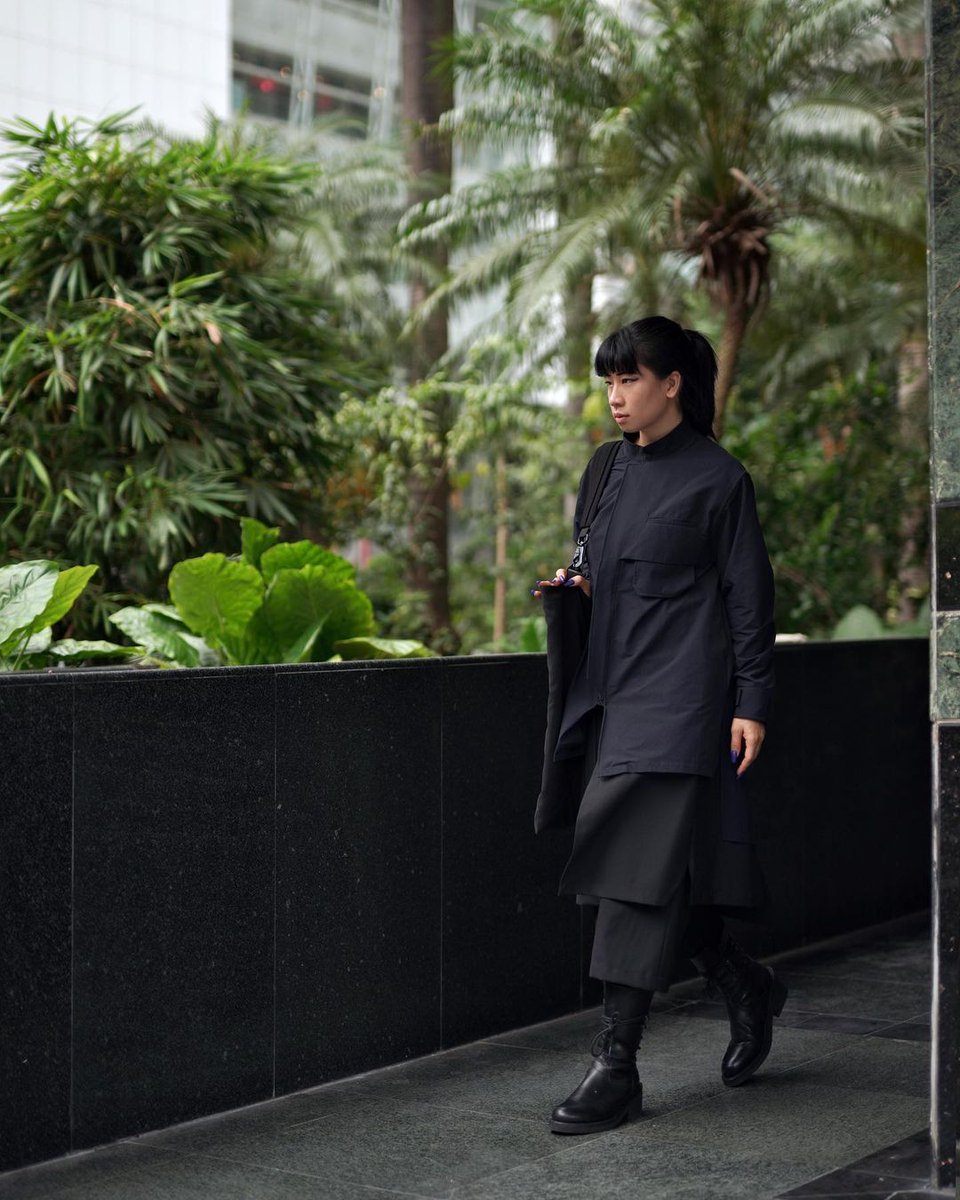
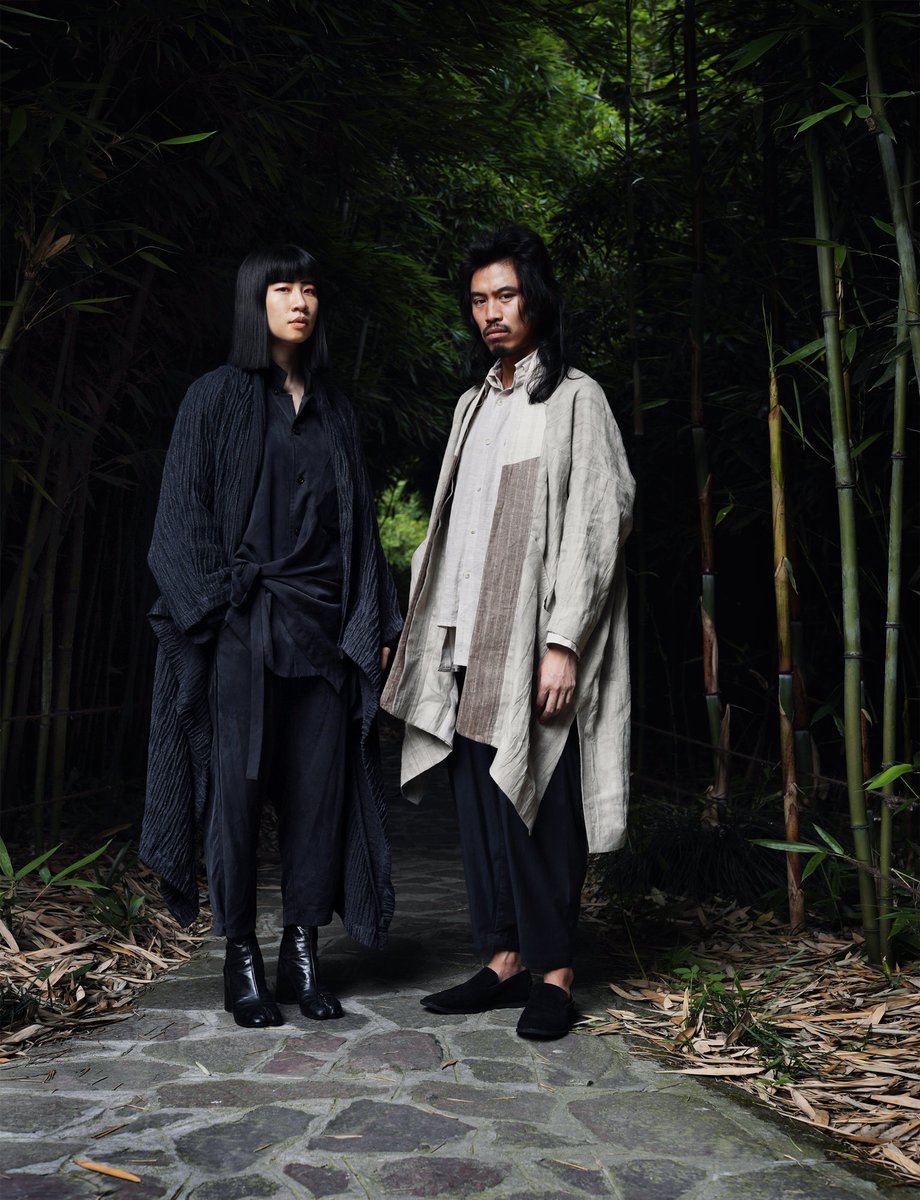
The trapeze silhouette can be genderless to a large degree. The body is erased, leaving the focus on the garments, layers and textures. One becomes a walking canvas showcasing beautiful fabrics and pattern-making; works of art that celebrate artisans and workers. Image
Image
Image
The trapeze silhouette can be either structured or soft, mostly determined by the fabrics. Structured fabrics tend to form an architectural shape, while drapey fabrics cascade and fold downwards.

Here's an example of the same coat made with two different fabrics. Image
Image
Length vis-à-vis volume matters too. The shorter and wider the hem, the more child-like the overall appearance. Image
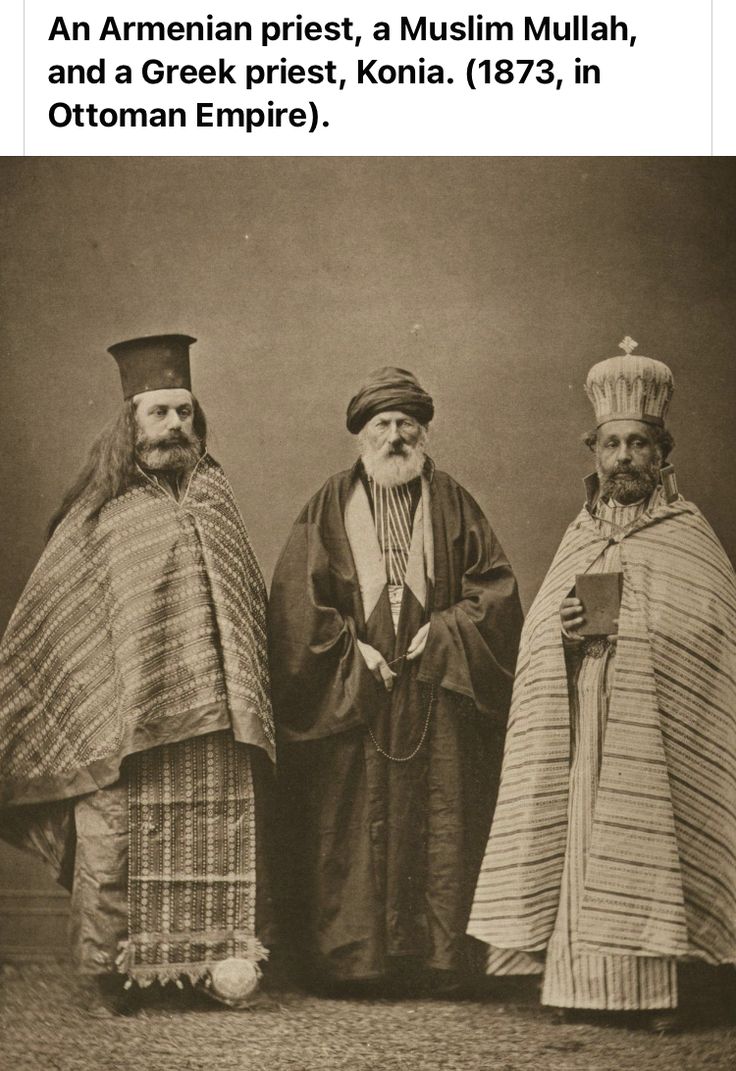
A longer length that flares out gently exudes a stately elegance, reminiscent of the historical ruling class and religious leaders of Asia. Image
Image
Image
Image
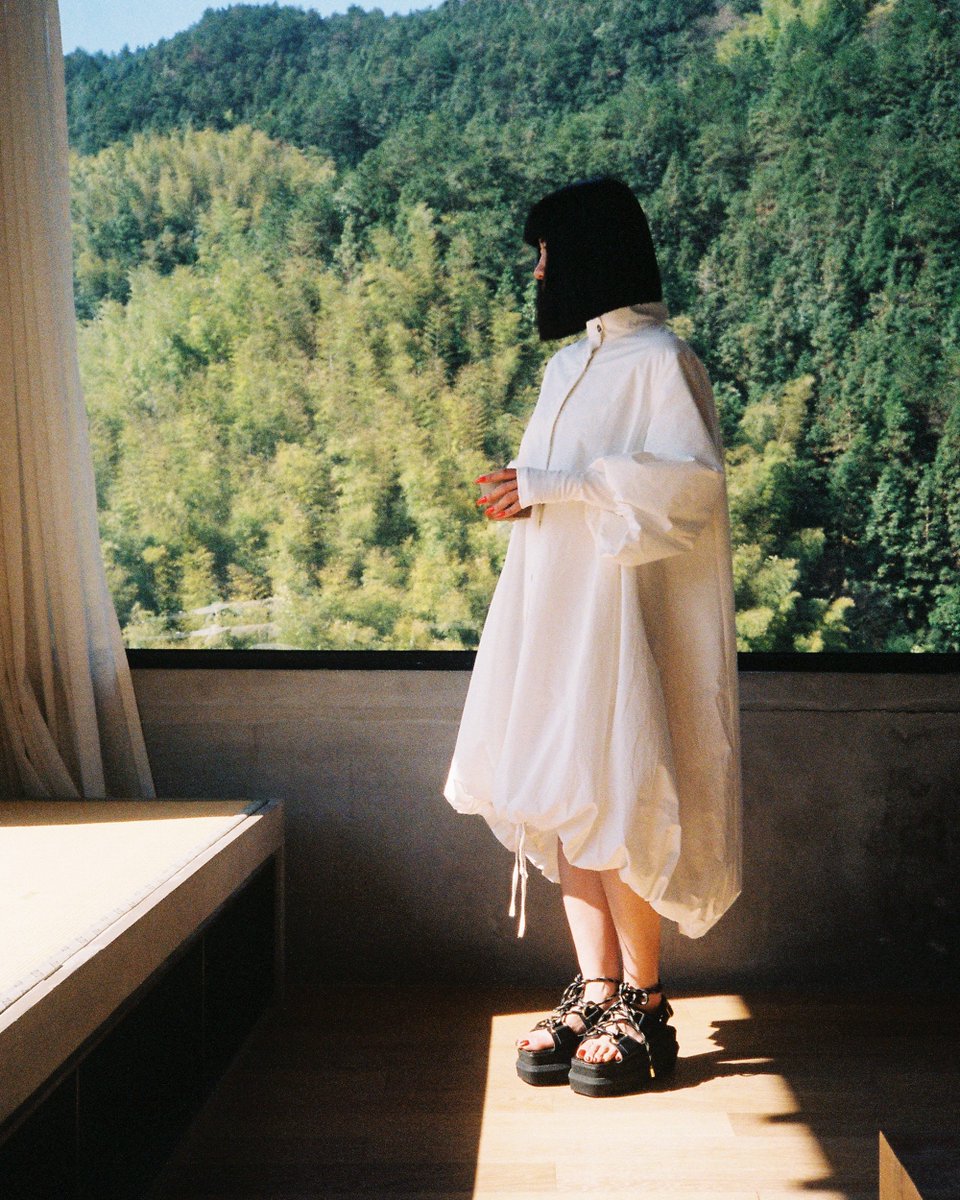
Women who are hesitant on layering can either experiment with a single piece, such as a dress, or focus on strategic exposure, like a hint of the neckline or waist underneath an outer layer. Image
Image
Men tend to have an easier time adopting this style as they are not mired in the unspoken rule of having to expose their waistline. The balancing act that should be considered rests between drape and structure, in order to not over-exaggerate the silhouette. Image
Image
The trapeze silhouette is forgiving on all body types; it does not discriminate against age, height, fat distribution, or musculature. When done correctly, it can be whimsical and architectural, or mysterious and regal. Image
Image
Image
Image

• • •

Missing some Tweet in this thread? You can try to force a refresh

 

Keep Current with Gracia Ventus

Gracia Ventus Profile picture

Stay in touch and get notified when new unrolls are available from this author!

Read all threads

This Thread may be Removed Anytime!

PDF

Twitter may remove this content at anytime! Save it as PDF for later use!

Try unrolling a thread yourself!

how to unroll video
  1. Follow @ThreadReaderApp to mention us!

  2. From a Twitter thread mention us with a keyword "unroll"
@threadreaderapp unroll

Practice here first or read more on our help page!

More from @the_rosenrot

Feb 4, 2025
If you are an ambitious fashion designer interested in making clothes beyond printed tees and hoodies, but have little capital and no industry connection, I have one advice for you. Consider setting up operations in China.

To pre-face: I came to Shanghai nine years ago. With no friends, family, work or local connections, the thought of starting a fashion brand had never crossed my mind. Within a few months I noticed the opportunity for an independent actor like me, with no funding, to make clothes from the ground up.

I set up my company in 2017 when I was in my late 20s. I did not need a local partner nor put down any investment. This opportunity arose due to the combination of factors that are unique to China.Image
1. Abundance of Jobbers, Textile Retailers and Textile Factories with Low or Zero MOQ

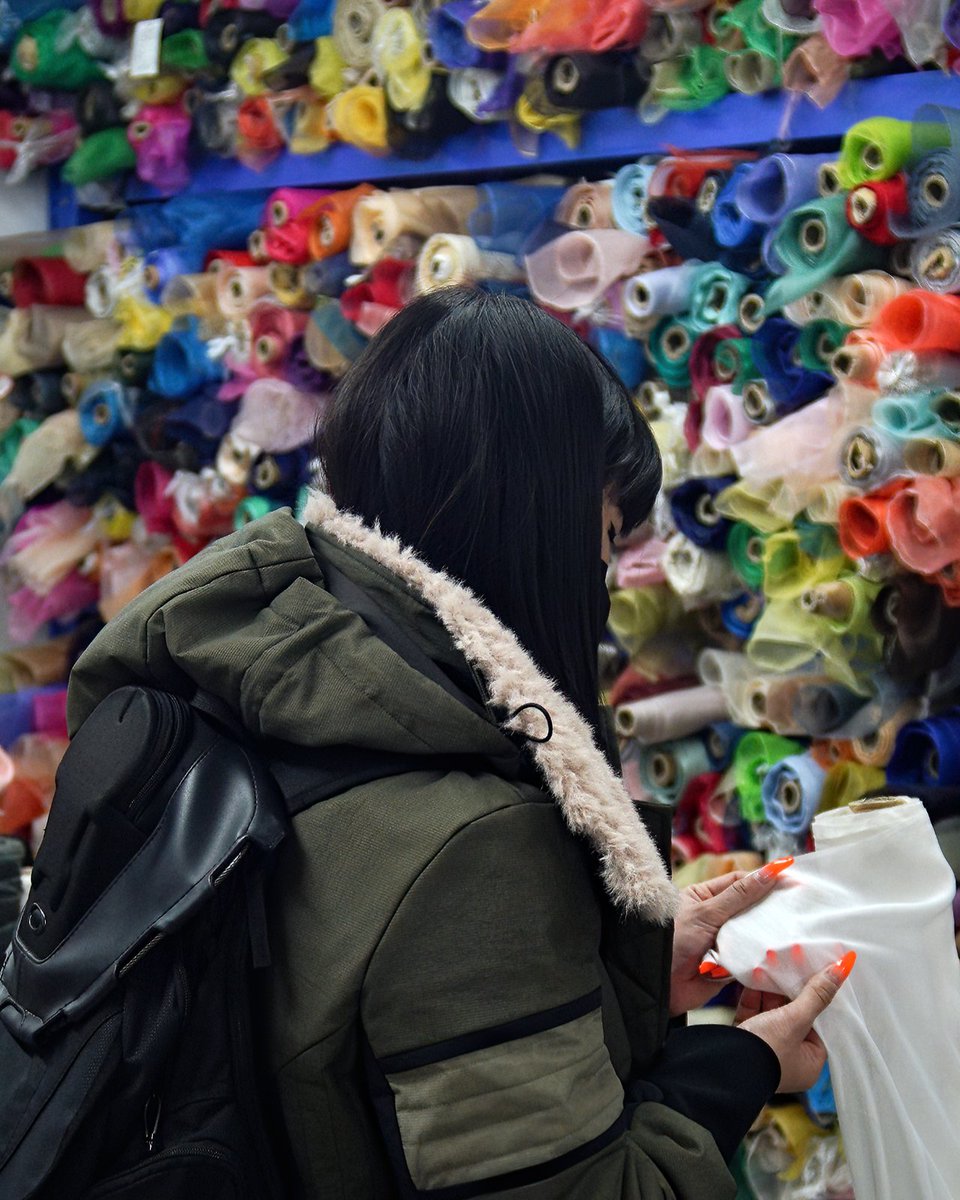
Fledgling designers can find endless supply of beautiful imported and local fabrics for sampling and production that can be cut by the yardage. Whether it’s Japanese wool, Italian cashmere, Chinese silks or quirky fast-fashion experiments from Korea, jobbers provide the solution for those who are just starting out, bypassing the need to order large MOQs from textile factories

In the last few years, textile retailers are also growing in numbers; offering beautiful fabrics from local factories - or their in-house designs - directly to the consumers with no minimum quantity.

Increasingly, there are now many textile factories that keep an inventory of their samples in order to cater to smaller orders. The same can be said for trims, hardware and accessories. Gone are the days when only large businesses can have access to the best materials.Image
2. Prevalence of Freelance Professionals and Vertically-integrated Manufacturing Studios

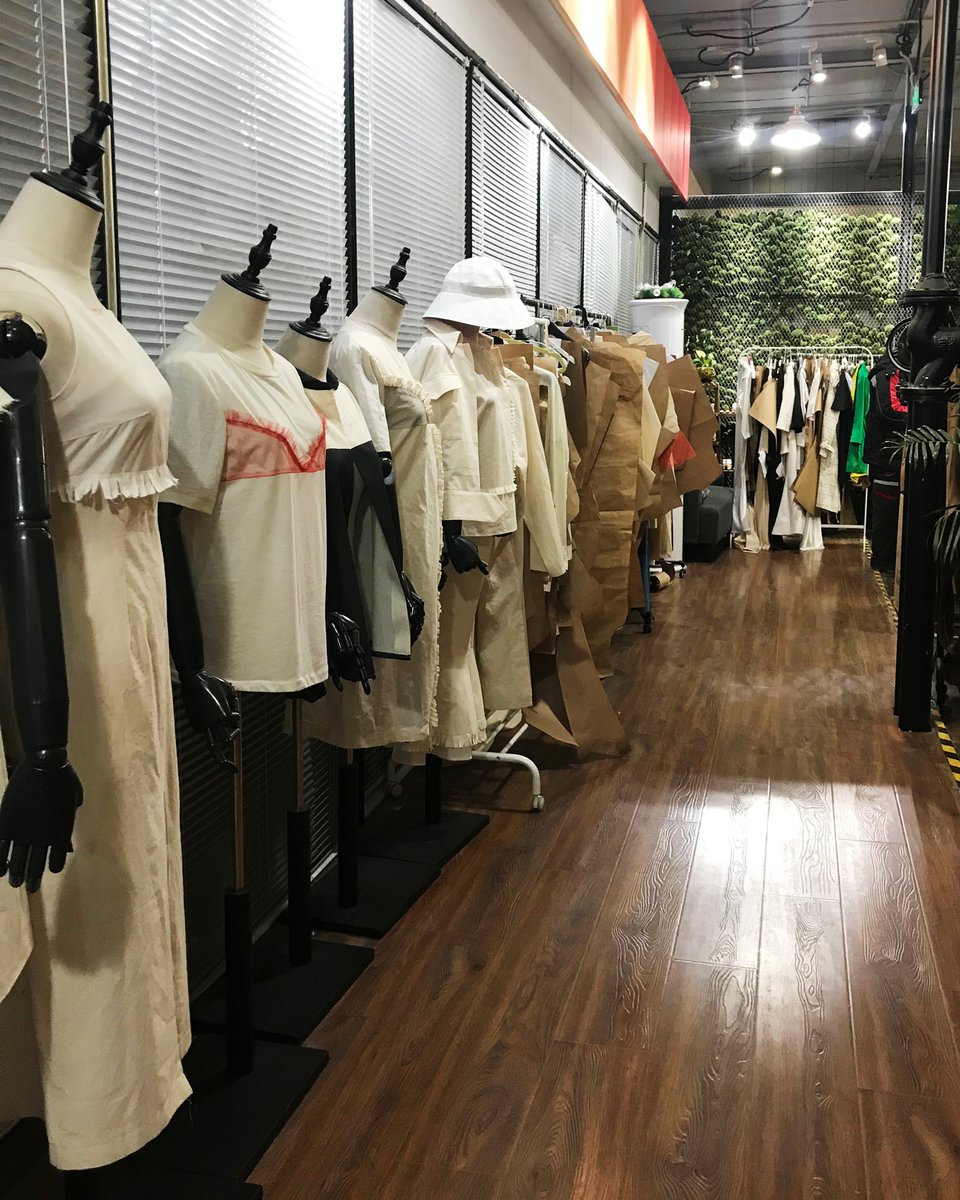
Freelance pattern-makers, technical designers, sample machinists and skilled tailors can be found in many industrial and metropolitan cities, owing to the size of garment manufacturing industry in China. Designers can bypass the conventional route of engaging with the sampling departments of factories. There are also studios that offer production services from prototyping to finished product - inclusive of pattern-making, sampling and low quantity production.

Not needing to invest a large batch of products reduces waste and frees up capital allocation for other operational costs. Not only that, those who are just starting out can depend on professionals with years of experience to guide them in product development.

As long as you have an idea, there is always someone who is willing to make it for you. The hard work lies in finding the expertise that is relevant to your needs, and building a good relationship with the people you work with.Image
Read 9 tweets
Aug 27, 2024
Fall is almost here; soon we may swath ourselves in layers of fabrics. If you are a woman under 5’5/165cm who is a fan of the experimental layered look but are afraid of looking like a walking bolt of cloth, I might have a few suggestions for you.

Image
Image
Image
Keep your jawline prominent. Your outermost layer should have a collar that either splays open or is large enough to stand upright. This way it'll draw the chunky fabric away from your neck towards the shoulders, chest, or back of the head.


Image
Image
Image
Image
Skip the extra-long sleeves trend. Keep your hands visible, and stress on the slimness of your wrists with wider cuffs.

Add a visual interest by wearing tight-fitting arm warmers or sleeves with thumbholes under wide cuffs. Doing so will further accentuate the slim proportion of your hands vis-à-vis a voluminous silhouette.Image
Image
Image
Image
Read 7 tweets
Jun 25, 2024
Living in a Chinese city that gets up to 40°C in summer, & often travelling to Southeast Asia, I do have some suggestions on non-conventional, androgynous-leaning summer wear.

I will list a few of them with details of cuts and fabrics, as well as locations to provide context.

Image
Image
Locations: Guangzhou, Jakarta, Shanghai

The hakama have been my go-to summer trousers for many years. The voluminous cut allows for air flow between the body and the garment while looking regal in motion.


Image
Image
Image
Image
Location: Singapore

Though temperatures hovered around 30°C, it was still possible to wear a lightweight overshirt. The key is to choose an interesting summer fabric such as crinkled cotton, hemp or nylon taslan. One of my personal favourites is silk-cotton faille.

Image
Image
Image
Read 11 tweets
May 21, 2024
One of the key defining factors to my design approach is androgyny. My approach to androgyny isn't about wearing what is conventionally donned by the opposite sex.

My approach stems from significant reduction or elimination of aesthetic differences between genders via clothing.


Image
Image
Image
Image
Features such as shoulder definition, bust, rear, waist-to-hip ratio, waist position in relation to height are de-emphasised or hidden.
Instead, the focus falls on achieving sculptural silhouettes, or beautiful drapes, aided by visual elements such as textures and colours.


Image
Image
Image
Image
To sculpt a non-corporeal silhouette, one must utilise emptiness. Issey Miyake was perhaps the first to articulate the concept of 'space between the clothes and the body' to facilitate work and play. It was an allusion to Ma (間), a philosophy that guides the use of intervals.


Image
Image
Read 7 tweets

Did Thread Reader help you today?

Support us! We are indie developers!


This site is made by just two indie developers on a laptop doing marketing, support and development! Read more about the story.

Become a Premium Member ($3/month or $30/year) and get exclusive features!

Become Premium

Don't want to be a Premium member but still want to support us?

Make a small donation by buying us coffee ($5) or help with server cost ($10)

Donate via Paypal

Or Donate anonymously using crypto!

Ethereum

0xfe58350B80634f60Fa6Dc149a72b4DFbc17D341E copy

Bitcoin

3ATGMxNzCUFzxpMCHL5sWSt4DVtS8UqXpi copy

Thank you for your support!

Follow Us!

:(