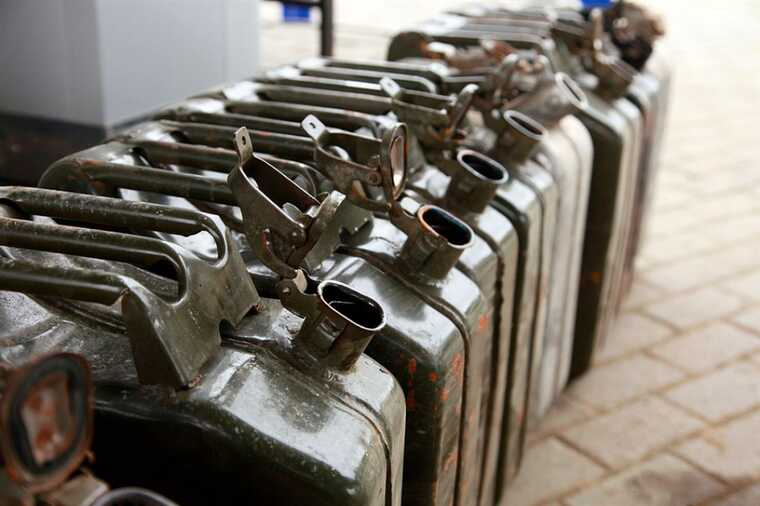
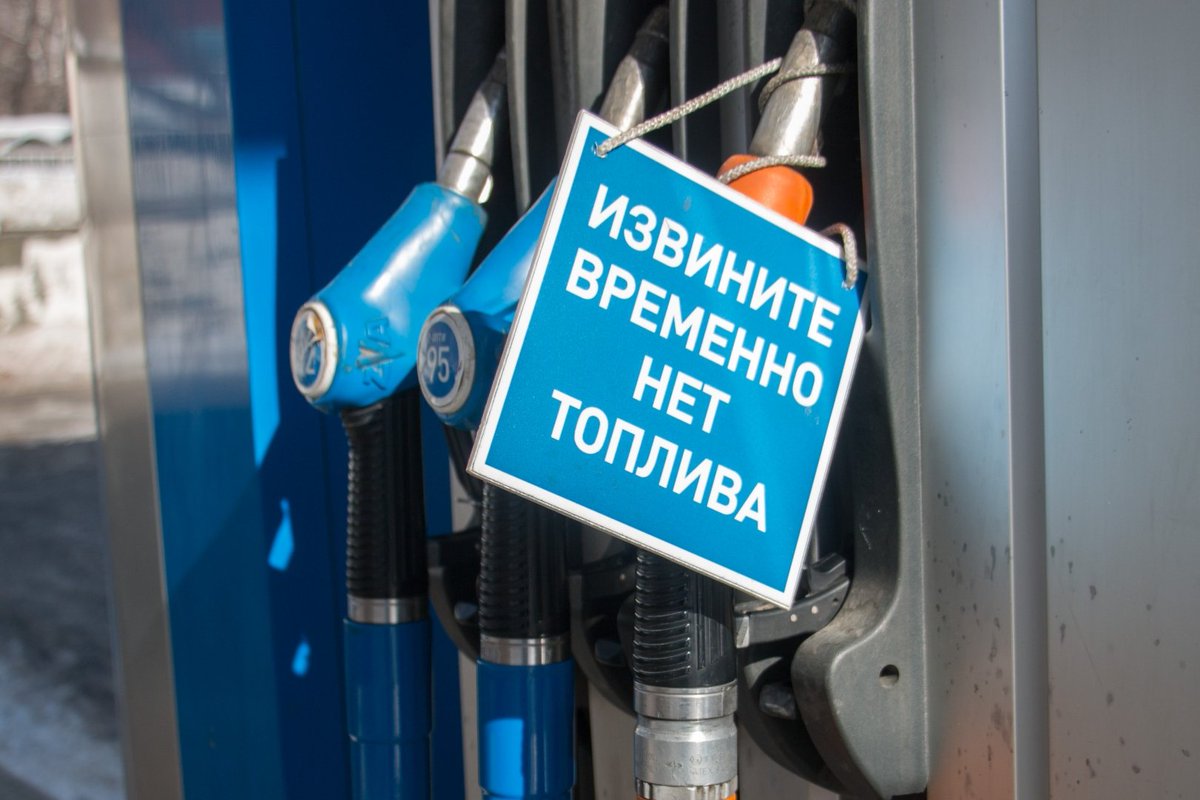
The Russian army is facing a gasoline shortage in the occupied regions of Ukraine. About two weeks ago, a shortage of gasoline at gas stations began, and sales to private individuals were restricted. However, the Russian army in these areas often uses civilian gas stations,
1/10
frequently even refueling at its own expense. The reason is constant Ukrainian strikes on logistics. When a fuel truck arrives at the rear, a rush and crowd form, which Ukrainian reconnaissance drones detect and coordinate strikes on. On top of this, there are frequent cases
2/10
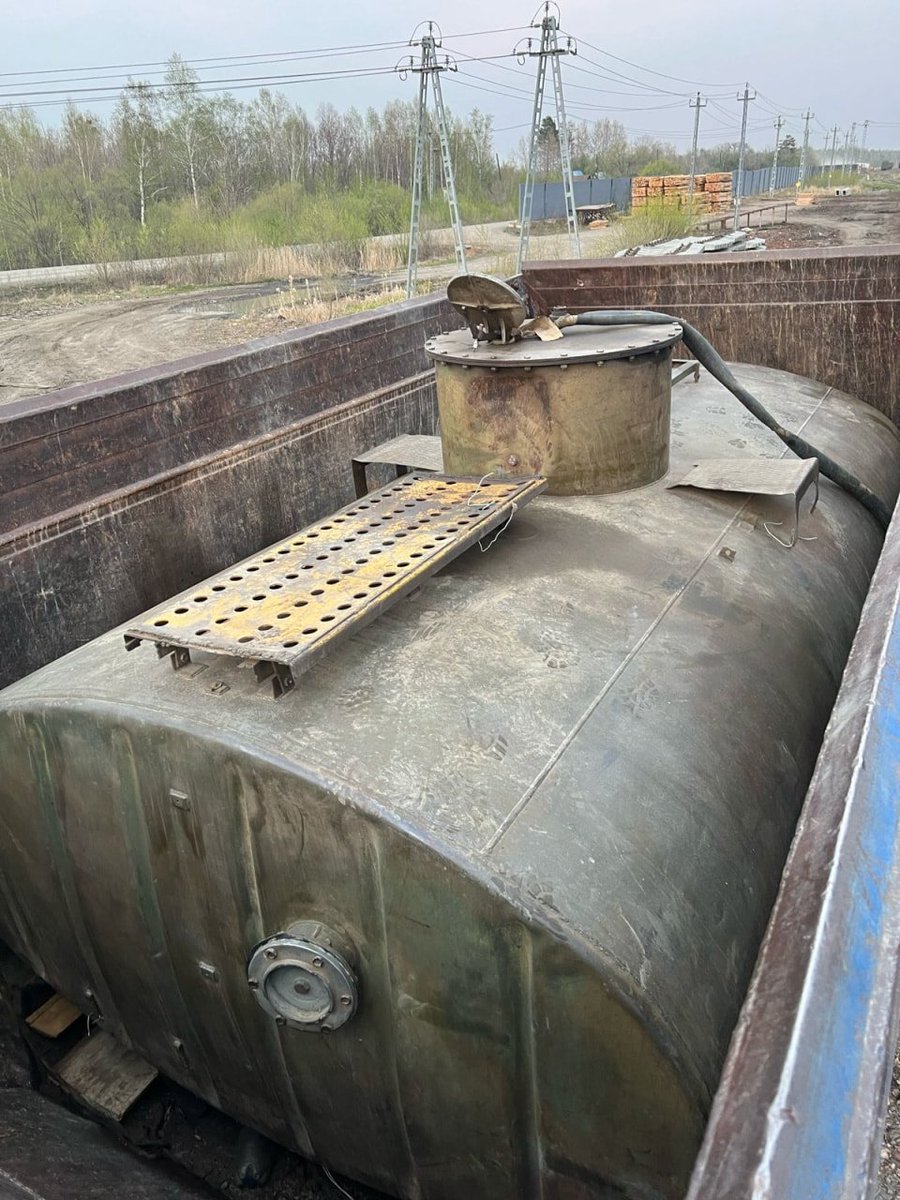
of fuel theft and resale on the black market. Resellers take advantage of the gasoline shortage and sell “under the table” for more than 200 rubles per liter, while the usual price at gas stations is 60–70 rubles per liter. The occupation authorities happily integrated into
3/10
the system of fuel theft and resale, and the situation is only worsening. A diesel fuel shortage has emerged, even though everyone thought there was enough diesel and problems should not arise. Starting in the distant regions, the fuel crisis has already reached Moscow.
4/10
This is a good trend. The faster the center is paralyzed, the higher the chance of stopping the entire Russian military machine. As has been said many times, Ukraine strikes at the most vulnerable spot and will continue to do so. Russian dissatisfaction with how the “special
5/10
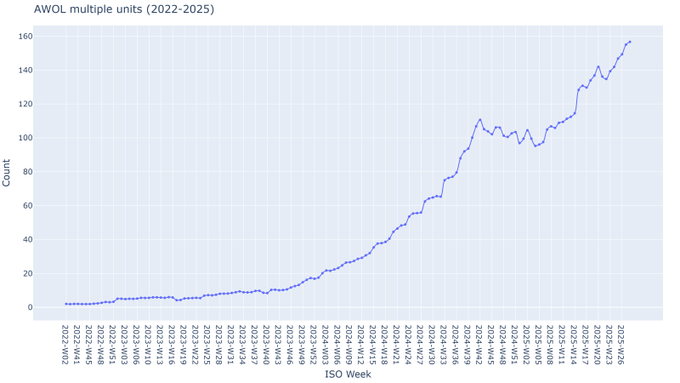
military operation” is going is growing. First of all, on the front - Tatarigami published an excellent thread analyzing the increasing cases of desertion in the Russian army. This is not directly related to the fuel crisis, but it is another indicator that the war is going
6/10
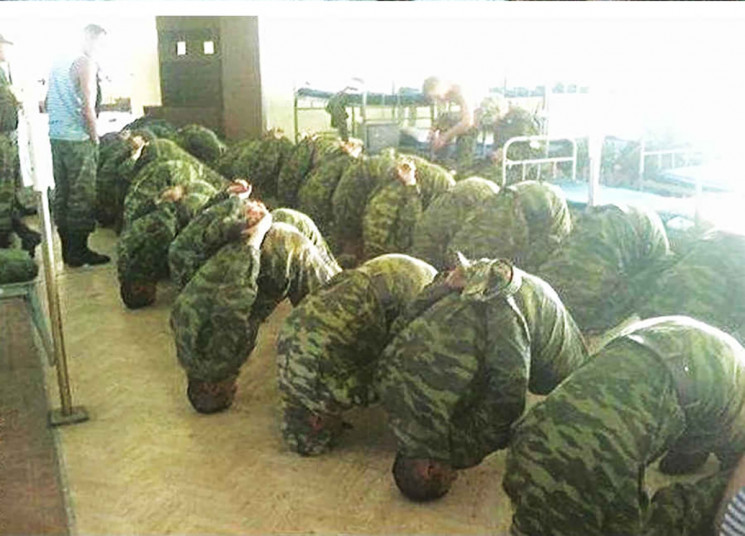
completely off plan for Russia. Russians always have a big problem in that they are willing to endure humiliation and torture to the last. They have no concept of civil society; they do not take to the streets in protest, and if they do, they are unable to truly unite with
7/10
a force that authorities would have to reckon with. But Russians care greatly about the false sense of greatness - that their country is the coolest in the world. It is important for them that everyone fears and respects them, and above all, that they have a strong leader.
8/10
When they realize that they have been terribly deceived in this and have received a severe beating from the Ukrainians, who, without nuclear weapons, a fleet, or aviation, managed to halve and block the Black Sea Fleet, destroy half of Russia’s strategic aviation,
9/10
and deprive the country of fuel - then some action from the Russians may be expected. The Russian army is losing fuel and personnel, and this process is accelerating. It is far from over, but it is rapidly approaching.
10/10
• • •
Missing some Tweet in this thread? You can try to
force a refresh

The defeat of Viktor Orban in the Hungarian elections, after he was strongly backed by Donald Trump and US Vice President JD Vance, has become a turning point for Europe’s far right. According to Politico, many ultra-right parties are now distancing themselves from Trump,
🧵
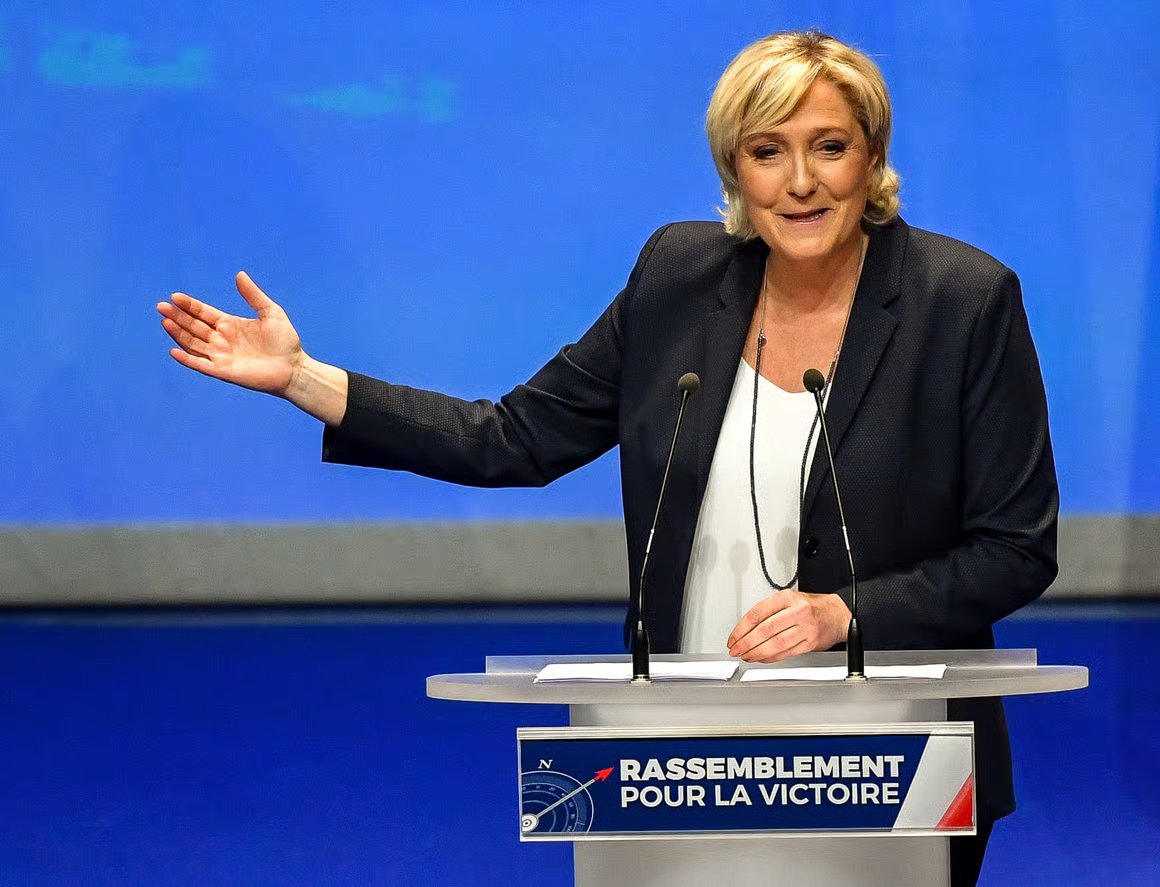
as his increasingly aggressive stance toward Europe and the new war in the Middle East has made him politically costly. It is becoming clear that closeness to him can damage electoral prospects. “We need to keep our distance from him,” Marine Le Pen told members of her party
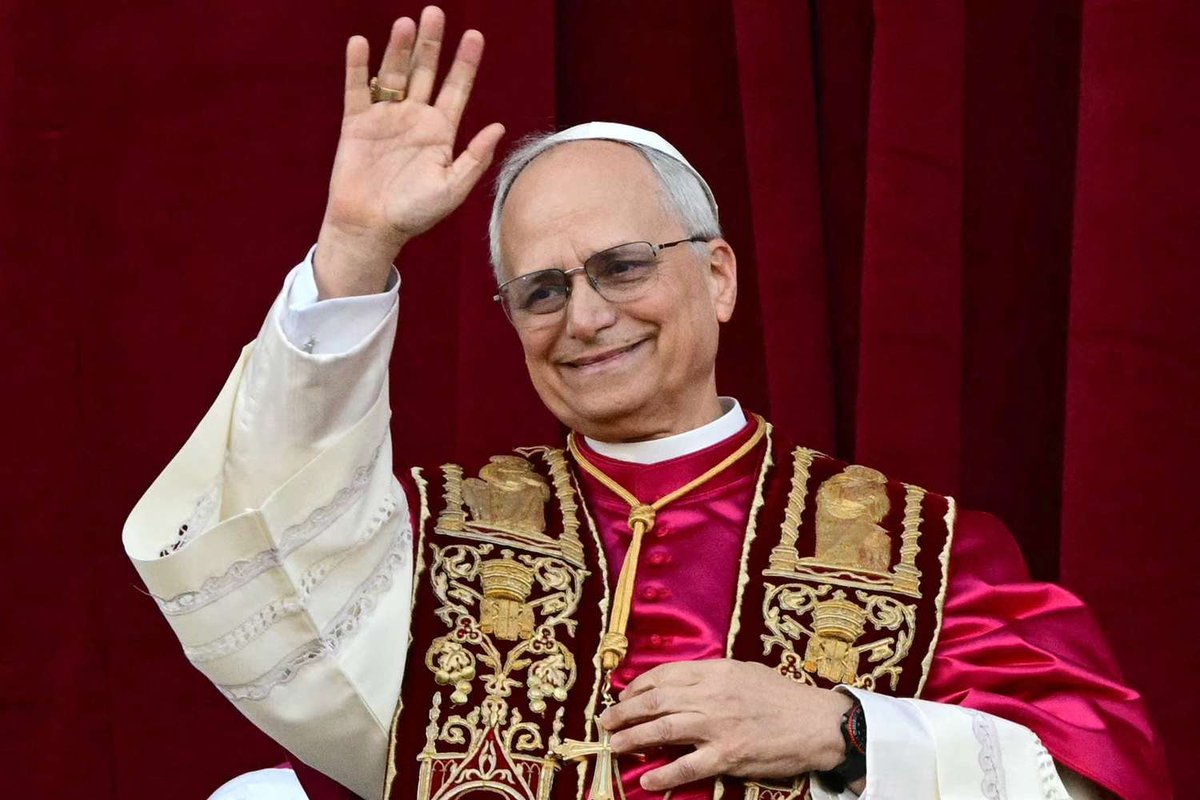
at a National Rally meeting, according to a senior party official present. A further factor has been Trump’s attack on Pope Leo XIV. Italian Prime Minister Giorgia Meloni had been one of the last European leaders trying to maintain good relations with Trump, but reportedly
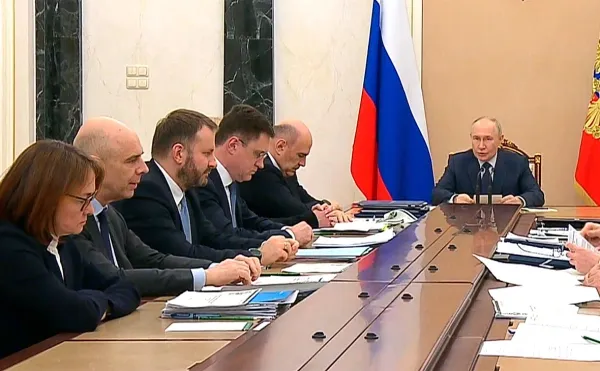
russian President Vladimir Putin demanded that the government and the Central Bank explain why economic indicators are falling short of forecasts and again called for measures to restore growth, noting that GDP has been declining for two consecutive months. After slowing
🧵
sharply to about 1% growth in 2025 due to weak domestic demand, high borrowing costs, and expanded Western sanctions, the economy has now shifted into contraction, shrinking by around 1.8% over the first two months of the year. The Ministry of Economic Development initially
attributed the decline to a calendar effect, citing fewer working days compared to the same period last year, but Putin dismissed this as insufficient and asked officials to explain why actual data is worse than their own projections. Speaking to senior economic officials,
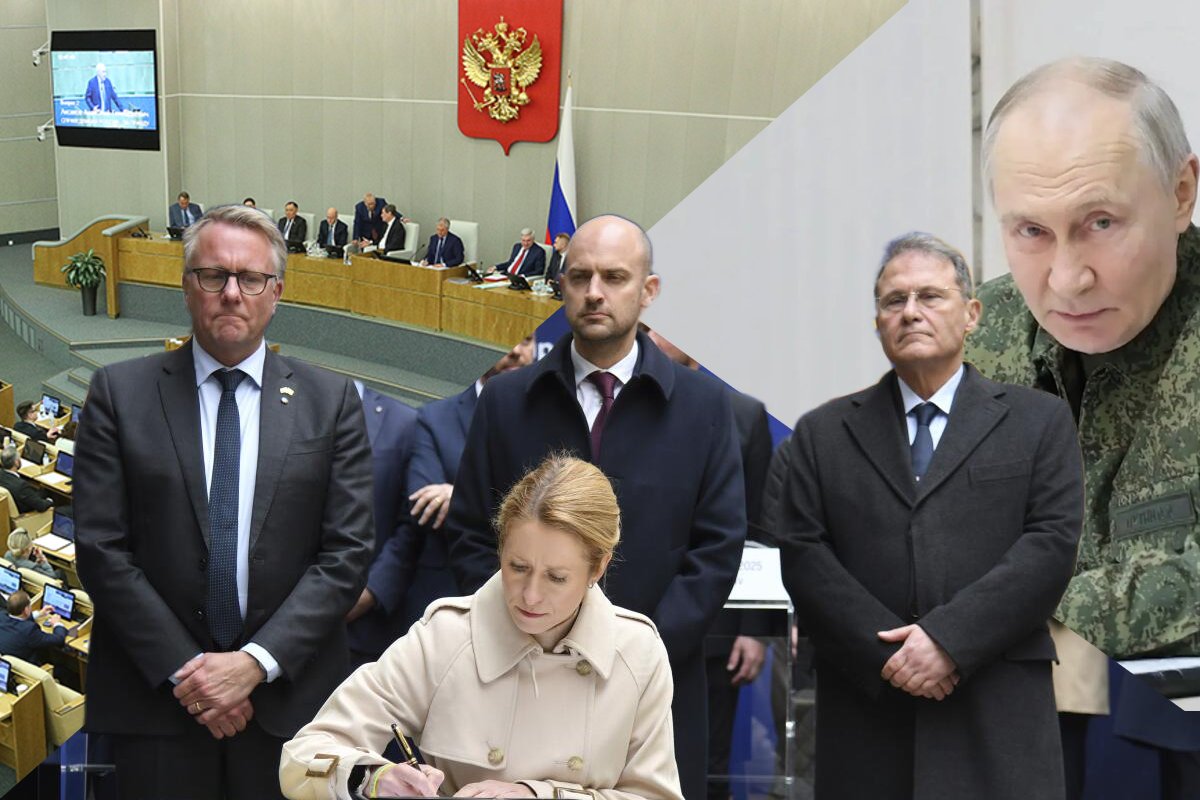
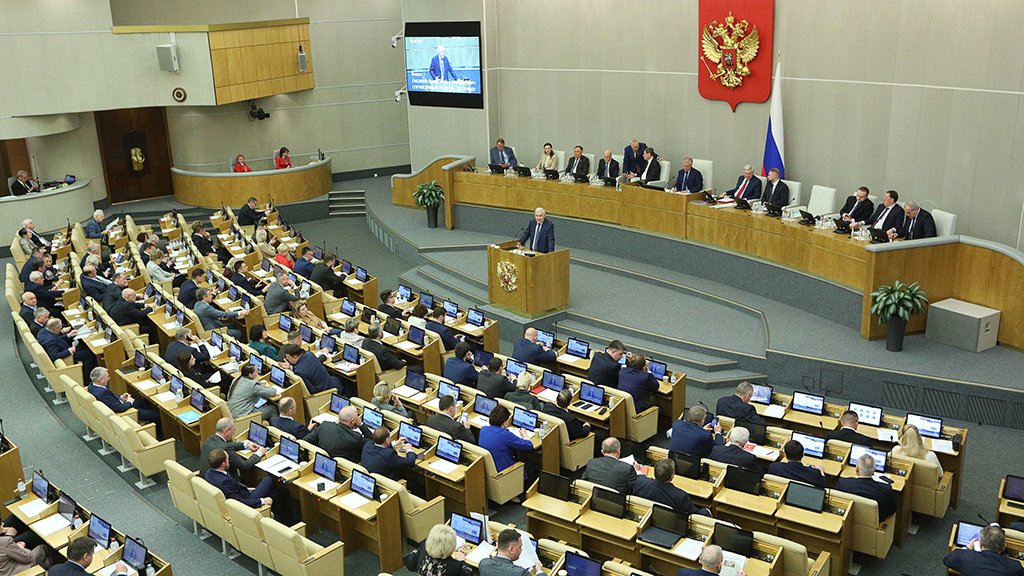
The State Duma has approved in the first reading a bill expanding the powers of the President of russia to deploy troops abroad to “protect the rights of russian citizens.” According to the government proposal, Vladimir Putin would be able to use the military in response
🧵
to the arrest, detention, or prosecution of russians in foreign countries, including decisions made by courts and international bodies that russia does not recognize. The president already has authority to send troops abroad under the law “On Security,” particularly if actions
by other states or institutions are seen as contradicting russia’s interests or public order. The new bill comes amid growing warnings from NATO and European intelligence agencies about a potential conflict involving russia and alliance members. In 2025, Germany’s BND warned
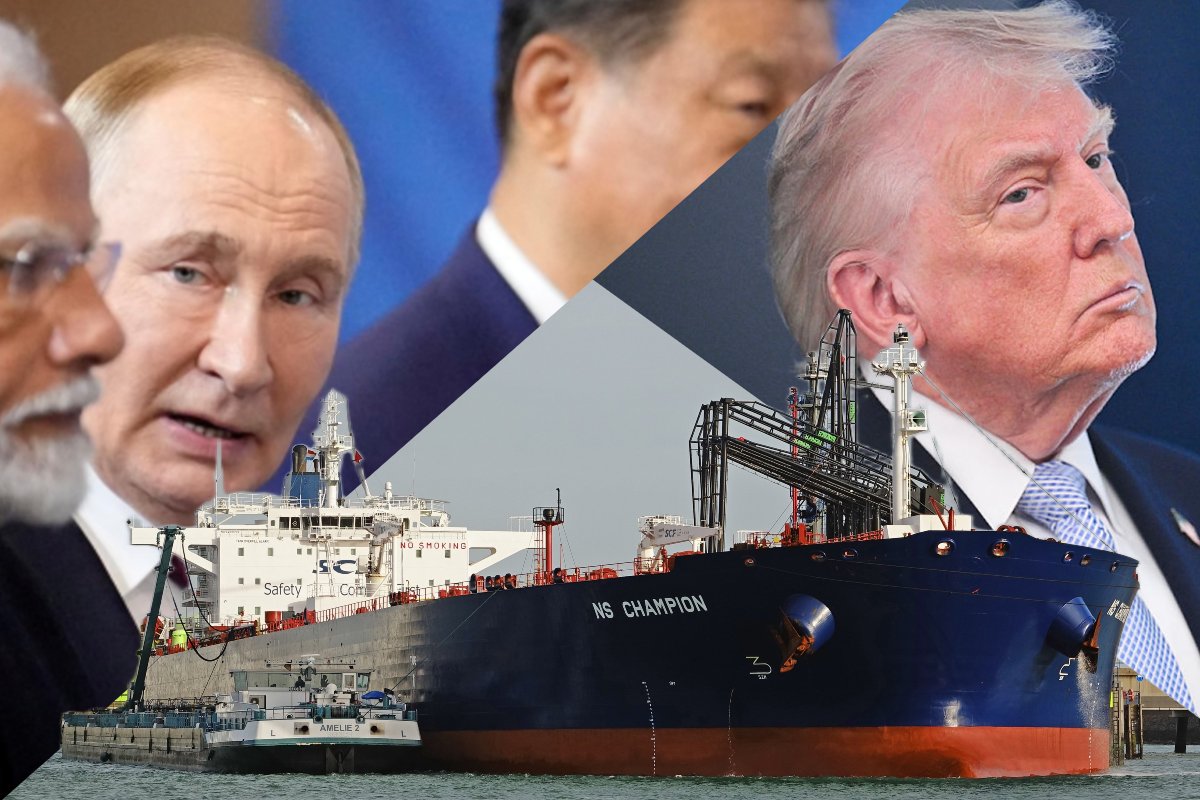
On average, from March 8 to April 5, russia exported 3.35 million barrels of oil per day - the highest export level since June 2022. Bloomberg reports this. The largest deliveries went to Asian countries, particularly India and China. In China, an average of 1.07 million
🧵
barrels of oil per day was delivered, and to India - 1.9 million. Turkey also purchased 210 thousand barrels per day. Overall, russia earned about $2.02 billion per week from this export. Some russian tankers also do not have a specified destination. Instead, Suez or Port Sudan
is often listed as the final point. The number of such tankers is increasing, while the number of tankers officially heading to China and India is decreasing. In addition, the amount of oil loaded onto tankers at sea dropped to 105 million barrels. By mid-March, this figure was
Over the past couple of months, russian military sources have been reporting that the intensity of Ukrainian strikes on logistics has increased many times over. We are talking about so-called middle strike. Until 2025, despite innovations in drone technology, Ukraine was
🧵
losing to russia in this segment. The “drone wall” developed by Ukraine is effective at relatively short distances - up to 20 km from the line of contact. At the same time, long-range drones were developed, which Ukraine has been actively using to strike oil refineries and
the military industry of russia, but until recently Ukraine could not effectively carry out middle strike. This problem began to be actively discussed in the summer of 2025, and since then the Armed Forces of Ukraine have taken the right steps in the right direction. In June,
The sharp rise in oil prices due to the war in Iran strongly plays into russia’s hands, as prices for russian oil grades have exceeded 100 dollars per barrel and Asian countries such as Vietnam, Thailand, the Philippines, Indonesia and Sri Lanka are actively ordering russian
🧵
oil, increasing the likelihood that demand in the region will exceed russian supply. This is driven by the easing of US sanctions. This allows russia, despite waging an aggressive war, to improve its standing on the international stage. Along with oil contracts, russia also
offers investments in other sectors and new business opportunities, including military cooperation. Thus, instead of isolation and toxicity, russia gains new markets and expands its influence. All thanks to Trump. However, oil is not only russia’s strength but also its most