The latest update on drone and missile attacks on the UAE has just been released. With this as context, I thought I would share some initial insights arising from this Iranian retaliatory campaign and the overall war against #Iran. 1/9 🧵
2/ First, the battlespace is not transparent. It is highly visible but high visibility is not the same as high wisdom about what is seen. And we must not fall into the trap of assuming that we actually are seeing everything we need to see rather than what the enemy wants us to see. Finally, no tech can see into the hearts and minds of soldiers and combat leaders, especially when they are functioning under conditions of existential threat.
3/ Second, Understanding the enemy, and how resilient it is, matters. The Iranians have been preparing for this fight for decades, will have many caches of weapons and have strategised how this might play out. And assuming that a few bombs from the sky topple a regime (especially when it has never been achieved before) badly under estimated the Iranians.
4/ Third, and linked to the first two points, surprise is still a feature of modern war. The US achieved surprise against Iran in the first attacks. Iran appears to have achieved surprise against western politicians with its regime resilience and its willingness to engage in a widespread retaliatory campaign focused on economic outcomes. And living in Australia where successive governments have refused to meet the minimum IEA energy stockpiles requirements, it is clear that many politicians have been surprised about their national lack of resilience.
5/ Fifth, learning from other peoples’ wars is vital. Imagine if western militaries had decided that Ukraine’s cheap drone interceptors were a good idea a year ago. China has been studying and learning from the western way of war since the war in the Falklands.
6/ Next, the authoritarian learning & adaptation bloc is alive, functioning and influencing this war. Russia is providing intelligence and other support (especially in disinformation) and is benefiting from American oil sanctions relief. China, while uncomfortable about oil flow restrictions, has been stockpiling for some time and can weather this situation for a while. It also stands to gain if oil purchases start moving away from US dollar transactions.
7/ Seventh, while abusing close allies - especially in public - might be emotionally satisfying for some, it accretes ill will and distrust. And, those chickens always come home to roost. Alliances matter and they require constant nurturing and trust building. Tough words between allies is common and sometimes necessary. Abuse and belittling - not so smart.
8/ Finally, this war is a great example of why good strategic thinking, good assumptions and strategy execution matters. While no one doubts that the Iranian regime is a cruel and awful institution, the question is “why now”? Russia has been given a breather in its brutal war against Ukraine, and China is loving American focus on the Middle East rather than the Pacific. Strategy is ultimately about priorities and sequencing. If the war against Iran not only improves the position of China and Russia now, but also compromises American capacity (especially with munitions & warship readiness) in the near future, is that a good strategy?
9/ The real tragedy is that not a single one of these insights are new. These are all known insights from hundreds, and sometimes thousands, of years of war. This war has many twists and turns to come - predicting an outcome at this point is impossible. End.
• • •
Missing some Tweet in this thread? You can try to
force a refresh

"America & Iran are fighting two very different wars and have two different theories of victory. China & others in the authoritarian learning & adaptation bloc are observing closely & learning." An assessment of where we are, & who is learning from the Iran War. 1/6 🧵
2/ This assessment examines the two wars in and around Iran: the military campaign that Washington is fighting, and the economic campaign that Tehran is waging. It then asks the following question: what are the respective theories of victory, and how does that theory play out differently for each belligerent?
3/ A theory of victory is not simply a list of military objectives. It is a coherent account of how the application of military force produces a political outcome that endures. The Trump administration entered Operation Epic Fury with a theory of the means, and a range of constantly changing ends (at least in public). It might be able to use the military to win the war, but it is unclear whether it has a longer-term plan to win the peace.
Wars are never simple. Despite the efforts of governments, war resists the clarity, certainty & clever narratives supported by AI slop videos, we wish to impose on them. The #Iran war & developments in #Ukraine, were exemplars of this during the week. 1/7
2/ Welcome to my weekly update on war and strategic competition. This week, shifting strategic initiative in Ukraine, the war in Iran, politics in the Pacific & my Big 5 reading recommendations.
3/ In #Ukraine, Ukrainian forces achieved some of the most operationally significant gains of the past year, reclaiming territory in the south while striking deep into Russia’s military-industrial complex. Diplomacy continued its chaotic and erratic journey.
"At some point, Putin will have to reckon with the failure of his strategic bombing campaign against Ukraine’s cities to shift Ukraine’s political posture, and the slow-rolling military failure that is Russia’s bloody ground campaign." A comprehensive update of the big #Ukraine & Pacific issues this week. 1/6 🧵🇺🇦
2/ In Europe this week, the annual Munich Security Conference was held. Lots of interesting speeches, but not a lot of progress on ending the war in Ukraine.
And as Zelenskyy stated: "A lot of time now is spent on negotiations. We truly hope that the trilateral meetings next week will be serious, substantive, and helpful for all of us. But honestly – sometimes it feels like the sides are talking about completely different things."
3/ In Ukraine, the armed forces were able to undertake opportunistic counter attacks against Russian forces deprived of Starlink.
But otherwise, as I describe in my assessment of the trajectory of the war in 2026, "the brutal calculus of the past four-years will continue into 2026 unless there is a significant breakthrough in technology, tactics or strategy that changes the deep, close and rear aspects of the overall battlefield dynamic.
The only other thing that might significantly change the trajectory of the war is if there is a significant shift in political will in Kyiv or Moscow."
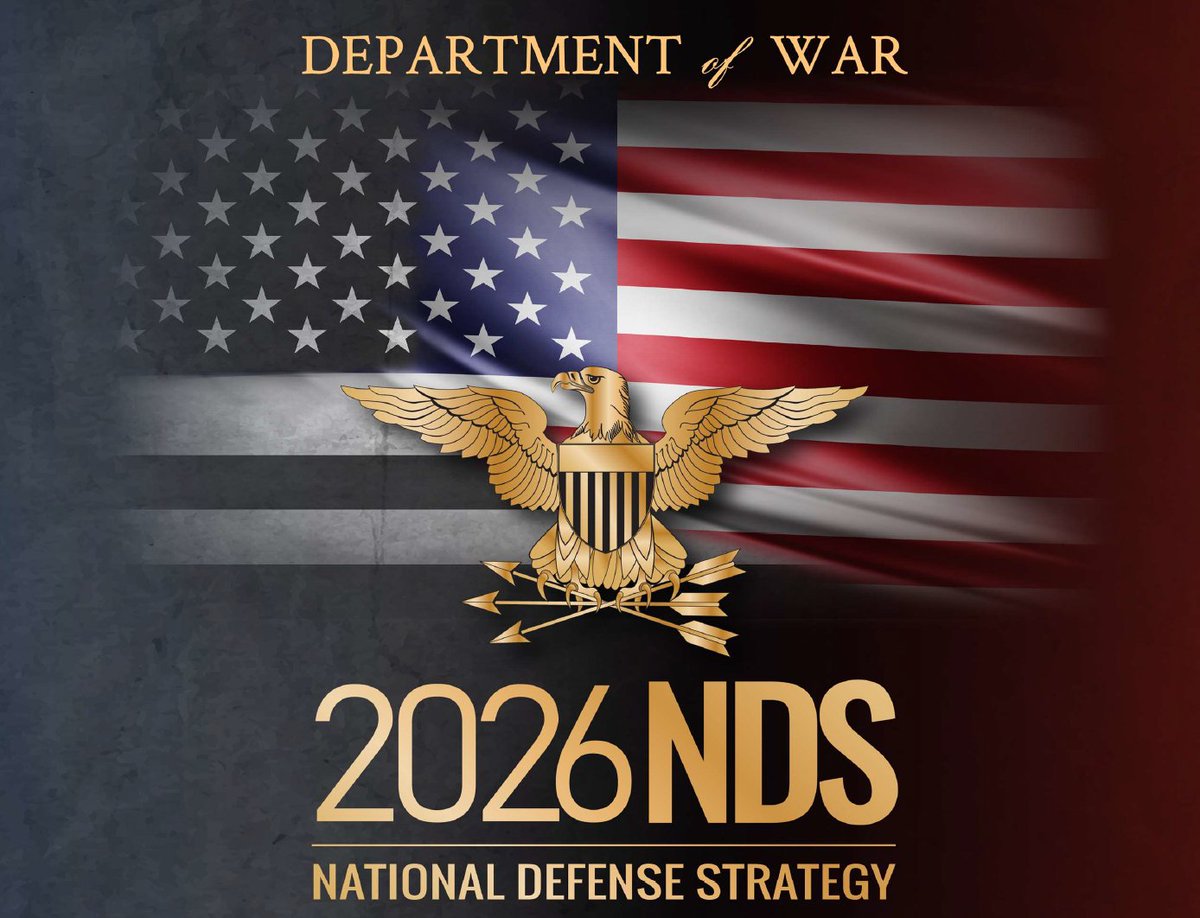
America has just released its 2026 National Defense Strategy (NDS). Not seeing much press activity from the Dept of Defense/War on this. While I need time to ponder the deeper implications of the document, a few things stand out on first reading. 1/11 🧵
2/ First, the document is consistent with the 2025 National Security Strategy (NSS) released by the Trump Administration in November 2025. Key priorities in the NDS align with the NSS, as you would expect. However, while the NSS has priorities, the NDS has "Lines of Effort". whitehouse.gov/wp-content/upl…
3/ There are four Lines of Effort in the new NDS:
1. Defend the U.S. Homeland. 2. Deter China in the Indo-Pacific Through Strength, Not Confrontation. 3. Increase Burden-Sharing with U.S. Allies and Partners. 4. Supercharge the U.S. Defense Industrial Base.
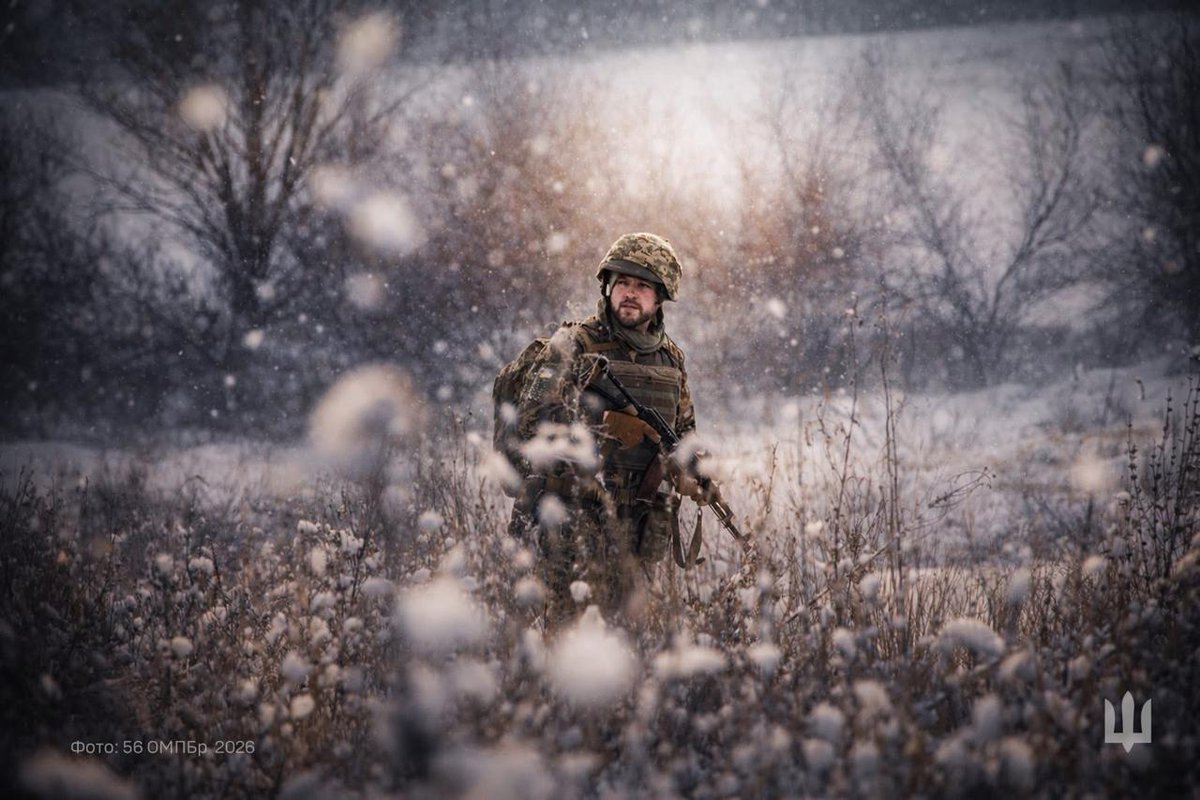
"The Oreshnik is the sign of a Fearful, Worried Putin, Not a Leader Confident of Victory." My first 2026 update on war and great power competition. This week: the Oreshnik attack, peace talks progress, the ground war in #Ukraine, China's reaction to Venezuela and more. 1/5 🧵🇺🇦 (Image: @DefenceU)
2/ In events related to #Ukraine this week, the Oreshnik strike absorbed a lot of attention. But this was not an event that demonstrates Russia's strength. Indeed it showed the opposite. Also, peace talks in Paris took place as did a meeting of the Coalition of the Willing.
3/ In the Pacific, China continues to posture about American operations in Venezuela. While we might like to think that China will practice what it preaches with regards to its statement that “military means are not the solution to problems”, its accelerating use of military coercion and aggression against neighbours shows just how hollow and hypocritical the Xi regime is.
Also this week, Trump discussed Taiwan in his New York Times interview.
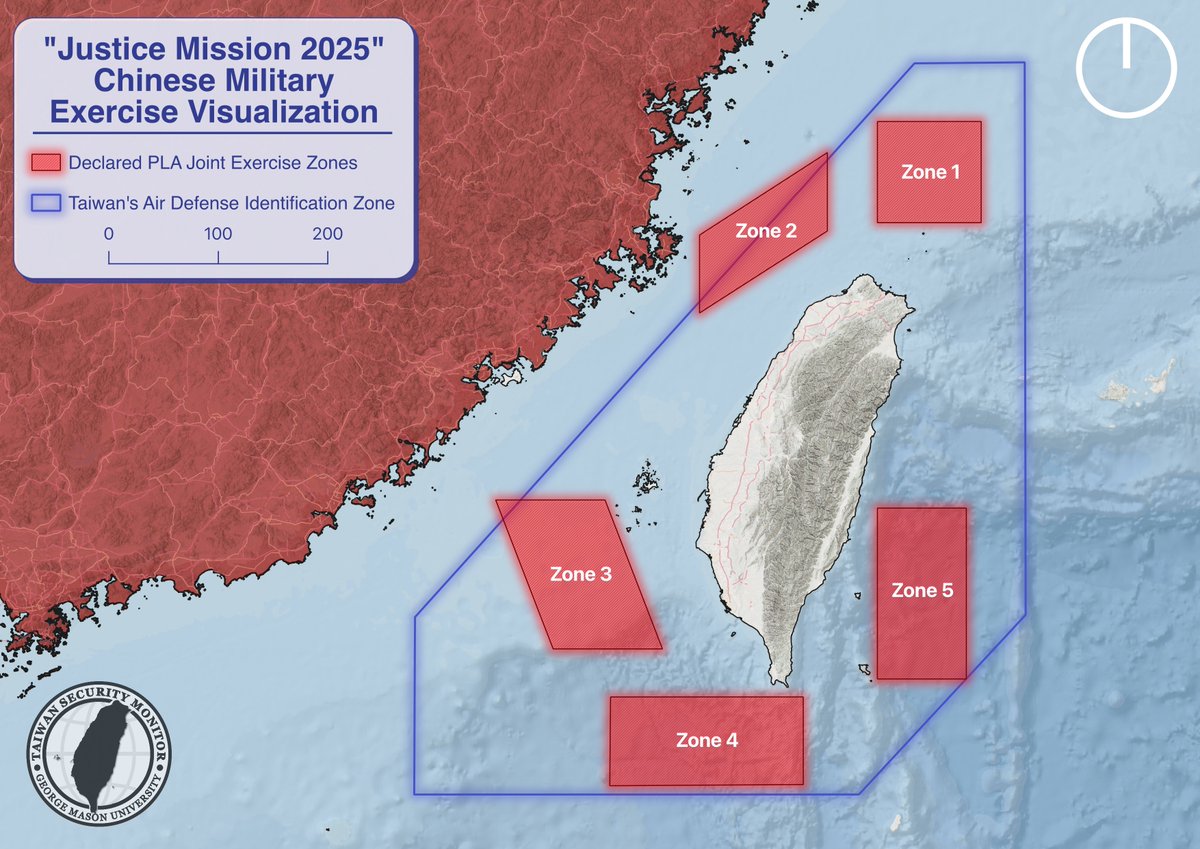
On 29 December, just as the summit between Zelenskyy and Trump was finishing at Mar-a-lago, the PLA Eastern Theatre Command announced that it had commenced exercise "Justice Mission 2025" in the #Taiwan Strait. I have just published an assessment of what China designed it to achieve, and how we can learn from it. 1/8 🧵🇹🇼
2/ Exercise Justice Mission 2025 has taken place at multiple locations around Taiwan. While the maps demonstrate the physical environment of the exercise, the more important exercise “location” is the minds of Taiwanese and foreign observers. But perhaps the most important exercise location is the mind of the U.S. president. (Map: @TaiwanMonitor)
3/ The exercise will have been designed by the Chinese with multiple objectives beyond the normal political coercion of Taiwan. These objectives include:
-rehearsing military activities for different Taiwan contingencies, including decapitation operations.
-continue developing the skills of the commanders, staff, units and overall command and control of the Eastern Theatre Command.
-assess the response of Taiwanese and American political and military systems.
-normalise large joint operations around Taiwan.