Artur Rehi Profile picture
Mar 24 22 tweets 8 min read Read on X
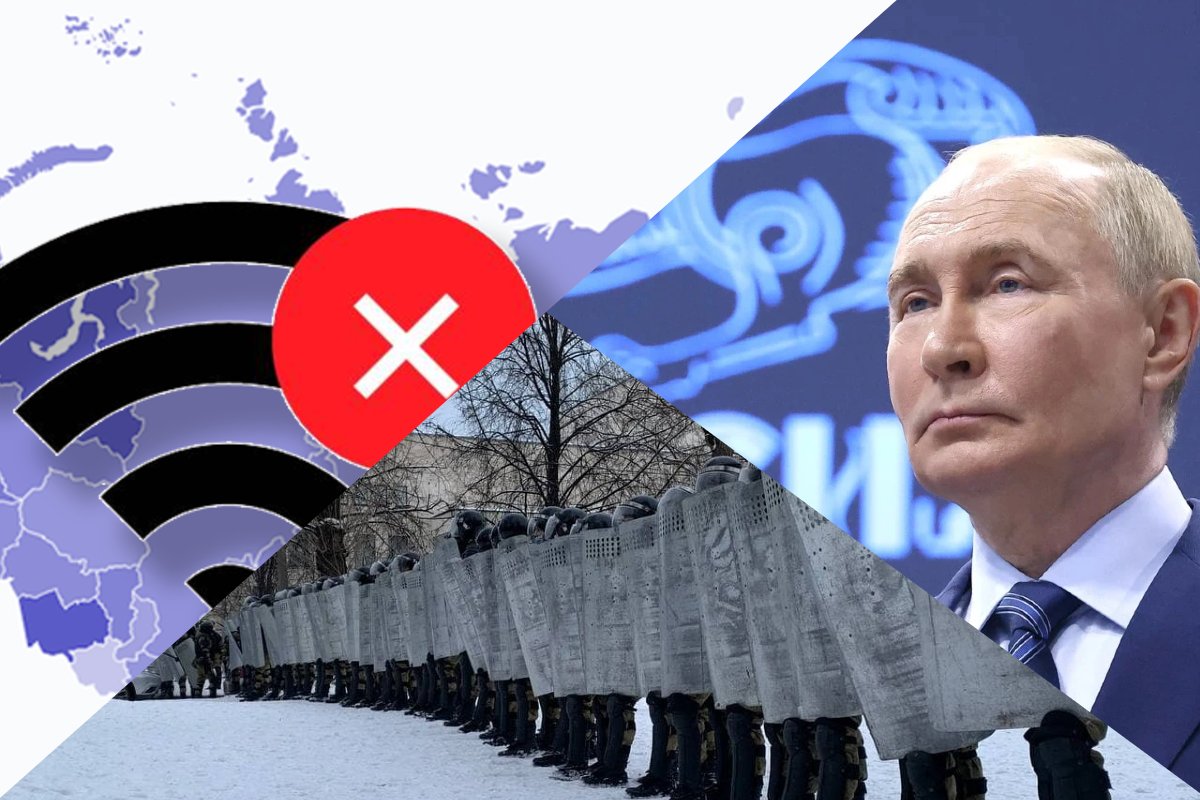
The story of internet shutdowns in Russia is not an accident and not a “temporary measure.” It is a system that has been built for years and has now simply begun to operate at full capacity. What many people saw in Moscow in March 2026 - the inability to pay a bill,
🧵 Image
open a map, or simply send a message - has long been the norm for other regions; Moscow has simply been the last to enter this reality. The timeline is important here: back in 2019, the law on the “sovereign internet” was adopted - formally to protect against external threats, Image
but in reality to create an infrastructure for centralized traffic control, forcing operators to install equipment under state supervision. This was followed by annual drills in which the network was tested for isolation and autonomous operation - no longer theory, but Image
preparation for real use. By 2025, the system began to be used on a mass scale: first in border regions such as Belgorod, Kursk, and Bryansk under the pretext of protection from drones, then the geography expanded, and by mid-year shutdowns were recorded in dozens of regions, Image
and by the end of the year there were already thousands of such cases. In the fall, “white lists” appeared - lists of services that continue to function even when the internet is shut down, while everything else becomes inaccessible. In October, centralized network control was Image
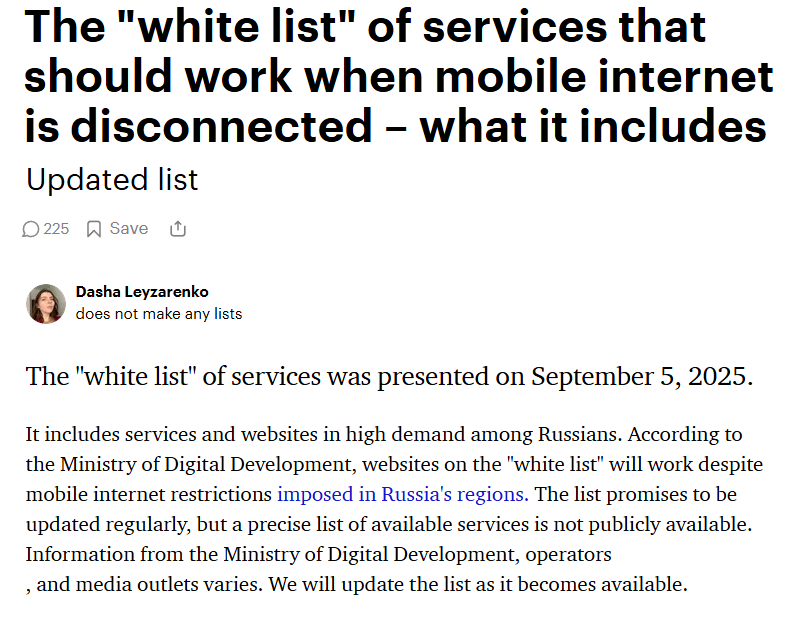
introduced, and in February 2026 a law was passed allowing the FSB to demand communication shutdowns, while operators were exempted from liability to customers. In March 2026, this practice reached the capital - a full shutdown occurred in central Moscow. This is no longer Image
a reaction to isolated events, but the consistent application of a previously constructed mechanism. The official explanation is security, drones, war - and this is partly true, but only partly. In border regions, shutdowns have indeed become part of everyday life, and people Image
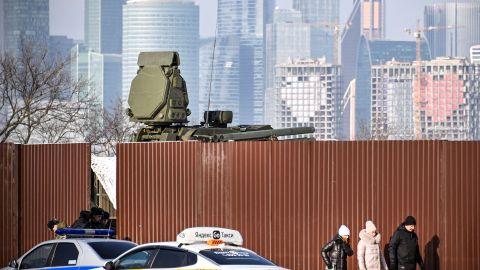
have adapted: switching to wired internet, keeping cash, changing habits - and this is largely the intended outcome, that over time it becomes accepted as normal. But there are other examples - Nizhny Novgorod region, Omsk - where the scale and duration of shutdowns can no longer Image
be explained by proximity to combat zones, shifting the focus from security to control. When the internet disappears, it is not only convenience that is lost, but also the ability to coordinate: it becomes impossible to quickly gather people, difficult to spread information, and Image
hard even to understand what is happening around. In such conditions, any potential protests are weakened from the outset - without communication they are harder to organize, and then the usual scenario follows: dispersal, detentions, and demonstrative criminal cases as a signal Image
to others. At the same time, “white lists” are introduced: government services, some banks, and selected platforms continue to operate, while the rest of the network space is effectively shut down. As a result, people find themselves in a highly restricted information Image
environment where access to services and communication depends on decisions from above. A separate blow is dealt to the economy, primarily to small businesses. Large companies usually have backup channels and infrastructure that allow them to survive such disruptions, whereas Image
small businesses are entirely dependent on mobile internet. When the network disappears, their operations stop: they cannot accept payments, contact customers, process orders, or even determine where employees are. At the same time, no one compensates for losses because the state Image
has removed responsibility from operators in advance. Ordinary people face the same issues: it becomes impossible to pay for purchases, transport and navigation stop working, taxis cannot be called, medicines cannot be bought, and it becomes impossible to contact relatives. Image
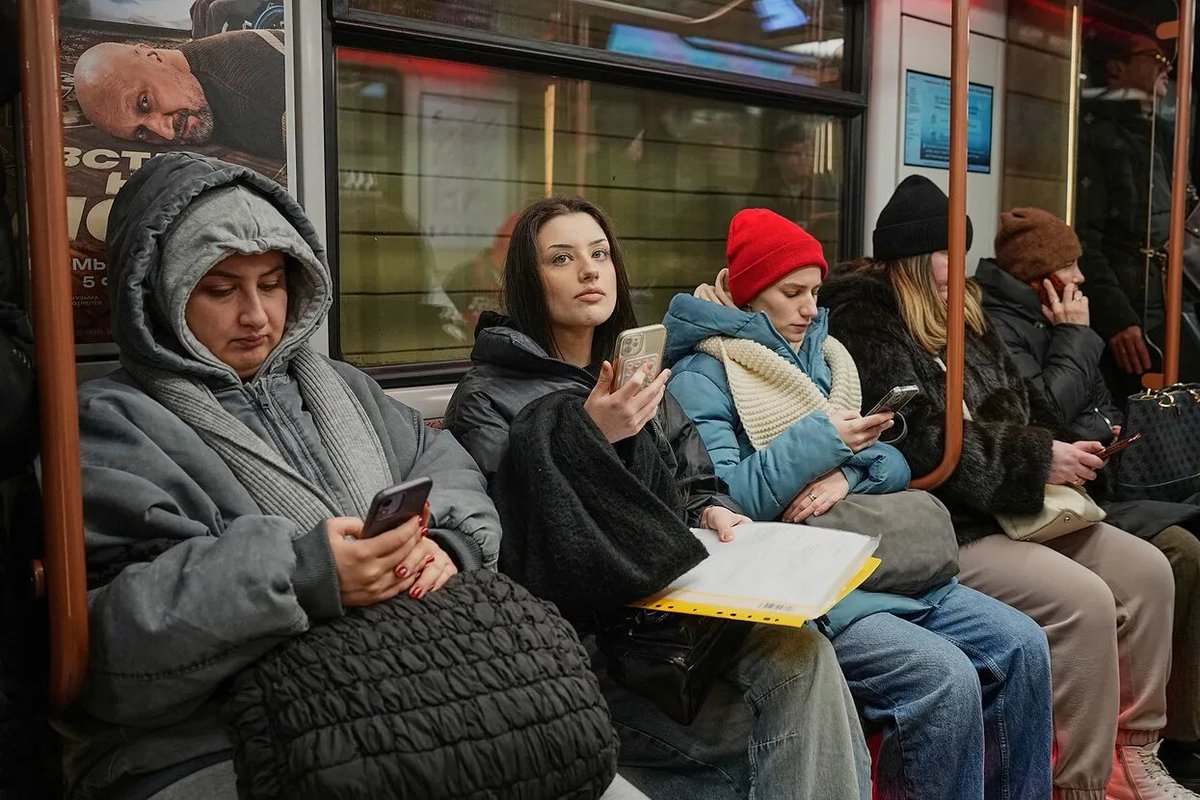
Moscow has long positioned itself as an advanced digital capital - with convenient services, total digitalization, and one of the most developed online banking systems in the world. But this system has always had one key feature: all of this infrastructure has been under constant Image

control by the FSB. And during shutdowns, this becomes especially visible - everything that seemed like convenience stops working instantly. People are forced to return to cash, look for alternatives, even resorting to paper maps for navigation. The Kremlin’s goal is not comfort, Image
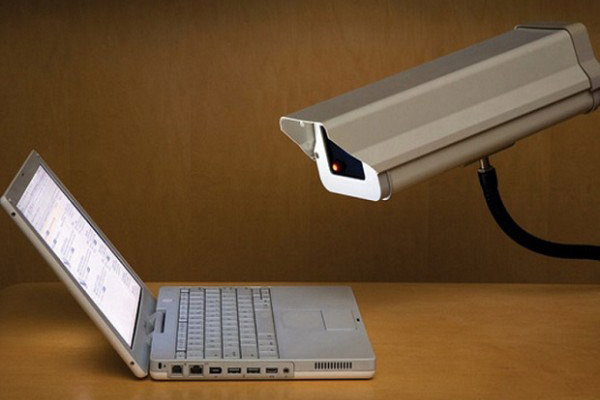
but controllability. The fewer opportunities there are for communication and coordination, the easier it is to control the situation. War in this logic becomes a universal explanation, but if one looks at the timeline, it becomes clear that the system itself was created long Image
before these events, and what is happening today is its full implementation. None of this is a surprise, but a logical continuation of the system that Vladimir Putin has been building for years. Internet shutdowns are not a bug, but a feature: the infrastructure of control was Image
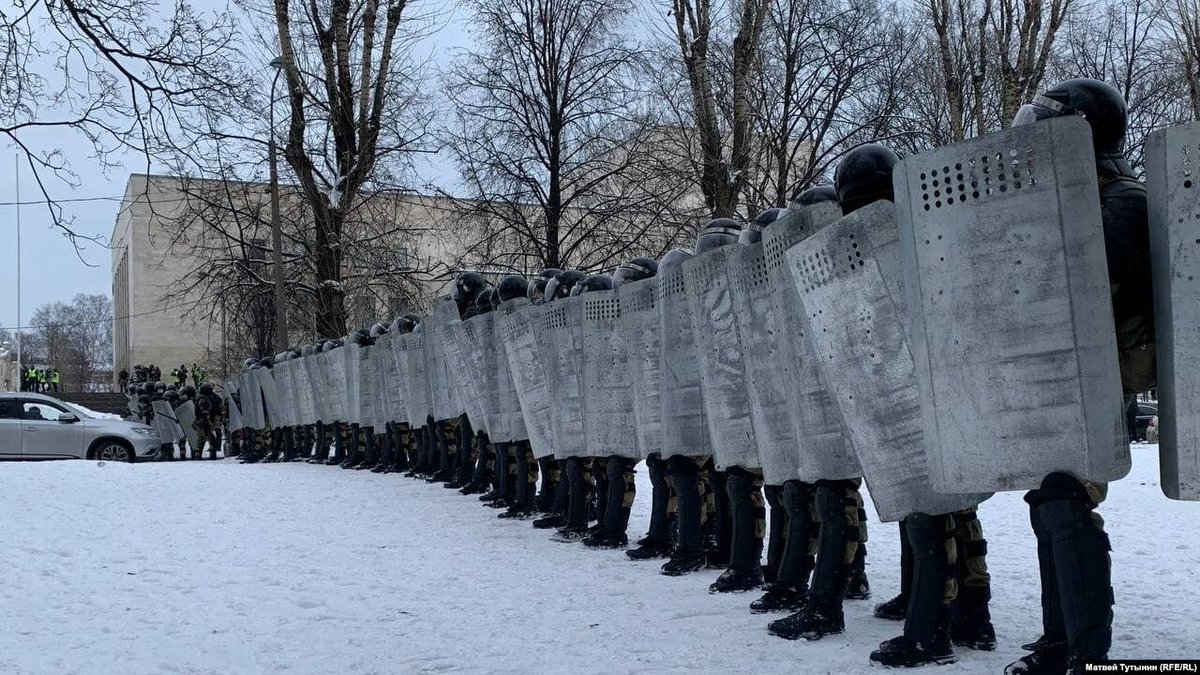
created in advance, systematically, through laws, equipment, and the expansion of powers of the security services. The authorities need total control over society - over communication, information, and the ability to coordinate - and they have been moving toward this long before Image
the war. The war has only accelerated the process and provided a convenient justification for any new restrictions. At the same time, many people, especially in Moscow, continue to perceive what is happening as a temporary anomaly, although in reality it is a gradual tightening Image
of control. Going forward, this control will only increase. Yes, there will be bursts of discontent, local protests, emotional messages in those rare moments when communication becomes available, but overall society will adapt and accept the new rules - not for the first time. Image
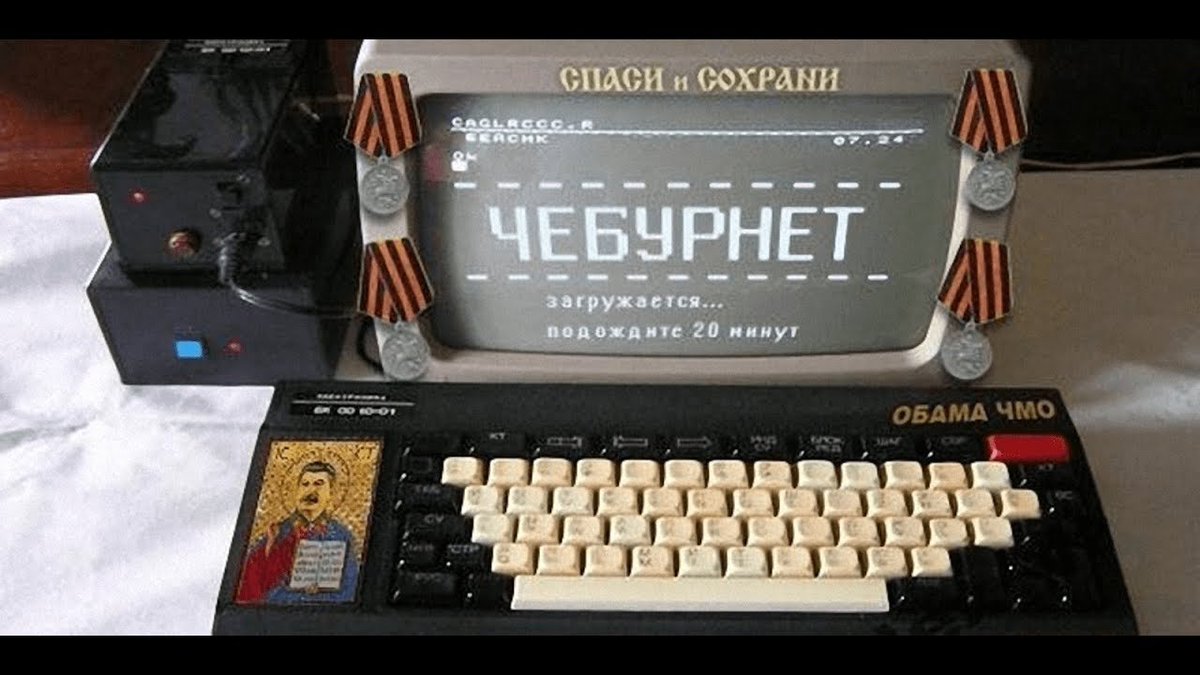
And the main conclusion is quite simple: the internet in its previous form will not return to Russia. It is no longer seen as a regular service - it is a tool that can be switched on and off depending on the needs and objectives of the authorities. Image
• • •

Missing some Tweet in this thread? You can try to force a refresh

 

Keep Current with Artur Rehi

Artur Rehi Profile picture

Stay in touch and get notified when new unrolls are available from this author!

Read all threads

This Thread may be Removed Anytime!

PDF

Twitter may remove this content at anytime! Save it as PDF for later use!

Try unrolling a thread yourself!

how to unroll video
  1. Follow @ThreadReaderApp to mention us!

  2. From a Twitter thread mention us with a keyword "unroll"
@threadreaderapp unroll

Practice here first or read more on our help page!

More from @ArturRehi

Mar 23
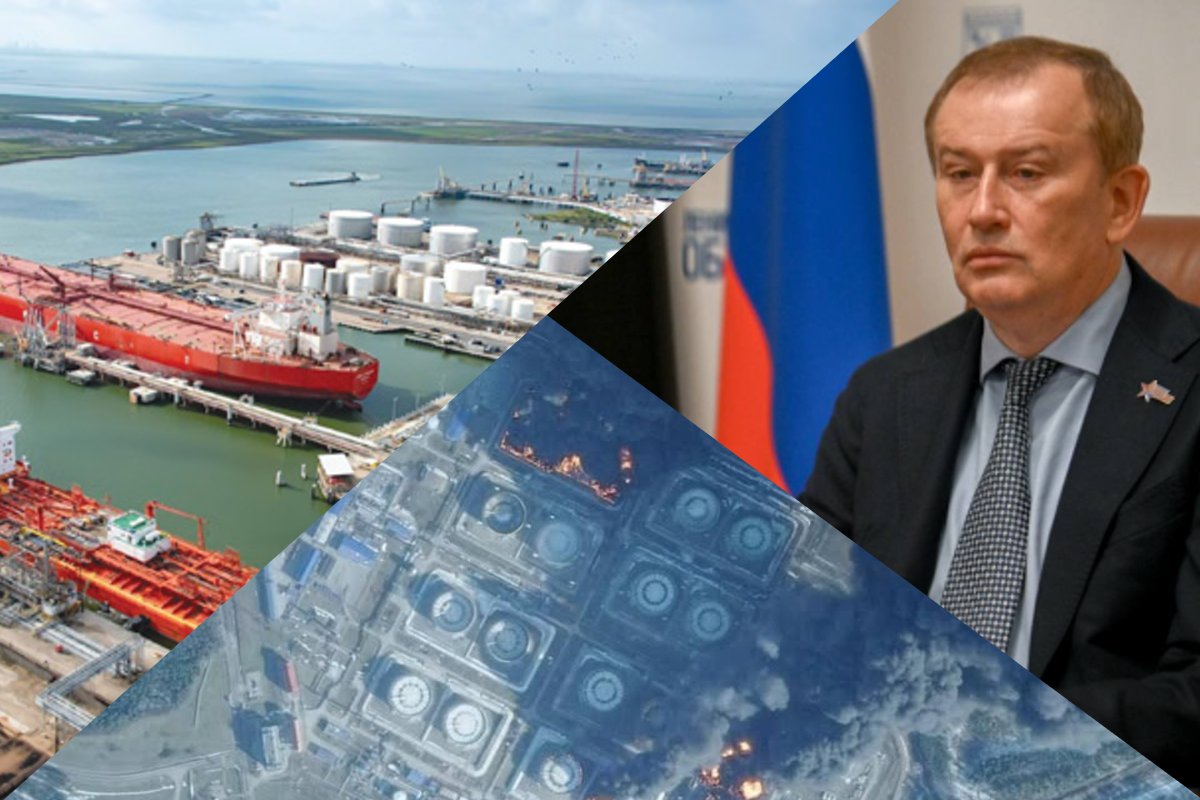
Exports of Russian oil through Baltic Sea ports - the main channel for shipping “black gold” abroad - have been completely halted, Reuters reports citing industry sources familiar with the situation. According to them, due to a drone attack on the Leningrad region, which 🧵 Image
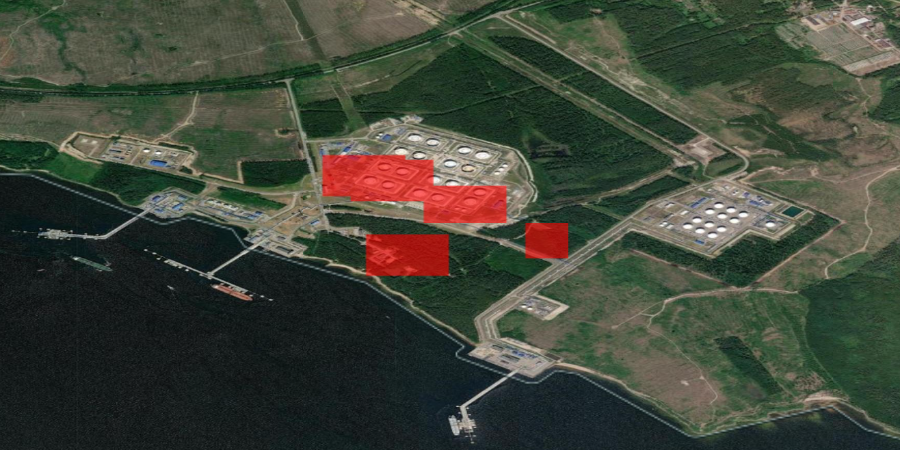
became the largest since the start of the war and involved at least 60 UAVs, both Baltic ports - Primorsk and Ust-Luga - have stopped operations, and together they handle up to half of all oil exported from Russia. On the evening of March 22, Leningrad region governor Image
Alexander Drozdenko reported a drone attack on Primorsk, through which about 1 million barrels per day are exported. According to him, several fuel storage tanks caught fire in the port. Reuters sources also report that shipments at the port of Ust-Luga, through which oil Image
Read 6 tweets
Mar 19
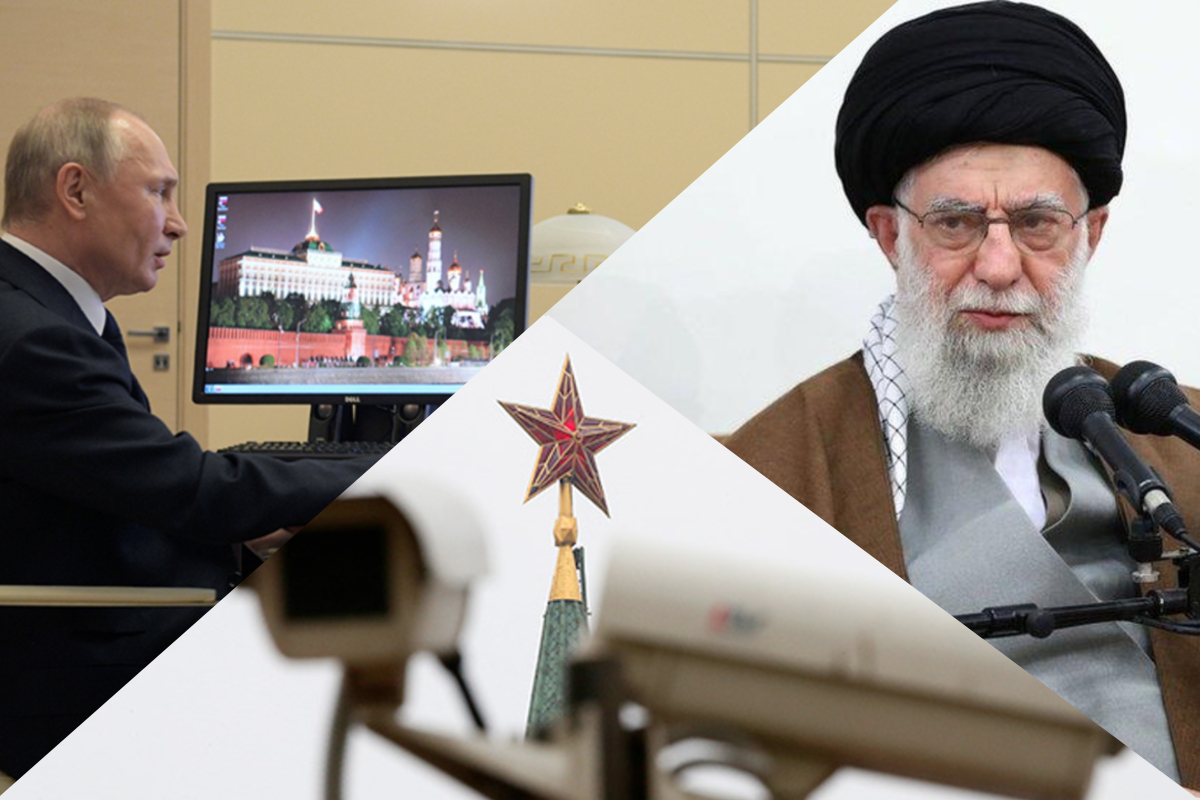
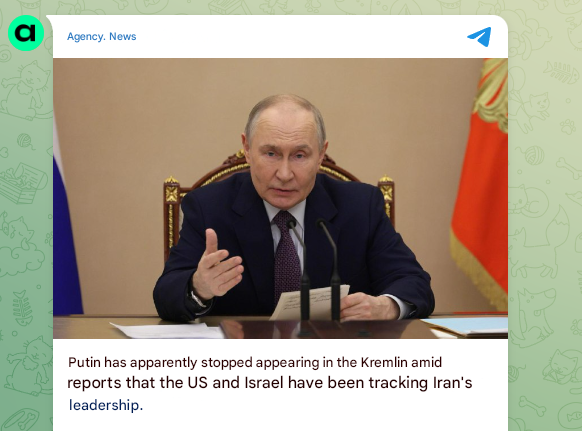
Vladimir Putin has stopped appearing at public events in the Kremlin after details emerged about a US and Israeli operation to eliminate Iran’s Supreme Leader Ayatollah Ali Khamenei. As previously reported by Financial Times, before the strike Israeli intelligence tracked Image
Khamenei’s movements using hacked surveillance cameras. According to calculations by the outlet “Agentstvo,” the last time Putin held a public event in the Kremlin was on March 9 - a meeting on the situation in the global oil and gas market. After that, according to the Image
presidential press service, he met several times with regional governors, the Minister of Education, and the head of Sberbank, and also participated in Security Council meetings via video link. However, as “Agentstvo” notes, such meetings are often recorded in advance, Image
Read 11 tweets
Mar 18
The Estonian initiative currently being discussed in the EU to ban former Russian army combatants from entering the Schengen area should become a model for others. And here is why. The issue is not only that they pose a threat to society through the risk of committing crimes -
🧵 Image
these individuals also pose a threat to state integrity. At present, citizens from more than 120 countries and unrecognized territories are fighting on Russia’s side. The largest numbers of mercenaries come from countries such as Kazakhstan, Uzbekistan, Azerbaijan, Belarus, Nepal Image
Armenia, Moldova, Georgia, China, India, Egypt, as well as numerous African countries. These individuals are trained fighters who have undergone military preparation in an army where nearly 200,000 personnel are criminals recruited from penal colonies, pre-trial detention centers Image
Read 11 tweets
Mar 17
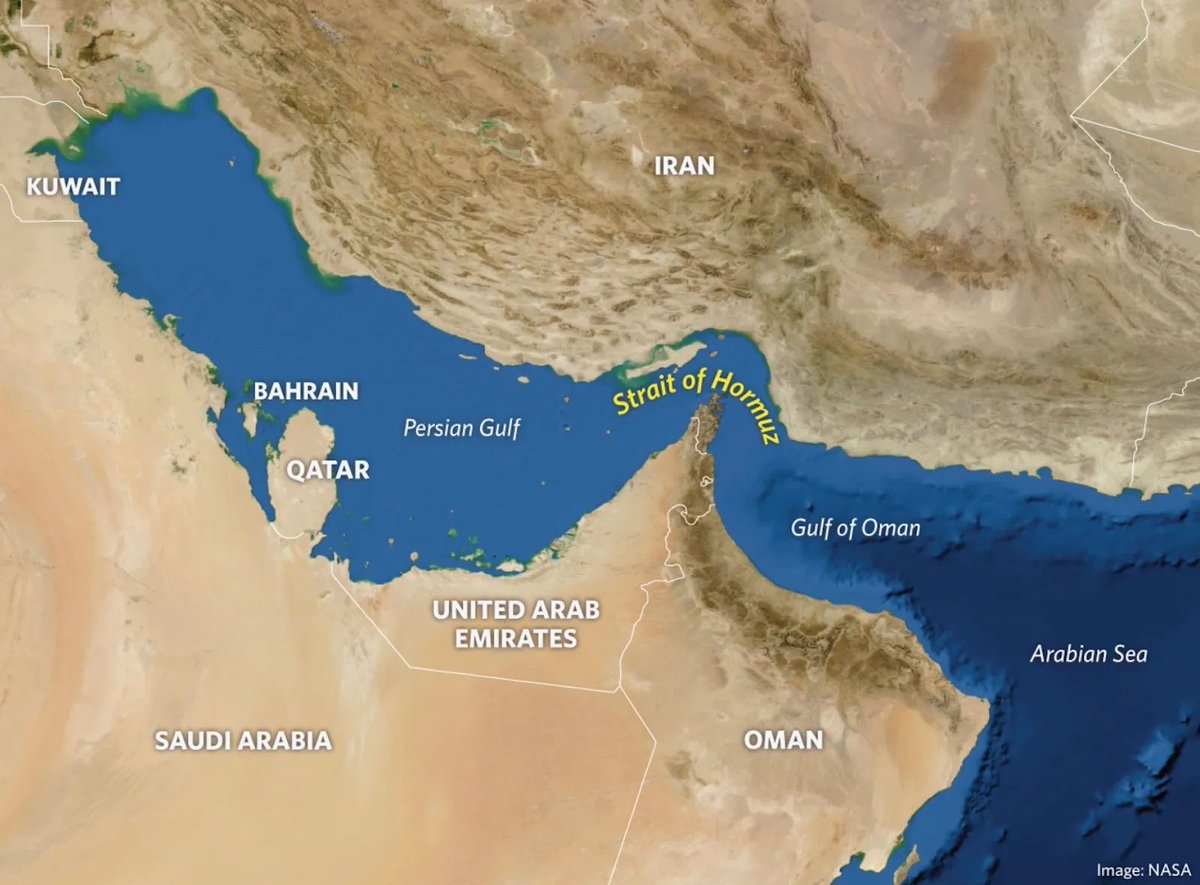
Russia’s war around Iran may provide only a temporary reprieve through higher oil prices but it cannot fix its deep economic problems - for higher oil revenues to meaningfully support the budget, prices would have to remain extremely high almost all year, which is unlikely
🧵 Image
given global pressures to reopen the Strait of Hormuz. On this backdrop the Russian budget has already entered a crisis phase - the deficit for the first two months was about 3.5 trillion rubles against an annual plan of 3.8 trillion rubles, meaning almost the entire planned Image
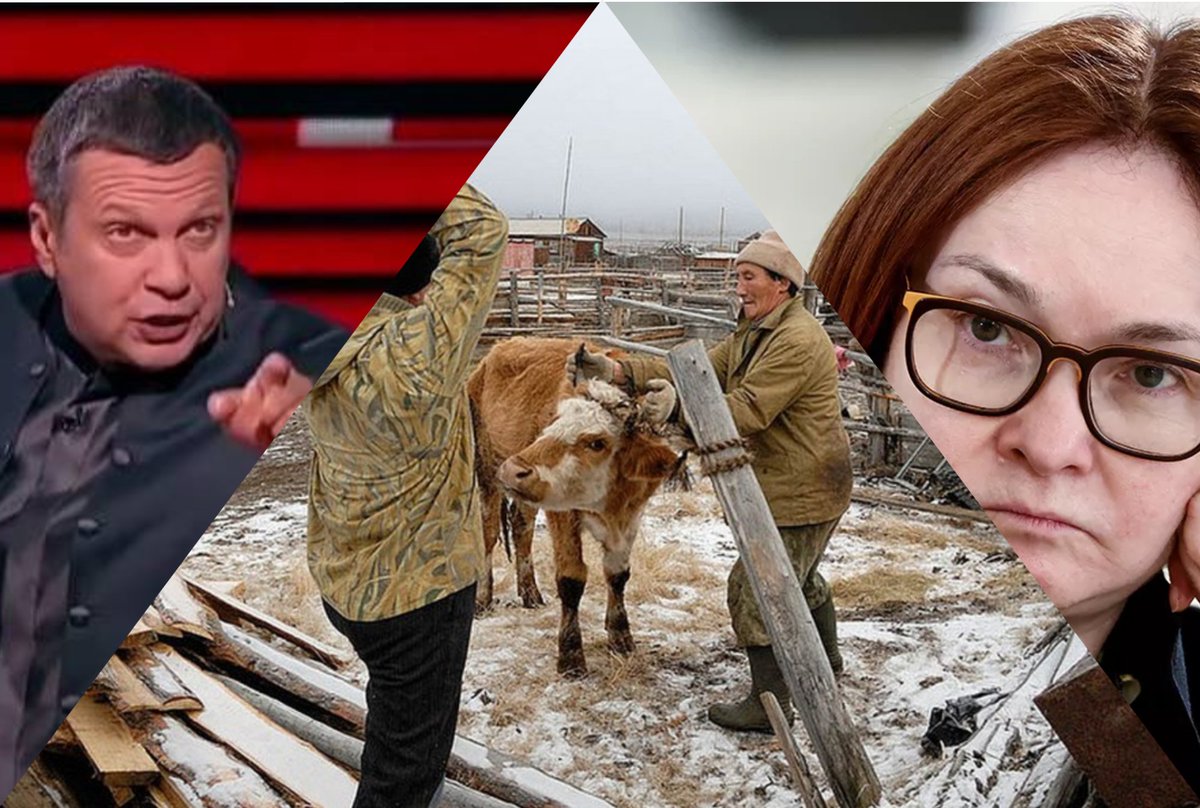
deficit accumulated in January–February, and much of the current spending now goes to servicing past obligations and debt rather than development. Additional confirmation of systemic crisis came unexpectedly from Vladimir Solovyov - in a broadcast seen in the Russian Far East Image
Read 15 tweets
Mar 10
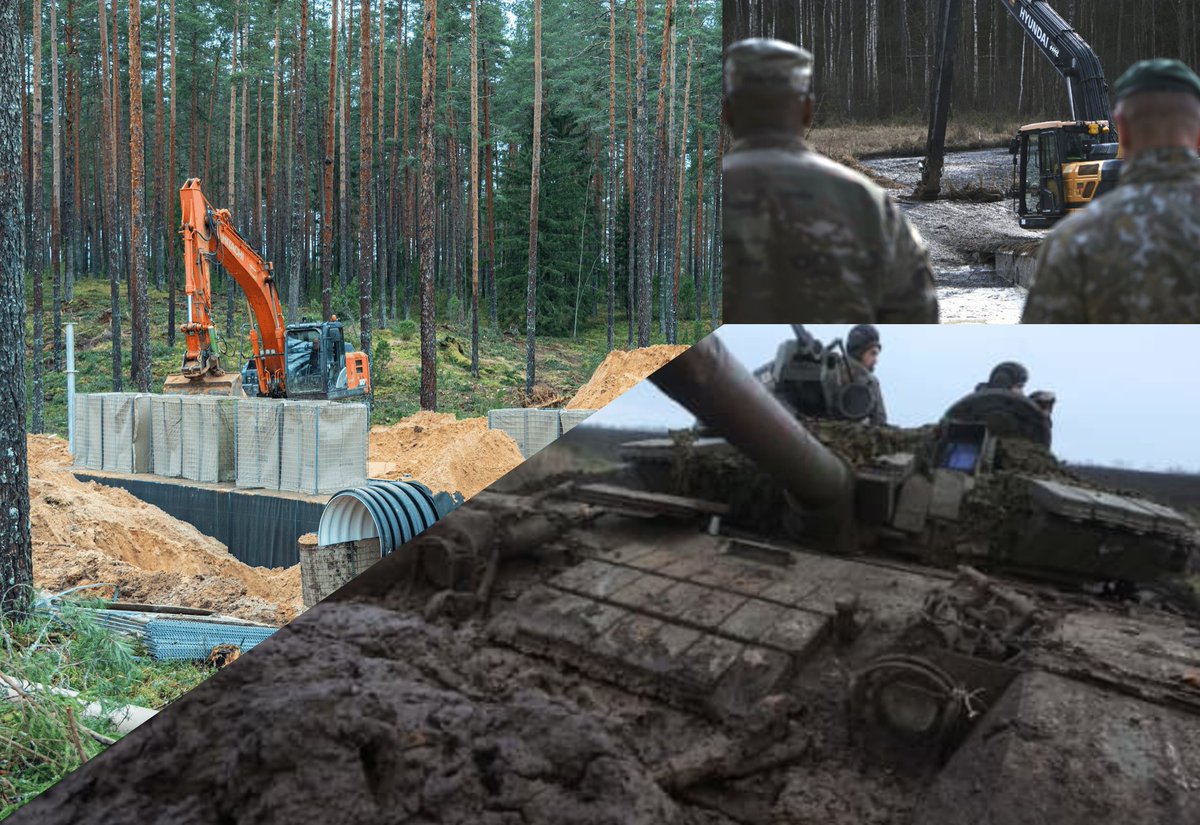
The Baltic states and Finland are increasingly considering the use of natural landscapes as an element of defense on NATO’s eastern flank. The idea is not only to build traditional fortifications, but also to make the terrain itself less passable for a potential advancing
🧵 Image
force. Among the measures being discussed is the restoration of bogs, peatlands and other wetlands that could serve as natural barriers for heavy vehicles and slow the movement of troops. The idea is being actively discussed in Lithuania, Latvia and Finland. For example, Image
Latvia is considering restoring former peat extraction sites along its eastern border. After drainage canals are closed, such areas quickly fill with water and turn into bogs and water bodies. This approach would both repair environmental damage caused by past extraction and Image
Read 10 tweets
Mar 6
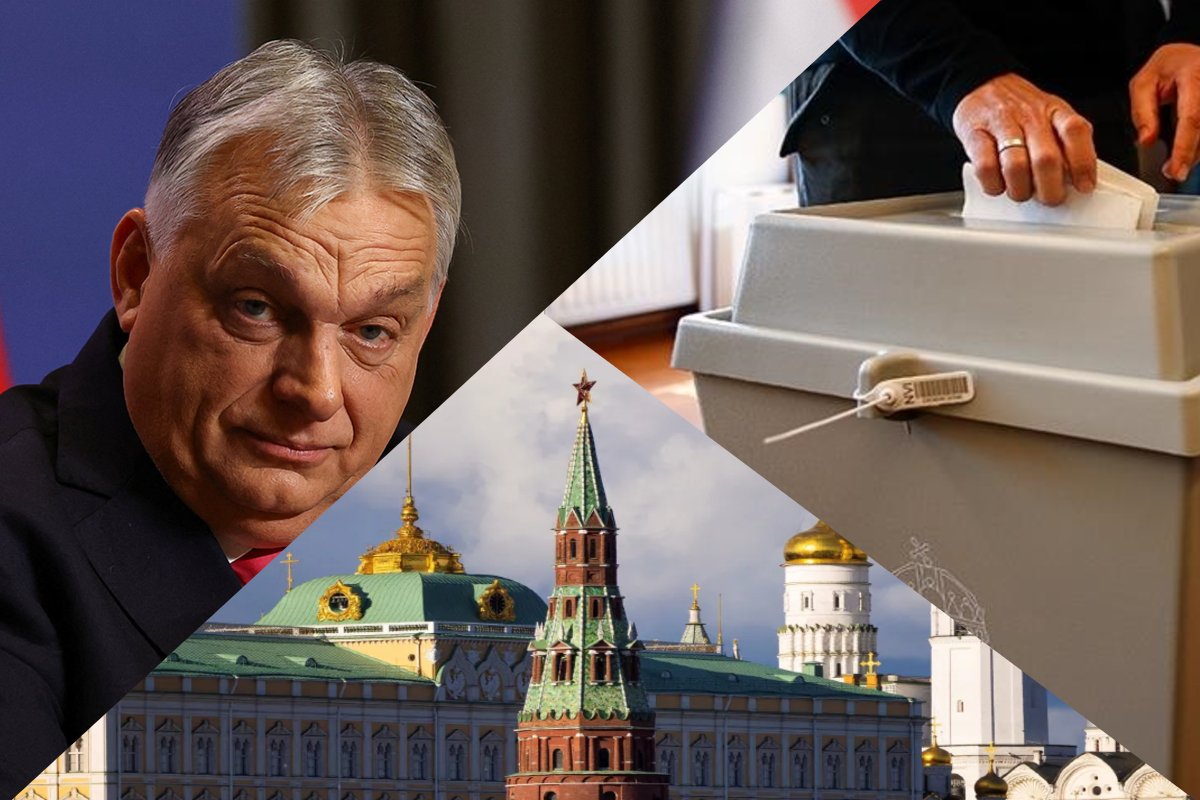
Investigative journalists, together with European security services, have established that Russian leader Vladimir Putin instructed a group of political technologists and Russia’s military intelligence to interfere in Hungary’s parliamentary elections in April in order to
🧵 Image
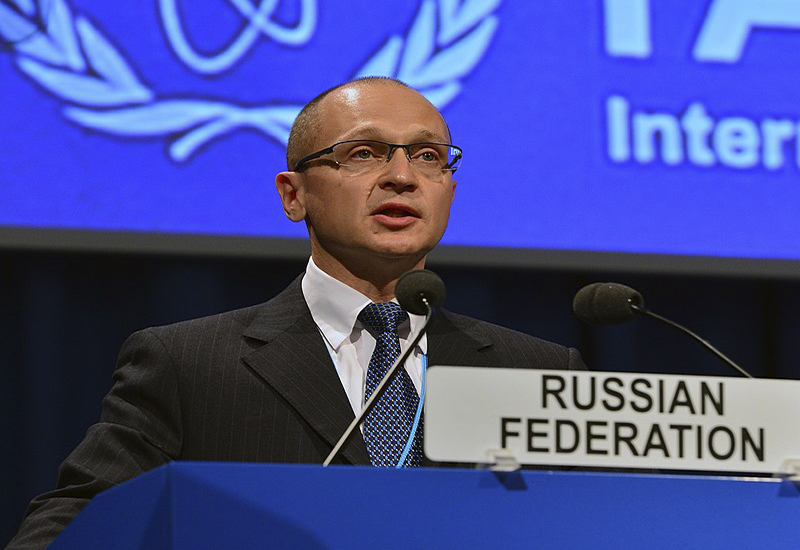
secure the victory of incumbent Prime Minister Viktor Orbán. Putin assigned responsibility for "handling" Hungary to Sergei Kiriyenko, the first deputy head of the presidential administration, who is considered the architect of Russia’s entire infrastructure of political Image
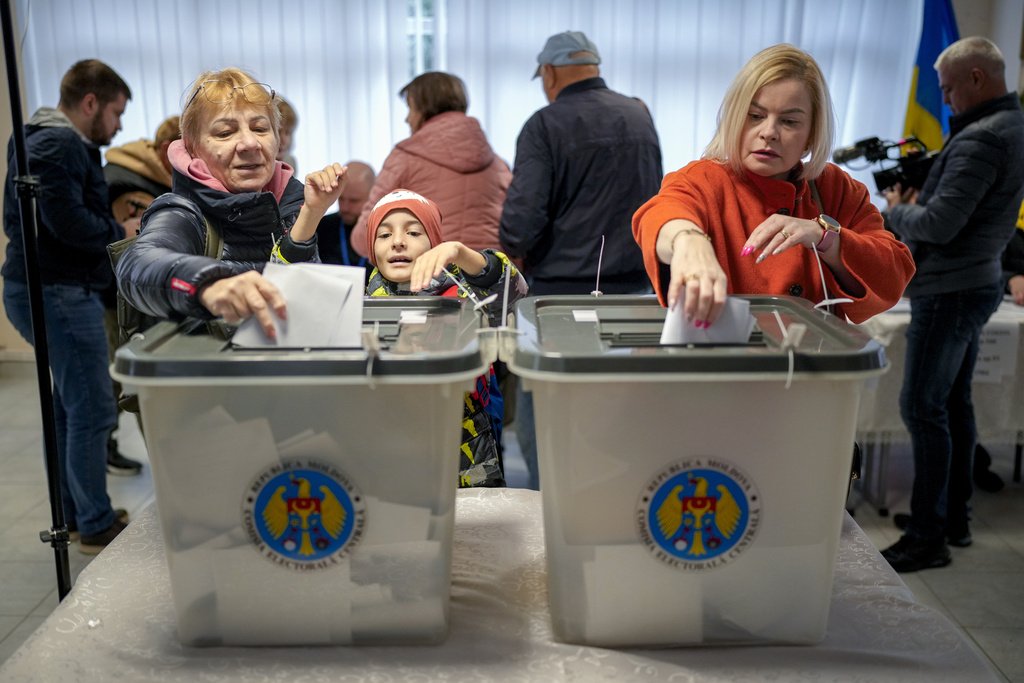
influence, both domestically and abroad. Kiriyenko was also behind the Russian interference campaign during Moldova’s 2024 presidential election. At that time, Russia used vote-buying networks, troll farms, and local activists to shape public opinion against the pro-Western Image
Read 8 tweets

Did Thread Reader help you today?

Support us! We are indie developers!


This site is made by just two indie developers on a laptop doing marketing, support and development! Read more about the story.

Become a Premium Member ($3/month or $30/year) and get exclusive features!

Become Premium

Don't want to be a Premium member but still want to support us?

Make a small donation by buying us coffee ($5) or help with server cost ($10)

Donate via Paypal

Or Donate anonymously using crypto!

Ethereum

0xfe58350B80634f60Fa6Dc149a72b4DFbc17D341E copy

Bitcoin

3ATGMxNzCUFzxpMCHL5sWSt4DVtS8UqXpi copy

Thank you for your support!

Follow Us!

:(