Ukraine and Iran expose the same illusion: technology delivers a quick victory
The Economist: bridges and power plants are now standard targets in war planning. In 2022 US put 50-50 odds on Russia going nuclear if Ukraine broke through to Crimea. The red lines exist,but where?1/
The Economist: bridges and power plants are now standard targets in war planning. In 2022 US put 50-50 odds on Russia going nuclear if Ukraine broke through to Crimea. The red lines exist,but where?1/

The Uppsala Conflict Data Programme counted 65 active state-based conflicts in 2025—the highest number since records began in 1946.
The Peace Research Institute Oslo calls the past four years the most violent period since the Cold War. 2/
The Peace Research Institute Oslo calls the past four years the most violent period since the Cold War. 2/
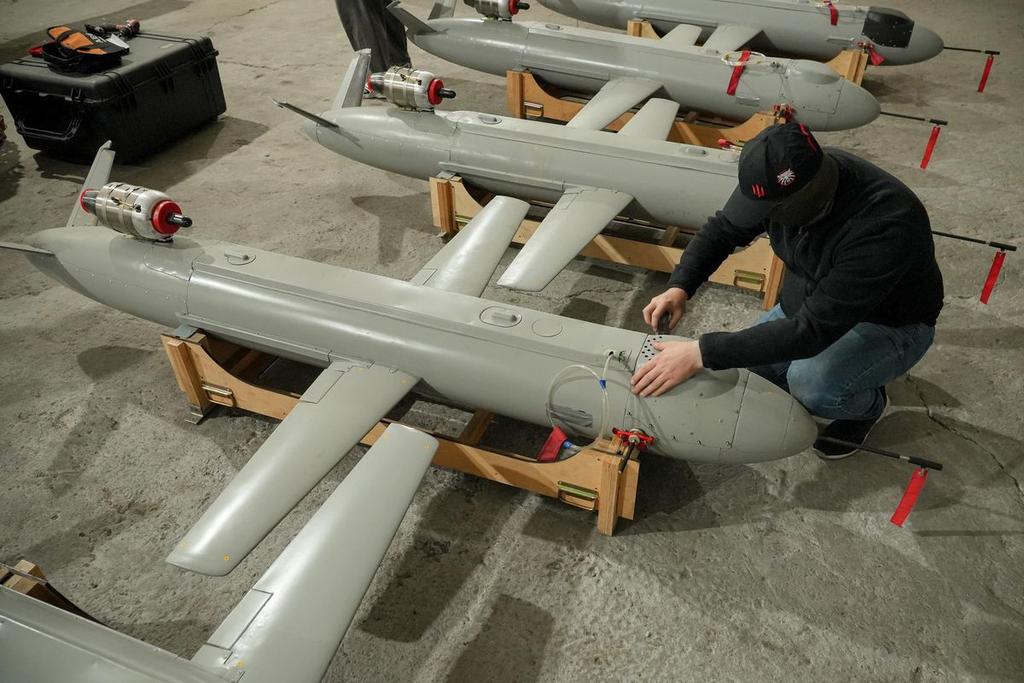
Every day, Ukraine and Russia build thousands of FPV drones designed to hunt a single soldier, vehicle, or position.
The Economist estimates the war has killed or wounded 1.1–1.4 million Russian troops—about one in 25 Russian men under 50. 3/
The Economist estimates the war has killed or wounded 1.1–1.4 million Russian troops—about one in 25 Russian men under 50. 3/
The same technology that gives armies more eyes also gives defenders more ways to survive.
Ukraine turned cheap FPV drones into a 30-km kill zone. Russian troops cross fields on foot. Ukrainian soldiers spend weeks crawling through forests to reach positions near Myrnohrad.
Drones watch everything. 4/
Ukraine turned cheap FPV drones into a 30-km kill zone. Russian troops cross fields on foot. Ukrainian soldiers spend weeks crawling through forests to reach positions near Myrnohrad.
Drones watch everything. 4/
Russia launched its 2022 invasion expecting a fast collapse of Kyiv.
The U.S. and Israel launched Operation Epic Fury expecting precision strikes, AI targeting, and airpower to force Iran into submission.
Both wars exposed the same mistake: leaders confused military tools with political outcomes. 5/
The U.S. and Israel launched Operation Epic Fury expecting precision strikes, AI targeting, and airpower to force Iran into submission.
Both wars exposed the same mistake: leaders confused military tools with political outcomes. 5/
Operation Epic Fury struck 13,000 targets.
American officials say they destroyed 80% of Iran’s air defenses, hit 450 missile-storage sites, 800 drone-storage sites, and more than 2,000 command nodes.
Iran still launches missiles. The Strait of Hormuz still hangs over global trade. 6/
American officials say they destroyed 80% of Iran’s air defenses, hit 450 missile-storage sites, 800 drone-storage sites, and more than 2,000 command nodes.
Iran still launches missiles. The Strait of Hormuz still hangs over global trade. 6/
Technology keeps speeding up war.
Britain says sensor-to-shooter time already fell by 33%.
American targeting systems handled about 400 targets a day during Epic Fury. Commanders now want 1,500 targets every 24 hours. Some AI systems aim for 5,000.
7/
Britain says sensor-to-shooter time already fell by 33%.
American targeting systems handled about 400 targets a day during Epic Fury. Commanders now want 1,500 targets every 24 hours. Some AI systems aim for 5,000.
7/
Ukraine shows how fast adaptation beats expensive systems.
Russia crushed Excalibur GPS-guided shells. Their hit rate fell from 70% to 6% within months.
Both armies now use fiber-optic drones, ground robots, drone resupply missions, and constant software updates.
8/
Russia crushed Excalibur GPS-guided shells. Their hit rate fell from 70% to 6% within months.
Both armies now use fiber-optic drones, ground robots, drone resupply missions, and constant software updates.
8/
Every generation believes new technology will finally remove uncertainty from war.
Machine guns. Airpower. Precision missiles. AI.
Leaders still chase the fantasy that technology can deliver a clean, decisive victory. Reality keeps proving otherwise. 9X
Machine guns. Airpower. Precision missiles. AI.
Leaders still chase the fantasy that technology can deliver a clean, decisive victory. Reality keeps proving otherwise. 9X
Thank you for reading this post!
Please also consider donating to support Ukrainian students who study during the war if this cause resonates with you.
foundation.kse.ua/en/donate-to-e…
Please also consider donating to support Ukrainian students who study during the war if this cause resonates with you.
foundation.kse.ua/en/donate-to-e…

• • •
Missing some Tweet in this thread? You can try to
force a refresh