
UK-based defence strategist, advisor, and commentator with a background in the British Army, McKinsey, and European defence industry. Advisor to KNDS Germany.
 It is no illusion that low-cost drones have democratised air power. As a surveillance tool, they lift the fog of war. As an artillery tool, they enable rapid and accurate fire control. And, as a strike tool, they allow small units to inflict significant casualties on larger attacking forces.
 This means that future airborne operations will primarily be conducted at battalion and company level for coup de main missions against bridges, airfields, and objectives that need to be physically seized and held by forces on the ground. Think WW2 Pegasus Bridge. Many previous airborne tasks, especially raiding tasks, can now be accomplished using PrSM, loitering missions, or armed drones, so demolition roles will be the exception rather than the norm.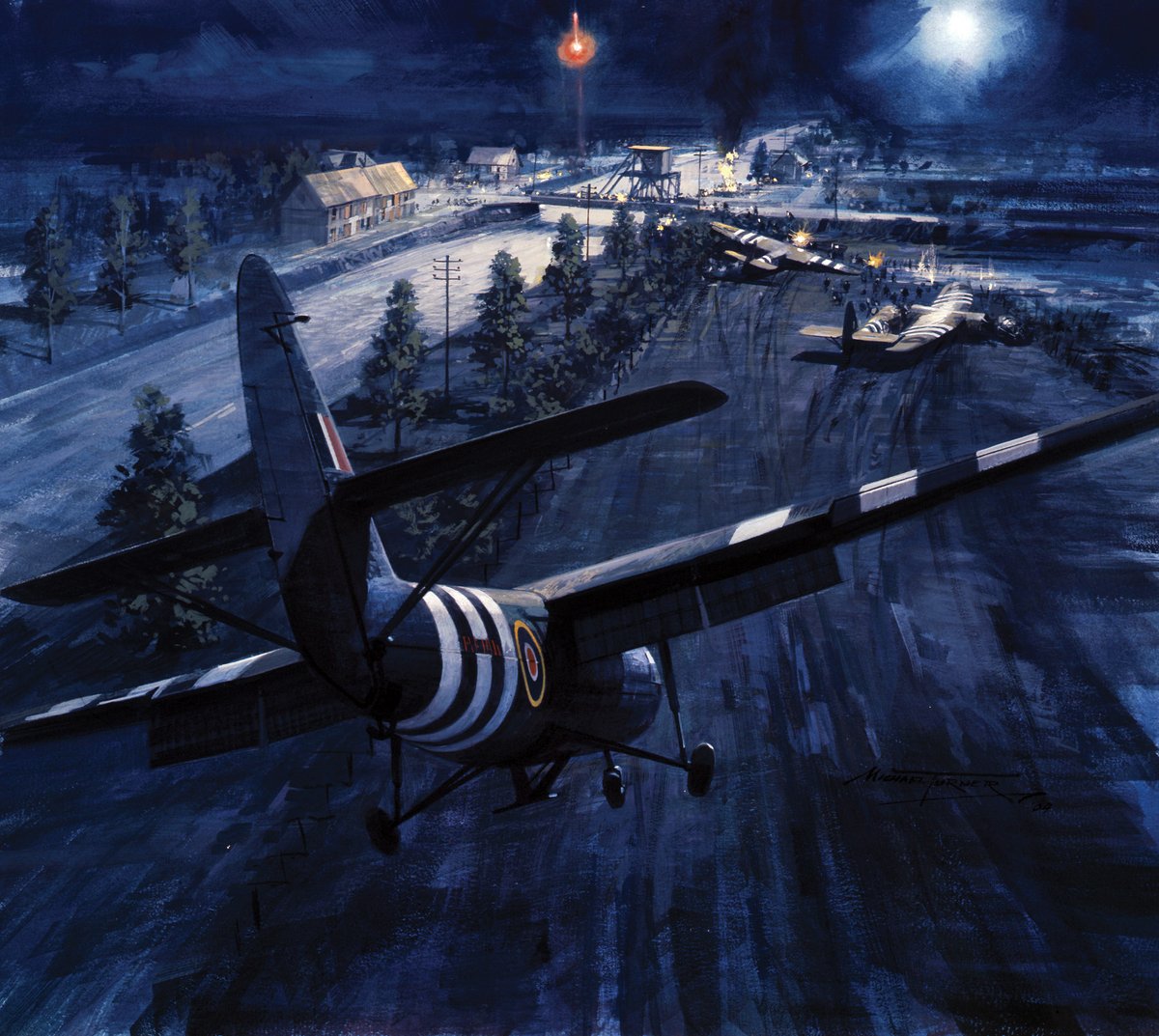
 In the same way that the British Army's Ajax programme includes six different versions, so that armoured cavalry regiments are self-supporting, the Booker chassis lends itself to a whole range of variants based on the M10 Booker Repair & Recovery variant. 2/4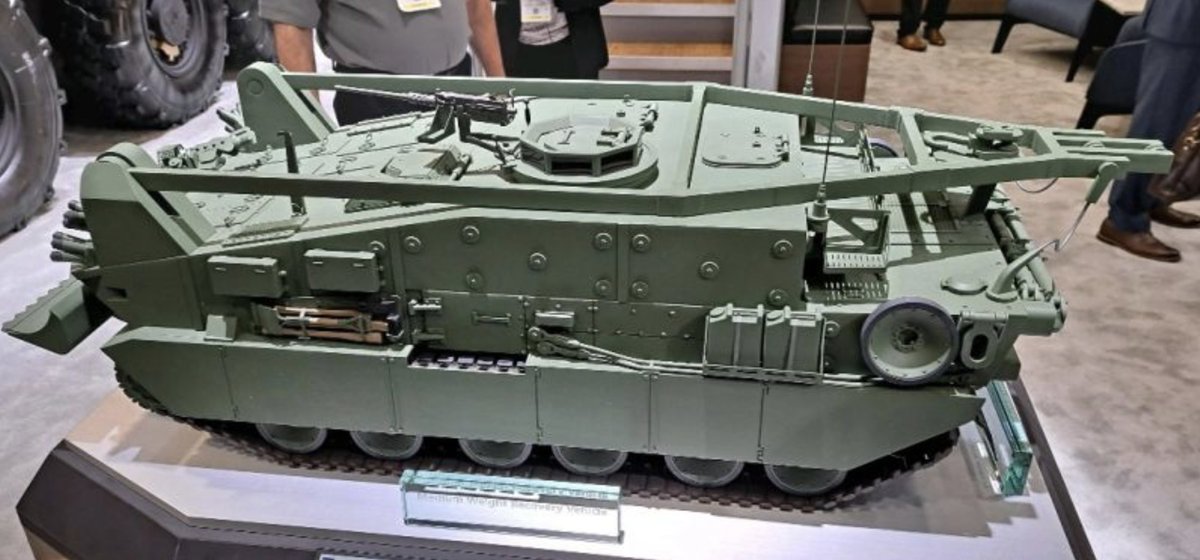
 An obvious choice is General Atomics Mojave, which is optimised for STOL operations from austere locations. This has a larger payload, double the range and better ISR sensors. It can also carry up to 16 Hellfire missiles for strike tasks. Crucially, it is harder to jam. (2/6)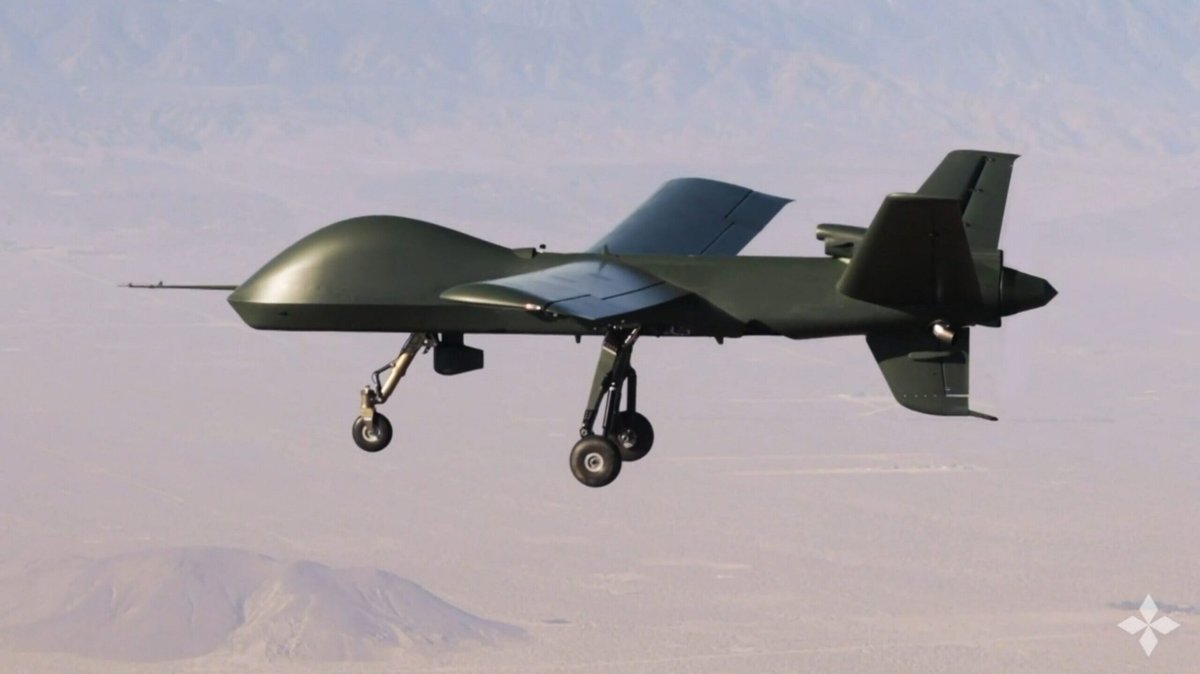
 As impressive as the vehicle itself is the acquisition approach. 12 prototypes from two companies were down-selected. These were tested extensively. A winner was chosen and awarded a LRIP contract for 26. Now that all issues are resolved a full production contract can be issued.

 Ukraine's success with HIMARS confirms what we already believed, that precision-guided deep fires rockets and missiles enable smaller armies to deliver an effect that belies their size relative to larger, less capable adversaries.
 As good as Boxer is, only 4 infantry battalions will be equipped with it. So having a larger fleet of lower cost PMVs will be essential. Also, the way in which they're being used in Ukraine, as battlefield taxis that move infantry out-of-contact, points to a new way of operating.
 While the conflict has resulted in the comprehensive degradation of Russia’s land force capabilities, Russia is not yet a spent force. Vladimir Putin has not accepted defeat, nor has he relinquished his territorial ambitions.

 What made NGSW controversial is that US Army wanted a bullet that could defeat Level IV body armour at 600 metres. This resulted in an ammunition that matches .300 Winchester Magnum, a long-range sniping cartridge. (7.62 mm versus .300 WINMAG)
 1️⃣ AS90 is no longer fit for purpose. The Army desperately needs a 52 calibre howitzer and it cannot wait for MFP to deliver in 3-5 years time. For the UK to lead the Very High Readiness Joint Task Force, it must have credible tube artillery now.
 IR21 recognised that resource constraints meant that our approach to the Indo-Pacific needed to be a "tilt" not an outright "pivot." The AUKUS construct is the perfect embodiment of this aspiration, especially as the threat posed by China is expanding not contracting.
 Why is this a problem?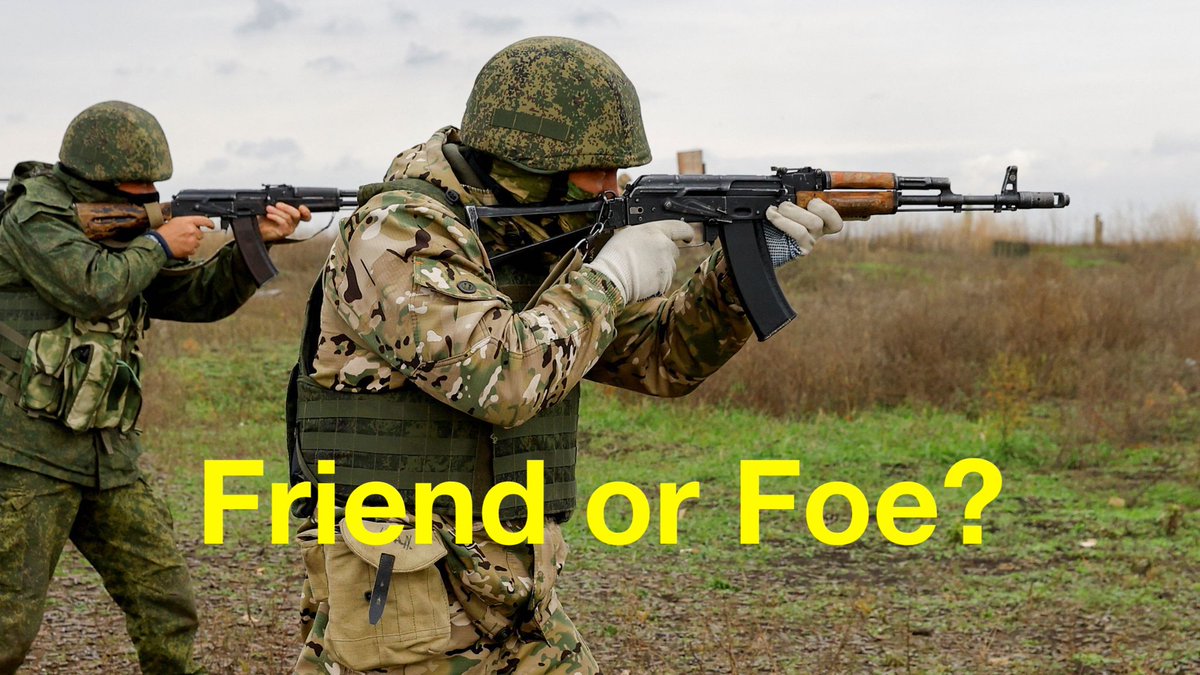
 NATO and its partners could potentially provide five different tanks types:
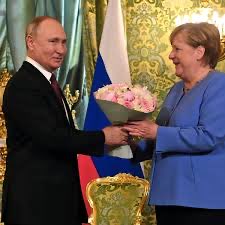 Germany answered the wake-up call months ago and is fully on board with need to support Ukraine by providing military aid. In fact, only the USA and Britain have donated more. But it hasn’t been any easy journey or transformation. And it’s important to understand why.
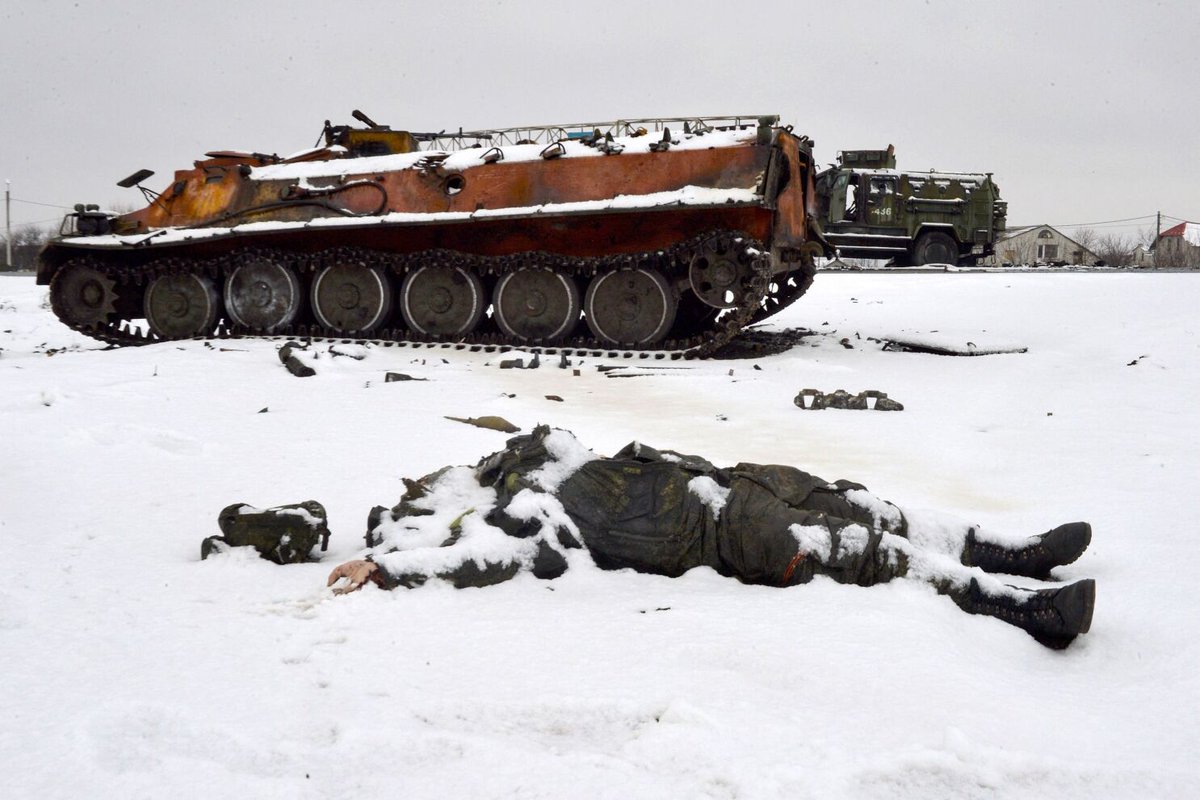
 First, the criteria for inclusion:
 AI is already embedded into a variety of everyday systems and vehicles. The autopilot of modern airliners is a good example. Most landings are completely automated with the onboard computer taking all of the decisions. Cars are going the same way.