Ordo Ab Chao Profile picture
Author/Historical Studies | MA Ancient History | Ancient Near East | "The Book of Nature is written in the language of mathematics." - Galileo Galilei
Aug 27, 2022 44 tweets 9 min read
I think this thread is very one-sided. Not that it’s incorrect about what Camacho identifies as “myths” per se, but it lacks balance and context. History is complex and rarely follows a continuous line of thought such as we observe in this thread. We see Camacho primarily presenting only the evidence which supports his contentions. He tends to avoid evidence that might challenge his assertions, or on the odd occasion that he does acknowledge it, he significantly downplays or discounts it.
Aug 14, 2022 5 tweets 3 min read
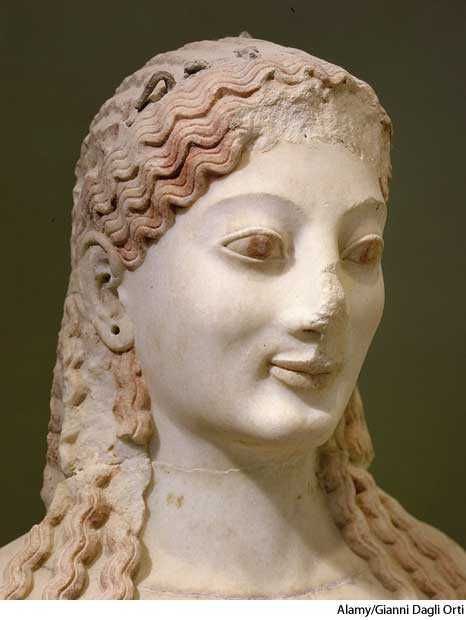
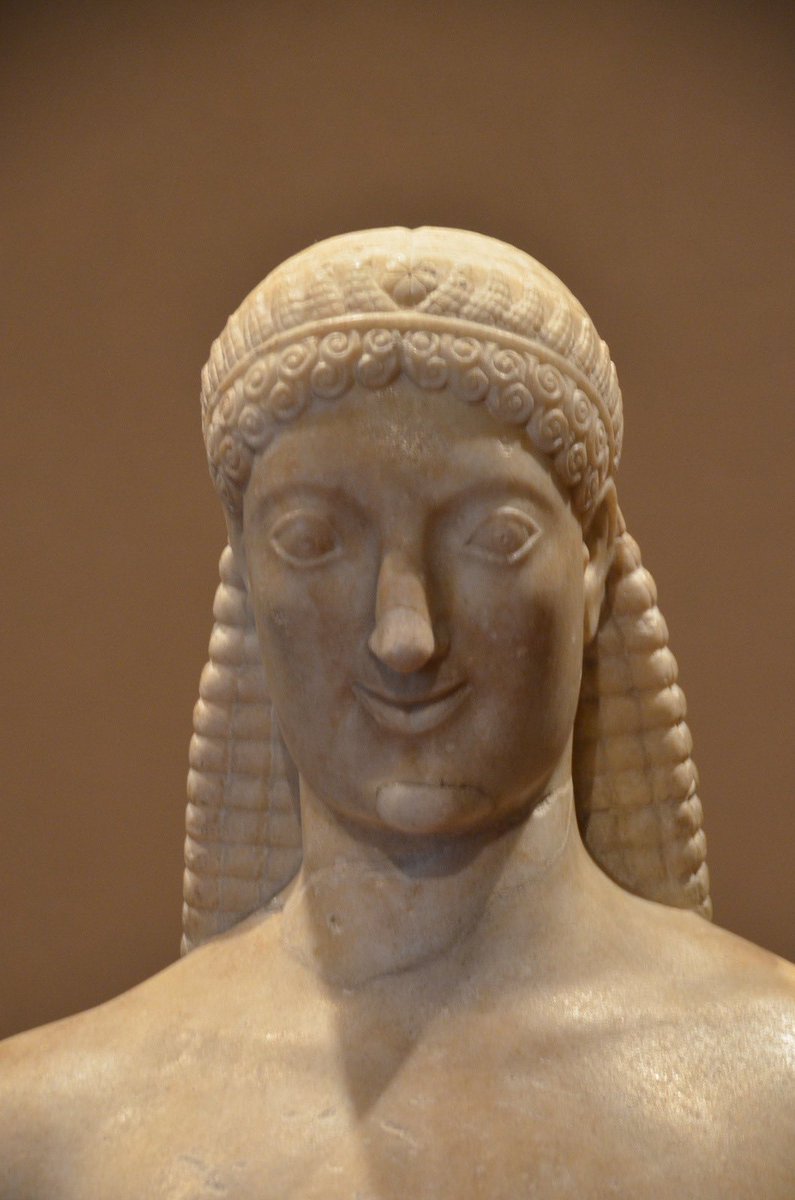
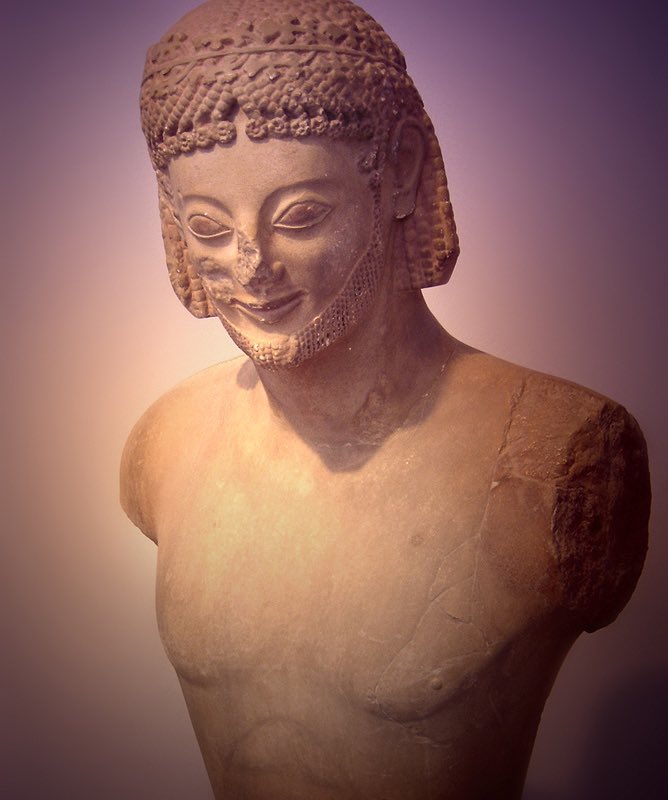
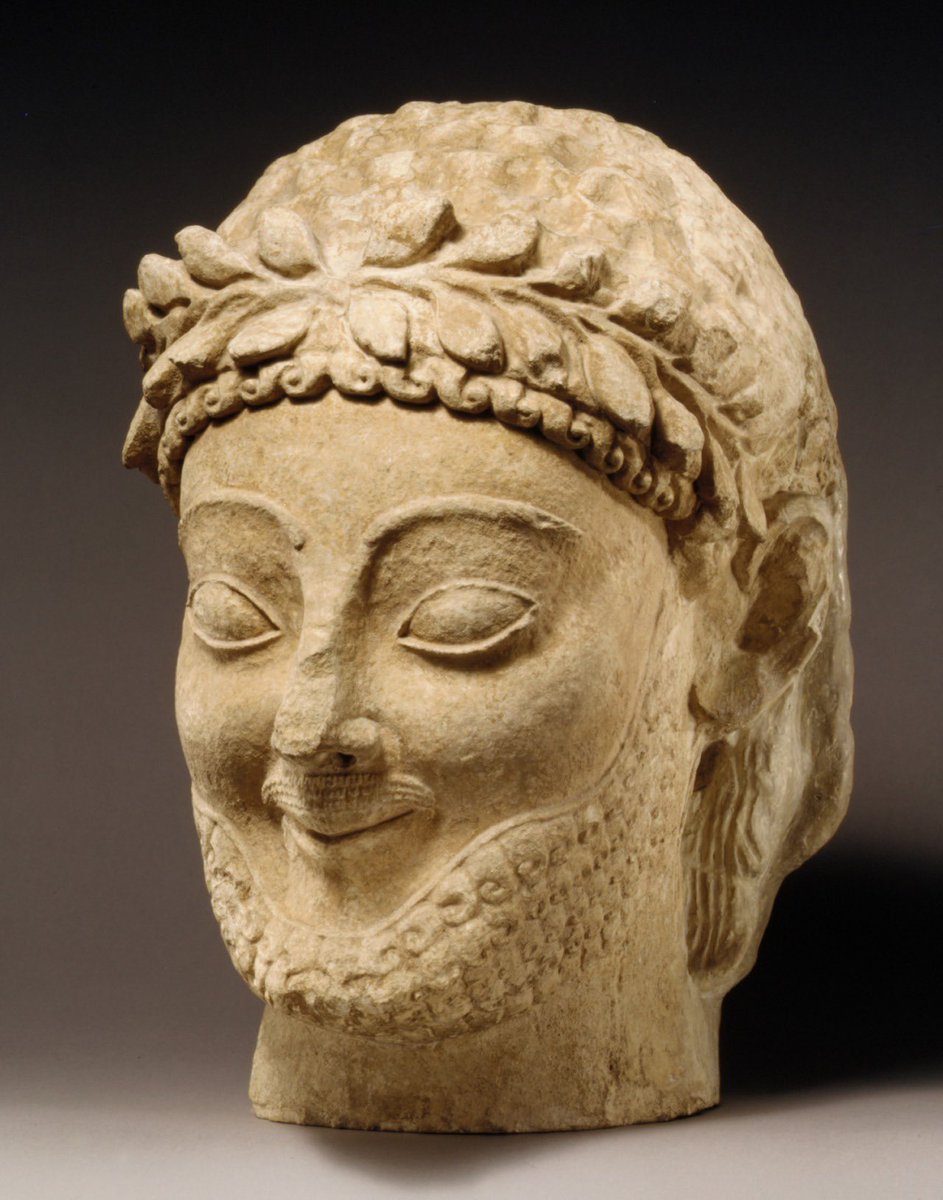
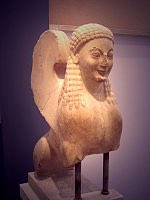
I’ve always been intrigued by a feature of Greek sculpture (c. 500s BCE) known as the “archaic smile.” A simple smile adorns the faces of many Greek statues. See some examples below… ⬇️ ImageImageImageImage Why are these statues smiling? Well… It doesn’t appear to be for the purpose of expressing emotion. Some scholars suggest it could represent the vitality and life of a figure otherwise rendered motionless. Image
Aug 6, 2022 33 tweets 5 min read
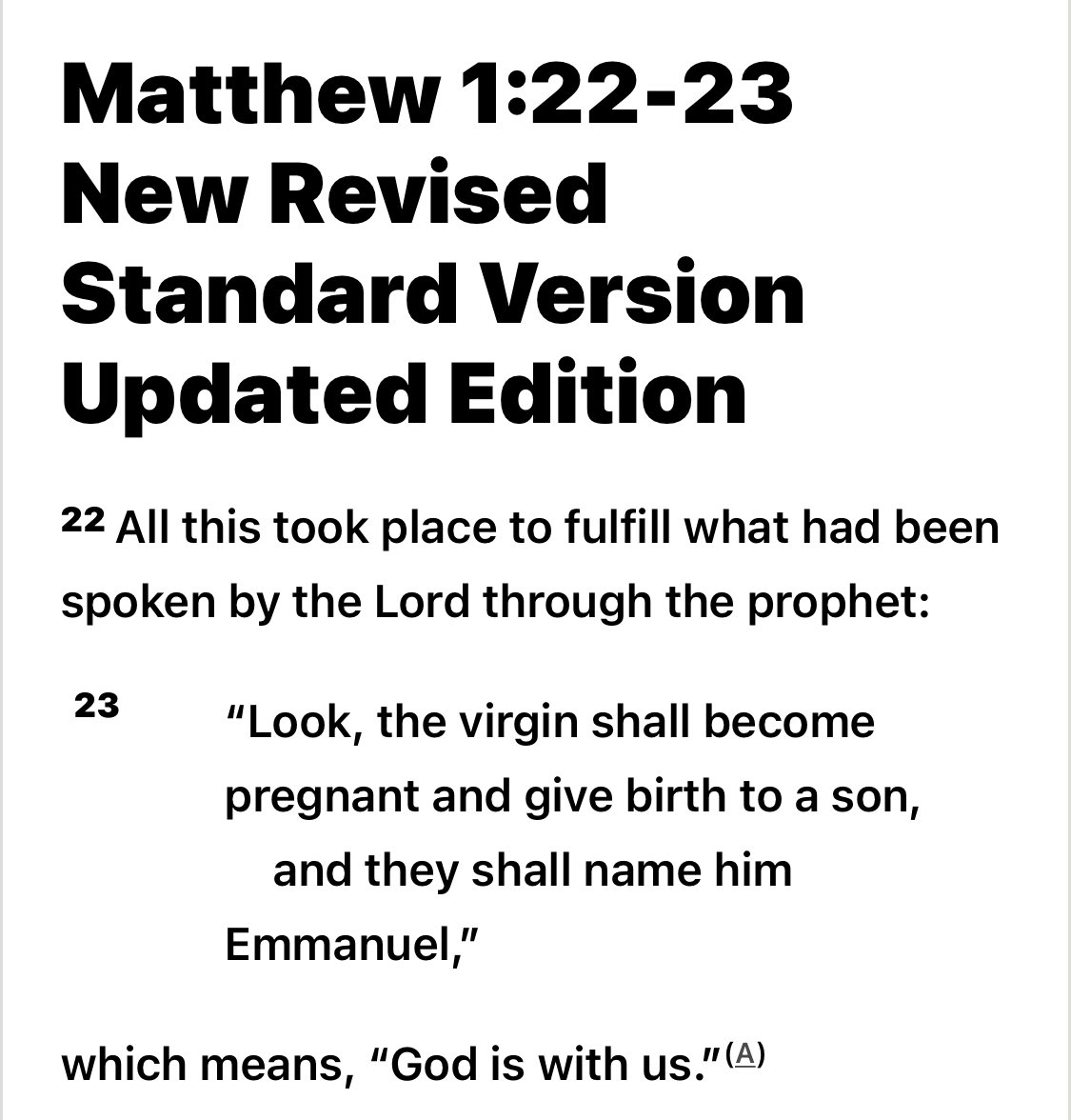
PSA: If you want to understand how Hebrew prophecy works, take the time to actually read the secondary literature on the topic and try to avoid “counter-apologetics” like this. ⬇️ Prophetic oracles were intended to speak to contemporary social, political, or religious crises…not make predictions about what would happen centuries later in some distant future.
Feb 22, 2022 14 tweets 4 min read
I think Tim raises some important counterpoints to my argument in his thread. When making statements about the *expectations* of Jesus’ followers, we certainly need to tread lightly. I always appreciate Tim reminding us to proceed cautiously in these matters… After all, as I’ve said in the past, attempting psychoanalysis on figures attested in ancient literature is next to impossible. This has always been one of my problems with the appeal to cognitive dissonance theory as an explanation for the resurrection belief.
Feb 21, 2022 5 tweets 2 min read
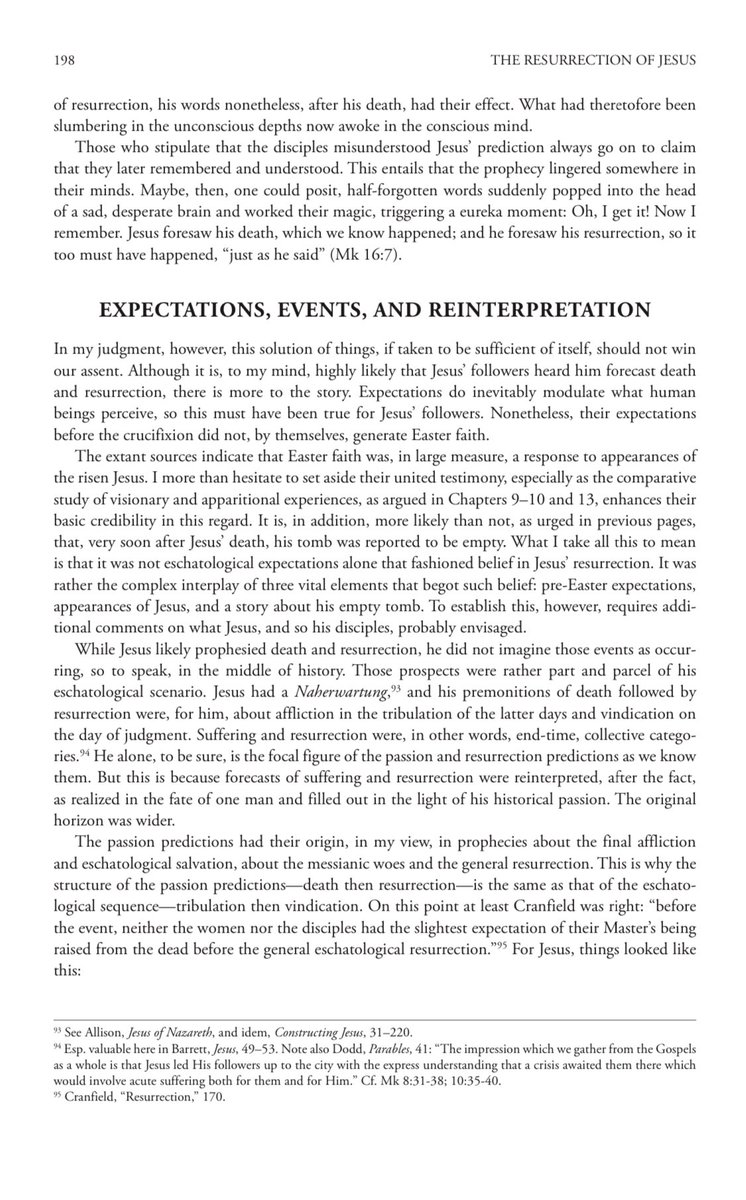
The matter, Carmona, R.N., is that if you know anything about 1st C Judaism, you’ll know that the term “resurrection” was almost always understood to mean the general resurrection of the dead at the end of the world. Jesus’ followers would have understood his statements about his resurrection to refer to this communal, eschatological, event…not his own “special” resurrection dropped into the middle of history.
Feb 21, 2022 35 tweets 7 min read
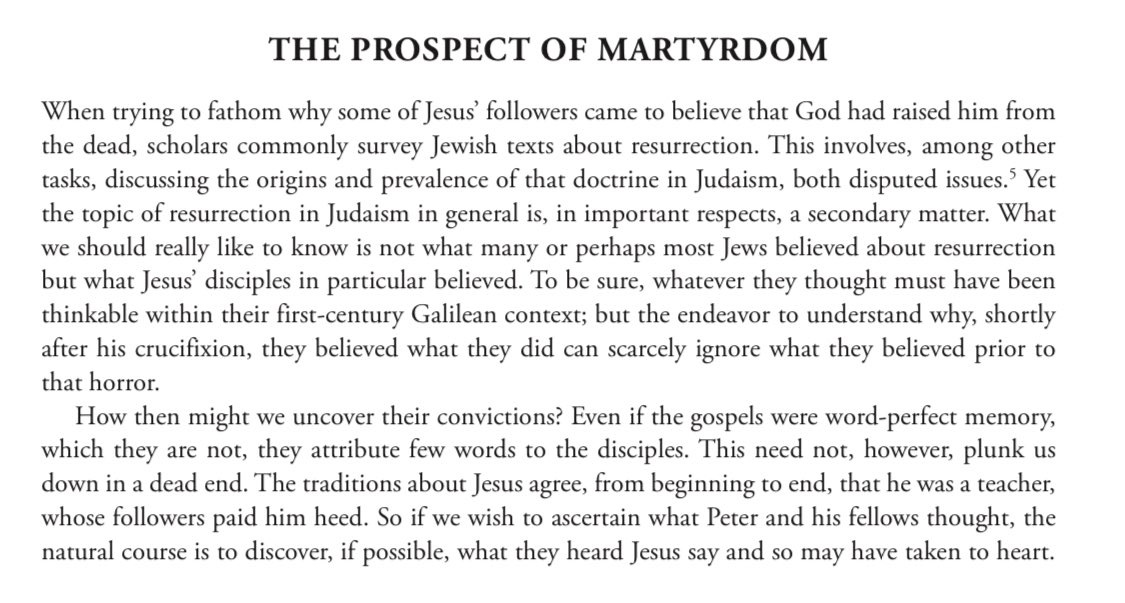
#Thread Several naturalistic explanations have long been proposed for the resurrection of Jesus. One in particular that has been frequently discussed, especially on social media, is cognitive dissonance. Essentially, the cognitive dissonance explanation states that Jesus’ followers had totally committed themselves to the belief that when he arrived in Jerusalem he would establish himself as messiah and usher in the eschatological Kingdom of God.
Aug 18, 2021 46 tweets 6 min read
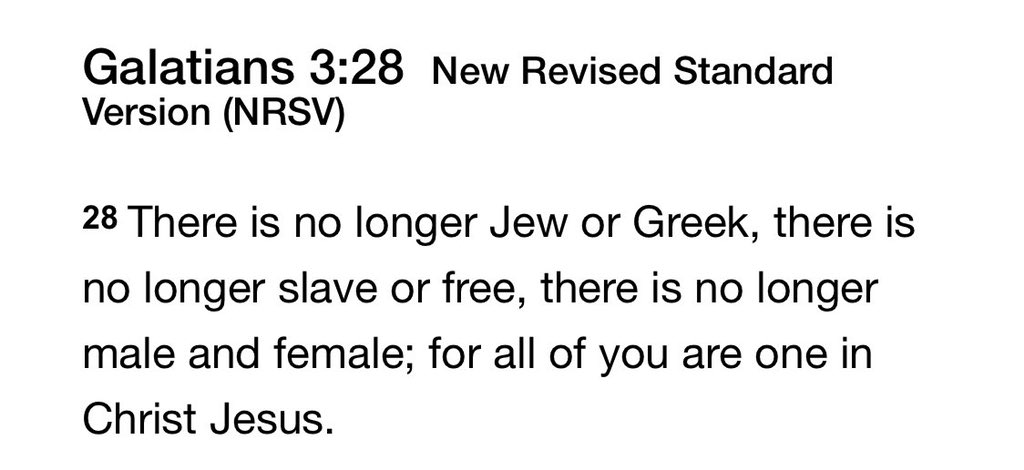
Recently, I’ve read some tweets about early Christians/New Testament authors and their positions on slavery. The point being made is that there doesn’t seem to have been a widespread condemnation of slavery by early Christians. Ok…let’s be honest. We all know intent of these tweets isn’t to engage in an objective sociocultural examination of the attitudes/practices of a particular religious sect within the Roman Empire.
Jul 29, 2021 6 tweets 2 min read
“According to Jesus, to understand God and his kingdom, Torah as it stands does not have the final word. It needs to be reshaped. “Fulfilling Torah,” ironically, means going beyond the words on the page and to another level, which is where you find the heart of God… For Jesus, that meant intensifying the requirements of Torah in places. At times, it meant going in another direction… God told Moses that Israelites were to make solemn oaths to one another in God’s name, an ancient version of a binding contract…
Jun 13, 2021 9 tweets 20 min read
@alucard_nogard @doofgeek4011 @sygarte @_phenomonaut_ @Lionheart213072 @BrassVon @DoulosChristou7 @travisdon1981 @theistthinker @DeusBryant505 Here’s the problem that Hossenfelder is running into… The main thrust of her argument against fine-tuning is that we don’t know (and can never know) how unlikely the constants & quantities of our universe actually are. We don’t have other universes with which to compare our own. @alucard_nogard @doofgeek4011 @sygarte @_phenomonaut_ @Lionheart213072 @BrassVon @DoulosChristou7 @travisdon1981 @theistthinker @DeusBryant505 She argues that any attempts to explain the perceived fine-tuning of our universe, whether God or multiverse, are not scientific and beg the question. They can’t be empirically verified. However, her own field, theoretical physics, is rife with theoretical models…
May 31, 2020 23 tweets 5 min read
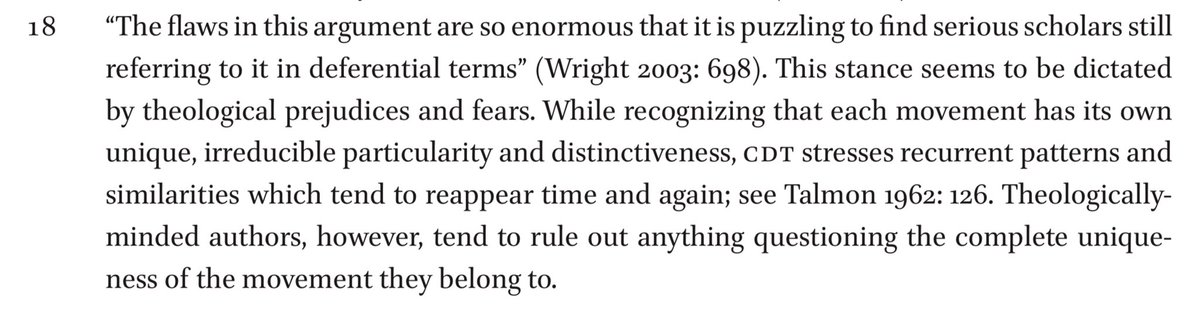
@MatthewHartke often promotes cognitive dissonance theory as an explanation for the rise of early Christianity. So I read a piece he recommended entitled “The Process of Jesus’ Deification and Cognitive Dissonance Theory” by F. Bermejo-Rubio. See my thoughts below. A little background... The grandfather of cognitive dissonance theory was Leon Festinger. Unfortunately, his “groundbreaking” study of cognitive dissonance in a flying saucer cult turned out to be an extreme example of the observer effect and a methodological disaster.
Feb 26, 2020 12 tweets 41 min read
@ATHE1STP0WER @RealityRevInc @doofgeek4011 @EmeryThrash @BrassWisdom @bibhistctxt @amateurexegete @amo_linguas @WriterJohnBuck @Lionheart213072 @SentinelApolog1 @HPerplexed @epichrist @GoatApologist @1SonuvaGunn @YoungbloodRay95 This tweet reveals an astounding level of ignorance regarding the the biblical texts. Are you familiar with the study of genre? I’m asking because this is where I think you’re making your biggest mistake... @ATHE1STP0WER @RealityRevInc @doofgeek4011 @EmeryThrash @BrassWisdom @bibhistctxt @amateurexegete @amo_linguas @WriterJohnBuck @Lionheart213072 @SentinelApolog1 @HPerplexed @epichrist @GoatApologist @1SonuvaGunn @YoungbloodRay95 Here’s an example... Genesis 1-3 contains two different creation myths that contain familiar Ancient Near Eastern motifs. The purpose isn’t to relay history, but rather a theological message about God and humanity.
Dec 25, 2019 24 tweets 5 min read
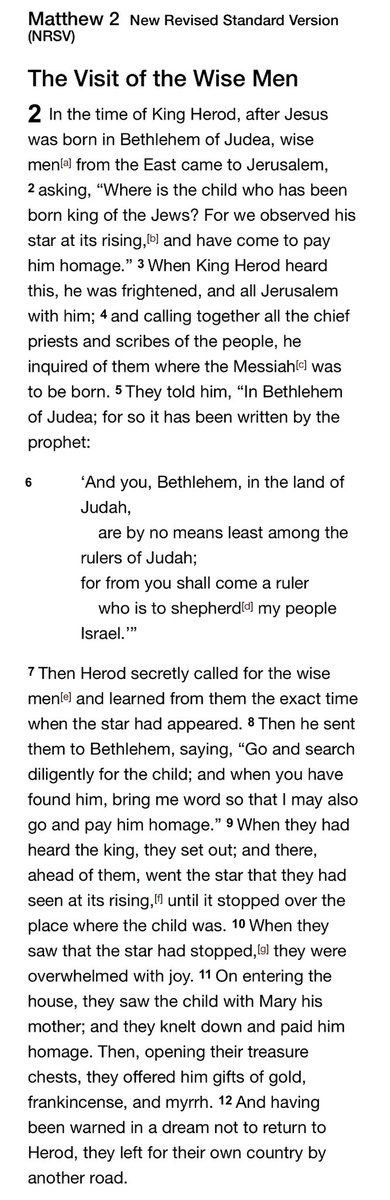
“Do not be afraid; for see I am bringing you good news of great joy for all the people: to you is born this day in the city of David a Savior, who is the Messiah, the Lord.” - Luke 2:10-11 The “city of David” is Bethlehem. I think many of us just take it for granted that Jesus was born in Bethlehem. But was he? This is actually a point of contention in scholarship. In fact, many commentators conclude that Jesus was born in Nazareth.
Jul 28, 2019 4 tweets 1 min read
A word of encouragement for my fellow Christians on this Sunday morning... The stories you find within the biblical texts are some of the most beautiful, powerful, and devastating stories in the history of the world. When you read them, don’t try to make their observations and insights about God fit within your particular brand of theology. Instead, allow yourself to marinate in their words. Enter into the world of the authors. Let the texts speak for themselves and say what they want to say.