in celebration of closing my first [and oversubscribed] syndicate deal today, here's ten things i learned (accidentally) raising my first syndicate deal...[a thread]
a couple notes 1) i won't be announcing the company before their public launch BUT i wanted to share some learnings, the hilarious story of how this deal was sourced, and celebrate the amazing investors on my cap table 🎉
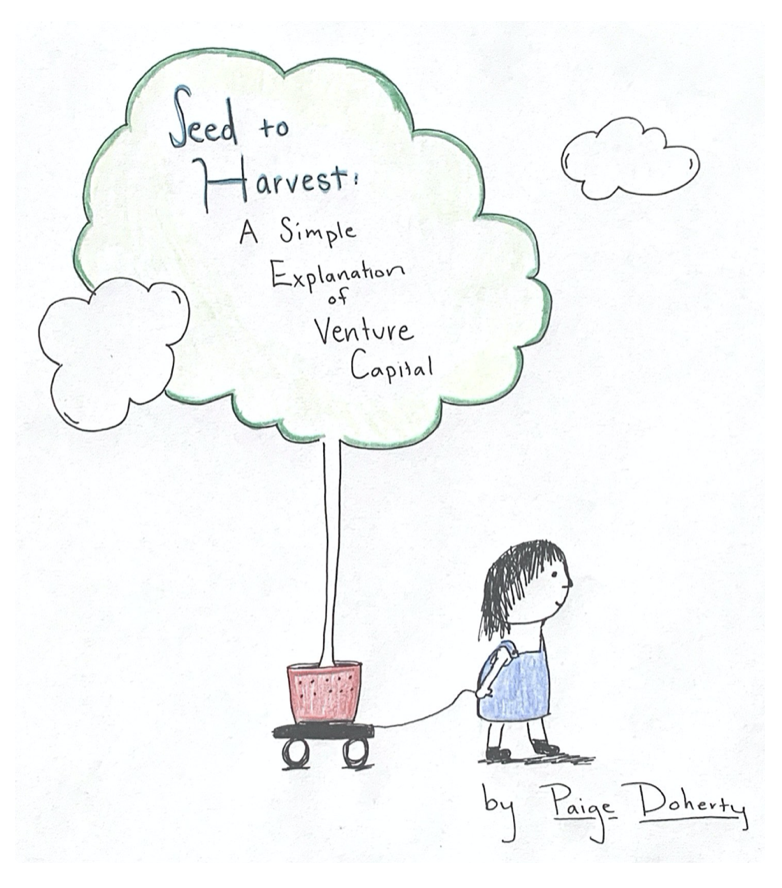
the story: about a month ago, i set up a community number for updates on seed to harvest, the illustrated children's book I'm writing about how venture capital works. i didn't have too many signups, but enjoyed the one-on-one dialogue i got to have with those that did sign up
one of these dialogues in particular caught my eye,
it read, "paige, was curious to hear your thoughts on something. We’re about to finish raising an early round from some really awesome angels at [redacted] and a couple great funds as well (including [redacted])...
it read, "paige, was curious to hear your thoughts on something. We’re about to finish raising an early round from some really awesome angels at [redacted] and a couple great funds as well (including [redacted])...
and went on to ask about my experience with building a network in tech & specific questions around marketing and curation. my interest was piqued, so I asked asked if they had any allocation left in the round.
We ended up having a series of conversations over the next couple days & getting to know each other. I resonated strongly with the problem space they are working in and was incredibly impressed by their vision.
I had also never raised an syndicate deal before - so in parallel with these discussions, @LandonAinge, the MD of @ASyndicates was walking me through the legal and financial regulations on the back office side of setting up an SPV.
I cannot speak highly enough of Landon and his incredible support. I'm so excited to work with him on my syndicate deals going forward!
Lesson 1. Some investors will ask LOTS of questions, some will ask very few. That's normal, people have different levels of information they need to be able to have conviction in an investment.
Lesson 2. Keep a list of all the questions potential investors ask you & the answers you have for them in a central spot (I used Notion) to make things more efficient.
Lesson 3. Use a CRM. I didn't - and a combination of twitter DMs and separate email threads got messy fast. I'll be using Notion going forward to keep tabs on investors in my network & their thesis areas.
Lesson 4. Celebrate quick nos & long yes. I loved when angels were able to say a quick no based on their thesis, and on the flip side it was incredible to hear a yes after playing email tag for a week & answering deep dilligencing questions.
Lesson 5. The doldrums happen when you're so close you can taste it. About one or two investments from finishing, i was waiting on a handful of stalled conversations. Have patience, they'll come through.
Lesson 6. Follow up. Follow up. Follow up. This is incredible important to closing a syndicate quickly and making sure you're communicating the necessary information.
Lesson 7. Nerves mean you're doing something right. I needed to lay down and take some very deep breaths the morning after asking for allocation. Executing on small tasks over and over make things seem less scary.
Lesson 8. I was considering this from the beginning, but trying to focus on angels with similar or tangential interest ares cut my reach outs in half vs had I not been specific. The more closely a company aligns with their thesis, the easier it is to reach conviction.
Lesson 9. There is no better way to learn than to do, and do repeatedly. The perspective I gained talking to angels helps me anticipate what they may ask in the future which contributes to the advice I can provide founders & my general knowledge of investing.
Lesson 10. The only thing that feels better than doing my own syndicate, is doing it with an INCREDIBLE team backing me...
• • •
Missing some Tweet in this thread? You can try to
force a refresh