"Anonymous" makes some good points but the analysis of Chinese elite politics is questionable
They claim: "The political reality is that the CCP is significantly divided on Xi’s leadership and his vast ambitions."
Internal opposition to Xi is real but this seems overstated (1/)
They claim: "The political reality is that the CCP is significantly divided on Xi’s leadership and his vast ambitions."
Internal opposition to Xi is real but this seems overstated (1/)
https://twitter.com/politico/status/1354804896176906249
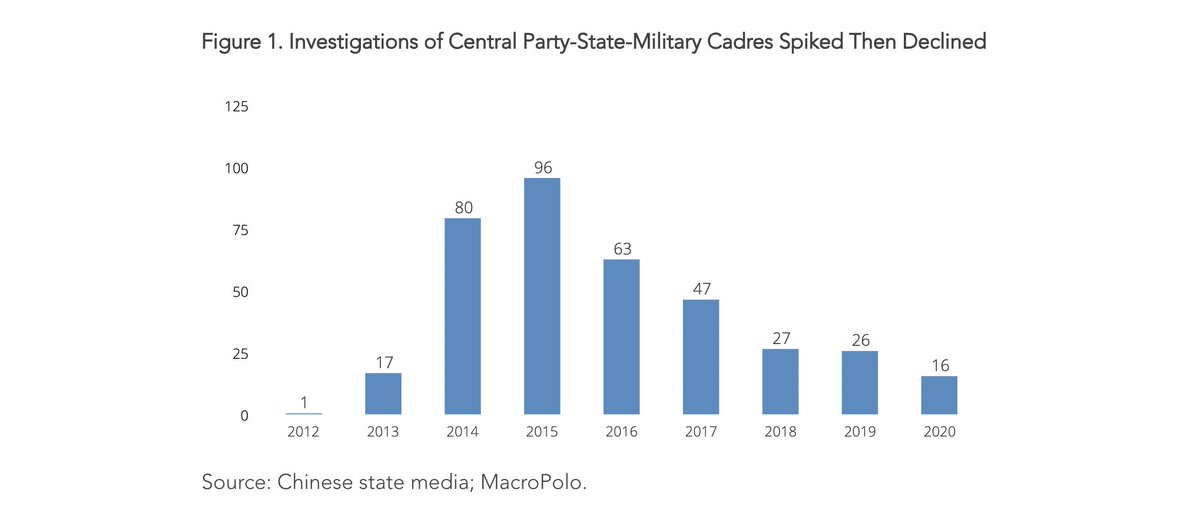
Indeed, Xi himself seems to think the internal threat level is not rising but falling
Declining disciplinary investigations of CCP elites suggests that Xi believes his position is increasingly secure
Xi could be blind to threats, but seems unlikely (2/)
macropolo.org/analysis/china…
Declining disciplinary investigations of CCP elites suggests that Xi believes his position is increasingly secure
Xi could be blind to threats, but seems unlikely (2/)
macropolo.org/analysis/china…
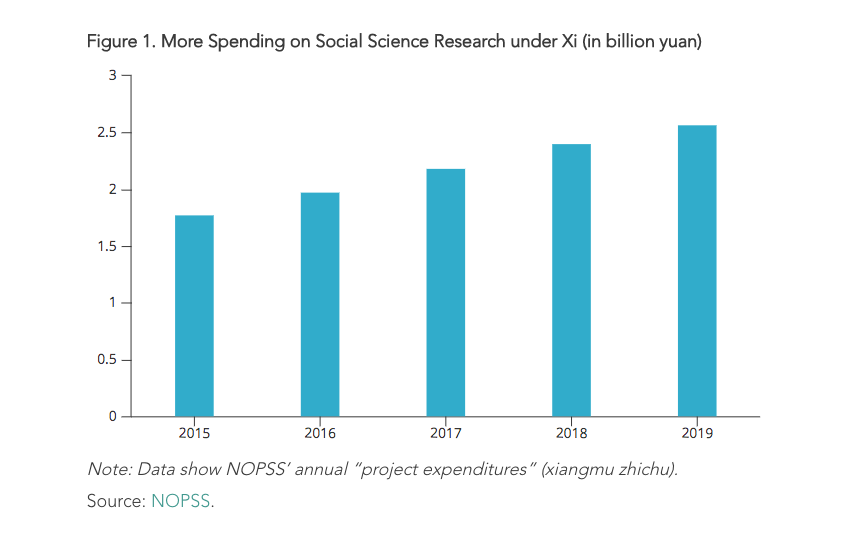
Xi's hardline politics & power centralization have alienated CCP "liberals" and serious people have made brave dissents (Ren Zhiqiang, Xu Zhangrun, Cai Xia)
BUT there is little evidence of “backlash” in the 370-member Central Committee “selectorate” (3/) macropolo.org/digital-projec…
BUT there is little evidence of “backlash” in the 370-member Central Committee “selectorate” (3/) macropolo.org/digital-projec…
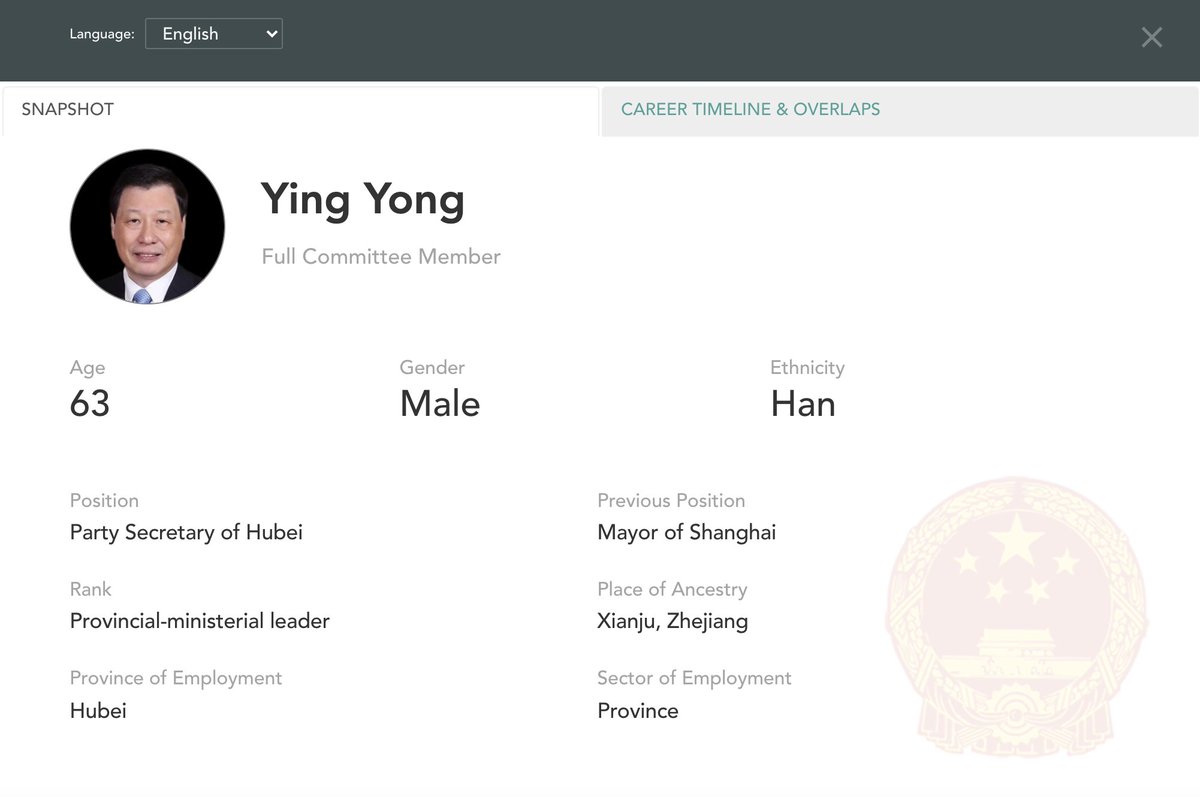
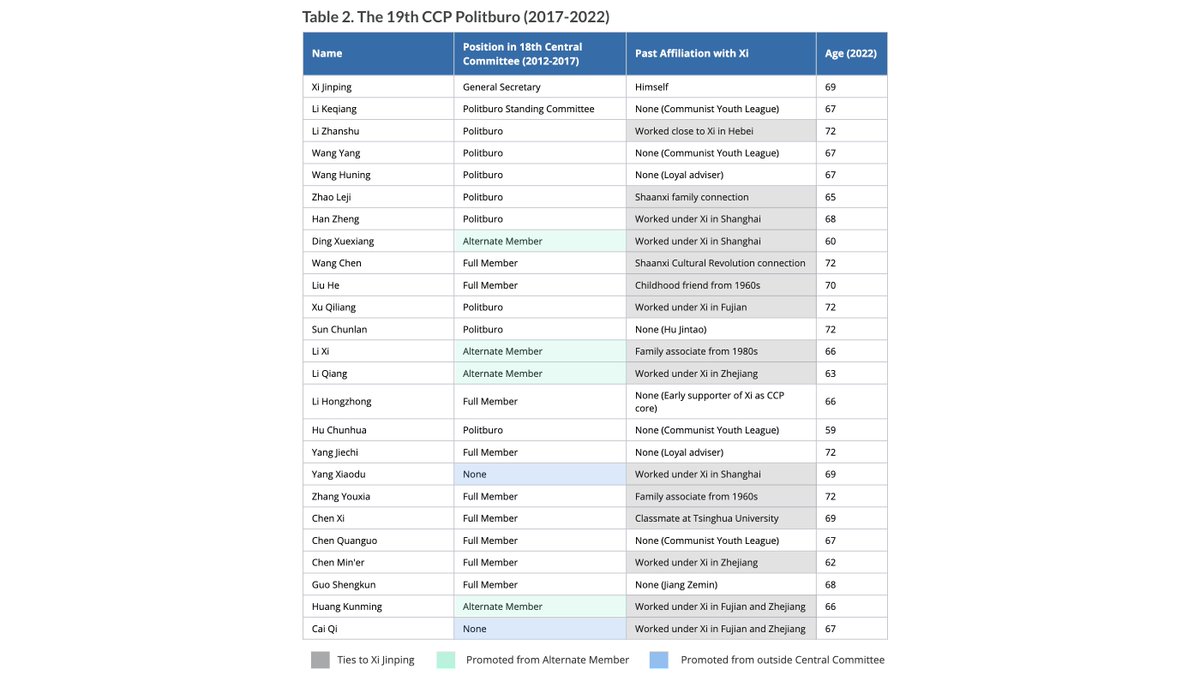
Xi has also reshaped the CCP elite in his image, putting more direct allies/associates on the elite 25-member Politburo than his predecessors macropolo.org/analysis/the-t…
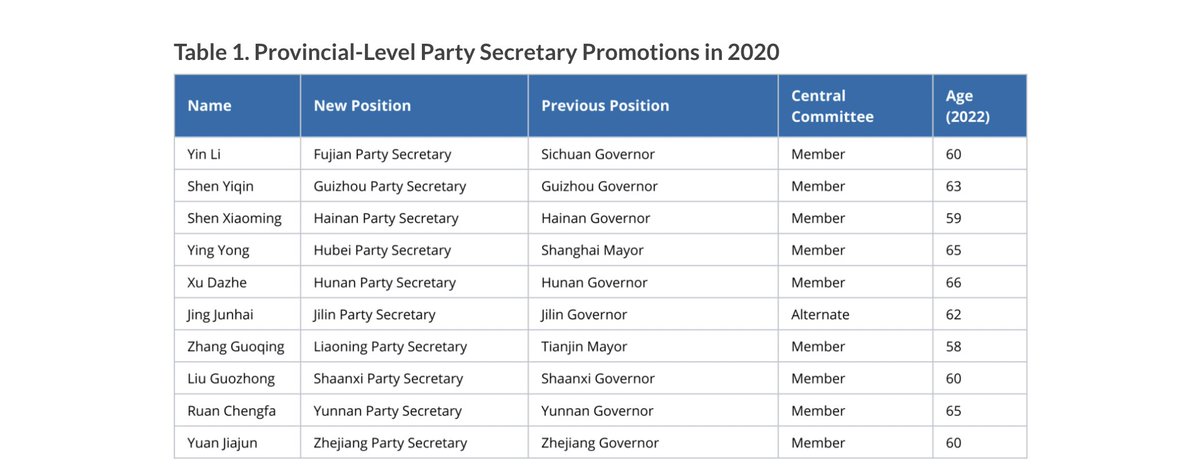
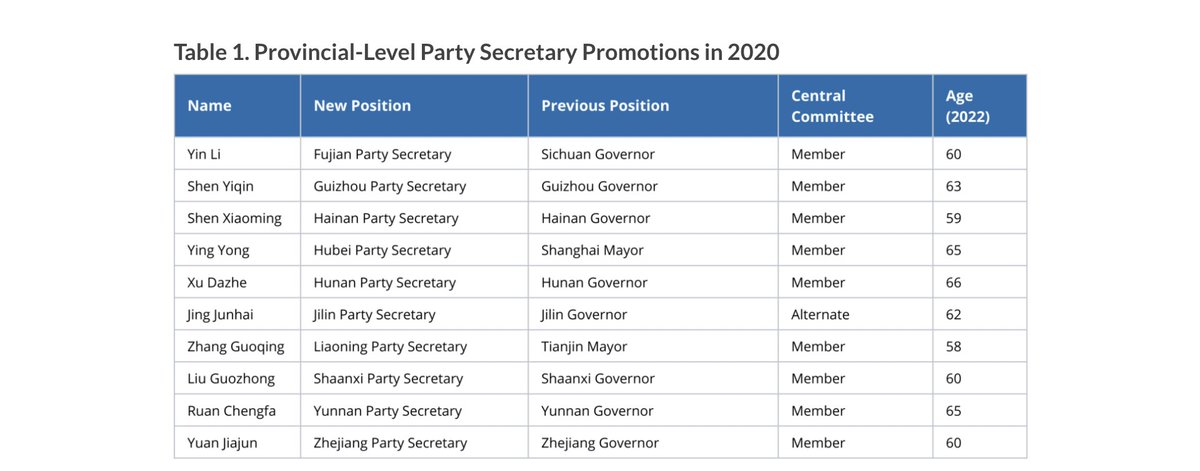
That trend continued in 2020 and looks set to continue at the 2022 Party Congress (4/) macropolo.org/chinese-politi…
That trend continued in 2020 and looks set to continue at the 2022 Party Congress (4/) macropolo.org/chinese-politi…
Xi's anti-corruption campaign, control of policy groups, sidelining of State Council & military-security reforms mean he controls most pillars of power
AND policy successes + Xi propaganda + nationalism mean removing him absent true catastrophe would hurt Party legitimacy (5/)
AND policy successes + Xi propaganda + nationalism mean removing him absent true catastrophe would hurt Party legitimacy (5/)
Oddly, "Anonymous" singles out media reports on CCP leaders' family wealth as "of particular political toxicity," but these 2012-2013 reports haven't affected Xi yet. Also questionable if ex-leaders who weren't taken down in 2012-14 "fear for their own lives and the future." (6/)
I doubt "seething resentment among large parts of China’s Communist Party elite"
Hu-Wen era underrated but Alice Miller makes good case that CCP elites supported Xi's consolidation to reassert central control
And Xi is probably more popular in China than we'd like to admit (7/)
Hu-Wen era underrated but Alice Miller makes good case that CCP elites supported Xi's consolidation to reassert central control
And Xi is probably more popular in China than we'd like to admit (7/)
So it'll be very hard for the US to base China policy on forcing Xi out by exploiting "fault lines within the Chinese leadership elite"
BUT piece is right that "regime change" lens would rally support for Xi & that US+allies can change foreign policy calculus in Beijing (8/8)
BUT piece is right that "regime change" lens would rally support for Xi & that US+allies can change foreign policy calculus in Beijing (8/8)
• • •
Missing some Tweet in this thread? You can try to
force a refresh