The Contingency Argument for God's existence, in simple language (thread):
When we look at the world around us, we see many things that change. For example, at one time a man may be standing, but at another time he may be sitting. Yet he is the same man. (1/)
Philosophers express this fact by saying that the man's posture is contingent, i.e. that it could be different than it is. Humans are contingent beings because they could be different than they are at any given moment. The same is true of everything we see in the universe. (2/)
Living things like people, animals, and plants all grow and develop. Inanimate things like your car, phone, or computer may be turned on or off. Even rocks and gems can be cut, polished, or moved from one place to another. (3/)
Catholics and pro-lifers are being forced to make a difficult discernment in conscience regarding the currently available COVID-19 vaccines, because no completely ethical vaccines are available. With that in mind, today we are featuring...
...a point-counterpoint series about how Catholics can respond to vaccines developed with aborted fetal tissue. These should not be read as a debate over what all Catholics must do; rather, they are a discussion of prudential judgements we should make as witnesses to life.
First, the point from Dr. Joseph Meaney of @NCBCenter: Making use of these vaccines involves remote material cooperation with evil, which is licit for Catholics but requires discernment. catholic.com/magazine/onlin…
Neo-pagans and fundamentalists alike claim that Halloween has its roots in the Gaelic harvest festival of Samhein. Because of this persistent idea, some Christians are hesitant to participate in anything associated with Halloween. 1/16
But, like most claims that Catholicism adopted pagan practices and beliefs, this myth is based on bad research and propaganda that developed post-Reformation. Given the reformers' contempt for the Catholic doctrine of purgatory and prayers for the dead, this isn't surprising. 2/
The word "Halloween" is a contraction of “All Hallows Evening,” the vigil for the Christian holy day All Saints Day, which falls on November 1. Part of the confusion over this holiday arises because many people no longer know what the word "hallows" means. 3/
Biblical support for the papacy: you're (probably) doing it wrong. (Thread)
The first verse most Catholics cite to support the papacy is Mt. 16:18: "And I tell you, you are Peter, and on this rock I will build my church, and the powers of death shall not prevail against it"(1/)
Objectively, this is a strong verse. "Petros" means "rock," after all; and in the next verse, Jesus gives him the keys to the kingdom of heaven (v.19), a rich biblical symbol of authority (Isa. 22:22, Rev. 1:18). (2/)
However, it's a mistake to start right off with Mt. 16. Why? Because many non-Catholics think that the papacy is like a dictatorship: the pope says "Everyone has to do everything my way" and the Church has to listen. This is the source of most objections to the papacy. (3/)
On Sept. 11, 2001, we received a potent reminder that if man is at times not far from God, at other times he is not far from the demons. The unspeakable crimes committed may leave some wondering about God’s superintendence of the world. How could he allow such evil to succeed?
In this life we can have no definitive answers to such questions. The full answer will be given to us when we see God face to face. For now, all we can do is to look to the cross, the only source of true solace.
The gross sins committed by the terrorists—and our own sins of a lifetime—made the cross necessary.
As we think about the evils committed by others, we should not forget the evils we commit. Even the least of them would have made the cross necessary.
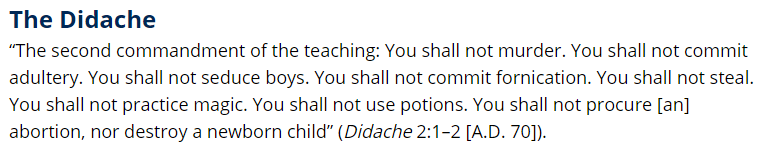
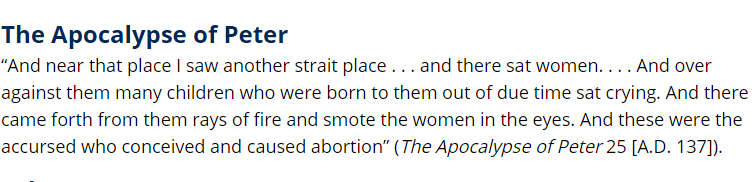
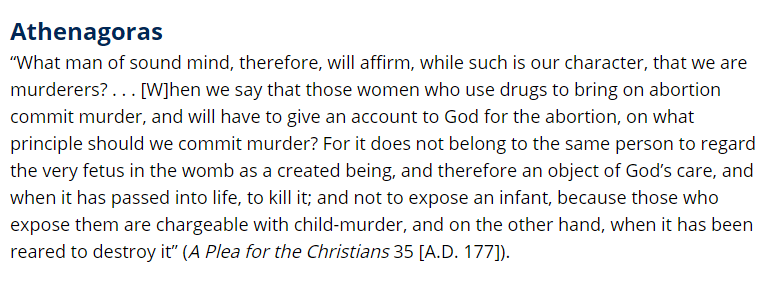
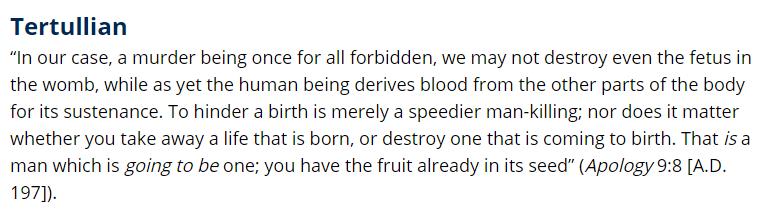
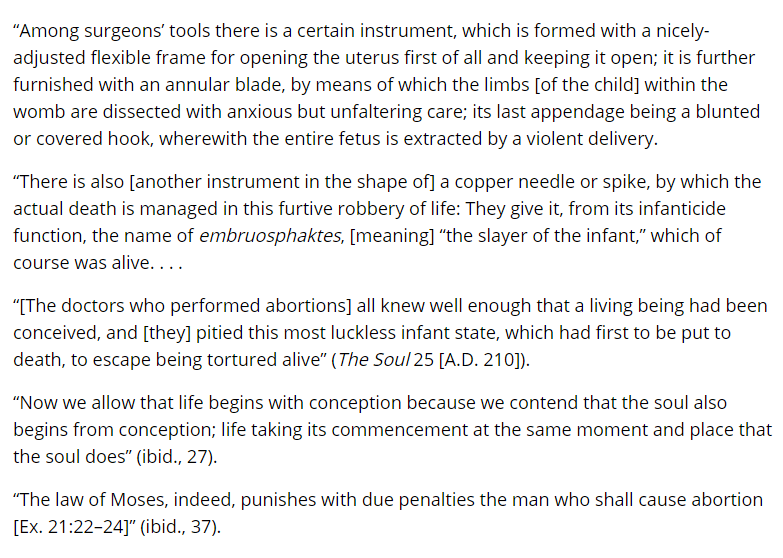
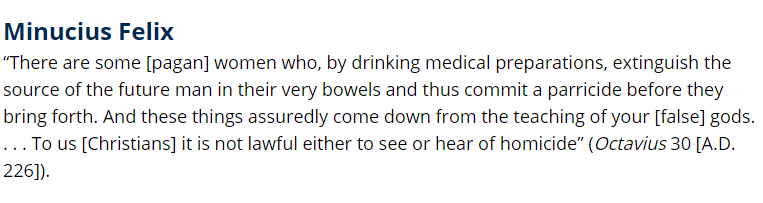
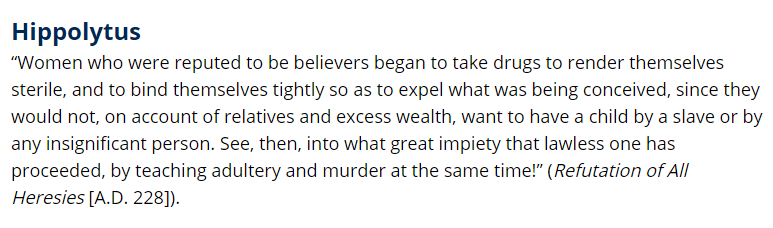
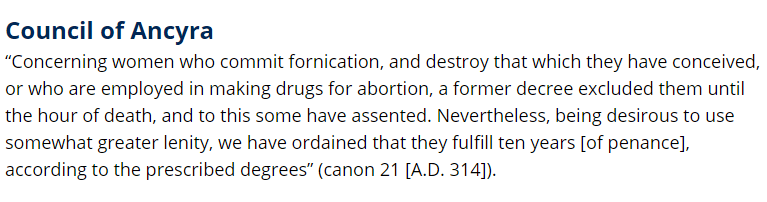
Objection: "Catholics don't have to oppose abortion. The Bible never says anything about abortion or when we get our souls."
First, reason alone is capable of establishing that the unborn are innocent human beings and thus have a right to life (catholic.com/video/when-doe…).
(1/9)
Second, Catholics do not have to verify everything from Scripture alone.
Third, Scripture contains principles that apply to the question of abortion. The most fundamental principle is in the Ten Commandments: "You shall not kill" (Ex. 20:13; Dt. 5:17).
(2/9)
Though some translations use the word "kill" in this passage, the Hebrew term ("ratsakh") has a more specialized meaning. Thus many modern translations render the commandment "You shall not murder" or "You shall not commit murder."
(3/9)